Attractions and Places To See around Poggio Nativo - Top 20
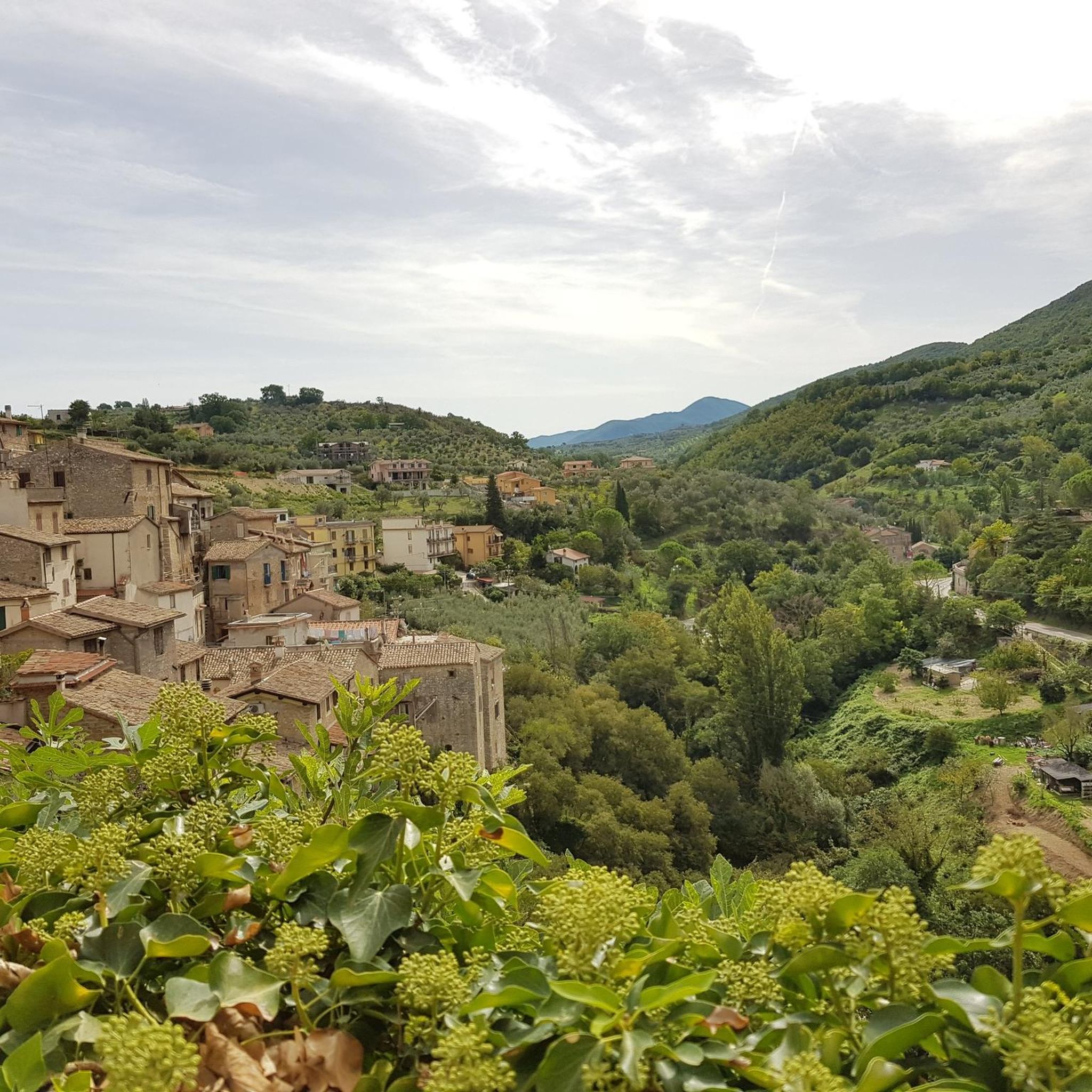
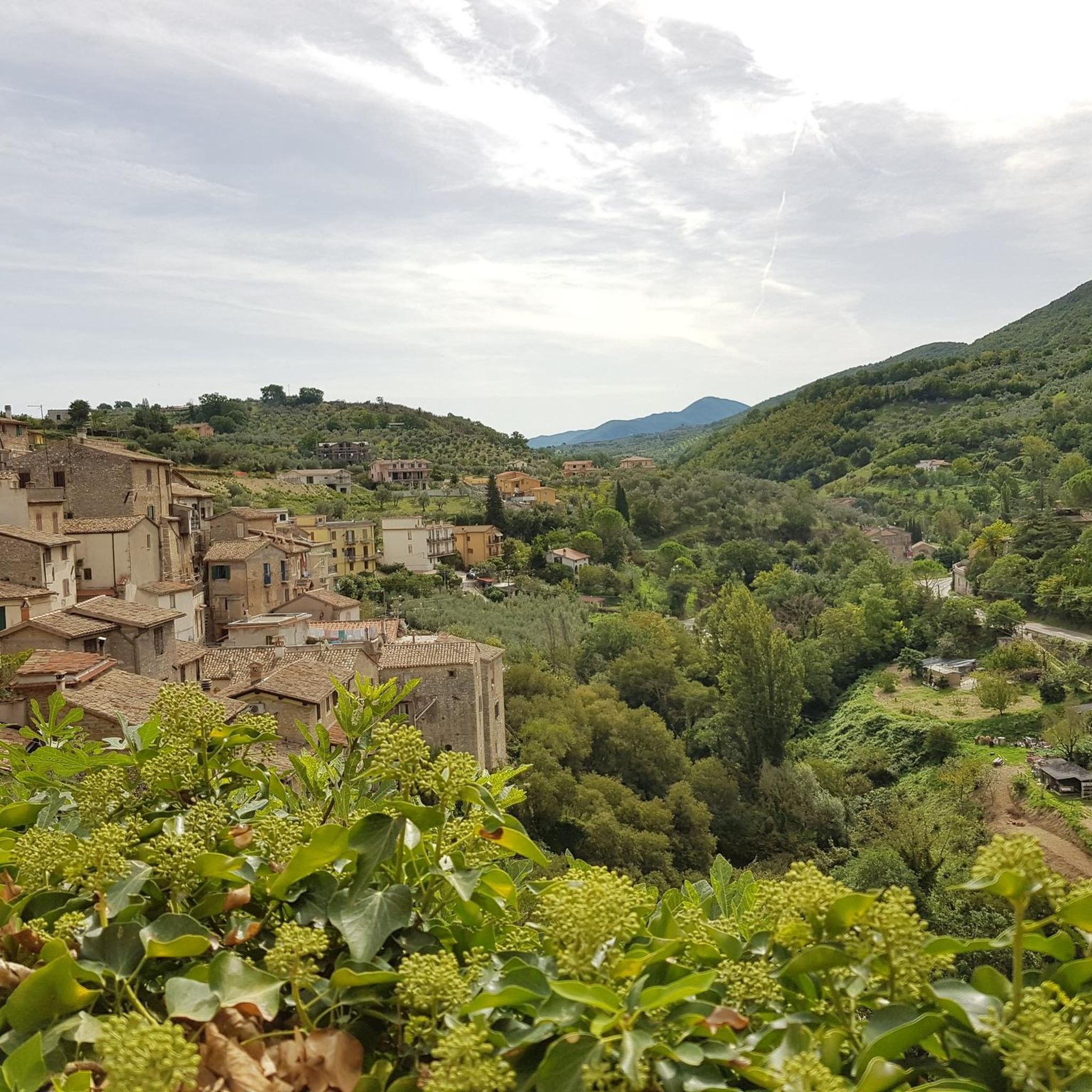
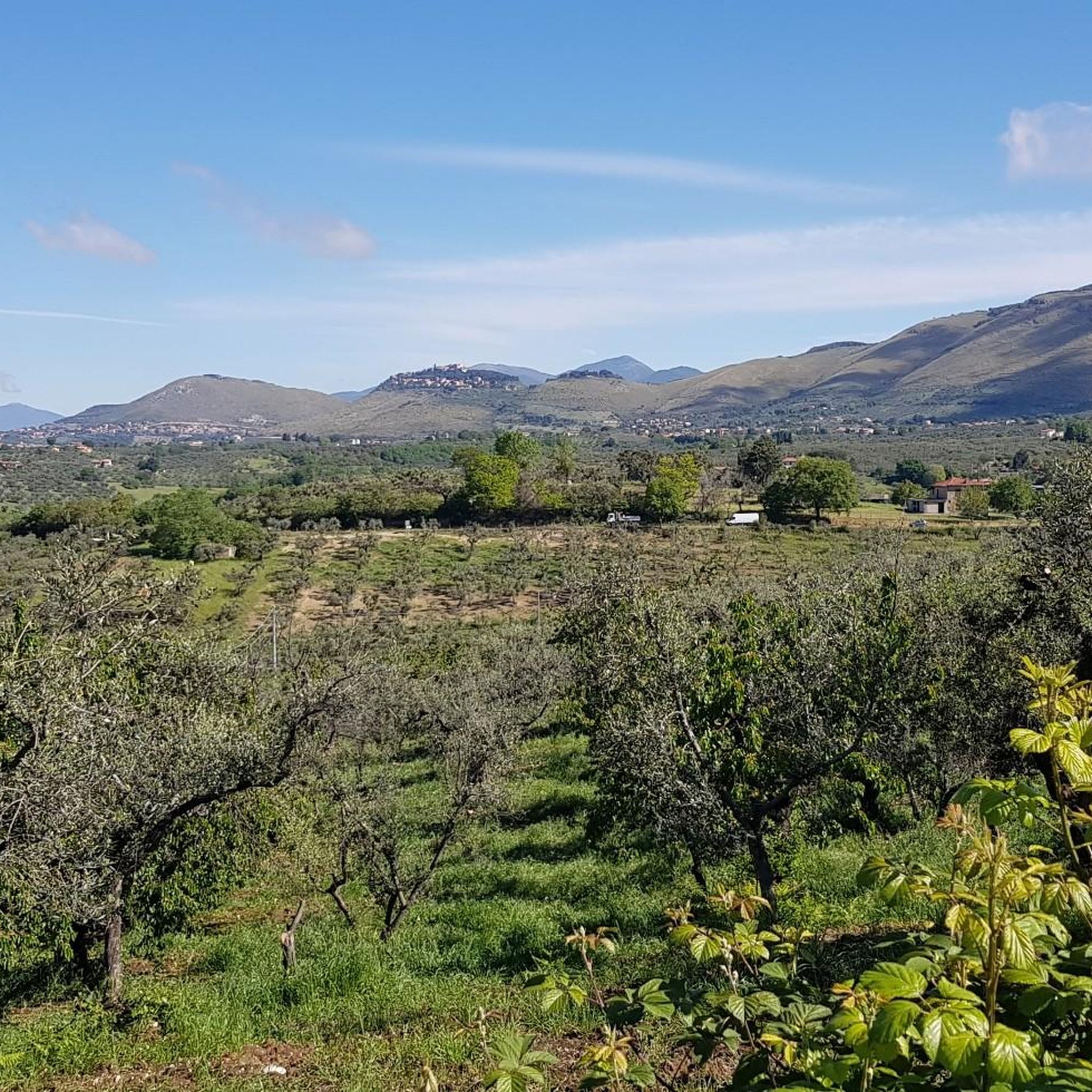
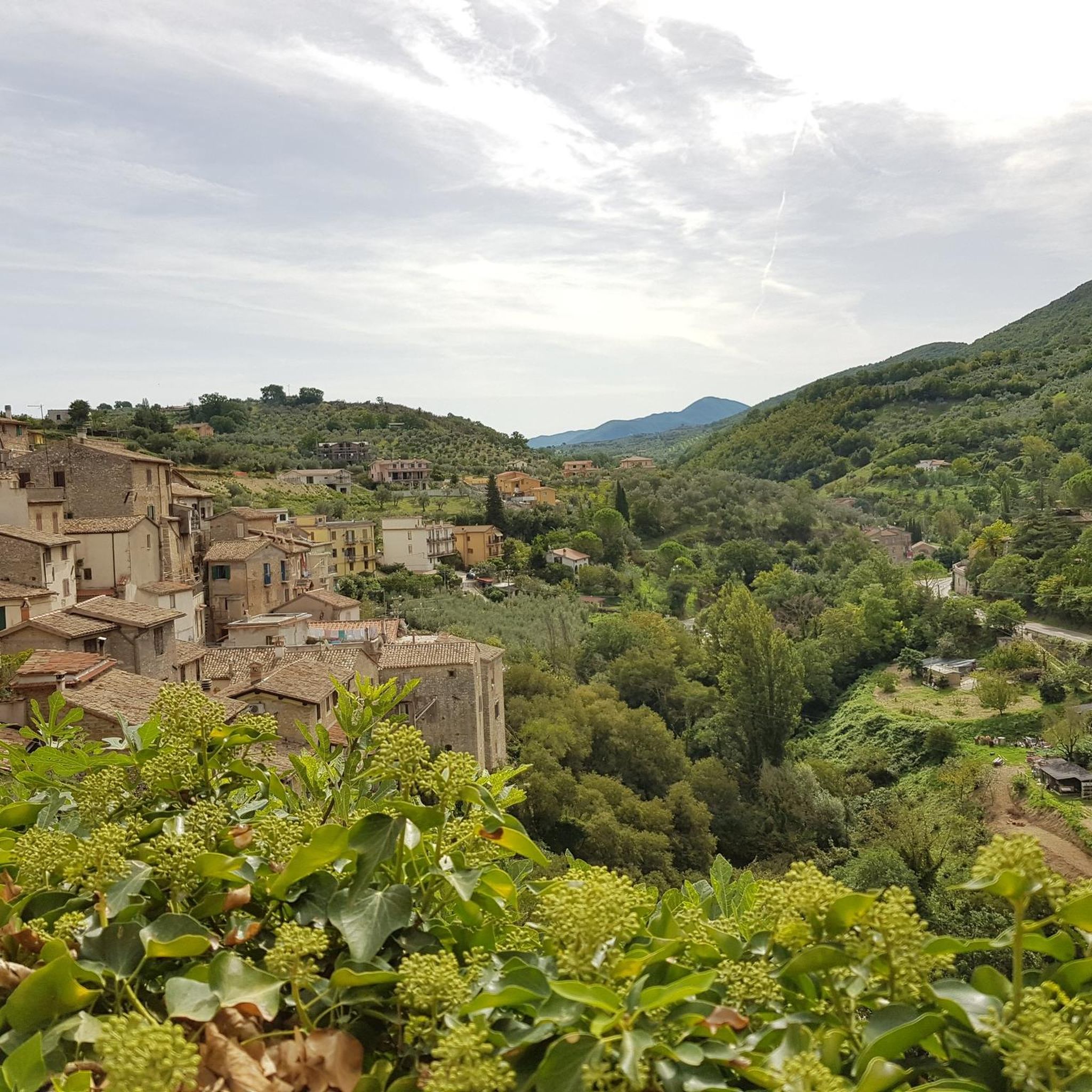
Attractions and places to see around Poggio Nativo are found in a charming village nestled on a rocky spur overlooking the Farfa Valley in the Province of Rieti, Lazio, Italy. The area is characterized by olive groves, small oak woods, and deep valleys typical of the Sabina region, with the Farfa River flowing through its territory. Poggio Nativo sits at 415 meters above sea level on the southern foothills of the Monti Sabini, offering views of the surrounding landscape. The…
Last updated: July 20, 2026
San Michele Cave
Highlight • Cave
Translated by Google •
Tip by

Tancia Inn
Highlight • Restaurant
Translated by Google •
Tip by
Sign up now to discover places like this
Get recommendations on the best single tracks, peaks, & plenty of other exciting outdoor places.
Sign up for free
Pozze del Diavolo Waterfall
Highlight • Waterfall
Translated by Google •
Tip by

Ruins of San Martino Abbey on Mount Acuziano
Highlight • Historical Site
Translated by Google •
Tip by

Abbey of Farfa
Highlight • Religious Site
Translated by Google •
Tip by

Sign up for free to discover even more attractions around Poggio Nativo.
Sign up for free
Already have an account?
Start today with a free account
Your next adventure awaits.
Login or Signup

Tips from the Community

The San Michele site is accessible but haunted. The Pozze del Diavolo is accessible if you want to wade through flowing water. Very disappointing!!
0
0

Beautiful village with an abbey that is worth a visit. From Fara Sabina there is a very long singletrack that is very fun to do only by MTB
0
0

The Osteria del Tancia was built towards the end of the Middle Ages, around the 15th century. It arose in a strategic position, on the pass of Mount Tancia, the highest peak of the Sabine Mountains, at about 800 meters above sea level. For centuries, the Osteria del Tancia represented the most important stop along the Via del Tancia, which was the main connection between the Rieti basin and the Sabina Tiberina. This road was frequently traveled by merchants, shepherds who practiced transhumance, pilgrims and bandits.
0
0

really beautiful place, absolutely worth seeing
0
0
crossroads for the hermitage of San Michele
0
0
this is the hermitage of san leonardo
0
0

This grotto was dedicated to "San Michele Arcangelo". His portrait can be found as a fresco on the rock wall. The name of the archangel Michael (coming from the Hebrew language) means “Who is like God?” He is often depicted - in paintings or as a statue - with a flaming sword, and occasionally a lance. Michael is - together with Raphael and Gabriel, occasionally Uriel is also included - one of the three or four archangels who (according to human understanding) occupy the highest rank in the heavenly hierarchy of angelic beings. Their common feast day in the saints' calendar is September 29th.
0
0
Frequently Asked Questions
What historical sites can I explore in Poggio Nativo?
Poggio Nativo is rich in history. You can wander through the medieval village itself, with its narrow streets and the remains of a fortress. Don't miss the Tancia Inn, a historic stop along the ancient Via del Tancia. Other notable sites include the Convent and Church of San Paolo, the Church of the Santissima Annunziata, and the remains of the Savelli Castle, known as Rocca di Poggio Nativo. A short distance away, you can also visit the Abbey of Farfa, a significant religious and historical site.
What natural attractions are there around Poggio Nativo?
The area boasts beautiful natural features. You can visit the Pozze del Diavolo Waterfall, which is particularly spectacular in autumn and winter when water levels are high. The San Michele Cave, steeped in local legend, is another unique natural spot. The Farfa Valley and Sabina Hills offer picturesque views with olive groves and characteristic scrubland, and the Farfa Gorges provide lush vegetation and clear waters for a refreshing escape.
Are there opportunities for hiking or outdoor activities near Poggio Nativo?
Yes, the region is excellent for outdoor enthusiasts. You can find various running, cycling, and mountain biking routes. For instance, there are running trails like the 'Trail Run from Fara in Sabina to the Abbey of Farfa and Monte Acuziano - Loop Tour' and cycling routes such as the 'Farfa Waterfalls – Farfa River loop from Mompeo'. Mountain biking options include the 'Bridge over the Farfa – Acquaviva Waterfall loop from Castelnuovo di Farfa'. You can find more details on these activities in the Running Trails around Poggio Nativo, Cycling around Poggio Nativo, and MTB Trails around Poggio Nativo guides.
When is the best time to visit Poggio Nativo for outdoor activities?
For enjoying the natural beauty, especially waterfalls like the Pozze del Diavolo Waterfall, autumn and winter are ideal as the water is abundant. Generally, spring and autumn offer pleasant temperatures for hiking and exploring the Sabina region's landscapes, avoiding the summer heat.
Are there any family-friendly attractions in Poggio Nativo?
The Abbey of Farfa is considered family-friendly, offering a peaceful village setting to explore. The natural areas like the Farfa Gorges and Le Pozze del Diavolo can also be enjoyable for families who enjoy light hiking and wading in clear waters, depending on the children's age and ability.
Where can I find scenic viewpoints around Poggio Nativo?
Poggio Nativo itself, situated on a rocky spur, offers excellent views of the Farfa Valley. The Tancia Inn, located on Mount Tancia, provides a panorama of the Apennines. Additionally, the Ruins of San Martino Abbey on Mount Acuziano offer a 360° view stretching from the Tiber valley to Terminillo Pellecchia and Gennaro.
What unique cultural or religious sites are there beyond the main churches?
Beyond the village churches, you can visit the Santacittarama Theravada Buddhist Monastery, the first of its kind in Italy, which is open to visitors. Another unique site is the rural Church of the Madonna dei Peschi (also known as Madonna della Neve), known for its distinctive appearance and interior frescoes, built following a miraculous August snowfall.
Are there any hidden gems or less-known spots to discover?
For those looking for something off the beaten path, the San Michele Cave is a fascinating spot, accessible by a stone staircase and popular with climbers. The Le Pozze del Diavolo (Devil's Pools) offer a unique experience for those willing to wade through the flowing water. The historic Tancia Inn, while mentioned, still retains a charm as a less commercialized historical stop.
What kind of historical architecture can I see in Poggio Nativo?
The village of Poggio Nativo itself is a prime example of medieval architecture, featuring a herringbone layout, narrow streets, and stepped pathways. You can observe the 16th-century entrance gate with ashlar framing and the remnants of a fortress. The Convent and Church of San Paolo also showcase architectural elements from the 13th century and later Franciscan reconstructions, including a large cloister with frescoes.
Can I combine a visit to Poggio Nativo with other activities in the Sabina region?
Absolutely. Poggio Nativo is ideally situated for exploring the wider Sabina region. Its location in the Farfa Valley and near the Monti Sabini makes it a great base for cycling tours through olive groves, hiking in the Farfa Gorges, or visiting other charming villages and historical sites scattered throughout the area.
Most popular attractions around Poggio Nativo

Get inspired with the komoot mobile app


Explore more
Still not found the Highlight you’re looking for? See guides of the top attractions in other regions:
