Attractions and Places To See around Barbarano Romano - Top 20
Best attractions and places to see around Barbarano Romano include a rich tapestry of historical, cultural, and natural sites. This medieval town is situated on a volcanic rock cliff, defended by deep gorges and impressive walls. The area is known for its Etruscan history, medieval architecture, and diverse natural landscapes, including the extensive Marturanum Regional Park. Visitors can explore ancient necropolises, historic centers, and unique geological formations.
Best attractions and places to see around Barbarano Romano
- The most popular attractions…
Last updated: October 9, 2026
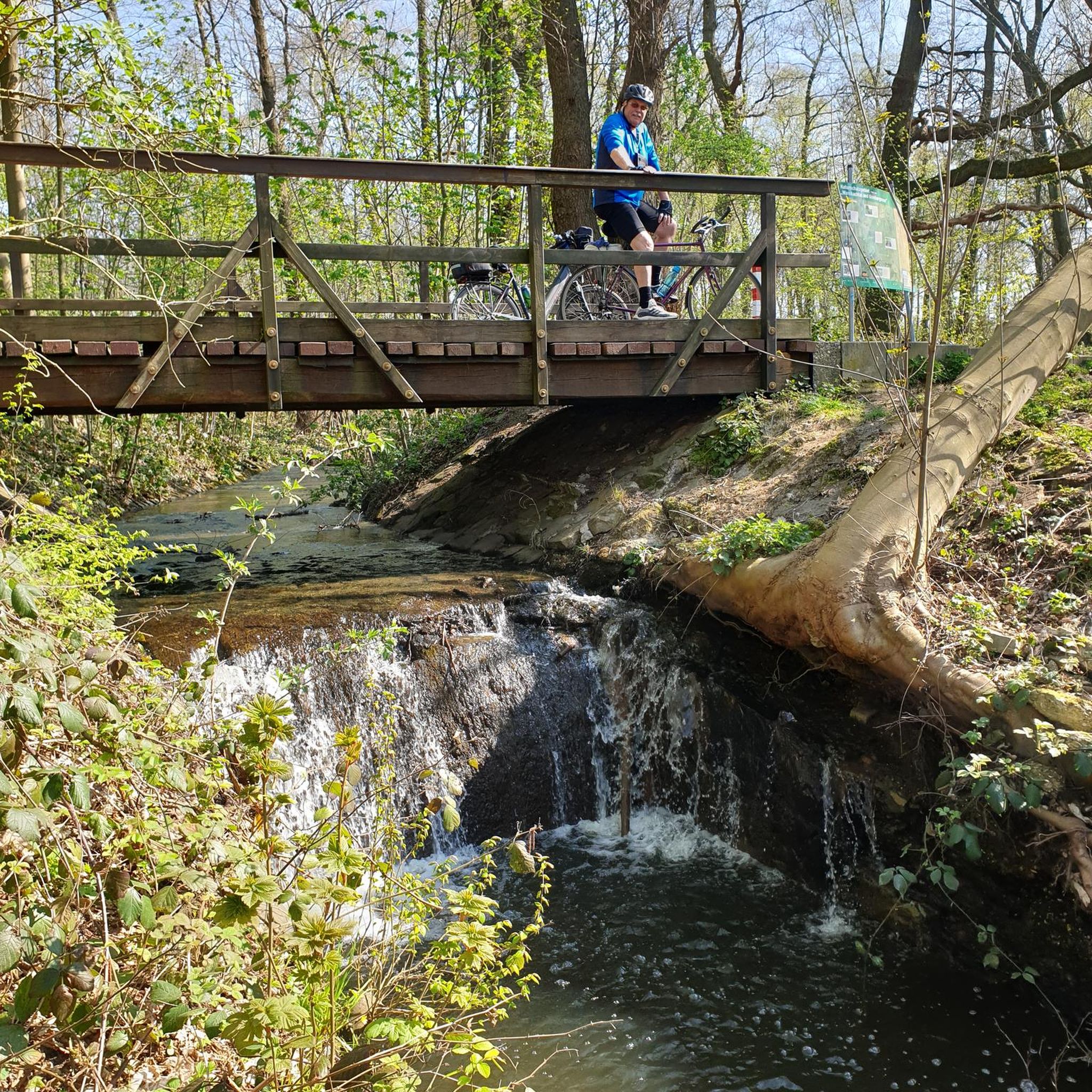
Terza Mola (Third Mill) Waterfalls and Ancient Aqueduct
Highlight • Waterfall
Translated by Google •
Tip by

Historic Center of Sutri
Highlight • Historical Site
Translated by Google •
Tip by

Sign up now to discover places like this
Get recommendations on the best single tracks, peaks, & plenty of other exciting outdoor places.
Church and Convent of San Bonaventura
Highlight • Religious Site
Translated by Google •
Tip by
Devil’s Well Cave (Monte Venere)
Highlight • Cave
It is a mountain of volcanic origin that reaches a height of 835 m asl.
Translated by Google •
Tip by

Piazza Umberto I and its fountain, Oriolo Romano
Highlight • Settlement
Translated by Google •
Tip by

Sign up for free to discover even more attractions around Barbarano Romano.
Already have an account?
Start today with a free account
Your next adventure awaits.
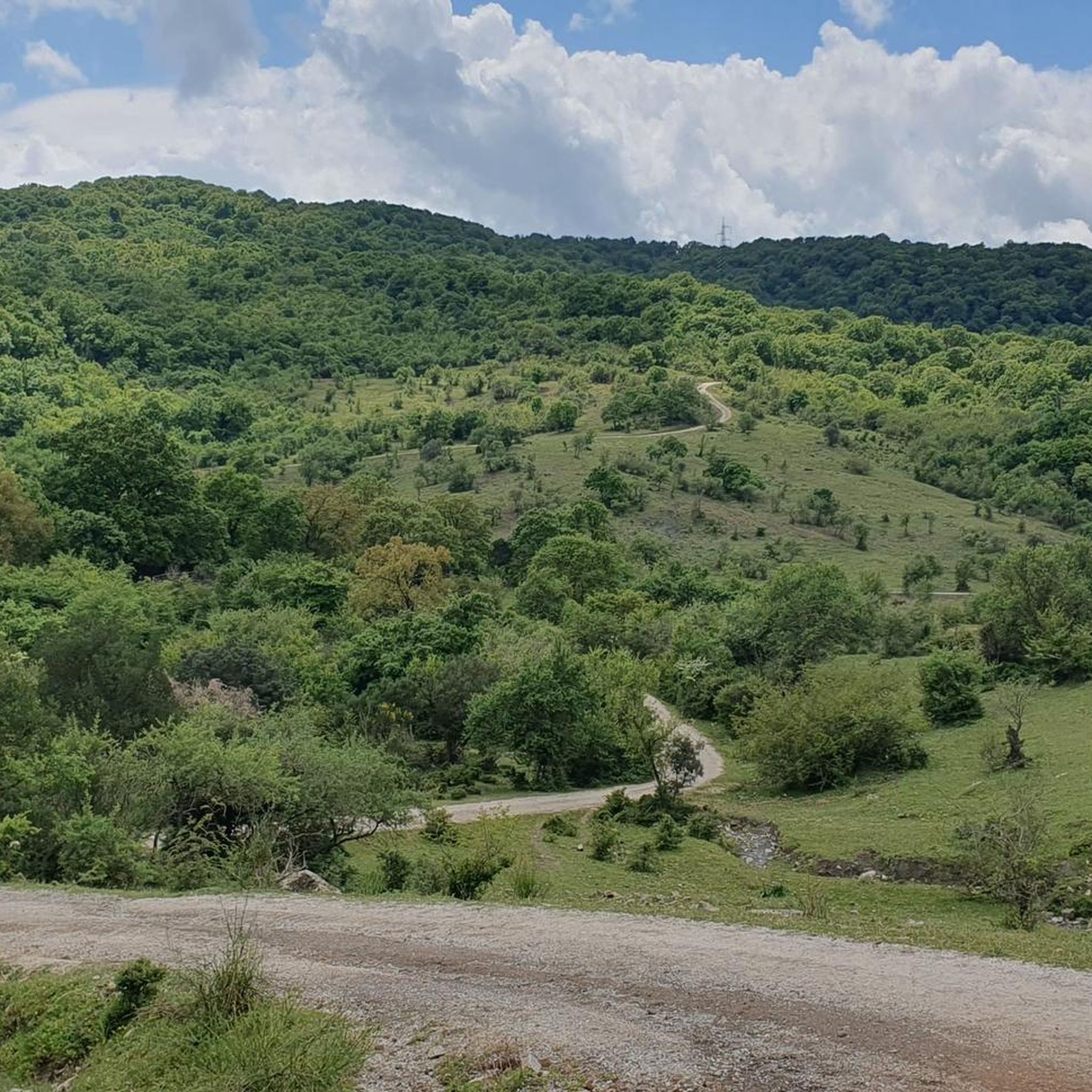
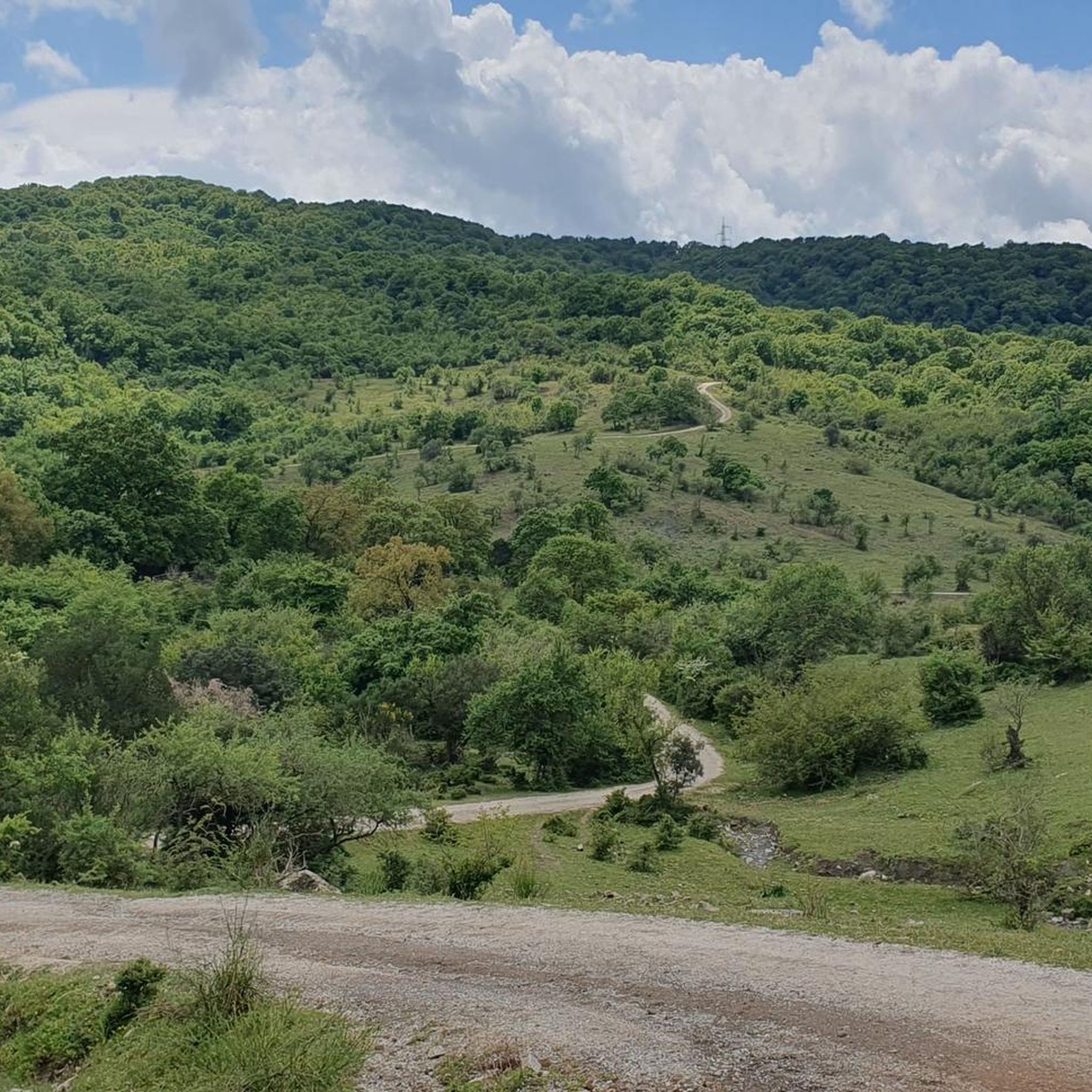
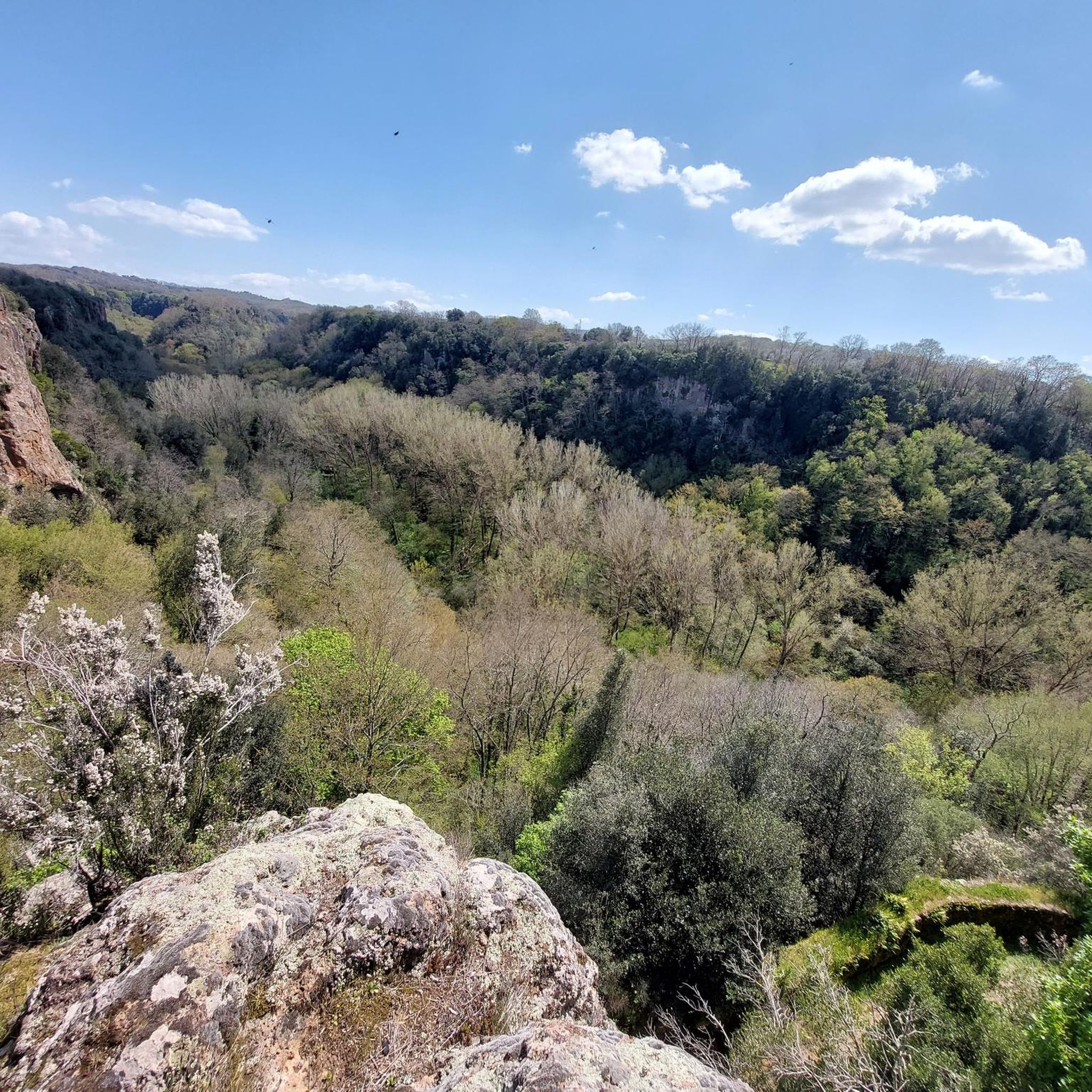
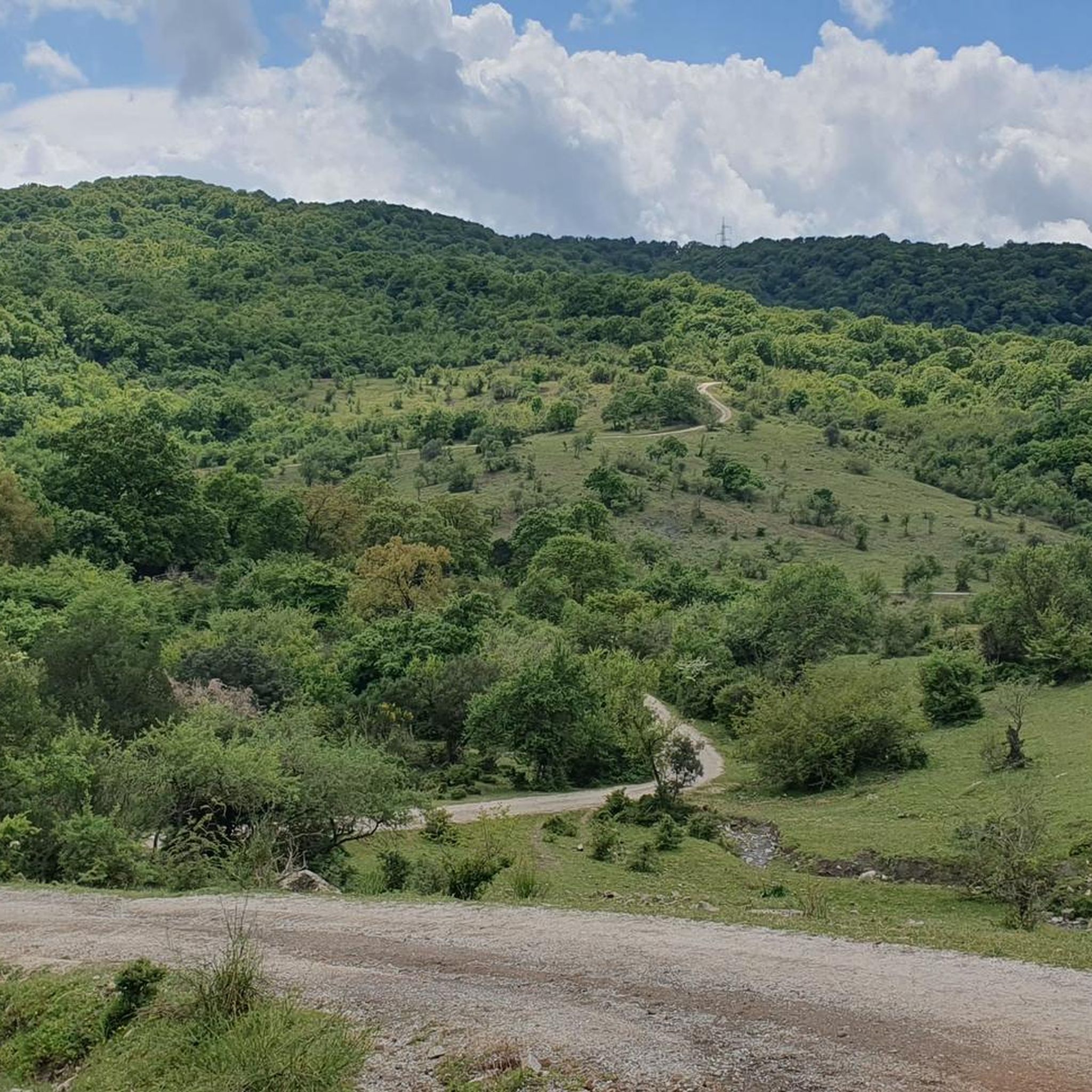
Tips from the Community

A route that presents many points of interest. It keeps the traveler's curiosity alive by combining the beauty and uniqueness of the landscape and the material traces of man.
0
0

The village of Sutri is located on the Via Cassia, it is worth a stop to visit the wonderful archaeological area and the rock necropolis
0
0

Following this path, just before reaching the devil's well, it is not clear where to go, the path disappears and also the white and red signs. We had to go a bit by intuition and take a very steep climb in the woods to get there. Once we reach the well, the path continues easily until the end.
0
1

Be careful not to lean out!
0
0

very nice village, recommended visit
0
0

Sutri is a charming town in the province of Viterbo. It is located about 30 kilometers north of Rome and has about 6565 inhabitants. The city is built on a tuff hill and has a beautiful location with many historical sights. Sutri is rich in historical sites, including a Roman amphitheater, an Etruscan necropolis, the Santa Maria del Tempio church, the Madonna del Parto church, the villa Savorelli, and the remains of a castle. In addition, there are also several historic palaces and churches in the city. The city is located on the ancient main road Via Cassia, an ancient Roman road from Rome to Tuscany. It is also an important stop on the Via Francigena, one of the oldest pilgrimage routes in Europe that runs from Canterbury to Rome.
3
0

The church, in a very poor state of conservation, has a façade framed between two twin bell towers which have now almost completely disappeared (only a faint trace remains of part of the one on the left) and has Doric pilasters (false Doric columns in relief) in stucco with a large triangular gable (also called pediment). The roof of the church was octagonal topped by a lantern, while inside it was domed. Opposite the entrance to the church in the center of the square there is still the base of Bernini's octagonal fountain and, after the restoration works of 1995-96, a copy faithful to the original was placed there. Bernini's fountain can today be admired, however, in the square of the Municipality of Canale Monterano. A representation of the church is in a 1781 painting by G. Barbieri in the Altieri palace in Oriolo Romano. https://www.iluoghidelsilenzio.it/convento-di-san-bonaventura-monterano-di-canale-monterano-rm/
0
0

On the hills of the Sabatini mountains, we find Oriolo Romano, lying near Lake Bracciano. This locality became a nature reserve in 1999 and counts among its attractions the Olmate, the gardens of Palazzo Altieri and a luxuriant beech forest. The village has an urban planning that dates back to its foundation and enjoys historical significance as a transit point for the Etruscan and Roman civilizations.
1
0
Frequently Asked Questions
What natural features can I explore around Barbarano Romano?
Barbarano Romano is surrounded by rich natural beauty, primarily within the Marturanum Regional Park. This extensive park features deep gorges carved by the Biedano River, ancient woods, and streams. The town itself is uniquely situated on a triangular volcanic rock plateau, offering breathtaking panoramic views. You can also find ancient Etruscan roads known as "Vie Cave" carved into the rock.
Are there hiking trails near Barbarano Romano?
Yes, the Marturanum Regional Park is an ideal spot for trekking and 'archaeo-trekking,' with marked trails like Caiolo, Sentiero della Regina, and Forra dei Mulini. These trails often lead through ravines and past Etruscan necropolises. For more detailed routes, you can explore the Running Trails around Barbarano Romano guide, which includes paths like the 'Red Path'.
Where can I learn about the Etruscan history of the region?
The region is rich in Etruscan history. You can visit the Archaeological Museum of the Rock Necropolises (Museo Archeologico delle Necropoli Rupestri) in Via Sant'Angelo, which displays artifacts from local Etruscan excavations. Additionally, the Marturanum Regional Park is home to numerous Etruscan necropolises, including the spectacular San Giuliano Necropolis, the Caiolo Plateau with tombs like the Tomba del Cervo, and the Valle Cappellana Necropolis.
What historical sites can I visit within Barbarano Romano town?
Within Barbarano Romano, you can explore the perfectly preserved Historic Center (Borgo Medievale) with its centuries-old houses and decorated peperino stone portals. Key landmarks include the impressive 15th-century Porta Romana, the Palazzo Comunale (Town Hall), and historic churches such as the 12th-century Chiesa del Crocifisso and the 11th-century Collegiate Church of Santa Maria Assunta, which preserves 14th-century frescoes.
Are there any family-friendly activities or walks in the area?
The Marturanum Regional Park offers various trails suitable for families, especially those interested in nature and history. Exploring the Etruscan necropolises within the park can be an engaging educational experience. Additionally, the Piazza Umberto I and its fountain in Oriolo Romano is noted as a family-friendly highlight, offering a pleasant village atmosphere.
What kind of wildlife can I expect to see in the Marturanum Regional Park?
The Marturanum Regional Park is home to diverse wildlife. Visitors might spot foxes, porcupines, badgers, and various birds of prey. The park's natural ravines and woods provide a rich habitat for these species, making it a great spot for nature observation.
Can I go cycling around Barbarano Romano?
Yes, the area around Barbarano Romano offers several cycling opportunities. You can find routes like 'In the Marturanum regional park from Barbarano Romano — ring tour' or longer, more challenging rides such as 'Former Blera Railway Station – Via Francigena, Capranica loop'. For more options, refer to the Cycling around Barbarano Romano guide.
What is the best time of year to visit Barbarano Romano for outdoor activities?
While specific seasonal weather is not detailed, the region's natural parks and historical sites are generally best enjoyed during spring and autumn when temperatures are milder, making hiking and exploring more comfortable. Summers can be hot, and rivers might be quite dry, as noted by visitors to the Terza Mola Waterfalls.
Are there any unique or less-known historical sites to discover?
Beyond the main attractions, you can explore the ancient Etruscan roads known as "Vie Cave," which are carved into the rock and add to the area's mystique. The Deconsecrated Church of Sant'Angelo, now partly housing the Archaeological Museum, and the Church of Santa Maria del Piano, located outside the walls with valuable frescoes, offer deeper insights into the region's past.
What is the <a href="https://www.komoot.com/highlight/3747177" target="_blank" rel="noopener">Terza Mola (Third Mill) Waterfalls and Ancient Aqueduct</a>?
The Terza Mola (Third Mill) Waterfalls and Ancient Aqueduct is a popular natural and historical site. It features a waterfall and an old, approximately 60 cm wide rock tunnel path. Visitors can explore the ancient aqueduct and, if conditions allow, venture into the rock tunnel. It's considered one of the most beautiful mills along the route.
What is special about the <a href="https://www.komoot.com/highlight/5586405" target="_blank" rel="noopener">Historic Center of Sutri</a>?
The Historic Center of Sutri is a charming town built on a tuff hill, rich in historical sights. It boasts a Roman amphitheater, an Etruscan necropolis, and various ancient churches and palaces. It's also an important stop on the Via Francigena, an ancient pilgrimage route.
What are the geological features that define Barbarano Romano?
Barbarano Romano is uniquely defined by its geological setting. It sits on a triangular plateau of volcanic rock, naturally protected on two sides by the deep gorges of the Biedano River and its tributary. This volcanic origin and the dramatic river-carved landscape are central to the town's character and defenses.
Most popular routes around Barbarano Romano
Most popular attractions around Barbarano Romano

Get inspired with the komoot mobile app


Explore more
Still not found the Highlight you’re looking for? See guides of the top attractions in other regions:
