The best MTB trails around Rocca Sinibalda
4.6
(134)
695
riders
74
rides
Mountain biking around Rocca Sinibalda offers a diverse landscape characterized by rolling hills, significant elevation changes, and the presence of the Turano Lake. The region features a mix of open terrain and forested sections, providing varied riding experiences. Riders can expect routes that navigate through valleys, ascend to viewpoints, and follow the contours of the local water bodies.
Best mountain bike trails around Rocca Sinibalda
- The most popular mountain bike trail is Monte Navegna Loop, a 20.5 miles (32.9…
Last updated: July 8, 2026
3.8
(5)
51
riders
32.9km
03:08
1,040m
1,040m
Hard mountain bike ride. Very good fitness required. Suitable for all skill levels.
4.8
(4)
19
riders
29.4km
02:51
930m
930m
Hard mountain bike ride. Very good fitness required. Suitable for all skill levels.

Sign up for free
5.0
(1)
4
riders
31.8km
03:04
980m
980m
Hard mountain bike ride. Very good fitness required. Suitable for all skill levels.
6
riders
27.2km
03:01
1,020m
1,020m
Hard mountain bike ride. Very good fitness required. Suitable for all skill levels.
5.0
(2)
6
riders
52.7km
04:21
1,270m
1,270m
Hard mountain bike ride. Very good fitness required. Suitable for all skill levels.
Get access to more routes and recommendations from other explorers.
Sign up for free
Already have an account?
Our route recommendations are based on thousands of hikes, rides, and runs completed by other people on komoot.
Start today with a free account
Your next adventure awaits.
Login or Signup
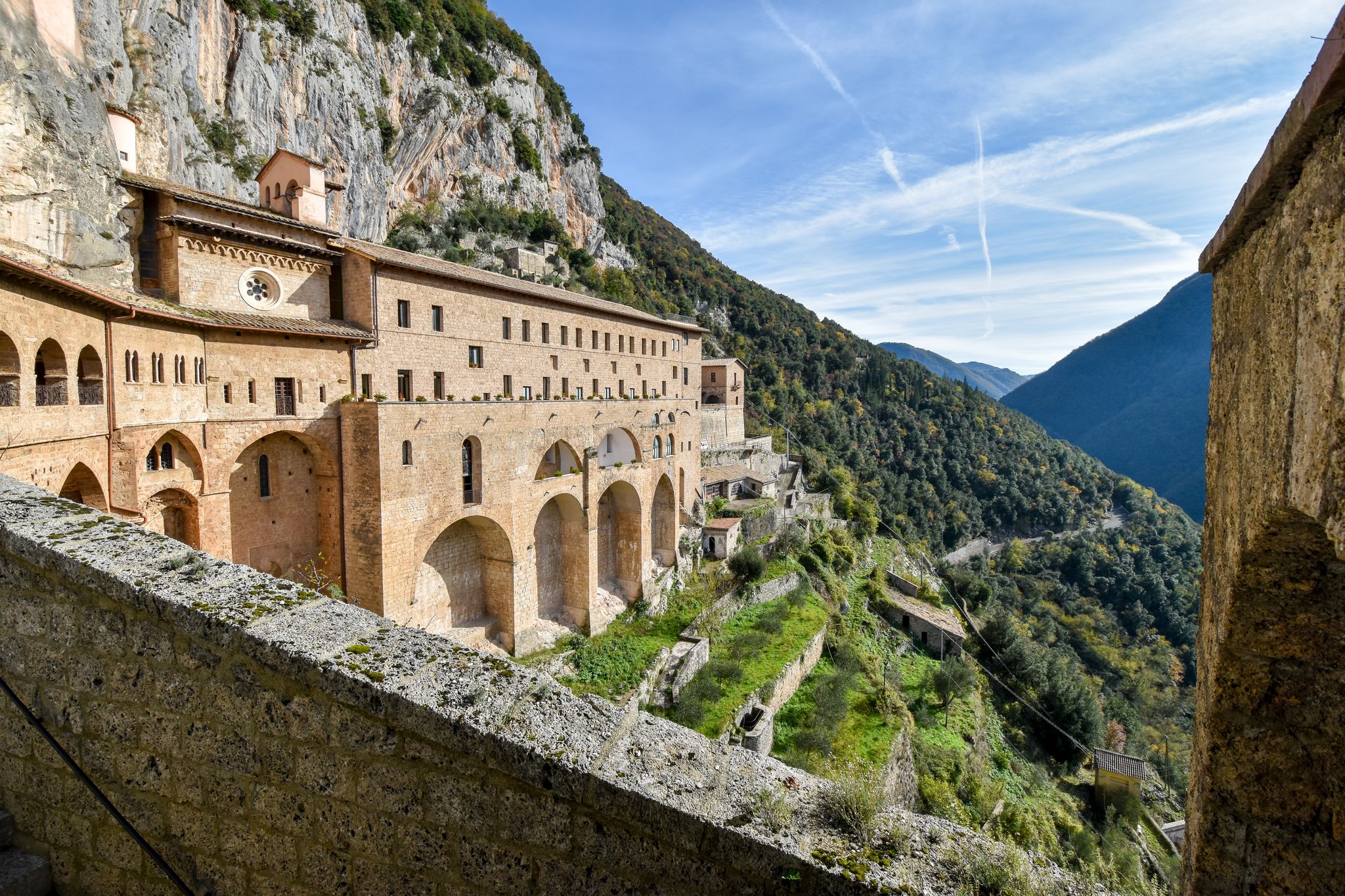
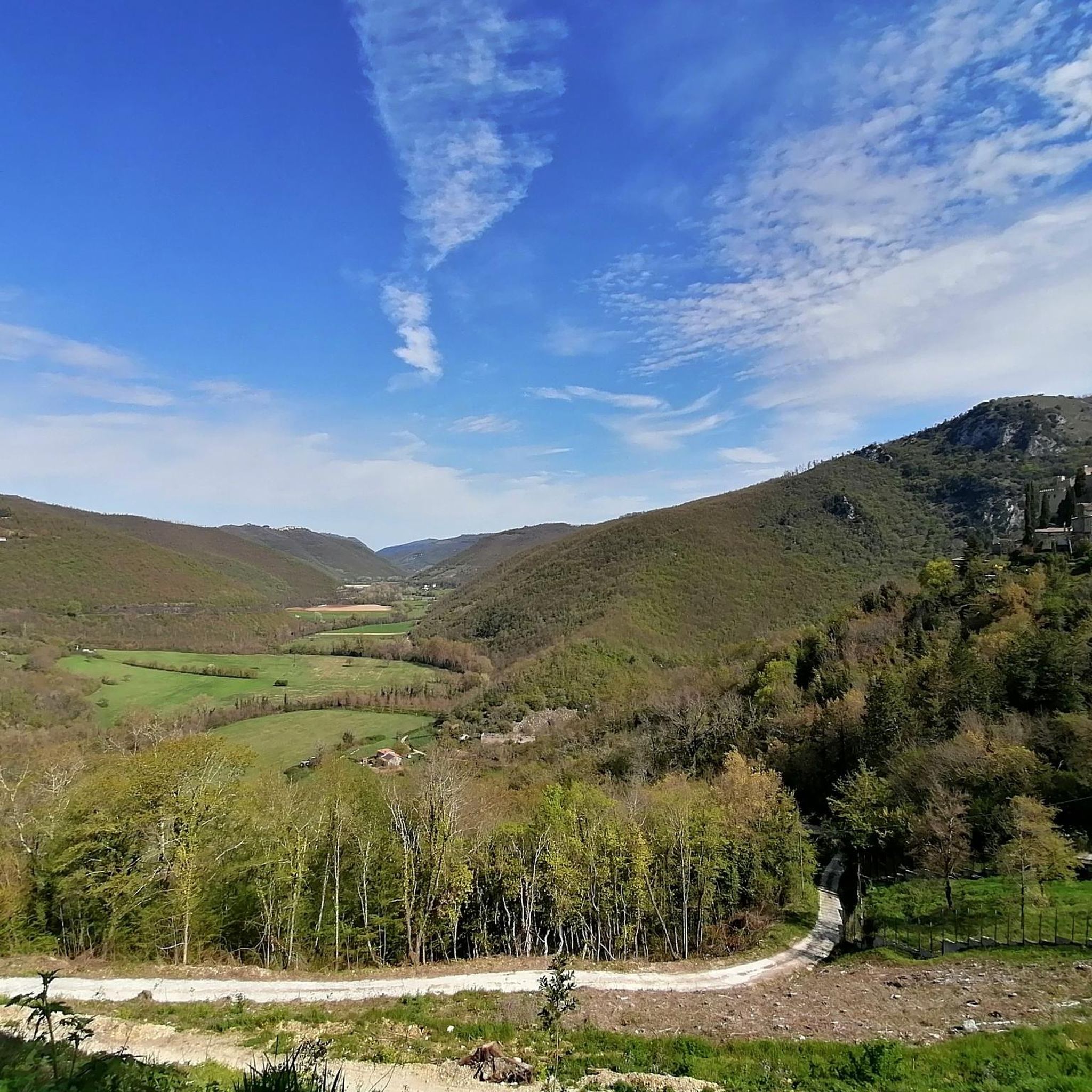
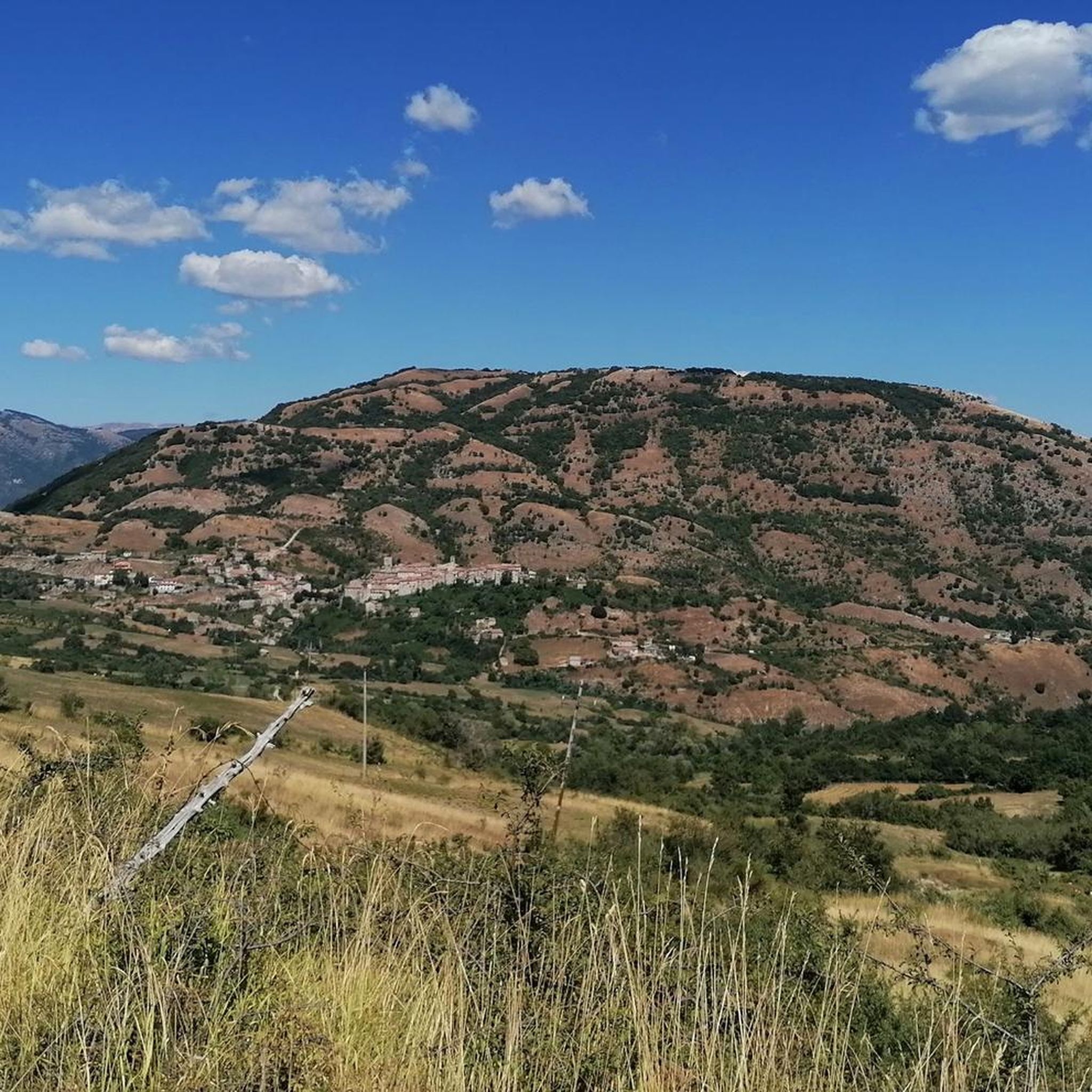
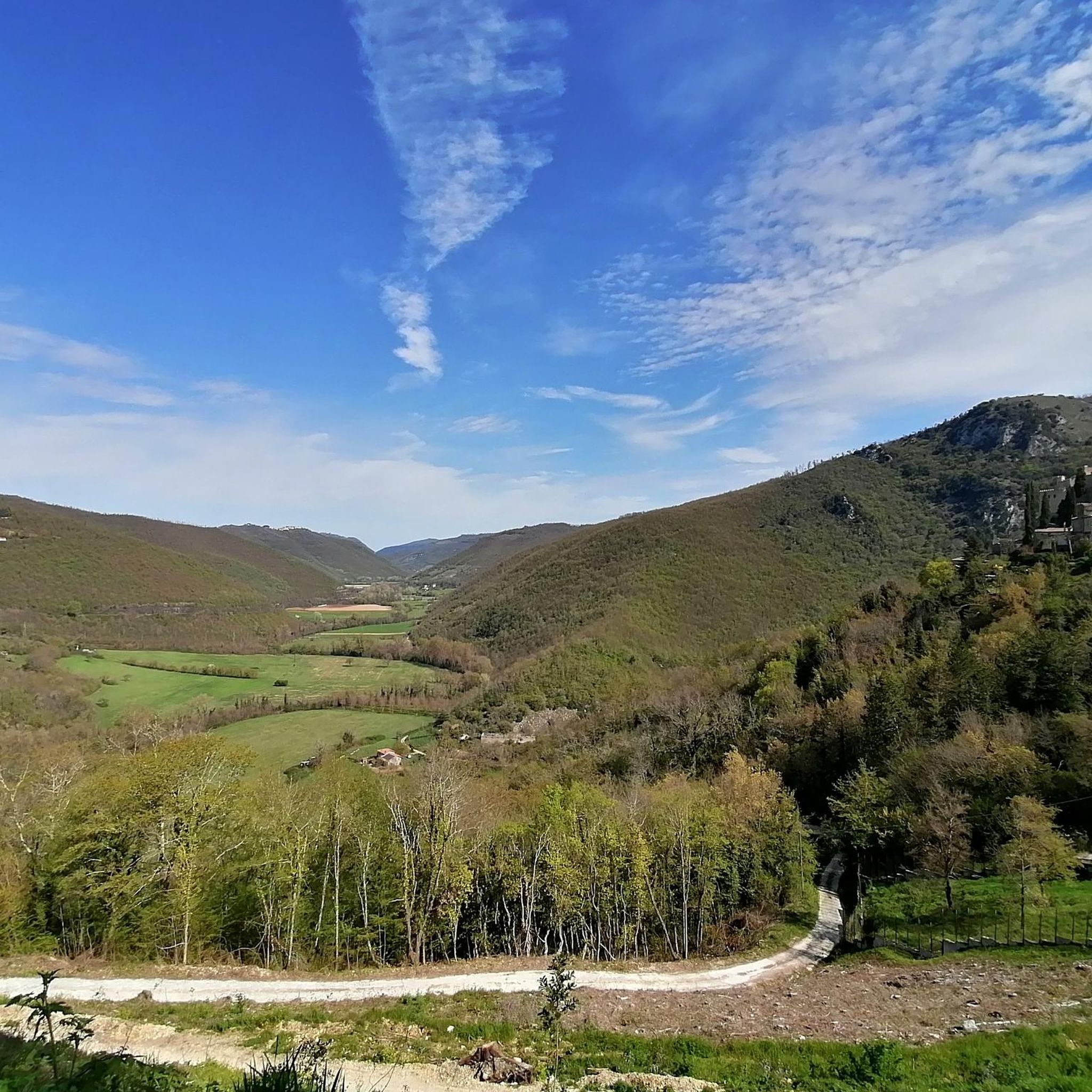

Other adventures around Rocca Sinibalda

Tips from the Community

This entire trail offers many views of the lake and is very easy to cycle on without any difficulty.
0
0
Crossroads of various paths, one goes up steeply from which you can enjoy a better view of Lake Turano
0
0
Sign indicating the minimum tire section to tackle the trail, there are others along the route. Nice initiative from the Lazio Region.
0
0
The Romanesque bridge dates back to the 11th century, but was probably built on a pre-existing building of an unspecified period, of rare beauty, still usable but which requires urgent and significant restoration. In the two pillars it is possible to notice the three "holes" used to insert wooden poles horizontally, capable of supporting the "centre" for closing the stone arch. As you pass the bridge on the left, going up towards Posticciola, there is still a clear trace of "Garitta Muraria" where the border point with the Papal State and Kingdom of the Two Sicilies was made, and with the "horizontal transhumance" the duty for the ride. Transhumance has an ancient history which most likely coincides with the history of breeding itself and was regulated and disciplined since Roman times by a set of laws of taxes to be paid in the various customs. Transhumance derives from the Latin "trans" (beyond) and "humus" (earth) = pastoralism transmigrating with the seasons, along the sheep tracks (from the Latin "tractoria" = the shepherds' roads). In southern Italy transhumance was divided into "vertical" and "horizontal". The first concerned the Kingdom of the Two Sicilies, with several sheep tracks that connected from Abruzzo to Puglia (the most important was the famous "Tratturo Magno"). Horizontal transhumance, however, also of ancient origins, descended into the Roman countryside and increased considerably in 1477, when Pope Sixtus IV forced all the shepherds of the "Kingdom of the Church" to take their animals to winter in the Agro Romano. Transhumance in Lazio reached its peak starting from 1800, when the "vertical" one entered into crisis. This was usually in provincial sections from Umbria towards Civitavecchia, from the Marche towards Polo and Maccarese, from Abruzzo towards the Roman countryside, from Ciociaria towards Anzio and Terracina. http://www.magiadelturano.it/index.php/posticciola/ponte-romanico
0
0
Source of drinking water on the Camino di San Benedetto
0
0

Beautiful lake, very quiet and uncrowded.
0
0

Bridge that cuts the lake in half from shore to shore
0
0

Stop at this point of the bridge over Lake Turano to admire the splendid Lazio town of Castel di Tora, a delightful stone village that stands at a height of 607 metres.
1
1
Frequently Asked Questions
How many mountain bike trails are there around Rocca Sinibalda?
There are nearly 70 mountain bike trails available around Rocca Sinibalda. These routes offer a diverse range of experiences, from moderate loops to challenging climbs, catering to various skill levels.
Are there any easy mountain bike trails suitable for beginners in Rocca Sinibalda?
While the region is known for its challenging terrain, there is at least one easy mountain bike trail. The majority of routes are moderate to difficult, so beginners should carefully check the route details before heading out. For a moderate option with scenic views, consider the Lago del Turano – San Martino Spring loop from Colle di Tora.
What are some challenging mountain bike trails for advanced riders?
Advanced riders will find plenty of challenging options. For a demanding ride with substantial climbs, the Monte Navegna Loop is a popular choice. Another difficult route leading through varied landscapes including a deep gorge is the Scenic View of the Mountains – Obito Gorge loop from Castel di Tora. For an even longer and more strenuous ride, try the Obito Gorge – Ascrea Viewpoint loop from Colle di Tora.
Are there circular mountain bike trails in Rocca Sinibalda?
Yes, many of the mountain bike trails around Rocca Sinibalda are designed as circular routes, allowing you to start and finish at the same point. Examples include the Monte Navegna Loop and the Lago del Turano – View of Lake Turano loop from Colle di Tora, both offering comprehensive tours of the area's landscapes.
What kind of views can I expect on mountain bike trails in Rocca Sinibalda?
The trails in Rocca Sinibalda offer stunning views, particularly of Lake Turano and the surrounding mountainous terrain. Many routes ascend to viewpoints, providing panoramic vistas. You can also expect to ride through deep gorges and forested sections, offering a diverse visual experience.
What do other mountain bikers say about the trails in Rocca Sinibalda?
The mountain bike trails in Rocca Sinibalda are highly rated by the komoot community, with an average score of 4.6 stars from over 120 reviews. Riders often praise the challenging climbs, the beautiful lake views, and the varied terrain that makes for an engaging experience.
Are there any waterfalls along the mountain bike trails?
While not directly on every mountain bike trail, the region is home to natural attractions like the Vallocchie Waterfall. You might find routes that pass near or offer detours to such natural monuments, providing a refreshing stop during your ride.
What are some interesting landmarks or places to explore near the mountain bike routes?
Beyond the trails, the area offers several points of interest. You can visit the historic Rocca Sinibalda Castle, or explore natural features like the Salto Dam and the Ponte Vecchio of Posticciola. For a unique natural experience, the Cottorella Spring is also nearby.
What is the best time of year for mountain biking in Rocca Sinibalda?
The region's climate generally allows for mountain biking through much of the year. Spring and autumn often provide pleasant temperatures and vibrant scenery. During winter, some higher elevation trails might be affected by conditions, so it's advisable to check local weather and trail reports.
Are there any trails that offer views of Lake Turano?
Absolutely. Many trails are designed to showcase the beauty of Lake Turano. Routes like the Lago del Turano – San Martino Spring loop from Colle di Tora and the Lago del Turano – View of Lake Turano loop from Colle di Tora specifically highlight the lake, offering continuous scenic vistas as you ride.
How long do mountain bike trails typically take to complete in Rocca Sinibalda?
The duration of mountain bike trails in Rocca Sinibalda varies significantly based on distance and difficulty. Moderate routes might take around 3 hours, such as the Lago del Turano – San Martino Spring loop from Colle di Tora (approx. 2h 57m). More difficult and longer trails, like the Obito Gorge – Ascrea Viewpoint loop from Colle di Tora, can take over 4 hours.
Most popular routes around Rocca Sinibalda
Most popular attractions around Rocca Sinibalda

Get inspired with the komoot mobile app


Explore more
Browse the best MTB trails in other regions.
