The best road cycling routes around Vetralla
4.3
(256)
5,128
riders
52
rides
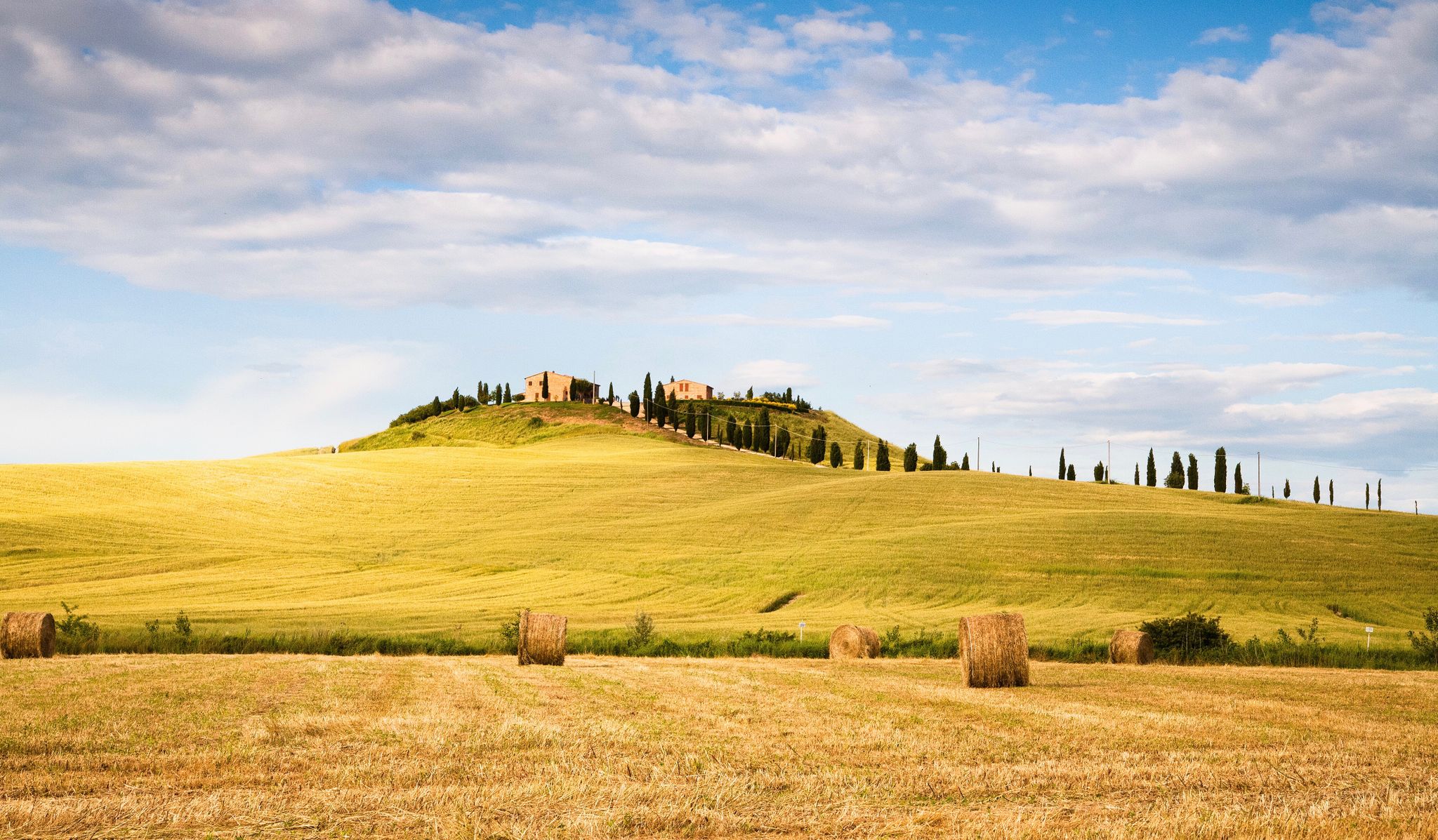
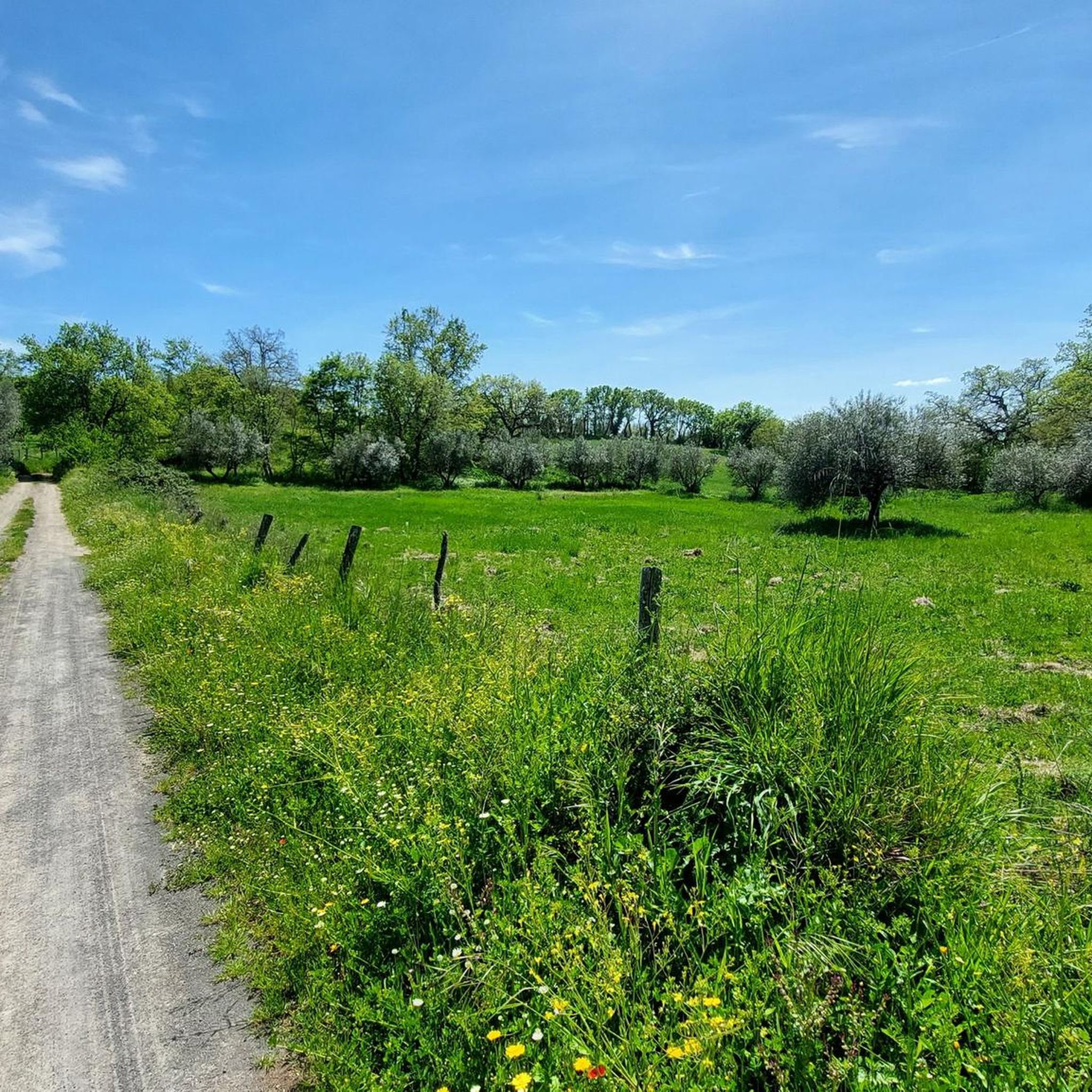
Road cycling around Vetralla offers diverse landscapes within Italy's Lazio region, situated on the western slope of the Cimini Mountains. This area is characterized by its volcanic origin, featuring hills of Tuscia, extensive forests, and olive groves. Cyclists navigate routes that traverse typical central Italian countryside, including ancient woods and picturesque oak woods, with two rivers also surrounding Vetralla. The terrain provides a mix of descents and climbs, catering to various skill levels.
Best road cycling routes around Vetralla
- The…
Last updated: October 10, 2026
124km
06:15
1,860m
1,860m
This difficult 76.8-mile road cycling ring tour through Viterbo Tuscia offers 6087 feet of elevation gain and takes about 6 hours.
69
riders
115km
05:22
1,420m
1,420m
Hard road ride. Very good fitness required. Some segments of this route may be unpaved and difficult to ride.

65
riders
121km
05:34
1,390m
1,390m
Hard road ride. Very good fitness required. Some segments of this route may be unpaved and difficult to ride.
60
riders
65.4km
03:06
780m
780m
Moderate road ride. Good fitness required. Some segments of this route may be unpaved and difficult to ride.
3.8
(24)
55
riders
60.5km
02:45
640m
640m
Moderate road ride. Good fitness required. Some segments of this route may be unpaved and difficult to ride.
Get access to more routes and recommendations from other explorers.
Already have an account?
Our route recommendations are based on thousands of hikes, rides, and runs completed by other people on komoot.
Start today with a free account
Your next adventure awaits.

Other adventures around Vetralla

Tips from the Community

Viterbo lived its period of major splendor and power in the 13th century when it was chosen as the seat of the papacy instead of Rome, where powerful warring families made life too dangerous. Eight different popes lived in Viterbo making it is similar to Vatican City and Avignon in France. The longest papal conclave in history happened here from 1 December 1268 to 1 September 1271. Following Pope Clement IV's death, infighting between cardinals and political pressure led to a 34-month deadlock. The cardinals were locked up cum clave (hence the word conclave) inside the palace’s large Conclave Hall. In desperation the town’s population, who were feeding them and their entourages, eventually reduced the cardinals’ food and wine supplies, trying to speed up the election. Time wore on and they finally decided to remove the roof of the palace: in order to help the Holy Spirit come down and illuminate them, it was quipped. That worked.
0
0

stream between Canale Monterano and the southern gate of the Manziana scrub
0
0

the water dispenser is a little hidden from the road, but just look up to the right (if you are going towards Tolfa) and you will see the blue structure in which it is located
0
0

Capranica is a village in Tuscia, built on a tuff cliff between the Cimini Mountains and the Mignone River valley. Its origins are Etruscan, but the center we see today retains its medieval charm, with narrow streets, arches, ancient gates, and evocative churches such as that of Santa Maria Maddalena. Hazelnut groves, olive groves, and woods extend all around, creating a distinctive landscape. It's a pleasant stop on the Via Francigena, where history and nature meet in an authentic and welcoming atmosphere.
0
0

What can be enjoyed today from the medieval walls of Tuscania is one of the most beautiful landscapes of Tuscia.
0
0
The Papal Palace in Viterbo served as the Vatican for the 24 years of the thirteenth century when the papacy moved there due to ongoing unrest in Rome.
0
0

Beautiful village
0
0

Really beautiful!! I recommend getting front and rear lights because there will be passages in unlit tunnels
0
0
Frequently Asked Questions
How many road cycling routes are available around Vetralla?
Vetralla offers a wide selection of road cycling routes, with over 40 tours available on komoot. These routes cater to various skill levels, ranging from moderate to difficult.
What kind of terrain can I expect on road cycling routes near Vetralla?
The terrain around Vetralla is characterized by its volcanic origin, featuring the undulating hills of Tuscia and the green Cimini Mountains. You'll encounter a mix of challenging climbs and rewarding descents, passing through ancient woods, sprawling olive groves, and picturesque oak forests. Routes often wind around natural features like Lake Vico, offering diverse and engaging landscapes.
What is the best time of year for road cycling in Vetralla?
The region is generally pleasant for cycling from spring through autumn. Spring offers lush greenery and mild temperatures, while autumn provides cooler weather and beautiful foliage. Summers can be warm, but early morning rides are often enjoyable. Winter conditions might include colder temperatures, especially in the mountains, so checking local forecasts is advisable.
Are there road cycling routes suitable for beginners in Vetralla?
While Vetralla's road cycling routes are predominantly moderate to difficult, there are options that can be managed by those with some cycling experience. For instance, the Tuscania – Viterbo Papal Palace loop from Vetralla is rated as moderate, offering a good balance for those looking for a less strenuous ride compared to the more challenging routes.
Are there challenging climbs for advanced road cyclists in Vetralla?
Absolutely. Vetralla is situated on the western slope of the Cimini Mountains, providing ample opportunities for advanced cyclists. Many routes feature significant elevation gains, such as the Discovering the Viterbo Tuscia - ring tour, which climbs over 1,850 meters, or the Direttissima Tramontana – Piazza Vittorio Veneto, Tolfa loop from Vetralla with over 1,400 meters of ascent.
What natural features can I see while road cycling around Vetralla?
Cyclists can enjoy a variety of natural wonders. The routes often pass through the green Cimini Mountains, ancient woods, and sprawling olive groves. The scenic loop around Lake Vico offers captivating views of the volcanic landscape. You might also encounter dramatic tuffaceous cliffs like the Corviano Cliff Natural Monument, or explore highlights such as the Devil’s Well Cave (Monte Venere).
Are there historical landmarks or points of interest along the road cycling routes?
Yes, Vetralla is rich in history. You can cycle past the well-preserved historic center of Vetralla itself, or explore ancient sites. The region is home to the Etruscan rock-cut Tagliata Etrusca (Strada Signorino) and the Tagliata di Santo Antonio. The Via Francigena, an ancient pilgrimage route, also passes through the area, offering a blend of natural beauty and historical heritage. Routes like the Historic Center of Tarquinia loop from Vetralla provide opportunities to visit significant historical towns.
Are there loop trails for road cycling in Vetralla?
Yes, many of the road cycling routes around Vetralla are designed as loops, allowing you to start and end in the same location. Examples include the Discovering the Viterbo Tuscia - ring tour, the Direttissima Tramontana – Piazza Vittorio Veneto, Tolfa loop from Vetralla, and the Palazzo dei Papi of Viterbo – View of Lake Vico loop from Vetralla.
What do other road cyclists enjoy the most about road cycling in Vetralla?
The area is highly rated by the komoot community, with an average score of 4.4 stars from over 10 reviews. Cyclists often praise the diverse landscapes, from the volcanic hills and ancient forests to the scenic views of Lake Vico. The challenging climbs and rewarding descents are also frequently highlighted, along with the opportunity to combine natural beauty with historical exploration.
Can I find cafes or places to stop for refreshments along the road cycling routes?
While specific cafes are not listed for each route, Vetralla's historic center and nearby towns like Viterbo offer various options for refreshments. Many routes pass through or near villages where you can find local eateries and cafes to refuel during your ride. Planning your route with komoot allows you to identify potential stops along the way.
Are there any specific permits required for road cycling in the Vetralla region?
Generally, no specific permits are required for road cycling on public roads and designated cycling routes in the Vetralla region. However, if you plan to venture into specific nature reserves or private lands, it's always advisable to check for any local regulations or access restrictions.
How long are the road cycling routes near Vetralla?
The road cycling routes around Vetralla vary significantly in length. You can find routes ranging from approximately 40 miles (64 km) to over 70 miles (110 km). For example, the Tuscania – Viterbo Papal Palace loop from Vetralla is about 40 miles, while the Discovering the Viterbo Tuscia - ring tour extends to nearly 77 miles.
Most popular attractions around Vetralla

Get inspired with the komoot mobile app


Explore more
Browse the best Road cycling routes in other regions.
