Attractions and Places To See around Tarquinia - Top 20
Best attractions and places to see around Tarquinia, a city in Lazio, Italy, offers a blend of Etruscan and medieval history. Recognized as a UNESCO World Heritage Site for its Etruscan necropolises, the region features ancient archaeological sites and well-preserved medieval architecture. Situated near the Tyrrhenian Sea, the area also includes natural landscapes such as the Salt Flats and the Maremma countryside.
Best attractions and places to see around Tarquinia
- The most popular attractions is Fort Michelangelo, a castle that features imposing fortifications at the port. The 16th-century fortress was commissioned by Pope Julius II and remains a significant landmark.
- Another must-see spot is Mignone Railway Bridge, a bridge located on the route of the former Capranica-Civitavecchia railway. This structure offers views of the surrounding wild area and the Mignone river.
- Visitors also love Cathedral of St. Francis of Assisi, a religious building located a few meters from the harbor in Civitavecchia. Rebuilt in 1950 after wartime damage, its interior features a pipe organ, statues, altars, and murals.
- Tarquinia is known for its historical sites, religious buildings, and natural features. The area offers a variety of attractions, from ancient Etruscan necropolises and museums to medieval town centers and coastal nature reserves.
- The attractions around Tarquinia are appreciated by the komoot community, with 9 highlights and more than 40 photos shared by users.
Last updated: October 10, 2026
Fort Michelangelo
Highlight • Castle
Translated by Google •
Tip by

Mignone Railway Bridge
Highlight • Bridge
Translated by Google •
Tip by

Sign up now to discover places like this
Get recommendations on the best single tracks, peaks, & plenty of other exciting outdoor places.
Vulci Archaeological Site
Highlight • Historical Site
The first parts of this ancient city were discovered in the 1950s. In 1970 another house was being built (party house?). The excavations are still ongoing.
A visit to the archaeological park costs €10. There are signs for a long loop and a short loop. The long one supposedly lasts 3 hours, the short one 2 hours. We walked the long way (5km). It is advisable to follow the recommended walking direction, as most of the excavations can be seen at the beginning. You can then still decide whether to go the full round or not. It also makes sense not to go when it's too hot, as there is almost no shade.
Translated by Google •
Tip by

Cathedral of St. Francis of Assisi
Highlight • Religious Site
Translated by Google •
Tip by

Historic Center of Tarquinia
Highlight • Historical Site
Translated by Google •
Tip by

Sign up for free to discover even more attractions around Tarquinia.
Already have an account?
Start today with a free account
Your next adventure awaits.

Tips from the Community

🥴 Look to the left of the image, how awful! 5 cruise ships
0
0

The cathedral is just a few meters from the harbor. Built on the site of an existing church dating back to 1600, dedicated to the saint of Assisi, it was rebuilt at the end of the 18th century. Destroyed by bombing during World War II, it was rebuilt in 1950. Inside, there is a pipe organ. The majestic interior features magnificent statues, altars, and murals.
1
0
The cathedral is just a few meters from the harbor. Built on the site of an existing church dating back to 1600, dedicated to the saint of Assisi, it was rebuilt at the end of the 18th century. Destroyed by bombing during World War II, it was rebuilt in 1950. It features a pipe organ and a majestic interior with magnificent statues, altars, and murals.
1
0
Can only be viewed from the outside
0
0
This fortress, located directly on the harbor, is a 16th-century landmark. It can only be viewed from the outside. The fortress has been involved in numerous battles. It suffered severe damage during World War II but was later restored. It currently serves as the headquarters of the harbor authority. The fortress itself was completed in 1535. Its floor plan is rectangular, with sides measuring 100 by 82 meters. There are circular towers at the corners.
1
0

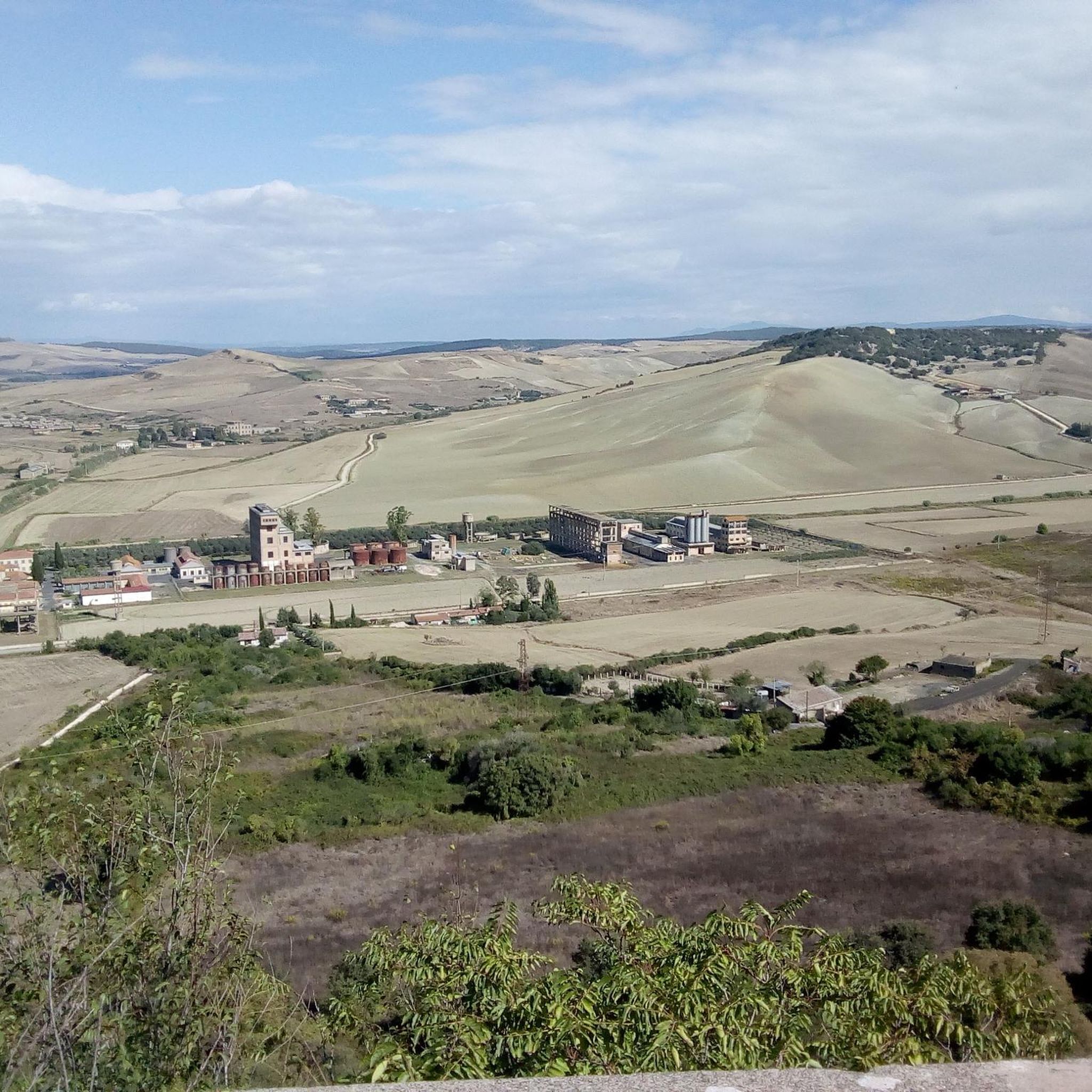
Bridge over the Mignone where the Old Civitavecchia-Orte railway passes. Splendid panoramic point
0
0
Cathedral of Civitavecchia
2
0

Vulci is an ancient Etruscan city 8 km from the Tyrrhenian Sea. Vulci was one of the Etruscan Twelve Cities. In history the city is mentioned only once on the occasion of a 280 BC. Mentioned of the triumph celebrated by the Romans over Vulci in the 4th century BC, when it was conquered by an army led by Tiberius Coruncanius. In 273, the Romans also made Cosa, which was part of Vulci as a port (today the ruins of Ansedonia), a colony. (Source: Wikipedia) The first parts of this ancient city were discovered in the 1950s. In 1970 another house was being built (party house?). The excavations are still ongoing. A visit to the archaeological park costs €10. There are signs for a long loop and a short loop. The long one supposedly lasts 3 hours, the short one 2 hours. We walked the long way (5km). It is advisable to follow the recommended walking direction, as most of the excavations can be seen at the beginning. You can then still decide whether to go the full round or not. It also makes sense not to go when it's too hot, as there is almost no shade.
1
0
Frequently Asked Questions
What are the most significant historical and cultural sites to visit in Tarquinia?
Tarquinia is renowned for its rich history. You can explore the UNESCO World Heritage site of the Monterozzi Necropolis, famous for its Etruscan tombs with vibrant frescoes. The Historic Center of Tarquinia offers a journey through medieval architecture, including the Church of Santa Maria in Castello and various towers. Don't miss the National Archaeological Museum, housed in Palazzo Vitelleschi, which displays an important collection of Etruscan artifacts, including the 'Winged Horses'.
Are there any natural attractions or outdoor areas to enjoy near Tarquinia?
Yes, the area around Tarquinia offers several natural highlights. The Salt Flats of Tarquinia (Saline di Tarquinia Nature Reserve) are a crucial habitat for migratory birds like pink flamingos, ideal for birdwatching. Just 10 minutes from the city center, Lido di Tarquinia provides a bustling black sand beach for relaxation and water sports. The Lazio Maremma countryside also offers scenic views and unspoiled nature, perfect for exploring.
What kind of outdoor activities, like hiking or cycling, are available around Tarquinia?
Tarquinia is a great base for outdoor activities. For hiking, you can find routes like the 'Walk from Lido di Tarquinia: Nature reserve and salt pans' or a 'Ring tour from Tarquinia to Pian di Civita passing through the Etruscan Necropolis'. Cyclists can enjoy road cycling routes such as 'Tarquinia and Tuscania, in the cradle of the Etruscans' or touring bicycle options like the 'Gravel loop in the Tolfetano-Cerite-Manziate area'. You can find more details on these and other routes in the hiking and cycling guides for Tarquinia.
What are some family-friendly attractions in the Tarquinia area?
Families can enjoy several attractions. The Historic Center of Tarquinia is a pleasant place to wander, with its medieval streets and churches. The Lido di Tarquinia beach is popular with families for swimming and beach activities. While not explicitly listed as 'family-friendly' in all categories, exploring the Monterozzi Necropolis can be an educational and fascinating experience for older children interested in history.
Are there any notable viewpoints or scenic spots in Tarquinia?
Yes, the region offers several scenic spots. The Mignone Railway Bridge provides views of the surrounding wild area and the Mignone river. The Maremma countryside around Tarquinia is known for its magnificent panoramic views. Additionally, the medieval towers within the Historic Center offer glimpses of the town's skyline.
What is the best time of year to visit Tarquinia?
The best time to visit Tarquinia generally depends on your interests. For exploring archaeological sites and the medieval town, spring (April-May) and autumn (September-October) offer pleasant temperatures. If you plan to enjoy the beaches at Lido di Tarquinia, the summer months (June-August) are ideal, though it can be quite warm. Birdwatching at the Salt Flats is often best during migratory seasons in spring and autumn.
Can I visit ancient Etruscan sites other than the Monterozzi Necropolis?
Beyond the famous Monterozzi Necropolis, you can also visit the ancient city of Tarquinia at La Civita, which includes the remains of the sanctuary of the 'Ara della Regina' and ancient city walls. Further afield, the Vulci Archaeological Site, about 8 km from the Tyrrhenian Sea, is another significant Etruscan city that was once part of the Etruscan Twelve Cities.
What are some lesser-known or 'hidden gems' around Tarquinia?
While the main attractions are well-known, you might enjoy exploring the Roman Aqueduct ruins for a glimpse into ancient engineering. The Church of San Martino, the oldest church in Tarquinia dating back to 1051, offers a quiet historical experience. For nature lovers, the areas of La Roccaccia and La Farnesiana within the Maremma countryside provide a chance to see ancient agricultural traditions and rich fauna away from the main tourist paths.
What do visitors particularly enjoy about the attractions around Tarquinia?
Visitors appreciate the blend of history and natural beauty. The imposing fortifications of Fort Michelangelo at the port are a significant landmark. The Cathedral of St. Francis of Assisi is noted for its majestic interior and historical significance. Many also enjoy the unique experience of the Mignone Railway Bridge, which offers a wild landscape view, despite some access challenges.
Are there any specific religious buildings worth visiting in Tarquinia?
Tarquinia's historic center is home to several significant religious buildings. The Church of Santa Maria in Castello is a well-preserved Romanesque church with distinct Lombard and Cosmatesque influences. The Tarquinia Cathedral (Duomo di Santa Margherita) features 16th-century frescoes. Other notable churches include San Martino, San Giacomo, and Santissima Annunziata, each showcasing different architectural styles and historical elements.
How long should I plan for a visit to Tarquinia's main attractions?
To fully appreciate the main attractions, including the Monterozzi Necropolis, the National Archaeological Museum, and the Historic Center of Tarquinia, a full day is recommended. If you wish to include a visit to Lido di Tarquinia or explore some of the natural areas or nearby archaeological sites like Vulci, you might consider a two-day trip.
Most popular routes around Tarquinia
Most popular attractions around Tarquinia

Get inspired with the komoot mobile app


Explore more
Still not found the Highlight you’re looking for? See guides of the top attractions in other regions:
