Attractions and Places To See around Catignano - Top 20
Best attractions and places to see around Catignano include historical sites, natural features, and archaeological points of interest. This comune in the Province of Pescara, Abruzzo, offers insights into a rich past, with evidence of Neolithic-era artifacts and Roman-era habitation. Catignano is also recognized as a "city of truffles," with various types found in the area. The region provides a mix of cultural exploration and natural landscapes for visitors.
Best attractions and places to see around Catignano
- The most popular…
Last updated: July 1, 2026
Porta di San Francesco
Highlight • Historical Site
The gate forms the main entrance to the …
Showing Translation
Tip by

Penne Lake
Highlight • Lake
Translated by Google •
Tip by

Sign up now to discover places like this
Get recommendations on the best single tracks, peaks, & plenty of other exciting outdoor places.
Sign up for free
Penne Cathedral
Highlight • Religious Site
Showing Translation
Tip by
Historic Center of Penne
Highlight • Historical Site
abruzzocitta.it/comune/penne
Translated by Google •
Tip by

Lake Capodacqua
Highlight • Lake
Translated by Google •
Tip by

Sign up for free to discover even more attractions around Catignano.
Sign up for free
Already have an account?
Start today with a free account
Your next adventure awaits.
Login or Signup

Tips from the Community

Although the Cattedrale di San Massimo (the Duomo of Penne) is currently completely scaffolded for extensive restoration and earthquake-resistant reinforcement works, a visit to this historic site is absolutely worthwhile. Climb the hill and discover the monument's rich history. Even from the outside and in the accessible parts, you can sense the centuries-old atmosphere and get a glimpse into the archaeological treasures and stories this special cathedral has to offer. Some facts: the Duomo was built on pagan foundations. The cathedral stands on the Colle Sacro (the Sacred Hill). The early Christian church was founded even before the year 1000, directly on top of the remains of an old Roman temple. The road to the cathedral via the narrow, steep streets from Porta San Francesco is a historical experience in itself. The Duomo marks the highest point of Penne. Even with scaffolding around the facade, the square in front of the church offers a spectacular panoramic view over the roofs of the Città del Mattone and the surrounding Abruzzese hills.
3
0
De Porta San Francesco is the most monumental and iconic city gate of the historic town of Penne, located on four hills. The gate forms the main entrance to the medieval center and is a striking example of local architecture. The gate owes its name to Francis of Assisi, who according to legend visited Penne on September 16, 1216. He came to the city at the time to establish peace between two violent, rival family clans. In memory of this historic visit, the original medieval city gate was later named after him. Although the origin of the gate is medieval, its current baroque appearance dates from 1780 (with later adjustments around 1870). The gate, to be renovated, came from the drawing board of architect Francesco Di Sio and was completely rebuilt, along with the adjacent buildings. Since then, they have formed a monumental, stylish entrance to 'the city of brick'. Bonus: if you stand in front of the gate and look closely, you will see the patron saint of Penne, San Massimo, at the top of the gate.
3
0
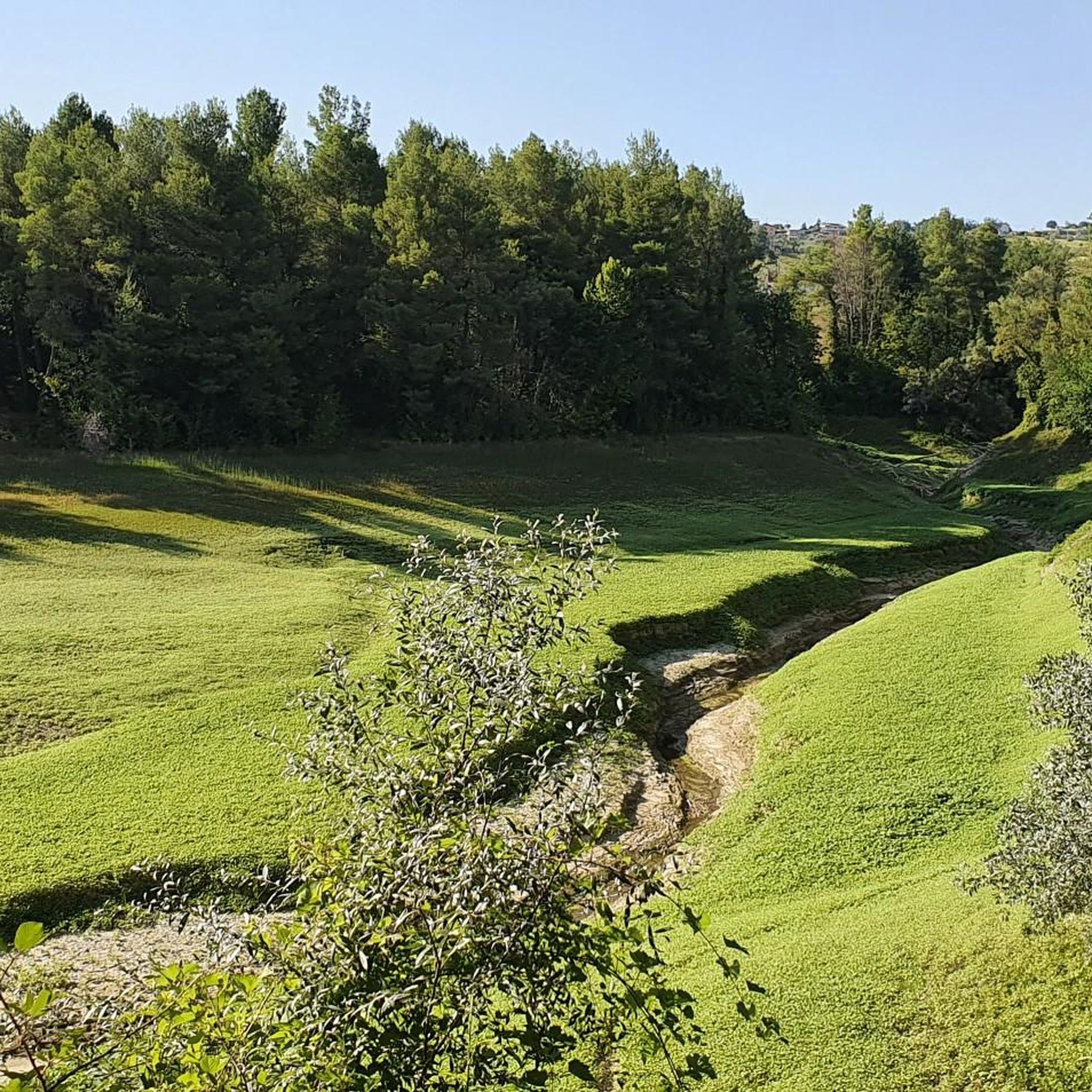
What began in the second half of the sixties as an artificial reservoir through the construction of a dam on the Tavo river has today become a true natural paradise. The lake forms the heart of the region's first WWF oasis and offers a varied landscape of water, deciduous forests, and wetlands.
3
0


The façade dates back to the renovation in 1955 after the war damage of the Second World War.
0
0

Penne is a charming medieval village perched on a hill, characterized by picturesque streets and a rich historical and artistic heritage. https://www.abruzzocitta.it/comune/penne/
0
0

the Porta di San Francesco is built entirely of bricks, in the niche placed on its top there is the representation of the Patron Saint of the city (San Massimo). On the portal there is a plaque commemorating the visit of San Francesco to Penne in 1216. Looking frontally at the Porta di San Francesco, it is possible to see a fifteenth-century tower on the left and the church of San Nicola on the right.
2
0

Lake Penne is an artificial lake, which today is part of a regional reserve and a special conservation area, managed by WWF Italy. The lake covers 1300 hectares, and 214 species of birds have been counted.
3
0
Frequently Asked Questions
What historical sites can I explore within Catignano itself?
In the heart of Catignano, you can visit the Convent of Santa Irene and the Nativity, which has historical roots as a Capuchin possession and retains its original form. The Parish Church of San Giovanni Battista is another notable site, featuring a 1795 facade, a central window, a small clock, and an interior adorned with frescoes.
Are there significant archaeological findings or sites near Catignano?
Yes, Catignano is an ideal destination for archaeology enthusiasts. Numerous Neolithic-era artifacts and classical craftsmanship, such as ceramic vases, have been discovered, suggesting ancient habitation. The area also lends its name to the important "Culture of Catignano," with evidence found in nearby villages and caves. You can learn more about this prehistoric culture at preistoriainitalia.it.
What natural attractions and scenic viewpoints are there around Catignano?
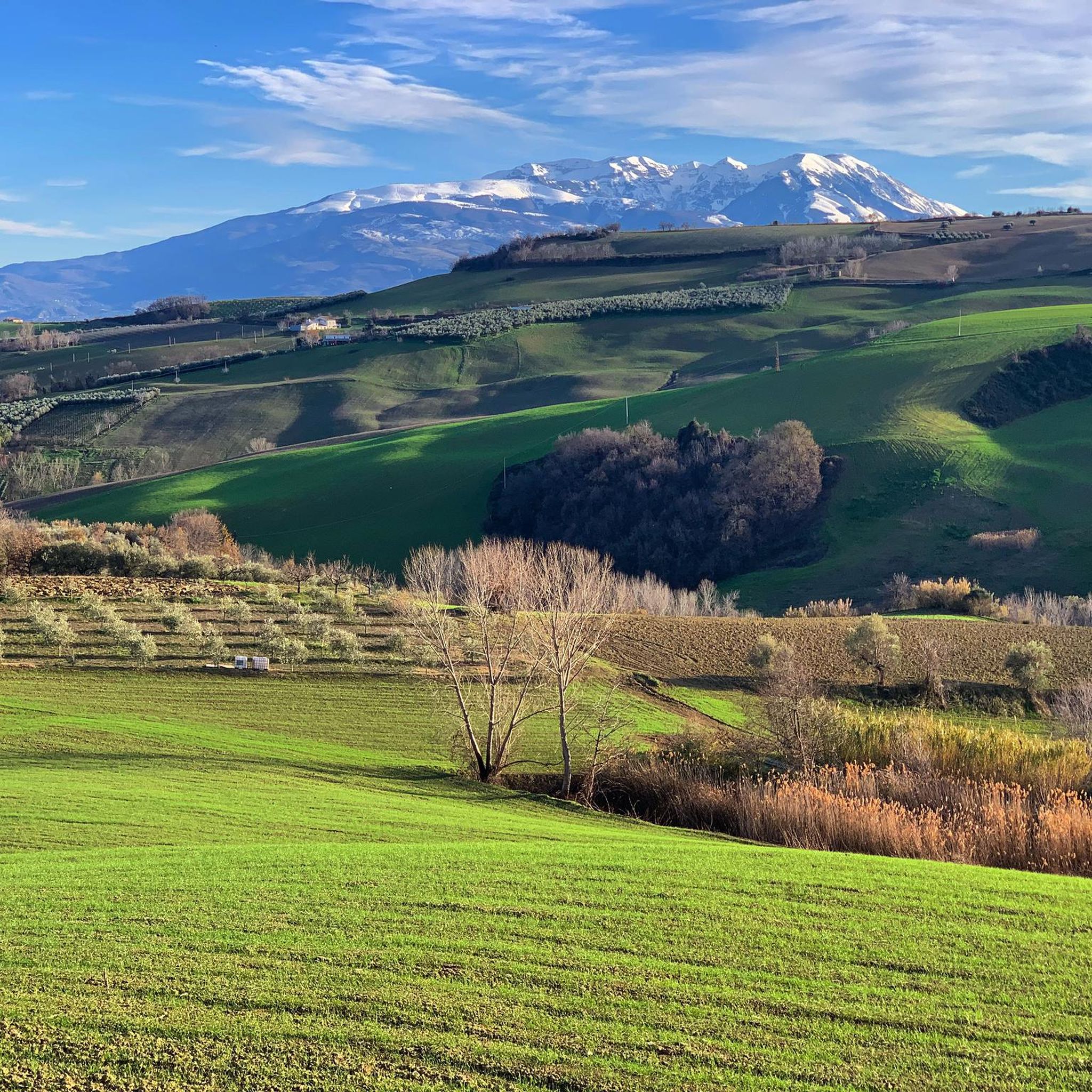
You can enjoy the tranquil natural setting of Lago di Penne, perfect for a ring tour. Another beautiful spot is Lake Capodacqua. For breathtaking vistas, visit the View of the Majella and Gran Sasso, offering panoramic views of the Abruzzo Apennines, including Mount Amaro.
What other historical landmarks are accessible from Catignano?
Beyond Catignano, several significant historical landmarks are within reach. These include the impressive Rocca Calascio, the spiritual Santuario del Volto Santo, the historic Castello Marcantonio, and the ancient Abbey of San Clemente in Casauria.
Are there any charming medieval villages or historical centers to visit nearby?
Absolutely. The Historic Center of Penne is a charming medieval village perched on a hill, known for its picturesque streets and rich heritage. While there, you can also see the Porta di San Francesco, a historical site built entirely of bricks, commemorating a visit by San Francesco in 1216.
What outdoor activities are available for cyclists near Catignano?
For cyclists, there are various routes around Catignano. You can find road cycling options like the 'Pink Bicycle by the Road – Gates loop from Pianella' or the 'Ponte del Mare – La Nave Fountain by Cascella loop from Enel'. Mountain biking enthusiasts can explore trails such as 'Fiume Nora, Rosciano e Nocciano — giro ad anello'. Discover more cycling routes on the Road Cycling Routes around Catignano guide or the MTB Trails around Catignano guide.
Are there running trails around Catignano?
Yes, there are several running trails available. Options include the 'Sasso Vivo – Rifugio Pantani loop from Villa Celiera' for a more challenging run, or 'Running loop from Cerratina' for a moderate experience. You can find more details and routes on the Running Trails around Catignano guide.
What is Catignano known for in terms of local specialties?
Catignano is recognized as a "city of truffles." The area is known for various types of truffles, including the prized white truffle, making it a unique destination for culinary enthusiasts.
Are there family-friendly attractions around Catignano?
Many attractions around Catignano are suitable for families. Natural sites like Lago di Penne and Lake Capodacqua offer pleasant outings. Viewpoints such as the View of the Majella and Gran Sasso are also enjoyable for all ages. Historical sites like the Porta di San Francesco can also be interesting for families exploring the region's history.
What do visitors enjoy most about the attractions around Catignano?
Visitors appreciate the blend of historical depth and natural beauty. Highlights like Lago di Penne are praised for their serene waters and breathtaking scenery, offering an oasis of tranquility. The View of the Majella and Gran Sasso is highly regarded for its panoramic vistas. The historical sites, including the Porta di San Francesco, offer a glimpse into the rich past of the region.
Is there a natural park or reserve near Catignano?
Yes, Parco del Lavino is a natural attraction located approximately 12.8 km from Catignano, offering a pleasant area to explore the local flora and fauna.
Can I find winter sports opportunities near Catignano?
For those interested in winter sports, Majelletta WE is a ski resort situated about 24 km from Catignano, providing opportunities for skiing and other snow activities during the colder months.
Most popular attractions around Catignano

Get inspired with the komoot mobile app


Explore more
Still not found the Highlight you’re looking for? See guides of the top attractions in other regions:
