Attractions and Places To See around Pizzoli - Top 20
Best attractions and places to see around Pizzoli include a blend of historical sites, cultural experiences, and natural beauty. Located in Italy's Abruzzo region, Pizzoli is nestled within the Gran Sasso e Monti della Laga National Park. The town slopes towards the L'Aquila basin and the Aterno River, offering a diverse landscape. This area provides opportunities to explore ancient Roman ruins, significant churches, and vast natural parks.
Best attractions and places to see around Pizzoli
- The most popular attractions is…
Last updated: August 30, 2026
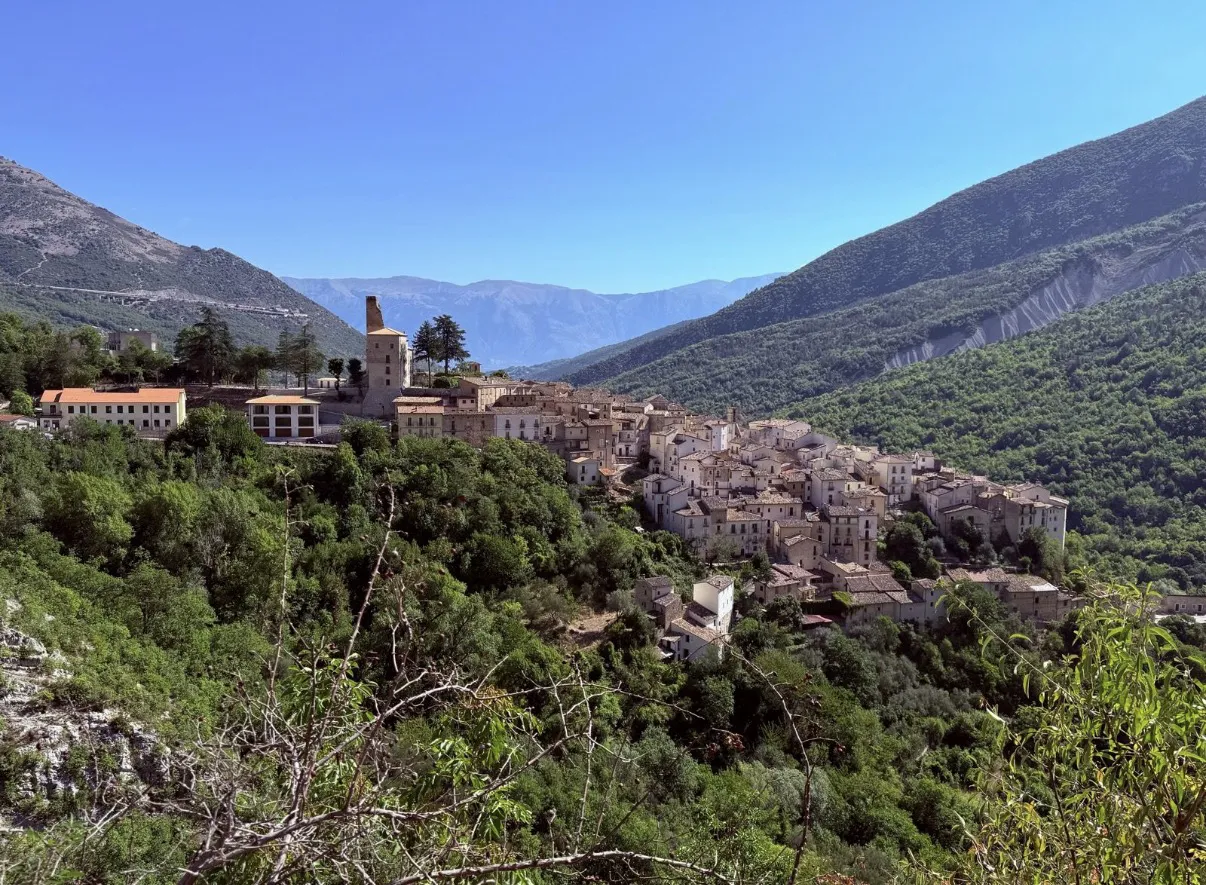
L'Aquila
Highlight • Settlement
Showing Translation
Tip by

Forte Spagnolo (Cinquecento Castle), L'Aquila
Highlight • Castle
Showing Translation
Tip by
Sign up now to discover places like this
Get recommendations on the best single tracks, peaks, & plenty of other exciting outdoor places.
Sign up for free
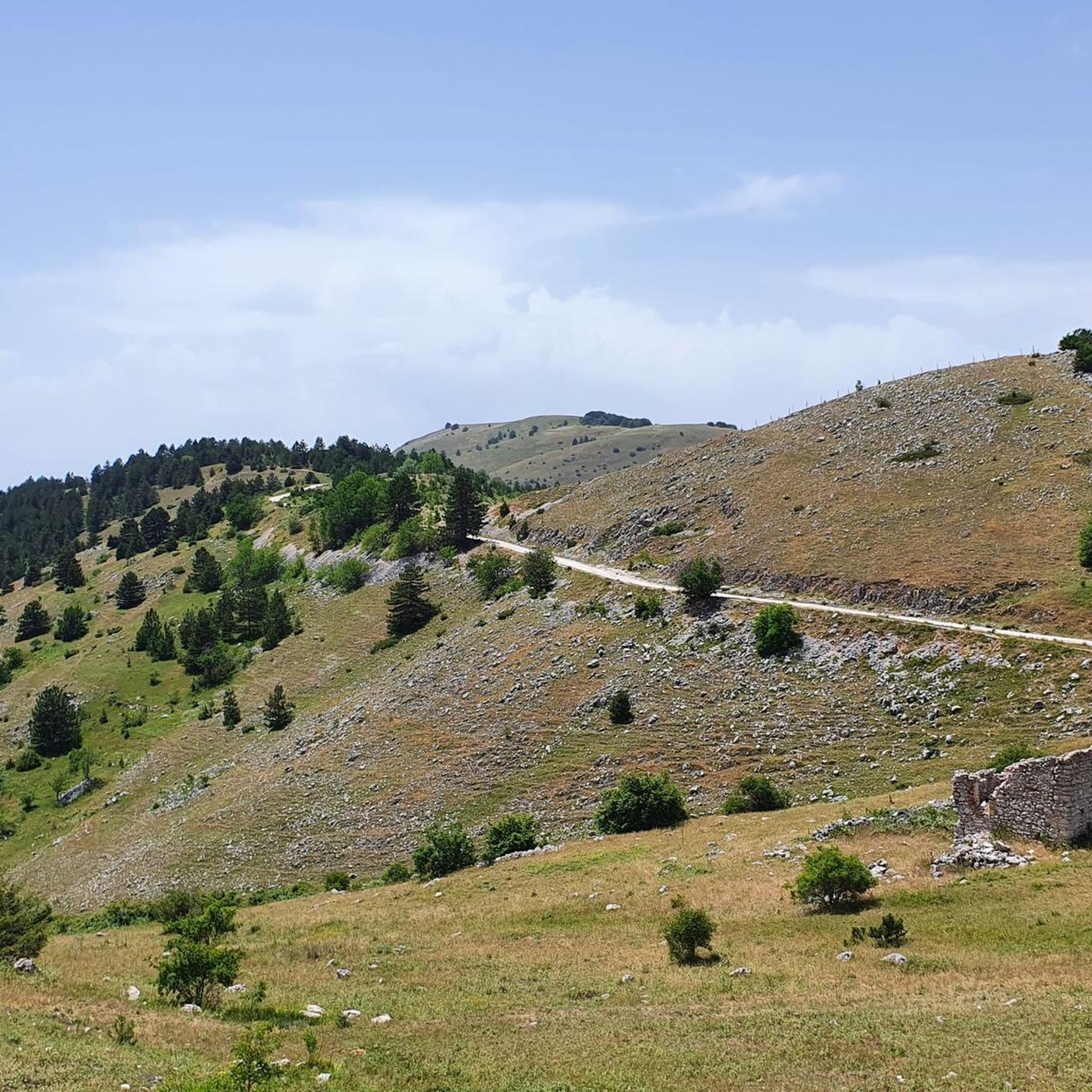
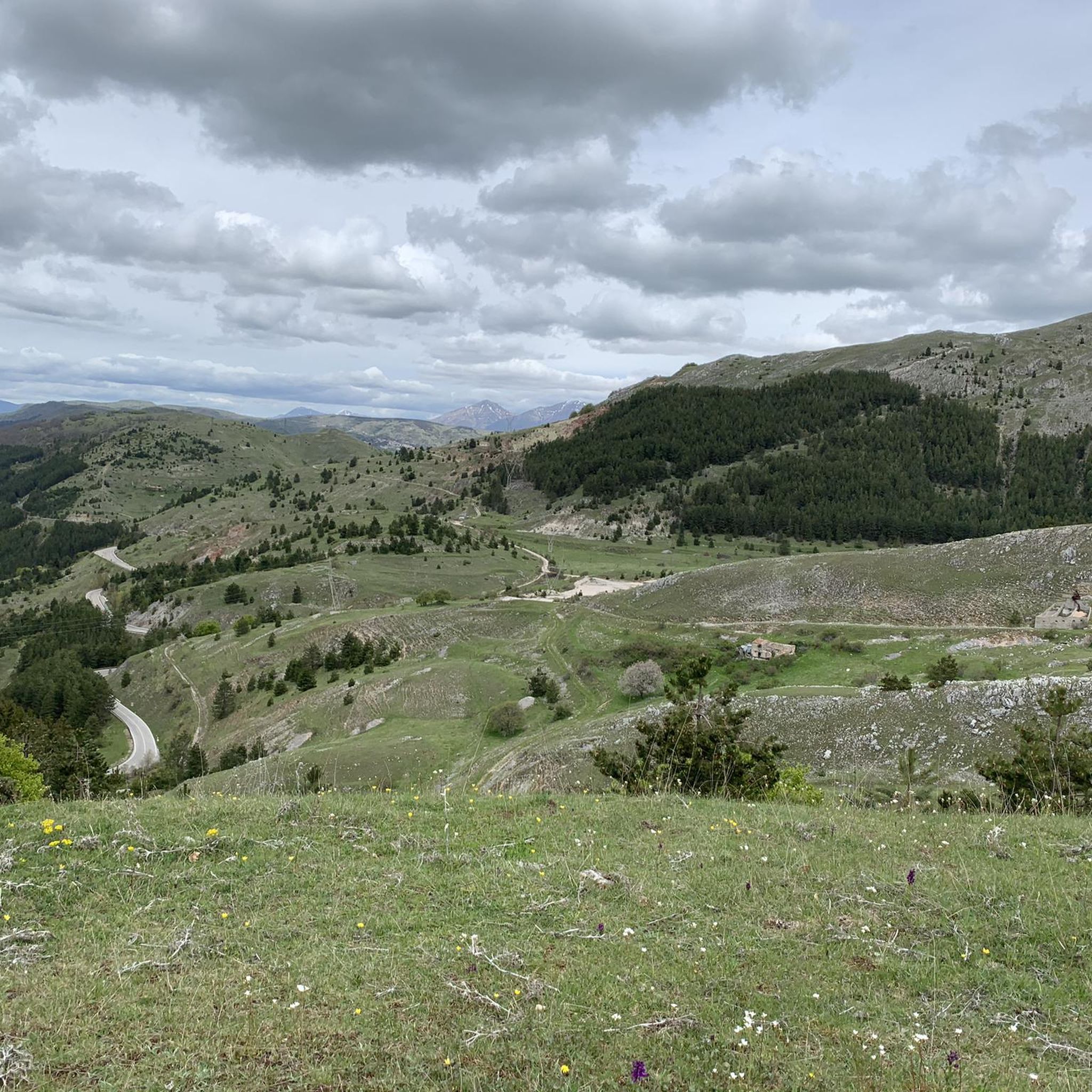
Valico delle Capannelle
Highlight • Mountain Pass
Translated by Google •
Tip by

Amiternum Archaeological Site
Highlight • Historical Site
Translated by Google •
Tip by

Forte Spagnolo
Highlight • Castle
Showing Translation
Tip by
Sign up for free to discover even more attractions around Pizzoli.
Sign up for free
Already have an account?
Start today with a free account
Your next adventure awaits.
Login or Signup
Other adventures around Pizzoli

Tips from the Community

In L'Aquila, a rich medieval past effortlessly merges with admirable modern resilience. The proud capital of Abruzzo rises in full glory and is best discovered on foot. Wandering through the atmospheric streets, you'll encounter one architectural treasure after another. For example, start at the iconic Fontana delle 99 Cannelle, where 99 mystical stone masks continuously spout water. Climbing further up, you'll reach the massive 16th-century Forte Spagnolo. From this impressive fortress, you can enjoy a sweeping view of the rugged, often snow-capped peaks of the Gran Sasso massif. The city's rich history is also palpable in the many beautifully restored palazzi and churches. For instance, the Basilica di San Bernardino overwhelms every visitor with a breathtaking baroque ceiling adorned with gold leaf. After all the cultural immersion, lively squares like Piazza del Duomo invite you for a well-deserved break. It's the perfect place to enjoy the local cuisine and a good glass of Abruzzese wine at an outdoor cafe. As a grand finale, the Basilica di Santa Maria di Collemaggio should not be missed. This striking, pink-and-white checkered church houses a true world first: the very first Holy Door in the world. Thanks to the central, free parking facilities just outside the city walls, this compact art city is the ideal destination for a carefree and inspiring cultural walking holiday.
4
0
The Forte Spagnolo (also known as Castello Cinquecentesco) is one of the most impressive 16th-century military strongholds of Central and Southern Italy. Although it is a defensive work, its true historical significance lies in the fact that it was never built to protect the city, but rather to suppress it. After the Spanish threat diminished over time, the complex successively served as the residence of the Spanish governor, barracks for French troops in the 19th century, and headquarters for the German occupier during World War II. In 1902, it was officially declared a national monument. Shortly after World War II, it became the home of the National Museum of Abruzzo (MuNDA). Since the devastating earthquake of 2009, the fort has been undergoing a lengthy and complex restoration, but it remains one of the most impressive symbols of the city when viewed from the outside.
4
0
The Forte Spagnolo (also known as Castello Cinquecentesco) is one of the most impressive 16th-century military strongholds in Central and Southern Italy. Although it is a defensive work, its true historical significance lies in the fact that it was never built to protect the city, but rather to suppress it. Once the Spanish threat subsided over time, the complex successively served as the residence of the Spanish governor, barracks for French troops in the 19th century, and headquarters for the German occupiers during World War II. In 1902 it was officially declared a national monument. Shortly after World War II, it became the home of the Museo Nazionale d'Abruzzo (MuNDA). Since the devastating earthquake of 2009, the fort has been undergoing a lengthy and complex restoration, but it remains one of the most impressive symbols of the city when viewed from the outside.
5
0


The Amiternum amphitheater is a solemn testament to Abruzzo's glorious Roman past, located on the San Vittorino plain a few kilometers from L'Aquila. Built in the 1st century AD on the edge of the ancient Sabine city, it still retains its imposing elliptical structure with two tiers of arches that once accommodated up to six thousand spectators. Today, it offers a striking blend of the austere monumentality of ancient brickwork and the rural tranquility of the Aterno Valley.
0
0

At this site, you can see the ancient ruins of Amiternum, a city founded by the Sabines. Also in the area, in addition to the theater, amphitheater, and remains of a domus, you can see the remains of the ancient Via Cecilia, which connected Rome with the Abruzzo colonies in the present-day province of Teramo.
0
0
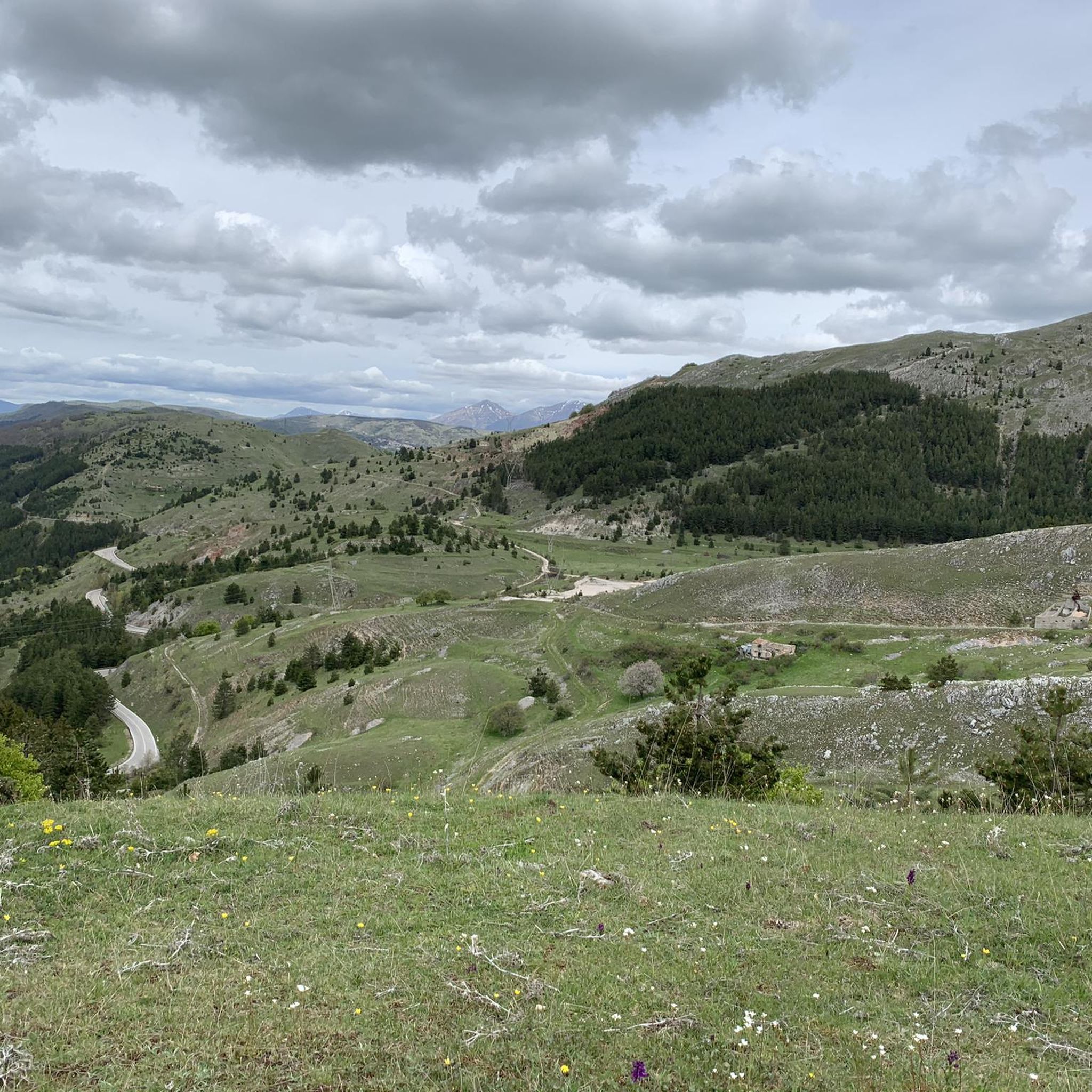
A border crossing in the province of L'Aquila located 1,300 meters above sea level to cross the Gran Sasso mountain range via state road 80, which connects the provinces of Teramo and L'Aquila.
0
0

Also known as the sixteenth-century castle.
0
0
Frequently Asked Questions
What natural features can I explore near Pizzoli?
Pizzoli is situated within the Gran Sasso e Monti della Laga National Park, offering a mountainous landscape with diverse forests. You can also visit San Vincenzo Ferrer, a chapel set amidst natural beauty at 1,455 m above sea level. The Chiarino Valley is another natural area ideal for green tourism, and the Aterno River flows nearby, where you can find historical mills.
What historical and archaeological sites are there to visit in the Pizzoli area?
Just a few kilometers from Pizzoli, you can explore the Amiternum Archaeological Site, an ancient Sabine and Roman center featuring a 1st-century amphitheater, Roman theater ruins, and an aqueduct. The site offers a striking blend of ancient monumentality and rural tranquility. While privately owned, the exterior of the 17th-century Dragonetti De Torres Castle in Pizzoli, built against a 12th-century tower, can also be admired.
Are there opportunities for hiking around Pizzoli?
Yes, Pizzoli's location within the Gran Sasso e Monti della Laga National Park provides excellent hiking opportunities. While specific hiking routes are not detailed in the provided data, the area is known for its mountainous terrain and forests, making it suitable for various trails. You can find more information on outdoor activities, including hiking, by exploring the Pizzoli guide page.
What cycling and mountain biking routes are available near Pizzoli?
The area around Pizzoli offers diverse cycling and mountain biking experiences. For mountain biking, you can find routes like the 'Picchi di Aielli – Rifugio Federico Martinelli loop' or the 'Capannelle Pass – Valico delle Capannelle loop'. Gravel biking options include the 'Gravel Path Along the River – Roman Theatre of Amiternum loop'. For general cycling, routes like 'History and nature loop from Pizzoli' are available. You can explore these and more on the dedicated guides for MTB Trails around Pizzoli, Gravel biking around Pizzoli, and Cycling around Pizzoli.
Are there family-friendly attractions or activities in Pizzoli?
Yes, several attractions around Pizzoli are considered family-friendly. The Amiternum Archaeological Site offers an engaging historical experience for all ages. The Alpine Chapel of Capitignano is located in a well-kept lawn area with picnic tables and fresh water sources, making it a perfect spot for a family outing in nature. The nearby city of L'Aquila also has numerous monuments and squares suitable for family exploration.
What notable churches or religious buildings can I visit in the area?
Pizzoli and its surroundings are home to several significant religious buildings. These include the 13th-16th century Church of S. Stefano a Monte, the Church of Santo Stefano Protomartire, and the Church of the Immacolata (Madonnella). Further afield, the San Vincenzo Ferrer chapel offers a unique religious site combined with stunning natural views, and the Alpine Chapel of Capitignano provides a peaceful setting.
Are there opportunities for winter sports near Pizzoli?
Yes, for winter sports enthusiasts, the ski slopes of Campo Felice, Campo Imperatore, and Ovindoli are easily reachable from Pizzoli. Additionally, the Prato Selva Ski Area, although now a ghost center, was once an important ski destination in the Gran Sasso and Monti della Laga National Park, and can still be explored for its natural beauty.
What can I see in the nearby city of L'Aquila?
A short distance from Pizzoli, L'Aquila, the capital of the Abruzzo region, offers a rich array of attractions. You can visit the impressive Basilica di San Bernardino, explore Piazza del Duomo with its XIII century Cathedral, and see the Fountain of the 99 Spouts. The city also features the Castello di L'Aquila, a historic fortress.
Is there a significant lake or water body near Pizzoli?
Yes, Lago di Campotosto (Lake Campotosto) is located near Pizzoli. It is the largest artificial reservoir in Europe and serves as a vital resting and reproduction spot for migratory birds. Visitors can enjoy activities like canoeing, windsurfing, and birdwatching in this state nature reserve, which is situated at an elevation of 1313 meters above sea level.
What is the Valico delle Capannelle and what can I do there?
The Valico delle Capannelle is a mountain pass popular among cyclists and motorcyclists. It connects the Vomano valley to the Aterno valley along the 'Strada Maestra del Parco'. Its name comes from small stone ruins that once guarded fields. It's a scenic spot offering great views and is often included in cycling routes in the area.
What do visitors appreciate most about the attractions around Pizzoli?
Visitors particularly enjoy the blend of historical depth and natural beauty. The ancient Roman ruins at Amiternum Archaeological Site are highly valued for their historical significance and tranquil setting. The scenic views from religious buildings like San Vincenzo Ferrer and the peaceful atmosphere of the Alpine Chapel of Capitignano are also frequently praised. The overall appeal lies in the diverse opportunities for cultural exploration and outdoor activities within the Gran Sasso e Monti della Laga National Park.
When is the best time to visit Pizzoli for outdoor activities?
The best time to visit Pizzoli for outdoor activities largely depends on your interests. Spring and autumn offer pleasant temperatures for hiking and cycling through the Gran Sasso e Monti della Laga National Park. Summer is ideal for exploring natural features like Lago di Campotosto and enjoying activities like canoeing. For winter sports, the colder months provide access to nearby ski slopes.
Most popular attractions around Pizzoli

Get inspired with the komoot mobile app


Explore more
Still not found the Highlight you’re looking for? See guides of the top attractions in other regions:
