The best cycling routes around Arsita
4.4
(97)
1,340
riders
37
rides
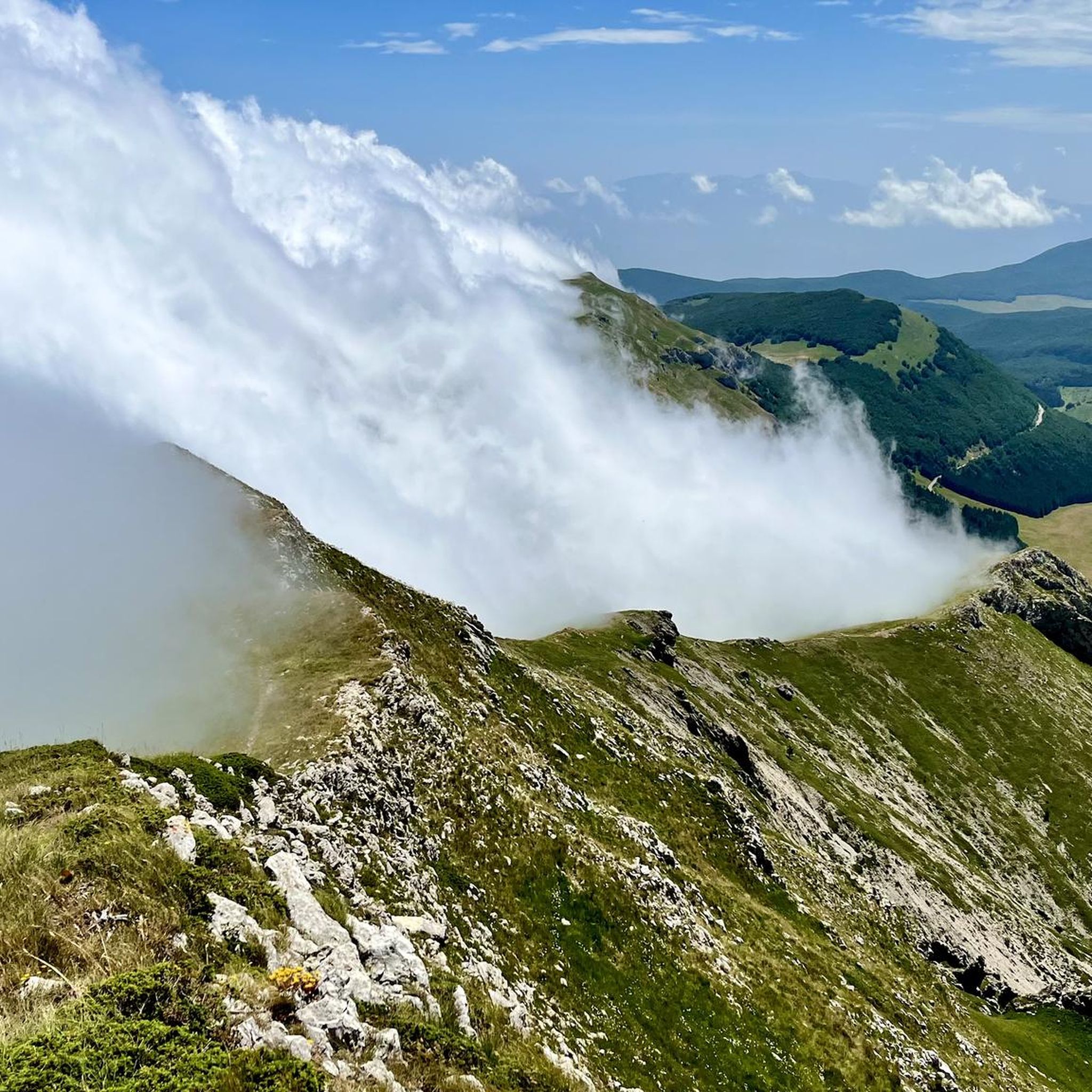
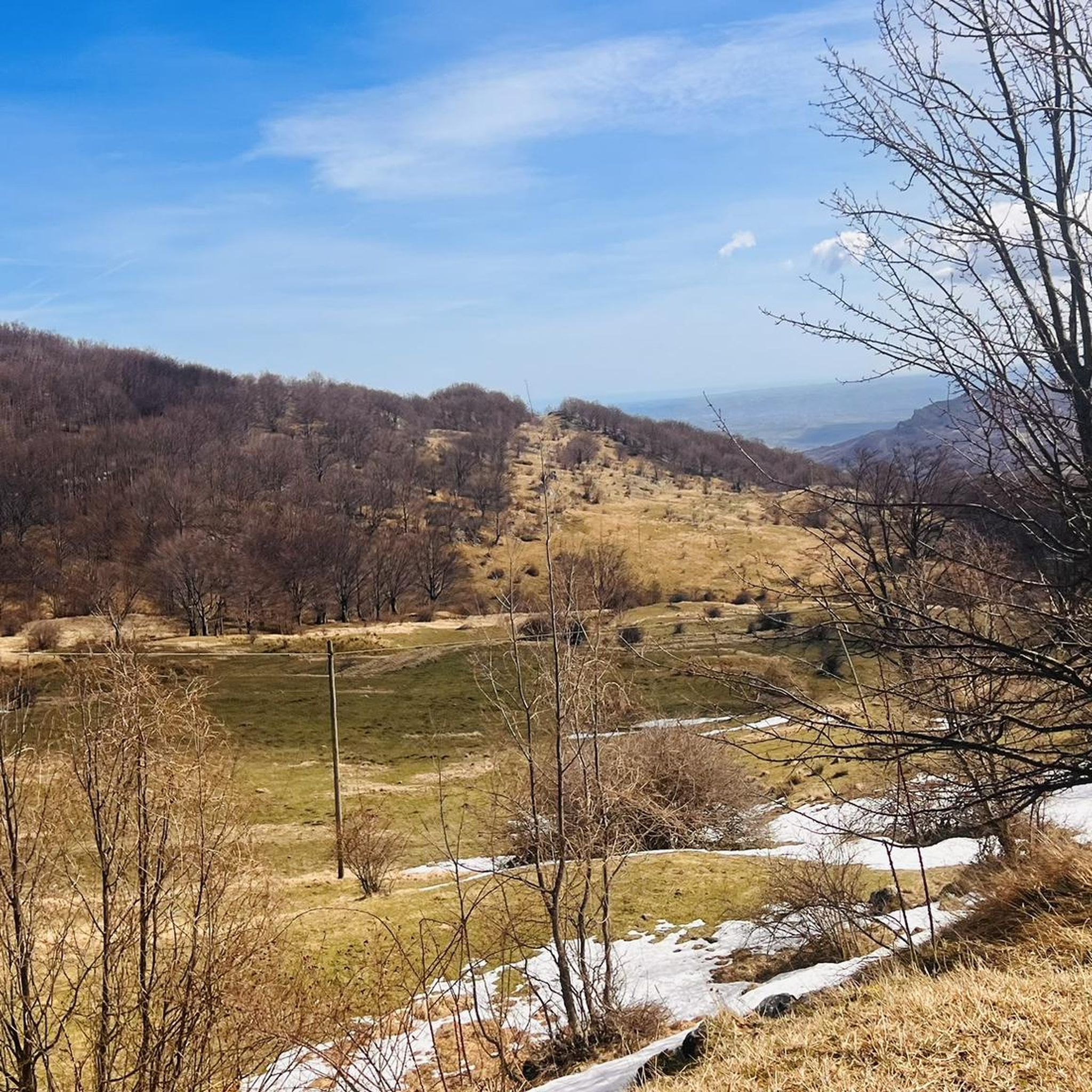
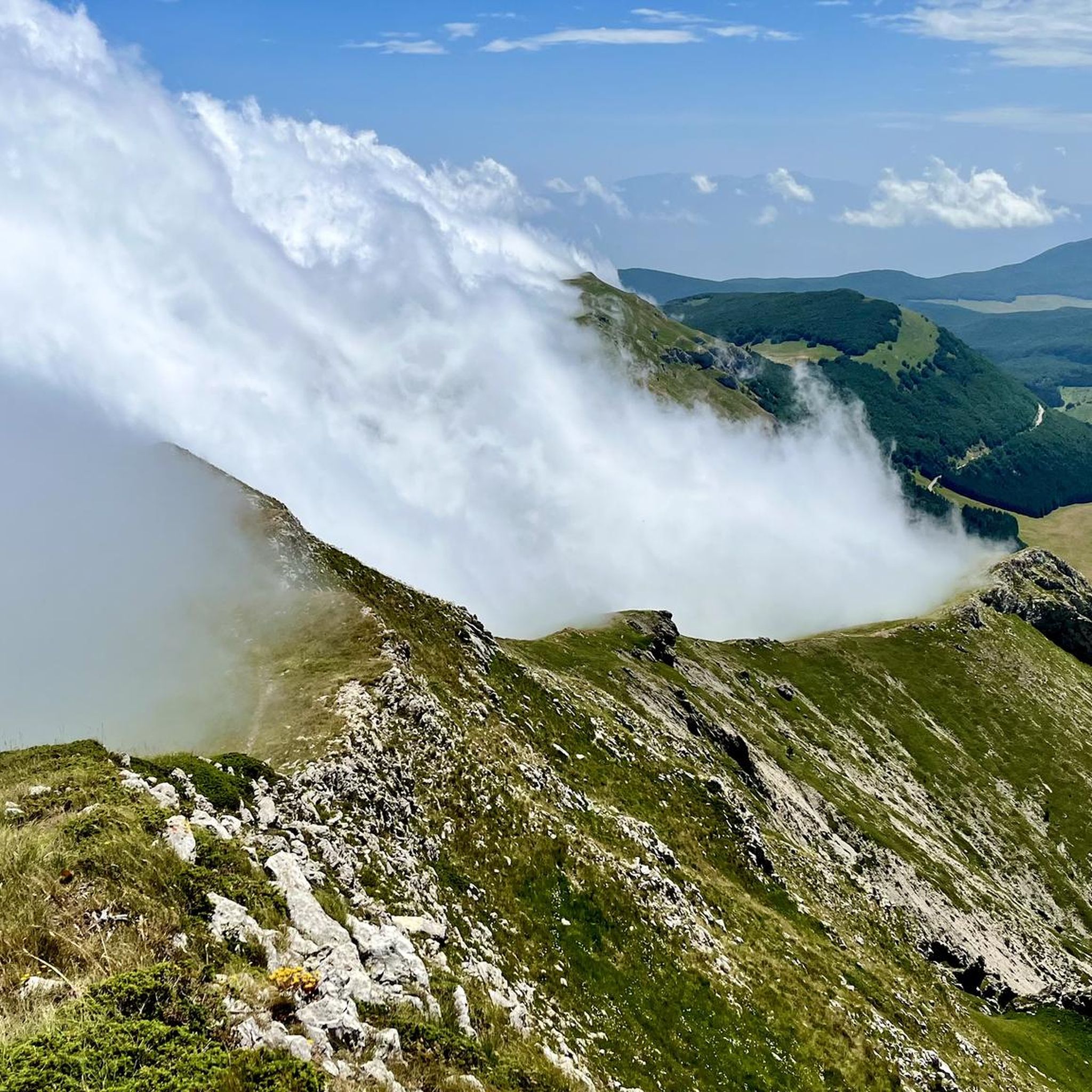
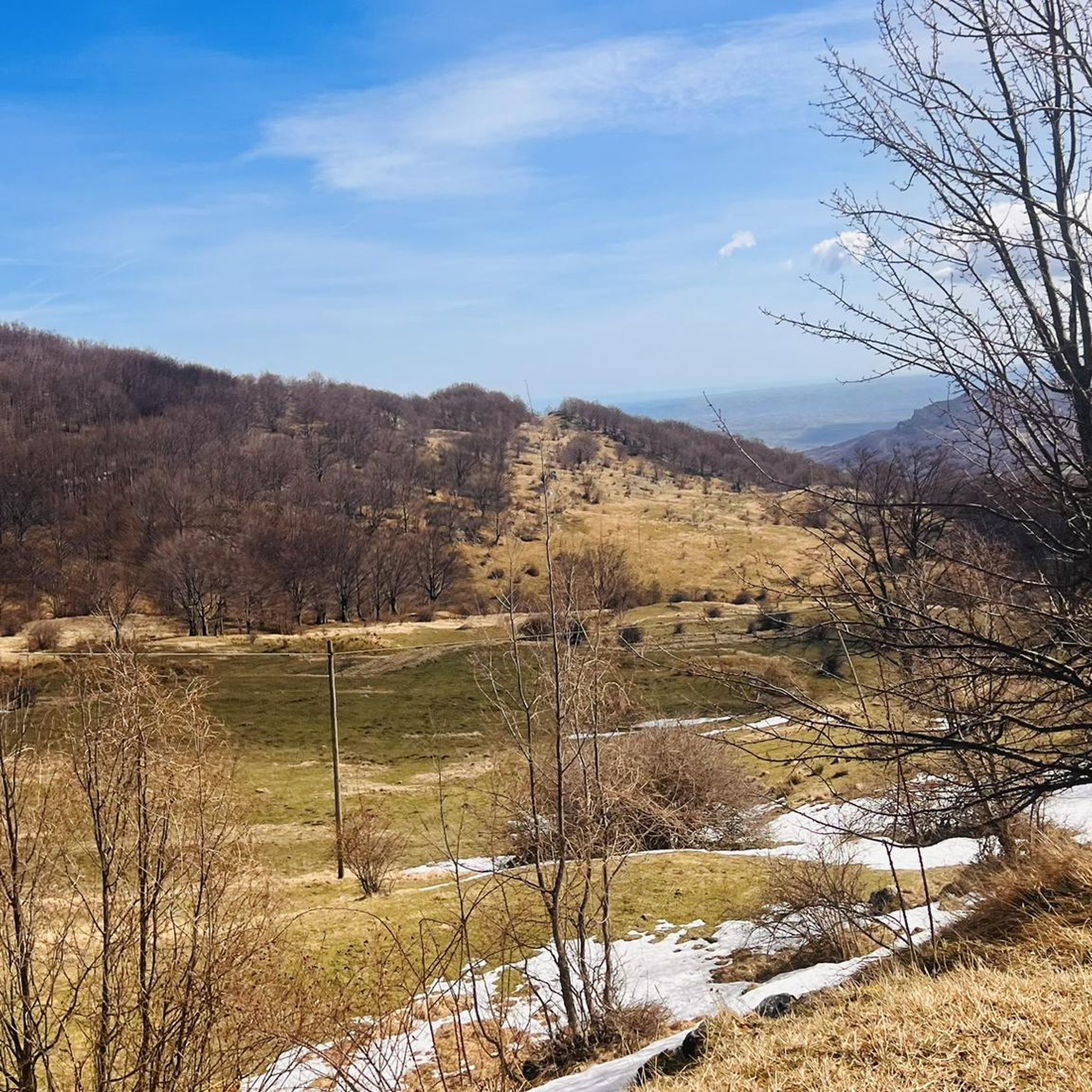
Touring cycling routes around Arsita offer access to the diverse landscapes of Italy's Abruzzo region, situated near the Gran Sasso National Park. The terrain is characterized by a mix of quiet paved roads and unpaved sections, winding through verdant inland hills and the imposing Apennine peaks. Cyclists can expect varied elevations, from moderate climbs to challenging ascents leading to high-altitude plateaus and mountain passes. This mountainous region provides scenic views and demanding climbs ideal for touring cyclists.
Best touring cycling…
Last updated: November 19, 2026
4.8
(5)
81
riders
68.4km
04:52
1,390m
1,390m
Hard bike ride. Very good fitness required. Mostly paved surfaces.
4.7
(41)
331
riders
53.9km
03:50
1,060m
1,060m
Hard bike ride. Very good fitness required. Mostly paved surfaces.

43
riders
91.5km
06:26
1,810m
1,810m
Hard bike ride. Very good fitness required. Mostly paved surfaces.
4.5
(4)
19
riders
32.6km
02:15
590m
590m
Hard bike ride. Very good fitness required. Mostly paved surfaces.
4.5
(6)
20
riders
60.1km
04:41
1,630m
1,630m
Hard bike ride. Very good fitness required. Mostly paved surfaces.
Get access to more routes and recommendations from other explorers.
Already have an account?
Our route recommendations are based on thousands of hikes, rides, and runs completed by other people on komoot.
Start today with a free account
Your next adventure awaits.

Tips from the Community

it is possible to buy meat and various foods, really well stocked if you buy meat, it is also possible to cook it on the grills they provide with hot coals always available during opening hours outside there is also a fountain with fresh drinking water
0
0

Many visitors call it an unforgettable experience and an absolute must-do in Abruzzo. This is not an ordinary restaurant, but a unique DIY barbecue in the middle of the Campo Imperatore plateau. You choose your meat from the local butcher, your smoldering barbecue is ready for you to cook. Simply enjoy a meal with a spectacular view over the plateau. Those who want to avoid the crowds should come in May, June, September, or October. In July and August and on sunny weekends, it can be very popular and long queues often form. The location is usually open from April to November, typically daily from 09:00 to 19:00. The establishment closes during the winter months, as the plateau often disappears under a thick layer of snow.
2
0
The endpoint by car is the large mountain square Piazzale di Campo Imperatore (2,130 meters). The breathtaking mountain road SS17bis leads you from the valley right up to the doors of the Hotel Campo Imperatore and the Astronomical Observatory. Why shouldn't you miss Campo Imperatore? Because here you are right in the middle of the high mountains without a strenuous climb. At an altitude of 2,130 meters, you are surrounded by impressive mountain peaks and begin one of the most beautiful hiking areas in the Apennines. The car journey there is an experience in itself: a winding road through the spectacular landscape of 'Little Tibet', where you often encounter horses, cows, and large flocks of sheep along the way. At the top, you will also find a unique mix of nature, history, and culture, with the historic hotel where Mussolini was imprisoned, the highest church in Italy, the astronomical observatory, and cozy food trucks where you can enjoy local specialties such as fresh pecorino and generously filled sandwiches.
5
0
Although the Cattedrale di San Massimo (the Duomo of Penne) is currently completely scaffolded for extensive restoration and earthquake-resistant reinforcement works, a visit to this historic site is absolutely worthwhile. Climb the hill and discover the monument's rich history. Even from the outside and in the accessible parts, you can sense the centuries-old atmosphere and get a glimpse into the archaeological treasures and stories this special cathedral has to offer. Some facts: the Duomo was built on pagan foundations. The cathedral stands on the Colle Sacro (the Sacred Hill). The early Christian church was founded even before the year 1000, directly on top of the remains of an old Roman temple. The road to the cathedral via the narrow, steep streets from Porta San Francesco is a historical experience in itself. The Duomo marks the highest point of Penne. Even with scaffolding around the facade, the square in front of the church offers a spectacular panoramic view over the roofs of the Città del Mattone and the surrounding Abruzzese hills.
4
0
The Chiesa della Santissima Annunziata (also known as the Chiesa dell'Annunciazione del Signore) in Penne is one of the most striking Baroque monuments in this historic city in the Abruzzo region. Byzantine roots: The current church is located in the Rione da Piedi district and is built on the foundations of a much older, Byzantine or 15th-century church. Baroque reconstruction: The building that stands today was extensively rebuilt in the late Baroque style starting in 1733. The renowned architect Carlo Cremonini was responsible for the construction. Special facade: The imposing brick facade on Corso Alessandrini stands out for its slightly undulating (concave) shape and two levels with stacked brick columns. This gives the building a dynamic, elegant effect. Facts: The Passion Story and Good FridayCenturies-old tradition: Since 1570, this church has been the official starting point of the solemn Good Friday procession in Penne.The golden shroud: The church houses the sacred wooden statue of the deceased Christ. During the Easter period, it is covered with a world-famous black velvet cloth (Covertone), richly decorated with embroidery of real gold and silver thread from a design by Salvatore Colapietro. 2009 Earthquake: The church was unfortunately heavily damaged during the devastating earthquake in the L'Aquila region on April 6, 2009. Since then, the building has been closed for regular religious services for safety reasons and for restoration work.
3
0
De Porta San Francesco is the most monumental and iconic city gate of the historic town of Penne, located on four hills. The gate forms the main entrance to the medieval center and is a striking example of local architecture. The gate owes its name to Francis of Assisi, who according to legend visited Penne on September 16, 1216. He came to the city at the time to establish peace between two violent, rival family clans. In memory of this historic visit, the original medieval city gate was later named after him. Although the origin of the gate is medieval, its current baroque appearance dates from 1780 (with later adjustments around 1870). The gate, to be renovated, came from the drawing board of architect Francesco Di Sio and was completely rebuilt, along with the adjacent buildings. Since then, they have formed a monumental, stylish entrance to 'the city of brick'. Bonus: if you stand in front of the gate and look closely, you will see the patron saint of Penne, San Massimo, at the top of the gate.
5
0

It’s an enchanted village, walking in those narrow alleys makes you dream, just like the delicacies that Barbara and Andrea expertly prepare in their small restaurant make you dream.
0
0
The round church of San Nicola was built in the 19th century to a design by engineer Dottorelli. From the outside, its unusual shape is immediately striking: a cylindrical building that, interrupted by pilasters, rises above the lower annexes of the church. On the side of Corso Alessandrini, the church has a simple brick facade, adorned with a small aedicule and a triangular tympanum. On the side of Largo San Francesco, the bell tower particularly catches the eye, with its double arched opening and tympanum-shaped crowning. Together, these elements give the church a restrained yet characteristic appearance.
3
0
Frequently Asked Questions
What kind of terrain can I expect on touring cycling routes around Arsita?
The terrain around Arsita offers a diverse mix, from quiet paved roads to unpaved sections. You'll encounter verdant inland hills and the imposing Apennine peaks, with varied elevations ranging from moderate climbs to challenging ascents leading to high-altitude plateaus and mountain passes within the Gran Sasso National Park.
Are there touring cycling routes suitable for beginners or families in Arsita?
While many routes in the Arsita area are rated as difficult, the broader Gran Sasso National Park and Abruzzo region offer options for various fitness levels. For families or those seeking less strenuous rides, e-bike tours are available to explore mountain trails and picturesque villages like Castel del Monte, providing an accessible way to enjoy the scenery. There are 7 moderate routes available in the area, though none are specifically marked as easy in the immediate vicinity of Arsita.
What are some notable landmarks or attractions I can see while cycling near Arsita?
Cycling around Arsita offers access to several significant landmarks. You can visit the historic Castel del Monte (Abruzzo), or cycle past the impressive Capo la Serra Pass. The medieval Rocca Calascio Castle is also a popular destination, often included in longer loops. For stunning panoramic views, consider routes that pass near the Monte Camicia summit.
Are there any circular touring cycling routes available from Arsita?
Yes, there are several circular routes. One popular option is the View of Castel del Monte – Campo Imperatore Plateau loop from Ristoro Mucciante, which offers scenic views of Castel del Monte and the high-altitude plateau. Another is the Campo Imperatore Plateau – Rocca Calascio Castle loop from Castel del Monte, which takes you through the stunning Campo Imperatore plateau and past the historic Rocca Calascio Castle.
What is the best time of year to go touring cycling in the Arsita region?
The Abruzzo mountains, including the Gran Sasso National Park, are best for cycling during the warmer months, typically from late spring through early autumn. This period offers more stable weather conditions and access to higher elevation routes like Campo Imperatore, which can be snow-covered in winter. Always check local weather forecasts before heading out.
How many touring cycling routes are there in the Arsita area?
There are approximately 38 touring cycling routes available around Arsita. These routes cater to various skill levels, with 7 moderate and 31 difficult options, ensuring a suitable challenge for most touring cyclists.
What do other touring cyclists say about the routes in Arsita?
The touring cycling routes around Arsita are highly regarded by the komoot community, holding an average rating of 4.6 stars from over 50 reviews. Cyclists often praise the dramatic landscapes of the Gran Sasso National Park, the vast Campo Imperatore plateau, and the challenging Apennine peaks, highlighting the diverse terrain and rewarding views.
Are there any lakes or natural water features accessible by touring bike near Arsita?
Yes, the area around Arsita features several beautiful lakes. You can find Lake Pietranzoni, Lago di Penne, Lake Capodacqua, and Lago di Pietralunga. These offer scenic spots for a break during your ride.
Can I find places to eat or refresh along the touring cycling routes?
Yes, some routes pass by refreshment points. For example, the View of Castel del Monte – Campo Imperatore Plateau loop starts from Ristoro Mucciante, a known refreshment stop. Arsita itself, and other villages in the Abruzzo region, offer opportunities to discover local gastronomy and cafes.
Is it possible to combine cycling with cultural experiences in the Arsita area?
Absolutely. Cycling in Abruzzo allows you to immerse yourself in both natural beauty and rich culture. Routes often wind past ancient abbeys, hermitages, and sanctuaries. You can also visit charming villages like Castel del Monte or explore historical sites such as Rocca Calascio Castle, blending physical activity with cultural discovery and local delicacies.
What is the longest touring cycling route available near Arsita?
One of the longer and more challenging routes is From the province of Pescara to Campo Imperatore. This difficult trail covers approximately 42.5 miles (68.4 km) and involves a significant climb towards the expansive Campo Imperatore plateau, typically taking around 4 hours and 52 minutes to complete.
Are there options for mountain biking in addition to touring cycling?
Yes, the Gran Sasso National Park, which is easily accessible from Arsita, provides a variety of trails for mountain biking. These trails come with differing difficulty levels, offering options for both road cycling and off-road adventures within the park's diverse landscapes.
What are the elevation gains like on touring cycling routes in Arsita?
The touring cycling routes around Arsita, especially those venturing into the Gran Sasso National Park, feature significant elevation gains. For instance, routes like Mucciante Refreshment Stop – View of Vado di Sole loop from Farindola can involve over 1,500 meters of climbing, offering challenging ascents and rewarding descents through the Apennine peaks.
Most popular attractions around Arsita

Get inspired with the komoot mobile app


Explore more
Browse the best Cycling routes in other regions.
