Attractions and Places To See around Montone - Top 20
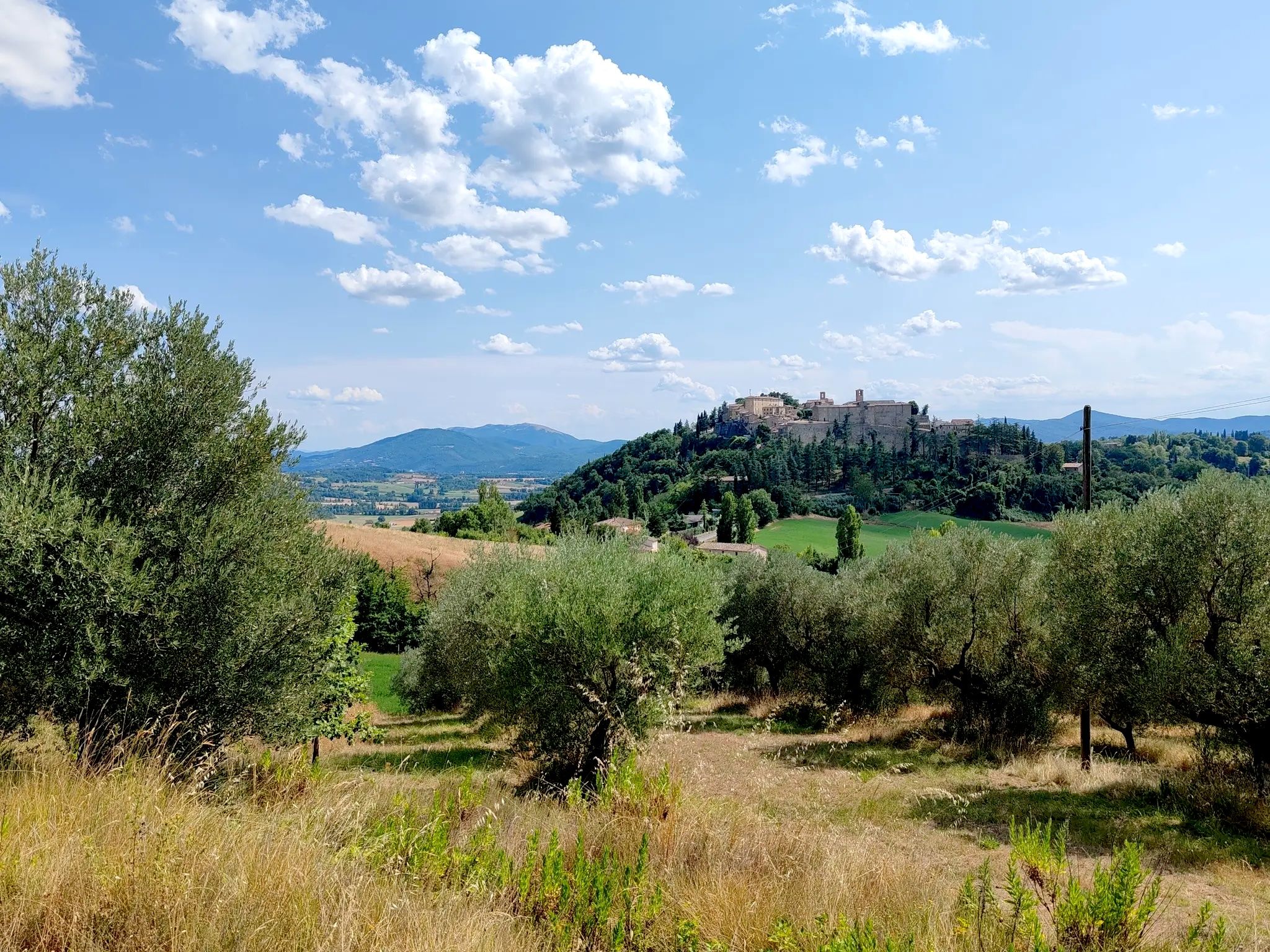
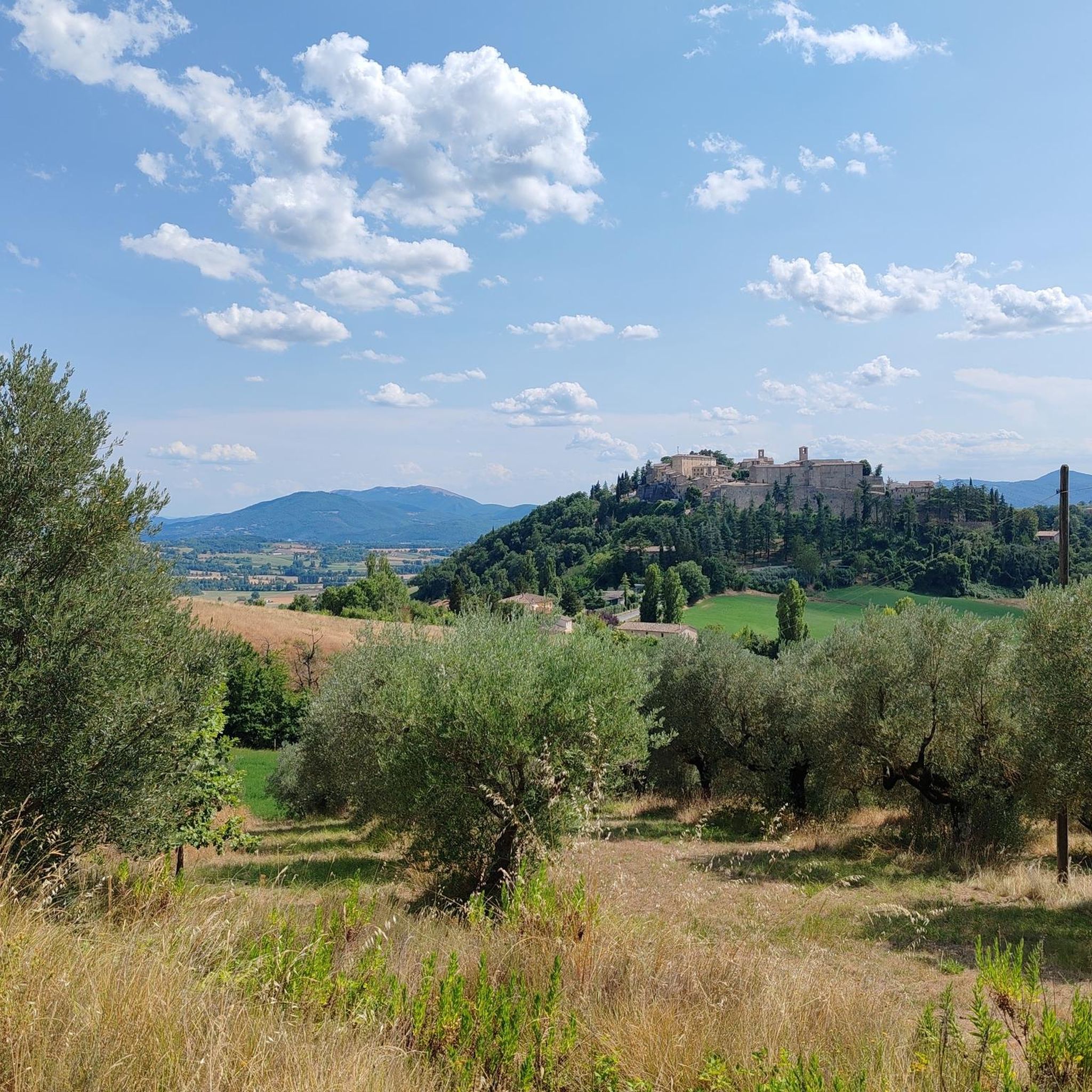
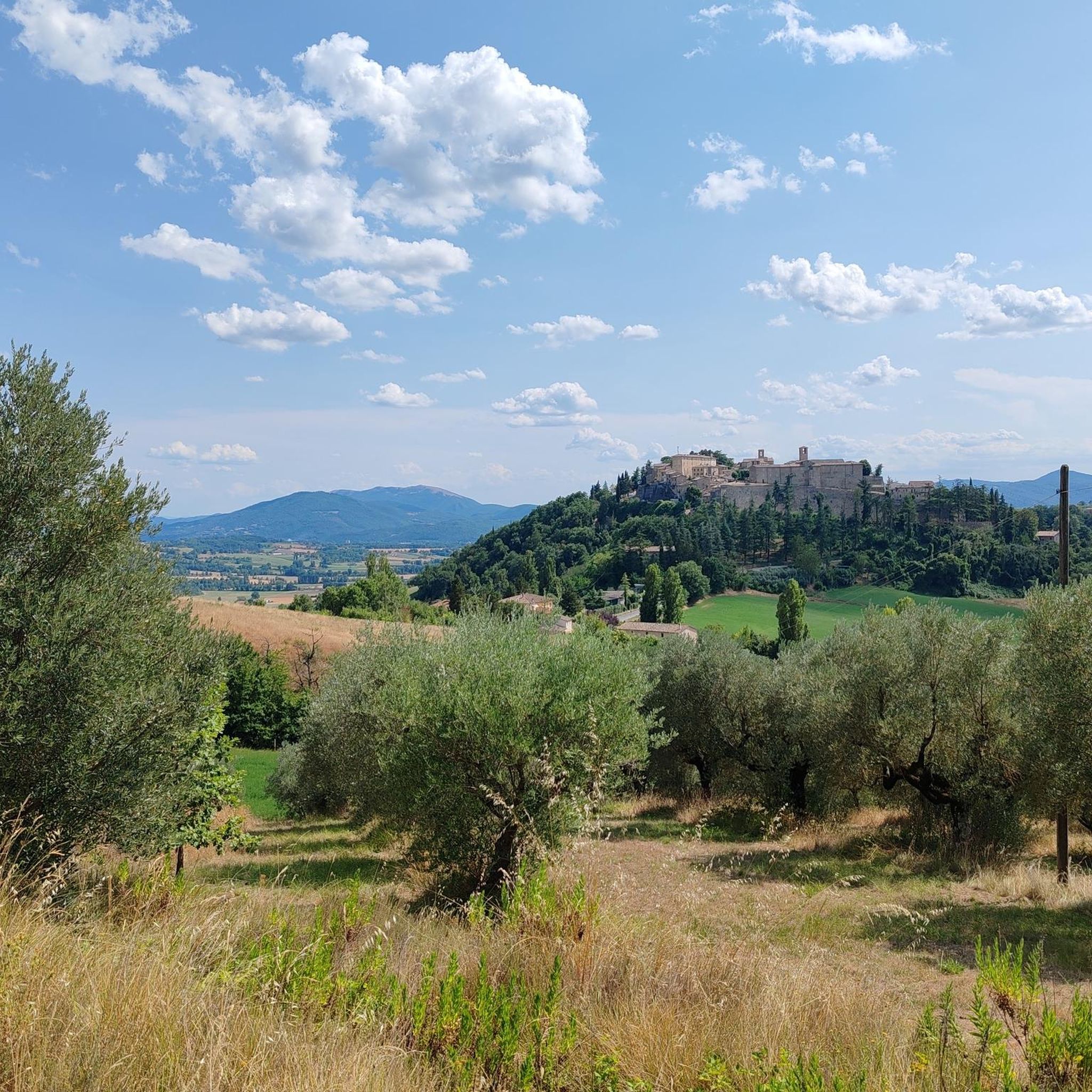
Best attractions and places to see around Montone include a range of historical, cultural, and natural sites within this medieval hilltop village in Umbria, Italy. Situated on a hill at 482 meters above sea level, Montone offers panoramic views of the confluence of the Tiber and Carpina rivers, and the surrounding Upper Tiber Valley. Recognized as one of "Italy's most beautiful villages," it provides a well-preserved ancient atmosphere.
Best attractions and places to see around Montone
- The most popular attractions is Monte Acuto Summit Cross, a summit that has crowned Monte Acuto like a steel colossus for around 100 years. It was dedicated to the victims of the First World War, serving as a peace memorial visible from afar.
- Another must-see spot is Pietralunga Historic Village, a medieval settlement with a typical medieval appearance, developing around the Rocca and the Parish Church of Santa Maria. Its history dates back to prehistoric times, with influences from Umbrians and Romans.
- Visitors also love Pieve of Saddi, a religious building that served as the center of the first Christianization of the High Tiber Valley. Built in the 5th century on a former Roman temple site, it houses an 8th-century relief depicting Saint Crescentino.
- Montone is known for its historic villages, ancient fortresses, and significant religious sites. Visitors can explore a variety of attractions, from medieval architecture to panoramic viewpoints.
- The attractions around Montone are appreciated by the komoot community, with 8 highlights, 110 photos, and 129 upvotes showcasing the area's appeal.
Last updated: October 10, 2026
Pietralunga Historic Village
Highlight • Settlement
Translated by Google •
Tip by

Pieve of Saddi
Highlight • Religious Site
During the persecution under Diocletian, a Roman soldier - Crescentino - was beheaded and buried here. The Pieve de' Saddi church was built in the 5th century on the site of a former Roman temple to house the martyr's remains. Inside the church, divided into three naves, there is an 8th-century relief depicting the saint killing a dragon that had terrorized the inhabitants of Città di Castello.
Translated by Google •
Tip by

Sign up now to discover places like this
Get recommendations on the best single tracks, peaks, & plenty of other exciting outdoor places.
Monte Acuto Summit Cross
Highlight • Summit
Translated by Google •
Tip by

Church of San Giovanni Battista, Loreto
Highlight • Religious Site
Translated by Google •
Tip by
Burri Museum – Former Tobacco Drying Sheds
Highlight • Monument
Translated by Google •
Tip by
Sign up for free to discover even more attractions around Montone.
Already have an account?
Start today with a free account
Your next adventure awaits.
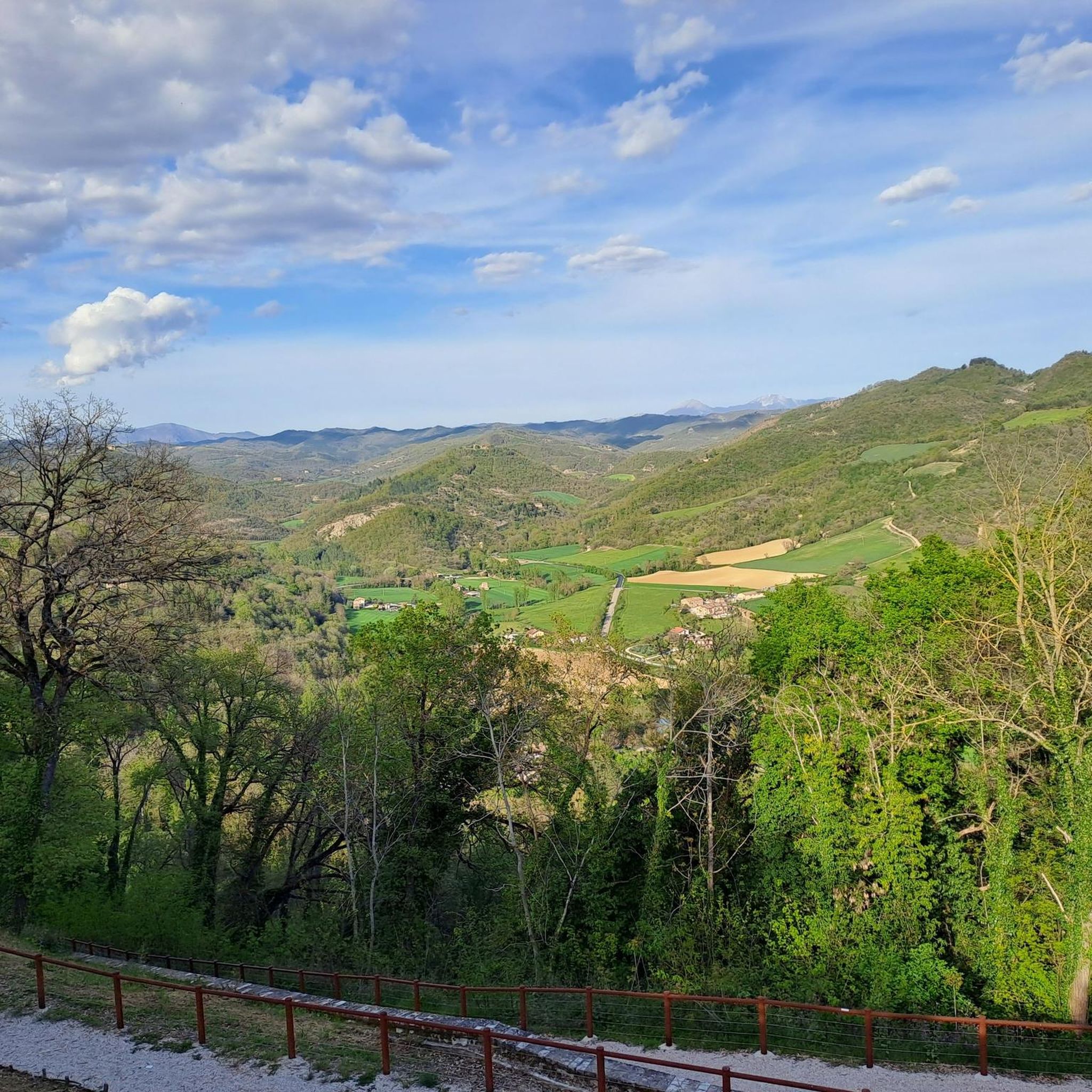
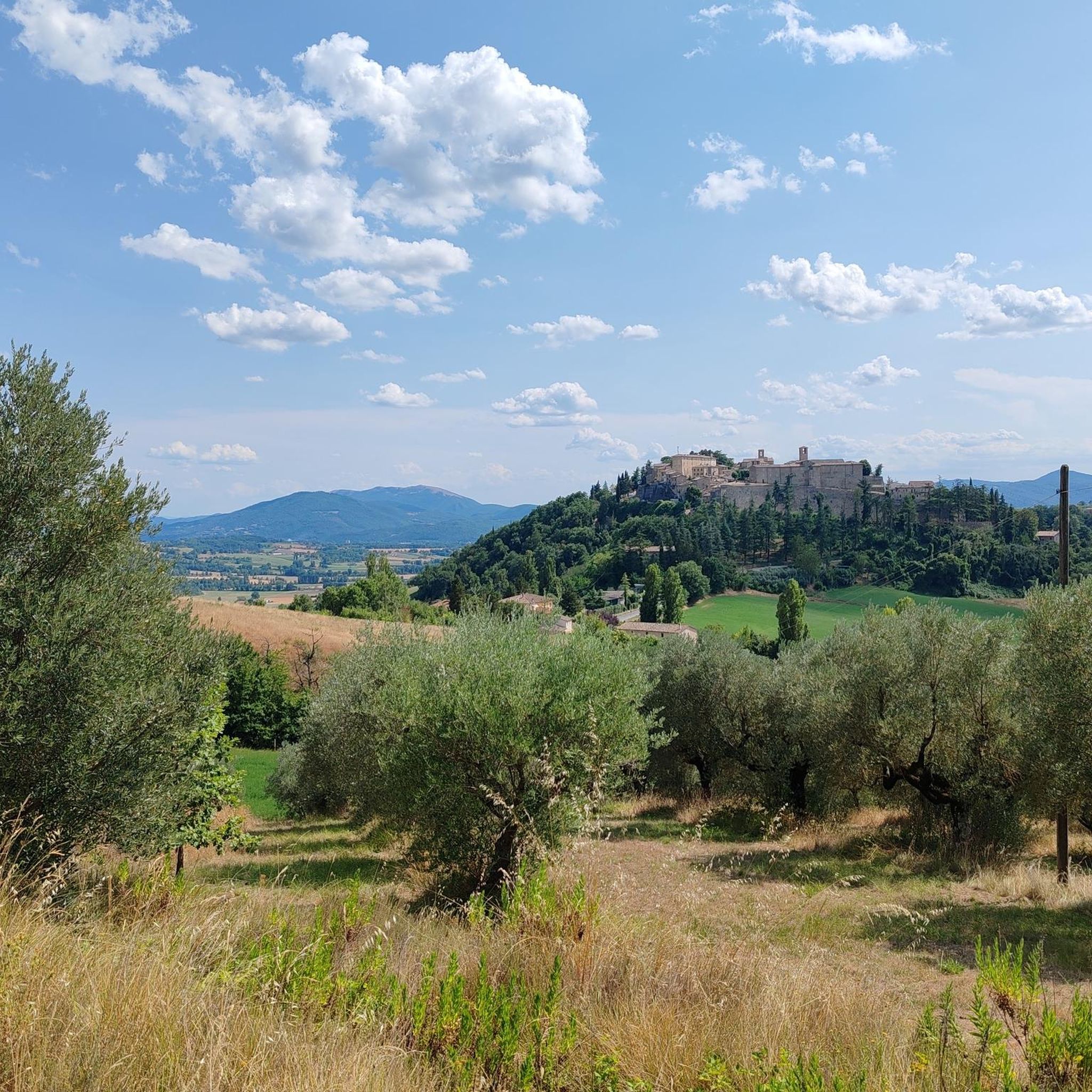
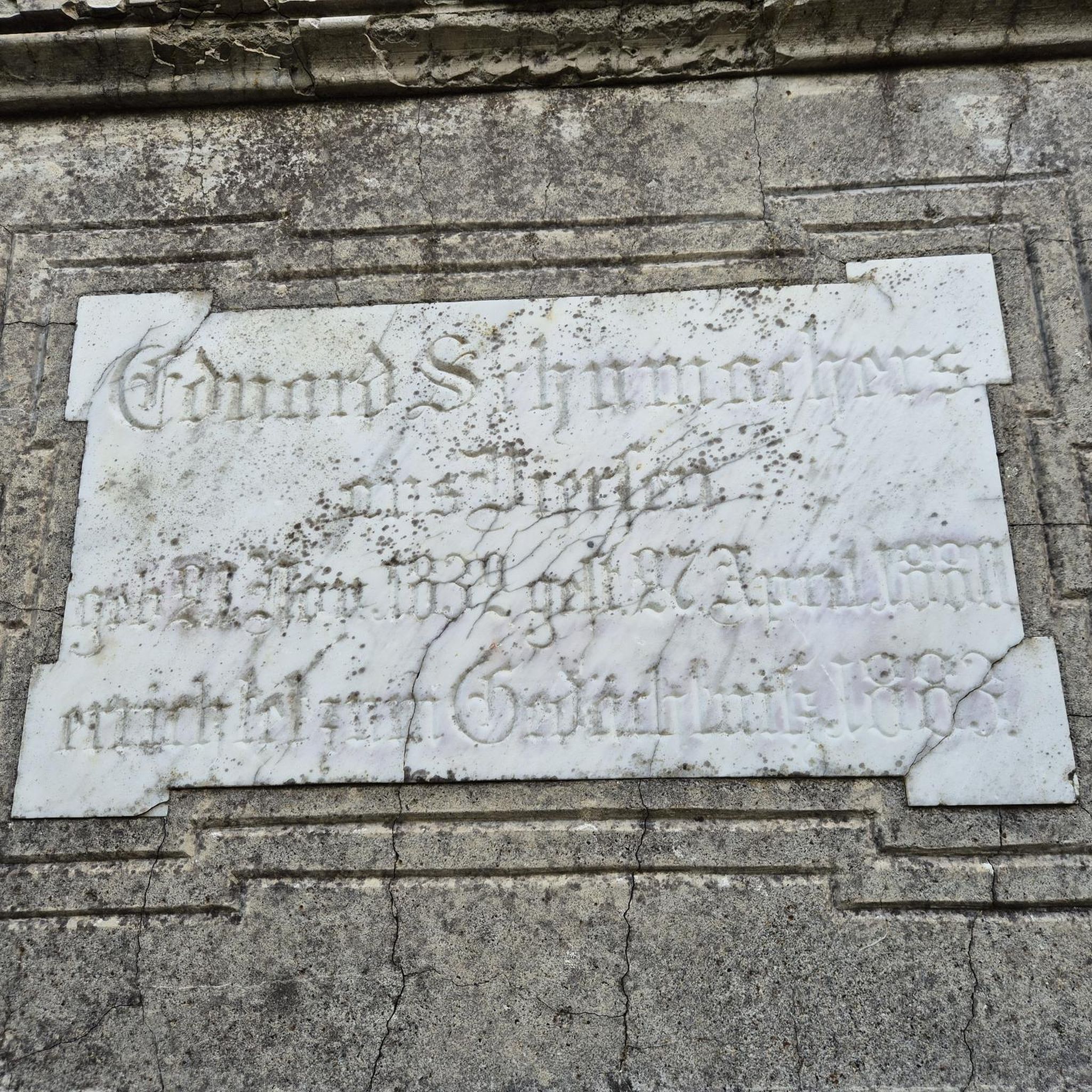
Other adventures around Montone

Tips from the Community

Saint John the Baptist (San Giovanni Battista), to whom this church was dedicated, is – like Saint Joseph – a man on the threshold from the Old to the New Testament. His parents are Zechariah and Elizabeth, and the Mother of God, after the announcement of the incarnation of God by her, visits her relative Elizabeth, who will give birth to a son in old age, namely John the Baptist. He is half a year older than Jesus and is considered his forerunner / pioneer. He lives in the desert, preaches repentance from sins to the Jewish population and baptizes them in the Jordan, Jesus also comes there to be baptized, whereupon he is filled with the Holy Spirit, who descends upon him from heaven. The feast day of San Giovanni Battista in the calendar of saints is on June 24, exactly half a year before 'Christmas Eve'.
0
0

Besides being an interesting religious monument, bearing witness to the many earthquakes that have long plagued the region, the parish church is also a hostel for pilgrims walking the Via di Francesco. It's run by volunteers, so it's best to call to make sure it's open.
2
0

extremely beautiful church and crypt, I think 13th century
0
0

For pilgrims there are several water points around the church. And there is a stamp in the wall.
1
0

The Pieve de' Saddi, which means Parish of the Saints, is located along the path of San Francesco after Città di Castello towards Pietralunga.
3
2

The origins of this church are not known with certainty although various sources trace its foundation back to the early periods of the spread of Christianity in this area. Saint John the Baptist was the first protector of the city of Gubbio and most likely this church was the city's cathedral until the 10th century. The current appearance is the result of a rebuilding which took place between the 13th and 14th centuries.
2
1
The history of Pietralunga is at least as rich as the variety of names this place has had over the millennia. Founded by the Umbrians with the name of Tufi, it later came under the influence of Rome with the name of Forum Julii Concupiensium. Razed to the ground during the barbarian invasions, it was rebuilt with the name of Plebs Tuphiae. Over time the vast fields that surround it earned it the name of Pratalonga, a name that persisted until the advent of the Kingdom of Italy which Italianized it into Pietralunga.
1
0
Pieve dei Saddi was built on the remains of a pre-existing pagan temple to house the remains of San Crescentino. The Saint was a devout and convinced spreader of the Christian faith in the Tiberina Umbrian valley and for this reason he was killed during the purges wanted by the emperor Diocletian in the 4th century. The current church has Romanesque forms and dates back to the second half of the 11th century. The plan is divided into three naves and closes in the rear part with a polygonal apse, on the outside there is a beautiful bell tower. The crypt once housed the remains of San Crescentino, which were then moved to Urbino.
1
0
Frequently Asked Questions
What historical sites can I explore in and around Montone?
Montone is rich in history. You can visit the ruins of the Rocca di Braccio (Fortebraccio Castle), a testament to the village's strategic past. The Porta del Verziere, a medieval gate, offers an entrance to the historic center. A few kilometers away, the ancient Fortress of Aries, dating back to at least the year 1000, provides historical insights and panoramic views. Within the village, the Church of San Francesco and its art gallery (MUMO) showcase valuable works and the history of Braccio Fortebracci.
Are there any family-friendly attractions in Montone?
Yes, Montone offers several family-friendly options. The historic village itself, with its narrow, winding streets, is a charming place to explore. The Pietralunga Historic Village is also noted as family-friendly, offering a glimpse into medieval life. The Fortress of Aries is another historical site suitable for families, often accessible via pleasant walks or bike rides. Additionally, the Burri Museum – Former Tobacco Drying Sheds is listed as family-friendly and wheelchair accessible, offering a unique cultural experience.
What kind of outdoor activities can I do near Montone?
The lush countryside around Montone is perfect for outdoor enthusiasts. You can enjoy walking, trekking, cycling, and stargazing. For specific routes, explore the Running Trails around Montone, MTB Trails around Montone, or Gravel biking around Montone guides. These guides feature various routes, including those passing by highlights like the Fortress of Aries and Pieve of Saddi.
Where can I find the best panoramic views in Montone?
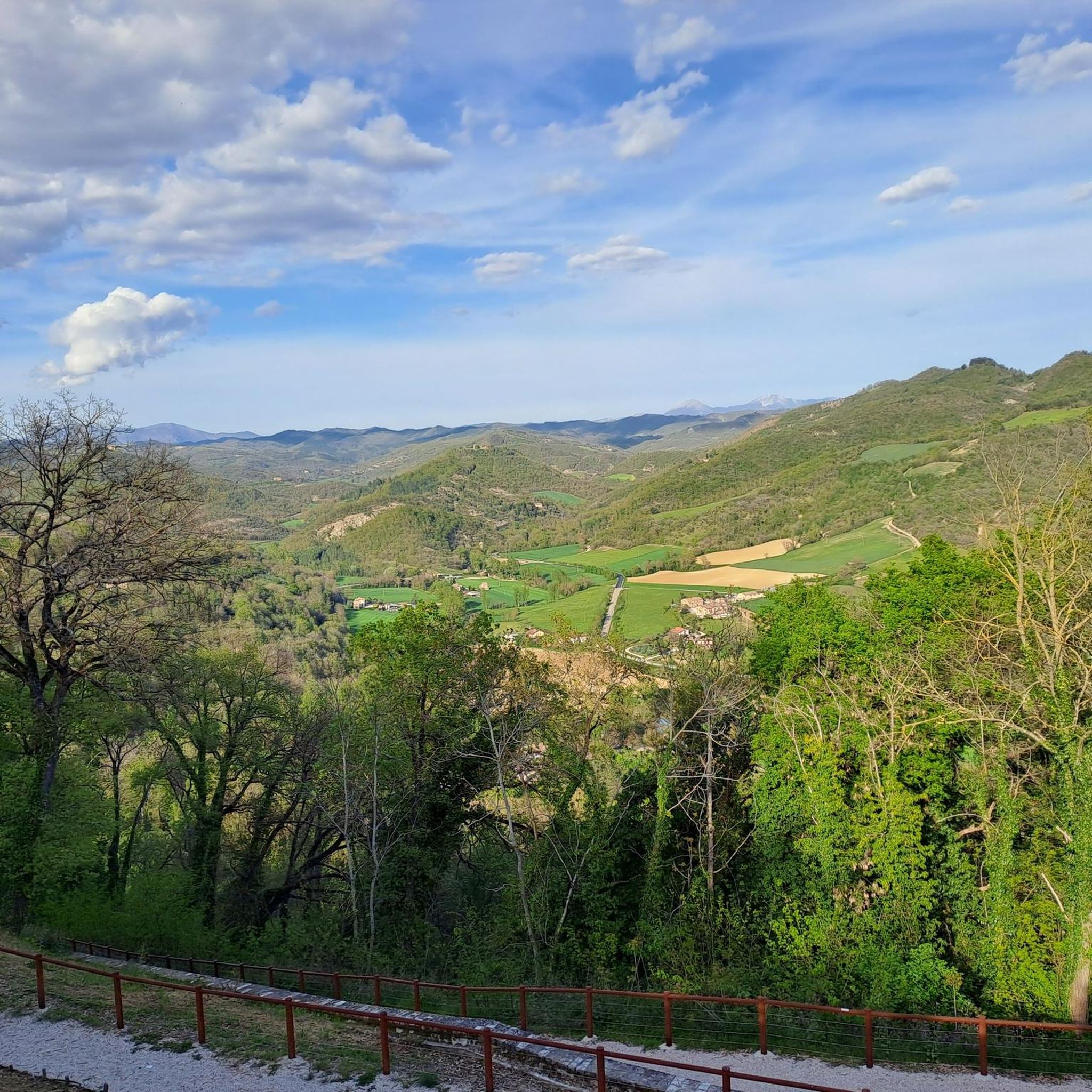
Montone, perched on a hill at 482 meters above sea level, naturally offers stunning panoramic views. From various points within the village, you can see the confluence of the Tiber and Carpina rivers and the luxuriant Upper Tiber Valley. The Monte Acuto Summit Cross is a prominent viewpoint, offering expansive vistas. The Fortress of Aries also provides an excellent strategic and panoramic position.
What are some significant religious sites to visit in the Montone area?
Montone and its surroundings host several important religious buildings. The Church of San Francesco is a notable fourteenth-century Gothic church with an art gallery. The Collegiata di Santa Maria, while modest externally, features a richly decorated interior. The oldest church in the village is the Parish Church of San Gregorio, built around 1000 AD in a Romanesque-Byzantine style. Further afield, the Pieve of Saddi is significant as the center of the first Christianization of the High Tiber Valley, built on a former Roman temple site.
Are there any unique cultural experiences or museums in Montone?
Montone offers distinct cultural experiences. The Church of San Francesco houses an art gallery (MUMO) with valuable works and interactive exhibits on Montone's history. Within the same complex, the Ethnographic Museum 'Tamburi battenti' presents material testimonies, including those from East Africa. The Polo di San Fedele, a former church, now serves as an auditorium and theater, hosting various performances. The Burri Museum – Former Tobacco Drying Sheds, located nearby, showcases a significant collection of works by Alberto Burri.
What is the best time of year to visit Montone?
Montone is charming throughout the year, but the late spring and early autumn months (May, June, September, October) generally offer pleasant weather for exploring the village and its surrounding countryside. These periods are ideal for outdoor activities like walking and cycling. The village also hosts vibrant annual events, such as the Umbria Film Festival in early July and the Festa del Bosco in late October, which might influence your visit depending on your interests.
Can I find hiking trails suitable for beginners near Montone?
Yes, the area around Montone offers a variety of trails. While some routes can be challenging, there are options for easier walks through the olive groves and oak woods surrounding the village. The cycle path along the Tiber River, though it has some steep sections leading to Montone, also offers flatter gravel sections suitable for a more relaxed pace. For specific routes, consult the Running Trails around Montone guide, which includes routes of varying difficulties.
What are the main squares or gathering places in Montone?
The heart of Montone is Piazza Fortebracci, the main square where local life unfolds. It features the town hall and an old clock tower, making it an ideal spot to enjoy a coffee or aperitivo and soak in the village atmosphere. The narrow, winding medieval streets themselves also create a unique and inviting ambiance for exploration.
Are there any unique natural attractions or phenomena near Montone?
Beyond the stunning panoramic views from the hilltop village, Montone's surrounding countryside is characterized by lush olive groves and oak woods. Approximately 8 kilometers away, in the hamlet of Coloti, you can find the Astronomical Observatory of Coloti. This facility benefits from clean air and minimal light pollution, making it one of Italy's most advanced for stargazing and observing celestial phenomena.
What is the history behind the Monte Acuto Summit Cross?
The Monte Acuto Summit Cross has crowned Monte Acuto for about 100 years. This steel colossus, despite its enormous dimensions, appears filigree due to its open steel construction. It was dedicated to the victims of the First World War, serving as a peace memorial visible from afar. The path leading up to it can be challenging due to steep sections and rocky terrain.
What is the significance of the Pietralunga Historic Village?
The Pietralunga Historic Village is a medieval settlement with a rich history dating back to prehistoric times. It developed around its Rocca (fortress) and the Parish Church of Santa Maria. The area has seen influences from Umbrians and Romans, and its typical medieval appearance offers a fascinating glimpse into the past. It's a place where you can trace millennia of history through its various names and preserved ruins.
Most popular routes around Montone
Most popular attractions around Montone

Get inspired with the komoot mobile app


Explore more
Still not found the Highlight you’re looking for? See guides of the top attractions in other regions:
