Attractions and Places To See around Aulla - Top 20
Best attractions and places to see around Aulla, a historic town in Tuscany's Lunigiana region, is situated at the confluence of the Magra River and the Aulella stream. Its location along the ancient Via Francigena highlights its historical significance. The area is characterized by its natural landscape, including the Magra River and the surrounding Apuan and Apennine Mountains. Visitors can explore a mix of historical landmarks, natural features, and cultural sites.
Best attractions and places to see around Aulla
- The most popular attractions is Rifugio Carrara CAI, a hut that serves as an excellent starting point for numerous excursions. It is located at 1,320 meters above sea level and offers 36 beds.
- Another must-see spot is Firmafede Fortress, a castle. This 13th-century fortress, rebuilt in the 15th century, now hosts cultural events and the Museum of the Fortresses.
- Visitors also love Cathedral of Santa Maria Assunta (Carrara), a religious building. This ancient church, dating back to the 12th century, is known for its Tuscan Gothic style and a blood relic of Jesus Christ.
- Aulla is known for its historical sites, natural areas, and cultural experiences. The region offers a variety of attractions to see and explore, from medieval villages to mountain refuges.
- The attractions around Aulla are appreciated by the komoot community, with 104 upvotes and 49 photos shared by visitors.
Last updated: July 6, 2026
Rifugio Carrara CAI
Highlight • Mountain Hut
Translated by Google •
Tip by

La Spezia Seafront
Highlight • Viewpoint
Translated by Google •
Tip by

Sign up now to discover places like this
Get recommendations on the best single tracks, peaks, & plenty of other exciting outdoor places.
Sign up for free
Richard Wagner Statue
Highlight • Monument
Translated by Google •
Tip by

Firmafede Fortress
Highlight • Castle
In 1494, the Republic of Genoa, after regaining possession of Sarzana, completed the work on the Citadel.
The fortress is used as a venue for cultural events and exhibitions and also houses the Museum of the Fortresses, an interactive route that follows the history of Sarzana and Lunigiana.
Translated by Google •
Tip by

Cathedral of Santa Maria Assunta
Highlight • Religious Site
In many rural areas, it is customary for the population to collect bundles of herbs on this day and to bless them in the festive service.
Translated by Google •
Tip by

Sign up for free to discover even more attractions around Aulla.
Sign up for free
Already have an account?
Start today with a free account
Your next adventure awaits.
Login or Signup
Popular around Aulla
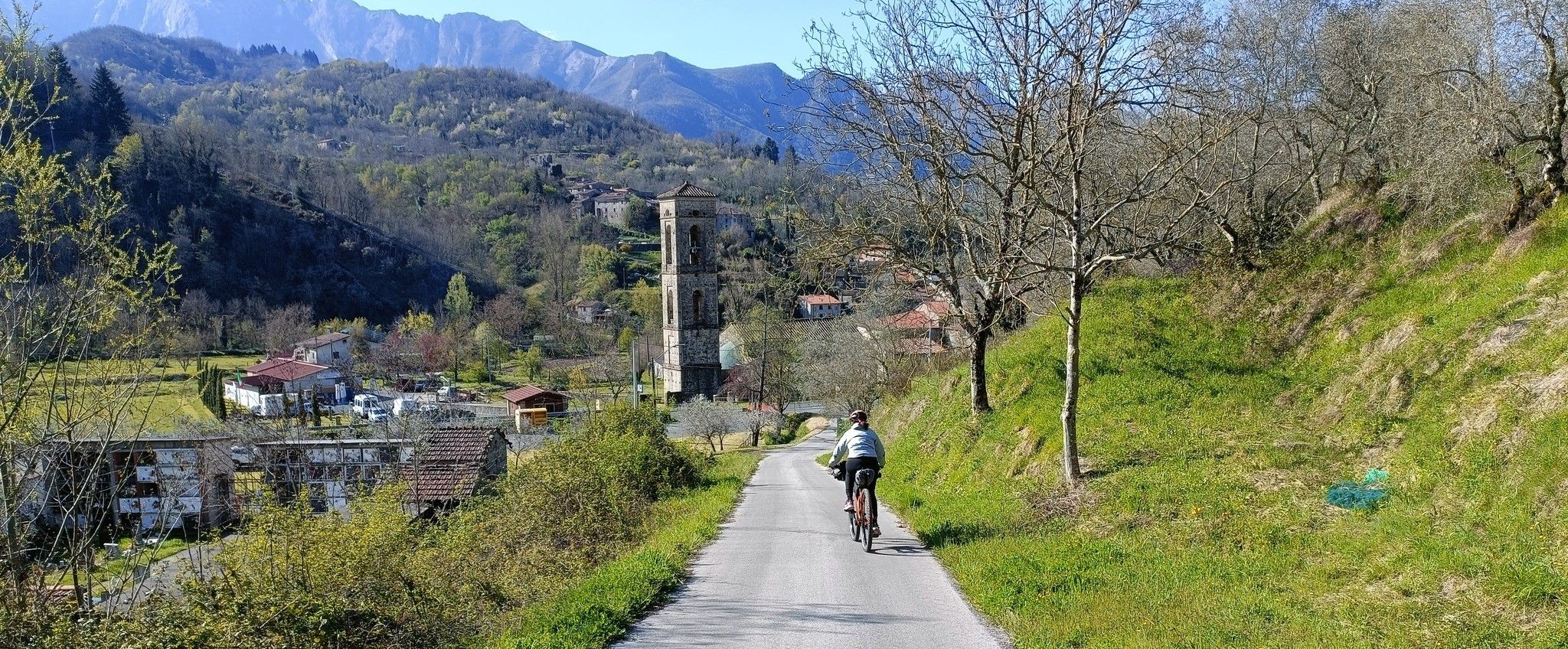
Mediaeval villages and sublime nature – Lunigiana Gravel
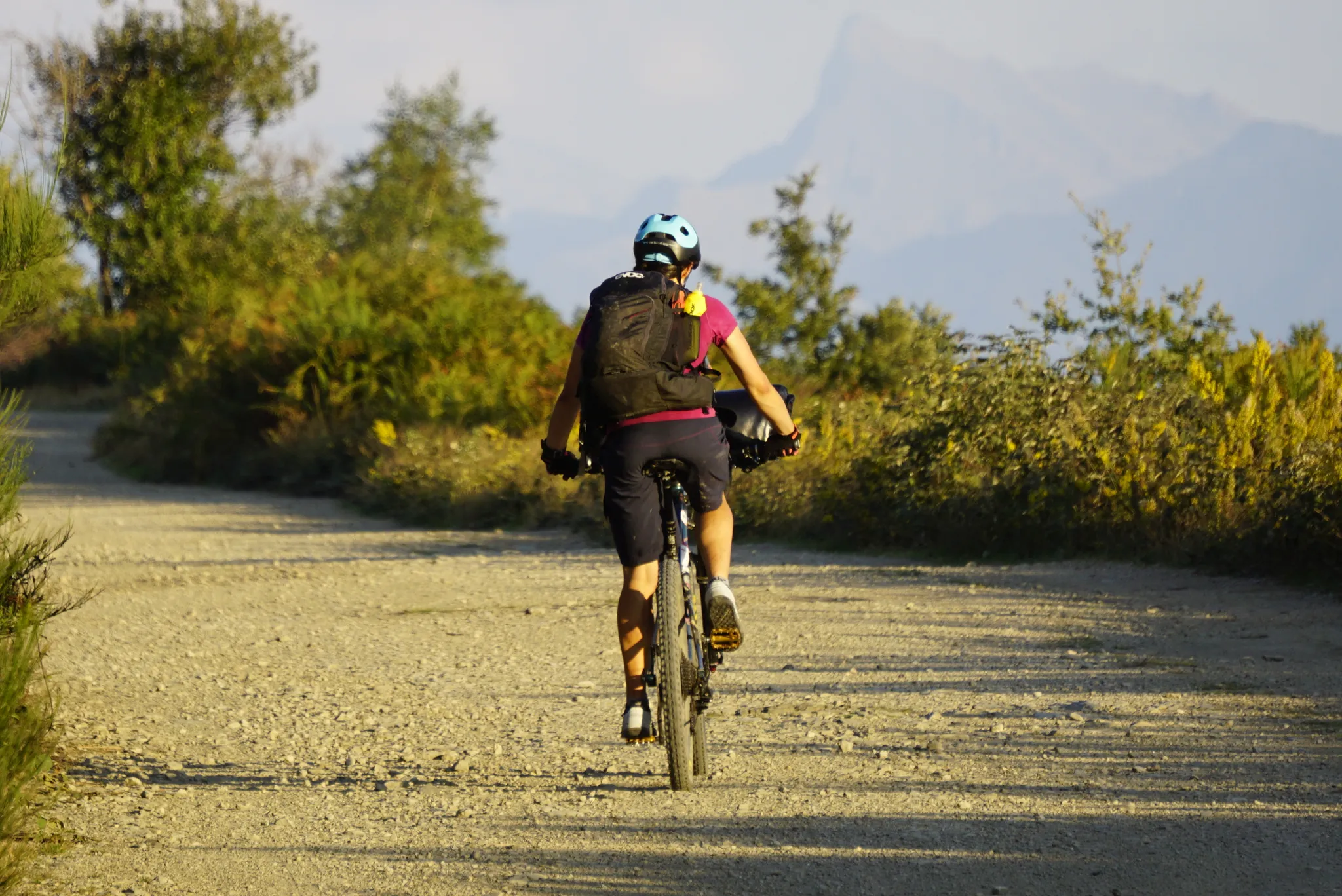
The land of 100 castles – Lunigiana Trail MTB
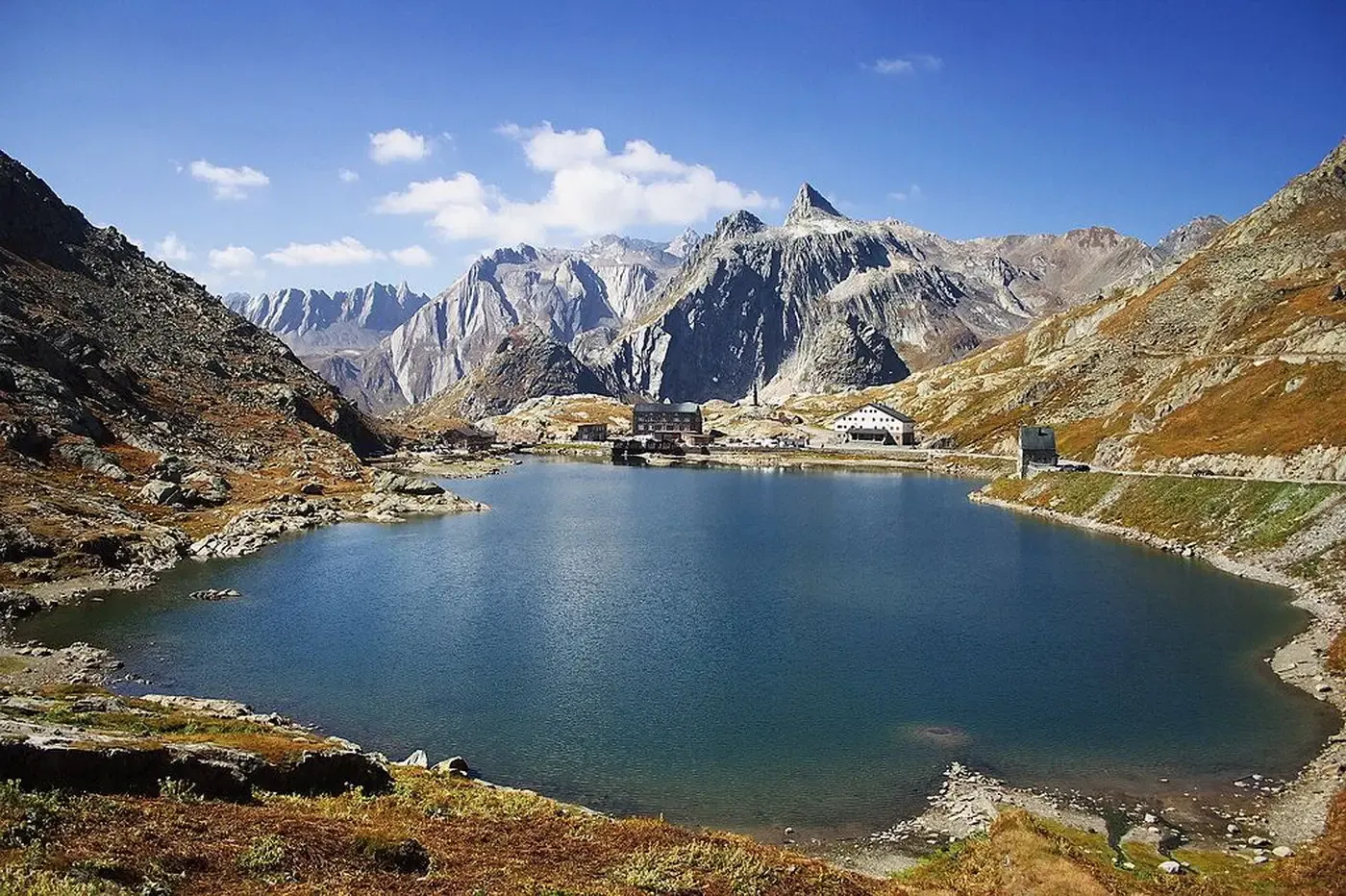
A cycling pilgrimage — history and nature on Italy’s Via Francigena
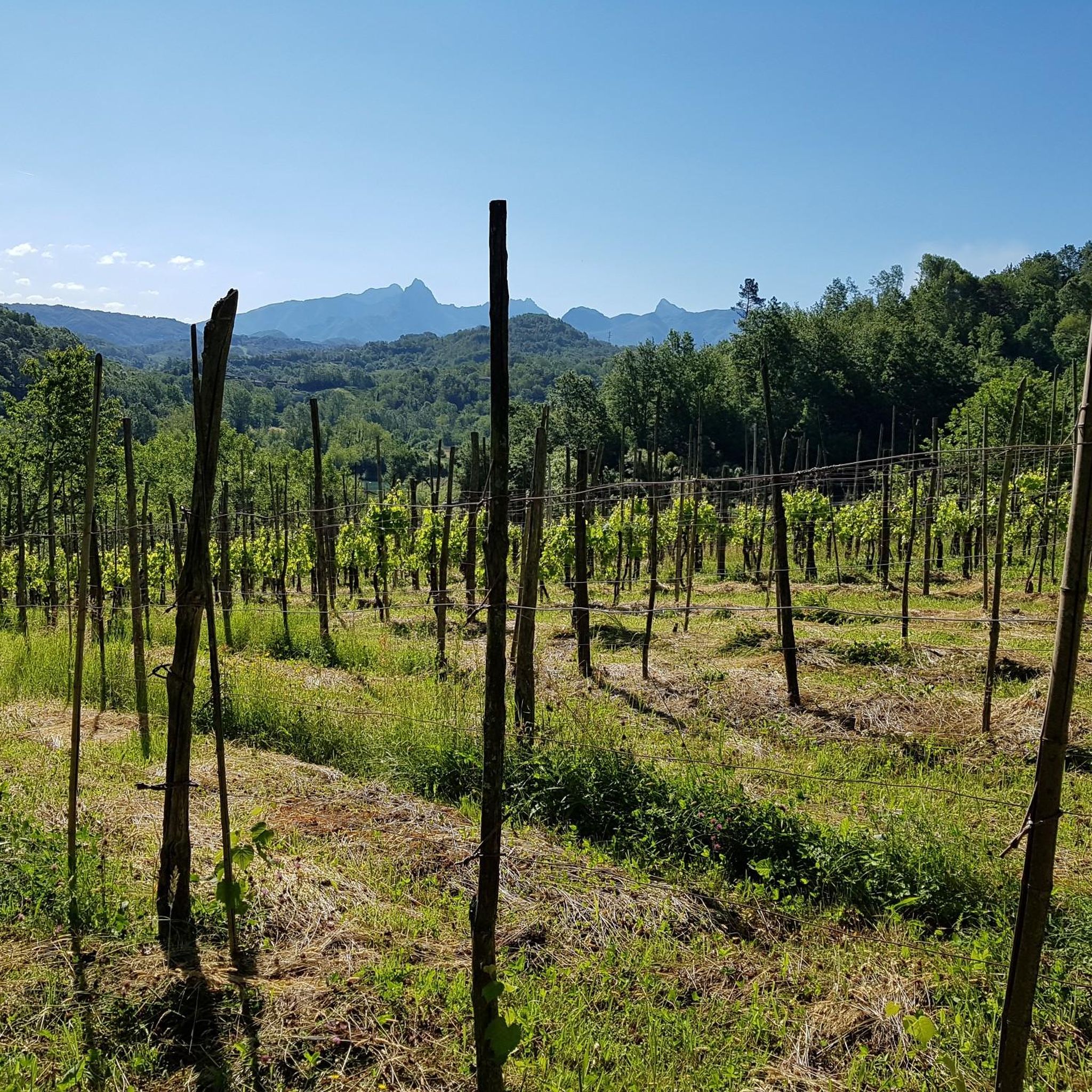
Road Cycling Routes around Aulla
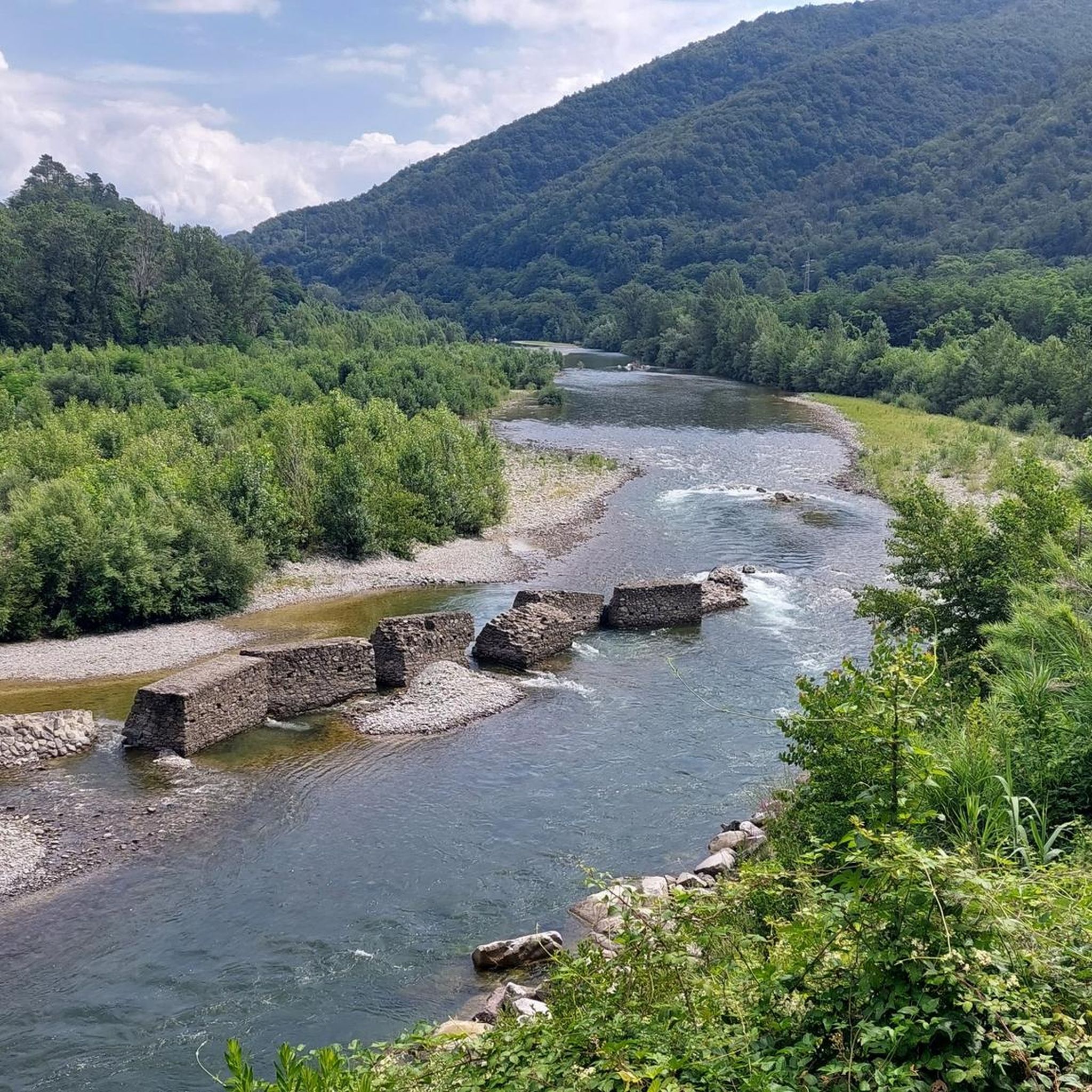
MTB Trails around Aulla
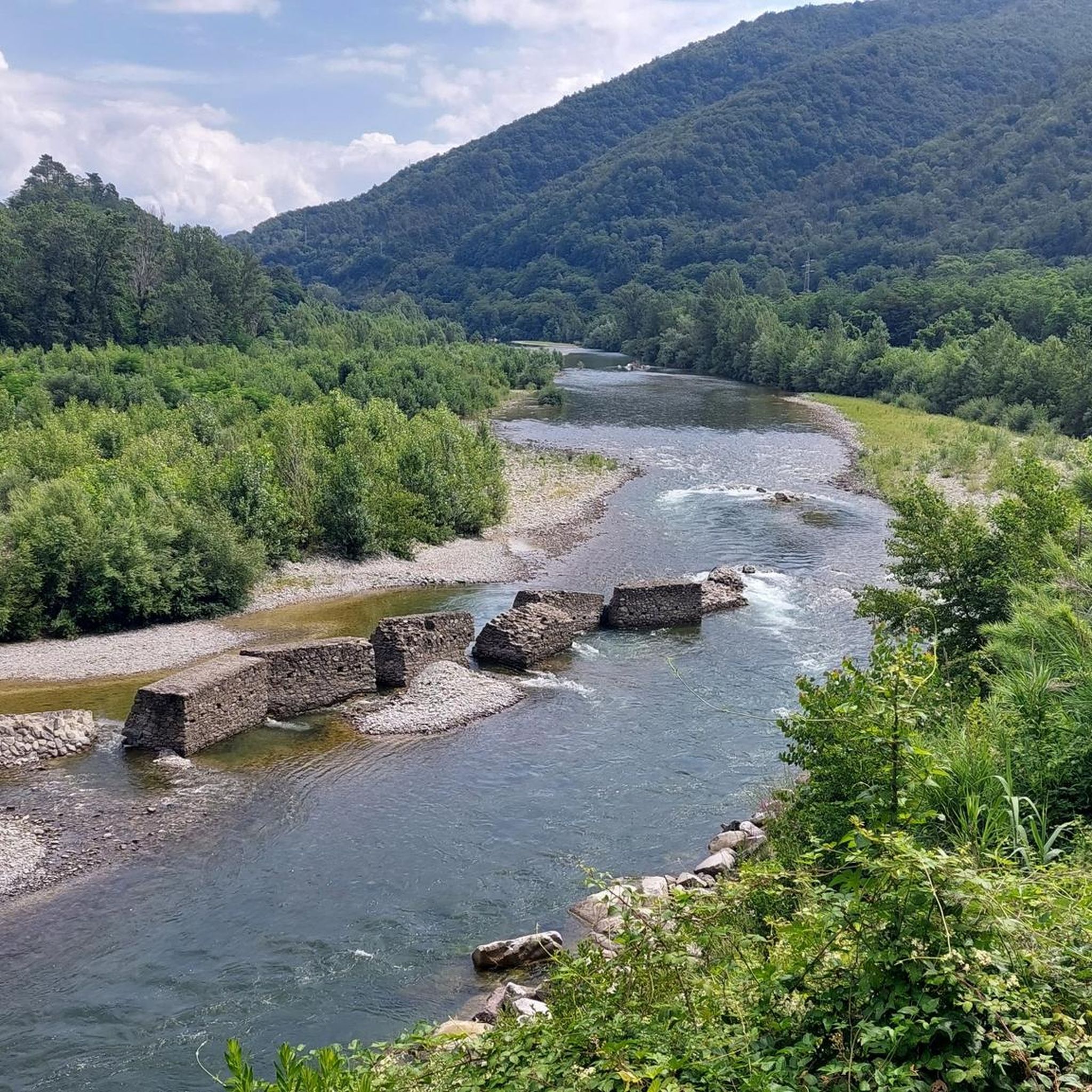
Cycling around Aulla
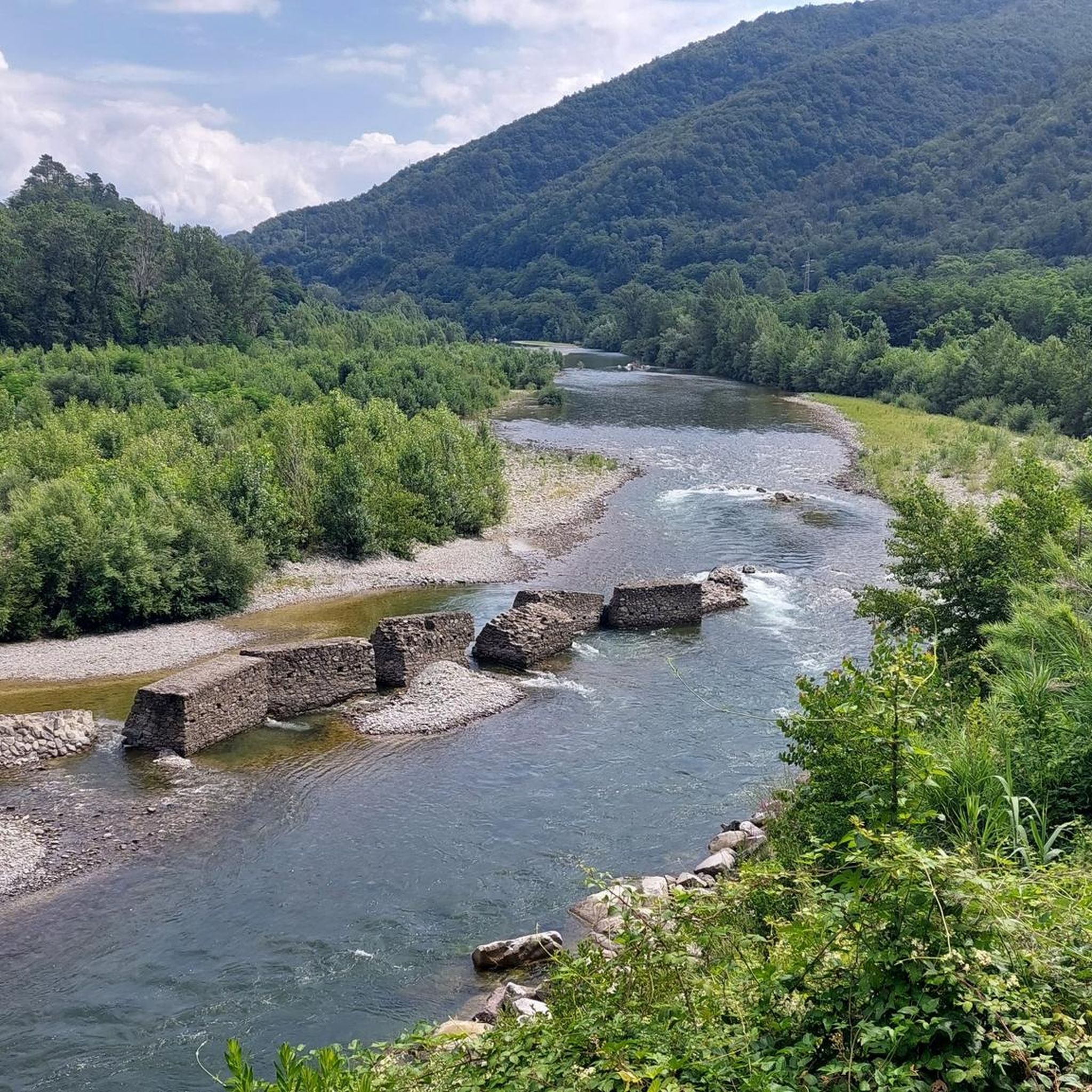
Hiking around Aulla
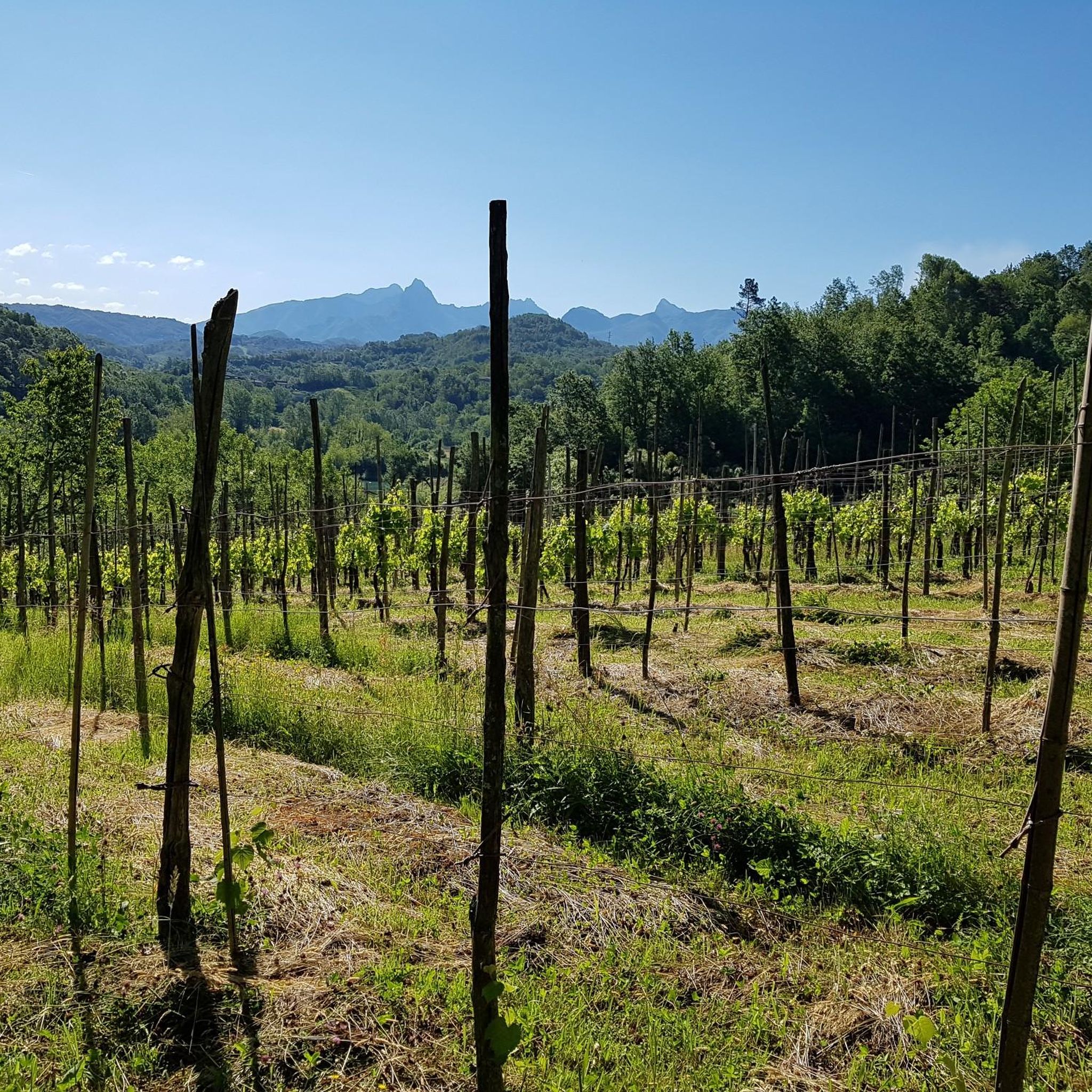
Running Trails around Aulla
Gravel biking around Aulla
Other adventures around Aulla


Tips from the Community

The Citadel, also known as the Sarzana Fortress or Firmafede Fortress, was the first fortification in Sarzana, built in the 13th century. It was owned by the lord Castruccio Castracani, who made numerous significant modifications to its defenses. After its destruction by Florence in 1487, it was rebuilt on the orders of Lorenzo de' Medici. In 1494, the Republic of Genoa, having regained possession of Sarzana, completed work on the Citadel. The fortress is used as a venue for cultural events and exhibitions and also houses the Fortress Museum, an interactive exhibit that traces the history of Sarzana and the Lunigiana region.
0
0
It was built on the area where the parish church of San Basilio once stood, starting in 1204. Construction work ended in 1474 with the completion of the upper part of the façade by Leonardo Riccomanni. Following the completion of the work, in 1735 the statues of Saint Eutychiano in the centre, of Sergius IV on the left and of Nicholas V on the right were placed on the façade. The building, which represents the sum of all the historical-artistic production of Sarzana and the Magra Valley, has been elevated to a minor basilica. It preserves, among other works, the crucifix by Mastro Gugliermo (1138), the first dated example of a painted cross in the history of art.
0
0

The building of the Cathedral of St. Mary of the Assumption, erected on the area occupied by the previous parish church of San Basilio, is consequent to the transfer of the bishop's seat from Luni to Sarzana in 1204. È assai probabile che i lavori siano effettivamente iniziati solo alla fine del secolo XIII. In 1355, the lower part of the façade was completed (as recalled by the inscription engraved on the marble architrave of the portal), while in 1474 Lorenzo Riccomanni da Pietrasanta created the rose window that adorns the upper part. The construction of the bell tower also dates back to the 15th century, while between the end of the 17th century and the beginning of the 18th century, the two side bodies flanking the marble façade were built to open the six internal chapels. Also dating back to the 18th century are the statues placed at the crowning of the building depicting three important exponents of the Lunigiana church: Pope Sergius IV, St. Eutichiano and Nicholas V. The interior with three wide naves divided by octagonal pillars and covered by a valuable wooden coffered ceiling, created in 1670 by Pietro Giambelli from Pisa, preserves important testimonies of art and faith: among them, the Reliquary of the Precious Blood of Christ and the painted Cross by Mastro Guglielmo, a cornerstone of Italian Romanesque painting, signed and dated 1138. (c) https://visitsarzana.it/cathedral-santa-maria-assunta/
0
0

It stretches for several kilometers and offers a lovely stroll along the sea, with views of the harbor, yachts, and the surrounding hills. It is lined with palm trees and numerous benches on both sides. The highlight of the promenade is the pedestrian bridge, which opened in 2013. The beautiful city park is located right next to the promenade.
0
0
To mark the 20th anniversary of the town twinning between Bayreuth and La Spezia, a bronze sculpture by Richard Wagner now adorns La Spezia Square.
2
0
Beautiful promenade, with palm trees on both sides. There's also a very nice fish restaurant there.
2
0

Is a pleasant relaxing walk by the sea and under palm trees
0
0
Very interesting history and beautiful statue
0
0
Frequently Asked Questions
What historical landmarks can I explore in Aulla?
Aulla and its surroundings are rich in history. You can visit the ancient Firmafede Fortress, a 13th-century citadel that now hosts cultural events and the Museum of the Fortresses. Other significant historical sites include the Abbazia di San Caprasio, Aulla's oldest monument, which houses a museum dedicated to pilgrims, and the imposing Fortezza della Brunella, a 16th-century Renaissance military fortress overlooking the town. The charming hilltop village of Caprigliola features the 13th-century Torre di Caprigliola, and the remains of a historic castle can be found in Bibola.
Are there opportunities for hiking or cycling near Aulla?
Yes, the Aulla area offers diverse opportunities for outdoor activities. You can explore sections of the ancient Via Francigena, which passes through Aulla, on foot or by bike. The surrounding Apuan and Apennine Mountains provide numerous trails for nature enthusiasts. For specific routes, you can find various road cycling routes, MTB trails, and general cycling tours around Aulla, catering to different difficulty levels.
What natural features can I discover around Aulla?
Aulla is nestled in a region of natural beauty. The Protected Natural Area of the Magra River in Lunigiana is ideal for trekking and biking, offering rich biodiversity with willow and alder groves and numerous bird species. The broader landscape is defined by the breathtaking Apuan and Apennine Mountains, providing stunning views and a backdrop for outdoor adventures. You can also visit Rifugio Carrara CAI, a mountain hut at 1,320 meters, which serves as an excellent starting point for excursions into the mountainous terrain.
Are there any family-friendly attractions in the Aulla area?
Many attractions around Aulla are suitable for families. The Firmafede Fortress often hosts cultural events that can be engaging for all ages. The Fortezza della Brunella features a playground and the Museum of Natural History of Lunigiana, which can be interesting for children. Additionally, the hamlet of Pallerone is home to one of Italy's oldest mechanical nativity scenes, a unique folk art display that families often enjoy.
What is the best time to visit Aulla?
The best time to visit Aulla largely depends on your interests. Spring (April-May) and Autumn (September-October) offer pleasant temperatures for exploring historical sites and enjoying outdoor activities like hiking and cycling, with fewer crowds. Summer (June-August) is ideal for those who enjoy warmer weather and local festivals, though it can be busier. The region's natural beauty, including the Magra River and surrounding mountains, can be appreciated across these seasons.
Where can I find cultural experiences in Aulla and the Lunigiana region?
Aulla's historical center itself offers a cultural experience with its narrow cobbled streets and ancient stone houses. Beyond the town, the Lunigiana region is dotted with picturesque medieval villages like Bibola and Caprigliola, each with unique historical charm. The Abbazia di San Caprasio houses the Museum of the Pilgrim, showcasing archaeological findings. Local culture can also be experienced through traditional festivals, such as those in Vaccareccia, known for their delicious 'focaccette'.
What is the <a href="https://www.komoot.com/highlight/4718837" target="_blank" rel="noopener">Cathedral of Santa Maria Assunta</a> known for?
The Cathedral of Santa Maria Assunta in Carrara, an ancient church dating back to the 12th century, is renowned for its Tuscan Gothic style and its significant religious relics. It is particularly famous for housing a blood relic of Jesus Christ, collected during the crucifixion, which is kept in the Chapel of the Most Precious Blood. The cathedral also features a marble reredos from 1432 and a Romanesque crucifix from 1138.
Are there any unique or unusual attractions near Aulla?
Yes, the Fortezza della Brunella, in addition to its historical significance, notably houses one of Italy's rare pet cemeteries. Another unique attraction is the Mechanical Nativity Scene in Pallerone, a masterpiece of folk art and one of Italy's oldest mechanical nativities, housed in a dedicated museum. These offer a different perspective on the region's heritage and local curiosities.
What do visitors enjoy most about the Aulla area?
Visitors appreciate the blend of historical sites, natural beauty, and cultural experiences. The historical significance of Aulla as a stop on the Via Francigena, combined with the imposing architecture of the Fortezza della Brunella and the ancient Abbazia di San Caprasio, draws many. The surrounding natural landscapes, including the Magra River and the Apuan and Apennine Mountains, are highly valued for outdoor activities. The charm of the medieval villages and the local culinary traditions also contribute to a memorable visit.
Can I find viewpoints with scenic vistas around Aulla?
Absolutely. The Fortezza della Brunella, perched on a hill, offers majestic views overlooking Aulla and the surrounding area. The Rifugio Carrara CAI, located at 1,320 meters above sea level, provides a dominant position over the Carrara valley and serves as an excellent spot for panoramic views. The Apuan and Apennine Mountains themselves offer numerous vantage points with breathtaking vistas of the Lunigiana region.
What is the significance of the Via Francigena in Aulla?
Aulla's historical importance is deeply tied to its role as a crucial junction along the ancient Via Francigena. This significant pilgrimage and trade route connected Canterbury to Rome, and Aulla served as a key stop for travelers and pilgrims for centuries. Today, sections of the Via Francigena can still be explored by trekkers and cyclists, allowing visitors to walk in the footsteps of history and experience the region's heritage firsthand.
Most popular attractions around Aulla

Get inspired with the komoot mobile app


Explore more
Still not found the Highlight you’re looking for? See guides of the top attractions in other regions:
