Top 20 Castles around Aulla
Best castles around Aulla are found in Italy's Lunigiana region, a landscape shaped by the confluence of the Magra and Aulella rivers. This area holds significant historical importance, particularly due to its strategic position along the Via Francigena, a historic pilgrimage and trade route. The region features a mix of well-preserved fortresses and ancient castle ruins, offering insights into centuries of military architecture and local history.
Best castles around Aulla
- The most popular castles is Firmafede Fortress, a castle…
Last updated: August 24, 2026
Firmafede Fortress
Highlight • Castle
Translated by Google •
Tip by

Malaspina Castle Tower, Villafranca in Lunigiana
Highlight • Castle
Translated by Google •
Tip by

Sign up now to discover places like this
Get recommendations on the best single tracks, peaks, & plenty of other exciting outdoor places.
Sign up for free
Lusuolo Castle and Medieval Village
Highlight • Castle
Translated by Google •
Tip by
Brunella Fortress
Highlight • Castle
Translated by Google •
Tip by

Entrance to Malgrate Castle
Highlight • Castle
Translated by Google •
Tip by

Sign up for free to discover even more castles around Aulla.
Sign up for free
Already have an account?
Start today with a free account
Your next adventure awaits.
Login or Signup
Popular around Aulla
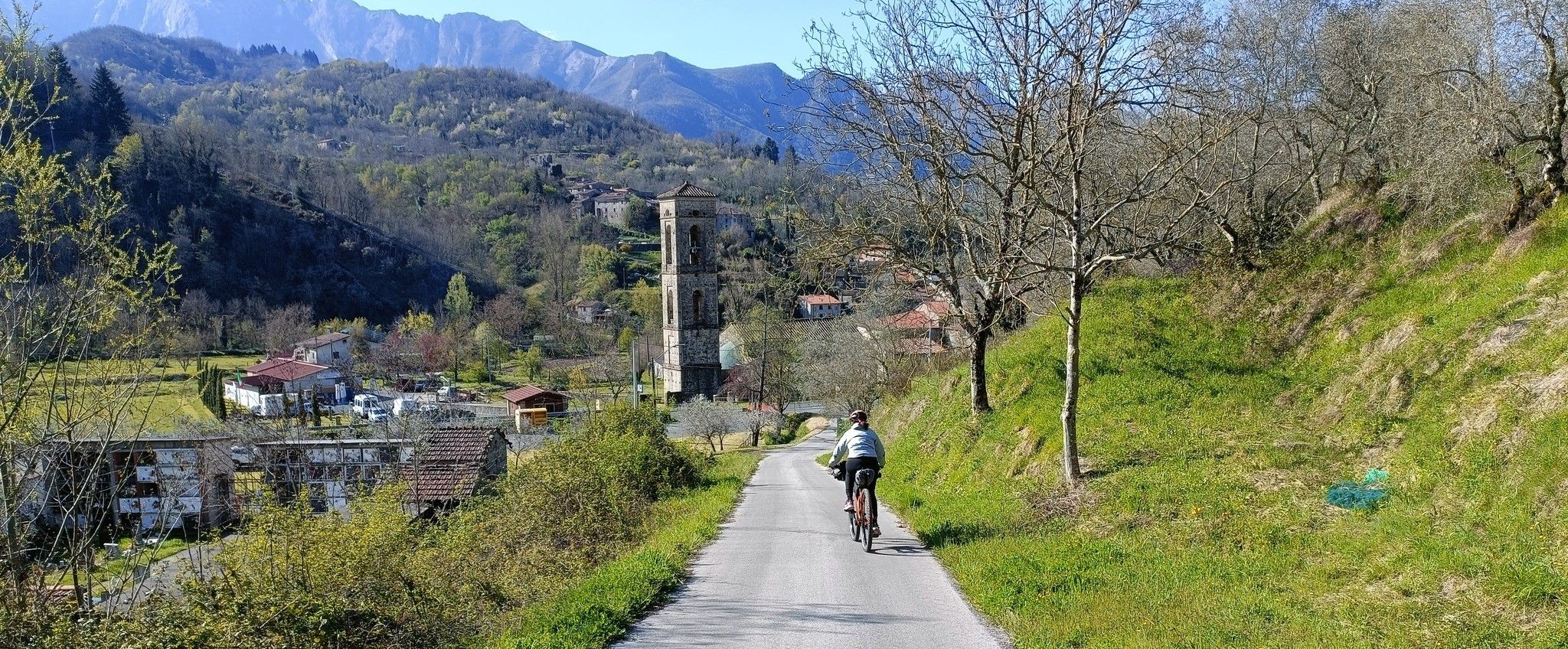
Mediaeval villages and sublime nature – Lunigiana Gravel

The land of 100 castles – Lunigiana Trail MTB
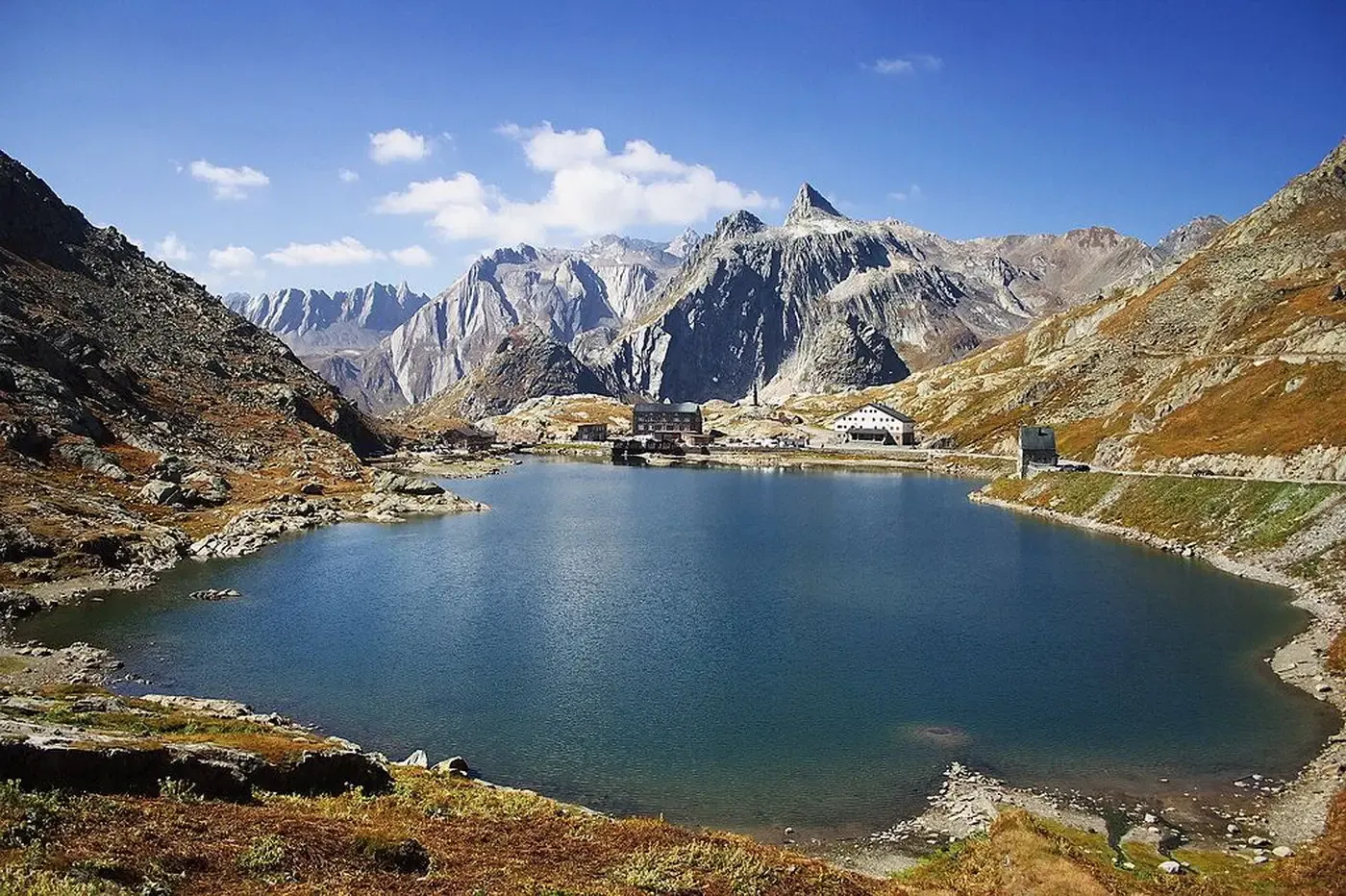
A cycling pilgrimage — history and nature on Italy’s Via Francigena
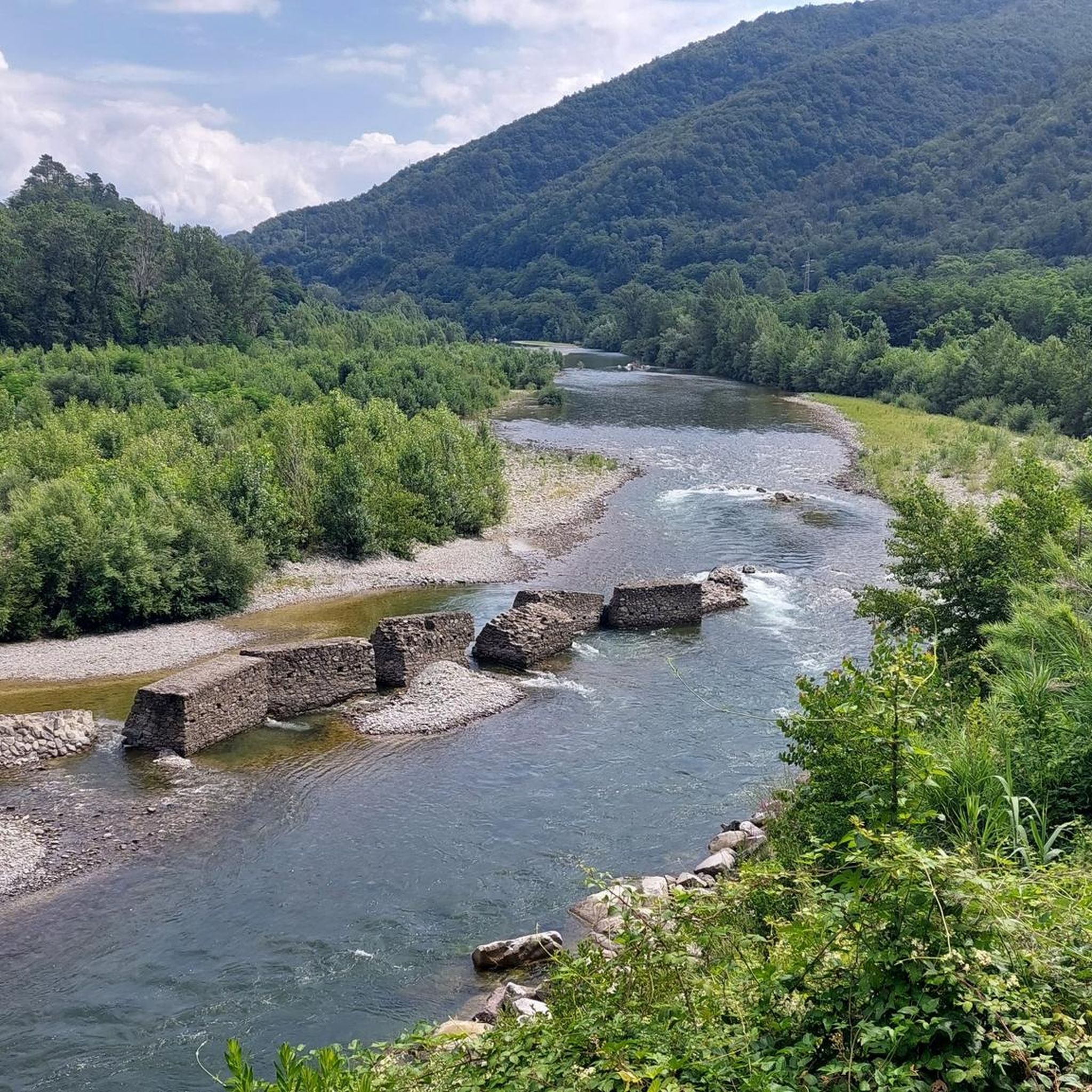
Hiking around Aulla
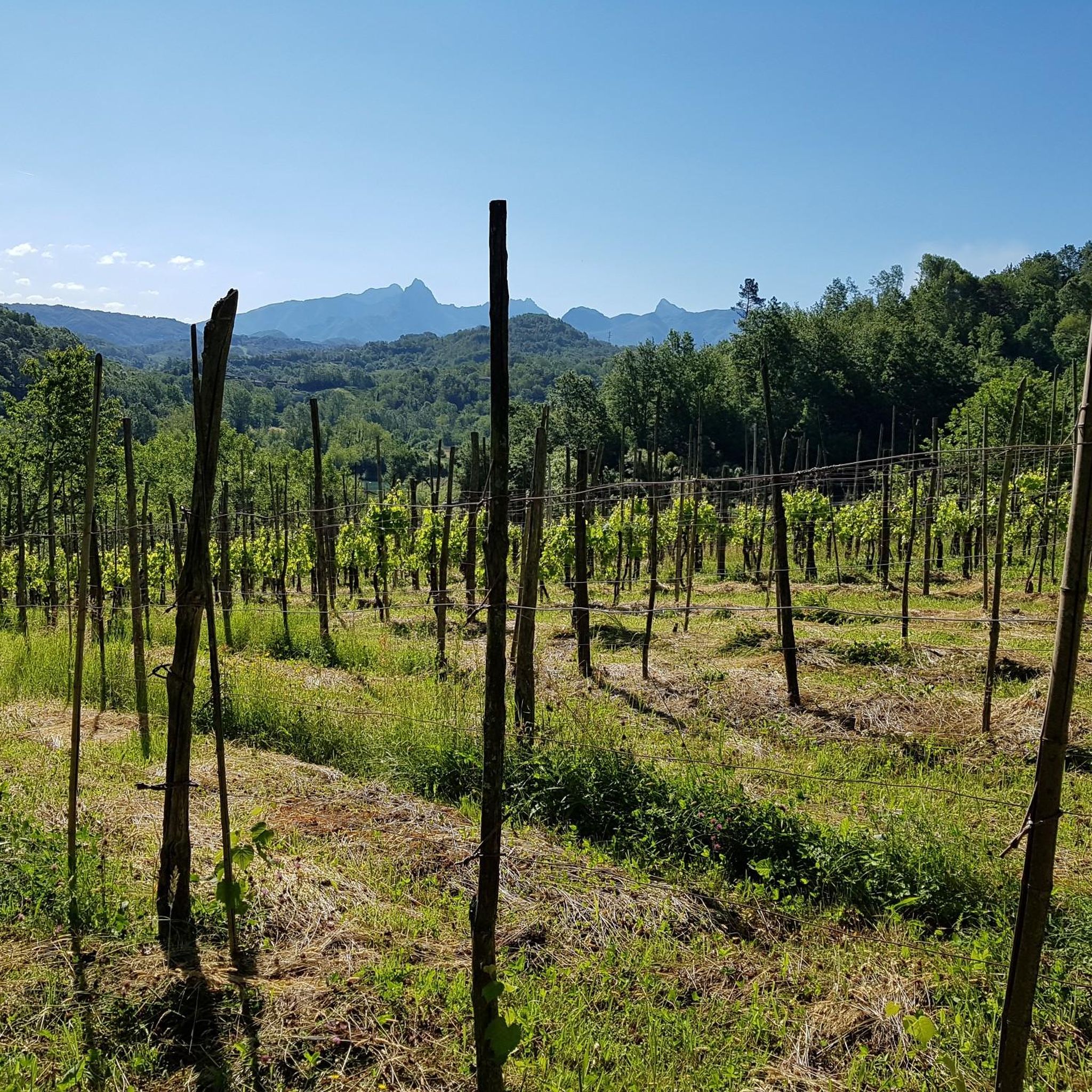
Road Cycling Routes around Aulla
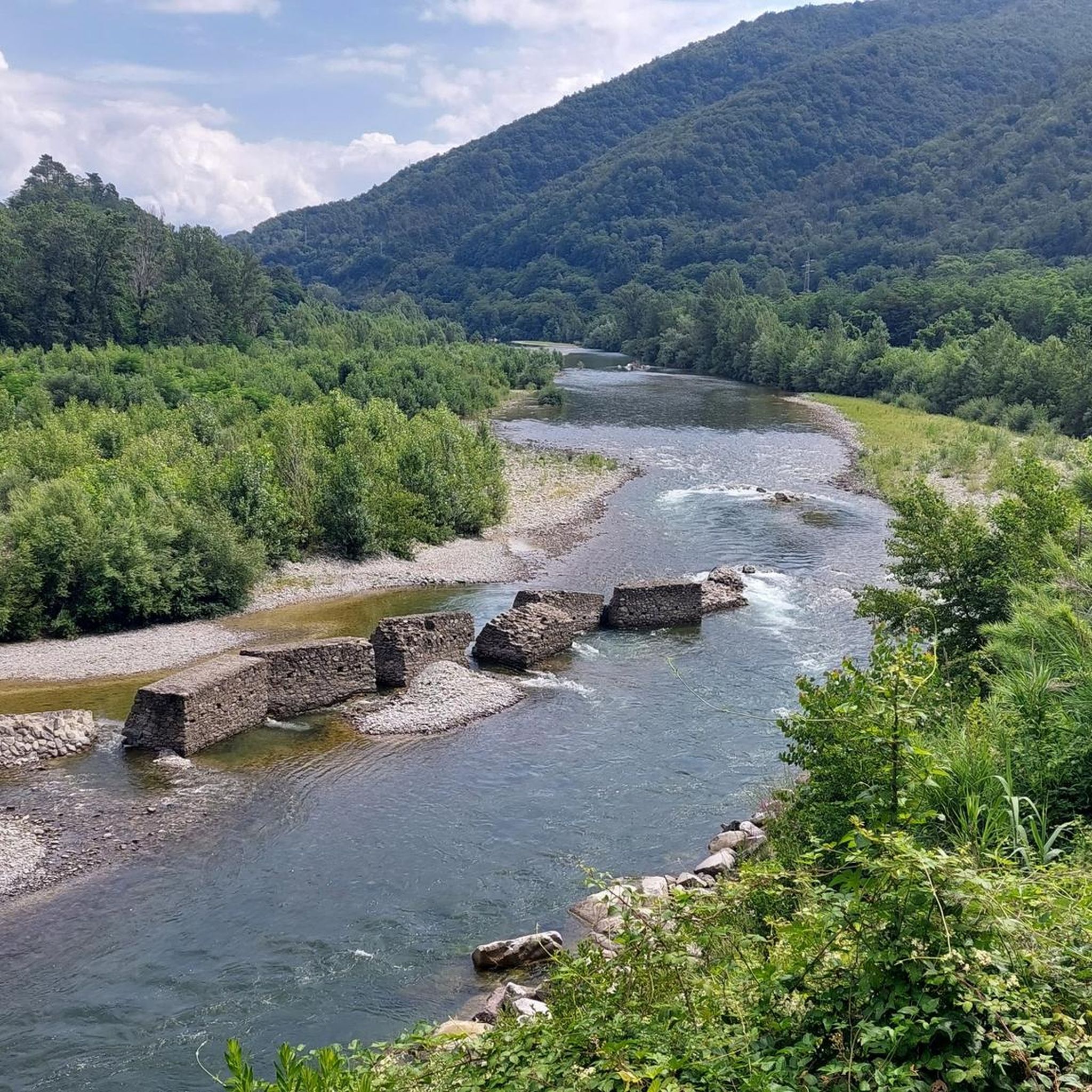
MTB Trails around Aulla
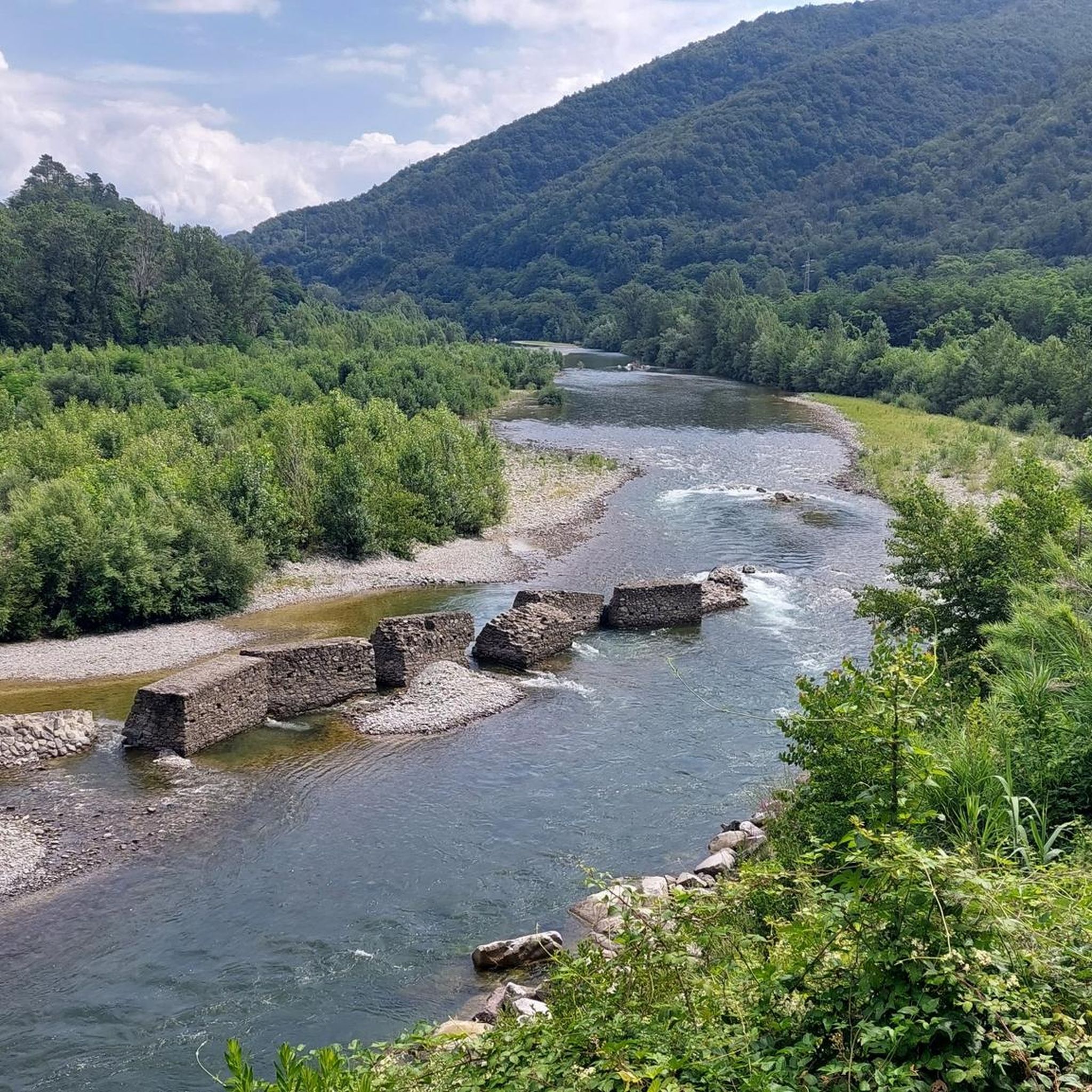
Cycling around Aulla
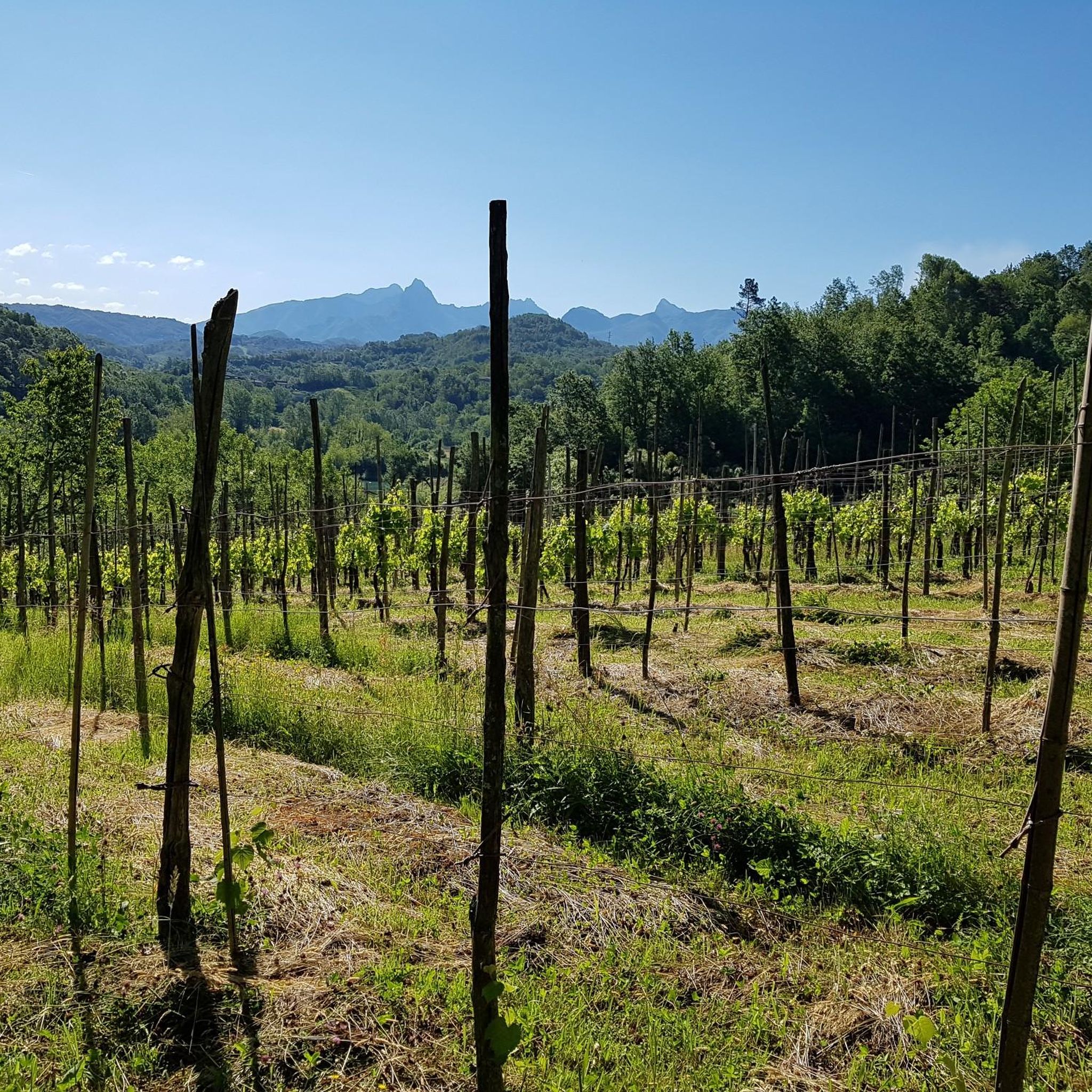
Running Trails around Aulla
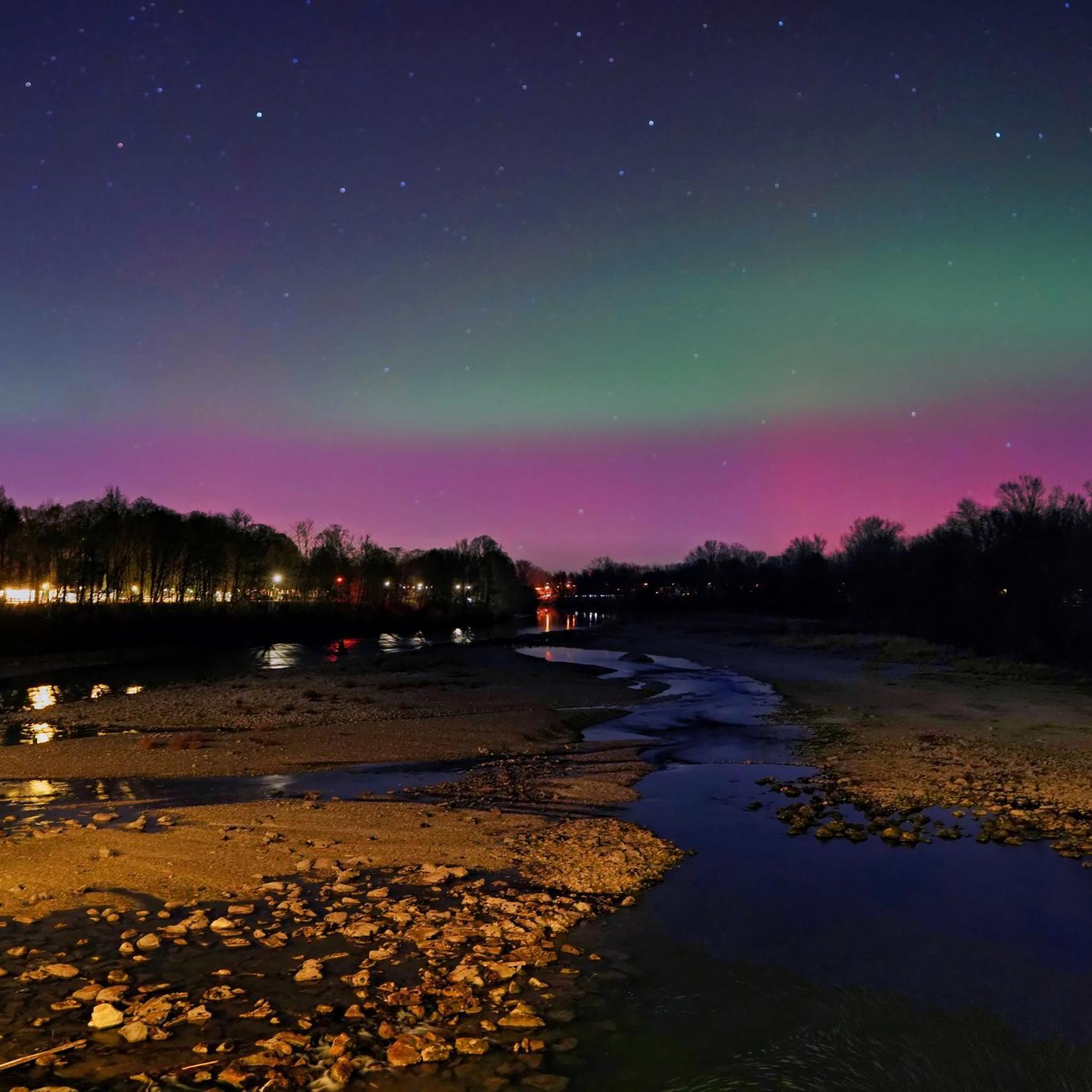
Gravel biking around Aulla
Other adventures around Aulla


Tips from the Community

The Torre del Castello Malaspina in the municipality of Villafranca in Lunigiana mainly refers to the imposing and famous cylindrical structure of the Castello Malaspina di Malgrate, although in the municipal capital there are also the ruins of the Castello di Malnido, the historic Dantesque residence of the Malaspina marquises, which was also originally equipped with a control tower. The best-preserved and famous fortification with its slender tower is located precisely in the hamlet of Malgrate. The cylindrical keep towers over the valley and is an unmistakable symbol of the Lunigiana landscape.
0
0
The entrance to Malgrate Castle in Villafranca in Lunigiana is preceded by an ancient moat crossed by a stone bridge that has replaced the old drawbridge, leading to a short staircase and a pointed arch gateway.
0
0
The Citadel, also known as the Sarzana Fortress or Firmafede Fortress, was the first fortification in Sarzana, built in the 13th century. It was owned by the lord Castruccio Castracani, who made numerous significant modifications to its defenses. After its destruction by Florence in 1487, it was rebuilt on the orders of Lorenzo de' Medici. In 1494, the Republic of Genoa, having regained possession of Sarzana, completed work on the Citadel. The fortress is used as a venue for cultural events and exhibitions and also houses the Fortress Museum, an interactive exhibit that traces the history of Sarzana and the Lunigiana region.
0
0

Aula is a fundamental hub of the Via Francigena, it was tormented by the bombings of the Second World War, causing the almost total destruction of its historic center, of which very few vestiges remain. It is located a few kilometers from the border with Liguria, on a narrow strip of land at the confluence of the Magra river and the Aulella stream, a decisive place for the civil and religious life of the entire area before the year 1000. Aulla in that period was already a small village and its importance was linked precisely to its central position along the Via Francigena, both as a pilgrimage road and as a commercial artery. The center of the town had an important role in defending the roads that led from the Lucca area and Liguria towards the Cisa Pass.
0
0
The Brunella Fortress owes its name to the hill on which it was built in the mid-16th century. The fort is a typical example of Renaissance military architecture, designed to defend against firearm attacks. It is an almost square construction with large polygonal struts. What is certain is that the complex represents the most powerful military work in Lunigiana and its strategic position allowed it, in the past, to control all the main routes in the area and the arrivals from the Apennine passes.
0
0
Medieval Castle of 1351. The fortification, which controlled the most important communication routes coming from the Apennines, Cisa and Garfagnana, developed in the 14th century (but its origins are probably older) and on its tower, 25 meters high and crowned by a corbeled patrol embossment, the flag of the Malaspina marquises flew until the 17th century. In addition to performing defensive functions, the castle became a noble residence in 1641, when the central body was transformed into a palace, incorporating the round tower. Despite this, the appearance of Malgrate is that of a classic medieval fortress: the main body is made up of the keep, located on the short side of the rectangular feudal palace and surrounded by walls, equipped with Guelph battlements, slopes and a patrol walkway that seems to date back to the 14th century.
1
0
Ruins of the Malnido Castle, with the square dedicated to Dante Alighieri, ancient guest of the Malaspina, and the remains of the church of San Nicolò, the medieval road leads to the parish church of San Giovanni
0
0

The Firmafede Fortress (originally called Cittadella) was built in 1249 thanks to the help of the Pisan allies of the city. In the 15th century the city became an important strategic point, Lorenzo the Magnificent decided to transform the village into a military stronghold of the Florentine lordship and to rebuild the fortress. In 1496 the fortress passed to the Banco di San Giorgio and from 1562 to the Republic of Genoa, remaining there until the end of the 18th century, a period in which it underwent several interventions. In the 19th century, with the annexation of the Republic to the Savoy kingdom and with the radical changes in defensive strategies, the fortress was used first as a police barracks and subsequently as a prison until the 1970s.
3
0
Frequently Asked Questions
Which castles around Aulla offer the best historical insights?
For deep historical insights, visit the Firmafede Fortress, originally built in the 13th century and later rebuilt by Lorenzo de' Medici. It now houses the Museum of the Fortresses, offering an interactive journey through the history of Sarzana and Lunigiana. Another significant site is the Brunella Fortress, a prime example of 16th-century Renaissance military architecture, which today hosts the Museum of Natural History of Lunigiana.
Are there any family-friendly castles to visit near Aulla?
Yes, the Brunella Fortress is a great option for families. Beyond its historical and architectural significance, it features a playground and one of Italy's rare pet cemeteries. The fortress also offers panoramic views that children and adults alike can enjoy.
What outdoor activities can I do near the castles around Aulla?
The region around Aulla offers various outdoor activities. You can find numerous hiking trails, such as the 'Bibola Village – Church of Bibola loop' or the 'Path in the Little Wood – Caprigliola loop'. For cycling enthusiasts, there are road cycling and gravel biking routes available. Explore more options on the Hiking around Aulla, Road Cycling Routes around Aulla, and Gravel biking around Aulla guide pages.
Which castles offer the best panoramic views?
The Brunella Fortress, perched on a hilltop, offers significant panoramic views of Aulla and the confluence of the Magra and Aulella rivers. Similarly, the Sarzanello Fortress dominates the Magra Valley from its elevated position, providing excellent vistas of the surrounding landscape.
Are there any hidden gem castles or lesser-known historical sites worth visiting?
Beyond the more prominent fortresses, consider visiting the Lusuolo Castle and Medieval Village. This characteristic village and castle offer an interesting fusion of civil and military medieval architecture and house the Museum of the Emigration of the People of Tuscany. Also, the medieval Malgrate Castle, though less known, is a majestic fortification dominating the Bagnone river valley.
What is the best time of year to visit the castles around Aulla?
The spring and autumn months are generally ideal for visiting the castles around Aulla. The weather is pleasant for exploring the outdoor grounds and enjoying the panoramic views without the intense heat of summer. Many sites, like the Firmafede Fortress, are open daily during these seasons, though it's always good to check specific opening hours.
Can I combine a castle visit with a walk or hike?
Absolutely. Many castles are situated in areas with accessible walking paths. For instance, you can find hiking routes that pass by or lead to sites like the remains of Castello di Bibola or Castello di Caprigliola. These routes allow you to experience both the historical sites and the natural beauty of the Lunigiana region.
What kind of architecture can I expect to see in the castles of this region?
The castles around Aulla showcase a rich variety of architectural styles, reflecting centuries of history. You'll find impressive Renaissance military architecture, exemplified by the Brunella Fortress with its polygonal struts designed for defense against firearms. Other sites, like Lusuolo Castle and Malgrate Castle, feature classic medieval fortress designs, including keeps, walls with Guelph battlements, and patrol walkways.
Are there any castles associated with famous historical figures?
Yes, several castles in the region have ties to prominent historical figures. The Firmafede Fortress and the Sarzanello Fortress were both rebuilt or commissioned by Lorenzo de' Medici, known as 'the Magnificent'. Additionally, castles like Malgrate Castle and the ruins of Castello di Olivola were historically associated with the powerful Malaspina family, who played a significant role in the Lunigiana region.
What makes the Lunigiana region historically significant for castles?
The Lunigiana region, where Aulla is located, was strategically vital due to its position along the Via Francigena, a major pilgrimage and trade route. This made it a contested area, leading to the construction of numerous castles and fortifications by various powers like Florence, Genoa, and Milan. These structures, from well-preserved fortresses to ancient ruins, served to control access routes and protect territories, making the region a treasure trove of medieval and Renaissance military history.
Can I visit multiple castles in a single day trip from Aulla?
Yes, it is possible to visit multiple castles in a day, especially those in close proximity. For example, you could explore the Brunella Fortress in Aulla and then venture to nearby villages like Bibola or Caprigliola to see the remains of their ancient castles. Planning a route that groups geographically close sites will maximize your visit.
Most popular attractions around Aulla

Get inspired with the komoot mobile app


Explore more
Looking for the best castles somewhere else? Discover other guides around Aulla:
