Top 12 Castles around Riolo Terme
Best castles around Riolo Terme are situated in a region characterized by its historical fortifications and natural landscape. The area features a mix of medieval and Renaissance architectural elements, often set amidst the chalk outcrops and gullies of the Faenza Apennines. These historical sites offer insights into military architecture and regional heritage. The castles provide viewpoints over the surrounding territory and contribute to the cultural significance of Riolo Terme.
Best castles around Riolo Terme
- The most popular castles is Manfredian…
Last updated: October 23, 2026
Colonia di Castel Raniero
Highlight • Historical Site
Translated by Google •
Tip by

Riolo Terme Fortress
Highlight • Castle
Translated by Google •
Tip by

Sign up now to discover places like this
Get recommendations on the best single tracks, peaks, & plenty of other exciting outdoor places.
Brisighella Historic Center and Fortress
Highlight • Historical Site
Translated by Google •
Tip by

Rocca Sforzesca of Imola
Highlight • Castle
Translated by Google •
Tip by

Ruins of Rontana Castle and Medieval Settlement
Highlight • Castle
Over the …
Translated by Google •
Tip by

Sign up for free to discover even more castles around Riolo Terme.
Already have an account?
Start today with a free account
Your next adventure awaits.
Popular around Riolo Terme
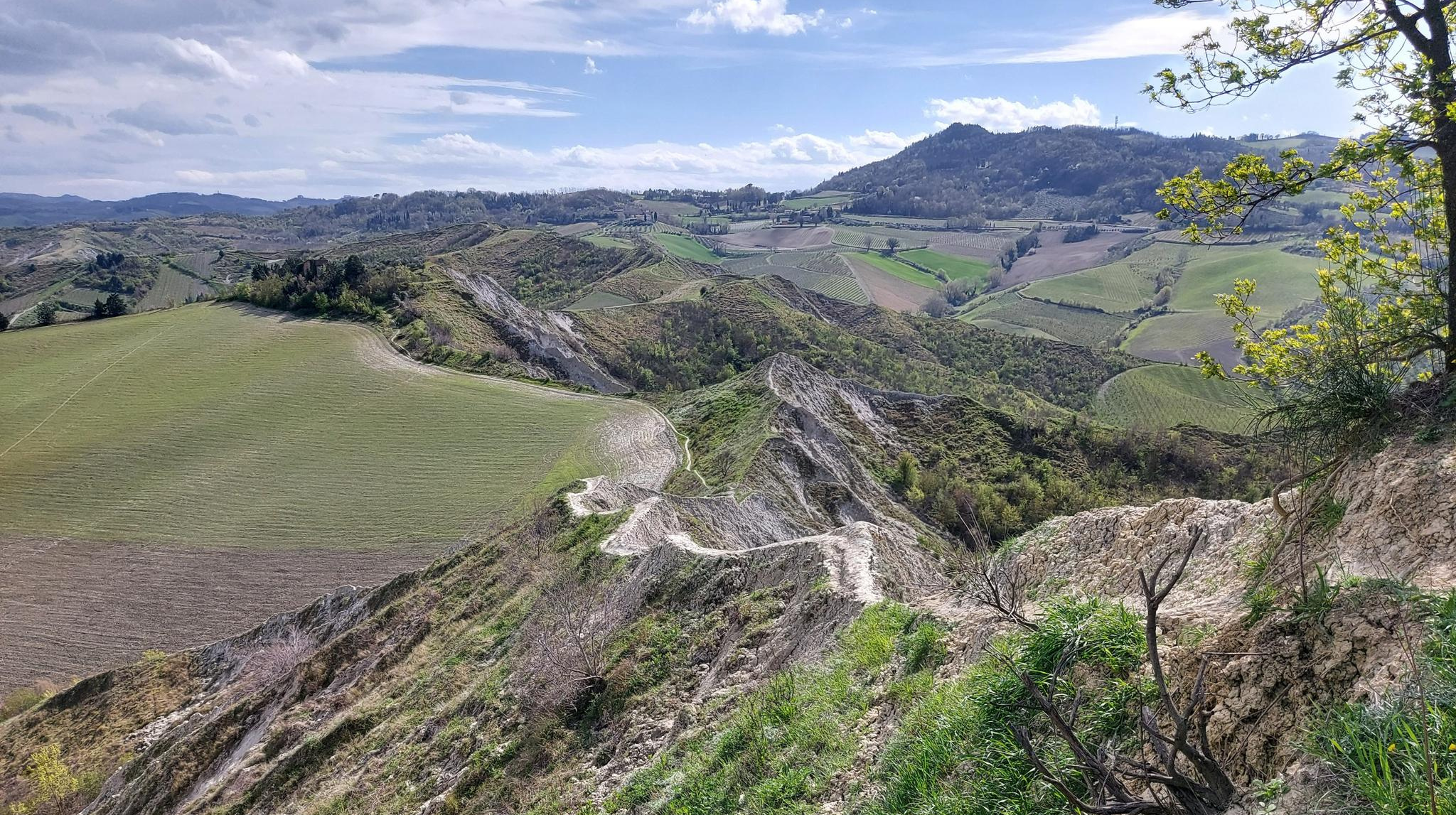
Walk from Bologna to Faenza – Via dei Gessi e dei Calanchi
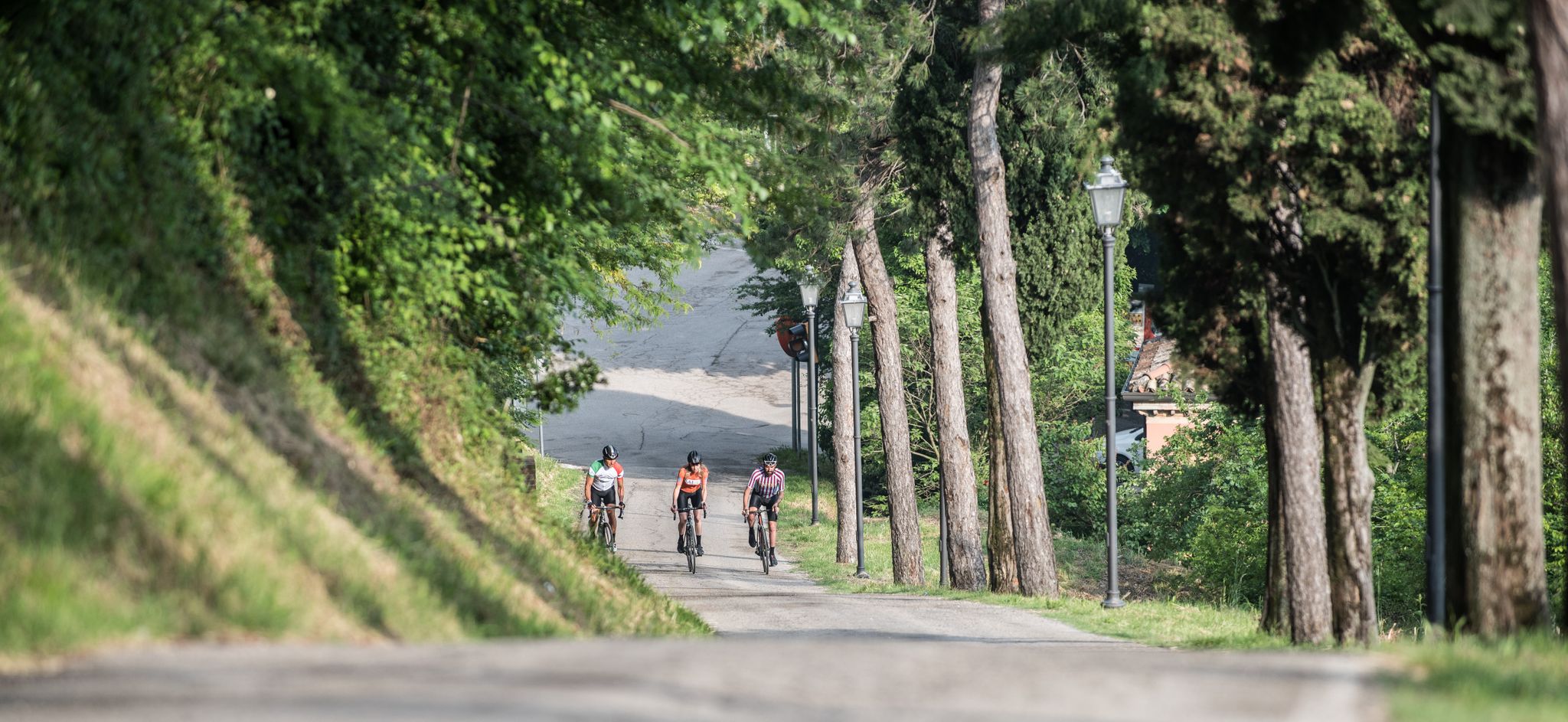
Enjoyment, culture and nature – cycling Tours in Italy’s Emilia Romagna region

MTB Trails around Riolo Terme

Hiking around Riolo Terme

Cycling around Riolo Terme

Road Cycling Routes around Riolo Terme

Running Trails around Riolo Terme
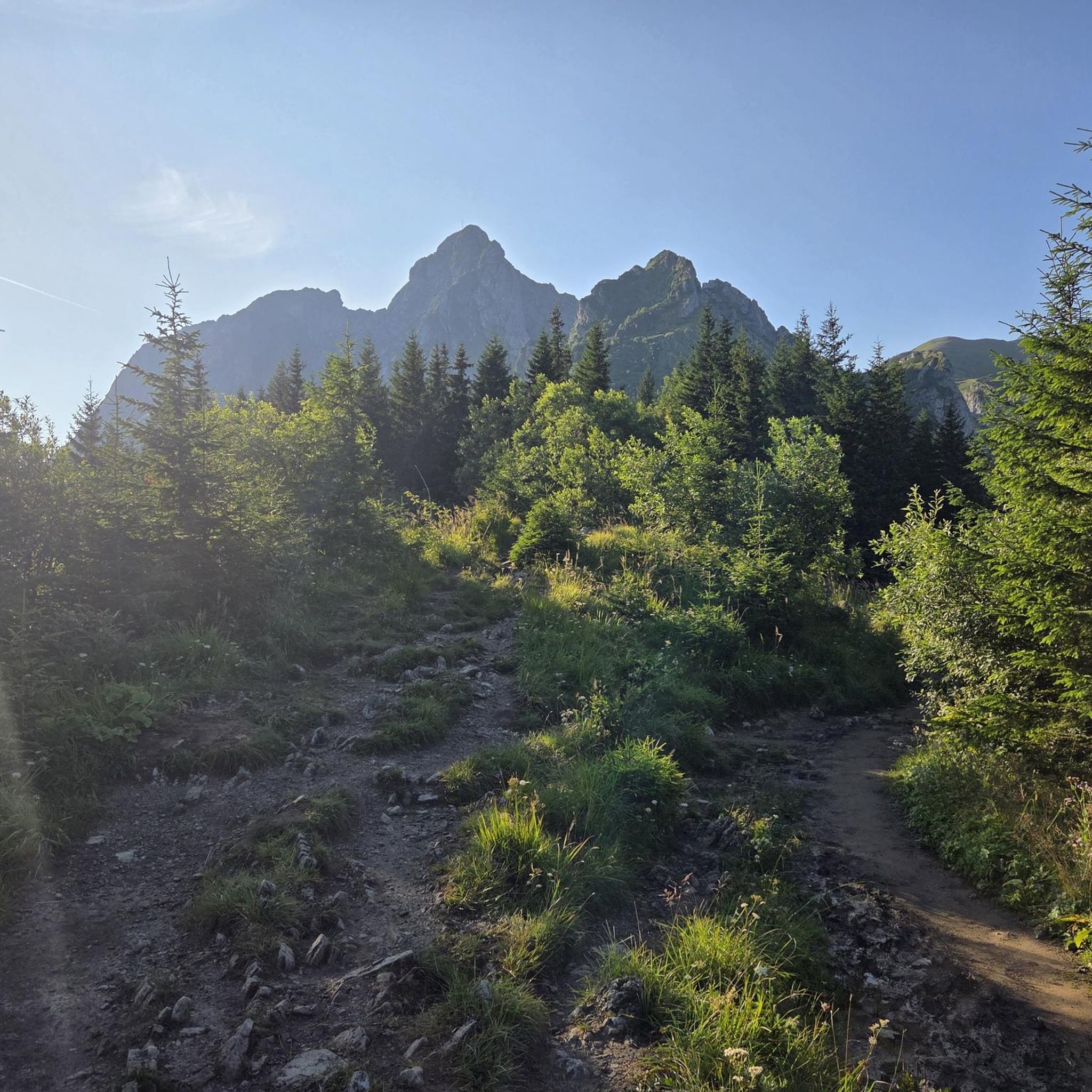
Gravel biking around Riolo Terme


Tips from the Community

The 14th century fortress located within the ancient village and protected by a circle of sturdy walls is made up of 3 imposing towers and the square keep
0
0

Classified as one of the most beautiful villages in Italy, famous for its three hills, each featuring a clock tower, the fortress, and the Monticino church.
0
0

Medieval village in the heart of the Apennines, among the most beautiful villages in Italy
0
0

A classic, country ride with a short climb to Coralli, then up towards Riolo Terme, which includes stopping for a coffee at Zappi's (with a discount for cyclists), returning via Casolana, Solarolo, Mordano and finally Massa, 65km.
0
0

The Rocca di Riolo was built in its first nucleus in 1388 by the Bolognese government: a square tower to defend the village, only four meters high on each side, with wooden floors connected by retractable stairs. The entrance was located between the first and second floors, so that the warriors could take shelter inside for protection. During the 15th century, under the government of the lords of Manfredi, the fortress was adapted to new military strategies: for this reason, the construction of a city wall and round towers that allowed a greater defense in case of attacks using bombardments. In 1474, Riolo was the capital of the Senio Valley. Carlo II Manfredi had the keep re-clad on all sides, built masonry stairs and dug a well on the ground floor of the keep. In 1478, Riolo became part of the government of Riario Sforza. The family made minor adjustments: holes in the moat, a turret and an emergency hatch. In 1504 Riolo fell into the hands of the Papal States through Giovanni Sassatelli.
0
0

...the origins of the fortress of Imola date back to 1261, when the municipality decided to build a fortress to defend the city. ... The fortress then had a quadrangular perimeter with nine square towers, four at the corners and four at the center of each curtain wall, plus an entrance tower on the eastern side and a mighty central keep. In the second half of the 15th century, the transformation of the medieval fortress into a new structure capable of withstanding the destructive power of modern artillery began. ... Beginning in 1480, the square corner towers were incorporated into new, thicker circular towers capable of withstanding bombardment, and construction of an internal residence began. The crisis of the Riario-Sforza lordship and the siege of the fortress launched in 1499 by Cesare Borgia, known as Valentino, decreed the return of direct papal rule. ... With the definitive annexation of Imola to the Papal States, the fortress's use as a prison intensified, a situation that continued until 1958, when restoration work began and the Sforza monument was converted into a museum. (Source: https://imolamusei.it/rocca-sforzesca/ )
2
0

Rocca di Riolo is right in the center, very beautiful and well maintained
1
0

Brisighella mountain peak
0
1
Frequently Asked Questions
What other castles can I visit near Riolo Terme?
Beyond the Riolo Terme Fortress, you can explore the Manfredian Fortress (Brisighella), a medieval military art example built in 1310. Another significant site is the Rocca Sforzesca of Imola, a well-preserved medieval castle transformed during the Renaissance. For a different experience, visit the Colonia di Castel Raniero, an Art Nouveau building with panoramic views over Faenza, or the Ruins of Rontana Castle and Medieval Settlement for a historical site amidst nature.
What makes the Riolo Terme Fortress unique?
The Riolo Terme Fortress, also known as Rocca Sforzesca, is a splendid example of military architecture that evolved from the late Middle Ages. It integrates both medieval and Renaissance features, showcasing adaptations against early firearms. Key elements include its quadrangular plan with three round towers and an imposing 22-meter-high square keep, Ghibelline merlons, and a patrol path offering panoramic views. It also houses the Museum of the Faenza Apennines Landscape.
Are there family-friendly activities at the castles?
Yes, the Riolo Terme Fortress is particularly family-friendly, adhering to the Kid Pass network. It offers interactive multimedia paths, insights into medieval weapons and building techniques, and hosts various historical and entertainment events. The Colonia di Castel Raniero and Rocca Sforzesca of Imola are also noted as family-friendly.
What kind of historical insights can I gain from visiting the Riolo Terme Fortress?
The Riolo Terme Fortress offers a deep dive into the region's history. You can learn about its construction starting in 1388, its reinforcement by Caterina Sforza, and its role as a military fortification. The Museum of the Faenza Apennines Landscape within the fortress explores the area's cultural and environmental heritage, including artifacts from the nearby Grotta di Re Tiberio. Multimedia exhibits bring to life the mysteries and lives of historical figures like Caterina Sforza.
Are there hiking trails near the castles around Riolo Terme?
Absolutely. The region around Riolo Terme is rich with outdoor opportunities. You can find numerous hiking trails, including routes like the 'Countryside loop from Riolo Terme to Rocca di Riolo fortress' and trails within the Vena del Gesso Romagnola Regional Park. For more details on routes and their difficulty, explore the Hiking around Riolo Terme guide.
Can I enjoy panoramic views from the castles?
Yes, several castles offer excellent viewpoints. The highest room of the keep at the Riolo Terme Fortress provides panoramic views of the surrounding area, including the Faenza landscape with its gullies and chalk outcrops. Similarly, the Colonia di Castel Raniero offers one of the most beautiful views over the city of Faenza.
What kind of events are hosted at the Riolo Terme Fortress?
The Riolo Terme Fortress serves as a dynamic cultural hub. It regularly hosts exhibitions, shows, musical entertainment, film screenings, and various historical, cultural, and gastronomic events. Guided tours and workshops are also available, making it a lively destination beyond its historical exhibits.
What are the architectural highlights of the Manfredian Fortress?
The Manfredian Fortress (Brisighella), built in 1310, is a valuable example of medieval military art. It retains classic fortress characteristics such as holes for drawbridge chains, corbels, machicolations, walkways on the surrounding walls, and loopholes. Its grandiose keep and two sides of the walls were added by the Venetians, contributing to its impressive structure.
Are there cycling routes available near the castles?
Yes, the area around Riolo Terme offers various cycling opportunities. You can find both mountain biking (MTB) and road cycling routes. For instance, there's a 'Zappi Cycling Hotel Café – Rocca di Brisighella loop from Riolo Terme' for road cyclists. For detailed routes and their difficulty, refer to the MTB Trails around Riolo Terme guide and the Road Cycling Routes around Riolo Terme guide.
What is the best time of year to visit the castles in Riolo Terme?
While specific opening hours vary, visiting during spring or autumn generally offers pleasant weather for exploring the castles and the surrounding natural landscape. These seasons avoid the peak heat of summer and the colder, potentially wetter conditions of winter, making outdoor activities and castle visits more comfortable.
Is there a museum within the Riolo Terme Fortress?
Yes, the Riolo Terme Fortress houses the Museum of the Faenza Apennines Landscape. This museum explores the region's cultural and environmental heritage, featuring artifacts found in the nearby Grotta di Re Tiberio and providing insights into the territory's history and settlements.
What can I expect from the Rocca Sforzesca of Imola?
The Rocca Sforzesca of Imola is a significant example of fortified architecture, showcasing its evolution from the Middle Ages to the Renaissance. Originally built in 1261, it was transformed in the 15th century to withstand modern artillery. Today, it has been restored and converted into a museum, displaying pottery and weaponry, offering a glimpse into its rich military history.
Most popular routes around Riolo Terme
Most popular attractions around Riolo Terme

Get inspired with the komoot mobile app


Explore more
Looking for the best castles somewhere else? Discover other guides around Riolo Terme:
