The best running trails around Villafranca In Lunigiana
3.6
(29)
567
runners
18
runs
Jogging around Villafranca In Lunigiana offers diverse landscapes, from mountainous terrain to expansive meadows and river valleys. The region is characterized by ancient chestnut groves, winding forest paths, and historical routes like the Via Francigena. Runners can explore trails that pass through medieval villages and past historic castles, blending physical activity with cultural discovery. These varied routes cater to different fitness levels, providing options for both gentle runs and more challenging ascents.
Best jogging routes around Villafranca In Lunigiana
- The…
Last updated: May 7, 2026
12
runners
21.5km
02:27
460m
460m
Hard run. Very good fitness required. Mostly paved surfaces. Suitable for all skill levels.
12
runners
11.4km
01:20
220m
220m
Moderate run. Good fitness required. Mostly paved surfaces. Suitable for all skill levels.

Sign up for free
10
runners
Moderate run. Good fitness required. Mostly paved surfaces. Suitable for all skill levels.
12
runners
Hard run. Very good fitness required. Mostly paved surfaces. Suitable for all skill levels.
9
runners
Hard run. Very good fitness required. Mostly paved surfaces. Suitable for all skill levels.
Get access to more routes and recommendations from other explorers.
Sign up for free
Already have an account?
Our route recommendations are based on thousands of hikes, rides, and runs completed by other people on komoot.
Start today with a free account
Your next adventure awaits.
Login or Signup
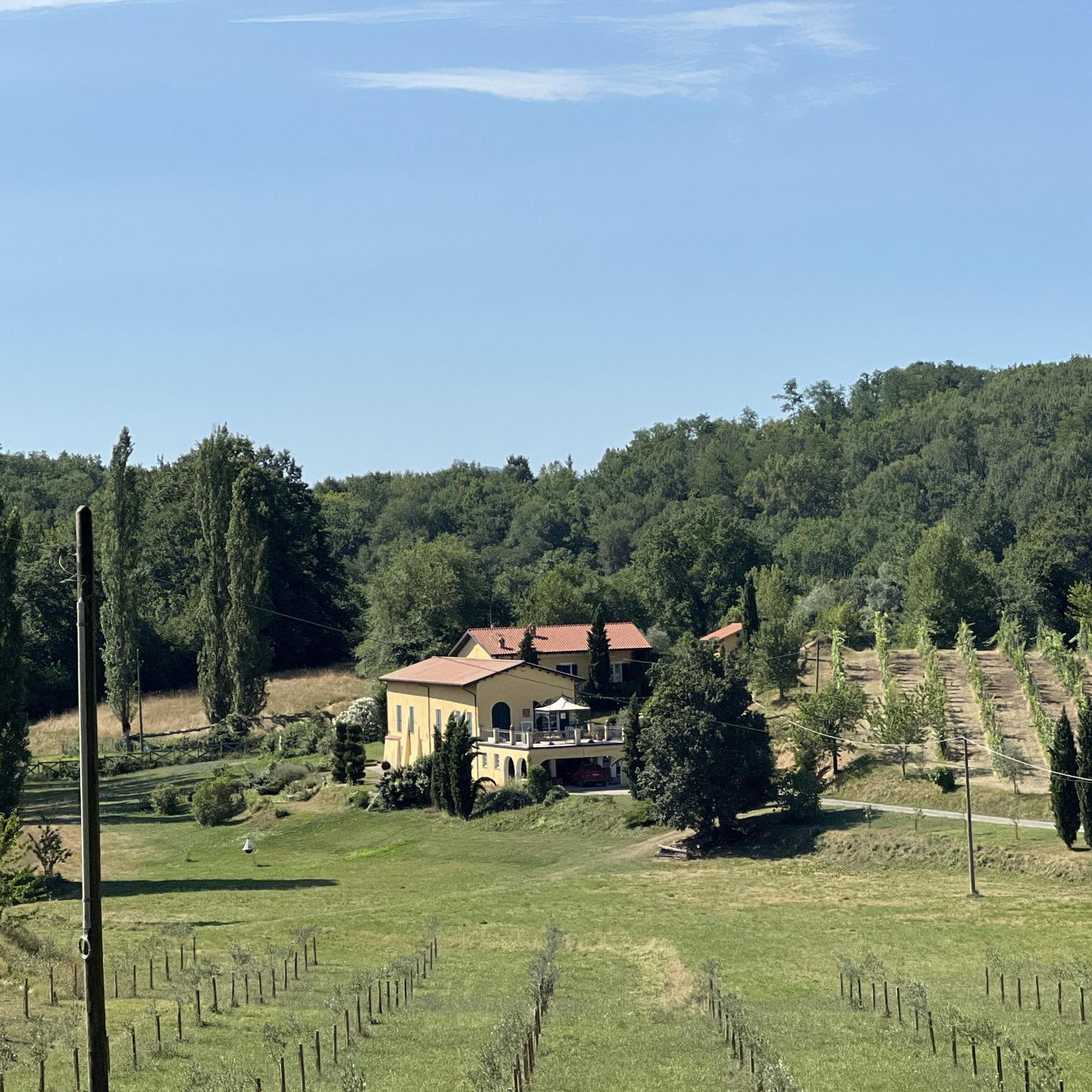
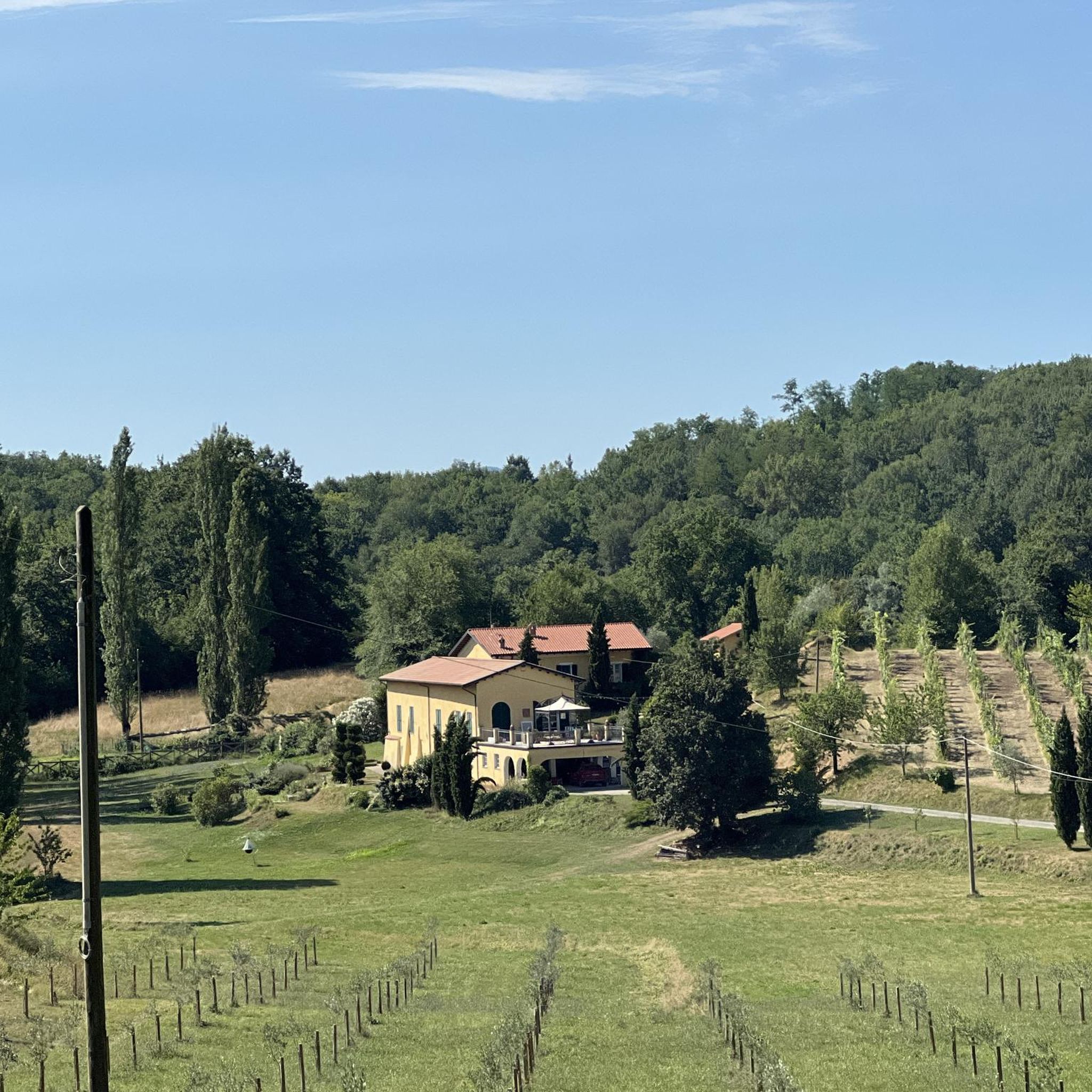
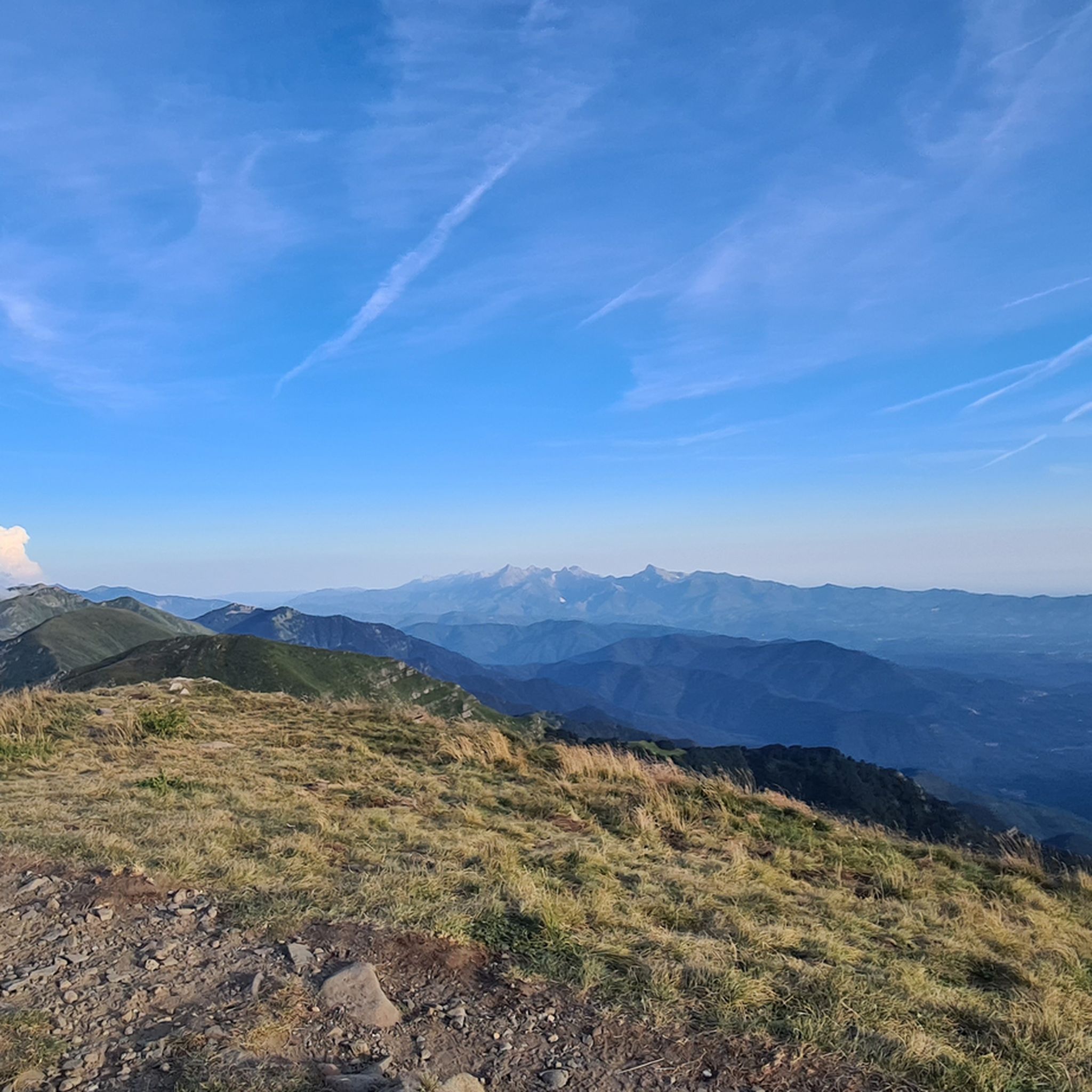
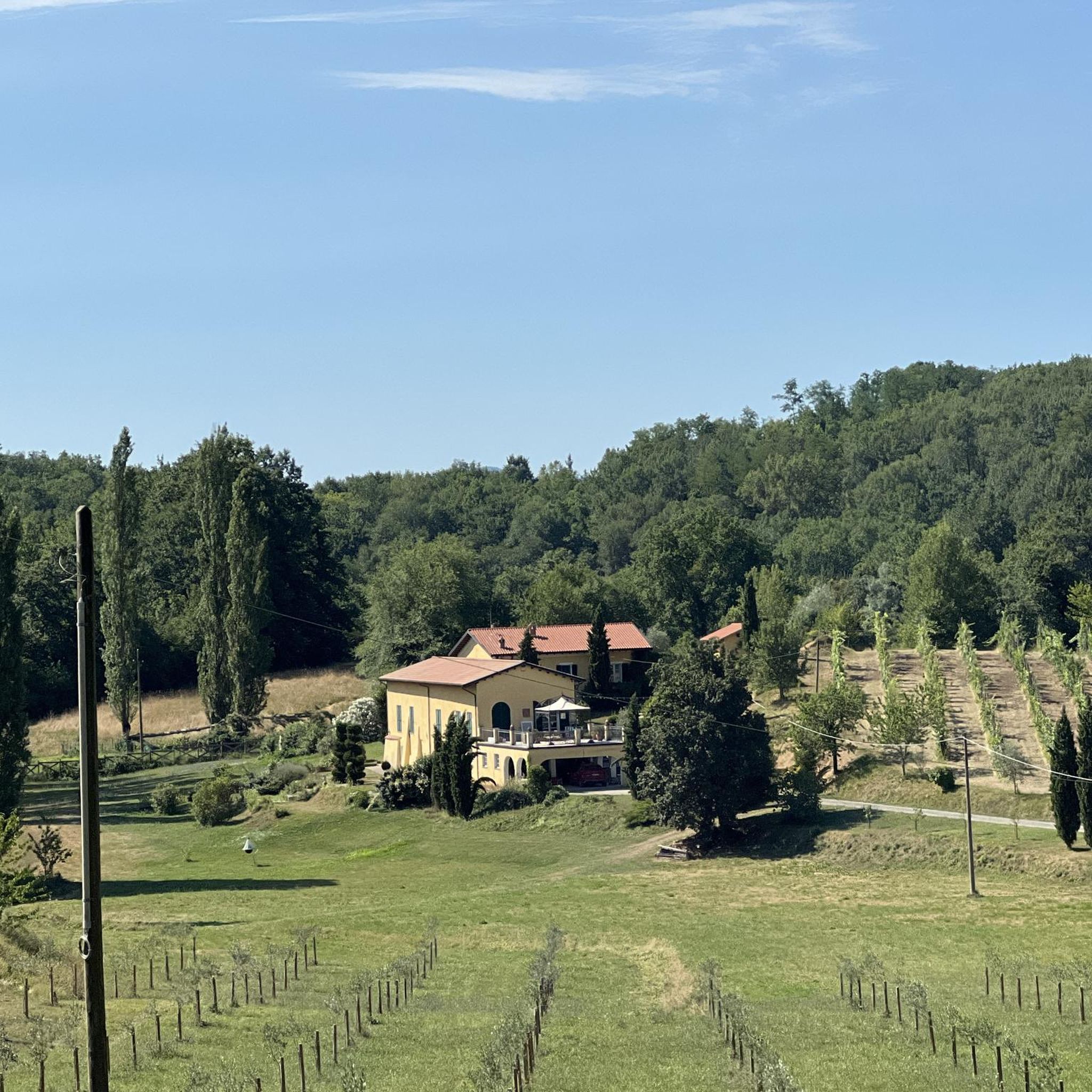

Tips from the Community

probably the best known of the many well-preserved medieval villages that you come across along the route, which reveals its Byzantine origins both in its name and in its shapes: the term “Filetto”, in fact, derives from the Greek Fulacterion, which means “fortified village”. The town still retains the quadrangular shape typical of the villages of foundation and late ancient camps, with perpendicular streets and central squares. To the oldest part, characterized by narrow alleys such as the Jewish village and a large market square, is added a late Renaissance “addition”, the fascinating Borgo degli Ariberti. The Ariberti family enlarged the village by building a wide central street, a square and a stately building adjacent to the church of Saints Jacopo and Antonio and the Fatebenefratelli Convent. The addition is linked to the village in an elegant way, with suspension bridges and arches that overlook the entrance gates to the town and that connect the main buildings.
0
0
Ruins of the Malnido Castle, with the square dedicated to Dante Alighieri, ancient guest of the Malaspina, and the remains of the church of San Nicolò, the medieval road leads to the parish church of San Giovanni
0
0


Ancient fiefdom of the Malaspina family of "Spino Secco". Villafranca is located along the Via Francigena, and both in the heart of the town and in its numerous hamlets it is possible to admire notable vestiges of the important medieval past of these lands.
1
0
Ancient fiefdom of the Malaspina family of "Spino Secco". Villafranca is located along the Via Francigena, and both in the heart of the town and in its numerous hamlets it is possible to admire notable vestiges of the important medieval past of these lands.
0
0
The Malaspina castle of Malgrate, with its characteristic round tower, perched on a hill, has dominated the valley of the Bagnone river, a tributary of the Magra, for centuries. The fortification was developed in 1275, but its origin is undoubtedly much older.
0
0
The village developed along the Via Francigena.
0
0
Frequently Asked Questions
What types of running routes can I find around Villafranca in Lunigiana?
The region offers a diverse range of running routes, from paths winding through ancient chestnut groves and forests to historical routes like sections of the Via Francigena. You'll find trails that pass through charming medieval villages and past historic castles, blending physical activity with cultural discovery. The terrain varies from mostly paved surfaces to more rugged paths, catering to different preferences.
Are there running trails suitable for beginners or those looking for a moderate jog?
Yes, while some routes are challenging, there are several moderate options available. For instance, the Virgoletta Historic Village – Trail to Filetto loop from Villafranca-Bagnone is a moderate 6.9-mile (11.2 km) trail that takes you through historic villages and natural paths, often completed in about 1 hour 13 minutes. Another moderate option is the Filetto Medieval Village – Bagnone loop from Villafranca in Lunigiana, which is 7.9 miles (12.7 km) long.
What are some longer or more challenging running routes in the area?
For those seeking a greater challenge, Villafranca in Lunigiana offers several difficult routes. The Bagnone – Filetto Medieval Village loop from Villafranca in Lunigiana is a demanding 13.4-mile (21.5 km) trail with significant elevation gain. Another challenging option is the Monte Monte – Castello di Malgrate loop from Villafranca-Bagnone, which spans nearly 15.4 miles (24.8 km) and features considerable elevation changes.
Can I combine my run with sightseeing historical landmarks?
Absolutely! The region is rich in history. Many running routes pass through or near medieval villages and castles. For example, you can explore the well-preserved medieval village of Filetto or the historic village of Virgoletta. The Entrance to Malgrate Castle is also easily reachable from Villafranca and offers commanding views over the Magra valley. You can find more information about castles in the area in the Castles around Villafranca In Lunigiana guide.
Are there any natural attractions or scenic viewpoints along the running trails?
The Lunigiana region is characterized by stunning natural beauty, including mountainous terrain, expansive meadows, rivers, and ancient forests. You can find picturesque settings winding through forests and ancient chestnut groves. While specific viewpoints are not always marked on every route, the diverse landscape itself offers many scenic moments. For more natural sights, explore the Natural Monuments around Villafranca In Lunigiana guide, which includes highlights like Lake Santo Parmense and Mount Sillara.
What do other runners say about the trails in Villafranca in Lunigiana?
The running routes in Villafranca in Lunigiana are highly rated by the komoot community, with an average score of 3.5 stars from over 20 reviews. More than 500 runners have used komoot to explore the varied terrain, often praising the unique blend of natural beauty and historical immersion found on these trails.
Are there circular running routes available?
Yes, many of the routes around Villafranca in Lunigiana are designed as loops, allowing you to start and finish in the same location. Examples include the Bagnone – Filetto Medieval Village loop from Villafranca in Lunigiana and the Filetto Medieval Village – Bagnone loop from Villafranca in Lunigiana.
Can I bring my dog on the running trails in Villafranca in Lunigiana?
Generally, outdoor trails in this region are dog-friendly, especially those in natural settings like forests and meadows. However, it's always advisable to keep your dog on a leash, especially when passing through villages or near livestock, and to check for any specific local regulations or signage on individual routes.
Is parking typically available near the trailheads?
While specific parking information for each trailhead isn't always detailed, routes often start and end in or near towns and villages like Villafranca in Lunigiana, Bagnone, or Filetto, where public parking facilities are usually available. It's recommended to check local maps or satellite views for parking options at your chosen starting point.
Are there any long-distance running opportunities in the Lunigiana region?
Yes, the broader Lunigiana region offers extensive long-distance running opportunities. The area is crossed by the ancient Via Francigena, a historic pilgrimage route, and sections of the Sentiero Italia, a 7000 km hiking trail connecting all Italian regions. These routes provide challenging jogs through unspoiled countryside, ancient castles, and churches, with many sections featuring sheep tracks and dirt roads. You can learn more about the Sentiero Italia in Lunigiana on Visit Tuscany.
What is the best time of year for running in Villafranca in Lunigiana?
The region's diverse landscapes make it suitable for running across multiple seasons. Spring and autumn offer pleasant temperatures and vibrant scenery, ideal for exploring. Summer can be warm, so early morning or late afternoon runs are recommended. Winter running is also possible, especially on lower elevation paths, though some higher mountain trails might be less accessible due to snow.
Most popular routes around Villafranca In Lunigiana
Most popular attractions around Villafranca In Lunigiana

Get inspired with the komoot mobile app


Explore more
Browse the best Running Trails & Routes in other regions.
