Attractions and Places To See around Castel Bolognese - Top 20
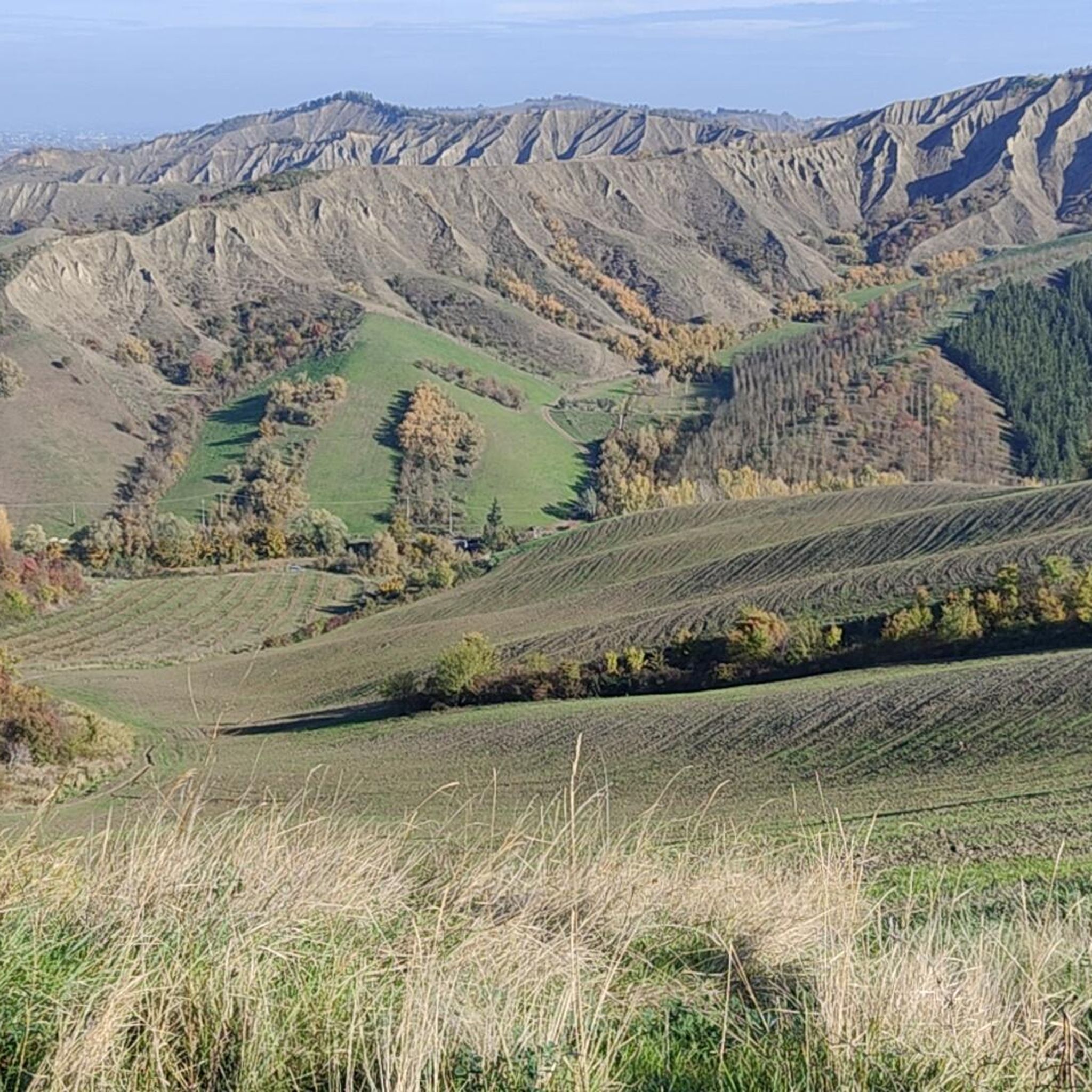
Best attractions and places to see around Castel Bolognese, a town in the province of Ravenna, Italy, offers a blend of historical, cultural, and natural attractions. Its location along the Via Emilia, between Faenza and Imola, contributes to its rich heritage. The area serves as a gateway to the Upper Senio Valley and is in proximity to the Tuscan-Romagnolo Apennines, providing a scenic backdrop. Visitors can explore historical landmarks, cultural sites, and natural features in and around the town.
Best…
Last updated: October 23, 2026
Ca' Carnè Refuge
Highlight • Mountain Hut
Translated by Google •
Tip by

Brisighella
Highlight • Settlement
Translated by Google •
Tip by

Sign up now to discover places like this
Get recommendations on the best single tracks, peaks, & plenty of other exciting outdoor places.
Marino Tower
Highlight • Monument
Translated by Google •
Tip by

Colonia di Castel Raniero
Highlight • Historical Site
Translated by Google •
Tip by
Riolo Terme Fortress
Highlight • Castle
Translated by Google •
Tip by

Sign up for free to discover even more attractions around Castel Bolognese.
Already have an account?
Start today with a free account
Your next adventure awaits.
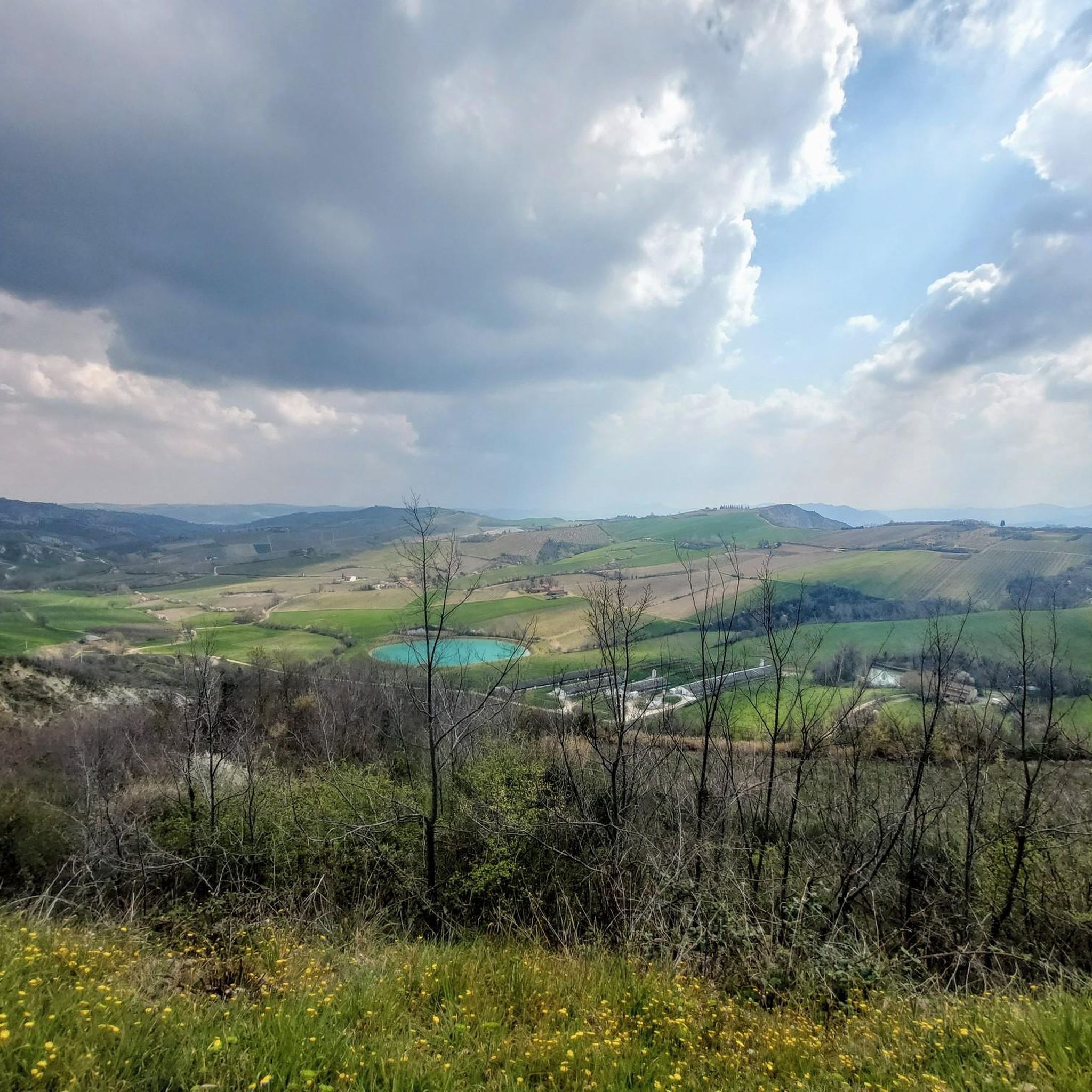
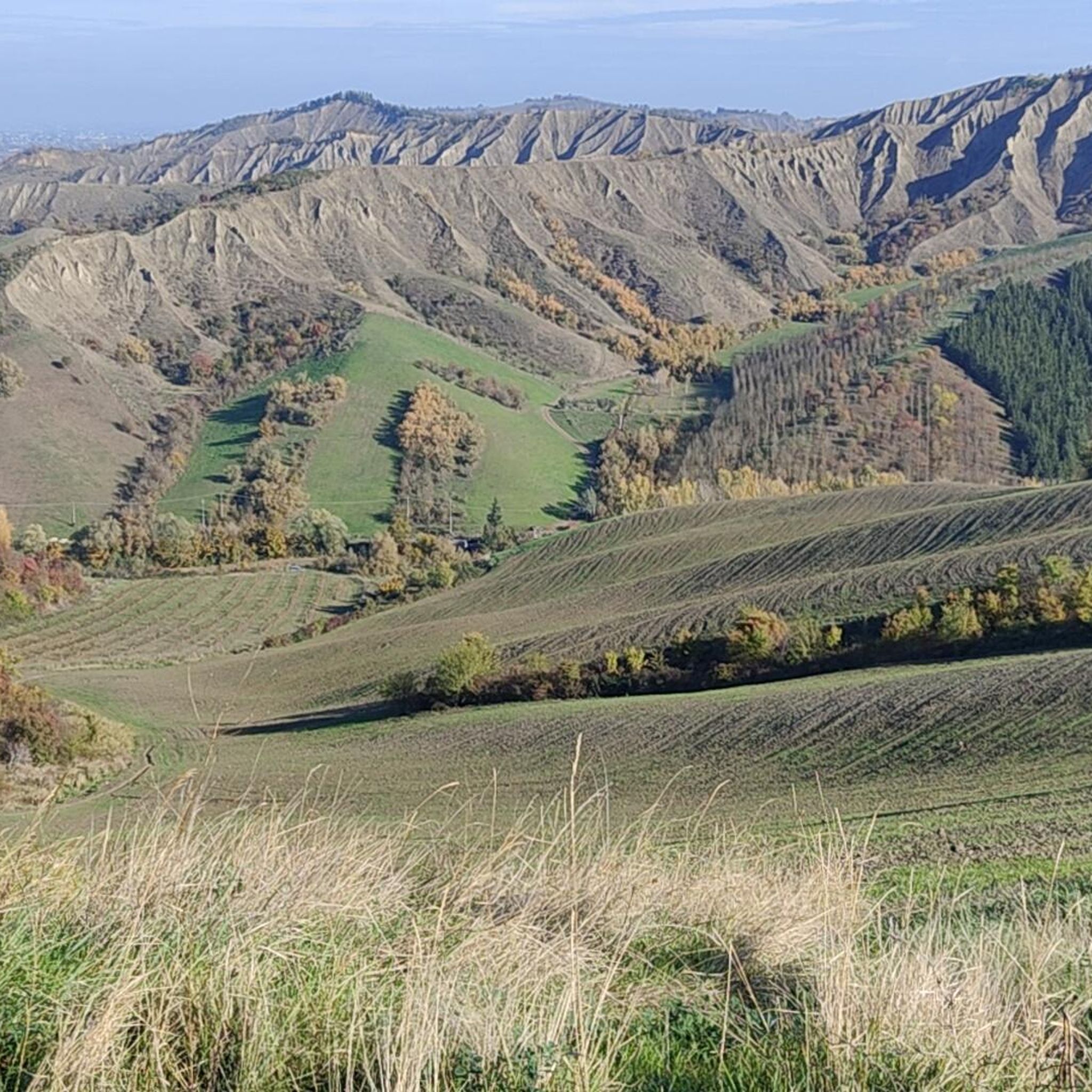
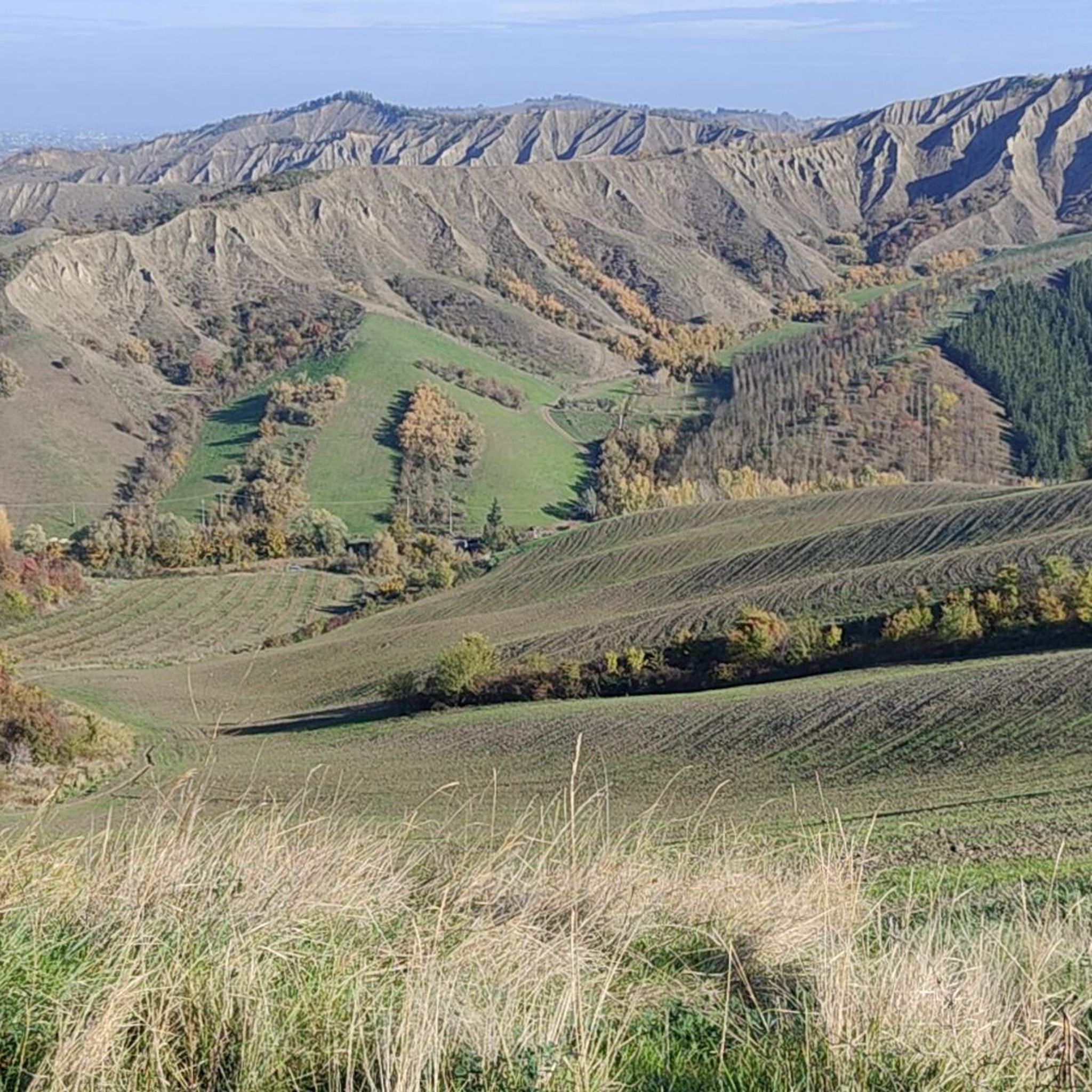

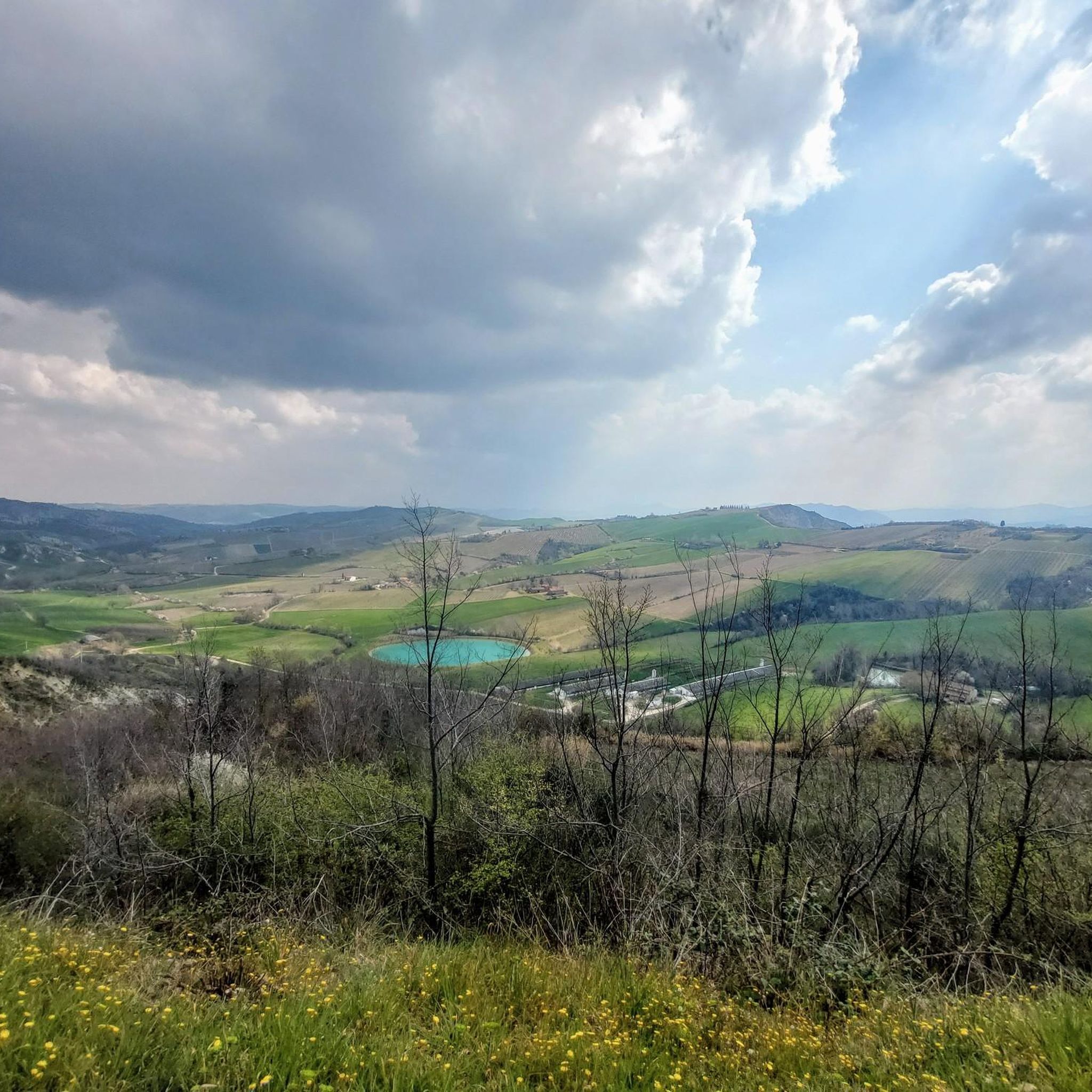
Tips from the Community

The 14th century fortress located within the ancient village and protected by a circle of sturdy walls is made up of 3 imposing towers and the square keep
0
0

Brisighella is one of the most beautiful villages in Italy.
1
0

nice roads, little traffic and an area that is worth it
2
0

A classic, country ride with a short climb to Coralli, then up towards Riolo Terme, which includes stopping for a coffee at Zappi's (with a discount for cyclists), returning via Casolana, Solarolo, Mordano and finally Massa, 65km.
0
0

The Rocca di Riolo was built in its first nucleus in 1388 by the Bolognese government: a square tower to defend the village, only four meters high on each side, with wooden floors connected by retractable stairs. The entrance was located between the first and second floors, so that the warriors could take shelter inside for protection. During the 15th century, under the government of the lords of Manfredi, the fortress was adapted to new military strategies: for this reason, the construction of a city wall and round towers that allowed a greater defense in case of attacks using bombardments. In 1474, Riolo was the capital of the Senio Valley. Carlo II Manfredi had the keep re-clad on all sides, built masonry stairs and dug a well on the ground floor of the keep. In 1478, Riolo became part of the government of Riario Sforza. The family made minor adjustments: holes in the moat, a turret and an emergency hatch. In 1504 Riolo fell into the hands of the Papal States through Giovanni Sassatelli.
0
0

Torre Del Marino at 200 meters above sea level
0
0

Suggestive historical testimony and a breathtaking view.
0
0
Frequently Asked Questions
What historical landmarks can I explore in and around Castel Bolognese?
Castel Bolognese offers several historical sites. You can visit the remnants of The Castle (Il Castello), originally built in 1389. The Molino Scodellino, a XV-century mill, is another significant historical and cultural site, showcasing its original milling plant. Further afield, the Marino Tower, a 15th-century defensive structure, offers a glimpse into the region's past and provides expansive views.
Are there any natural attractions or parks near Castel Bolognese?
Yes, Castel Bolognese is a gateway to the Upper Senio Valley and is close to the Vena del Gesso Romagnola Regional Park. This park is ideal for nature activities like trekking, mountain biking, and horseback riding. Within the park, the Ca' Carnè Refuge offers a place to eat and stay amidst the greenery and organizes guided speleological visits.
What cultural sites, such as churches or museums, are there in Castel Bolognese?
The town is rich in cultural sites, particularly historic churches. Notable ones include the Church of San Petronio, dating back to the 15th century with valuable artworks, and the 18th-century Church of San Francesco. You can also discover the Open-Air Museum of Angelo Biancini, featuring bronze and ceramic sculptures by the renowned artist displayed throughout the town's avenues and squares. The Civic Museum and the Archaeological Site of Via Ordiere (a Bronze Age village) also offer cultural insights.
What kind of outdoor activities can I do around Castel Bolognese?
The area around Castel Bolognese is excellent for outdoor enthusiasts. You can enjoy gravel biking, road cycling, and running. For gravel biking, consider routes like the 'Canale dei Molini – Codrignano Dam loop from Imola'. Road cyclists might enjoy the 'Passo Carnevale – Rocca di Brisighella loop from Castel Bolognese-Riolo Terme'. Runners have options such as the 'Col Pineta loop from Castel Bolognese'. You can find more details on these activities in the dedicated guides for gravel biking, road cycling, and running trails around Castel Bolognese.
Are there family-friendly attractions or activities in the Castel Bolognese area?
Yes, several attractions are suitable for families. The Ca' Carnè Refuge within the Vena del Gesso Romagnola Regional Park is family-friendly, offering opportunities for nature walks and stays. The charming village of Brisighella, with its historical sites like the Manfredian fortress, is also considered family-friendly. The Colonia di Castel Raniero, an Art Nouveau building set in a park, offers a scenic spot for families to explore.
Where can I find the best scenic viewpoints around Castel Bolognese?
For panoramic views, the Marino Tower offers extensive vistas over the Senio Valley and surrounding hilly areas. The village of Brisighella, perched on three rocky pinnacles, provides picturesque scenery, especially from the Manfredian Fortress and the Clock Tower. Additionally, the Colonia di Castel Raniero offers one of the most beautiful views over the city of Faenza and the surrounding landscape.
What is the best time of year to visit Castel Bolognese for outdoor activities?
While specific data on the best time to visit isn't provided, the region's climate suggests spring and autumn are generally ideal for outdoor activities like hiking, cycling, and exploring natural parks. The Feast of Pentecost in May/June also offers a cultural experience if you visit during late spring.
Can I find hiking trails of varying difficulty levels near Castel Bolognese?
Yes, the area provides hiking opportunities for different skill levels. While specific difficulty details for individual trails are best checked on komoot, the Vena del Gesso Romagnola Regional Park offers a network of paths through thick woods, suitable for various trekking experiences. You can explore running trails like the 'Col Pineta loop from Castel Bolognese' which is rated moderate, or more challenging options like 'Lavender Road – Zattaglia Pass loop'.
What is the significance of the Vena del Gesso Romagnola Regional Park?
The Vena del Gesso Romagnola Regional Park is a significant natural area known for its unique gypsum outcrops. It provides a habitat for diverse flora and fauna and offers numerous opportunities for outdoor recreation. The Ca' Carnè Refuge, located within the park, serves as a visitor center and a base for exploring its karst and rocky areas, including guided speleological visits.
Are there any unique local events or festivals in Castel Bolognese?
Castel Bolognese celebrates the Feast of Pentecost in May/June. This town square festival has historical roots dating back to 1631, commemorating a vow made by the population to the 'Madonna della Concezione'. It offers a unique opportunity to experience local traditions and community spirit.
What is the historical importance of the Via Emilia in relation to Castel Bolognese?
The Via Emilia is a historic Roman road that has significantly shaped Castel Bolognese's history and heritage. Its strategic location along this ancient route, between Faenza and Imola, contributed to its development and importance as a connecting point in the region. The road itself remains a point of interest, linking the town to other historically significant centers.
What do visitors particularly enjoy about the attractions around Castel Bolognese?
Visitors appreciate the blend of historical and natural beauty. Many enjoy the breathtaking views from places like Marino Tower and the historical charm of villages like Brisighella. The hospitality and excellent food at places like Ca' Carnè Refuge are also frequently highlighted, along with the opportunities to spend time in nature.
Most popular routes around Castel Bolognese
Most popular attractions around Castel Bolognese

Get inspired with the komoot mobile app


Explore more
Still not found the Highlight you’re looking for? See guides of the top attractions in other regions:
