Attractions and Places To See around Montefiorino - Top 20
Attractions and places to see around Montefiorino are found in the Upper Secchia Valley, set against the peaks of Mount Cimone and Mount Cusna. This region offers a blend of historical, cultural, and natural attractions. The town overlooks the Dolo and Dragone Valleys, providing diverse landscapes. Montefiorino is known for its historical landmarks and opportunities for outdoor activities.
Best attractions and places to see around Montefiorino
- The most popular attractions is Carpineti Castle, a castle that has been a foundational element of Matilde di Canossa's fortified system. It offers views of the Secchia valley and Mount Cusna.
- Another must-see spot is Big Bench No. 58 Monte Fosola, a viewpoint. Visitors can experience a panoramic point looking towards the ridge of the Apennines.
- Visitors also love Big Bench in Prignano sulla Secchia, a man-made monument. This large bench provides a notable view.
- Montefiorino is known for its historical sites, cultural institutions, and natural features. The area offers a variety of castles, museums, and scenic viewpoints to explore.
- The attractions around Montefiorino are appreciated by the komoot community, with more than 150 upvotes and over 140 photos shared.
Last updated: July 6, 2026
Carpineti Castle
Highlight • Castle
Translated by Google •
Tip by

Big Bench in Prignano sulla Secchia
Highlight • Monument
Translated by Google •
Tip by

Sign up now to discover places like this
Get recommendations on the best single tracks, peaks, & plenty of other exciting outdoor places.
Sign up for free
Church of Santa Maria Assunta of Toano
Highlight • Religious Site
The Pieve Matildica di Toano is open every Sunday from 10.00 to 19.00.
Translated by Google •
Tip by

Oratory of Saint Mary Magdalene
Highlight • Religious Site
+ "Let us allow this experience imprinted in the Gospel to be imprinted on our hearts and to shine through in our lives. Let us allow the joyful wonder of Easter Sunday to radiate into our thoughts, looks, attitudes, gestures and words... If only we were so radiant! But this is not cosmetic! It comes from within, from a heart immersed in the source of this joy, like that of Mary Magdalene, who wept over the loss of her Lord and could not believe her eyes when she saw that he had risen. Whoever experiences this becomes a witness of the resurrection (...)" (Pope Francis on Easter Monday 2014)
Translated by Google •
Tip by

Castello di Pompeano
Highlight • Castle
L’edificio, caratterizzato da due ordini sovrapposti di sobrie finestre trilitiche di probabile fattura duecentesca e da un discutibile portichetto in stile neogotico risalente al secolo XIX, fronteggia la Chiesa di San Geminiano al Sasso, fino agli odierni restauri lasciata purtroppo in stato di semiabbandono.
Sempre all’interno della cinta muraria si trovano il torrione di avvistamento a pianta quadrata edificato sul punto più alto del pianoro , la torre campanaria costruita nel XVIII secolo nei pressi dell’ingresso ed isolata rispetto alla chiesa, nonché una torre colombaia circolare.
Il complesso, situato in posizione dominante sulla valle del Rio Cervaro dirimpetto alla spettacolare parete denominata la Vanga del Diavolo, è difeso naturalmente su tre lati dallo strapiombare della rupe e su un lato dalle mura merlate.
Secondo le fonti già sul finire del XII secolo Pompeano era ricompresso nel territorio posto alle dipendenze dei Da Gomola, i feudatari di origine longobarda signori della contea di Gombola. Nel 1416, estintosi il casato dei Da Gomola, il borgo ed il castello furono assegnati da Nicolò III d’Este alla famiglia Cesis che li tenne sino al 1796. Solo per un breve periodo i nuovi feudatari utilizzarono il castello come residenza permanente. In seguito i Cesis soggiornarono a Pompeano saltuariamente, preferendo quali residenze permanenti prima il castello di Gombola, franato nel 1597, e successivamente il palazzo di Talbignano. L’utilizzo parziale della struttura fortificata ha impedito la completa trasformazione della destinazione d’uso da militare-residenziale ad esclusivamente residenziale; in ragione di ciò è ancora possibile osservare, caso assai raro nella nostra regione, la complessione medievale del fortilizio, che si caratterizza per la presenza di un ampio spiazzo all’interno della cinta muraria molto funzionale alle esigenze belliche.”
fonte: comune.serramazzoni.mo.it/territorio/bellezze_visitare/borgo_medievale_pompeano.aspx
Tip by

Sign up for free to discover even more attractions around Montefiorino.
Sign up for free
Already have an account?
Start today with a free account
Your next adventure awaits.
Login or Signup
Tips from the Community

After the Blessed Virgin Mary, "MARY MADDALENE" is the woman most frequently mentioned in the writings of the New Testament. Originally called "Mary of Magdala", after her place of origin on the Sea of Galilee, the name "Mary Magdalene" has been formed over time. According to the biblical accounts, she is one of the women and men who followed Jesus of Nazareth. According to the testimony of the evangelists, Mary Magdalene is also one of the three women who, after the crucifixion and burial of Jesus Christ, wanted to anoint the body on Easter morning after the Sabbath rest, and the very first person who ever met the Risen One. + "Let us allow this experience imprinted in the Gospel to be imprinted on our hearts and to shine through in our lives. Let us allow the joyful wonder of Easter Sunday to radiate into our thoughts, looks, attitudes, gestures and words... If only we were so radiant! But this is not cosmetic! It comes from within, from a heart immersed in the source of this joy, like that of Mary Magdalene, who wept over the loss of her Lord and could not believe her eyes when she saw that he had risen. Whoever experiences this becomes a witness of the resurrection (...)" (Pope Francis on Easter Monday 2014)
0
0

There is also a restaurant open all year round typical Emilian cuisine
2
0

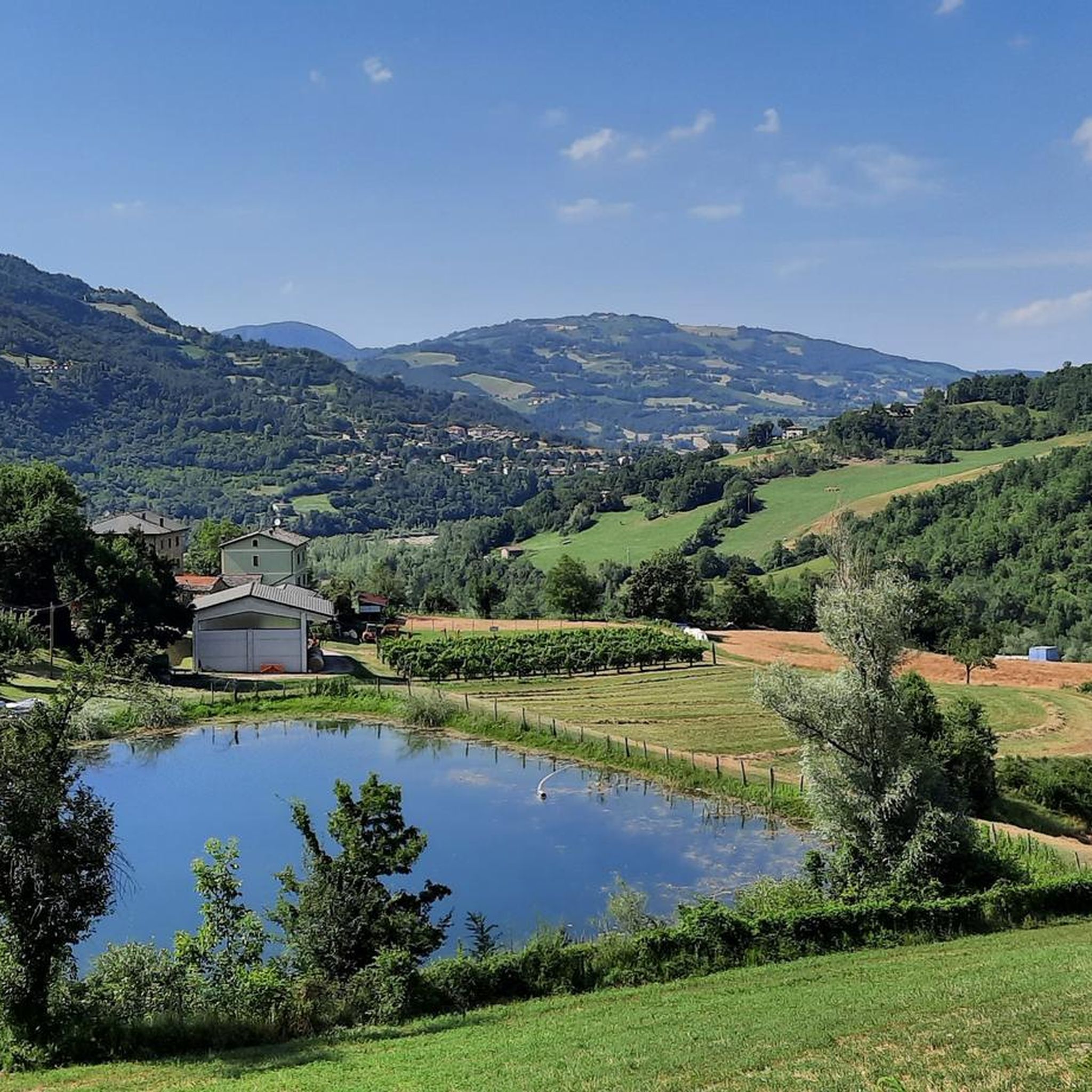
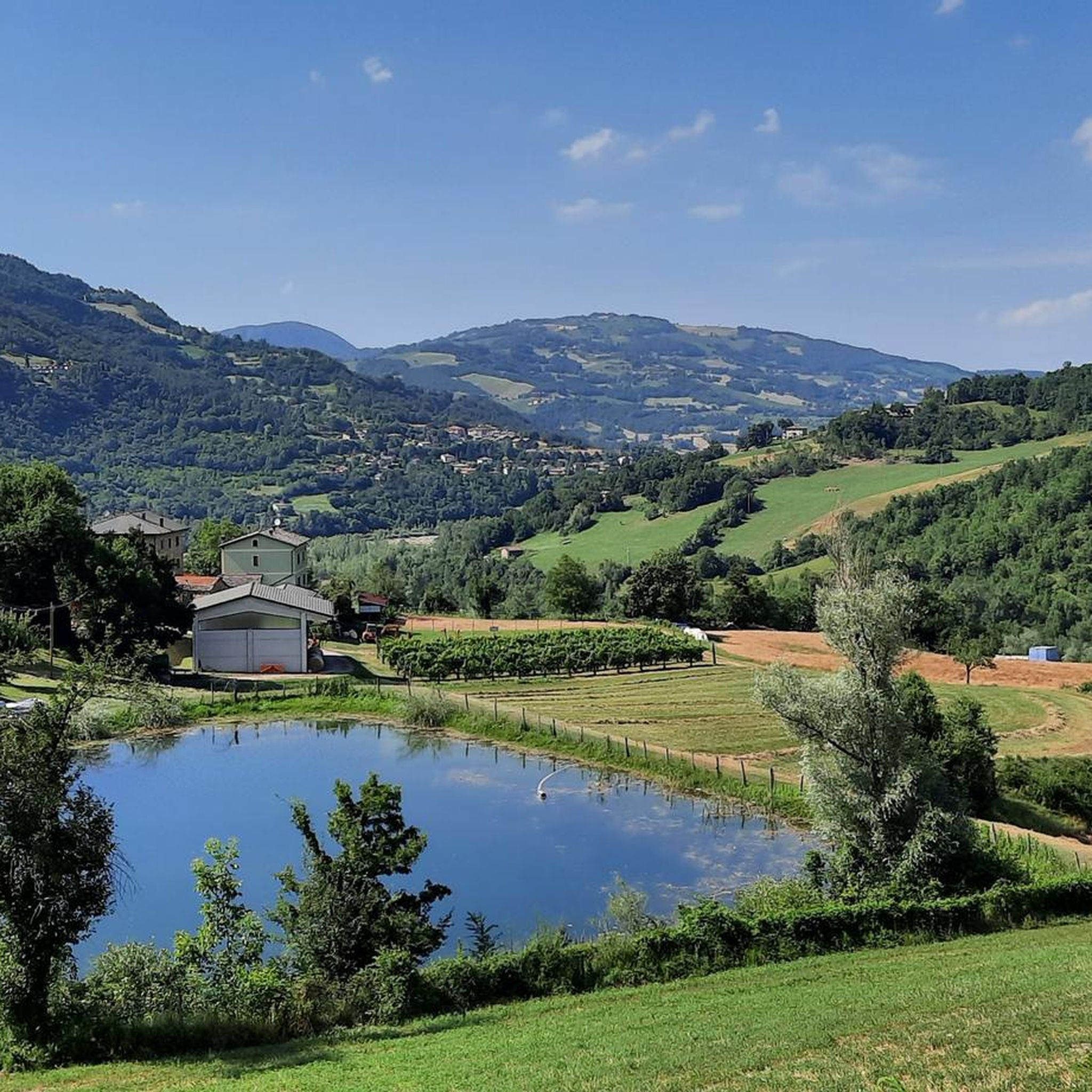
Beautiful place to stop and eat, but above all an exceptional view of the promontory
1
0

The castle of Pompeano (fraction of Serramazzoni) is a building perched on a stone of volcanic origin. A steep stairway climb leads to the portal with a pointed arch. From a window of the portal you can admire the Church of San Geminiano al Sasso with the bell tower, the square-based watchtower and the feudal palace. The wall is present only on the side of the entrance, while the remaining sides are protected by overhanging walls. Visits by reservation. For more information: http://www.comune.serramazzoni.mo.it/territorio/bellezze_visitare/default.aspx
0
0

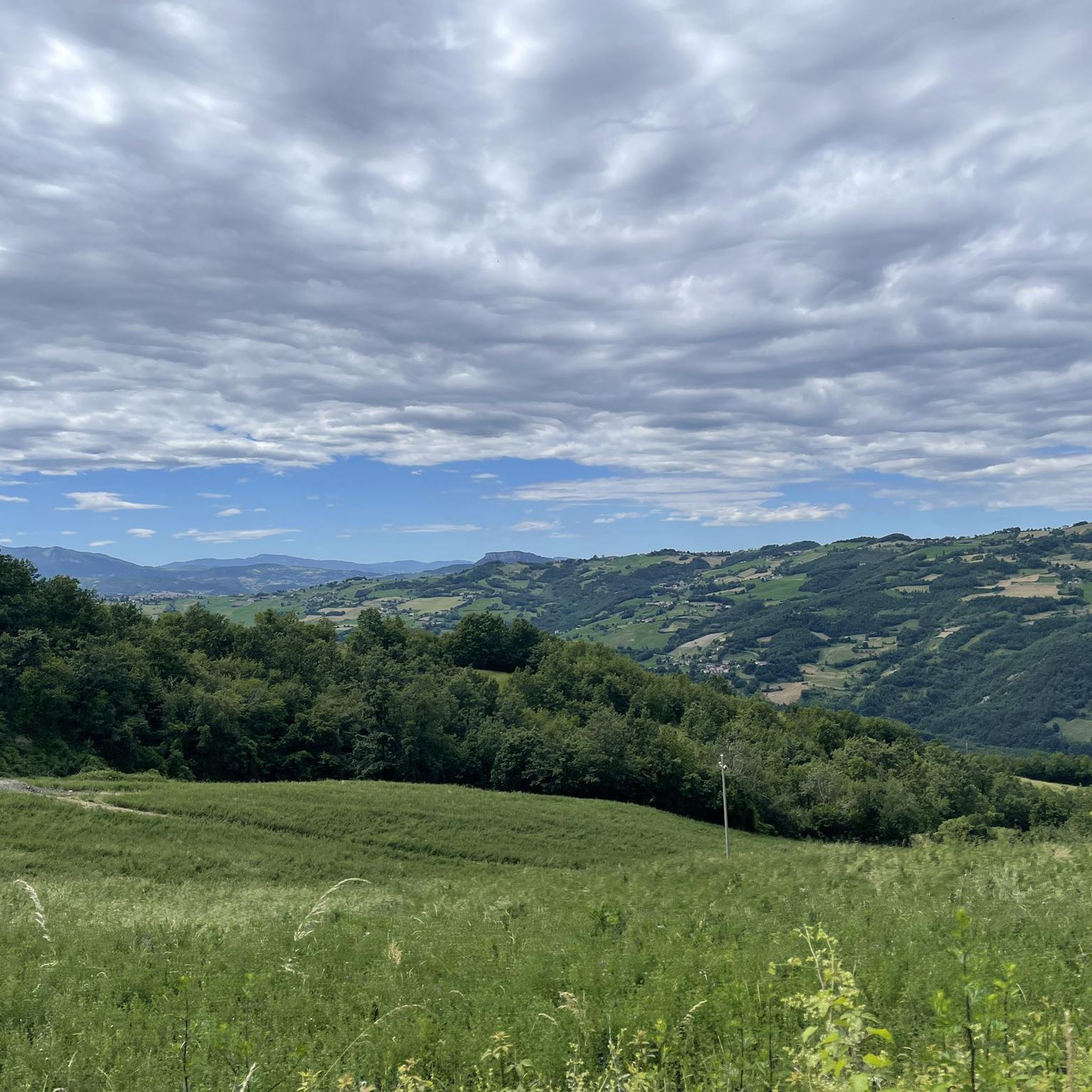
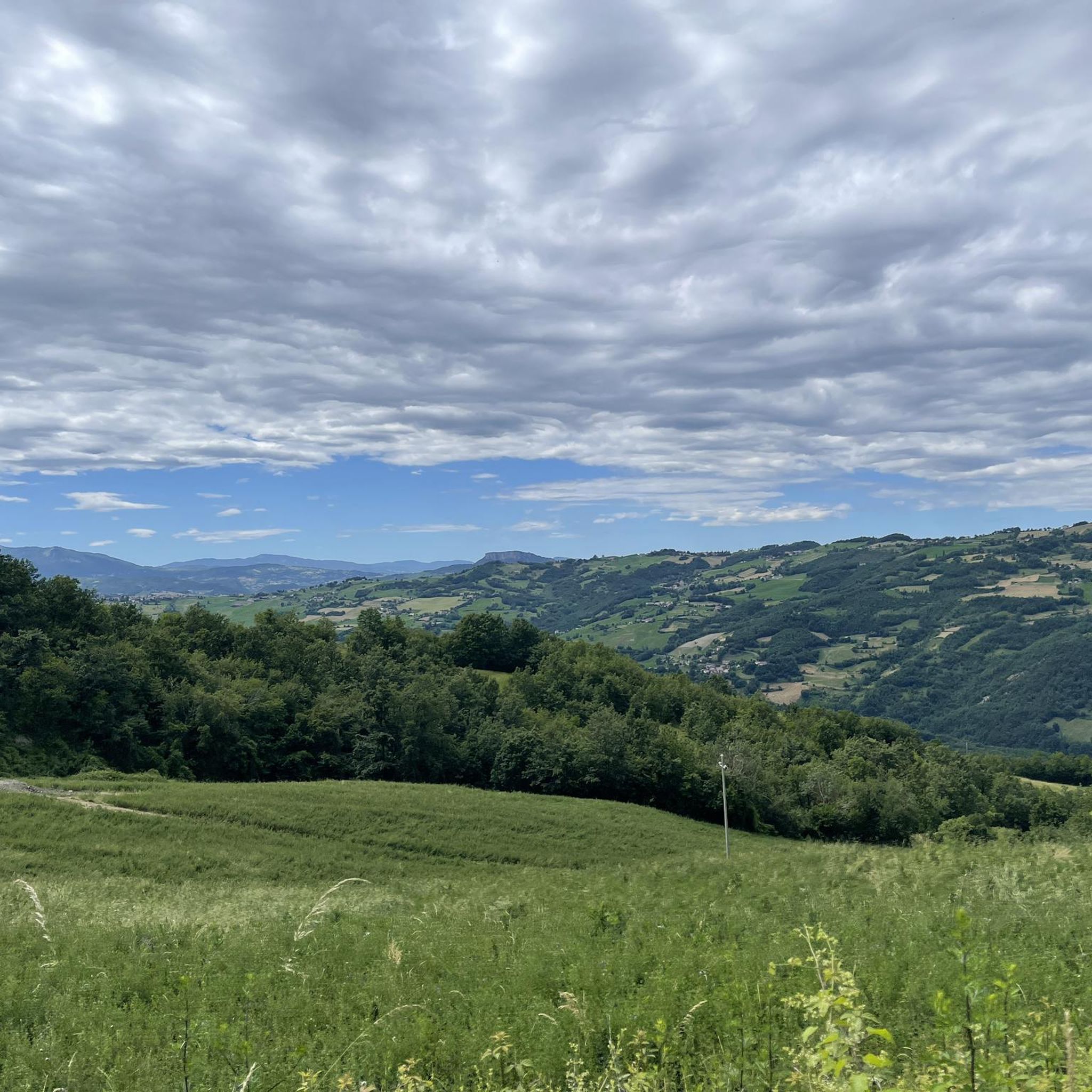
Effort rewarded by a fantastic landscape.
0
0

If you are in the area by mountain bike, it is a must. If you want you can go down to Carpineti following the Mantua-Lucca path. If you want to carry the bike on your shoulder, you can also go to San Vitale.
1
0

at the Bench there are also signs for the ring of Prignano even if the path is not very visible. However, if you follow the signs, after a few meters you will arrive directly on the path.
0
0
Frequently Asked Questions
What historical and cultural sites can I visit in Montefiorino?
Montefiorino offers a rich history. The iconic Rocca di Montefiorino, a fortress that played a significant role in World War II, houses the Museum of the Partisan Republic of Montefiorino and the Museum of Objects of the Past. Other notable sites include the ancient Oratory of Saint Mary Magdalene, the Romanesque Church of Rubbiano, and the Church of Sant'Andrea Apostolo in Vitriola.
Are there any castles to explore near Montefiorino?
Yes, the area features several historical castles. Carpineti Castle is a foundational element of Matilde di Canossa's fortified system, offering views of the Secchia valley and Mount Cusna. You can also visit Castello di Pompeano, perched on an ophiolitic rock, and the aforementioned Rocca di Montefiorino.
What natural features and viewpoints can I find around Montefiorino?
Montefiorino is set against the backdrop of Mount Cimone and Mount Cusna, offering beautiful natural scenery. The Rocca di Montefiorino provides 360-degree views of the Dolo and Dragone Valleys. For unique panoramic spots, visit Big Bench No. 58 Monte Fosola, which looks towards the Apennine ridge, and the Big Bench in Prignano sulla Secchia for another notable vista.
What outdoor activities can I do near Montefiorino?
The region is ideal for outdoor enthusiasts. You can enjoy trekking, hiking, mountain biking, and horse riding on numerous historical and naturalistic trails. For specific routes, explore options like the Monte Modino Summit Trail or the Medieval Vitriola Valley Trail. Find more details on these activities in the Hiking around Montefiorino guide, the Road Cycling Routes around Montefiorino guide, or the Running Trails around Montefiorino guide.
Are there family-friendly attractions or activities in the Montefiorino area?
Yes, several attractions are suitable for families. The Big Bench in Prignano sulla Secchia and Big Bench No. 58 Monte Fosola offer fun photo opportunities and scenic views that children often enjoy. The area's numerous easy hiking trails also provide opportunities for family walks in nature.
What is the best time of year to visit Montefiorino for outdoor activities?
The best time to visit Montefiorino for outdoor activities like hiking and cycling is generally from spring to early autumn (April to October) when the weather is mild and pleasant. For winter sports, the nearby Cimone Ski Area is active during the colder months.
Where can I find local cuisine or dining options in Montefiorino?
Montefiorino and its surrounding villages offer various dining options where you can experience local cuisine. Many restaurants feature traditional dishes of the Modenese Apennines. The area also hosts the annual Modena Truffle Market Exhibition, celebrating local culinary delights.
Are there any unique natural phenomena or geological sites to see?
Yes, the region is known for its ophiolites, which are ancient volcanic rocks of particular geological interest. These formations contribute to the unique landscape of the Upper Secchia Valley and can be explored along various trails.
What is the significance of the Rocca di Montefiorino?
The Rocca di Montefiorino is the town's symbolic monument, originally built around 1170. It served as a stronghold for various historical powers and gained significant historical importance during World War II as the headquarters of the 'Free Partisan Republic of Montefiorino' in 1944. Today, it houses a museum commemorating this period.
Can I find information about the ancient Via Bibulca near Montefiorino?
Yes, the ancient Via Bibulca, an old Roman road that connected Modena with Tuscany, passes through the municipalities of Montefiorino and Frassinoro. Some stretches of this historical route are still accessible, offering a glimpse into the region's past and opportunities for historical walks.
Is there a power station or industrial heritage site to visit?
You can visit the Farneta Power Station, built in 1928 and still functional, which utilizes water from the Dolo and Dragone rivers. It also features a museum showcasing its original workings, offering an insight into the region's industrial heritage and energy production.
Most popular attractions around Montefiorino

Get inspired with the komoot mobile app


Explore more
Still not found the Highlight you’re looking for? See guides of the top attractions in other regions:
