Attractions and Places To See around Solarolo - Top 20
Best attractions and places to see around Solarolo. Solarolo is a town in the hinterland of Ravenna, Italy, offering a blend of historical charm and local experiences. Despite significant destruction during World War II, remnants of its ancient past and vibrant local life persist. The area features historical sites, cultural centers, and natural landscapes, providing a variety of points of interest for visitors.
Best attractions and places to see around Solarolo
- The most popular attractions is Enzo and Dino Ferrari International Circuit (Imola), an other man-made monument that is an automobile circuit located in Imola. It has hosted numerous international racing events for single-seater, touring, and GT cars since its inauguration in 1953.
- Another must-see spot is Colonia di Castel Raniero, a historical site. This Art Nouveau building, dating back to 1928, stands in an area of significant landscape value.
- Visitors also love Scodellino Mill of Castel Bolognese, a historical mill built in the late fourteenth and early fifteenth centuries. This rustic construction is the last existing example of the mills built along the canal in the 1400s.
- Solarolo is known for its historical sites, cultural centers, and natural parks. Visitors can explore a variety of attractions, from ancient fortresses and mills to cultural institutions and green spaces.
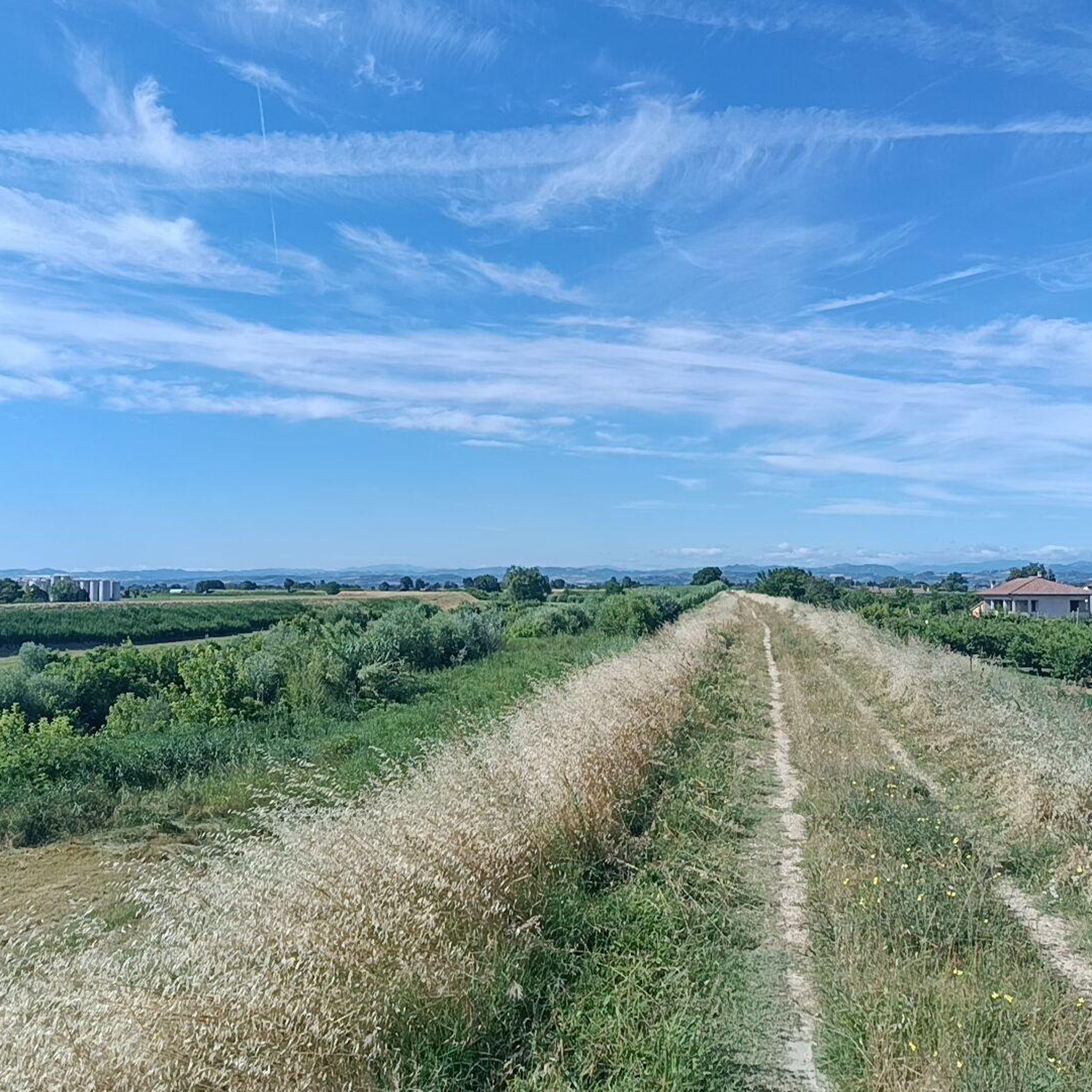
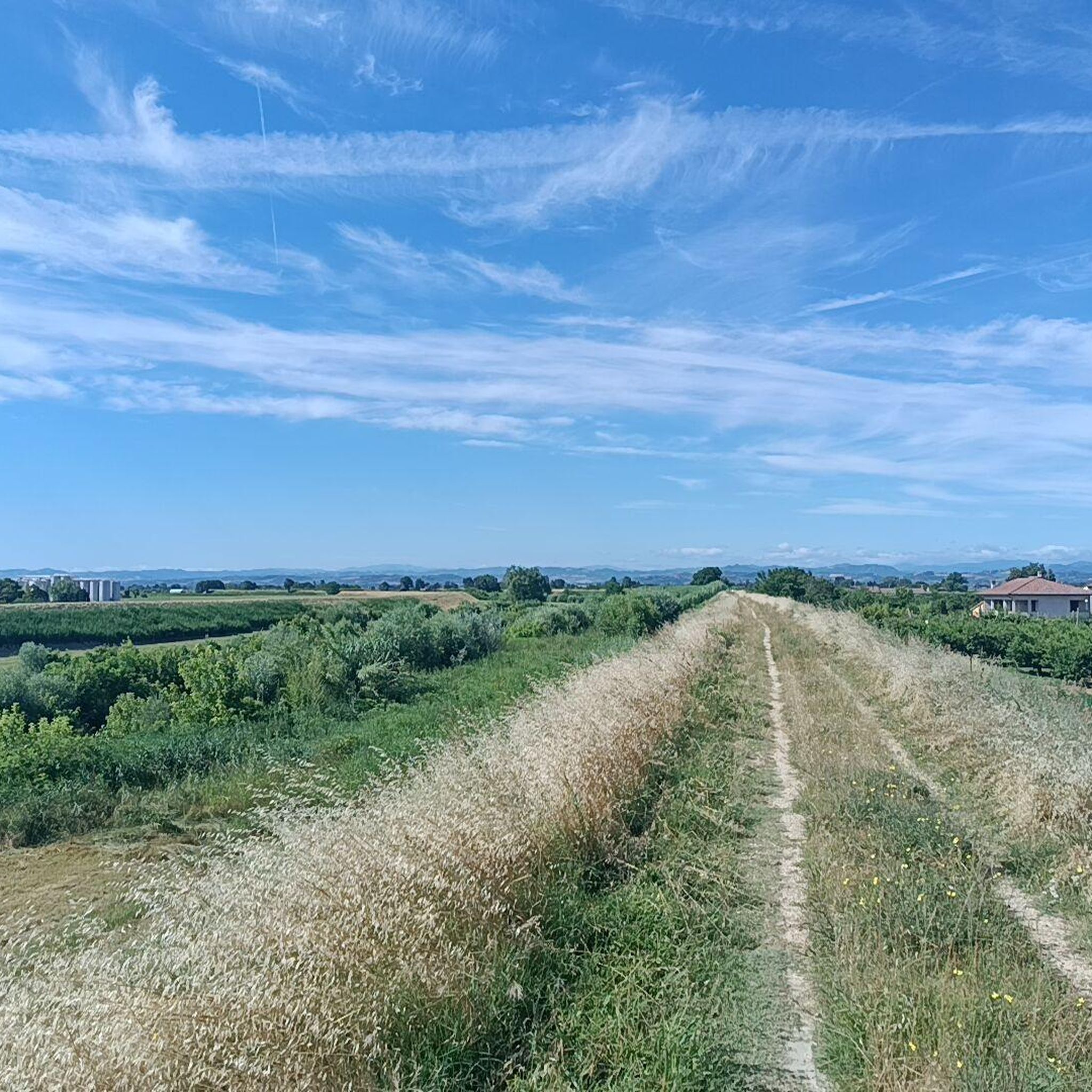
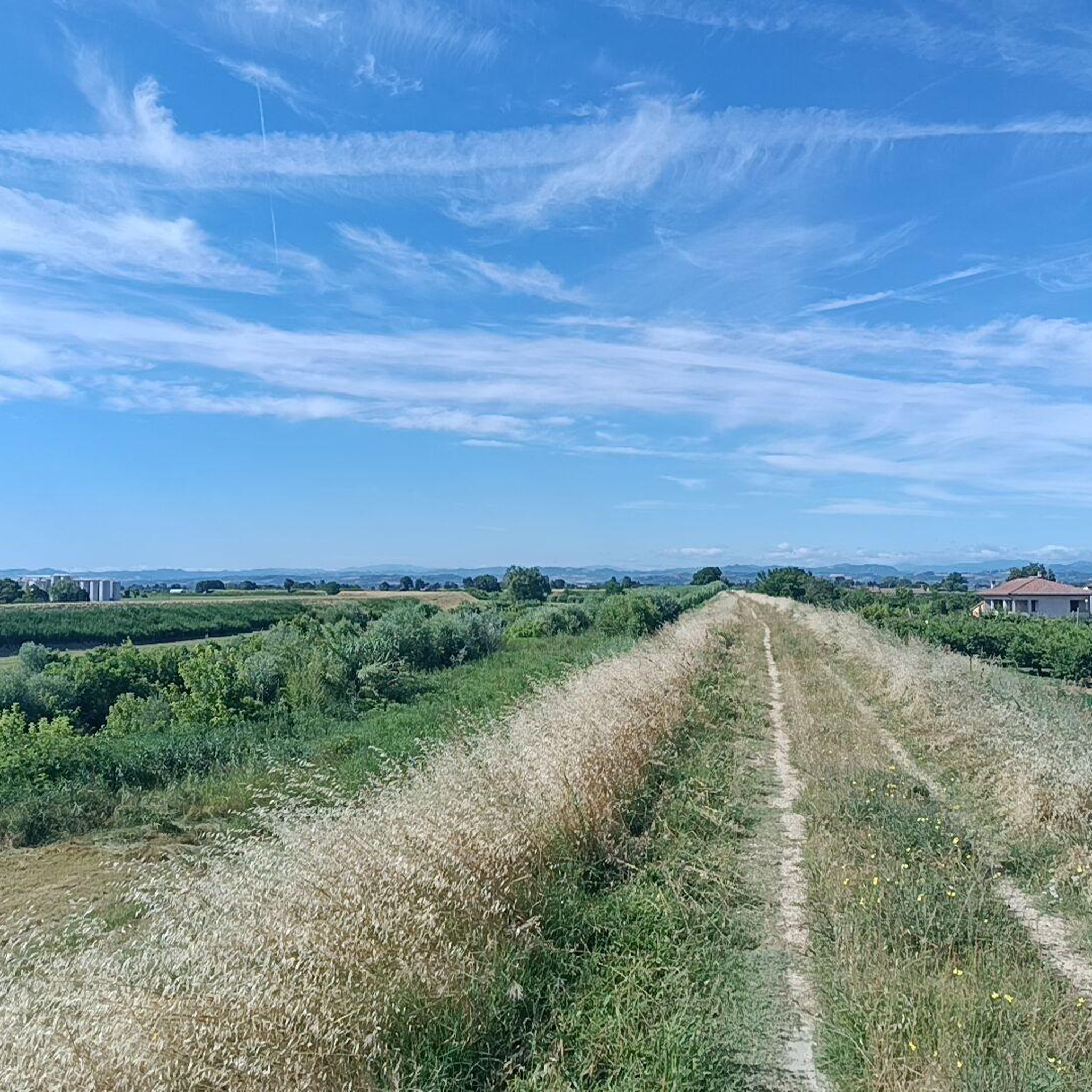
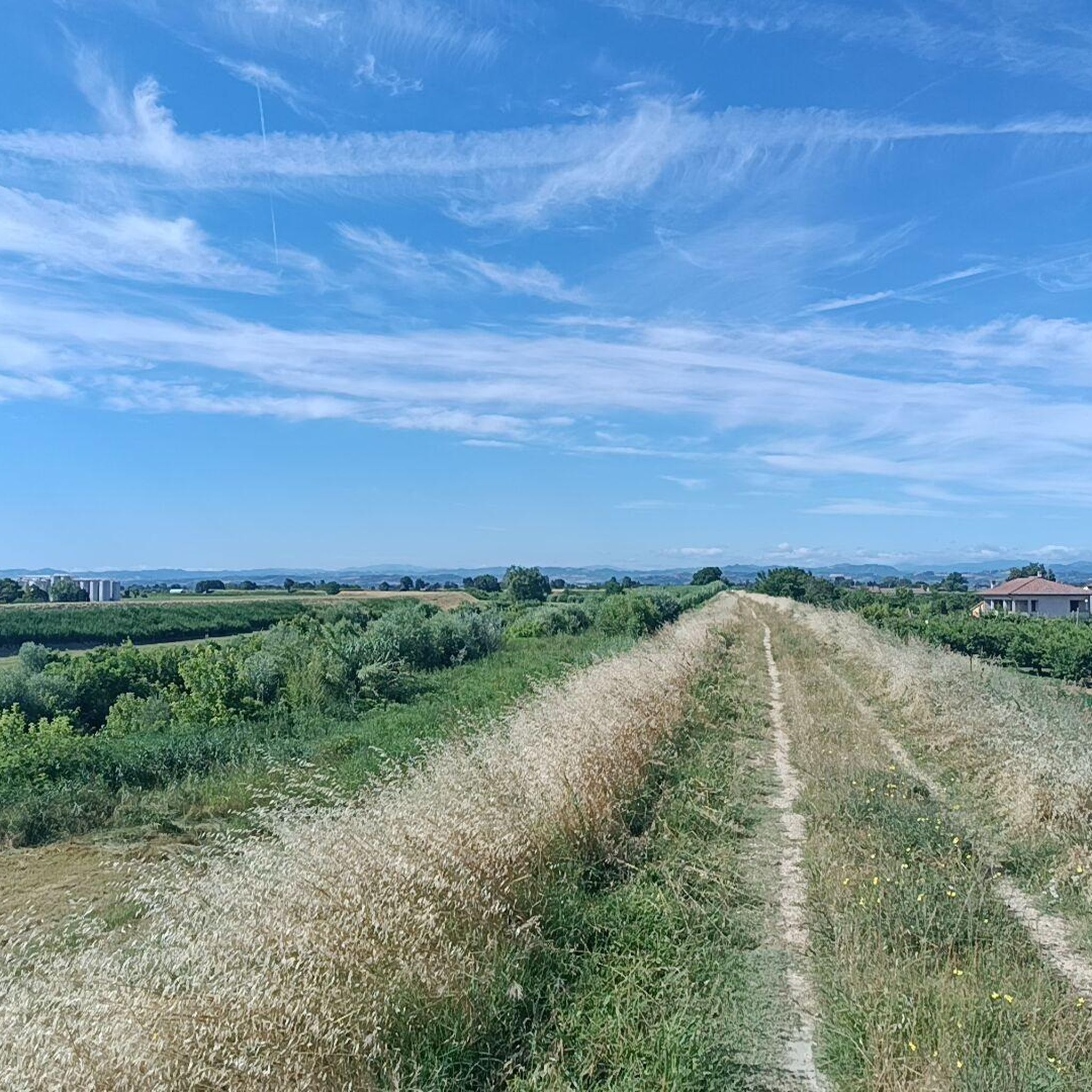
- The attractions around Solarolo are appreciated by the komoot community, with 84 upvotes and 9 photos shared by visitors.
Last updated: July 7, 2026
Colonia di Castel Raniero
Highlight • Historical Site
Translated by Google •
Tip by

Scodellino Mill of Castel Bolognese
Highlight • Monument
It probably owes its name to the flour "scudella" that the miller kept for milling. It rises about two kilometers from the center of Castel Bolognese on the canal of the mills near the "Contessa" fund; it is a rustic construction, made of exposed brick and of solid structure, which well reveals its original structure. It is the last still existing example of the series of mills built in the 1400s along the canal that took its name from them.
Translated by Google •
Tip by
Sign up now to discover places like this
Get recommendations on the best single tracks, peaks, & plenty of other exciting outdoor places.
Sign up for free
Enzo and Dino Ferrari International Circuit (Imola)
Highlight • Structure
Inaugurated in 1953, in its early days it was officially called the CONI Prototype Circuit, albeit mainly known as the SANTERNO circuit, a title that it still maintains colloquially. In 1970 it took the name of Dino Ferrari racetrack in memory of the late son of Enzo Ferrari; at the subsequent death of the Drake in 1988, his name was added to that of his son, bringing the Imola circuit to its current name.
Translated by Google •
Tip by

Rocca Sforzesca di Bagnara
Highlight • Castle
The entire defensive system that includes the Sforza fortress, the boundary wall and the moat is perfectly visible even today. The keep is considered by many scholars to be one of the best 15th century fortification works of art in Italy.
For more information: emiliaromagnaturismo.it/it/localita/bagnara-di-romagna
Translated by Google •
Tip by

Parco delle Acque Minerali
Highlight • Forest
It is located a short distance from the city center and is nowadays entirely surrounded by the “Enzo e Dino Ferrari” racetrack. It originated from the discovery of Dr. Gioacchino Cerchiari, which occurred in 1830, of the healing sulphurous water springs which made the place immediately popular.
The first arrangement of the area into a real park dates back to 1871, with the creation of avenues and flowerbeds according to the so-called "English" model. Currently the park extends over 11 hectares and has a rich heritage of tree species, both native and exotic. Recent interventions have aimed to enhance this heritage by providing the park with two play areas and an educational path of a geological nature, and by redeveloping some historical areas: the area of the ancient springs (indicated by the restoration of the original cisterns), the monumental staircase that leads from Viale Atleti Azzurri d'Italia leads to the Belvedere, and the entrances to the park.
In particular we highlight the one to the north, called 'Piazzetta della Fontana' from the ceramic work of the artist Mannes Laffi, and the one to the south, or Piazzetta delle Querce', characterized by paving in stone slabs and cubes which reflect the park logo : an oak leaf.
(Source: visitareimola.it/vivere/tempo-libero/natura/parco-acque-minerali )
Translated by Google •
Tip by

Sign up for free to discover even more attractions around Solarolo.
Sign up for free
Already have an account?
Start today with a free account
Your next adventure awaits.
Login or Signup

Tips from the Community

Refurbished mill located along a short stretch of dirt road
0
0

brisk walk
0
0

Very nice building! It's worth a visit just to linger and hear the water flow... very relaxing
0
0

The Mineral Water Park is the historic green lung of Imola. Mainly known for its recreational and sporting function, it also has an undoubted botanical and historical value. It is located a short distance from the city center and is nowadays entirely surrounded by the “Enzo e Dino Ferrari” racetrack. It originated from the discovery of Dr. Gioacchino Cerchiari, which occurred in 1830, of the healing sulphurous water springs which made the place immediately popular. The first arrangement of the area into a real park dates back to 1871, with the creation of avenues and flowerbeds according to the so-called "English" model. Currently the park extends over 11 hectares and has a rich heritage of tree species, both native and exotic. Recent interventions have aimed to enhance this heritage by providing the park with two play areas and an educational path of a geological nature, and by redeveloping some historical areas: the area of the ancient springs (indicated by the restoration of the original cisterns), the monumental staircase that leads from Viale Atleti Azzurri d'Italia leads to the Belvedere, and the entrances to the park. In particular we highlight the one to the north, called 'Piazzetta della Fontana' from the ceramic work of the artist Mannes Laffi, and the one to the south, or Piazzetta delle Querce', characterized by paving in stone slabs and cubes which reflect the park logo : an oak leaf. (Source: https://visitareimola.it/vivere/tempo-libero/natura/parco-acque-minerali/ )
0
0

first hills of Faenza, it is very comfortable
0
0
The toponym is thought to derive from the quality of the land in the area, once marshy and known as Silva Bagnaria, which was reclaimed by the Etruscans and subsequently colonized by the Romans. ... The first nucleus of the city of Bagnara (old Bagnara) was built in what is now the locality of Prato di S. Andrea, one km southeast of the current city centre, around the ancient Roman castrum, of which currently all that remains is a rise and the remains of what used to be the boundary ditch. Bagnara Vecchia was in fact razed to the ground in 1222 during a battle between the Bolognese and Faentini, and the escaped inhabitants took refuge near the Santerno river, where today the center of the new Bagnara is located. (Source: http://www.itinerariinromagna.it/comune/32/bagnara_di_romagna )
0
0
The only example of a fully preserved medieval castrum in Romagna, the history of the Rocca di Bagnara starts from the 14th century even if its origins are somewhat uncertain. It was probably built by Uguccione della Faggiola in 1297. ... During the 1400s the fortress passed under different hands, from the Holy See to the Estensi. In 1482 it passed to Girolamo Riario and his wife Caterina Sforza (second half of the 1400s) as a wedding gift from Pope Sixtus IV. It is in fact the latter that takes care of the numerous defensive changes of the fortress. ... In the 16th century the fortress passed to Cesare Borgia who marked the way towards its decline. In this period there is also a conversion from military use to civilian use. After the Napoleonic occupation of the 19th century, the fortress definitively became the property of the Municipality of Bagnara in 1868. The fortress was restored in 2008 and has since housed the Castle Museum. It is also the scene of historical re-enactments. (Source: https://ilromagnolo.info/rubriche/luoghi/rocca-sforzesca-bagnara-di-romagna/ )
2
0

Place of historical, cultural and architectural interest Piazza 4 Novembre, 3, 48031 Bagnara di Romagna RA http://www.comune.bagnaradiromagna.ra.it/Citta-e-territorio/Cultura/Rocca-Sforzesca 0545905540
1
0
Frequently Asked Questions
What historical landmarks can I explore around Solarolo?
Solarolo and its surroundings offer a rich history. You can visit the Colonia di Castel Raniero, an Art Nouveau building with significant landscape value offering beautiful views. Another notable site is the Scodellino Mill of Castel Bolognese, a rustic construction from the late fourteenth century. Don't miss the Rocca Sforzesca di Bagnara, a rare example of a fully preserved medieval castrum with a 15th-century keep.
Are there any natural parks or green spaces to visit near Solarolo?
Yes, the Parco delle Acque Minerali (Mineral Water Park) is a historic green space located a short distance from Imola. It originated from the discovery of healing sulphurous water springs in 1830 and features walking paths, a rich heritage of tree species, and play areas.
What kind of outdoor activities can I do around Solarolo?
The area around Solarolo is great for various outdoor activities. You can explore numerous cycling routes, including road cycling, mountain biking, and gravel biking. For example, there are moderate road cycling routes like the 'Rocca di Riolo Terme – Lavender Road loop' and MTB trails such as the 'Castle panorama loop'. You can find more details on these routes in the Road Cycling Routes around Solarolo, MTB Trails around Solarolo, and Gravel biking around Solarolo guides.
Are there family-friendly attractions in Solarolo?
Many attractions around Solarolo are suitable for families. The Enzo and Dino Ferrari International Circuit (Imola) can be exciting for racing enthusiasts of all ages. Historical sites like the Colonia di Castel Raniero, Scodellino Mill of Castel Bolognese, and Rocca Sforzesca di Bagnara offer educational experiences. Additionally, the Parco delle Acque Minerali provides green spaces and play areas for children.
What cultural experiences can I find in Solarolo?
Solarolo boasts a vibrant cultural scene. You can visit the Centro Culturale 'Le Cappuccine,' which houses the Giuseppe Taroni Municipal Library, archaeology and ethnography sections, and a Gallery of Modern Art. The Pinacoteca Comunale features a collection of over two hundred works by Giuseppe Zauli. Don't forget to explore the Solarolo Church for its stunning architecture and cultural significance.
What is the best time to visit Solarolo for outdoor activities and local events?
The spring and early summer months (May/June) are ideal for outdoor activities due to pleasant weather. This period also coincides with the Feast of the Ascension, which features traditional Romagna dishes, shows, and entertainment. For unique winter experiences, consider visiting in mid-January for the Polenta Festival, Bisò, and Sabadò.
Are there any unique local products or markets in Solarolo?
Solarolo is known for its typical food products, especially PGI peaches and nectarines. You can also find 'Solarolo's Macramè,' a traditional lace. Visitors can experience the vibrant atmosphere of the Solarolo town market to explore local produce and handmade goods.
Can I find wine tasting tours near Solarolo?
Given the region's renowned wineries, guided wine tasting tours are available. These tours offer opportunities to explore local vineyards, meet winemakers, and sample local wines, providing a delightful experience for enthusiasts.
What is the Enzo and Dino Ferrari International Circuit (Imola) and why is it significant?
The Enzo and Dino Ferrari International Circuit (Imola) is a renowned automobile circuit located near Solarolo. Inaugurated in 1953, it has hosted numerous international racing events for single-seater, touring, and GT cars, including Formula 1 Grand Prix races, making it a significant point of interest for motor racing enthusiasts.
What do visitors enjoy most about the attractions around Solarolo?
Visitors appreciate the blend of historical and natural beauty. Highlights like the Colonia di Castel Raniero are loved for their unparalleled environmental and architectural value and beautiful views. The Scodellino Mill of Castel Bolognese is noted for its rustic charm and the relaxing sound of flowing water. The entire area is valued for its rich history and opportunities for outdoor exploration.
Are there any archaeological sites in Solarolo?
Yes, the Archaeological Site of Via Orviere provides evidence of Solarolo's ancient history. This site reveals the remains of a Bronze Age village, offering a glimpse into the region's prehistoric past.
What are the Manfrediana Town Walls?
The Manfrediana Town Walls are ancient fortifications in Solarolo. A good portion of these walls, along with some private homes and parts of the Flour Mill (active since 1397), survived the destruction of the town center during World War II, offering a tangible link to the town's medieval past.
Most popular routes around Solarolo
Most popular attractions around Solarolo

Get inspired with the komoot mobile app


Explore more
Still not found the Highlight you’re looking for? See guides of the top attractions in other regions:
