Attractions and Places To See around Russi - Top 20
Best attractions and places to see around Russi, a town in Italy's Emilia-Romagna region, offer a blend of historical sites and natural landscapes. Located southwest of Ravenna, Russi features significant Roman archaeological complexes and medieval structures. The area is also situated near the Lamone River and the natural reserves of the Po Delta Park.
Best attractions and places to see around Russi
- The most popular attractions is Basilica of San Vitale, a religious building known for its impressive interior…
Last updated: May 11, 2026
Piazza del Popolo
Highlight • Settlement
Translated by Google •
Tip by

Basilica of San Vitale
Highlight • Religious Site
Translated by Google •
Tip by
Sign up now to discover places like this
Get recommendations on the best single tracks, peaks, & plenty of other exciting outdoor places.
Sign up for free
Column of the Virgin Mary, Cathedral Square (Piazza Duomo), Ravenna
Highlight • Monument
Translated by Google •
Tip by
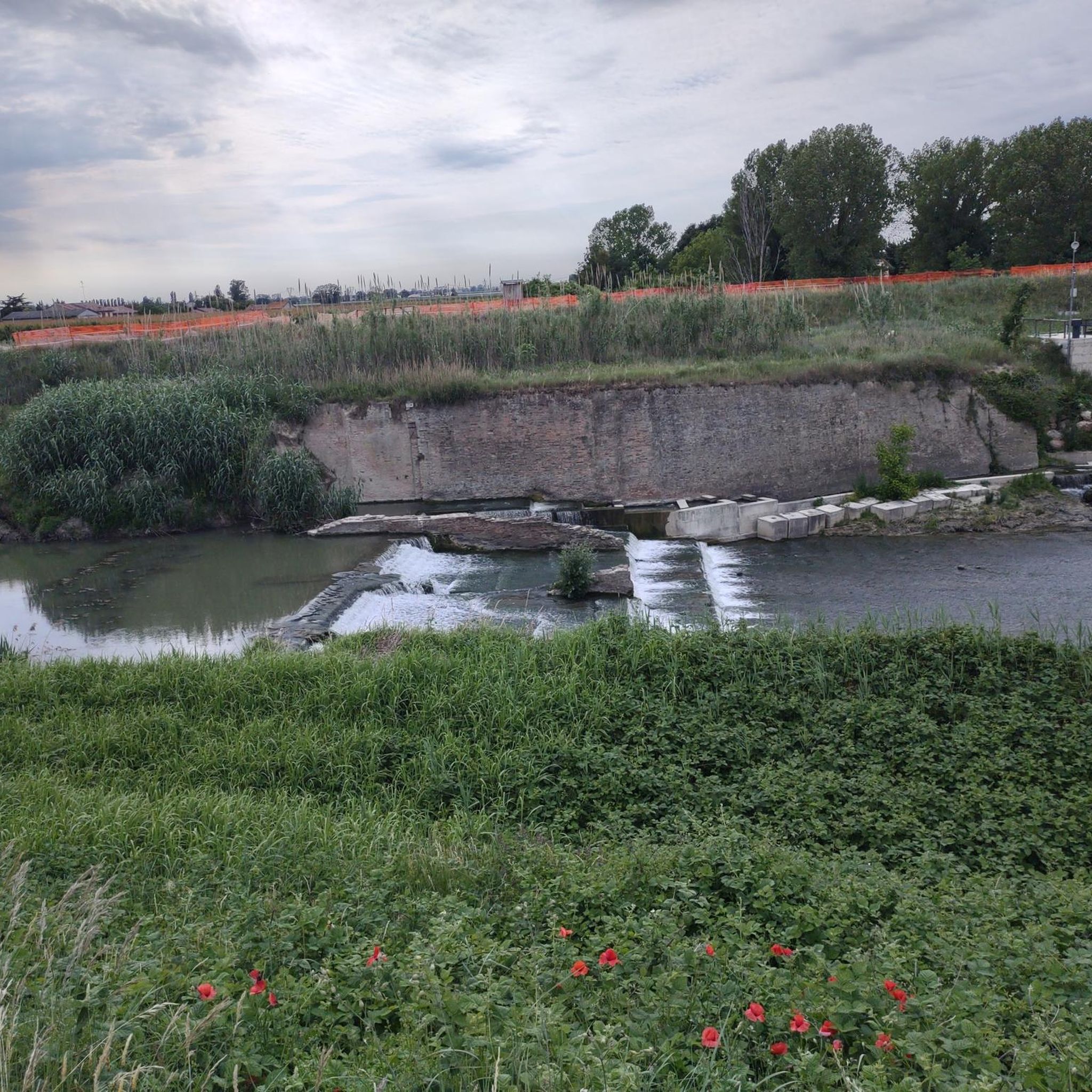
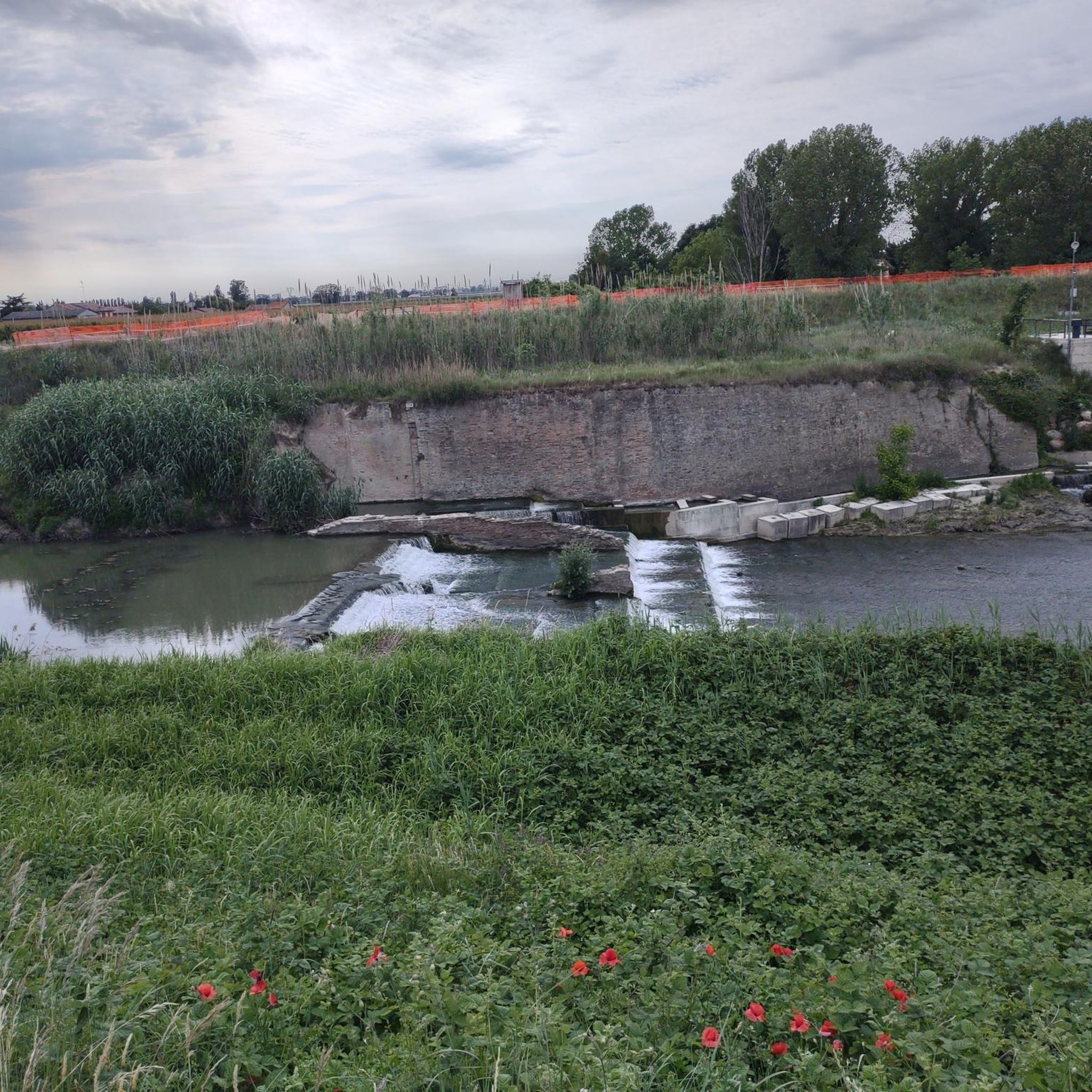
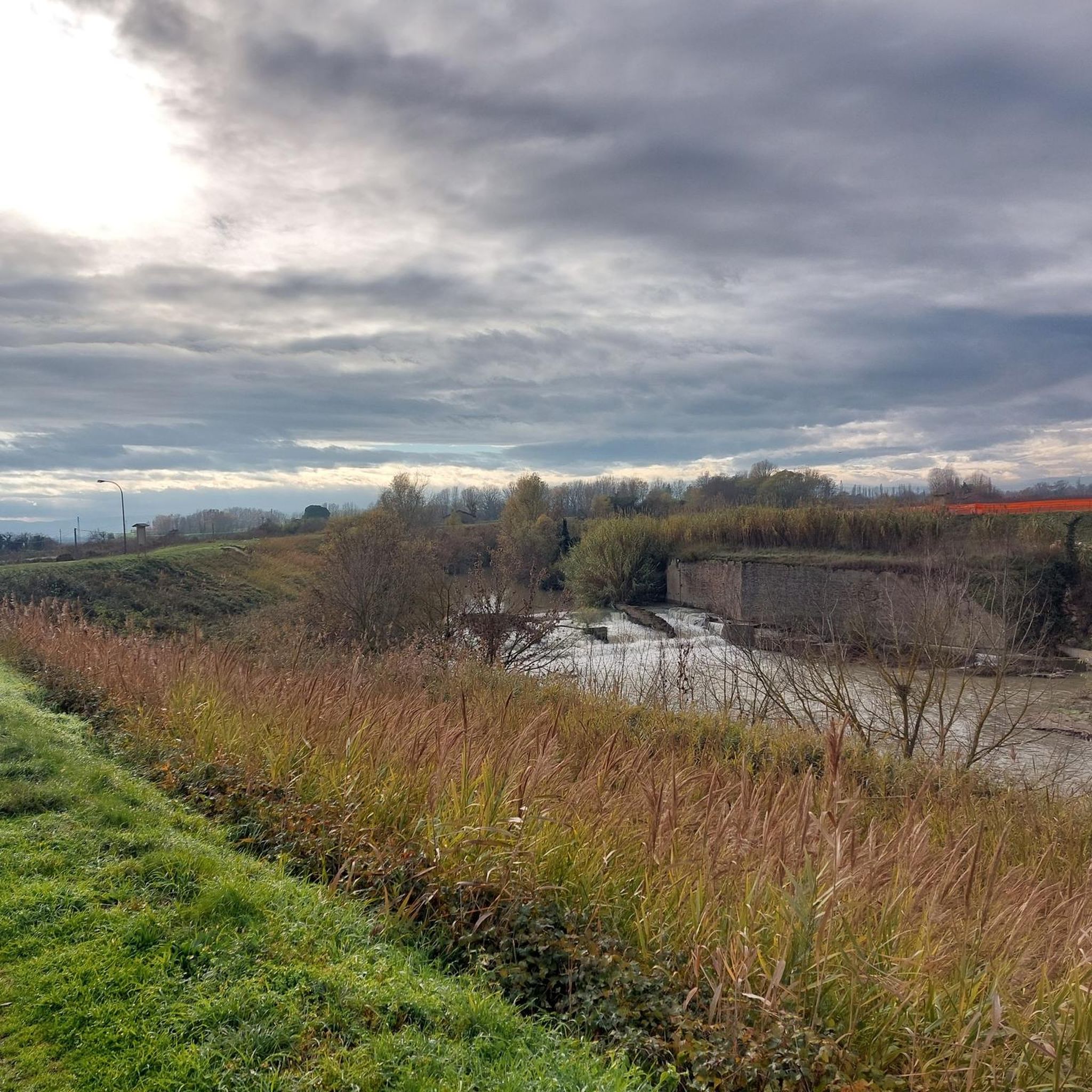
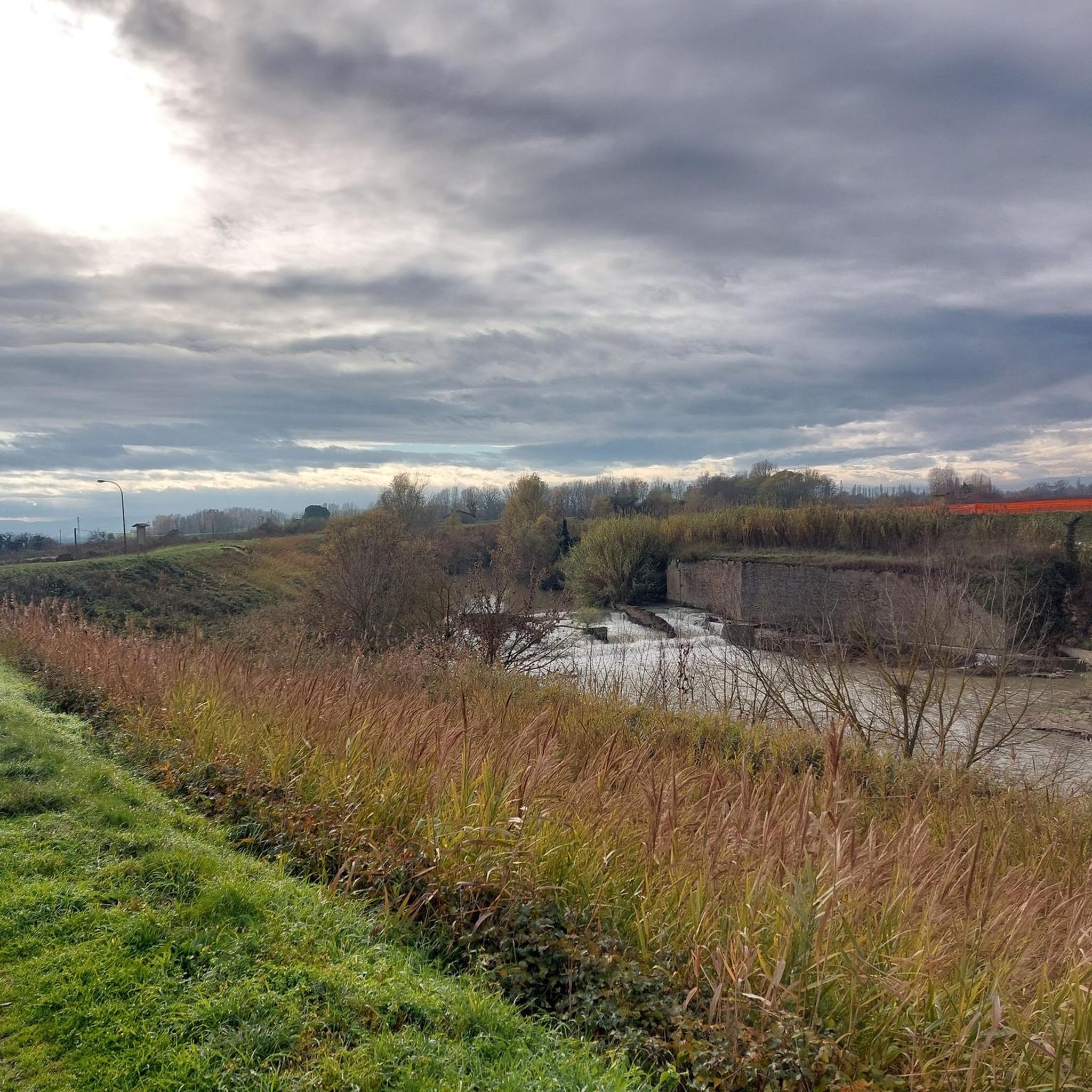
San Marco Lock
Highlight • Monument
Translated by Google •
Tip by

Dante Alighieri's Tomb
Highlight • Historical Site
Translated by Google •
Tip by

Sign up for free to discover even more attractions around Russi.
Sign up for free
Already have an account?
Start today with a free account
Your next adventure awaits.
Login or Signup

Tips from the Community

It is the square overlooked by the Cathedral of Ravenna, the city's religious center since the early Christian era. The area took on its current configuration between the 18th and 19th centuries, when the spaces around the episcopal buildings were reorganized. In the center of the square stands the Column of the Virgin Mary, a devotional element erected as a sign of protection for the city. At the top is a statue of the Madonna, a religious and historical reference symbol for the community of Ravenna.
1
0
The Basilica of San Vitale was built in the 6th century AD during the reign of Emperor Justinian, it is one of the greatest examples of Byzantine architecture and art in Western Europe. The interior is famous for its golden and luminous mosaics, among the most important in the Byzantine world, depicting Emperor Justinian and Empress Theodora with their retinue. The structure has an octagonal plan, a symbol of perfection and the link between earth and sky. It is part of the eight early Christian monuments of Ravenna inscribed on the UNESCO World Heritage list. It was begun under Ostrogothic rule and completed after the Byzantine reconquest of the city, thus reflecting the transition between two very different political and cultural worlds. The interior is built with a typical Byzantine technique that creates an effect of "expanded space", where walls and surfaces almost completely dissolve into the mosaics. The apse is one of the most important points: here Justinian is represented not as a simple emperor, but as a representative of sacred power, together with Bishop Maximian. The basilica is also connected to the nearby Mausoleum of Galla Placidia, sharing the same historical period and the same artistic language, although with different functions.
0
0
Dante's Tomb is located in the historic center of Ravenna, next to the Basilica of San Francesco. It is the monument that houses the remains of Dante Alighieri, transferred to Ravenna in 1321 after his death. The current tomb is a small neoclassical temple built in the 18th century by the architect Camillo Morigia. Outside, there is a simple commemorative area with a votive lamp powered by oil donated each year by the city of Florence. The place is one of the main sites linked to the memory of the poet of the Divine Comedy.
0
0

The two Venetian columns in Piazza del Popolo with their Renaissance bases by Pietro Lombardo are striking examples of Italian Renaissance sculpture and bas-relief, unfortunately in a poor state of conservation.
0
0
Expelled from Florence, Dante Alighieri thought of finding his final refuge in Ravenna, but his mortal remains changed location several times to avoid theft until December 1945. In addition to the danger of German bombings and the recurring rumors of Hitler's creation in Berlin of a mausoleum to collect the remains of illustrious figures, some workers dug a hole lined with reinforced concrete at the bottom of which the box containing the poet's bones was placed. However, the custodian Antonio Fusconi cunningly placed another identical one on top of it, containing sawdust or apparently common bones taken from an abandoned tomb, thus the bones of the supreme Poet remained safe for 2 years.
0
0

I visited the grave of the author of The Divine Comedy. I recommend every tourist pay their respects to this wonderful writer.
4
0
It's worth purchasing a combined ticket for five religious attractions in Ravenna. The price includes visits to the Basilica of San Vitale, the Mausoleum of Galla Placidia, the Basilica of S. Apollinare N., the Arcivescovile Museum and Cappella, and the Battistero Neoniano. The ticket price for November 2025 is €12.50. I recommend a ticket valid for five days from purchase.
1
0

The church of San Vitale in Ravenna, probably begun in 537 and dedicated to Saint Vitalis in 547, is one of the most important church buildings of the late antique and early Byzantine period. It combines architectural forms from the Eastern Roman Empire with construction techniques typical of Italy at the time. It was built in a time of upheaval, when the Eastern Roman Emperor Justinian I was waging war against the Ostrogothic Kingdom in Italy. The church, built as a central building, is famous above all for its mosaics inside, in particular the portraits of Justinian and his wife Theodora in the lower apse. Along with the other early church buildings in Ravenna, San Vitale has been a UNESCO World Heritage Site since 1996. In 1960, it was given the honorary title of Basilica minor by Pope John XXIII.
0
0
Frequently Asked Questions
What historical sites can I visit in and around Russi?
Russi offers a rich history. You can explore the Basilica of San Vitale in Ravenna, famous for its Byzantine mosaics, or the historic Piazza del Popolo. Within Russi itself, discover the archaeological complex of the Villa Romana, the 17th-century Palazzo San Giacomo, and the remnants of a Medieval Castle which now houses the Civic Museum. Don't miss the Tomb of Dante Alighieri in Ravenna.
Are there any family-friendly attractions near Russi?
Yes, several attractions around Russi are suitable for families. The Piazza del Popolo and Column of the Virgin Mary, Cathedral Square in Ravenna are great for a stroll. The Basilica of San Vitale with its stunning mosaics can also captivate children. Additionally, the natural park around the Villa Romana and the Po Delta Park offer outdoor exploration opportunities.
What natural attractions or outdoor activities are available near Russi?
Russi is close to several natural features. The archaeological area of the Roman Villa is surrounded by an Ecological Rebalancing Area, now a natural park. You can also enjoy walks along the Lamone River Embankment. For broader outdoor adventures, Russi is near the Po Delta Park, offering natural reserves with waterways, pine forests, and diverse wildlife, perfect for excursions on foot, horseback, canoe, or bike. The coast of Ravenna also features a unique 'dune belt'.
What kind of outdoor routes can I find around Russi?
There are various outdoor routes for different activities. For cycling, explore routes like the 'Palazzo San Giacomo Rasponi – The Muraglione on the Lamone River loop' which is an easy 24.7 km ride. Hikers can enjoy the 'Lamone Embankment Off-road loop from Russi' (moderate, 9.5 km) or easier options like the 'Hiking loop from eVlink' (5.1 km). Runners have options such as the 'Rocca di Russi – Palazzo San Giacomo loop from Russi' (moderate, 10.4 km). You can find more details on the dedicated guides for cycling, running, and hiking around Russi.
Are there any cultural events or festivals in Russi?
Yes, Russi is home to the 'Fira di Sett Dulur' (Fair of the Seven Pains), the oldest festival in the province of Ravenna, dating back to the 17th century. Held in the third week of September, this festival features a wide range of musical, cultural, and gastronomic events, showcasing typical Romagna dishes.
What are some lesser-known or 'hidden gem' attractions near Russi?
Beyond the main highlights, consider visiting the Parish Church in S. Pancrazio or the Parish Church of S. Stefano in Tegurio in Godo, both ancient 8th-century churches. The Oratory of Santa Rosa da Lima and the Church of Saint Thomas the Apostle in Cortina also offer unique cultural insights. The San Marco Lock, a 19th-century hydraulic work, is another interesting historical engineering site.
What is the best time of year to visit Russi for sightseeing and outdoor activities?
The spring and autumn months are generally ideal for visiting Russi. The weather is pleasant for exploring historical sites and engaging in outdoor activities in the Ecological Rebalancing Area or the Po Delta Park. If you're interested in local culture and gastronomy, visiting in the third week of September allows you to experience the traditional 'Fira di Sett Dulur' festival.
Can I find local cuisine and traditional dishes in Russi?
Absolutely. Russi is known for its traditional Romagna cuisine, especially during the 'Fira di Sett Dulur' festival. You can savor dishes like cappelletti with ragù, Bël e cöt (a type of pork sausage) with mashed potatoes, canèna nova, and ciambella. Historically, local wines like Trebbiano, Canena, and Uva d'Oro were aged in the cellars of Palazzo San Giacomo, offering a taste of the region's viticulture.
Are there any attractions around Russi that are wheelchair accessible?
Yes, some key attractions in the wider Ravenna area are noted as wheelchair accessible. These include the Piazza del Popolo and the Column of the Virgin Mary, Cathedral Square. For specific accessibility details at other sites like the Villa Romana or Palazzo San Giacomo, it is advisable to check directly with the venues.
What kind of historical significance does the Villa Romana in Russi hold?
The Villa Romana is a significant archaeological complex discovered in 1939. It was likely the main building of a large manor that supplied agricultural products to the Roman fleet stationed in Ravenna. The site, covering over 8,000 m², offers a breathtaking insight into Roman times with preserved murals depicting plants and animals, as well as reproductions of mosaics. The associated Antiquarium of the Villa further preserves finds from the site.
Where can I go for a leisurely walk or an easy hike near Russi?
For leisurely walks, the Ecological Rebalancing Area surrounding the Roman Villa is a designated natural park perfect for a stroll. You can also walk along the Lamone River Embankment. If you're looking for an easy hike, the 'Hiking loop from eVlink' is a 5.1 km route, and the 'Hiking loop from Bagnacavallo' is another easy 5.7 km option. These are part of the broader hiking guide for Russi.

Get inspired with the komoot mobile app


Explore more
Still not found the Highlight you’re looking for? See guides of the top attractions in other regions:
