The best walks and hikes around Castel San Pietro Terme
4.4
(268)
1,004
hikers
23
hikes
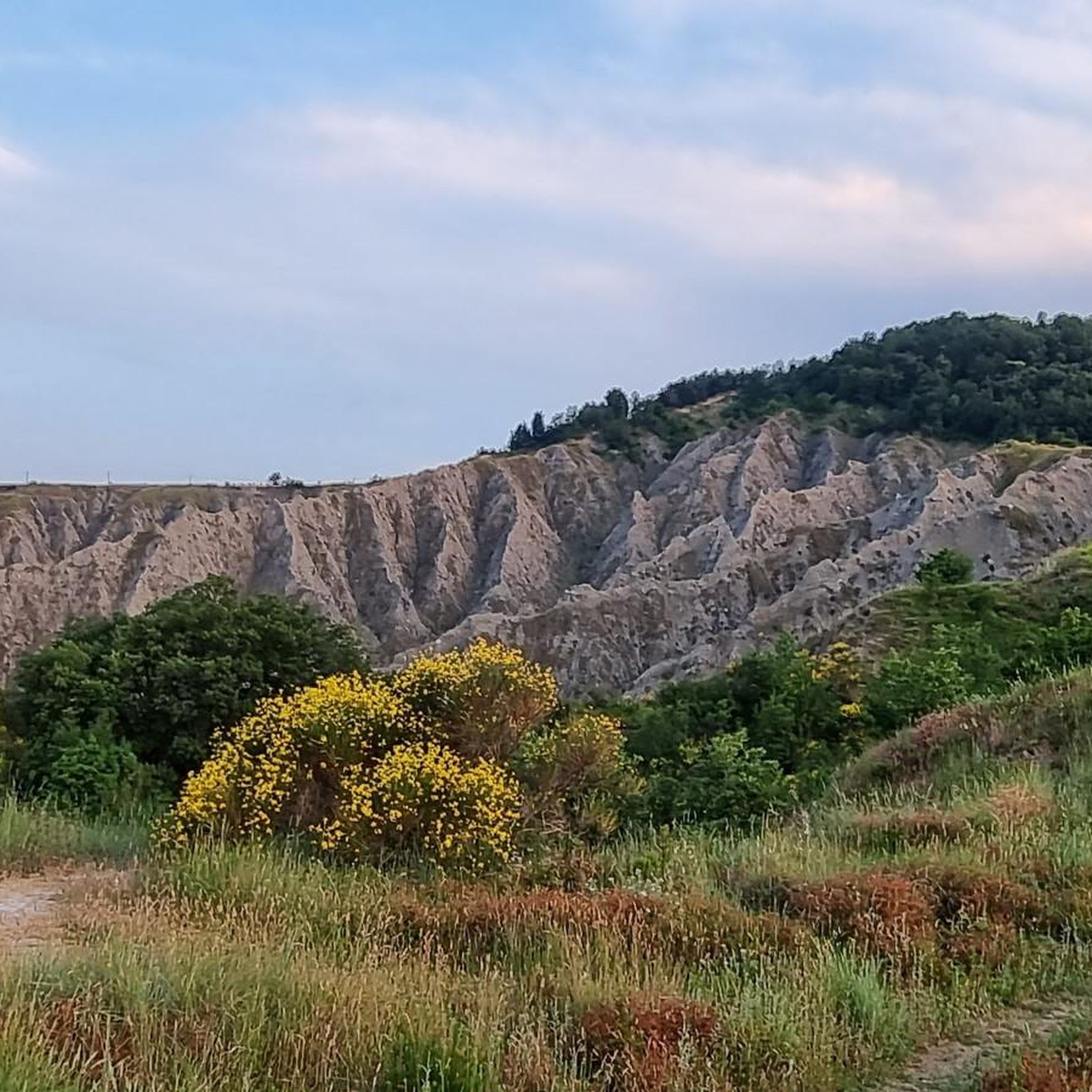
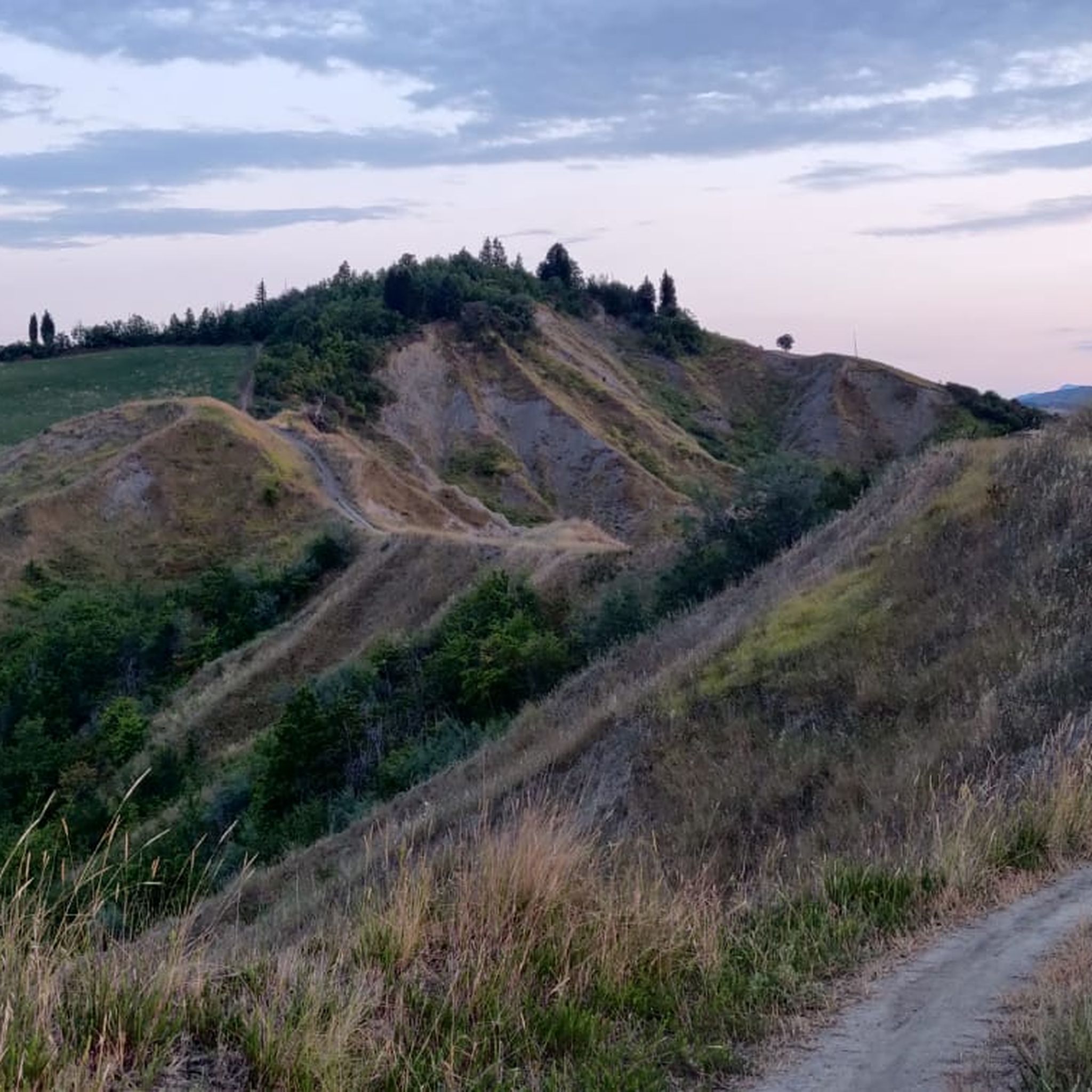
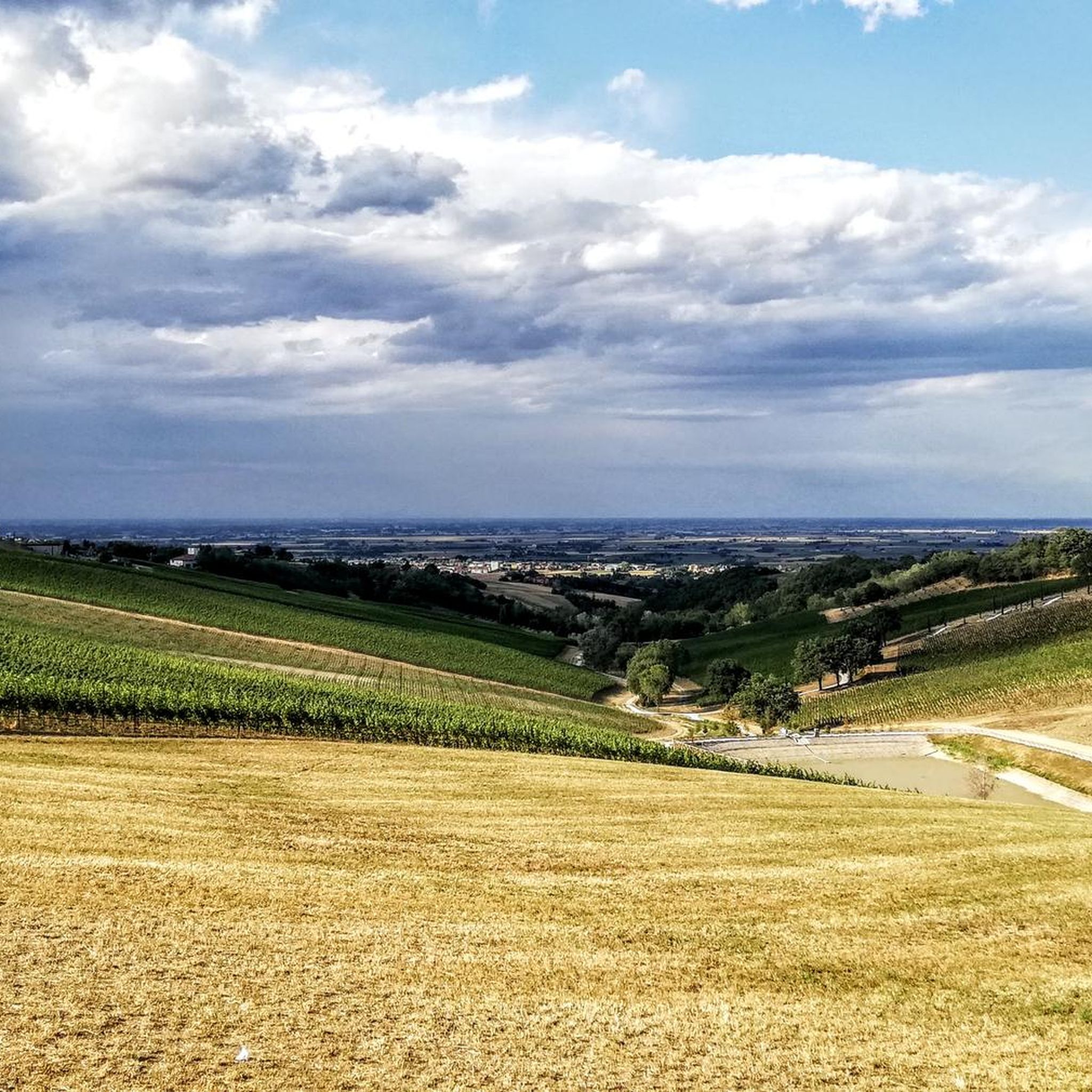
Hiking around Castel San Pietro Terme offers diverse landscapes, characterized by unique *calanchi* (clay gullies) and the Sillaro River valley. The region features gentle hilly terrain, often covered in vineyards and olive groves, providing varied routes. These natural features create a setting suitable for different hiking experiences, from riverside paths to elevated viewpoints.
Best hiking trails around Castel San Pietro Terme
- The most popular hiking route is Saint Anthony's Path: Stage 10, a 12.8 miles (20.6 km) trail that…
Last updated: July 20, 2026
20.6km
06:00
550m
550m
Hike the difficult 12.8-mile Il Cammino di Sant'Antonio from Settefonti to San Martino in Pedriolo, featuring varied terrain and dramatic vi
4.6
(5)
29
hikers
16.4km
04:35
310m
310m
Moderate hike. Good fitness required. Easily-accessible paths. Suitable for all skill levels.

Sign up for free
3.0
(1)
9
hikers
19.5km
06:06
720m
720m
Hard hike. Very good fitness required. Easily-accessible paths. Suitable for all skill levels.
3.0
(1)
5
hikers
Moderate hike. Good fitness required. Easily-accessible paths. Suitable for all skill levels.
5.0
(1)
3
hikers
13.1km
03:50
360m
360m
Moderate hike. Good fitness required. Easily-accessible paths. Suitable for all skill levels.
Get access to more routes and recommendations from other explorers.
Sign up for free
Already have an account?
Our route recommendations are based on thousands of hikes, rides, and runs completed by other people on komoot.
Start today with a free account
Your next adventure awaits.
Login or Signup
Popular around Castel San Pietro Terme

Other adventures around Castel San Pietro Terme

Tips from the Community

Downstream from San Martino in Pedriolo, keep the trail towards Via Riniera or ford towards the left side of the river where possible (easy in summer).
0
0

The work “Marco Emilio Lepido” by the Ozzano artist Eros Mariani is a sculpture that blends Roman history with a contemporary artistic language. Inspired by the Roman consul Marco Emilio Lepido, from whom the region takes its name. From a historical point of view, the consul Marco Emilio Lepido during his first consulate in 187 BC was sent to expand the Roman lands in the Po Valley against the Gallic Boii. He then built the Via Emilia starting from the Via Flaminia, which already reached Rimini (the sculpture indicates the West direction) and which then connected to the Via Postumia in Piacenza. The work combines classical and contemporary elements, exploring themes such as power, history and identity, while Lepido’s face expresses introspection and mystery, inviting the public to reflect on the historical figure.
0
0
Historical ice houses, or neviere, were structures used to store pressed snow or ice collected in winter, allowing their use in subsequent seasons to keep food and drinks cool. Their origin dates back to the ancient Sumerians, with the first documented evidence in 1780 BC in Terqa. In Italy, since Roman times, ice, stored in special rooms, was considered a luxury and used to cool drinks. The first documented ice houses date back to the 13th century in Bologna, some of which are still functioning. A significant example is the ice house of Palazzo di Varignana, where snow was stored through an upper opening and kept in a deep well to keep food cool.
0
0
Panoramic descent through the mountains around S. Martino in Pedriolo
0
0

The Amphitheater on the Lake is a natural stage nestled among the vineyards of Agrivar, the agricultural company of Palazzo di Varignana, a splendid example of redevelopment of the territory, the result of an ambitious project of naturalistic engineering. With a classic semicircular structure, the Amphitheater has five steps in sandstone from the Tuscan-Romagnolo Apennines, on which are distributed large seats that can accommodate over 250 people. During the summer season, the Amphitheater becomes the perfect place for concerts and open-air events of great charm, where it is possible to taste the precious wines produced in the 35 hectares of vineyards that today surround it or the fine oils extracted from the olive trees grown on the nearby slopes. From the Amphitheater you can enjoy an enchanted landscape, especially in the autumn, when the rows light up with warm hues ranging from the yellow of Chardonnay, to the red of Sangiovese, to orange passing through all the many shades of Malbo Gentile. From the center of the Amphitheater a path starts that leads to the lake below and continues to the cellar, the beating heart of the entire estate. Numerous other paths cross the vineyards, among which a particularly fascinating winding path stands out, designed between centuries-old oaks and some newly planted cypresses. (Source: https://www.palazzodivarignana.com/esperienze/giardini/anfiteatro-sul-lago/ )
0
0

Beautiful climb that connects San Martino in Pedriolo to Via Tanari. Long, good surface, dirt road very well maintained. The last 400 MT before Via Tanari are quite challenging. Here the surface changes, it becomes a cavedagna, now in summer the climb is good, the surface is good and even.
0
0

At dawn the yellow ocher color shades of the vines blend with the smells of wet earth
0
0

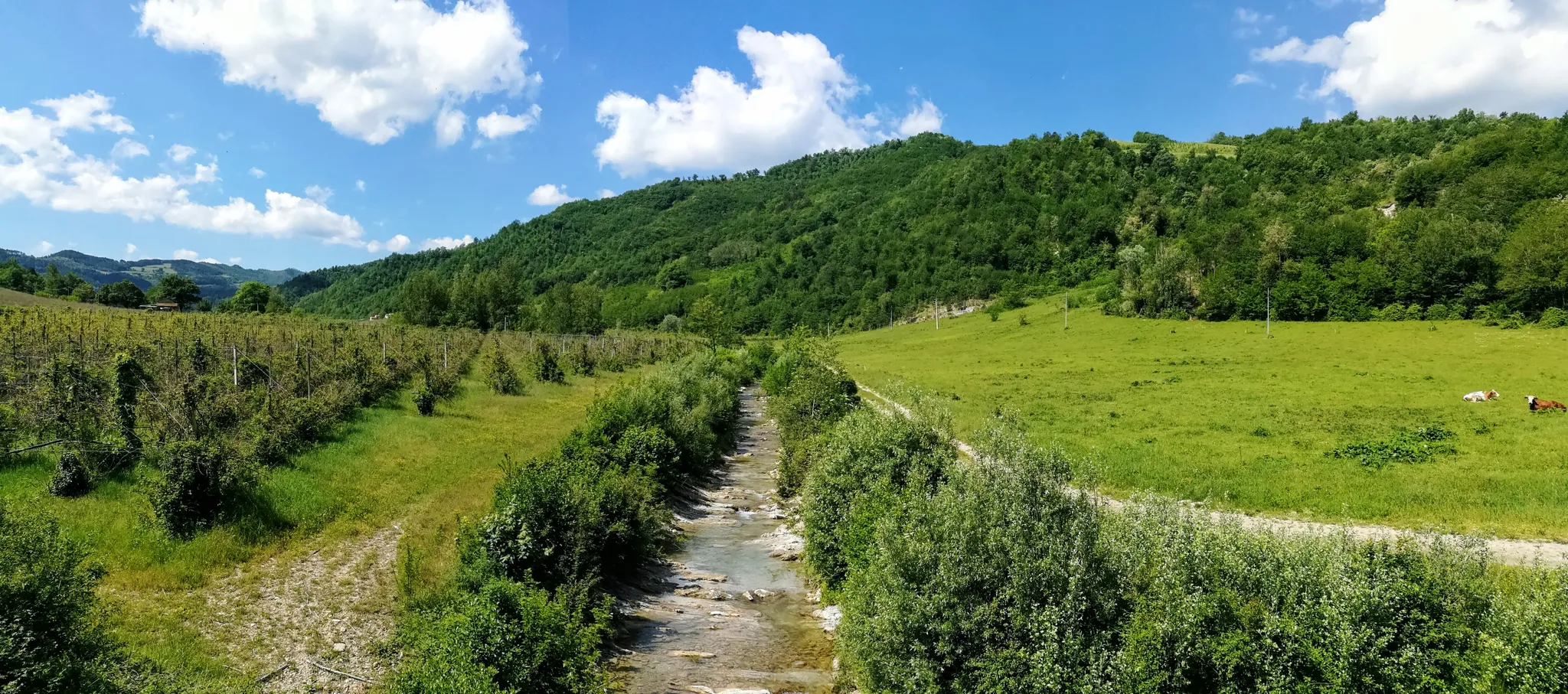
Having crossed the Sillaro stream near the Fegatella source in Castel S.Pietro T., a path begins on a small pedestrian bridge which, running alongside the stream, leads to S. Martino in Pedriolo entirely on a gravel road, sometimes stony and paths. In my opinion it is a valid alternative to v. Viara, asphalted and busy
0
0
Frequently Asked Questions
What kind of terrain can I expect on hiking trails around Castel San Pietro Terme?
The hiking trails in Castel San Pietro Terme offer a diverse landscape. You'll encounter the unique calanchi (clay gullies) with their dramatic views, tranquil paths along the Sillaro River, and undulating hills often covered in vineyards and olive groves. This varied terrain provides options for different hiking experiences, from gentle riverside strolls to more challenging climbs with elevated viewpoints.
Are there many hiking trails available in Castel San Pietro Terme?
Yes, Castel San Pietro Terme offers a good selection of hiking routes. There are over 20 trails in the area, catering to various fitness levels. You'll find a mix of easy strolls, moderate hikes, and some more challenging treks.
What natural features or landmarks can I see while hiking in the region?
The region is rich in natural beauty and interesting landmarks. You can explore the striking calanchi (clay gullies), which are a defining feature of the landscape, offering dramatic geological formations. Many routes also follow the Sillaro River, providing peaceful riverside walks. Elevated viewpoints like Monte del Re offer panoramic vistas. Additionally, you might encounter historical sites such as the medieval hamlet of Dozza or the crypt of the Church of San Lorenzo di Varignana. For those interested in geological formations, nearby highlights include Spipola Cave and Montebello Clay Quarry.
Are there any easy hiking routes suitable for beginners or a relaxed walk?
Yes, there are several easy routes. For a relaxed experience, consider paths along the Lungo Sillaro Park or the Dozza hills, which offer gentle undulations and picturesque countryside views. While specific easy routes are not detailed in the top picks, the region has 3 designated easy tours out of its total, making it suitable for beginners.
Are there any circular hiking routes in Castel San Pietro Terme?
Yes, many routes in the area are designed as loops. An example is the View of Monte del Re – View of the Calanchi loop from Castel San Pietro Terme, which is a moderate 10.9 km trail offering views of the distinctive clay gullies. Another option is the Bridge over the Sillaro River loop from San Martino in Pedriolo, a moderate 13.1 km route.
What do other hikers enjoy most about the trails in Castel San Pietro Terme?
The hiking trails in Castel San Pietro Terme are highly rated by the komoot community, with an average score of 4.5 stars from over 200 reviews. Hikers often praise the unique landscapes, particularly the striking calanchi formations, and the varied terrain that offers both challenging climbs and peaceful riverside walks. The well-maintained paths and scenic viewpoints are also frequently highlighted.
Can I access hiking trails using public transport in Castel San Pietro Terme?
Castel San Pietro Terme is a 'Cittaslow' (Slow City) with good local infrastructure. While specific public transport access points for every trailhead are not detailed, the town itself is well-connected. Many routes, like the View of Monte del Re – View of the Calanchi loop, start directly from Castel San Pietro Terme, making them accessible if you arrive by public transport to the town.
Are there any family-friendly hiking options in the area?
While specific 'family-friendly' routes are not explicitly listed, the presence of easy trails and the tranquil Lungo Sillaro Park suggest suitable options for families. Paths along the Sillaro River or through the gentle Dozza hills would likely be enjoyable for all ages, offering a chance to experience nature without strenuous effort.
What is the best time of year to go hiking in Castel San Pietro Terme?
The diverse landscape of Castel San Pietro Terme makes it suitable for hiking across multiple seasons. Spring and autumn generally offer pleasant temperatures and vibrant scenery, with wildflowers in spring and colorful foliage in autumn. Summer can be warm, but riverside paths or early morning hikes are still enjoyable. Winter hiking is also possible, especially on lower elevation trails.
Are there any longer or more challenging hikes for experienced trekkers?
Yes, for experienced trekkers seeking a challenge, there are more demanding routes. The Saint Anthony's Path: Stage 10 is a difficult 20.6 km trail that forms part of a longer pilgrimage route, offering varied terrain. Another challenging option is the Anfiteatro sul Lago di Agrivar – Valquaderna loop, a hard 19.3 km hike.
Can I find places to eat or stay near the hiking trails?
Castel San Pietro Terme is a 'Cittaslow' known for its quality of life, meaning you'll find various amenities. The town itself offers cafes, restaurants, and accommodation options. Many trails are accessible from or pass near the town, making it convenient to find places to eat or stay before or after your hike. The Varignana Trekking routes even offer options for winery stops and tastings.
Most popular routes around Castel San Pietro Terme
Most popular attractions around Castel San Pietro Terme

Get inspired with the komoot mobile app


Explore more
Browse the best Hikes in other regions.
