Attractions and Places To See around Barolo - Top 20
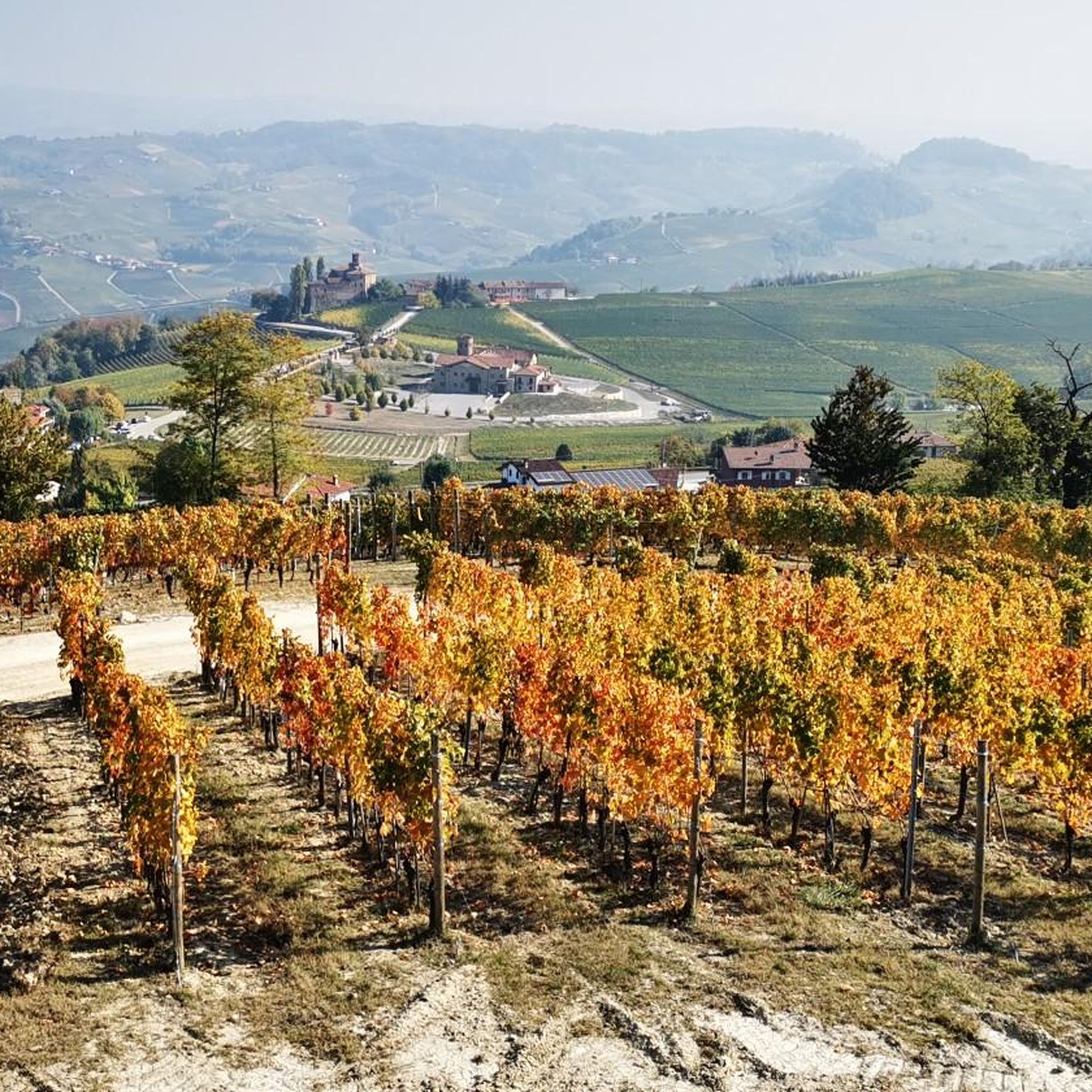
Attractions and places to see around Barolo include a variety of historic sites, natural features, and cultural experiences within Italy's Piedmont region. The area is characterized by rolling hills and vineyards, forming part of the UNESCO World Heritage-listed Langhe region. Visitors can explore medieval villages, historic castles, and panoramic viewpoints. The region is also known for its wine culture, particularly the Barolo wine.
Best attractions and places to see around Barolo
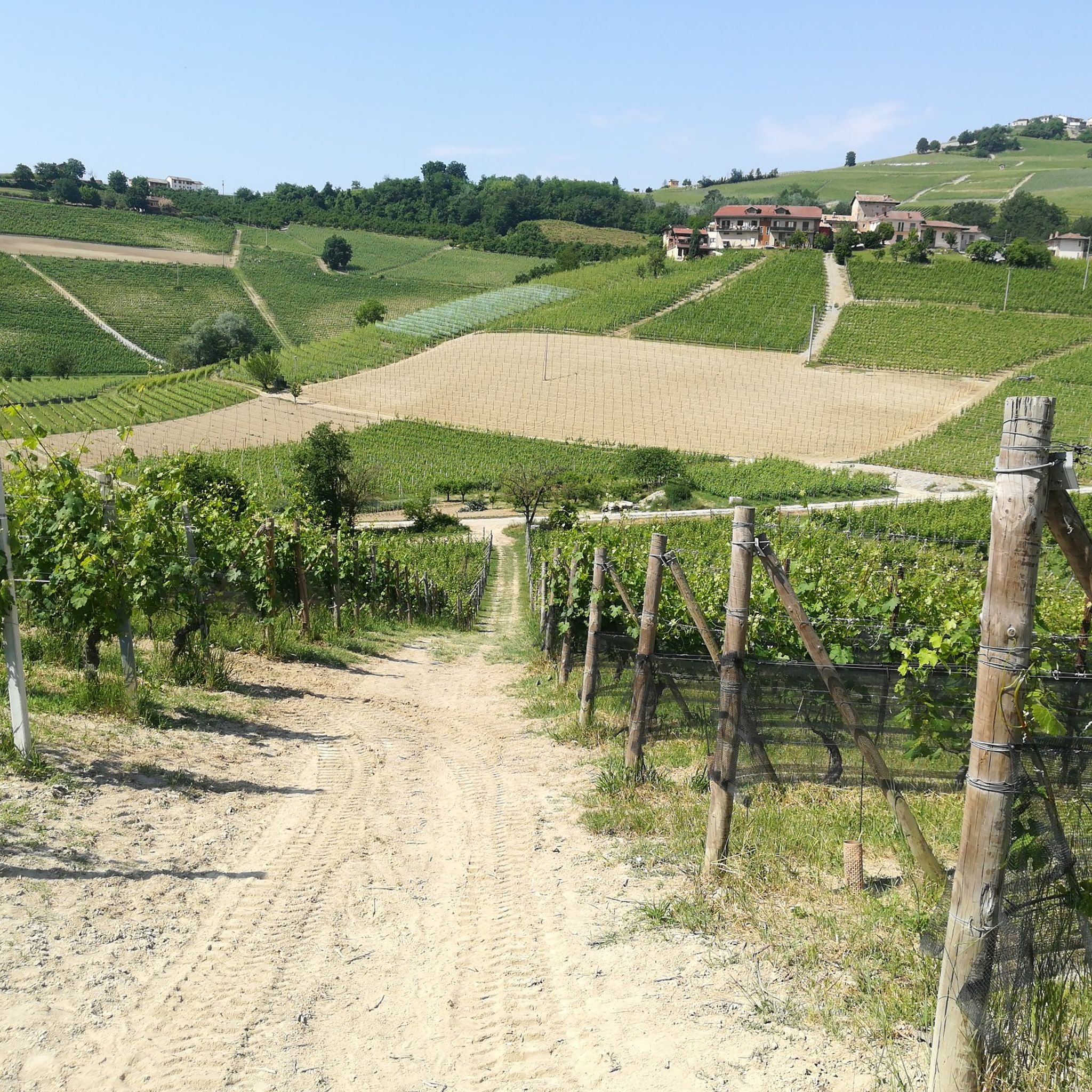
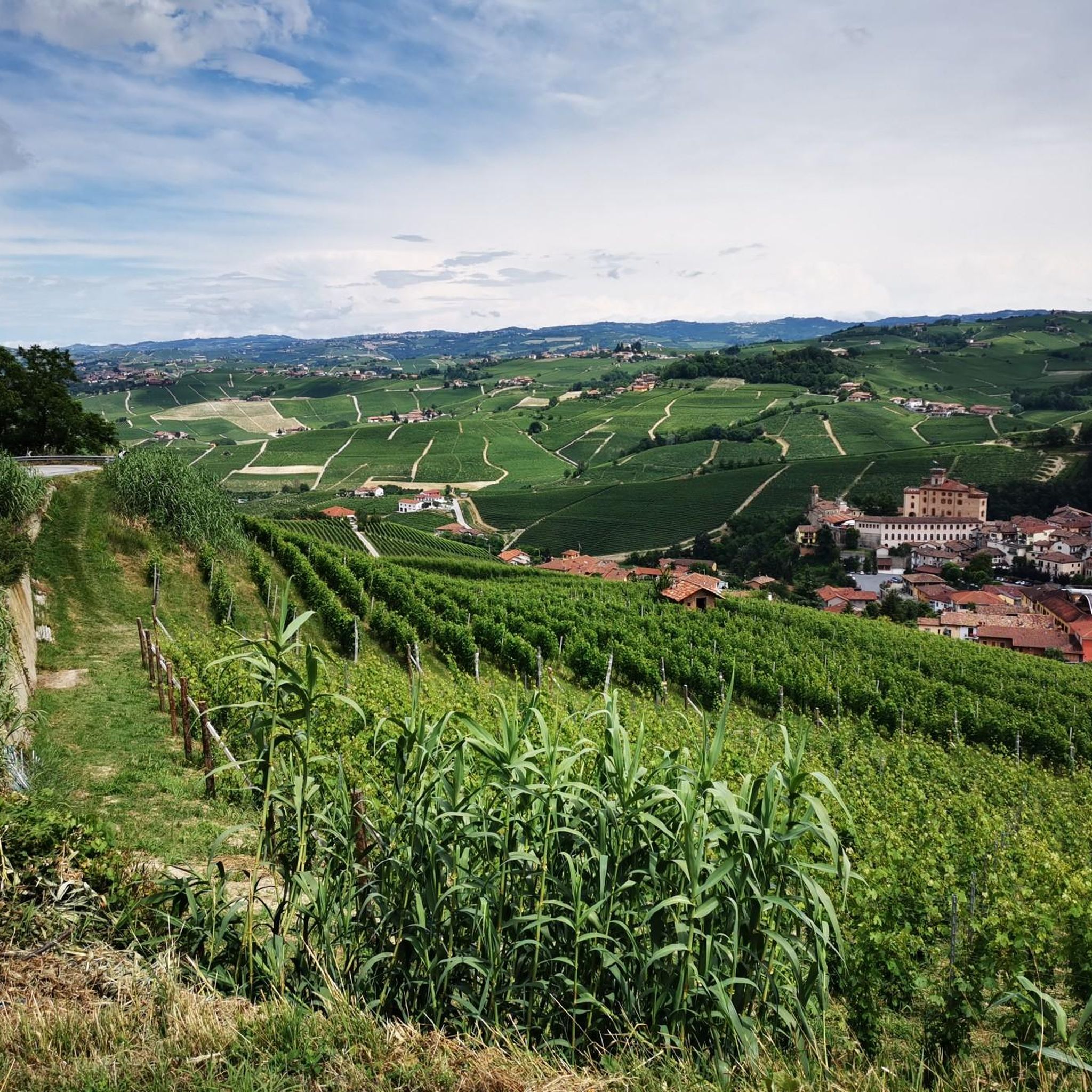
- The most popular attractions is Barolo Village and Vineyards, a settlement that is home to the renowned Barolo wine. This highlight features the Castello Falletti, which offers views over the surrounding hills and vineyards.
- Another must-see spot is Historic village of Monforte d'Alba, a medieval village with winding streets leading to an open-air amphitheater. Visitors can enjoy panoramic views of the Langhe from this location.
- Visitors also love La Morra Belvedere and Historic Centre, a settlement known for its historic center and a viewpoint over the Langhe. This village is situated amidst vineyards and offers opportunities to taste local wines.
- Barolo is known for its historic villages, extensive vineyards, and numerous viewpoints. The area offers a variety of attractions including castles, wine museums, and opportunities for wine tasting.
- The attractions around Barolo are appreciated by the komoot community, with more than 360 upvotes and 36 photos shared across 21 highlights.
Last updated: August 29, 2026
Historic village of Monforte d'Alba
Highlight • Settlement
Translated by Google •
Tip by

Historic Center of Barolo
Highlight • Settlement
In the center of Barolo you can find bars, wineries and restaurants offering typical products combined with the best local wines.
Translated by Google •
Tip by

Sign up now to discover places like this
Get recommendations on the best single tracks, peaks, & plenty of other exciting outdoor places.
Sign up for free
Barolo Castle
Highlight • Castle
Translated by Google •
Tip by
Barolo Village and Vineyards
Highlight • Settlement
We park our steel car on the edge of the plateau. We get to know the lively center at a walking pace. In almost every street you will find one or more wine bars that invite you to taste before purchasing. The temptation is great, cups are filled and ask to be sipped or slurped. We wisely let the third chalice pass, for we have yet to march further.
Sober, but slaloming, we wander through the streets and visit the Castello Falletti for tea. The castle, which was once built as a defensive fortress, is a landmark for many kilometers in the Langhe landscape.
The foundations from the 10th century keep our feet firmly on the ground. The strategic location of the converted 13th century castle still offers beautiful views over the surrounding hills and vineyards. The castle is now one of the 'best wine museums' in Italy. The museum is located over about five floors and focuses on the history and current techniques of viticulture in the area.
Our visit to Barolo ultimately ends where it began, with one difference: fill up that third chalice. Another crate richer and a few euros poorer, we leave the cute village with its cobbled pebbles and medieval houses, on to the next discovery.
Translated by Google •
Tip by

La Morra Belvedere and Historic Centre
Highlight • Settlement
Translated by Google •
Tip by

Sign up for free to discover even more attractions around Barolo.
Sign up for free
Already have an account?
Start today with a free account
Your next adventure awaits.
Login or Signup

Tips from the Community

pretty here, very pretty
2
0
pretty here, very pretty
2
0

Barolo, famous for its wine, is a magnificent medieval village
0
0

You cannot miss a stop in this wonderful square with a breathtaking panoramic view! MUST HAVE
0
0

One of the many magnificent places in the Langhe. There is even a corkscrew museum with over 600 items!! Avoid on summer weekends, too many people in too little space.
2
1

Very touristy also in terms of prices
0
1

Barolo, city of wine par excellence. There are numerous restaurants, bars and wineries.
3
0

Monforte d'Alba is a small wine village in the southern part of the Piedmont region in the Langhe region. The village is known for the powerful barolo wines that are produced there and is therefore included on the UNESCO World Heritage List. Monforte d'Alba is an old town, which owes its origins to the historic castle built on top of the hill in the early Middle Ages.
3
1
Frequently Asked Questions
What are the best places to experience panoramic views of the Langhe vineyards?
For breathtaking panoramic views, visit La Morra Belvedere and Historic Centre, which offers expansive vistas of the rolling hills. The nearby village of La Morra also has a dedicated La Morra viewpoint. Additionally, the Historic village of Monforte d'Alba provides excellent views from its open-air amphitheater. For a quieter experience, consider Belvedere di Verduno, especially during golden hour, or the Rocche di Novello cliffs.
Are there any historical landmarks or cultural sites to visit in Barolo?
Yes, Barolo is rich in history and culture. The most prominent landmark is the Castello Falletti di Barolo, a medieval castle that now houses the WiMu – The Wine Museum. You can also explore the Historic Center of Barolo, with its charming streets and the Chiesa di S. Donato. Don't miss the Antiche Cantine Marchesi di Barolo, a historic cellar, and the unique Museum of Corkscrews.
What outdoor activities can I do near Barolo's attractions?
The Barolo region is excellent for outdoor activities. You can find numerous cycling routes, including options for touring bicycles and gravel biking. For example, there are routes like the 'Michele Ferrero Square – View of Barolo loop' for cycling and the 'Barolo Castle – Serralunga d'Alba Castle loop' for gravel biking. If you prefer running, explore trails such as the 'View of La Morra – View of Barolo loop'. You can find more details on these activities in the Cycling around Barolo, Gravel biking around Barolo, and Running Trails around Barolo guides.
Are there family-friendly attractions or activities in Barolo?
Many attractions in Barolo are suitable for families. The Historic village of Monforte d'Alba and La Morra Belvedere and Historic Centre are considered family-friendly. The WiMu – The Wine Museum, located in Castello Falletti di Barolo, offers an interactive and engaging experience that can be enjoyable even for children, showcasing wine history and culture in an accessible way.
What is the best time of year to visit Barolo?
The Barolo region is beautiful throughout the year, but many visitors prefer spring (April-May) and autumn (September-October). Spring offers pleasant weather and blooming landscapes, while autumn coincides with the grape harvest season, providing a vibrant atmosphere and opportunities for truffle hunting, especially around nearby Alba.
Where can I experience wine tasting in Barolo?
Barolo is the heart of its namesake wine, so wine tasting is a quintessential experience. You can visit the Enoteca Regionale del Barolo, located beneath the Barolo Castle, to taste over 30 different Barolo labels. The Antiche Cantine Marchesi di Barolo also offers public visits and tastings. Many other wineries in and around Barolo provide tours and tastings, though it's often advisable to make appointments in advance.
What do visitors enjoy most about the Barolo region?
Visitors frequently praise the stunning vineyard landscapes and the charming historic villages. The opportunity to taste world-renowned Barolo wine directly from producers is a major draw. Many appreciate the picturesque strolls through car-free historic centers like Historic Center of Barolo and the panoramic views from spots like La Morra Belvedere and Historic Centre.
Are there any unique or 'hidden gem' attractions in the Barolo area?
While not entirely hidden, the Cappella delle Brunate (Barolo Chapel) near La Morra is a vividly colored, unconsecrated chapel that has become a popular and picturesque spot, especially for its 'Instagrammable' qualities as the light softens before sunset. Exploring the smaller, less-frequented neighboring villages beyond the main ones can also reveal charming local experiences and quiet viewpoints.
Can I explore neighboring villages easily from Barolo?
Yes, the Barolo wine region comprises 11 villages, and exploring them is highly recommended. Notable nearby villages include La Morra, Monforte d'Alba, Serralunga d'Alba, Castiglione Falletto, and Grinzane Cavour. Each offers unique charm, medieval castles, and additional opportunities for wine tasting and culinary experiences. Driving leisurely through the vineyards connecting these villages is a popular way to experience the region.
What is the WiMu – The Wine Museum, and where is it located?
The WiMu – The Wine Museum (Museo del Vino a Barolo) is an interactive museum dedicated to the history and culture of wine. It's uniquely housed within the historic Castello Falletti di Barolo, offering an engaging exploration of how wine has been regarded and developed through centuries. It's designed to be enjoyable for both wine enthusiasts and those new to the subject, including families.
What kind of terrain can I expect on walking or cycling routes around Barolo?
The Barolo region is characterized by rolling hills and vineyards, meaning routes often involve ascents and descents. The terrain is generally paved for cycling routes between villages, but gravel biking options are also available. Walking routes can vary from paved village streets to vineyard paths. Difficulty levels for routes range from easy to difficult, with varying elevation gains, so it's advisable to check specific route details before heading out.
Most popular attractions around Barolo

Get inspired with the komoot mobile app


Explore more
Still not found the Highlight you’re looking for? See guides of the top attractions in other regions:
