Attractions and Places To See around San Giorgio Di Piano - Top 20
Best attractions and places to see around San Giorgio Di Piano include a mix of historical landmarks and natural features in the Bolognese plain, Italy. The area offers a glimpse into local culture and tranquil natural beauty. Visitors can explore well-preserved historical sites and scenic outdoor spaces. The region provides diverse opportunities for outdoor activities and cultural discovery.
Best attractions and places to see around San Giorgio Di Piano
- The most popular attractions is Blonde Bridge, a historical bridge…
Last updated: July 20, 2026
La Rizza Nature Reserve
Highlight • Natural
Translated by Google •
Tip by

Blonde Bridge
Highlight • Bridge
Translated by Google •
Tip by

Sign up now to discover places like this
Get recommendations on the best single tracks, peaks, & plenty of other exciting outdoor places.
Sign up for free
Trebbo di Reno cycle path
Highlight (Segment) • Cycleway
Translated by Google •
Tip by
Palazzo Rosso (Pizzardi Palace), Bentivoglio
Highlight • Historical Site
Privileged residence of the Marquis Carlo Alberto Pizzardi, Palazzo Rosso originally served as a manor house but also as the administrative headquarters of a large agricultural and proto-industrial company …
Translated by Google •
Tip by

Bridge over the Lavino Stream (Ciclovia del Sole)
Highlight • Bridge
Translated by Google •
Tip by

Sign up for free to discover even more attractions around San Giorgio Di Piano.
Sign up for free
Already have an account?
Start today with a free account
Your next adventure awaits.
Login or Signup
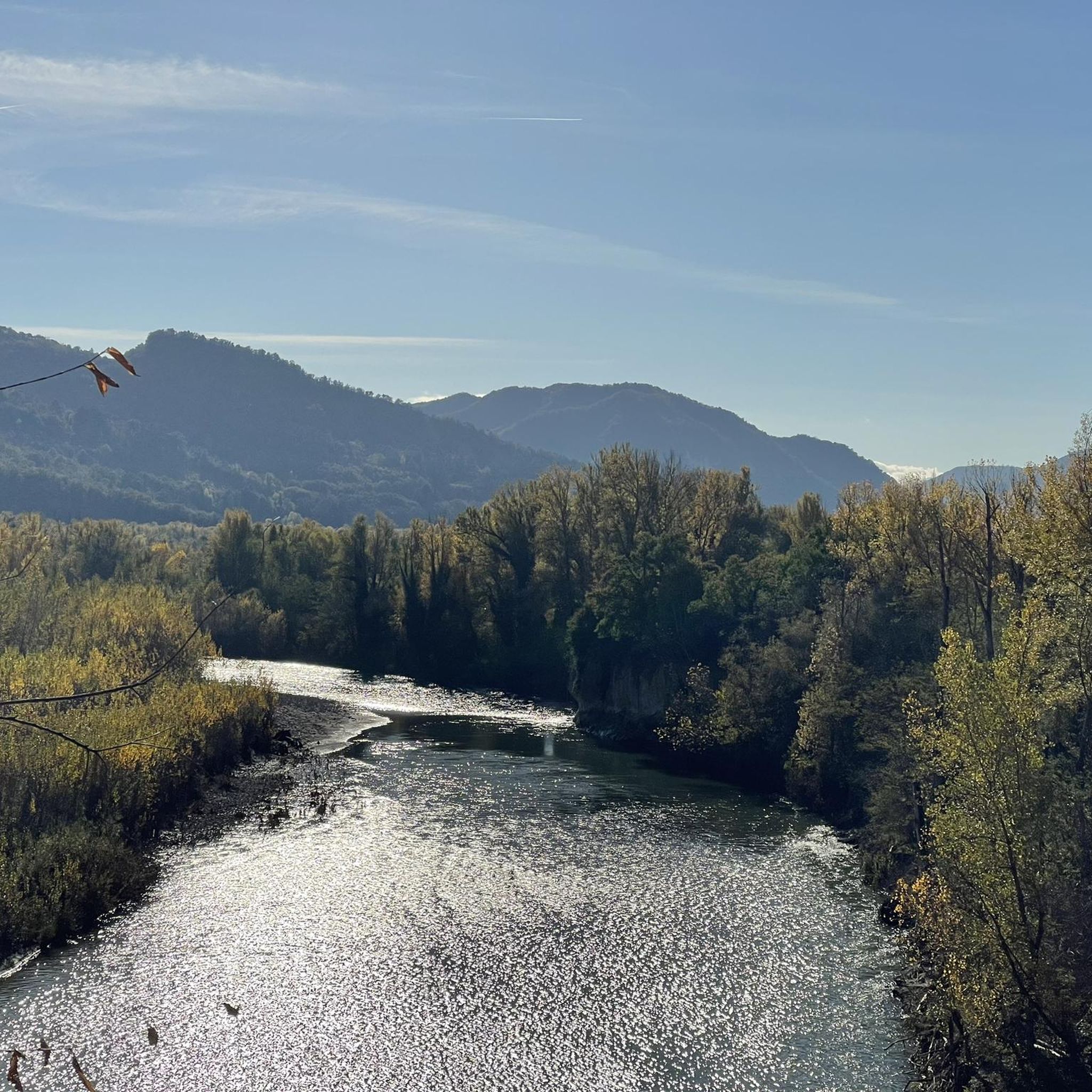
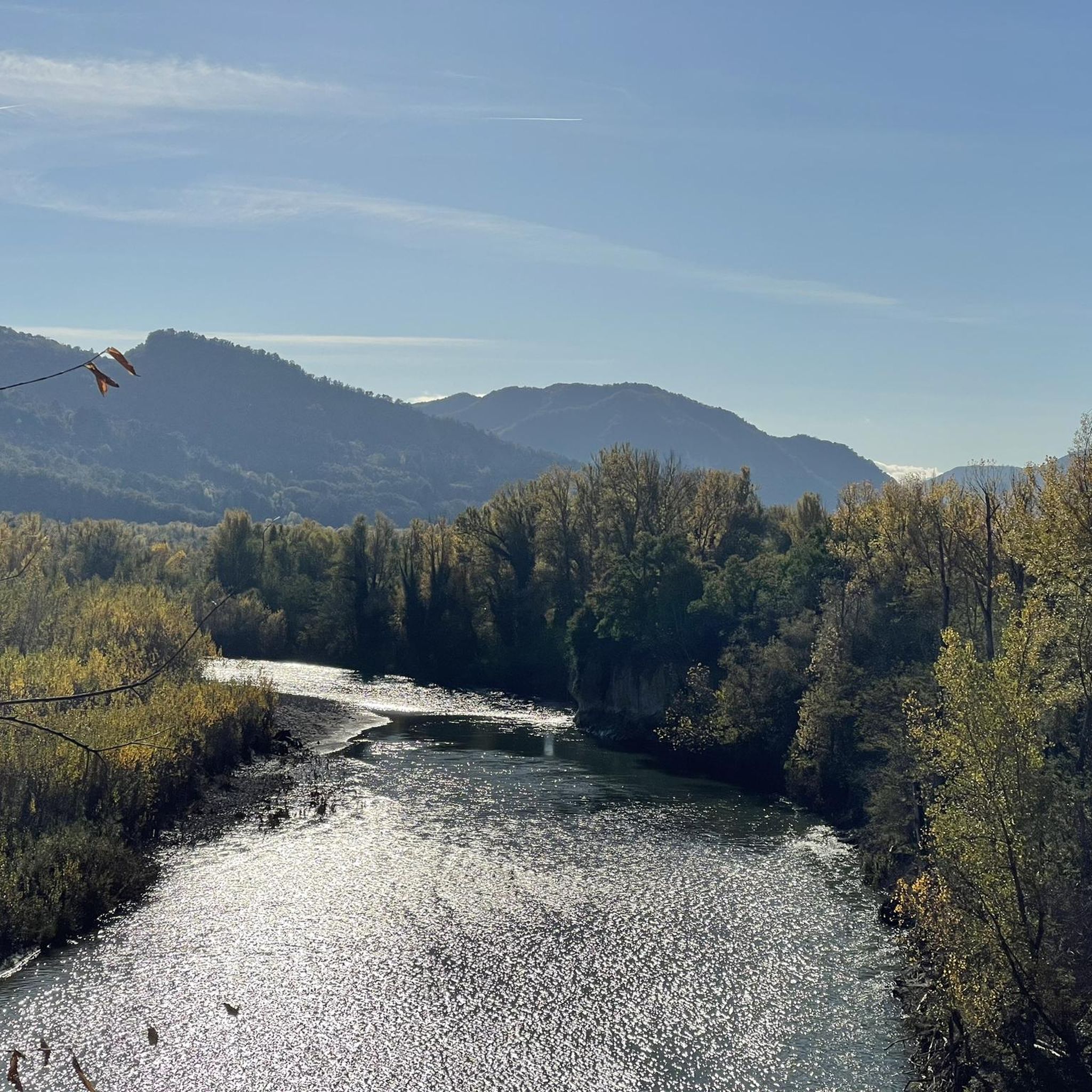

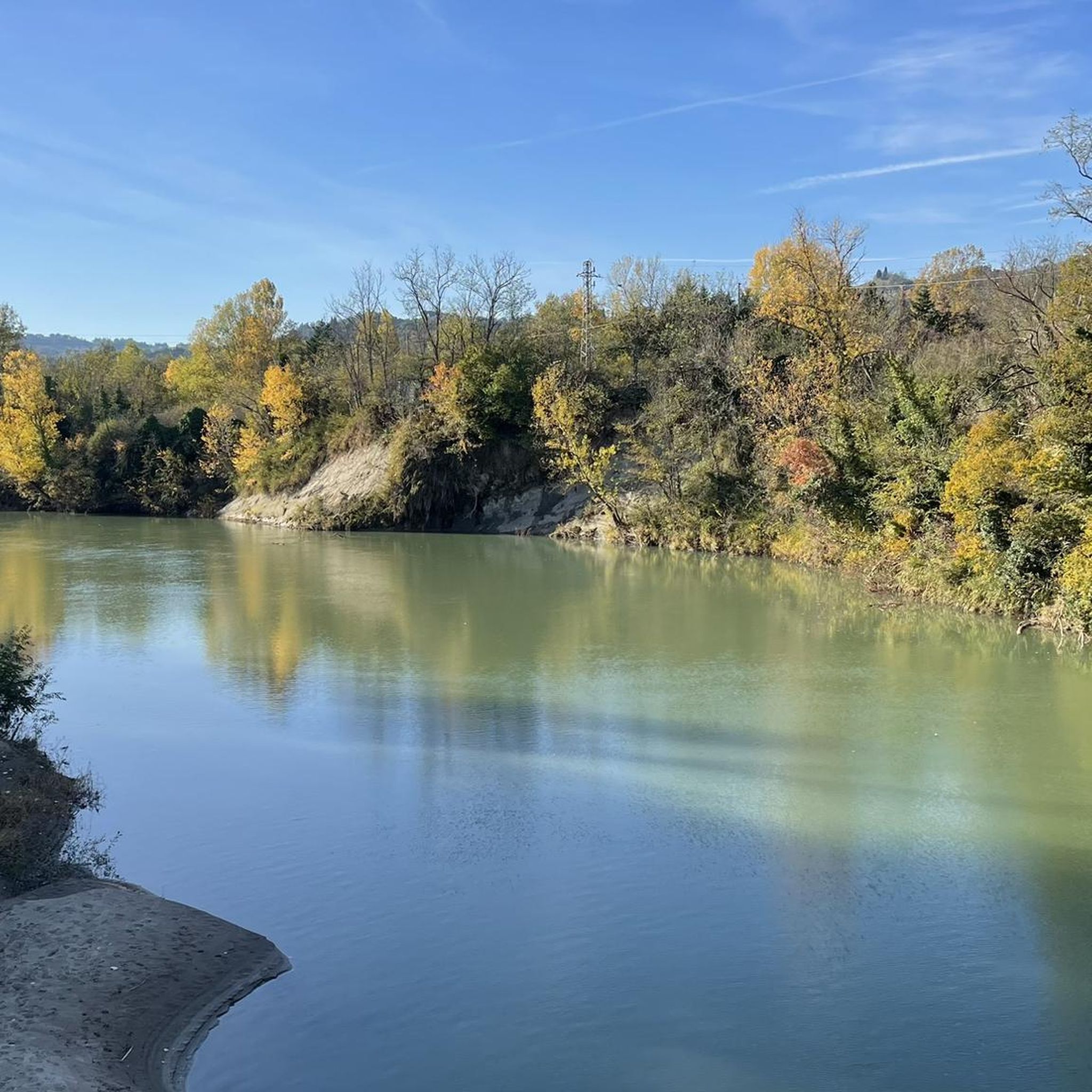
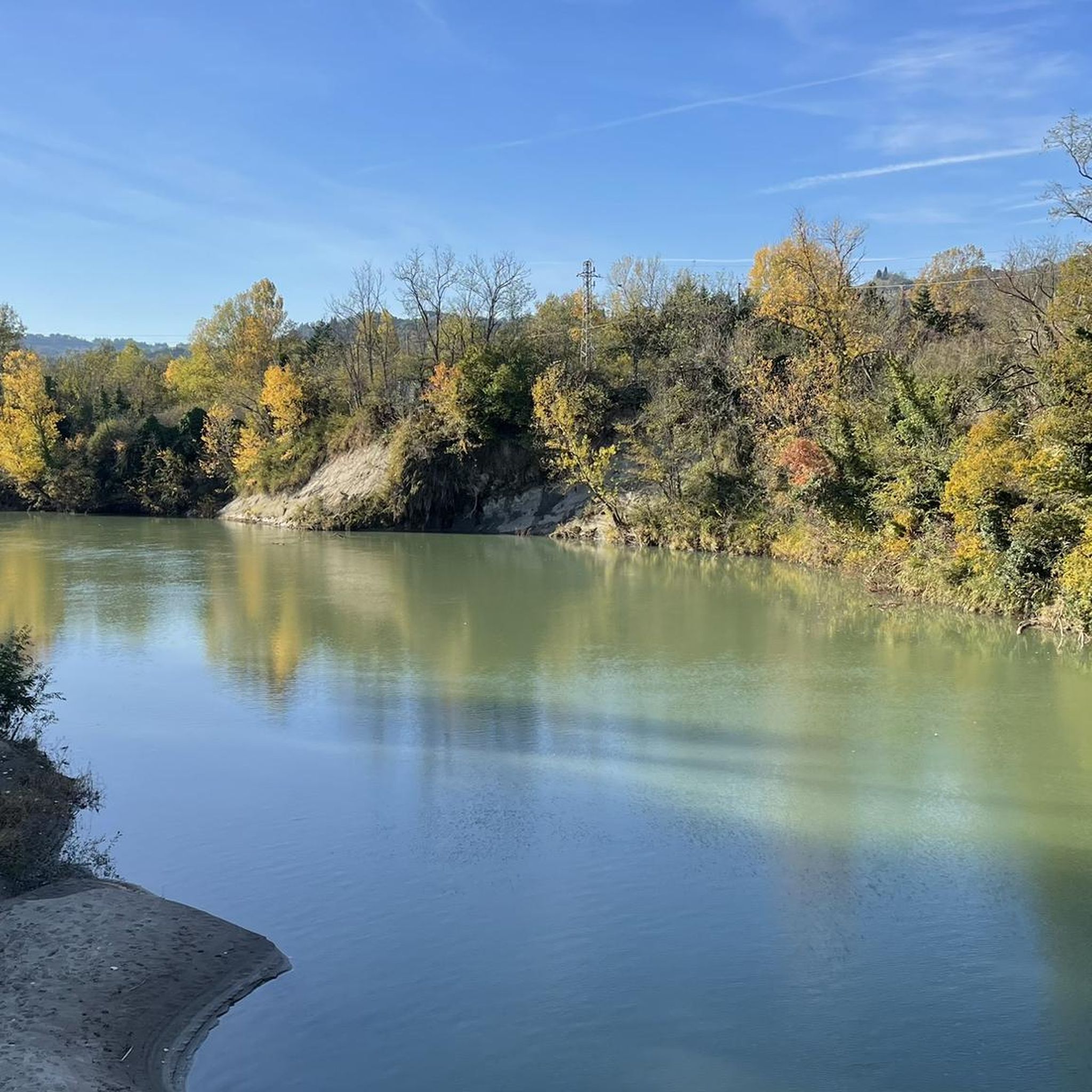
Tips from the Community

Historic building overlooking the road connecting Bentivoglio to Castel Maggiore
0
0

Frabboni_ Privileged residence of the Marquis Carlo Alberto Pizzardi, Palazzo Rosso originally served as a manor house but also as the administrative headquarters of a large agricultural and proto-industrial company called "Tenuta Pizzardi". The building was built at the behest of Pizzardi between 1890 and 1893, based on a design by the municipal engineer of Bentivoglio Guido Lisi. ... Palazzo Rosso is an incredible residence, to be observed calmly and discovered little by little. The gaze runs and rests on its external walls, made of vermilion-coloured bricks, to linger on valuable decorative details and to perceive ever-new elements, in a game of discovery and amazement. The privileged point for contemplating the building is on the left bank of the Navile canal, immersed in nature and surrounded by beauty. From there the palace appears at the center of a suggestive and unreal postcard composition, which thanks to the perspective vision includes the mill building and the castle walls. In front of the observer, an evergreen magnolia rises majestically and only partially reveals the volume of the building, a building that rises on three floors and develops longitudinally. Behind the magnolia it is possible to observe the southern façade of the building, in which there is a window adorned with terracotta and preceded by an elegant double loggia that extends towards the canal. ... (Source: https://palazzorossobentivoglio.it/leditore/ )
0
0
The protected natural area of the Ex Risaia di Bentivoglio, also known by the name of Oasi La Rizza, is located in the northern part of the municipal territory and located in that part of the plain affected, in the recent past, by the cultivation of rice: the area of the former rice fields. Before the rice fields, in historical times, still in the eighteenth and nineteenth centuries, the entire area was characterized by marshy land that flooded during the periodic flooding of the rivers, which were then poorly or not at all dammed. ... Once the rice farming activity ended, the agricultural landscape was replaced by dry crops such as wheat, beetroot, corn ... The nineties saw a small but substantial revolution in this monoculture landscape, thanks to the provision of community contributions in 1998 what was an anonymous triangle of fields was transformed into the natural area we know today, through environmental restoration interventions natural features typical of the plain. ... (Source: https://www.oasilarizza.it/it-it/oasi/rubriche/il-territorio-e-la-sua-storia-3181-1-7111ab2cdc775bb24e1c1cd44521fd51 )
1
1

The Ciclovia del Sole is a cycle route that crosses the Bolognese plain, connecting it to the rest of Europe as part of the European EuroVelo7 project, which aims to connect the northernmost point of Europe, North Cape, with Malta, the southernmost point . The part of the cycle route that winds north from Bologna into the heart of the Po Valley follows the former Verona-Bologna railway, fitting in a scenic manner within the rural landscape of these places. The fact that it was a railway line is quite evident, especially in some sections, such as this bridge over the Lavino stream.
1
0

Forty hectares of wetlands and woods where you can observe lots of birdlife. A perfect place for bird watching or fish watching. There is also a shed with glass under the water to observe the habitat. This can be the perfect place to stop. A restaurant-hostel is open on Saturday and Sunday.
6
0

For me it's an old route that I used to do as a child along the Navile canal, now I live in Cento and to get to and from home I added 2 new sections.
0
0

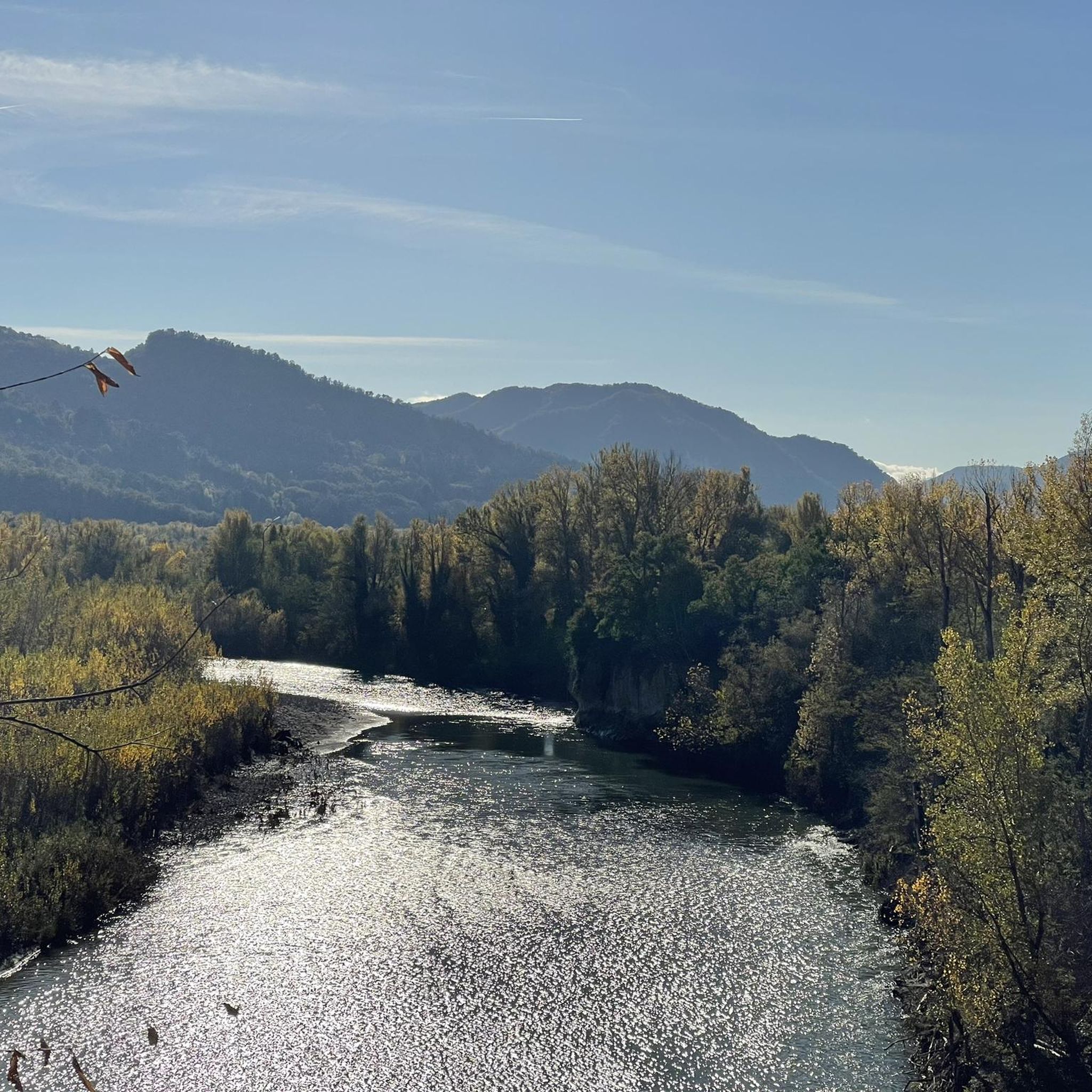
The Trebbo di Reno cycle path is a cycle path located in the province of Bologna, in Emilia-Romagna, Italy. This cycle path follows the course of the Rhine River, offering cyclists a scenic and pleasant route along the banks of the river. Description and Features: The Trebbo di Reno cycle path extends for several kilometers along the Reno river, starting from the town of Trebbo di Reno, a small town located north of Bologna. From here, the cycle path continues east, following the course of the Rhine River through rural landscapes and green areas. The cycle path is mostly flat and well maintained, making it suitable for both expert cyclists and anyone who wishes to enjoy a peaceful ride surrounded by nature. Along the route, cyclists can admire the beauty of the Rhine River and its banks, as well as pass through picturesque rural landscapes and see some interesting nature areas. The Trebbo di Reno cycle path also offers the opportunity to visit various locations and small villages along the route, where it is possible to stop for a break or to discover the culture and tradition of the region. This cycle path is much appreciated by those who love cycle tourism and want to explore the Bolognese countryside in an eco-friendly and relaxing way.
0
0
Forty hectares of wetlands and woods where you can observe so much birdlife. A perfect place for bird watching or “fish watching.” There is also a shed with glass under the water to observe the habitat. This can be the perfect place to stop. A restaurant-hostel is open on Saturday and Sunday. https://www.oasilarizza.it/it-it/home#
2
0
Frequently Asked Questions
What natural areas are available for wildlife observation around San Giorgio di Piano?
You can visit La Rizza Nature Reserve, a forty-hectare wetland and woodland area. It's an ideal spot for birdwatching and even "fish watching," thanks to a special shed with underwater glass for observing aquatic habitats. The reserve is home to various bird species like herons, ducks, and kingfishers, as well as roe deer in its more isolated areas.
Are there good cycling routes or paths in the San Giorgio di Piano area?
Yes, the Trebbo di Reno cycle path offers a scenic and mostly flat route along the Reno River, perfect for exploring rural landscapes. Additionally, the Blonde Bridge is located near the Lungonavile cycle path, providing another cycling opportunity. For more options, you can find various cycling routes, including easy and moderate ones, in the Cycling around San Giorgio Di Piano guide.
What historical landmarks can I explore within San Giorgio di Piano town?
The town's historical center features several notable landmarks. You can see the Torresotto, a small tower dating back to 1321 which now houses the public library, and the Palazzo Comunale (Town Hall), an 18th-century building with a unique monument to the pig in its inner courtyard. The 19th-century Church of San Giorgio is also worth visiting for its architecture and artworks. Don't miss Porta Ferrara, the only remaining part of the ancient 1403 castle.
Are there attractions suitable for families with children in the region?
Many attractions around San Giorgio di Piano are family-friendly. La Rizza Nature Reserve is great for nature exploration, while the Trebbo di Reno cycle path offers a pleasant outdoor activity. Historical sites like Blonde Bridge, Palazzo Rosso, and Giovannina Castle are also suitable for families to visit.
Where can I find unique historical buildings or castles near San Giorgio di Piano?
Beyond the town's center, you can visit Giovannina Castle, a castle-like villa with frescoes by Guercino, located on the border between Cento and San Giovanni in Persiceto. Another impressive site is Palazzo Rosso (Pizzardi Palace) in Bentivoglio, a striking vermilion-colored residence built in the late 19th century, offering beautiful views from the Navile canal.
What cultural experiences or local traditions can I discover in San Giorgio di Piano?
San Giorgio di Piano is known for its rich culinary traditions, especially fresh hand-rolled pasta and pork dishes, highlighted by the monument to the pig in the Town Hall courtyard. If you visit in summer, you might experience "Il Corso dei Fiori," an annual carnival with a nocturnal parade of floats adorned with lights and flowers. You can also see the facade of the house where renowned actress Giulietta Masina was born on the main street.
Are there any significant natural monuments or trees to see?
Near Gherghenzano, you can find a remarkable Monumental Plane Tree. Standing at 33 meters tall, this ancient tree serves as a living reminder of past centuries and a historical battle that took place in the area in 1433.
What kind of outdoor activities, like running, are available near these attractions?
For running enthusiasts, there are several trails available. You can explore the La Rizza Nature Reserve on a longer loop, or choose from various moderate running loops starting from San Giorgio di Piano. More options can be found in the Running Trails around San Giorgio Di Piano guide.
Is there a historical religious site to visit in the area?
Yes, the Oratory of San Giuseppe and the Nativity of the Madonna is an 18th-century religious site located near where Porta Bologna once stood. It houses a "Sacred Family" painting from the School of Guercino, offering a glimpse into the region's artistic and religious heritage.
What is the best time of year to visit San Giorgio di Piano for outdoor activities?
The Bolognese plain generally offers pleasant weather for outdoor activities during spring (April-May) and autumn (September-October). These seasons provide milder temperatures, which are ideal for cycling along the Trebbo di Reno cycle path, exploring nature reserves, or visiting historical sites comfortably.
Are there any wheelchair-accessible attractions?
Yes, Palazzo Rosso (Pizzardi Palace) in Bentivoglio is noted as being wheelchair accessible, allowing more visitors to appreciate its historical significance and striking architecture.
Most popular routes around San Giorgio Di Piano
Most popular attractions around San Giorgio Di Piano

Get inspired with the komoot mobile app


Explore more
Still not found the Highlight you’re looking for? See guides of the top attractions in other regions:
