The best walks and hikes around Fornovo Di Taro
4.3
(521)
2,082
hikers
37
hikes
Hiking around Fornovo Di Taro offers exploration of Italy's Emilia-Romagna region, where the Po Valley plain meets the Lunigiana Valley. The area features varied terrain, including the Taro River Park, rolling hills, and the unique ophiolitic outcrop of Monte Prinzera. This landscape provides a mix of riverine environments, wooded areas, and elevated viewpoints across the Apennines. The region is also traversed by sections of the historic Via Francigena.
Best hiking trails around Fornovo Di Taro
- The most popular hiking route…
Last updated: August 17, 2026
4.3
(24)
140
hikers
21.0km
06:49
1,130m
480m
Hard hike. Very good fitness required. Easily-accessible paths. Suitable for all skill levels.
4.0
(1)
5
hikers
20.8km
05:18
70m
70m
Hard hike. Very good fitness required. Easily-accessible paths. Suitable for all skill levels.

Sign up for free
4.0
(1)
5
hikers
20.5km
05:14
70m
70m
Hard hike. Very good fitness required. Easily-accessible paths. Suitable for all skill levels.
3.3
(7)
22
hikers
8.46km
02:25
200m
200m
Moderate hike. Good fitness required. Easily-accessible paths. Suitable for all skill levels.
4.0
(2)
10
hikers
11.6km
03:47
540m
540m
Moderate hike. Good fitness required. Easily-accessible paths. Suitable for all skill levels.
Get access to more routes and recommendations from other explorers.
Sign up for free
Already have an account?
Our route recommendations are based on thousands of hikes, rides, and runs completed by other people on komoot.
Start today with a free account
Your next adventure awaits.
Login or Signup
Popular around Fornovo Di Taro
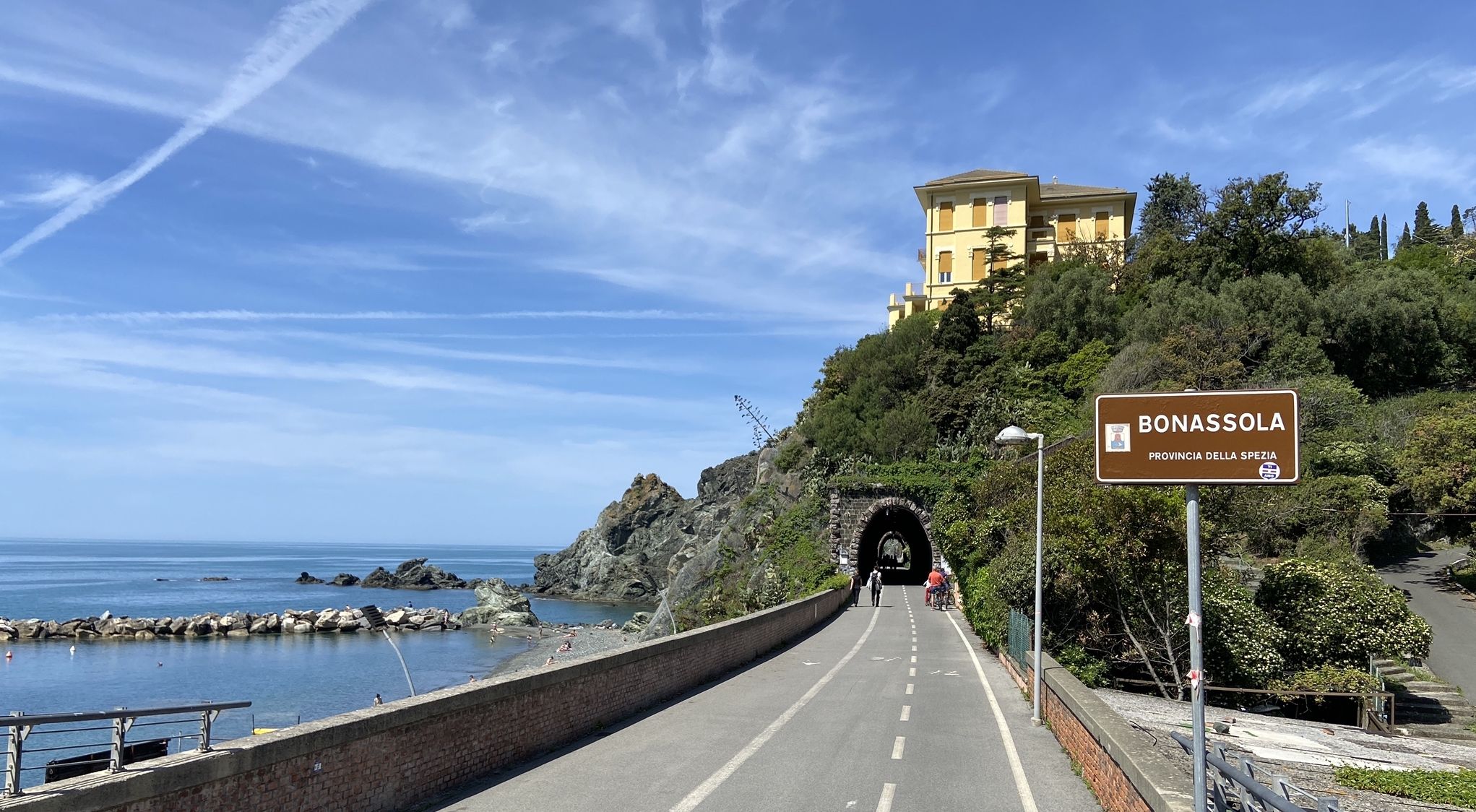
Pedalling to Portofino and the Cinque Terre — sea and mountains
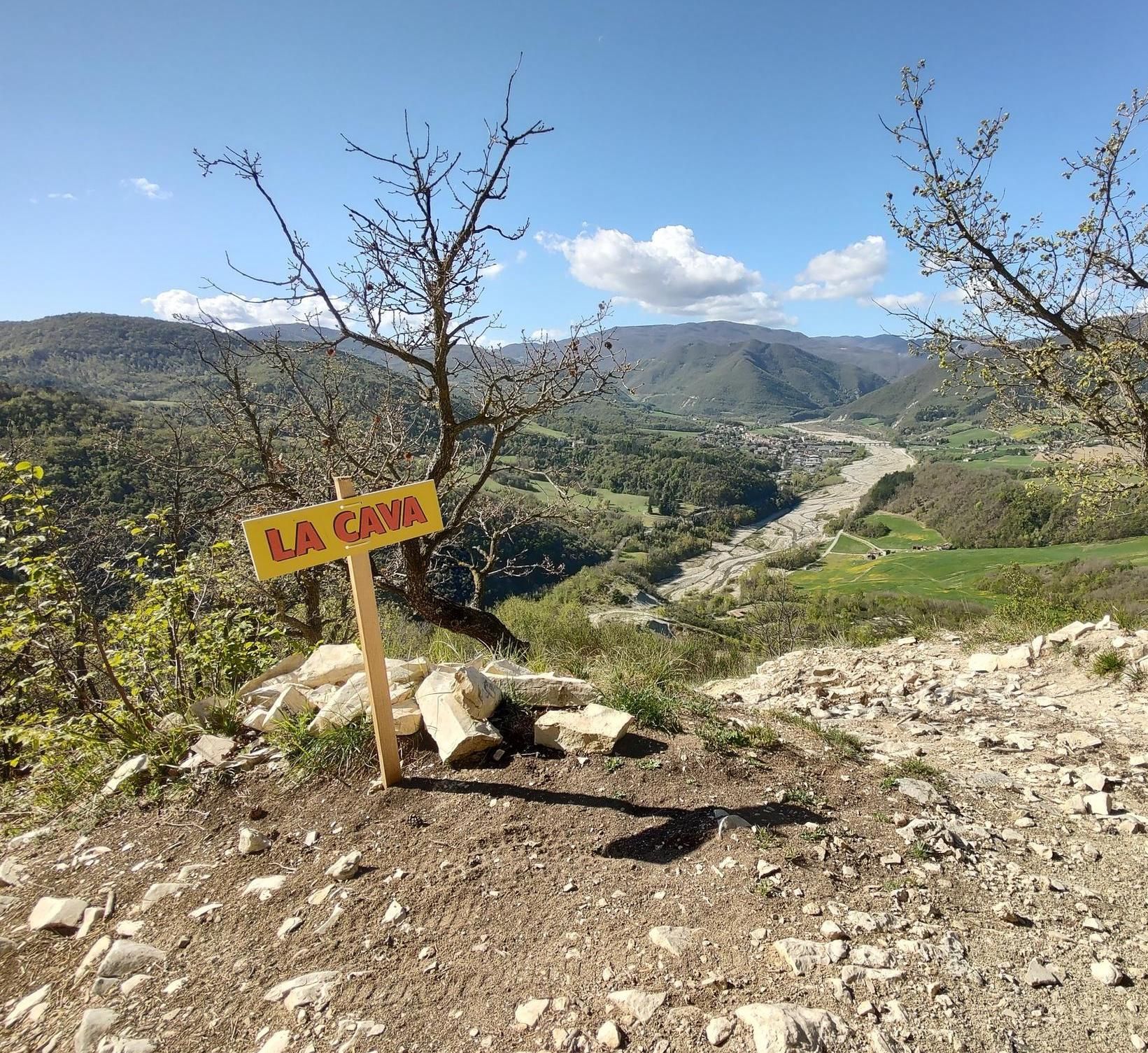
Preappennino parmense in MTB - an area to discover
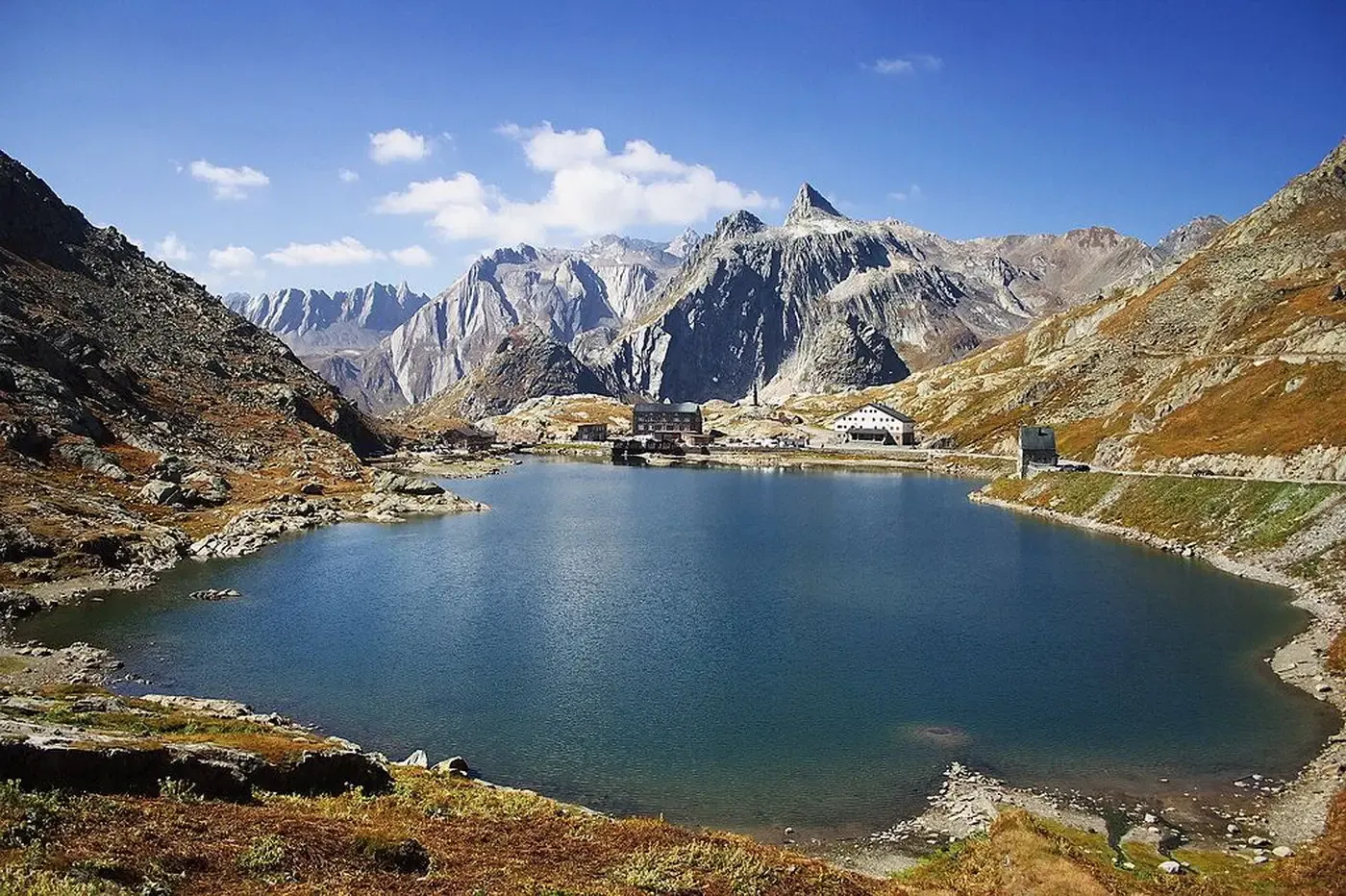
A cycling pilgrimage — history and nature on Italy’s Via Francigena

Gravel biking around Fornovo Di Taro
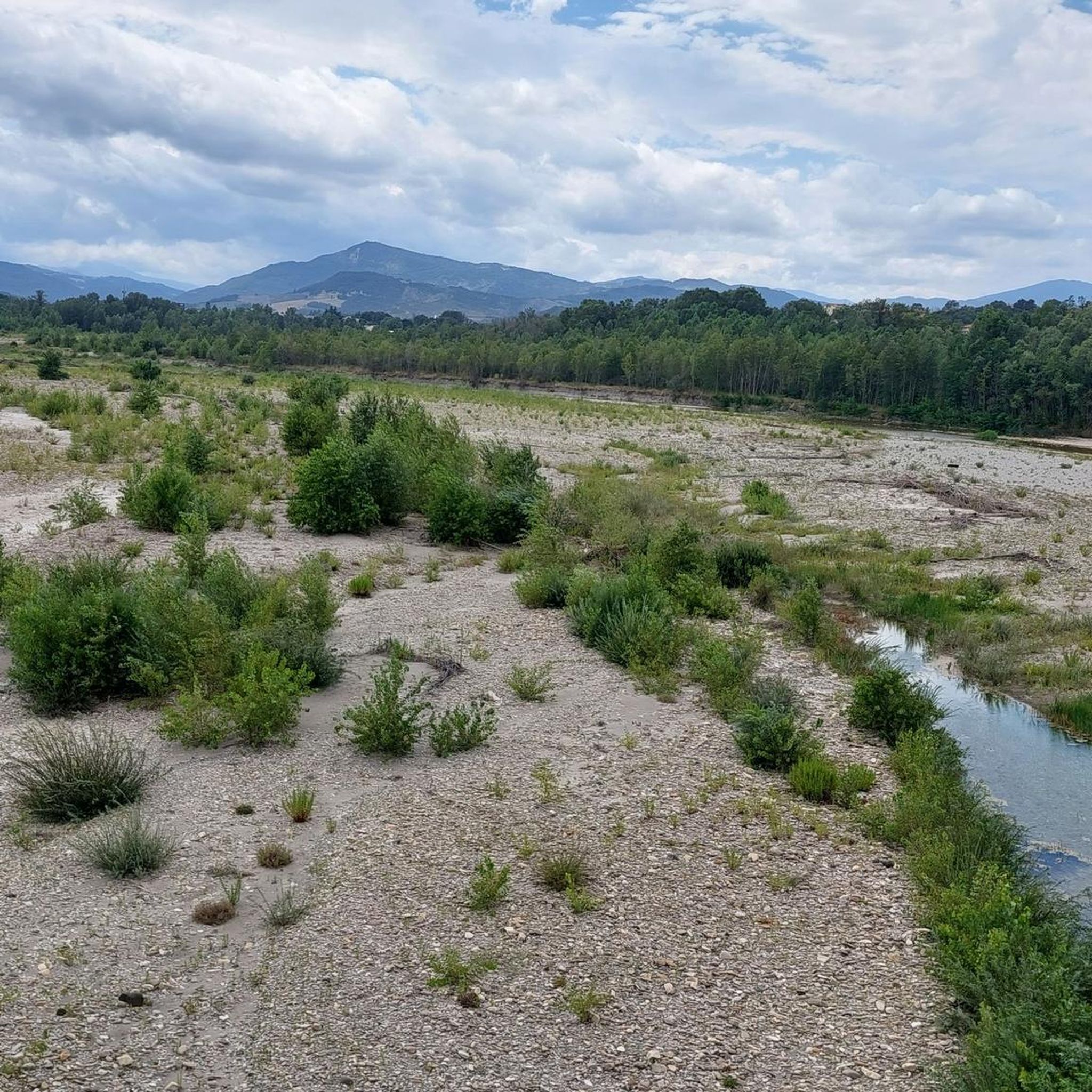
Road Cycling Routes around Fornovo Di Taro
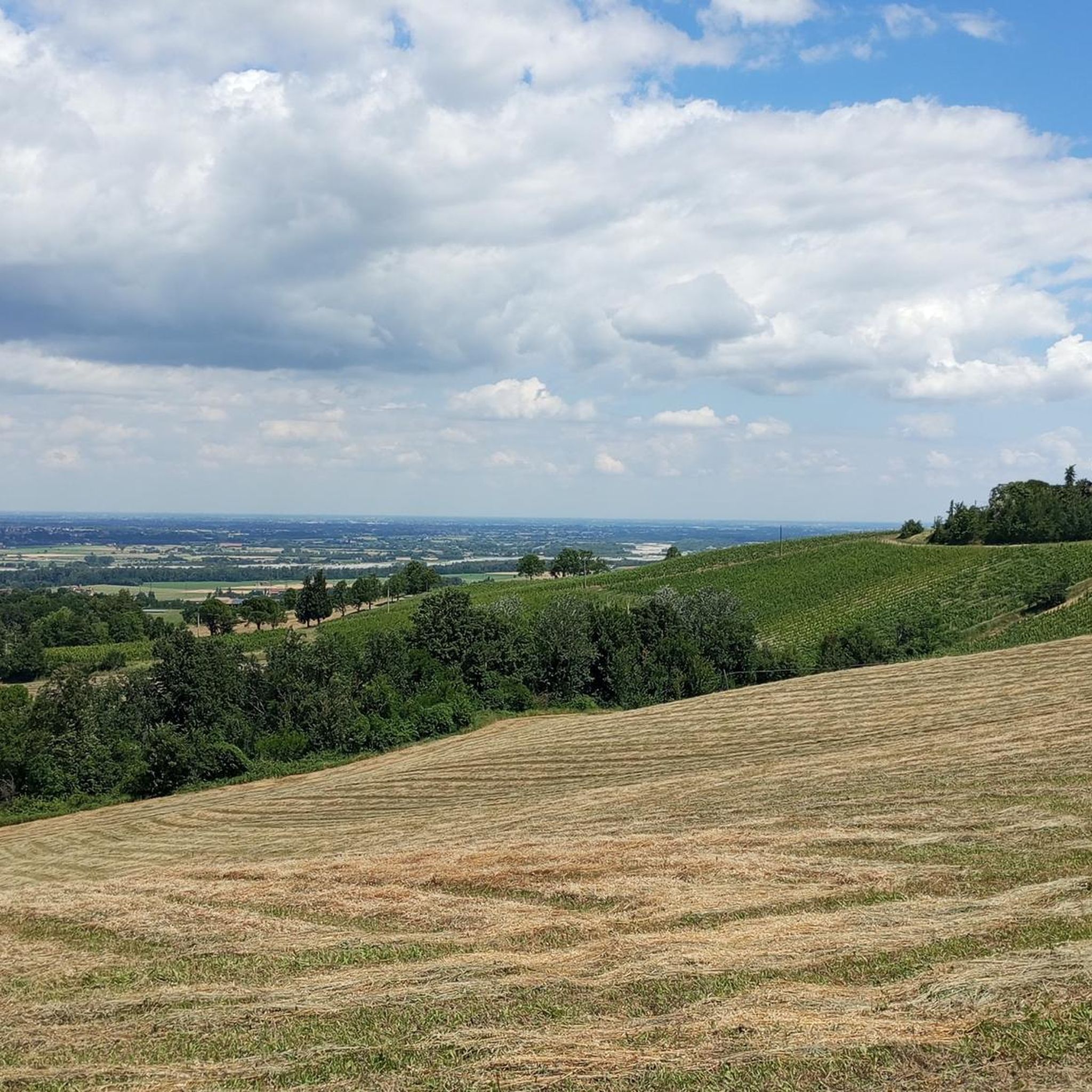
MTB Trails around Fornovo Di Taro
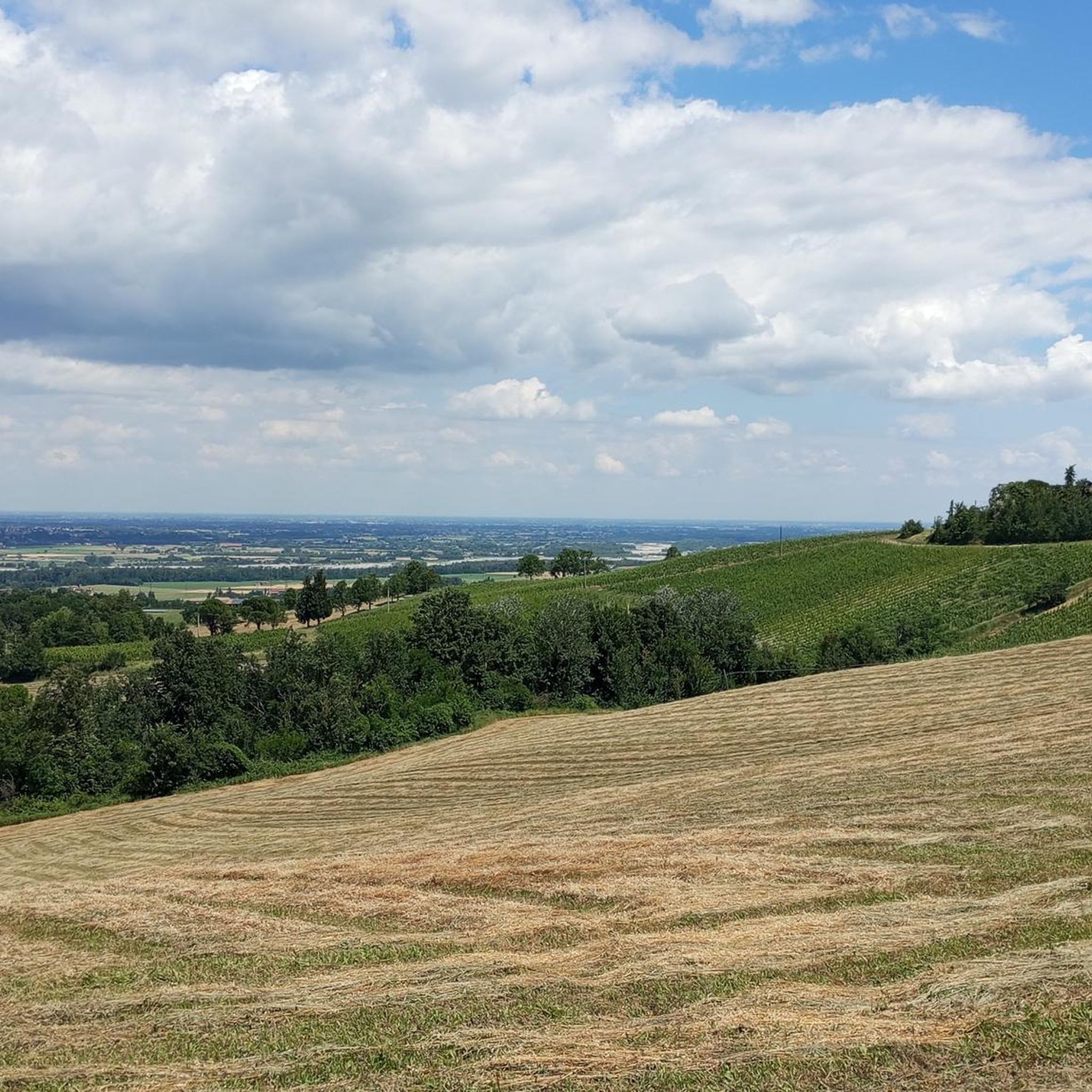
Cycling around Fornovo Di Taro
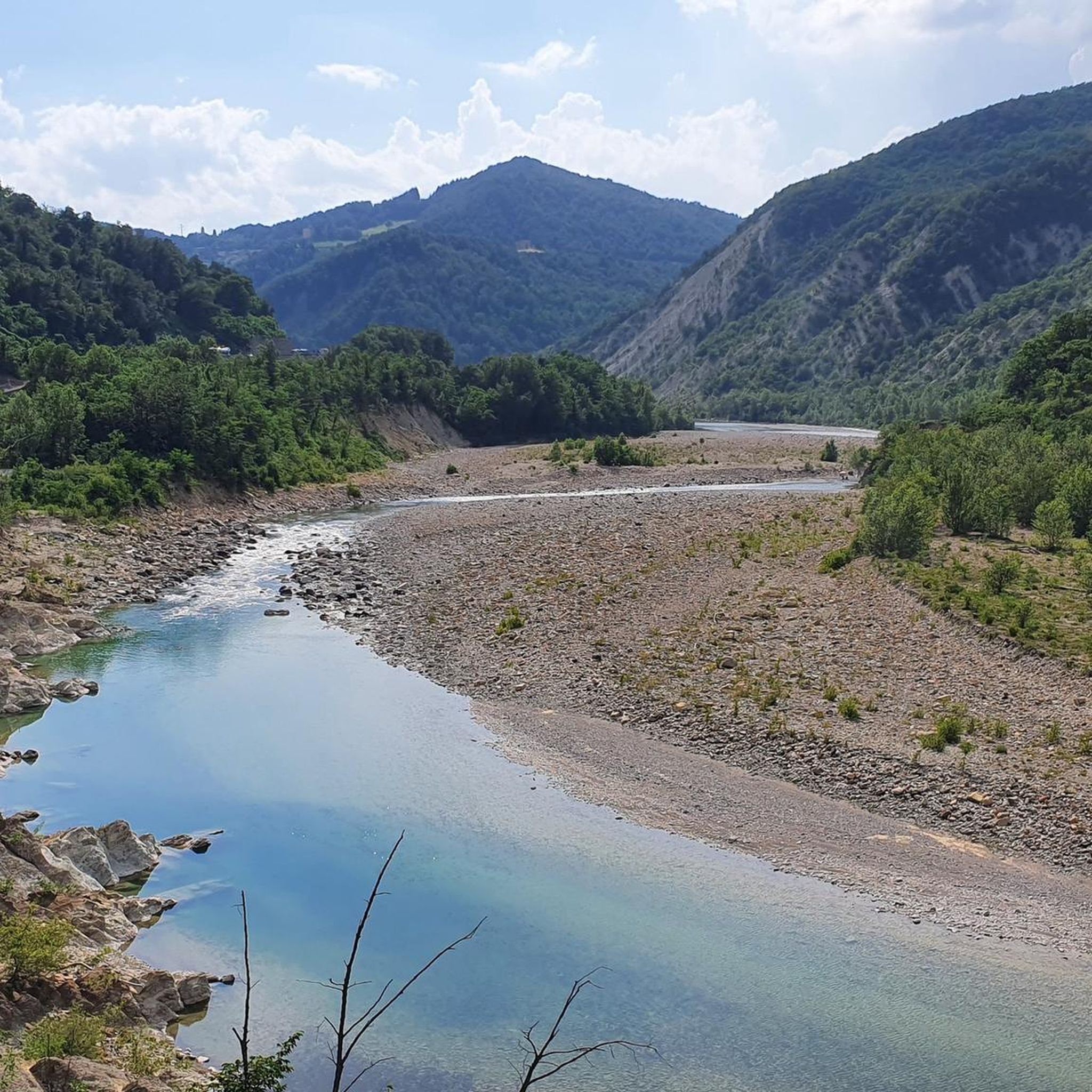
Running Trails around Fornovo Di Taro
Other adventures around Fornovo Di Taro


Tips from the Community

Ancient monastery erected near the Taro River
0
0

Life has been going on on the hill of Carona for centuries. In 1248, Bertrando Rossi built the "Castello di Fornovo" on the Fornovo hill, where a chapel already existed. The noble family maintained ownership of the property in the following centuries, despite attempts at siege and occupation. Along with the Rossi period, the historical stratification of Carona records a fundamental transition with the construction of the Villa, in the early 17th century, by the Jesuits. The Collegio dei Nobili of Parma, directed by the Jesuit Fathers, used this residence as a holiday resort from 1604. After a period of closure, the villa was reopened in 1831, by decree of the Duchess of Parma, Maria Luigia, and unified with the Collegio Lalatta under the name Collegio Maria Luigia. Villa Carona became the residence of a few students and the summer residence of the directors of the new educational institute, and remained so until the Second World War. The annexes later became the residence of various families, while from 1943 to 1945, the structure was occupied by soldiers. The villa's structure is characterized by a large three-part U-shaped building with a long three-story façade interrupted by a three-arched loggia. Two two-story lateral buildings border an internal courtyard, completed in the background by a chapel now in ruins. The Jesuits paid great attention to the exterior, to the maintenance of the greenery, which became an integral part of the structure and the lives of its inhabitants. SOURCE: https://www.comune.fornovo-di-taro.pr.it/luoghi/villa-carona HISTORY: The castle was built in the 13th century by the Rossi family. In the mid-14th century, it was owned by Giacomo de' Rossi. In 1408, it was captured by the Terzi family, but shortly thereafter returned to Rossi's possessions. During this period, the coast was known as "Castel Maria di Caronia," in honor of Pier Maria II de' Rossi. In 1480, Pier Maria Rossi left Carona Castle, along with other fortresses in the Apennines, to his son Bertrand in his will. In 1482, during the war between the Rossis and Ludovico il Moro, the castle was occupied by ducal troops, but was promptly retaken by Guido de' Rossi. At the end of the war, which resulted in Guido's defeat, the castle passed to Bertrand, his legitimate heir. In 1495, during the Battle of Fornovo (part of the First Italian War) between the armies of France and the anti-French Holy Alliance, the castle was burned by Swiss troops in the pay of the French king Charles VIII. Inherited along with the fiefdom of Berceto by Troilo I de' Rossi upon the death of his uncle Bertrando, it became part of the Rossi di San Secondo family's domains until Scipione I de' Rossi, burdened by debts, sold it to the municipality of Parma in 1666, which left it abandoned. In the 18th century, the Jesuits built the Villa dei Gesuiti on the few remains of the castle, which served as the summer residence of the College of Nobles. Nothing remains of the castle, as the aforementioned villa was built on top of it. SOURCE: https://it.wikipedia.org/wiki/Castello_di_Carona
0
0
It can't be called a peak, but Monte della Croce is Fornovo's viewpoint par excellence: a panoramic point from which you can gaze from one bank of the Taro River to the other, all the way to the Apennines, and dominate the entire town. Visible even from afar, the mountain owes its name to the cross, originally made of wood. It was apparently placed on the hill in the second half of the 17th century to celebrate the presence of a well-known Jesuit preacher, Paolo Sègneri, famous for his Lenten sermons. The current iron cross replaced it in the early 1900s, after an anarchist named Canali set fire to the wooden one in 1903. SOURCE: https://appenninoemilia.it/punti_di_interesse/vette-2/
1
0

Mount Prinzera is a peak I highly recommend (both on foot and by mountain bike). It offers panoramic views and a unique morphology.
0
0


Panoramic point par excellence for the municipality of Fornovo di Taro, from which you can gaze from one bank of the Taro river to the other up to the Apennines, locate the confluence of the Ceno, guess the surrounding hills and locations, dominate the entire town.
3
0

A particular and suggestive peak, worth a visit. The ascent from the west side is very characteristic, rocky but well-groomed, it is all on the coast and exposed. The northern ascent is instead immersed in the woods, less beaten and ruined, presence of important slopes.
0
0
Frequently Asked Questions
What types of hiking trails can I find around Fornovo di Taro?
The Fornovo di Taro area offers a diverse range of hiking trails, from easy riverside paths in the Taro River Park to more challenging sections of the historic Via Francigena. You'll find routes through rolling hills, wooded areas, and elevated viewpoints like Monte Prinzera, catering to various skill levels.
Are there any easy or family-friendly hiking options in Fornovo di Taro?
Yes, Fornovo di Taro has several easy trails suitable for families. The Taro River Park, for instance, features well-equipped paths ideal for leisurely walks. For a moderate option, consider the Laghetto di Strada Spagnano – Villa Carona loop from Ozzano Taro, which is 8.5 km long and leads through varied landscapes.
Can I hike with my dog in the Fornovo di Taro region?
Many trails in the Fornovo di Taro region are suitable for hiking with dogs, especially those in natural areas like the Taro River Park and the surrounding hills. Always ensure your dog is under control, and check local regulations for specific nature reserves like Monte Prinzera, where rules might be stricter to protect wildlife.
What are the best times of year to go hiking around Fornovo di Taro?
The best seasons for hiking in Fornovo di Taro are typically spring and autumn, when the weather is mild and the landscapes are particularly vibrant. Summer can also be pleasant, especially for early morning or late afternoon hikes, though some riverside areas might transform into 'beaches' during hotter periods. Winter offers a different, often quieter, experience, but some higher trails might be less accessible.
Are there any circular hiking routes available?
Yes, there are several circular routes. A popular moderate option is the Laghetto di Strada Spagnano – Villa Carona loop from Ozzano Taro. Another excellent choice for panoramic views is the Mount Prinzera – View from Monte Prinzera loop from Case Bottini, which is a moderate 11.5 km trail offering stunning vistas.
What historical or natural attractions can I see while hiking?
The region is rich in both natural beauty and historical sites. You can explore the unique ophiolitic outcrop of Monte Prinzera, offering panoramic views, or the ecological diversity of the Taro River Park. Historically, Fornovo di Taro is a significant stop on the ancient Via Francigena. Nearby, you can visit impressive castles such as the Pallavicino Castle of Varano de' Melegari or the well-preserved Torrechiara Castle. Don't miss Pietra Corva for its panoramic photo opportunities and historical significance.
How difficult are the Via Francigena sections near Fornovo di Taro?
The sections of the Via Francigena around Fornovo di Taro generally range from moderate to difficult. For example, the Via Francigena from Parma to Fornovo di Taro is a challenging 20.8 km route, while the Via Francigena - Collecchio Variant is a similarly difficult 20.5 km path. These trails offer significant historical and cultural relevance along with physical challenge.
What do other hikers say about the trails in Fornovo di Taro?
The hiking routes in Fornovo di Taro are highly regarded by the komoot community, with an average rating of 4.4 stars from over 380 reviews. Hikers often praise the varied terrain, from the tranquil riverine environments to the scenic elevated viewpoints, and the historical significance of routes like the Via Francigena.
Is there public transport available to reach trailheads?
Fornovo di Taro is a well-connected town, and local bus services often link to nearby villages and points of interest. While specific trailhead connections vary, it's advisable to check local bus schedules for routes that might serve starting points for trails in the Taro Valley or towards Monte Prinzera. For longer routes like the Via Francigena, train connections to Fornovo di Taro itself are also available.
Where can I find parking for hiking trails in Fornovo di Taro?
Parking is generally available in and around Fornovo di Taro, particularly in the town center and near popular access points for natural parks. For specific trailheads, it's often possible to find designated parking areas in nearby villages or at visitor centers for places like the Taro River Park or Monte Prinzera. Always look for official parking signs.
Are there opportunities to see wildlife while hiking?
Yes, especially in protected areas. The Taro River Park is an important ecological corridor, home to a rich variety of bird species and diverse botanical families. Monte Prinzera also hosts rare flora and fauna due to its unique geological profile. Hikers often encounter various forms of wildlife, particularly during quieter times of day.
What is Monte Prinzera and what kind of hike does it offer?
Monte Prinzera is an oriented nature reserve featuring a unique ophiolitic outcrop in the Middle Parma Apennines. Hiking to Monte Prinzera offers panoramic views of the Taro River, the Apennines, and surrounding areas. The ascent is scenic, and a moderate option is the Mount Prinzera – View from Monte Prinzera loop from Case Bottini, an 11.5 km trail that provides an excellent experience of this distinctive landscape.
Most popular routes around Fornovo Di Taro
Most popular attractions around Fornovo Di Taro

Get inspired with the komoot mobile app


Explore more
Browse the best Hikes in other regions.
