Attractions and Places To See around Bettola - Top 20
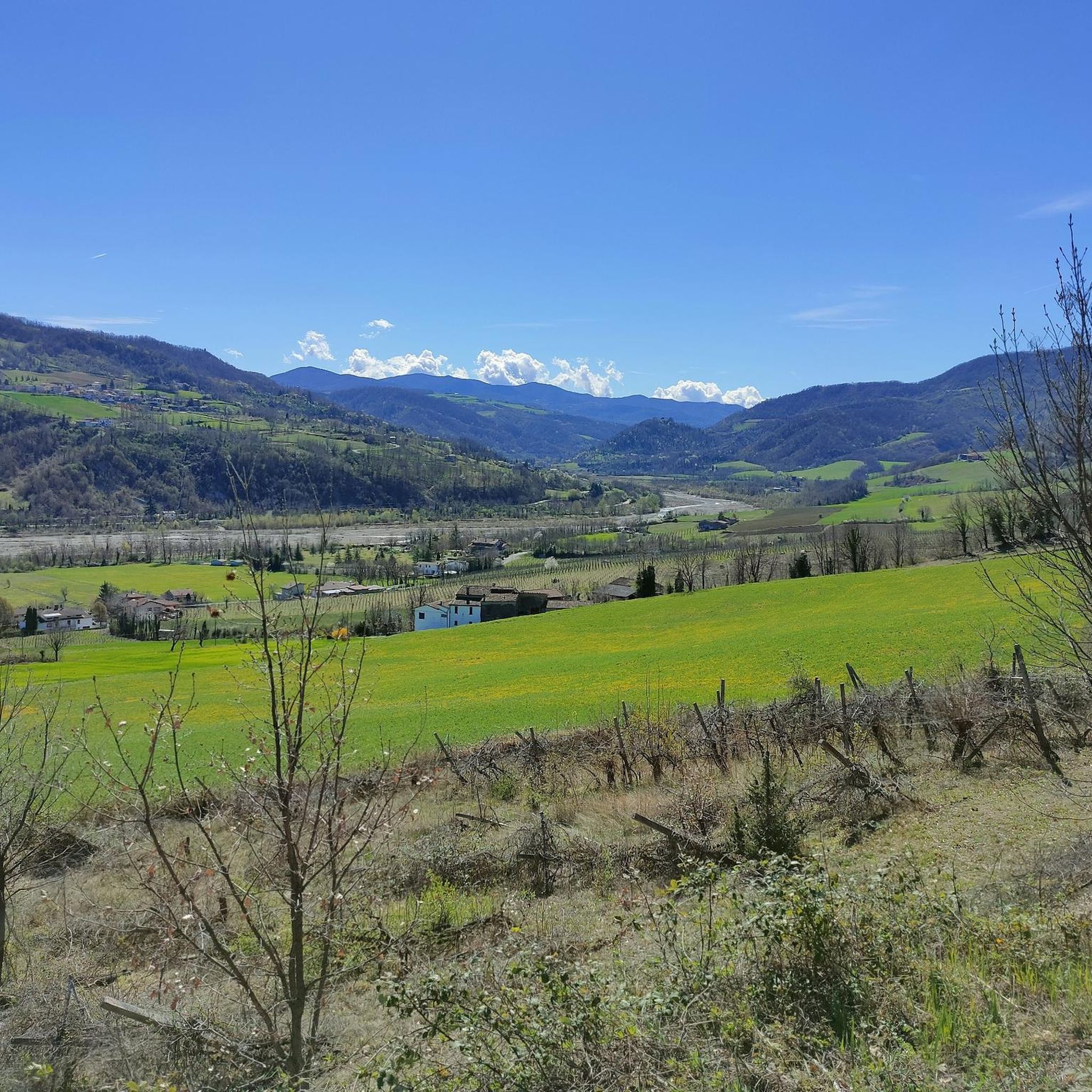
Best attractions and places to see around Bettola encompass a variety of historical landmarks, cultural sites, and natural features. Situated at the foothills of mountainous terrain, the region offers unspoilt valleys and rivers like the Perino and Nure. Bettola is known for its ancient villages, medieval castles, and significant religious buildings, reflecting a rich local history. The area provides diverse opportunities for exploring both its built heritage and scenic landscapes.
Best attractions and places to see around Bettola
- The most popular attractions is Ponte Gobbo (Bobbio), a bridge that is a Roman structure with an undulating shape and irregular arches. This ancient bridge is also known as the Hunchback Bridge or Devil's Bridge, associated with local legends.
- Another must-see spot is Monte Denavolo Summit Cross, a summit offering 360° views. This peak is one of the first in the mountain range that separates the Trebbia and Nure valleys.
- Visitors also love Monticello Castle and Partisan Memorial, a 14th-century medieval fortification. The castle is strategically located between Val Trebbia and Val Luretta, and the site includes a memorial to local Partisan heroes.
- Bettola is known for its historical sites, religious buildings, and natural viewpoints. The region offers a variety of attractions to see and explore, from ancient mills to scenic mountain peaks.
- The attractions around Bettola are appreciated by the komoot community, with 34 upvotes and 27 photos shared by visitors.
Last updated: October 23, 2026
Pietra Perduca and the Oratory of St. Anne
Highlight • Religious Site
Translated by Google •
Tip by

Ponte Gobbo (Devil's Bridge) of Bobbio
Highlight • Bridge
An ancient legend is linked to the construction of the bridge: it is said that the devil contacted San Colombano, offering to build the bridge in a single night, in exchange for the first mortal soul to cross it. The saint accepted the offer. During the night, the devil called some little devils who helped him build the bridge, supporting the vaults with their own strength. These demons varied in height, which led to the creation of differently sized arches in the bridge. At dawn, the devil showed up at the end of the bridge to collect his "reward". Saint Columbanus sent a little dog to the devil as payment. Deceived, the devil returned to hell, but not before kicking his creation, causing the tilt that gives the bridge its characteristic "hunchback" appearance.
Translated by Google •
Tip by

Sign up now to discover places like this
Get recommendations on the best single tracks, peaks, & plenty of other exciting outdoor places.
Mulino di Riè
Highlight • Historical Site
The Riè mill along the Perino stream is made up of two distinct blocks. The upstream part was the old mill, dating back to before the 19th century. The downstream structure dates back to the 19th century. The rooms of the plant differed based on their position and use: in the lower part there were the machinery for grinding the grain, while the upper part was used as accommodation for the miller.
Today only the machinery of the most recent mill remains of the grinding system. The two stone grinders, the pin, the external wheel and the water drainage channel have been preserved. Furthermore, the pin of the oldest wheel and the seat of the wheel's water tank are visible.
The historical, architectural and productive relevance of the plant has recently been recognized. In 2009 the Riè Mill was the subject of a conservative restoration intervention, which affected the stone slab roof covering and the external wheel.
Translated by Google •
Tip by

Church of Saint Lawrence the Martyr
Highlight • Religious Site
The Rosary chapel was built in 1677. In 1681 it was embellished with stucco decorations created by Pronimo Porta.
In the church there are two chapels from the Baroque period where the fifteen "Mysteries of the Rosary", "San Pio V" and the "Madonna del Rosario" created in 1705 by Robert de Longe are preserved.
In 1706 the chapel of San Giuseppe was built. It was blessed by Don Bernardo Segalini on 16 March 1708. Its stucco decoration, created in 1724, is the work of the brothers Francesco and Pietro Ferrari and by Pietro Agni. The paintings on the walls are the work of the painter Luigi Mussi from Piacenza and date back to 1733.
Following the restoration of the building which took place in 1897, the church took on its current shape with the addition of the entrance.
Translated by Google •
Tip by
Ponte Gobbo
Highlight • Bridge
In the Middle Ages, the construction of a bridge was considered a miraculous feat. For this reason, the construction of such structures gave rise to many legends, often involving the devil: joining two places that God had wanted separated was seen by many as a "diabolical" work.
According to an ancient legend, Saint Columbanus, a 7th-century Irish monk, was eager to bring the word of God to the people living on the other bank of the Trebbia River, near the town of Bobbio. The devil promised to build the bridge in a single night, in exchange for the first mortal soul to cross it. The saint accepted. That night, the devil summoned several little devils who assisted him in the construction work, holding up the bridge's arches. The demons were of different heights, and thus the various arches of the bridge were of varying sizes.
In the morning, the devil stationed himself at the end of the bridge to demand his payment. But Saint Columbanus outwitted him by having his poor, suffering and very sick dog (some say it was a bear) cross the bridge instead of a man. The enraged devil returned to hell, but not before kicking his handiwork, which has been crooked ever since. It is said that the footprints of the unfortunate animal that served as a guinea pig still remain in the crypt of the Church of Saint Columbanus.
The Hunchback Bridge, also known as the Ponte Vecchio or, more precisely, the Devil's Bridge, is a Roman structure that has undergone numerous renovations over the centuries. The structure above dates back to the 7th century, but traces of an older bridge, dating back to before Columbanus' arrival, have been found underneath. The bridge, characterized by its undulating shape, irregular arches, and relatively narrow carriageway, is 280 meters long and connects the two banks of the river through a complicated succession of 11 irregular spans, varying in span and height, creating an undulating path from one end to the other. The Bobbio Bridge, now used only as a pedestrian crossing, is the very symbol of the city of San Colombano, as well as one of the strangest and most original architectural structures in Italy.
Source: Emilia-Romagna Region
Translated by Google •
Tip by

Sign up for free to discover even more attractions around Bettola.
Already have an account?
Start today with a free account
Your next adventure awaits.

Tips from the Community

Hunchback Bridge or Devil's Bridge In the Middle Ages, the construction of a bridge was considered a miraculous feat. For this reason, the construction of such structures gave rise to many legends, often involving the devil: joining two places that God had wanted separated was seen by many as a "diabolical" work. According to an ancient legend, Saint Columbanus, a 7th-century Irish monk, was eager to bring the word of God to the people living on the other bank of the Trebbia River, near the town of Bobbio. The devil promised to build the bridge in a single night, in exchange for the first mortal soul to cross it. The saint accepted. That night, the devil summoned several little devils who assisted him in the construction work, holding up the bridge's arches. The demons were of different heights, and thus the various arches of the bridge were of varying sizes. In the morning, the devil stationed himself at the end of the bridge to demand his payment. But Saint Columbanus outwitted him by having his poor, suffering and very sick dog (some say it was a bear) cross the bridge instead of a man. The enraged devil returned to hell, but not before kicking his handiwork, which has been crooked ever since. It is said that the footprints of the unfortunate animal that served as a guinea pig still remain in the crypt of the Church of Saint Columbanus. The Hunchback Bridge, also known as the Ponte Vecchio or, more precisely, the Devil's Bridge, is a Roman structure that has undergone numerous renovations over the centuries. The structure above dates back to the 7th century, but traces of an older bridge, dating back to before Columbanus' arrival, have been found underneath. The bridge, characterized by its undulating shape, irregular arches, and relatively narrow carriageway, is 280 meters long and connects the two banks of the river through a complicated succession of 11 irregular spans, varying in span and height, creating an undulating path from one end to the other. The Bobbio Bridge, now used only as a pedestrian crossing, is the very symbol of the city of San Colombano, as well as one of the strangest and most original architectural structures in Italy. Source: Emilia-Romagna Region
2
0

enchanting place on a splendid panorama, there are on the crest of the rock some tanks with newts, unique animals
2
0
very nice church with a nice bar restaurant next to it that offers many good things to eat, home cooking, from sandwiches to first courses with good prices
0
0

I arrive in Bobbio from a less busy road and with a beautiful view of Ponte
1
0

The oratory is beautiful
1
0

Saint Lawrence / "San LORENZO", to whom this church is dedicated, is one of the early Christian martyrs from a time when Christianity was still forbidden. He was the Pope's archdeacon and was asked by the pagan Emperor Valerian to hand over the church's treasure. Lawrence asked for three days, during which he distributed the church's assets among the poor inhabitants of Rome and, after the agreed time, came to the emperor with the poor to present them to him as the church's treasure. He was then tortured to death; legend has it that he was roasted alive on a grate - this attribute can be seen in many depictions of Saint Lawrence - over coals. This scene is also depicted above the entrance portal of the church. He is said to have been in good spirits and to have asked his executioner if he would like to turn him over. The feast day of San Lorenzo/Saint Laurentius in the calendar of saints is August 10th, and it is certainly no coincidence that the consecration of the church took place on this very day in A.D. 1672.
0
0

The Mill of Riè is a characteristic rural architecture, testimony to the ancient local economic activities. In fact, in the past there were numerous mills along this river, driven by the flow of specially channeled water. The Riè mill along the Perino stream is made up of two distinct blocks. The upstream part was the old mill, dating back to before the 19th century. The downstream structure dates back to the 19th century. The rooms of the plant differed based on their position and use: in the lower part there were the machinery for grinding the grain, while the upper part was used as accommodation for the miller. Today only the machinery of the most recent mill remains of the grinding system. The two stone grinders, the pin, the external wheel and the water drainage channel have been preserved. Furthermore, the pin of the oldest wheel and the seat of the wheel's water tank are visible. The historical, architectural and productive relevance of the plant has recently been recognized. In 2009 the Riè Mill was the subject of a conservative restoration intervention, which affected the stone slab roof covering and the external wheel.
4
0
Frequently Asked Questions
What historical sites can I explore in Bettola?
Bettola offers a rich history with several notable sites. You can visit the ancient village of Borgo San Bernardino with its historic tower-houses, or explore Borgo San Giovanni, featuring Piazza Colombo and Piazzetta Sant'Ambrogio. The Mulino di Riè, a characteristic rural mill along the Perino stream, provides insight into ancient local economic activities. Additionally, the Monticello Castle and Partisan Memorial is a 14th-century medieval fortification with a significant history.
Are there any significant religious buildings in Bettola?
Yes, Bettola is home to several important religious sites. The Church of San Giovanni, also known as the Shrine of the Blessed Virgin of the Oak (della Quercia), is renowned for its richly decorated interior and a Marian apparition dating back to 1496. The Church of Saint Lawrence the Martyr, dating back to the 16th century, features beautiful Baroque chapels and stucco decorations. You can also find the Chapel of the Apparition, connected to the Marian apparition story.
Where can I find scenic natural spots or waterfalls around Bettola?
For natural beauty, the Valley of the Perino is home to the celebrated Cascades or waterfalls on the Perino, accessible via a relatively easy trail from Calenzano. The Valley of the Restano is described as wild, nearly uninhabited, and incredibly beautiful, offering a serene natural experience. For panoramic views, head to the Monte Denavolo Summit Cross, one of the first peaks separating the Trebbia and Nure valleys, offering splendid 360° views.
What is the story behind the Ponte Gobbo?
The Ponte Gobbo, also known as the Hunchback Bridge or Devil's Bridge, is an ancient Roman structure in Bobbio, characterized by its undulating shape and irregular arches. Legend has it that Saint Columbanus made a pact with the devil to build the bridge in a single night in exchange for the first mortal soul to cross it. The saint outsmarted the devil by sending a dog (or bear) across first, enraging the devil who then kicked the bridge, leaving it crooked ever since.
What outdoor activities can I do near Bettola's attractions?
The mountainous countryside around Bettola is perfect for outdoor enthusiasts. You can enjoy trekking, cycling, and horseback riding along numerous paths and mule trails. For specific routes, explore the Gravel biking routes around Bettola, Road Cycling Routes around Bettola, or general Cycling routes around Bettola.
Are there any castles to visit in the vicinity of Bettola?
Yes, the area surrounding Bettola is dotted with various castles that offer a glimpse into medieval history. Notable examples include Castello di Agazzano, Castello di Altoe', Castello di Montechiaro, Castello di Castano, and Castello di Gropparello. Many of these are open to visitors, providing insights into the region's rich past.
When is the best time to visit Bettola for outdoor activities?
The best time to visit Bettola for outdoor activities like trekking, cycling, and exploring natural landscapes is during spring and autumn. The weather is generally pleasant, and these seasons often feature local events and food fairs, adding to the cultural experience.
What is the significance of Torre Colombo?
Torre Colombo (Columbus Tower) in Pradello, located a few kilometers from Bettola, holds historical significance as it is traditionally believed to be the ancestral home of Christopher Columbus's father. It now houses a small museum dedicated to the family, offering a unique connection to the famous explorer.
What are some other mountains or peaks near Bettola offering views?
Beyond Monte Denavolo, Bettola is situated at the foothills of mountainous terrain with several other peaks offering splendid natural landscapes. These include Monte Osero, Monte Gonio, Monte Mangiapane, Poggio Alto, Monte Armelio, Costa Monte Capra, Pietra Perduca, and Pietra Parcellara, all providing opportunities for scenic views and outdoor exploration.
What do visitors enjoy most about the attractions around Bettola?
Visitors particularly appreciate the diverse range of attractions, from historical landmarks to natural wonders. The Ponte Gobbo is a favorite for its unique architecture and local legends, while the Monte Denavolo Summit Cross is loved for its breathtaking 360° panoramic views. The historical depth of sites like the Monticello Castle and the charm of the Mulino di Riè also receive high praise for their cultural and historical value.
Are there any easy hiking trails near Bettola?
While many trails in the mountainous region can be challenging, the path to the Cascades on the Perino from Calenzano is considered relatively easy. For more options, you can explore the various cycling and walking routes around Bettola, which often include sections suitable for easier walks, allowing you to enjoy the natural beauty without strenuous effort.
Most popular routes around Bettola
Most popular attractions around Bettola

Get inspired with the komoot mobile app


Explore more
Still not found the Highlight you’re looking for? See guides of the top attractions in other regions:
