Attractions and Places To See around Campagnola Emilia - Top 20
Best attractions and places to see around Campagnola Emilia include historical landmarks and cultural sites within the town, complemented by the diverse landscapes of the broader Emilia-Romagna region. Campagnola Emilia features a 16th-century town layout, ancient churches, and well-preserved historic buildings. The area offers a variety of points of interest, reflecting its rich history and cultural heritage.
Best attractions and places to see around Campagnola Emilia
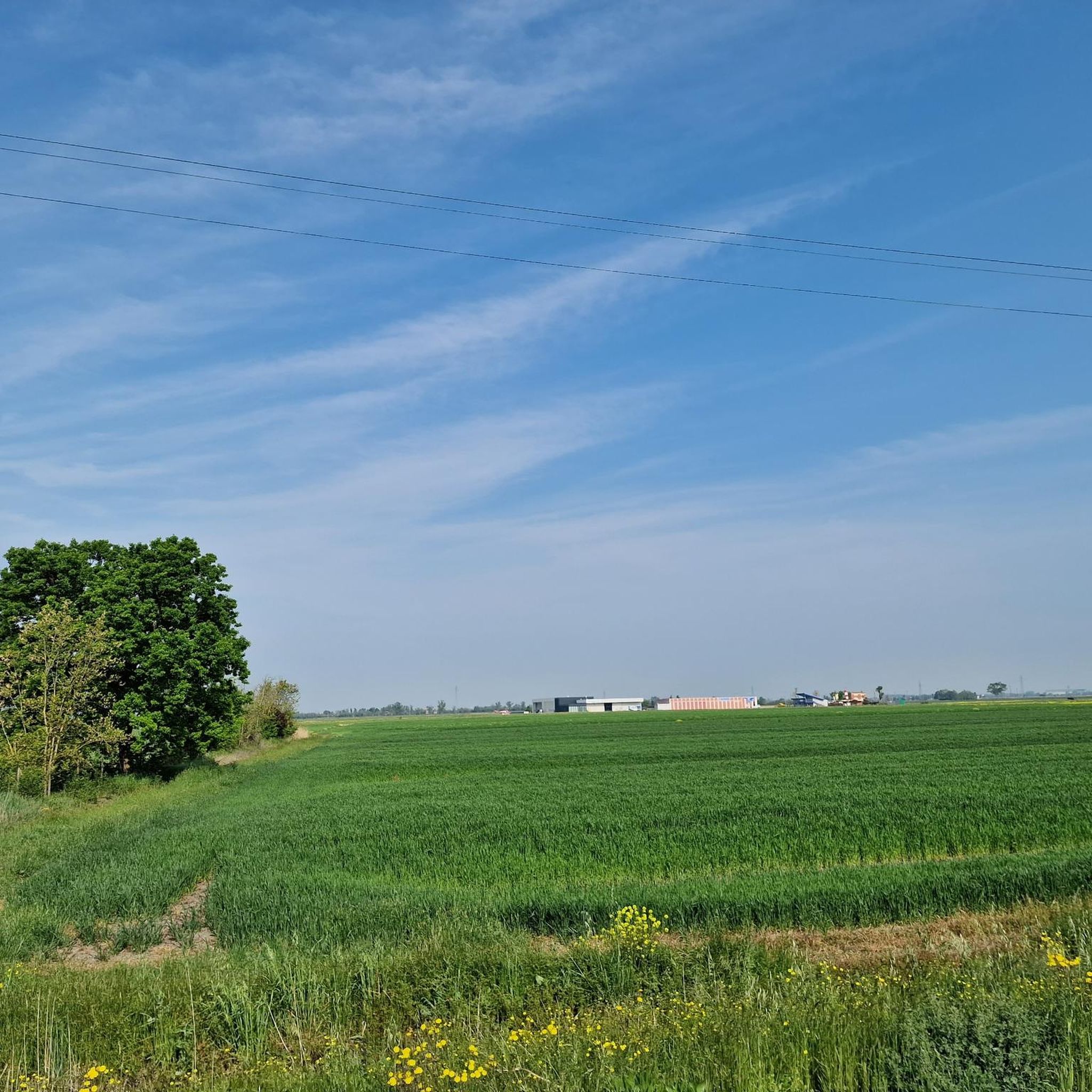
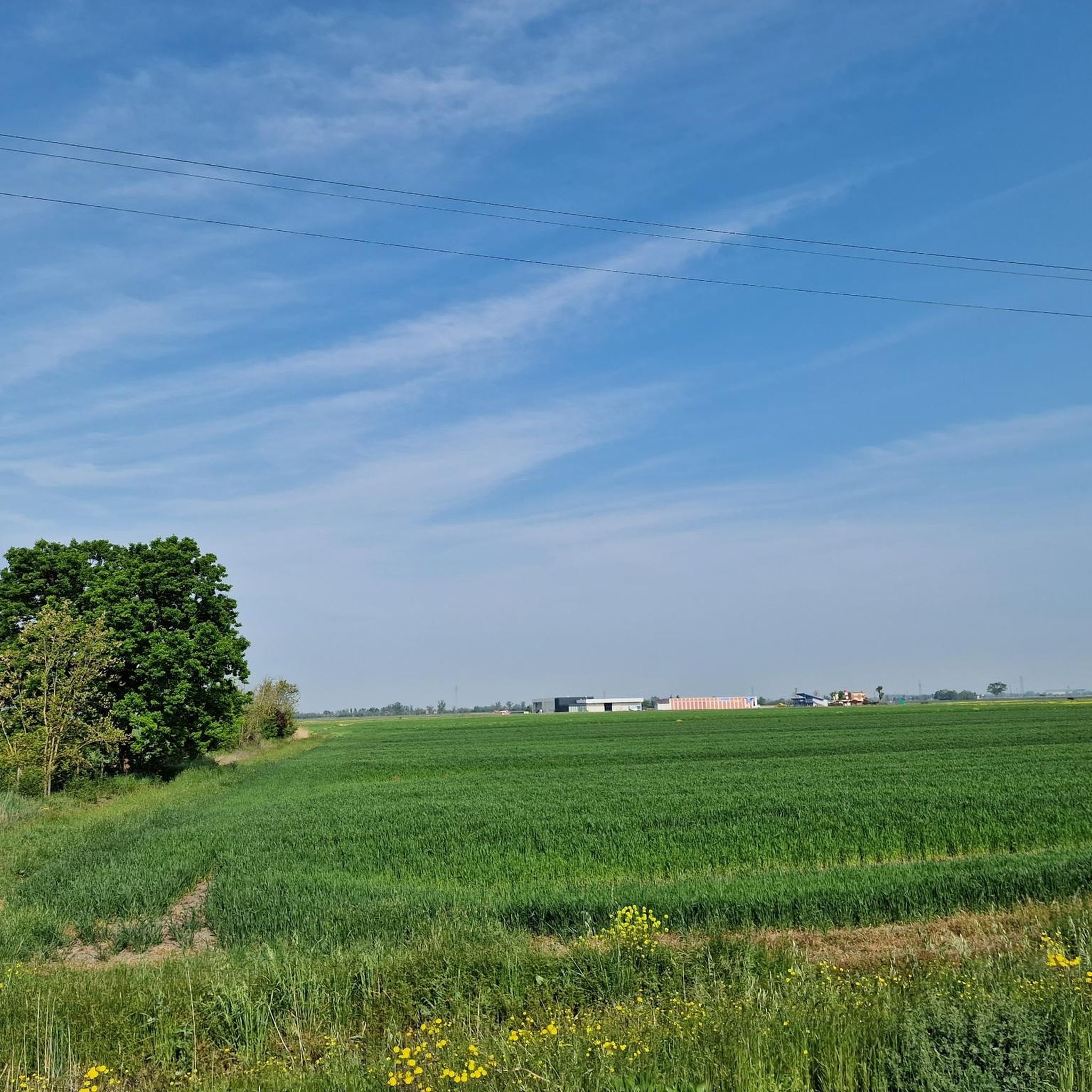
- The most popular attractions is Bagnolo–Correggio Rail Trail, a cycle way that is…
Last updated: May 9, 2026
Bagnolo–Correggio Rail Trail
Highlight (Segment) • Cycleway
Translated by Google •
Tip by

Fossoli Concentration Camp Memorial
Highlight • Historical Site
Translated by Google •
Tip by

Sign up now to discover places like this
Get recommendations on the best single tracks, peaks, & plenty of other exciting outdoor places.
Sign up for free
Portico Lungo of Piazza dei Martiri, Carpi
Highlight • Monument
Translated by Google •
Tip by

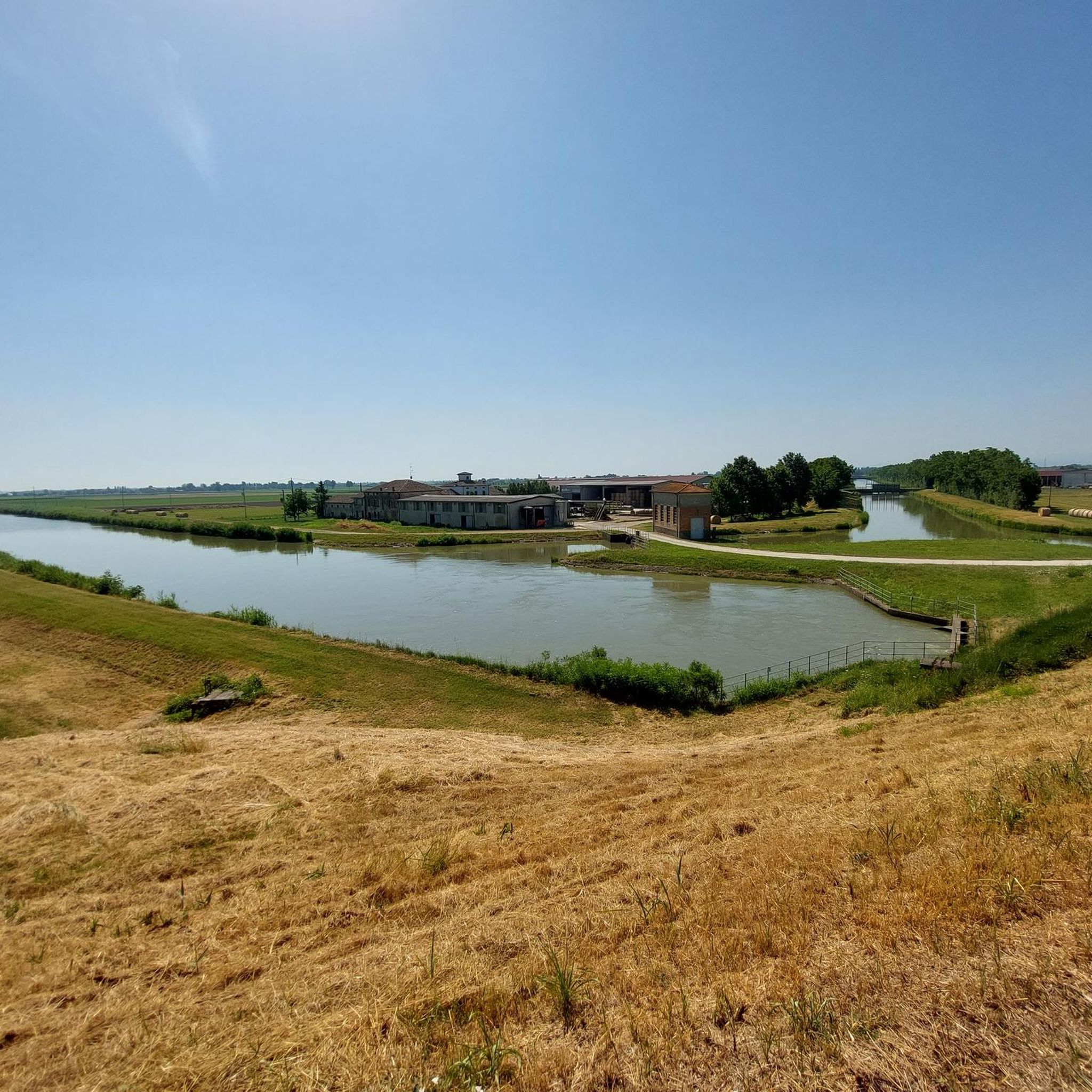
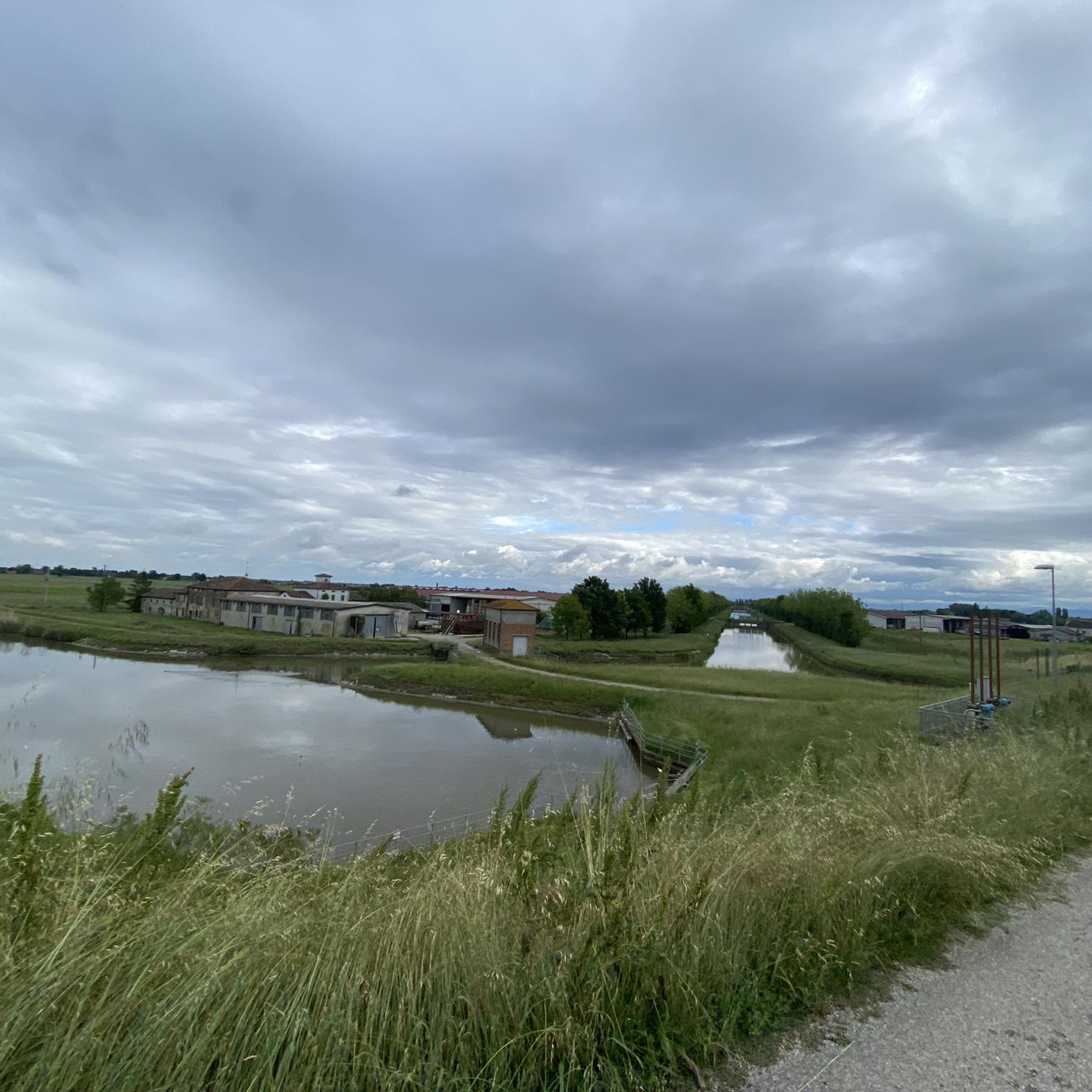
Herons' Hill
Highlight • Natural Monument
Translated by Google •
Tip by
Sign up for free to discover even more attractions around Campagnola Emilia.
Sign up for free
Already have an account?
Start today with a free account
Your next adventure awaits.
Login or Signup

Tips from the Community

Damned War
0
0
Very touching
0
0

It's a place of memory, there's a need for it these days.
0
0

Second conflict sorting camp
1
0

Concentration camp near Carpi
1
0

The Collina degli Aironi is a strange anomaly of our flat territory. It is an old accumulation of waste, which over time has become a pleasant hill, now protected. From here passes a short but fun single track for mtb.
0
0

It deals with one of the most beautiful and large squares in Italy
1
0
Frequently Asked Questions
What historical sites can I explore in Campagnola Emilia?
Campagnola Emilia is rich in history. You can visit the Parish Church of Santi Protasio e Gervasio in Piazza Roma, or the ancient Romanesque-style Church of Sant'Andrea, which features 15th-century frescoes. The Abbey of the Holy Trinity, founded in the 12th century, also has a modest church remaining within a rural palace. Don't miss the Castello Guidotti, a significant historical landmark in the region.
Are there any cultural landmarks or significant buildings to see in the town center?
Yes, the heart of Campagnola Emilia is Piazza Roma, which retains its 16th-century layout. It's flanked by the Parish Church of Santi Protasio e Gervasio and the Town Hall, a 17th-century building. Another notable example of residential architecture is Palazzo Baccarini, built between 1689 and 1741, which now houses the local library and municipal services.
What outdoor activities are available for cyclists near Campagnola Emilia?
Cyclists can enjoy the Bagnolo–Correggio Rail Trail, a former railway transformed into a pleasant cycle path connecting Bagnolo to Correggio. For more extensive cycling, you can find various routes for gravel biking and road cycling. Explore options like the 'Correggio–Bagnolo Cycle Path' or the 'Tree-lined Avenue – Fazzano Cycle Path' by visiting the Gravel biking around Campagnola Emilia or Road Cycling Routes around Campagnola Emilia guides.
Are there any family-friendly attractions in the area?
Several attractions are considered family-friendly. The Fossoli Concentration Camp Memorial, while a somber historical site, is noted as family-friendly for its educational value. The Portico Lungo of Piazza dei Martiri, Carpi, and Castello Guidotti are also suitable for families. Additionally, the Herons' Hill offers a natural monument with paths that can be enjoyed by families.
What kind of local food and wine specialties can I find in Campagnola Emilia?
Campagnola Emilia is known for its delicious *Ciccioli* (pork cracklings). The broader area is also famous for its vinegar cellars, Lambrusco Reggiano wineries, and cheese factories producing the renowned Parmigiano-Reggiano cheese. These local products offer a taste of the region's rich culinary heritage.
Where can I find walking or running trails near Campagnola Emilia?
You can find several walking and running trails around Campagnola Emilia. Options include a 'Running loop from Campagnola Emilia' and a 'Castello Guidotti loop from Campagnola Emilia'. These routes vary in distance and difficulty, offering choices for different fitness levels. For more details and specific routes, refer to the Running Trails around Campagnola Emilia guide.
Are there any natural features or viewpoints to visit?
While Campagnola Emilia itself is primarily known for its historical and cultural sites, you can find the Herons' Hill, which is a natural monument and viewpoint offering paths through green landscapes. The broader Emilia-Romagna region, where Campagnola Emilia is located, is known for its diverse natural landscapes, including the Po River and the Apennine peaks.
What is the significance of Corte di San Bernardino?
Corte di San Bernardino, also known as Casa Folloni, is a historically significant court located in the nearby hamlet of San Bernardino. It dates back to the 12th century and was restructured in the 15th century. The famous Franciscan preacher Saint Bernardino of Siena was a guest here in 1423. The site includes a manor house, a dovecote tower, and a 15th-century oratory dedicated to the saint, with recent discoveries of frescoes.
What do visitors particularly enjoy about the attractions near Campagnola Emilia?
Visitors appreciate the variety of experiences, from the historical depth of sites like the Fossoli Concentration Camp Memorial, described as a crucial 'place of memory', to the pleasant outdoor experience of the Bagnolo–Correggio Rail Trail, noted as a 'very nice cycle path in the middle of nature'. The grandeur of places like the Portico Lungo of Piazza dei Martiri, Carpi, is also highly rated.
Is there an attraction that is wheelchair accessible?
Yes, the Portico Lungo of Piazza dei Martiri, Carpi is noted as being wheelchair accessible, making it a welcoming cultural landmark for all visitors.
What is the historical context of Campagnola Emilia?
Campagnola Emilia's history is deeply intertwined with powerful families like the Canossa family (9th century) and the Da Correggio family (14th-17th centuries). The town's construction was initiated in 1621 by Siro d'Austria, further increasing its importance. Its architecture, including ancient churches and well-preserved historic buildings, reflects this rich medieval past.
Are there any specific points of interest for history enthusiasts beyond the main churches and castles?
Beyond the main churches and Castello Guidotti, history enthusiasts might find the Palazzo Baccarini, an example of 17th-century residential architecture, and the Corte di San Bernardino, with its Matildic-era palace and connections to Saint Bernardino of Siena, particularly interesting for their historical depth and architectural significance.
Most popular routes around Campagnola Emilia
Most popular attractions around Campagnola Emilia

Get inspired with the komoot mobile app


Explore more
Still not found the Highlight you’re looking for? See guides of the top attractions in other regions:
