The best walks and hikes around Ringelsdorf-Niederabsdorf
4.8
(34)
186
hikers
75
hikes
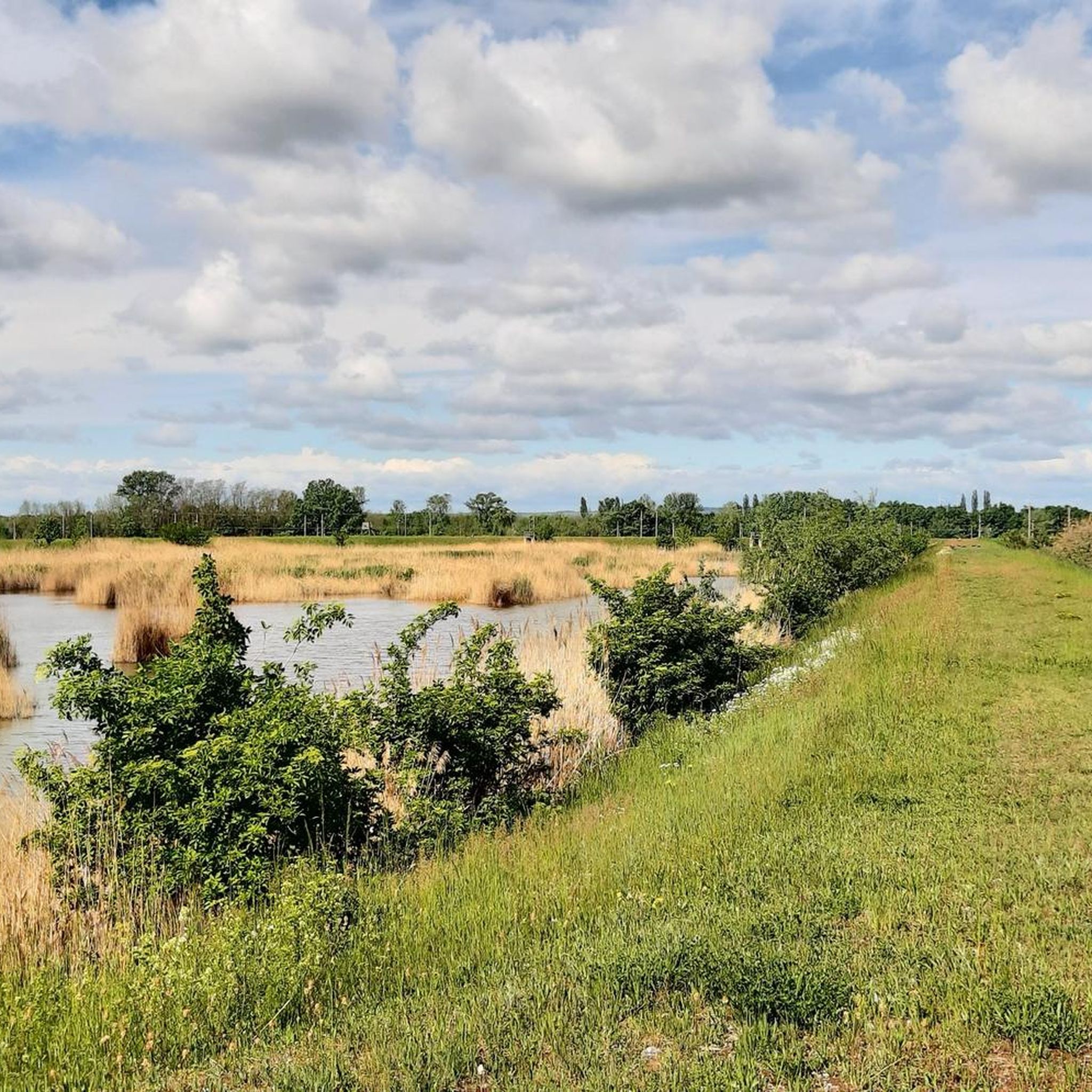
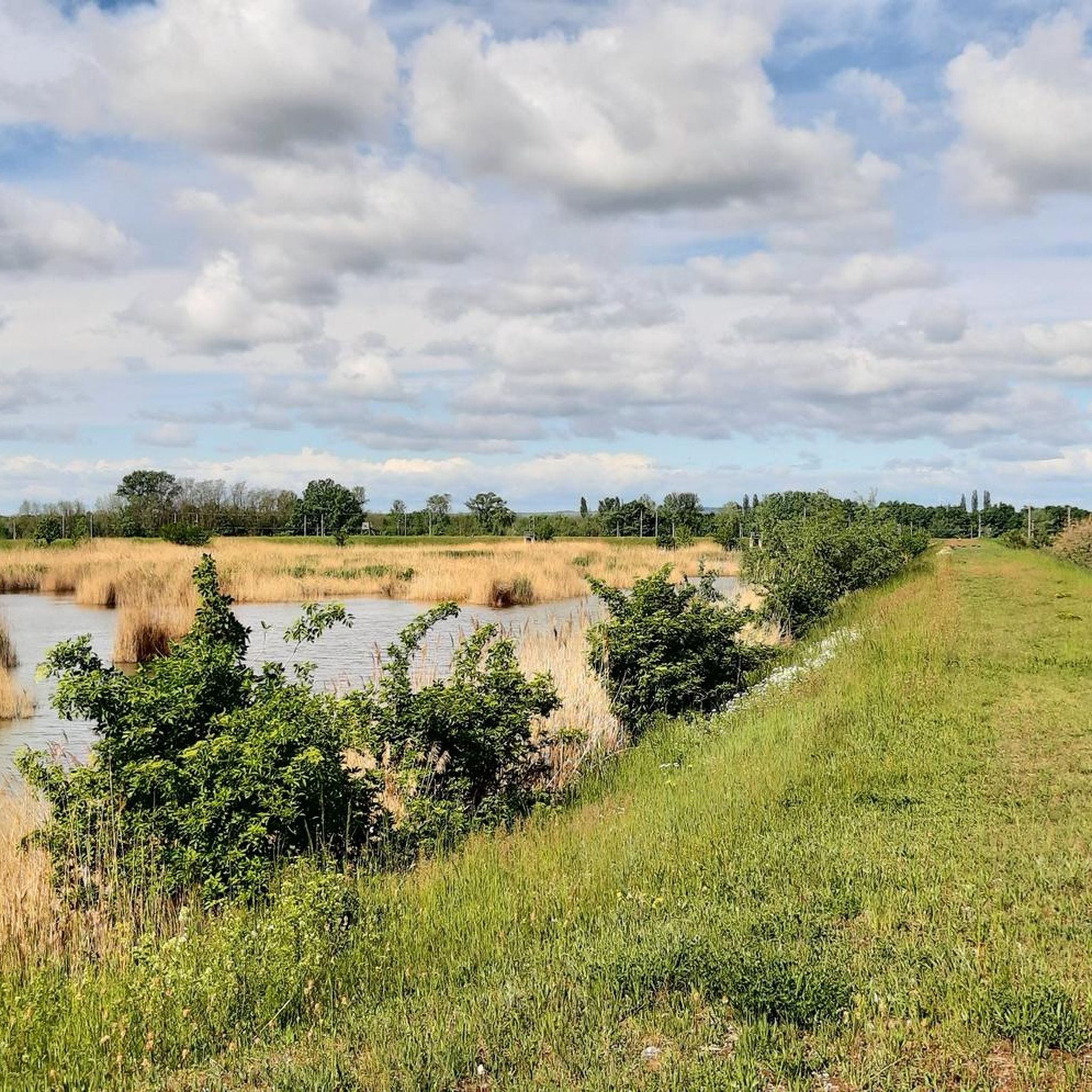
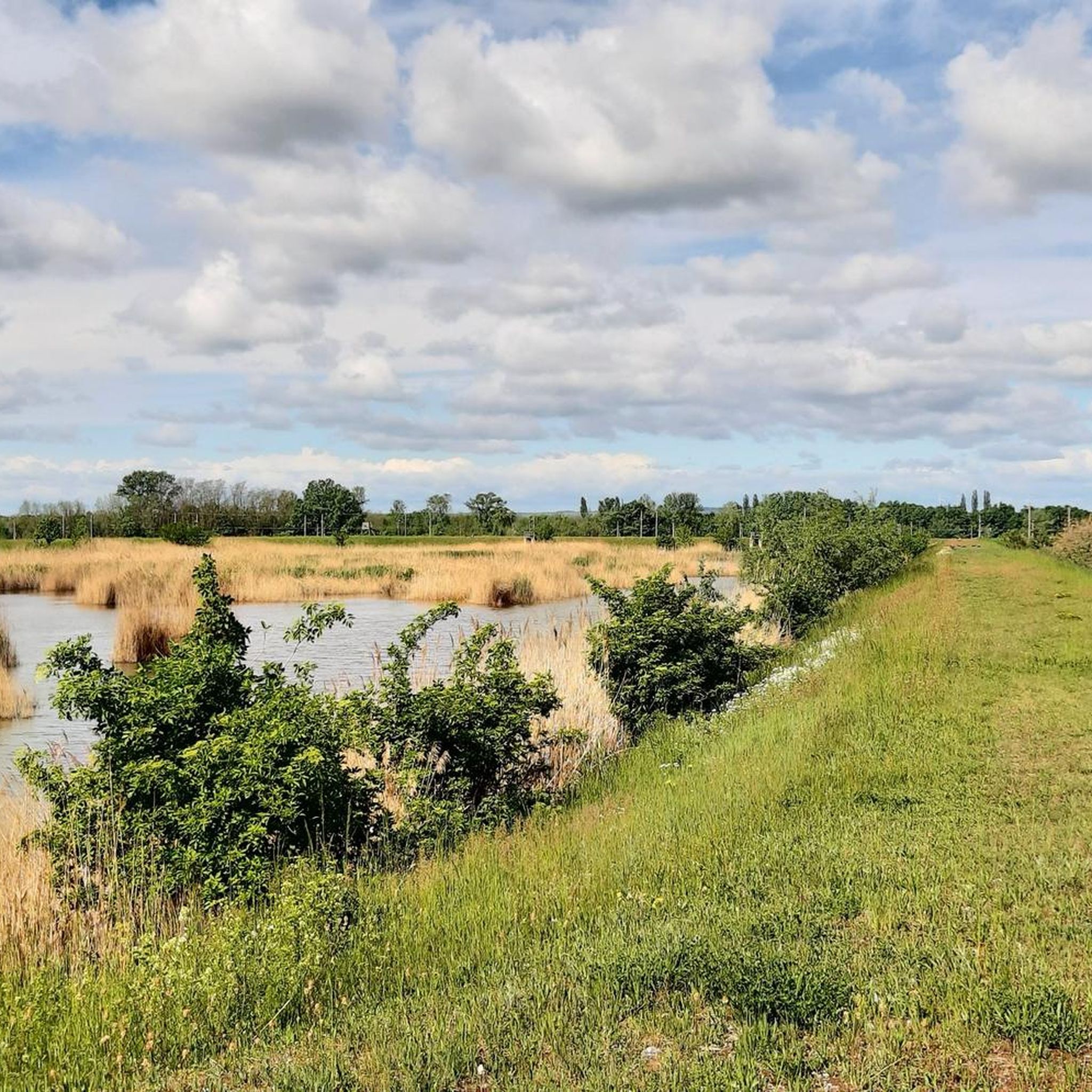
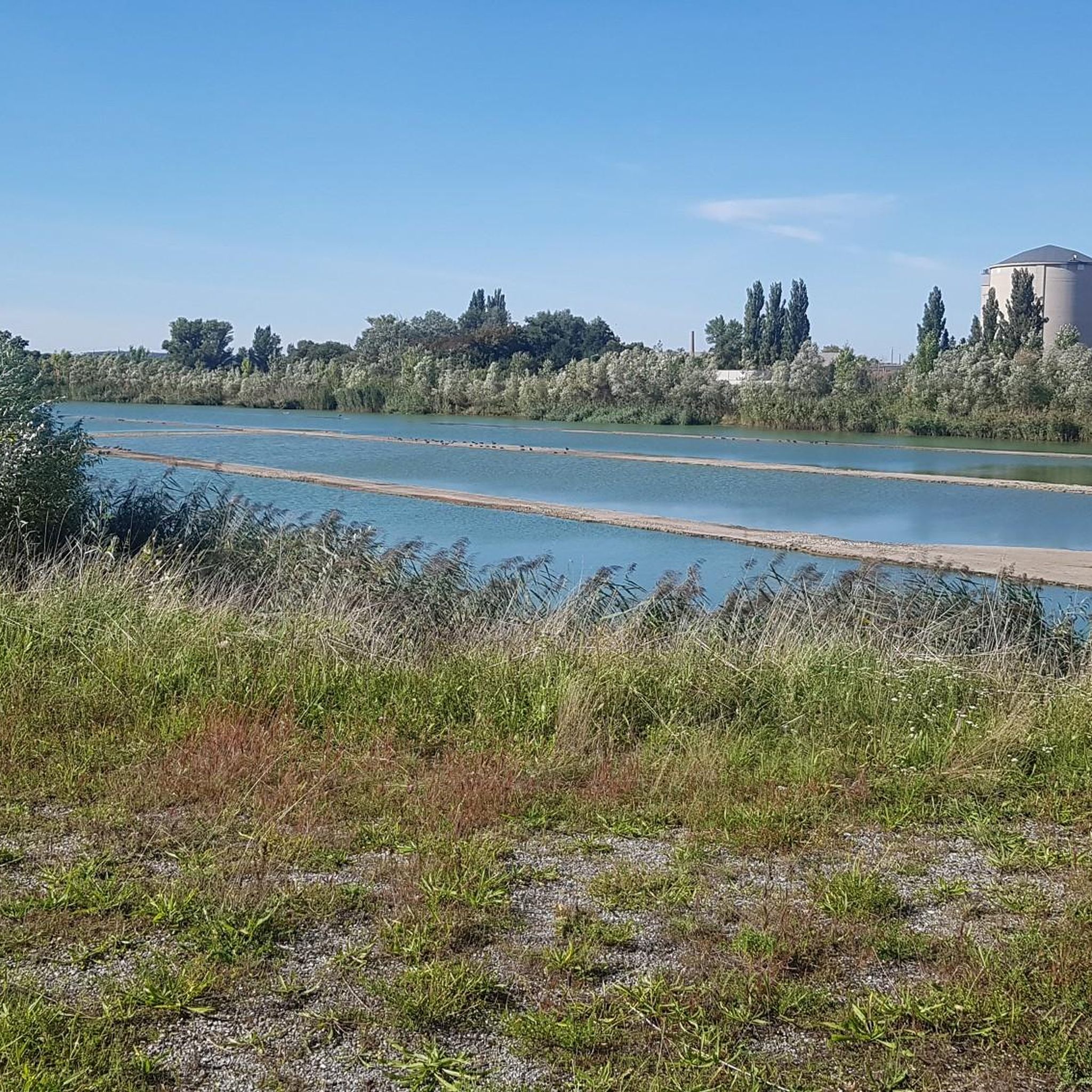
Hiking trails around Ringelsdorf-Niederabsdorf traverse the diverse landscapes of the March-Thaya-Auen, a protected floodplain region in Lower Austria. This area is characterized by its "Great Meadows," extensive riparian forests, and the winding Zaya River. Hikers will encounter a mix of wet reed zones, damp meadows, and even sand areas, including Austria's largest sand dune. The terrain is generally flat with minimal elevation changes, making it accessible for various activity levels.
Best hiking trails around Ringelsdorf-Niederabsdorf
- The most popular hiking route…
Last updated: July 15, 2026
2.0
(1)
8
hikers
Easy hike. Great for any fitness level. Easily-accessible paths. Suitable for all skill levels.
5.0
(1)
3
hikers
11.1km
02:48
20m
20m
Moderate hike. Good fitness required. Easily-accessible paths. Suitable for all skill levels.

Sign up for free
4
hikers
Easy hike. Great for any fitness level. Easily-accessible paths. Suitable for all skill levels.
3
hikers
Moderate hike. Good fitness required. Easily-accessible paths. Suitable for all skill levels.
5.0
(1)
4
hikers
10.00km
02:33
40m
40m
Moderate hike. Good fitness required. Easily-accessible paths. Suitable for all skill levels.
Get access to more routes and recommendations from other explorers.
Sign up for free
Already have an account?
Our route recommendations are based on thousands of hikes, rides, and runs completed by other people on komoot.
Start today with a free account
Your next adventure awaits.
Login or Signup

Tips from the Community

The church was built in 1900 and is dedicated to St. Andrew.
0
0
The defense tower of Palterndorf is one of the highlights of the village. Unfortunately, he is in the middle of a property. It was not possible to tell whether it was freely accessible.
0
0
The statue of John of Nepomuk was erected in 1724. The chapel to protect the statue was built in 1895.
0
0
The Plague Column is a Gothic jewel built around 1450-1500.
0
0
The oldest parts of the church were built in the 13th century. built and were part of a larger medieval fortification with a defensive wall. Therefore it is also a former fortified church.
0
0

A few doors down, fresh fruit and vegetables are sold in front of the house.
0
0

Access to my knowledge through the inn. Open from April 1st to October 31st Monday - Sunday 10 a.m. - 5 p.m. Defense tower The mighty defense tower that stands in the middle of Palterndorf is a wonderful stone witness of the Middle Ages. The tower was first mentioned in a document in the Liechtenstein land register of 1414 ("... so there is a courtyard there, the tower is in place ...") and then belonged to the Liechtensteiners. It was part of an apparently fortified courtyard. The defense tower was once enclosed by a wall and moat. The tower was built from rubble stones and has a wall thickness of over one meter, a base area of 8 by 8 meters and a height to the eaves of 14 meters. The ground floor has a barrel vault and is accessible through a door that was added later. The original entrance to the tower is the high entry on the first floor. This could only be reached by a ladder, which provided better protection in an emergency, because the ladder could be pulled in and this made it difficult for the attackers to get into the tower. The legend tells that there was an underground escape route from the fortified tower to the fortified church. Originally, the tower should have had a fortified end. The largely original Gothic village tower is an extraordinary rarity across the country and is the only one of its kind north of the Danube. It is a testimony to the home decor, storage and refuge in the Gothic era. This fact gives it special historical, artistic and cultural significance. https://palterndorf-dobermannsdorf.riskommunal.net/system/web/video.aspx?detailonr=224947416 Source: https://www.palterndorf.at/Freizeit_Vereine/Tourismus/Wehreurm
0
0

"The parish church of St. Laurentius in Drösing is a former fortified church. The squat, three-storey Romanesque fortified tower is open through slit windows and Romanesque sound windows, has a handle on the parapet wall and is crowned by an octagonal helmet, a pointed helmet made of stone with baroque dials. Closes to the east the mighty central baroque central building, which was built while maintaining the Romanesque corner of the long house in the west. The long house has segmented arched windows and is divided by pilasters. In the south, a low sacristy is added. "
1
0
Frequently Asked Questions
What kind of landscape can I expect when hiking around Ringelsdorf-Niederabsdorf?
The region is defined by the unique March-Thaya-Auen (March-Thaya Floodplains), a European protected area. You'll encounter diverse landscapes, from "jungle-like" riparian forests and the vast "Great Meadows" – Europe's largest contiguous meadow area – to wet reed zones, damp pennywort meadows, and even sand areas, including Austria's largest sand dune. The Zaya River also winds through the area, adding to its natural charm.
Are there many hiking trails available in Ringelsdorf-Niederabsdorf?
Yes, there are over 70 hiking trails around Ringelsdorf-Niederabsdorf. These routes cater to various fitness levels, with a good mix of easy strolls and more moderate, longer excursions through the floodplains and meadows.
What is the best time of year to go hiking in this region?
The March-Thaya-Auen offer unique experiences throughout the year. Spring is particularly vibrant, with the calls of fire-bellied toads and tree frogs filling the air. The "Great Meadows" are beautiful in warmer months, while the riparian forests provide shade. Always check local weather conditions before heading out.
Are there any easy, circular walks suitable for a relaxed outing?
Absolutely. Many routes are designed as loops and are relatively easy due to the generally flat terrain. An example is the Palterndorf Watchtower – Johannes Chapel loop from Palterndorf-Dobermannsdorf, which is an easy 3.3 km path offering views of the characteristic meadows and pollarded willows.
Can I bring my dog on the hiking trails?
The natural environment of the March-Thaya-Auen is generally welcoming for dogs. However, as this is a protected area with rich biodiversity, it's crucial to keep dogs on a leash to protect wildlife and ensure a pleasant experience for all hikers. Always check specific trail regulations.
What kind of wildlife can I expect to see while hiking?
The March-Thaya-Auen are a haven for wildlife. You might spot various bird species like lapwings, redshanks, and marsh harriers. The region is also known for its amphibians, with fire-bellied toads and tree frogs active in spring. Free-ranging Konik horses graze in the open pastures, and the area is home to Central Europe's largest tree-nesting stork colony at Marchegg Castle.
Are there any longer, more challenging hikes for experienced trekkers?
While many trails are easy, there are also moderate options for those seeking a longer adventure. For instance, the Hiking loop from Drösing is an 11.1 km trail that leads through the broader floodplain region, typically taking around 2 hours 48 minutes to complete.
What interesting landmarks or natural features can I discover along the trails?
Beyond the stunning floodplains, you can find several points of interest. Look out for the distinctively shaped pollarded willows, which serve as boundary markers and nesting sites. You might also encounter natural monuments like the Sulphur Spring or the Kaiser-Bründl Monumental Fountain. The Confluence of the Thaya and Morava rivers is another notable natural landmark.
What do other hikers say about the trails in Ringelsdorf-Niederabsdorf?
The hiking routes in Ringelsdorf-Niederabsdorf are highly rated by the komoot community, with an average score of 4.7 stars from 27 reviews. Hikers often praise the peaceful natural environment, the extensive meadows, and the unique biodiversity of the March-Thaya-Auen.
Are there any historical sites or castles nearby that I can visit?
Yes, the region has several historical sites. You can explore castles such as Jedenspeigen Castle, Hauskirchen Castle, or Niederabsdorf Castle, which offer a glimpse into the area's past and complement the natural beauty of the hiking trails.
Are there any routes that are particularly suitable for families with children?
Many of the easy, relatively flat loops are ideal for families. The gentle terrain and the opportunity to observe wildlife make for an engaging outing. The Dobermannsdorf Church – Johannes Chapel loop from Palterndorf-Dobermannsdorf is an easy 5.9 km route that provides a pleasant walk for all ages.
Most popular routes around Ringelsdorf-Niederabsdorf
Most popular attractions around Ringelsdorf-Niederabsdorf

Get inspired with the komoot mobile app


Explore more
Browse the best Hikes in other regions.
