The best cycling routes around Colorno
4.4
(347)
2,553
riders
12
rides
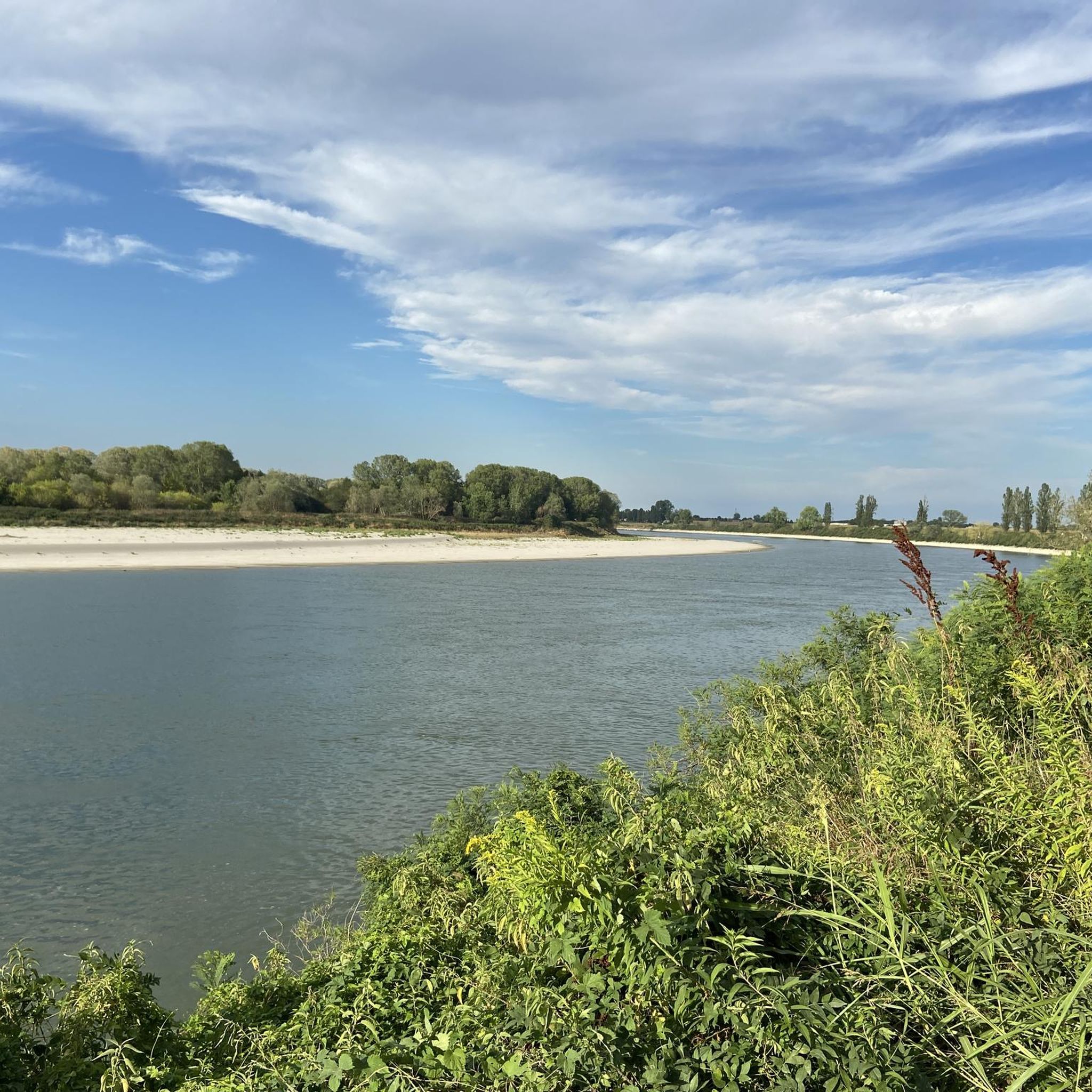
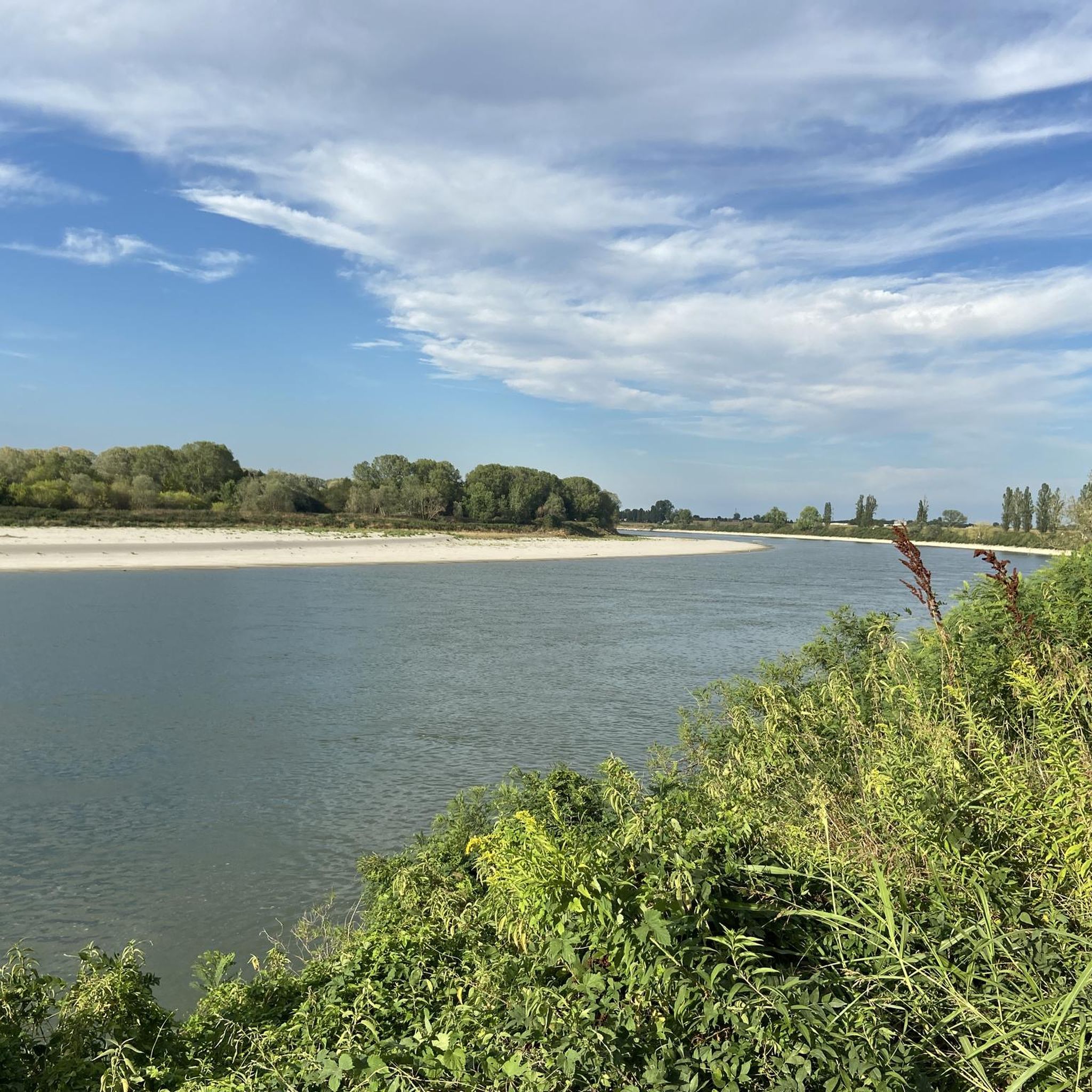
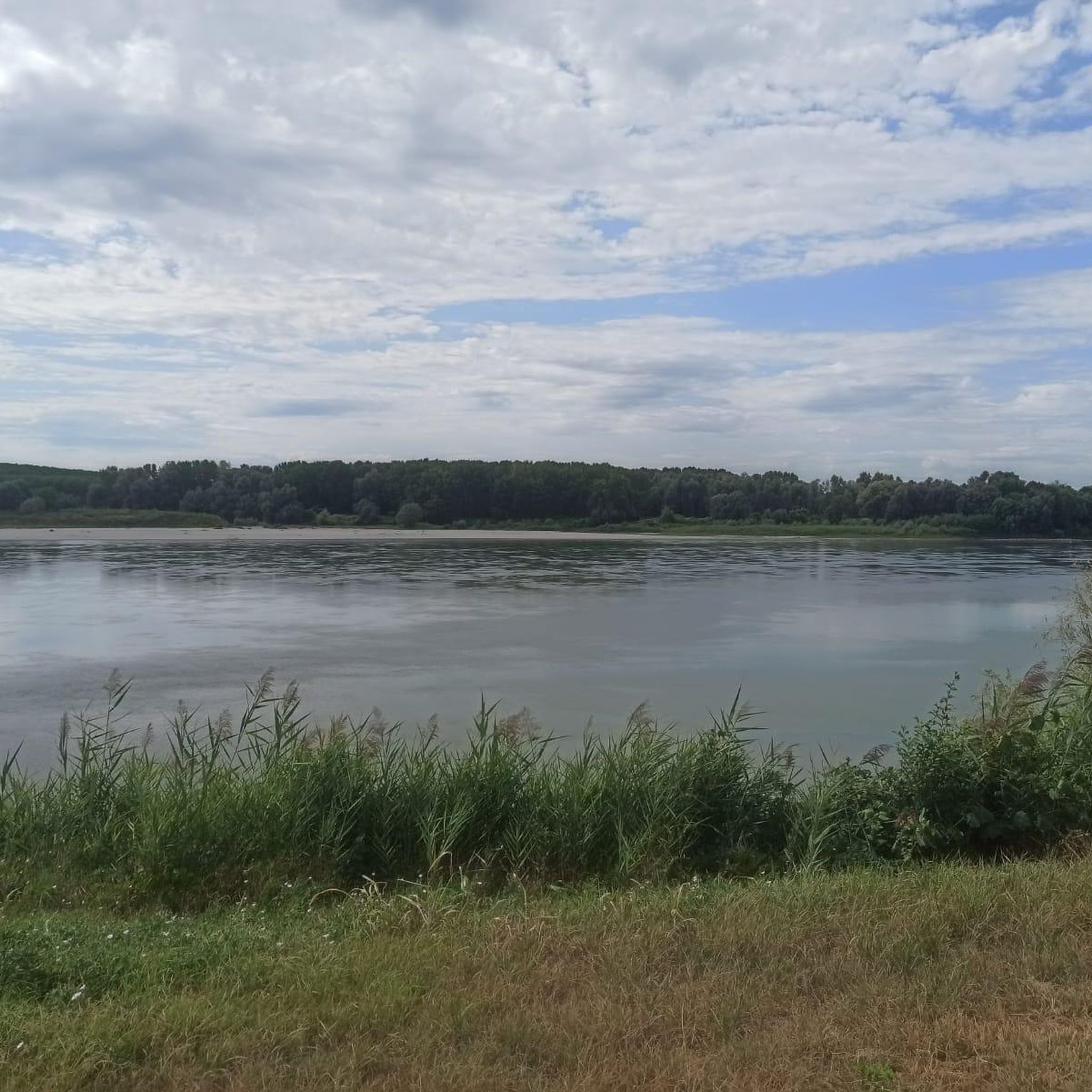
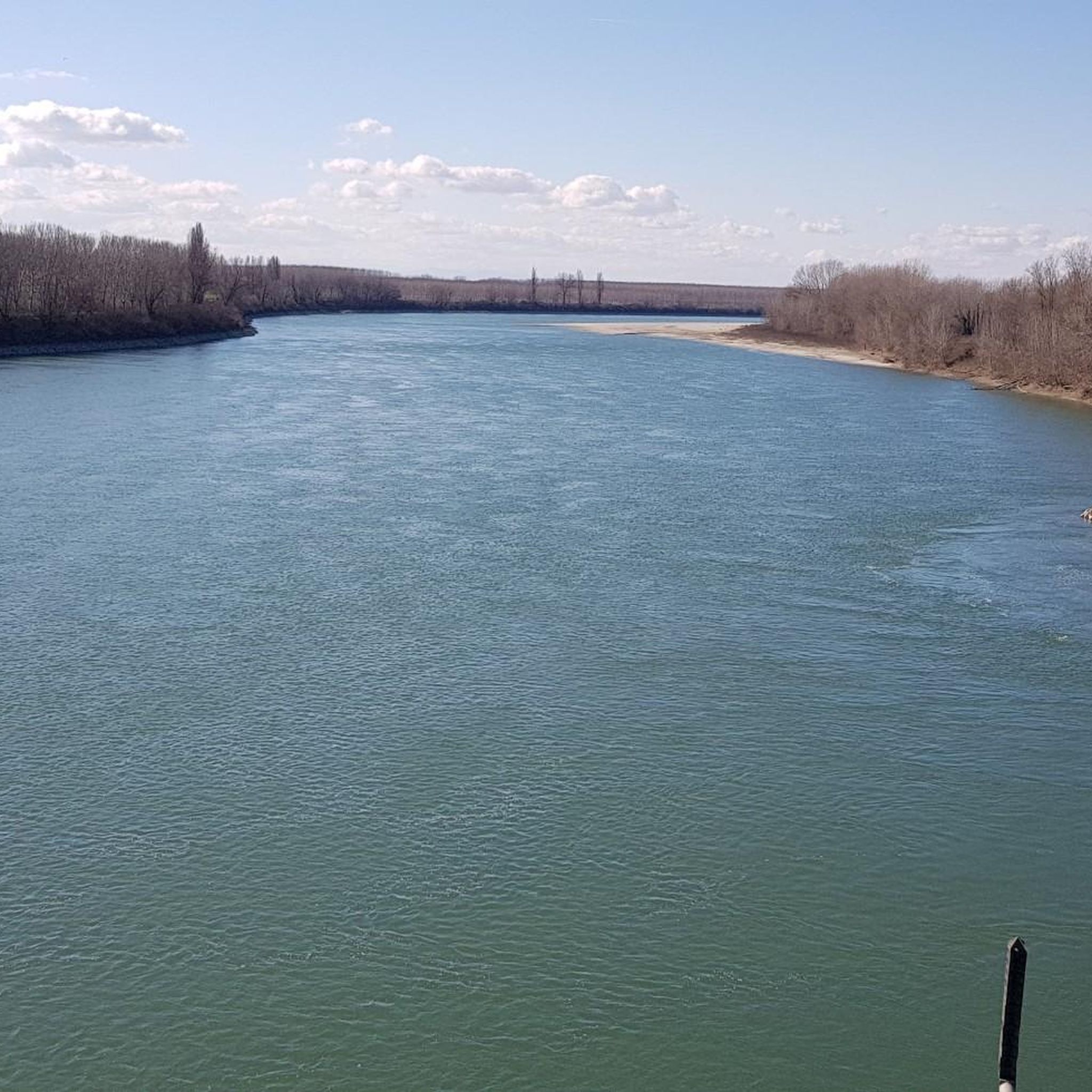
Touring cycling routes around Colorno are primarily situated within the flat Po Valley, characterized by minimal elevation gain and extensive riverine paths along the Parma and Po Rivers. The region features agricultural landscapes and notable natural areas such as the Parma Morta Nature Reserve. This terrain makes it suitable for touring cyclists seeking less technical experiences.
Best touring cycling routes around Colorno
- The most popular touring cycling route is Reggia di Colorno – Parma Morta Nature Reserve loop from Colorno…
Last updated: May 4, 2026
4.3
(16)
71
riders
68.4km
03:55
90m
90m
Moderate bike ride. Good fitness required. Mostly paved surfaces. Suitable for all skill levels.
4.5
(2)
45
riders
48.3km
03:06
80m
80m
Moderate bike ride. Good fitness required. Mostly paved surfaces. Suitable for all skill levels.

Sign up for free
3.9
(11)
54
riders
Easy bike ride. Great for any fitness level. Mostly paved surfaces. Suitable for all skill levels.
4.3
(3)
11
riders
Easy bike ride. Great for any fitness level. Mostly paved surfaces. Suitable for all skill levels.
5.0
(3)
14
riders
Easy bike ride. Great for any fitness level. Mostly paved surfaces. Suitable for all skill levels.
Get access to more routes and recommendations from other explorers.
Sign up for free
Already have an account?
Our route recommendations are based on thousands of hikes, rides, and runs completed by other people on komoot.
Start today with a free account
Your next adventure awaits.
Login or Signup

Tips from the Community

Connects Parma to Colorno and can be easily ridden all the way. Avoid in periods close to floods, as in some places the trail floods, making passage difficult.
0
0
If you pass through this area, don't miss a stop at this place. I also recommend a visit to the nearby Ducal Garden.
0
0

Beautiful historic building with some museums inside.
0
0

The Governor's Palace is a Baroque and Neoclassical building located on the entire north side of Parma's central Piazza Garibaldi. The palace was originally built on the north side of Piazza Nuova (now Piazza Garibaldi) between 1283 and 1285 as the "Merchants' Palace," following the demolition of pre-existing dwellings. In late Romanesque style, it consisted of two separate buildings, separated in the center by the narrow Borgo di San Marco, which no longer exists. Entirely clad in brick, it rose above a portico on the ground floor and featured two rows of mullioned windows on the first floor; the façade was crowned by battlements at the top. Having lost its original mercantile function, the building soon became the seat of the Captain of the city and, later, of the Governor, the Civil Auditor, and other municipal magistrates. However, its architectural structure remained unchanged for centuries. Following the collapse of the towering Civic Tower on January 27, 1606, which also caused the destruction of the Town Hall, the need arose to renovate the Governor's Palace. Initially, the building was unified by enclosing the Borgo di San Marco with a vault. A tower was erected on top of this vault in 1673, designed by Piacenza engineer Gian Battista Barattieri. This tower assumed the former functions of the destroyed Civic Tower, retaining the original bell known as the "third bell," dating back to 1453, which remained intact over the centuries until it was replaced with a copy in 1998. In 1760, the court architect Ennemond Alexandre Petitot was commissioned to redesign the square; the Governor's Palace was thus renovated in elegant neoclassical style, with the addition of typical decorative elements. The central niche was also opened to house the statue of the Crowned Virgin, sculpted by Jean-Baptiste Boudard. In 1829, Duchess Maria Luigia commissioned Lorenzo Ferrari and Luigi Pazzoni to create the large sundials on the façade. In the 1920s, the interior and rear of the building underwent a major renovation in the Rationalist style, which preserved only some of the original interior decorations. The entire building, home to several municipal offices until the end of the 20th century, underwent a complete restoration between 2000 and 2009, transforming it into today's "Place of Modern and Contemporary Art": inaugurated in January 2010 with the Nove100 exhibition, it hosts temporary exhibitions of mostly contemporary art. SOURCE and further information https://it.wikipedia.org/wiki/Palazzo_del_Governatore_(Parma)
0
0

Love this run. Avoid on sundays as crowded
0
0
The monument, dedicated to the Fallen of the Great War, consists of a five-meter obelisk topped by a bronze eagle with a 1.20-meter wingspan. The base is bordered by four 240 mm bombs, granted as relics by the then Ministry of War. The construction of the monument was made possible thanks to donations and contributions from residents, some of whom, in order to raise funds, even formed a "dramatic society": the proceeds from the theatrical performances were used to build the monument, which was finally officially inaugurated on November 12, 1922. SOURCE: https://it.m.wikipedia.org/wiki/Coenzo
0
0
It is first mentioned in 1140 and then in other documents in the following centuries as dependent on the Parish of Sorbolo. In a document from 1493, the church appears instead as dependent on the Abbess of Sant'Alessandro di Parma. By the 18th century, the old church was in a state of disrepair, and construction of the new building began (1793). The apse of the medieval church still stands in the current sacristy. SOURCE: https://it.m.wikipedia.org/wiki/Coenzo
0
0
the references to the sculpture are reported in the two captions located next to the sculpture
0
0
Frequently Asked Questions
What kind of terrain can I expect on touring cycling routes around Colorno?
The touring cycling routes around Colorno are primarily situated within the flat Po Valley. You can expect extensive riverine paths along the Parma and Po Rivers, as well as picturesque agricultural landscapes. The terrain features minimal elevation gain, making it suitable for cyclists seeking less technical experiences.
Are there touring cycling routes suitable for different skill levels in Colorno?
Yes, Colorno offers a variety of touring cycling routes catering to different abilities. The network includes options for easy, moderate, and difficult routes. For instance, there are 5 easy routes, 4 moderate routes, and 3 difficult routes available, ensuring a suitable option for most cyclists.
Can I explore nature reserves while cycling in Colorno?
Absolutely. The Parma Morta Nature Reserve is a notable natural attraction that can be incorporated into your cycling itineraries. A popular route, the Reggia di Colorno – Parma Morta Nature Reserve loop from Colorno, connects the historic Reggia di Colorno with this natural landscape.
What historical sites and attractions can I see along the touring cycling routes?
Colorno's cycling network connects various historical sites and charming towns. The Reggia di Colorno, a historic Ducal Palace, is a central attraction and often a starting point for routes. You can also discover nearby attractions such as Sabbioneta (UNESCO World Heritage Site), known for its Renaissance 'ideal city' concept, and Rivarolo Mantovano with its historic center. The Reggia di Colorno – Governor's Palace loop from Colorno is one route that passes through local points of interest.
Are most touring cycling routes in Colorno circular?
Many of the touring cycling routes around Colorno are designed as loops, allowing you to start and finish in the same location. Examples include the Reggia di Colorno – Parma Morta Nature Reserve loop from Colorno and the Reggia di Colorno – Cremona Tourist River Dock loop from Colorno.
Can I combine cycling with local gastronomy in Colorno?
Yes, the region is renowned for its gastronomy. The Food Valley Bike, a significant cycling route passing through Colorno, offers a unique blend of nature, history, and enogastronomy. Along this route, you can experience the culinary specialties of the Lowland and taste local delights like Culatello, Spalla Cruda, and Anolino. The Reggia di Colorno – Food Valley Cycle Route loop from Colorno is a great option to explore this aspect.
What do other touring cyclists enjoy the most about touring cycling in Colorno?
The touring cycling routes in Colorno are highly rated by the komoot community, with an average score of 4.4 stars from over 200 reviews. Cyclists often praise the flat terrain, the scenic riverine paths, and the combination of natural beauty with historical sites, making for a pleasant and accessible cycling experience.
What is the best time of year to go touring cycling in Colorno?
Colorno, situated in Italy's Po Valley, generally offers pleasant cycling conditions for much of the year. Spring and autumn typically provide mild temperatures and beautiful scenery, ideal for touring. Summer can be warm but is still enjoyable, especially along the river paths. Winter cycling is possible, though cooler temperatures and occasional fog might be present.
Are there family-friendly cycling options in Colorno?
Given the region's flat terrain and minimal elevation gain, many of the touring cycling routes in Colorno are well-suited for families. The gentle paths along the rivers and through agricultural fields provide a safe and enjoyable environment for cyclists of all ages and fitness levels. Routes like the Parma Morta Nature Reserve – Reggia di Colorno loop from Colorno offer accessible distances and interesting sights.
Is parking available for cyclists near the routes in Colorno?
Yes, Colorno is generally accommodating for visitors. You can typically find parking facilities in and around the town center, especially near major attractions like the Reggia di Colorno, which often serve as convenient starting points for cycling routes. Specific parking information for individual routes might be available on their respective komoot tour pages.
Can I reach Colorno with public transport if I bring my bike?
Colorno is accessible by public transport, and depending on the service, it may be possible to bring your bike. Regional trains and some bus services in Italy allow bikes, often with specific conditions or dedicated spaces. It's advisable to check the current policies and schedules of local public transport providers (e.g., Trenitalia for regional trains) before planning your journey to ensure bike compatibility.
Most popular attractions around Colorno

Get inspired with the komoot mobile app


Explore more
Browse the best Cycling routes in other regions.
