Attractions and Places To See around Pontenure - Top 20
Best attractions and places to see around Pontenure include a blend of historical landmarks, cultural sites, and points of interest in the Emilia-Romagna region of Italy. Situated along the ancient Via Emilia and the Via Francigena pilgrimage route, the area features a rich history evident in its architecture and traditions. Visitors can explore medieval fortresses, significant churches, and natural landscapes. The region offers a variety of attractions for those interested in history, culture, and outdoor exploration.
Best attractions and places…
Last updated: July 6, 2026
Gothic Palace (Piacenza)
Highlight • Historical Site
Translated by Google •
Tip by

Po Bridge of Piacenza
Highlight (Segment) • Bridge
Translated by Google •
Tip by
Sign up now to discover places like this
Get recommendations on the best single tracks, peaks, & plenty of other exciting outdoor places.
Sign up for free
Piazza Cavalli
Highlight • Monument
Translated by Google •
Tip by
Palazzo Farnese
Highlight • Historical Site
Translated by Google •
Tip by

San Francesco
Highlight • Religious Site
Translated by Google •
Tip by
Sign up for free to discover even more attractions around Pontenure.
Sign up for free
Already have an account?
Start today with a free account
Your next adventure awaits.
Login or Signup

Tips from the Community


Built between 1278 and 1363 by the Ghibelline Umbertino Landi, the church of San Francesco is in Lombard Gothic style with a terracotta façade. The Friars Minor were commissioned to carry out the work and quickly built the church and adjoining monastery. Over the centuries, the church was enriched with works of art and the convent reached considerable dimensions. The most important historical event connected to the church was, in 1848, the proclamation, which took place here with a plebiscite, of the annexation of Piacenza to the Kingdom of Sardinia. The church preserves inside the tombs of illustrious men, paintings, sculptures and remains of frescoes from the 14th and 15th centuries. Note the sculpture placed in the lunette of the portal, with the Stigmata of San Francesco (around 1480). The dome of the chapel of the Immaculate Conception is frescoed by Giovanni Battista Trotti, known as “Il Malosso” (1600). Also worthy of note is the stucco sculpture group created by Reti in the 17th century and depicting the Deposition. Other artists present are Bernardo Castello, Giuseppe Nuvolone and Benedetto Marini. In front of the church of San Francesco, the so-called “Dado” develops in height, the building that incorporates the architectural structures of the ancient medieval Torrazzo communal tower. (c) https://scopripiacenza.it/it/luoghi/chiese-e-santuari-piacenza-la-citta-piazza-cavalli-chiesa-di-san-francesco
1
0

Known as "il Gotico" to those who live in Piacenza, due to the presence of pointed arches typical of Gothic architecture, this historic building in the city center hosted the poet Francesco Petrarca in 1351. Today it opens to the public only on the occasion of events or temporary exhibitions.
3
0

The main square of Piacenza with a beautiful Gothic palace. It takes its name from two equestrian statues of two members of the Farnese family, which for a long time dominated the city. The square is also overlooked by much less beautiful buildings, which quite seriously disrupt the view. However, a must-see for anyone visiting Piacenza.
3
0

Definitely worth it, there is a lot to explore, plan about 2 hours
1
0

Basilica of St. Francis of Assisi located in Piazza Cavalli. It was built in Lombard Gothic style between 1278 and 1373. The facade has two buttresses, a rose window, a spire and some spires, while the sides have flying buttresses; On the right is part of the cloisters, of which a portico remains. Inside, decorated with frescoes from the fifteenth and sixteenth centuries, the annexation of the city to the Kingdom of Sardinia was proclaimed in 1848. The central portal of the basilica bears at the top a lunette with the relief of St. Francis stigmatized, and inside, on the right wall of the ambulatory, is a bas-relief with the rector in the chair and friars, executed in Giovanni's studio Antonio Amadeo around 1490. The basilica is the burial place of the patriot Giuseppe Manfredi, President of the Senate of the Kingdom of Italy, who died in 1918. (Wikipedia)
8
0
Basilica di San Francesco, an interesting example of Gothic Franciscan architecture.
7
1
This square used to be the political and commercial center of Piacenza. It owes its name (Piazza Cavelli) to two masterpieces by Francesko mochi, the Baroque equestrian statues** of Alexander and Ranuccio I Farnese. The gigantic structure that towers above the square is the Gotico**. To the left of the square rises the facade of the 13th century Chiesa di san Francesco, an interesting example of Gothic Franciscan architecture.
10
0
Frequently Asked Questions
What historical landmarks can I explore in and around Pontenure?
Pontenure and its surroundings are rich in history. You can visit the impressive Gothic Palace (Piacenza), which was once the political and commercial center of Piacenza. Nearby, Piazza Cavalli features Baroque equestrian statues. Don't miss the Piacenza Cathedral with its Romanesque and Gothic elements, and the Palazzo Farnese, which now houses civic museums. In Pontenure itself, the ancient Church of San Pietro and the Castle of Paderna offer further historical insights.
Are there any castles to visit near Pontenure?
Yes, the area boasts several historical castles. The Castle of Paderna is a significant medieval fortress with a moat, courtyards, and an ancient church. It also operates as an organic farm. Just under 4 km from Pontenure, you can admire the Castle of Muradello, a 15th-century castle, though it is privately owned and best viewed from the outside.
What natural areas are worth visiting near Pontenure?
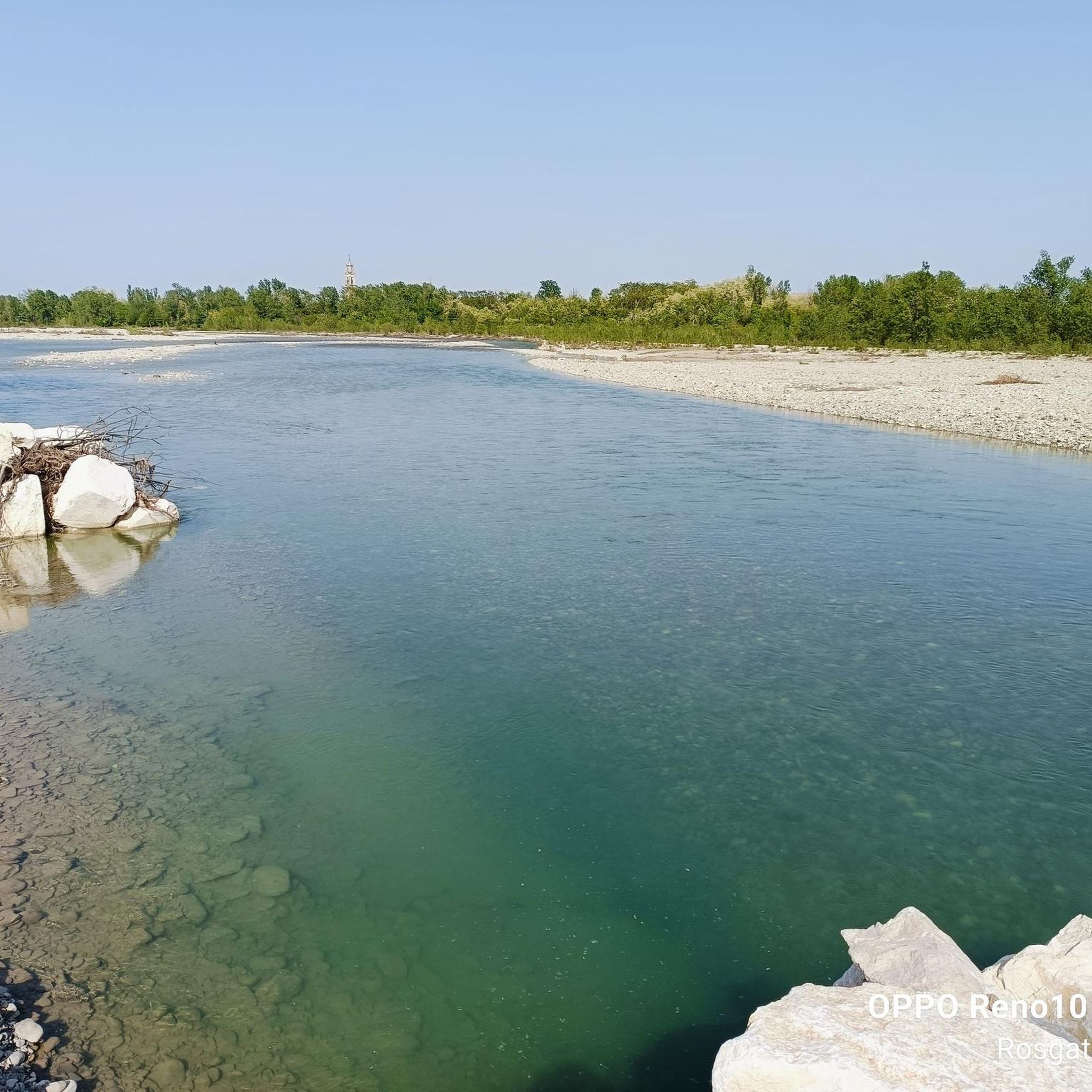
Pontenure is situated on the right bank of the Nure river, and the Nure Valley offers typical Apennine flora and fauna, with forests, lakes, and streams, providing opportunities for hiking and exploring natural landscapes. Within Pontenure, the Park of Villa Raggio is a beautiful late 19th-century romantic garden with 750 plants, often used for events.
Can I find hiking or cycling routes near Pontenure's attractions?
Absolutely! The region around Pontenure is great for outdoor activities. For hiking, you can explore routes like the Via Francigena pilgrimage route through Emilia-Romagna. Cyclists can enjoy road cycling routes such as the Roadbike loop from Pontenure or the Castello di Gropparello – Montechino Church loop. Mountain biking enthusiasts have options like the Gropparello Castle – Torre Confalonieri loop. You can find more details on these and other routes in the dedicated guides for hiking, road cycling, and MTB trails around Pontenure.
Are there family-friendly attractions in Pontenure?
Yes, several attractions cater to families. The Castle of Paderna, for instance, operates as an organic farm with an educational farm, orchard, and horticultural garden, which can be engaging for children. Many historical sites like the Gothic Palace (Piacenza), Piazza Cavalli, Piacenza Cathedral, and Palazzo Farnese are also considered family-friendly, offering cultural experiences for all ages.
What cultural events take place in Pontenure?
Pontenure hosts notable cultural events throughout the year. Since 2002, it has been home to the Concorto Film Festival, an international short film festival that attracts entries globally. Another unique event is the Festa dell'Asino (Donkey Festival), which typically takes place in September.
What is the best time of year to visit Pontenure?
The best seasons to visit Pontenure are generally spring and autumn. During these times, the weather is pleasant for exploring historical sites and enjoying outdoor activities in the Nure Valley. The area also frequently comes alive with events and fairs throughout the year, so checking a local event calendar might enhance your visit.
Are there any significant religious sites in the area?
Yes, Pontenure has a rich religious heritage. The Church of San Pietro in the heart of Pontenure has ancient origins and was historically part of the pilgrimage tradition. In the nearby Valconasso area, there is a church renowned for its numerous frescoes and rare examples of 15th-century painting, which is a national monument. Additionally, the magnificent Piacenza Cathedral is a must-see religious building.
Where can I see impressive architecture or engineering near Pontenure?
Beyond the historical palaces and churches, you can witness modern engineering at the Po Bridge of Piacenza. This impressive cable bridge spans the Po River and plays a crucial role in modern rail traffic between Milan and Bologna, making it a significant structure to observe.
Is Pontenure connected to the Via Francigena pilgrimage route?
Yes, Pontenure is strategically situated along the ancient Via Francigena pilgrimage route, highlighting its historical importance. This connection means you can find sections of the pilgrimage route nearby, offering a unique way to experience the region's history and natural beauty through walking. A moderate hiking route, the Via Francigena pilgrimage route through Emilia-Romagna, is available for exploration.
What makes the Castle of Paderna unique?
The Castle of Paderna stands out not only as an ancient medieval fortress with an imposing square tower and a moat but also for its current use. It operates as an organic farm with an educational farm, an orchard, and a horticultural garden cultivating traditional old varieties. It also hosts events like 'Frutti del Castello' and the 'Rassegna di Piante, Fiori e Frutti dimenticati' (Review of Forgotten Plants, Flowers and Fruits).
What do visitors particularly enjoy about the attractions in the region?
Visitors frequently praise the historical depth and architectural beauty of the region's attractions. The Gothic Palace and Piazza Cavalli are often highlighted for their historical significance and artistic masterpieces, such as the equestrian statues. The Piacenza Cathedral is admired for its Romanesque style and rich interior. The blend of ancient history with opportunities for outdoor exploration in areas like the Nure Valley is also highly appreciated.
Most popular routes around Pontenure
Most popular attractions around Pontenure

Get inspired with the komoot mobile app


Explore more
Still not found the Highlight you’re looking for? See guides of the top attractions in other regions:
