Attractions and Places To See around Vescovana - Top 20
Best attractions and places to see around Vescovana include a blend of historical landmarks, cultural sites, and natural features. This picturesque town in Italy offers diverse landscapes, from tranquil lakes to lush trails. The area is characterized by its historical villas and monuments, set amidst vineyards and natural waterways. Visitors can explore a variety of outdoor activities and historical sites within and around Vescovana.
Best attractions and places to see around Vescovana
- The most popular attractions is Villa Ca' Barbaro…
Last updated: July 7, 2026
Villa Badoer (Andrea Palladio)
Highlight • Historical Site
Translated by Google •
Tip by

Torre Morosini
Highlight • Monument
Ally of '45
Translated by Google •
Tip by

Sign up now to discover places like this
Get recommendations on the best single tracks, peaks, & plenty of other exciting outdoor places.
Sign up for free
Villa Ca' Barbaro
Highlight • Historical Site
Translated by Google •
Tip by

Rovigo Castle Towers
Highlight • Castle
Translated by Google •
Tip by

Vittorio Emanuele II Square, Rovigo
Highlight • Historical Site
Via Cesare Battisti, 8, 45100 Rovigo RO
Translated by Google •
Tip by
Sign up for free to discover even more attractions around Vescovana.
Sign up for free
Already have an account?
Start today with a free account
Your next adventure awaits.
Login or Signup
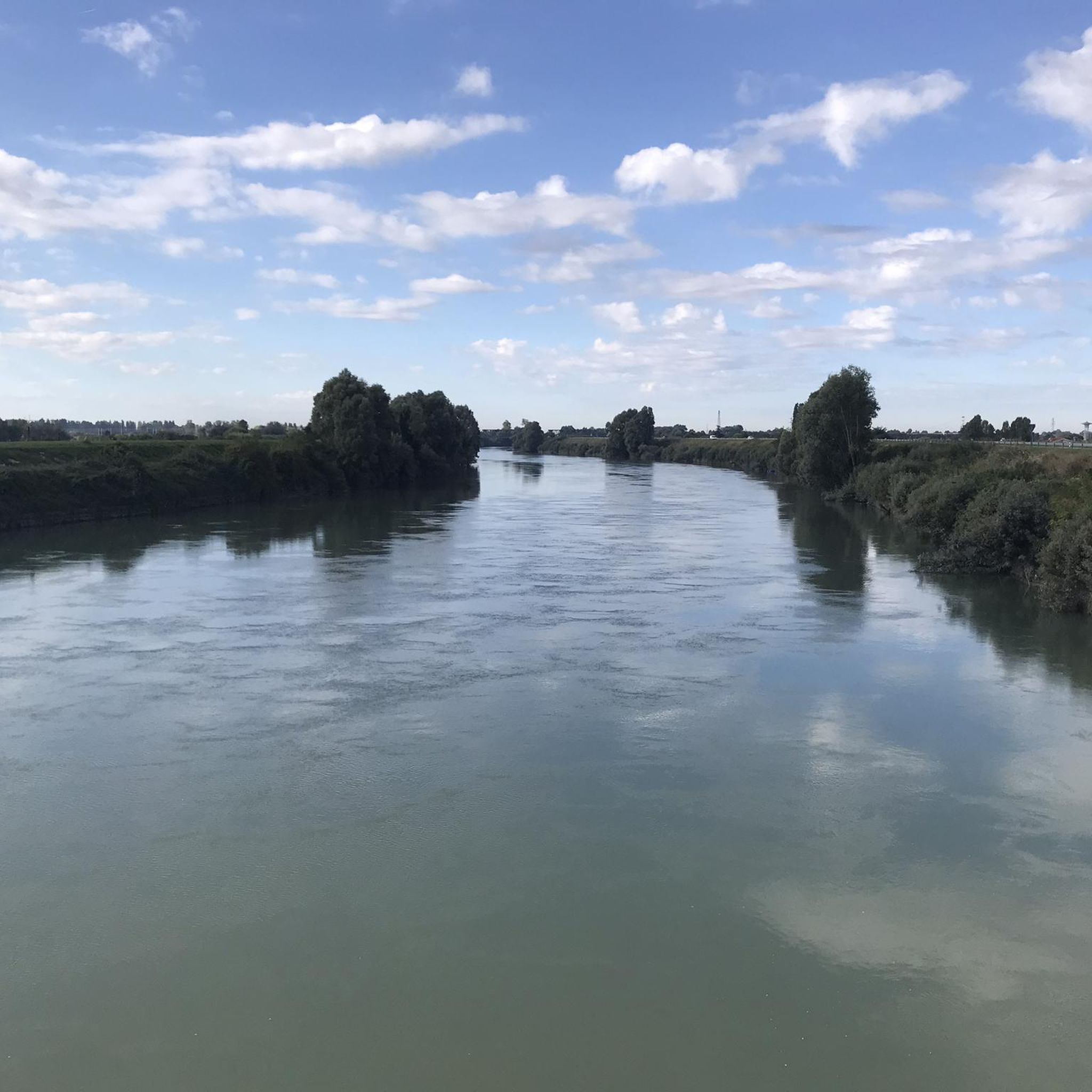
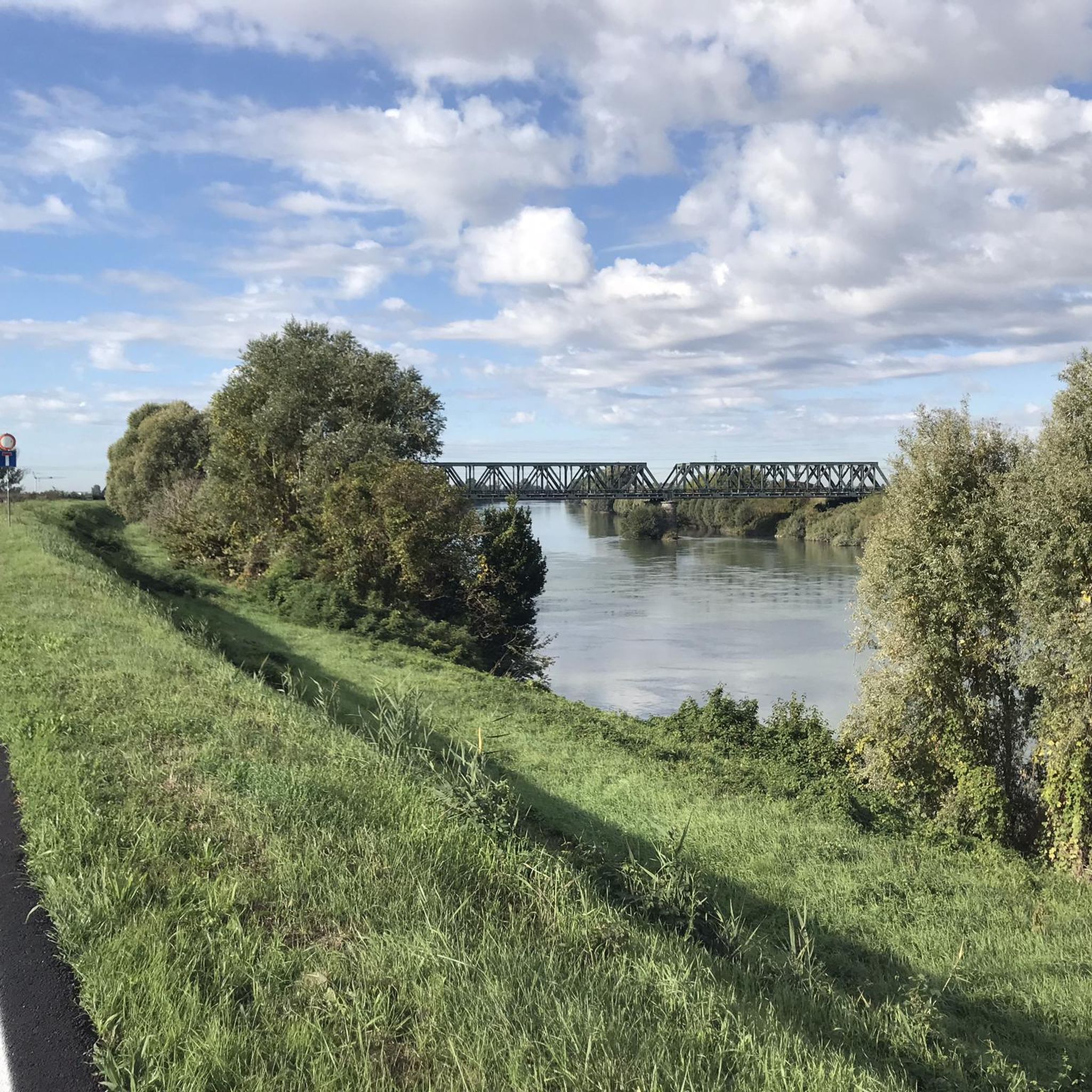
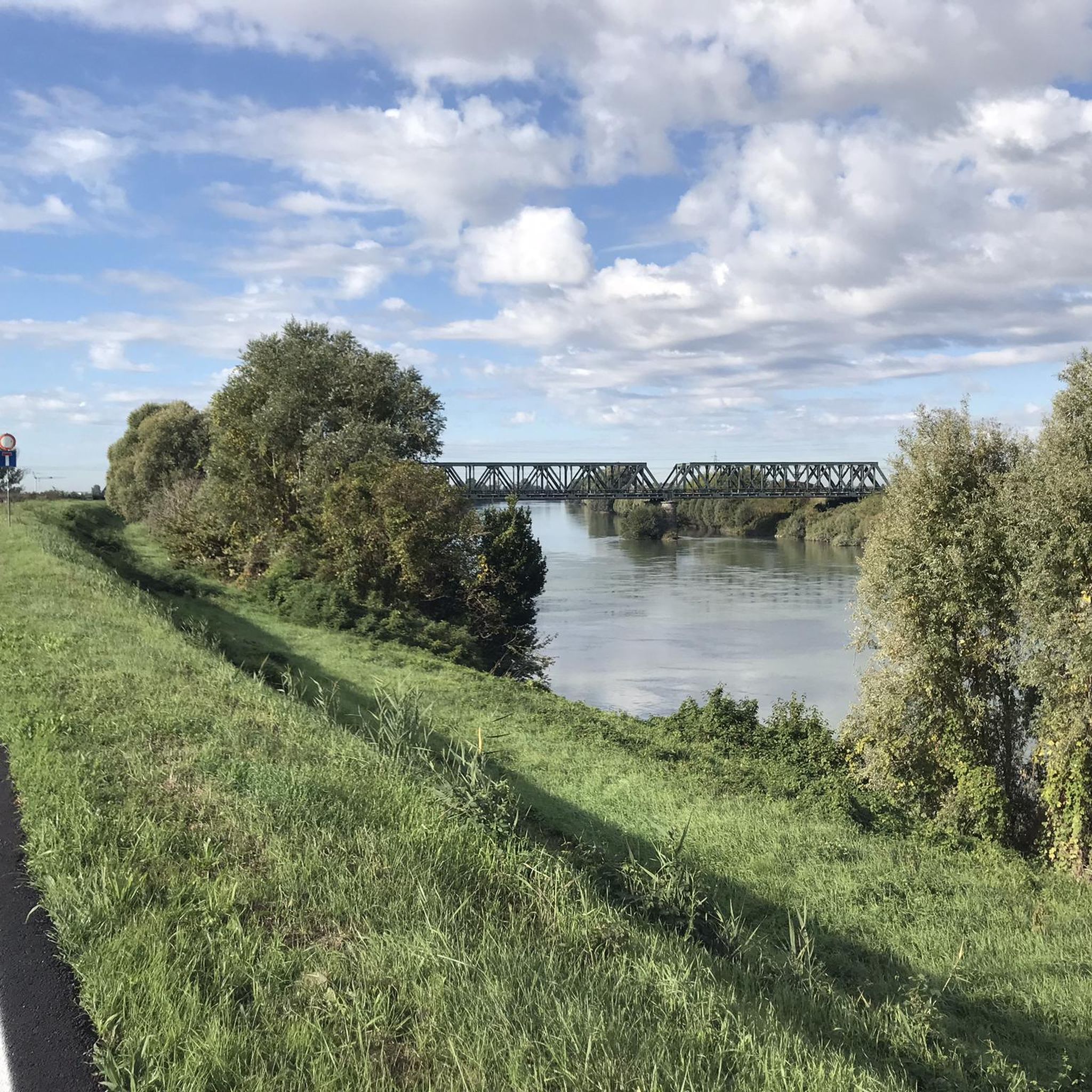
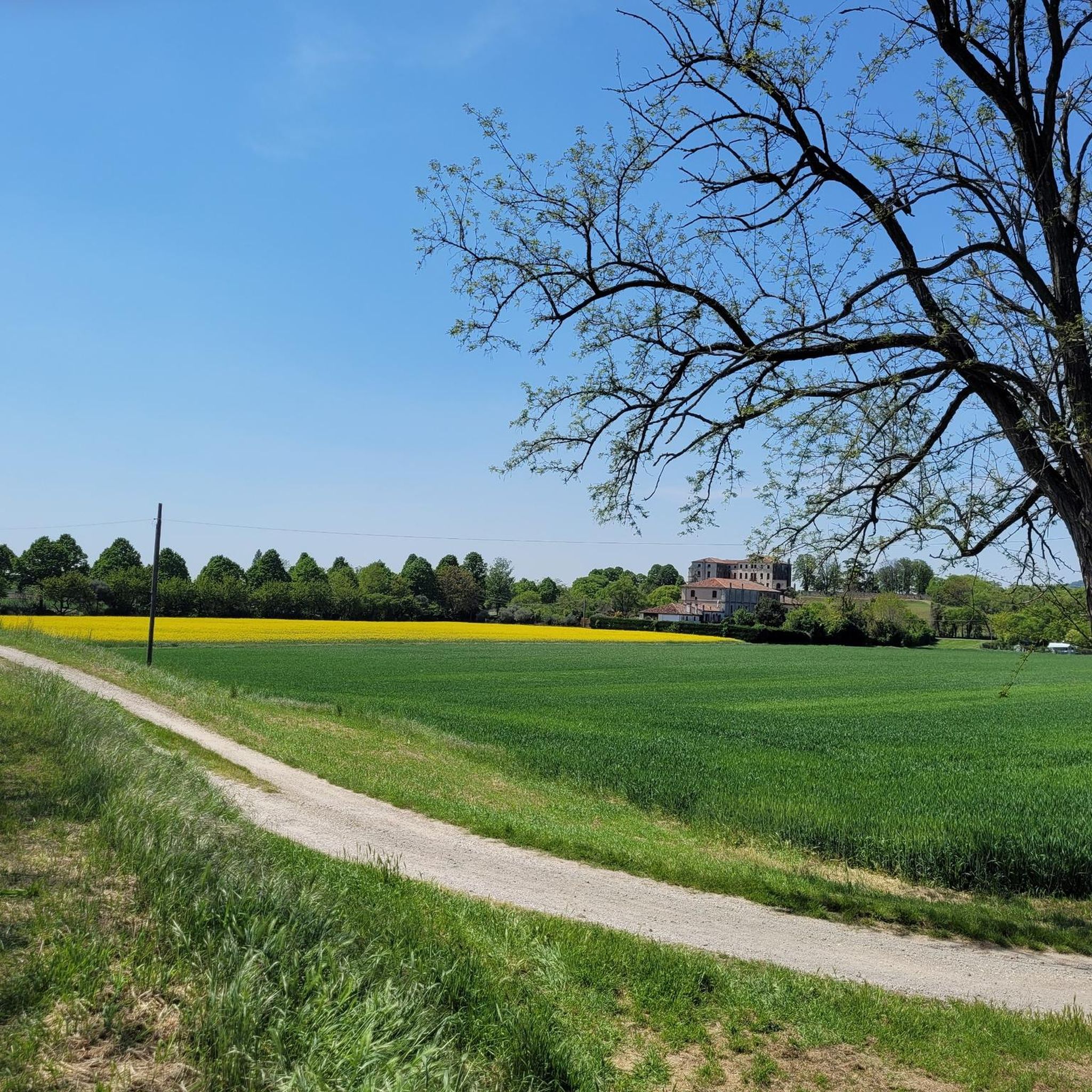

Tips from the Community


The Morosini Tower is all that remains of Villa Morosini, destroyed during a bombing raid on April 20, 1945. It remained inhabited until 1983 and was then restored by the municipal administration. Built of masonry with a square base, the tower is 22 meters tall and has a 53 cm slope. It comprises three floors above ground, connected by a spiral staircase with 128 marble steps; the summit features elegant terracotta battlements and decorative ashlar work on the sides and windows. The tower's connections with the lost older buildings are still visible.
0
0

I didn't even recognize it when I passed by today, now it's too beautiful 🤣 (Torre Morosini)
0
0

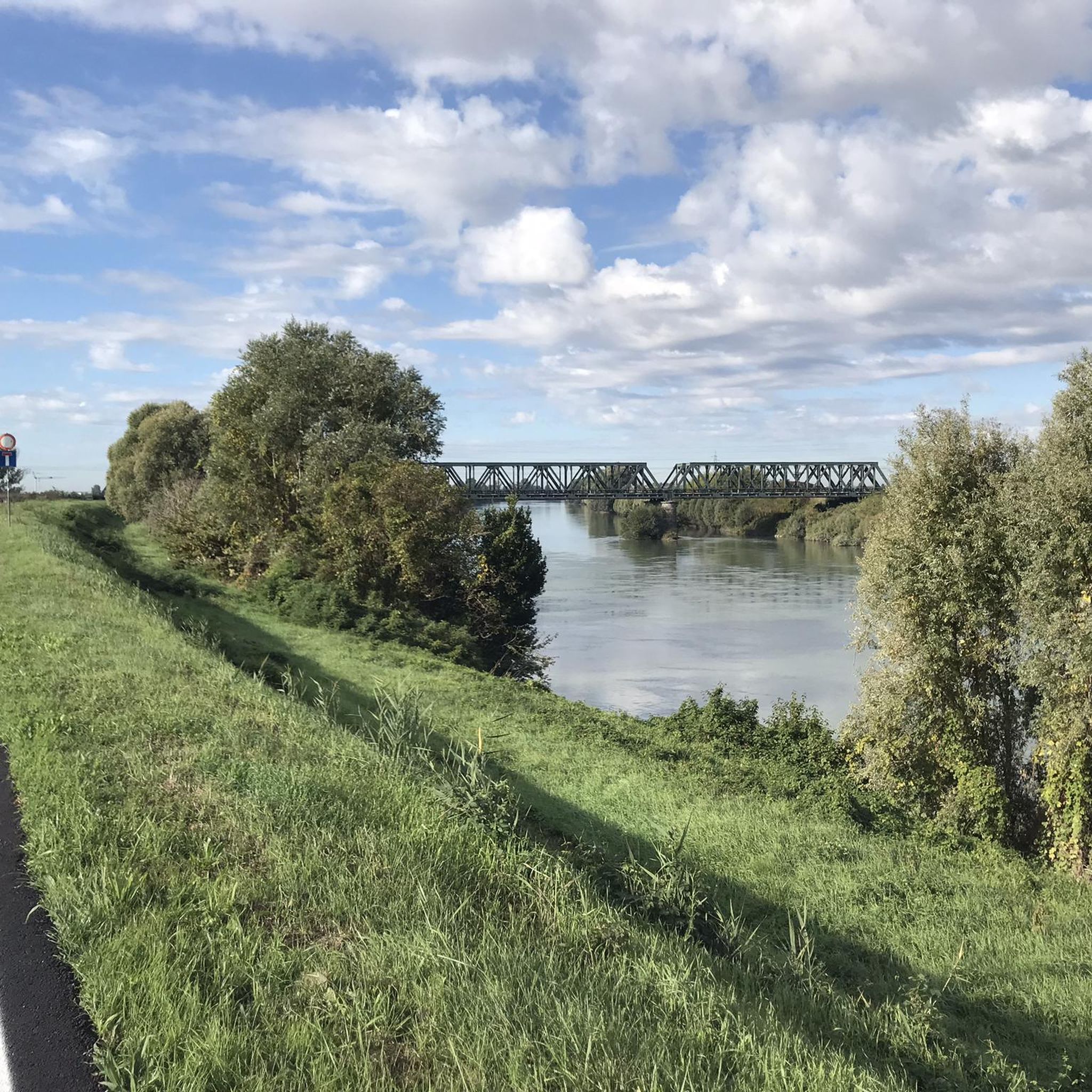
Near the Lusia bridge (RO) on the Adige river, you can see the Morosini crenellated tower, with its 22 meters of height. An internal spiral staircase, composed of 128 steps, allows you to go up three floors, before reaching its top. The tower is what remains of an ancient villa of the same name, half destroyed by the Allied bombings (!) on April 20, 1945. The villa occupied the space of the tower, to the right, where the road is currently. The villa was built by will of the Venetian Morosini family, at the beginning of the 17th century, transforming the medieval castle built by the Este family in the 11th century. The villa remained the property of Countess Loredana Morosini Gatterburg until her death (1884) and in 1889 it became the property of the Oliva family. In 1935 it was purchased by the municipality of Lusia who adapted it to the town hall and elementary schools. After the bombing, the municipality did not consider it appropriate to rebuild it.
0
0

Now it is restored all blue (more or less)
1
0

Beautiful place to visit calmly!
0
0

Little car traffic, roads suitable for racing and gravel bikes
0
0
Frequently Asked Questions
What historical landmarks can I explore in and around Vescovana?
Vescovana and its surroundings are rich in history. You can visit the Renaissance Villa Ca' Barbaro, set amidst vineyards near the Bisatto Canal. Another significant historical monument is Torre Morosini, which is what remains of Villa Morosini after it was bombed during World War II. Further afield, the superb Palladian Villa Badoer, a UNESCO World Heritage site with finely decorated rooms, is also worth a visit.
Are there any natural attractions or scenic spots near Vescovana?
Yes, Vescovana is nestled within lush landscapes offering natural beauty. You can enjoy the tranquil Villa Ca' Barbaro area, which is surrounded by vineyards and near the Canale Bisatto, bordered by the Euganean Hills cycling path. The region also features various nature trails showcasing diverse ecosystems and rich flora and fauna.
What kind of outdoor activities can I do around Vescovana?
The area around Vescovana is excellent for outdoor enthusiasts. You can find numerous routes for hiking, running, and cycling. For hiking, explore trails like the Rovigo City Center Loop or The Way of Saint Anthony. Runners can enjoy routes such as the Chiara Lubich loop from Rovigo. Cyclists have options like the Adige Cycle Path near Legnago or longer routes towards Arquà Petrarca. For more details on these activities, check out the hiking guide, running trails guide, and cycling guide for Vescovana.
Are there family-friendly attractions in the Vescovana area?
Many attractions in the Vescovana area are suitable for families. Historical sites like Torre Morosini and Villa Badoer are categorized as family-friendly. Additionally, the Rovigo Castle Towers and Vittorio Emanuele II Square in Rovigo also offer engaging experiences for all ages.
Where can I find easy walking trails near Vescovana?
For easy walks, consider the tranquil loop trail around Lago di Vescovana, which is about 2 miles (3.2 km) long. The Valle del Pian also offers a gentle 4-mile (6.5 km) trail, vibrant with wildflowers in spring. These trails are perfect for a calming stroll amidst nature.
What are some challenging hiking routes for experienced trekkers?
Experienced trekkers can explore more challenging routes such as the Serra San Bartolomeo, a 10-mile (16 km) trail through dense forests and rugged terrain, offering spectacular vistas. Other options include Castel del Monte, a 7-mile loop to an ancient fortress, and the extensive network of trails in Parco Naturale Regionale Monti della Laga.
Are there any hidden gems or less-known spots to discover?
While not widely known, the area around Villa Ca' Barbaro is considered a hidden gem. The villa, once in a state of semi-abandonment, has been recognized by the Fondo Ambiente Italiano (FAI) for its architectural heritage, offering a unique glimpse into Renaissance history amidst beautiful natural surroundings.
What is the best time of year to visit Vescovana for outdoor activities?
Spring is particularly beautiful for visiting Vescovana, as the Valle del Pian trail becomes vibrant with wildflowers. The milder temperatures of spring and autumn are generally ideal for hiking, cycling, and exploring the historical sites without the intense heat of summer.
Can I find wheelchair-accessible attractions in the area?
Yes, Vittorio Emanuele II Square in Rovigo is noted as being wheelchair accessible, offering a historical and architectural point of interest for all visitors.
What kind of historical significance does Torre Morosini hold?
Torre Morosini is a poignant historical monument, representing what remains of Villa Morosini (later Villa Oliva) after it was bombed during World War II. It stands as a testament to the area's past and resilience.
Are there opportunities for wildlife photography near Vescovana?
The lush landscapes and diverse ecosystems of Vescovana's nature trails provide excellent opportunities for wildlife photography. Exploring trails like Monte San Bartolomeo or Valle del Pian can lead to sightings of local flora and fauna in their natural habitats.
What makes Villa Badoer a significant historical site?
Villa Badoer (Andrea Palladio) is a superb Palladian villa, recognized as a UNESCO World Heritage site. It is notable for being the first villa where Palladio fully utilized a pronaos with a pediment on the facade and features finely decorated rooms, offering a deep dive into Renaissance architecture and art.
Most popular routes around Vescovana

Get inspired with the komoot mobile app


Explore more
Still not found the Highlight you’re looking for? See guides of the top attractions in other regions:
