Attractions and Places To See around Treviglio - Top 20
Attractions and places to see around Treviglio include a variety of historical, cultural, and natural sites. This town is situated in the Lombardy region of Italy, nestled between the Adda and Serio rivers in the Gera d'Adda area. Its strategic location between Milan and Bergamo has shaped its rich history and diverse offerings. Visitors can explore landmarks, cultural institutions, and natural features within and around Treviglio.
Best attractions and places to see around Treviglio
- The most popular attractions is Martesana Canal, a cycle way that connects Milan with the Adda river. This canal is known for its scenic gravel rides and historical significance.
- Another must-see spot is The Rudun Water Wheel, Groppello d'Adda, a man-made monument. This famous water wheel, built around 1600, is believed to have been designed by Leonardo da Vinci and was used to raise water for irrigation.
- Visitors also love Old Bridge of Brembate on the Brembo River, a historical bridge. This Roman-era pebble bridge offers views of the Brembo river and is a popular spot for walks.
- Treviglio is known for its historical sites, cycle paths, and unique man-made monuments. The area offers a blend of cultural heritage and opportunities for outdoor exploration along its rivers and canals.
- The attractions around Treviglio are appreciated by the komoot community, with 15 highlights receiving 757 upvotes and featuring 47 photos.
Last updated: July 6, 2026
Martesana Canal
Highlight • Cycleway
Translated by Google •
Tip by

Naviglio Martesana Cycle Path Between Bellinzago Lombardo and Inzago
Highlight (Segment) • Cycleway
Translated by Google •
Tip by

Sign up now to discover places like this
Get recommendations on the best single tracks, peaks, & plenty of other exciting outdoor places.
Sign up for free
The Rudun Water Wheel, Groppello d'Adda
Highlight • Monument
Translated by Google •
Tip by

Naviglio Martesana Towpath
Highlight (Segment) • Cycleway
Translated by Google •
Tip by

Taccani Hydroelectric Power Plant and Trezzo Castle Tower
Highlight • Historical Site
Translated by Google •
Tip by

Sign up for free to discover even more attractions around Treviglio.
Sign up for free
Already have an account?
Start today with a free account
Your next adventure awaits.
Login or Signup

Tips from the Community

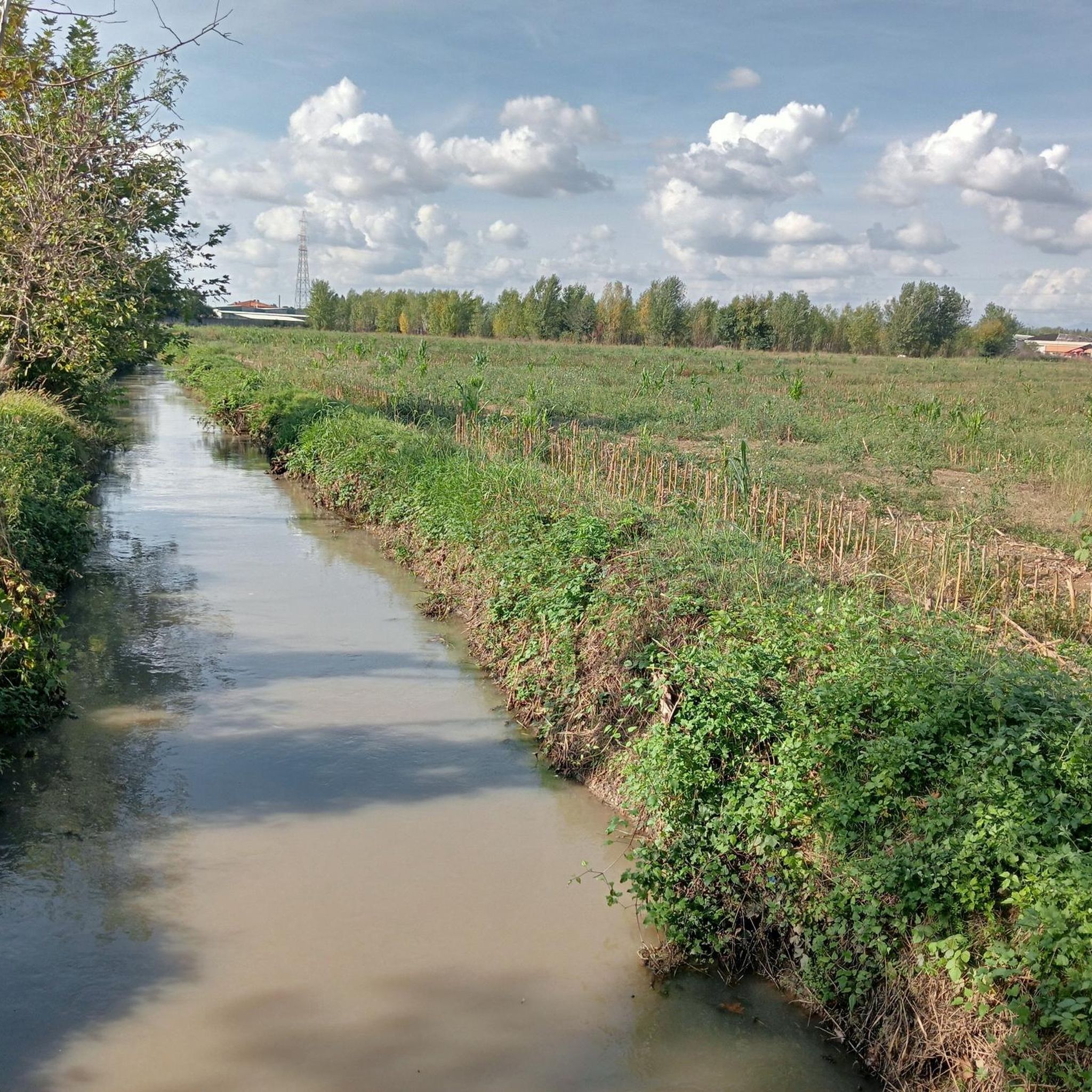
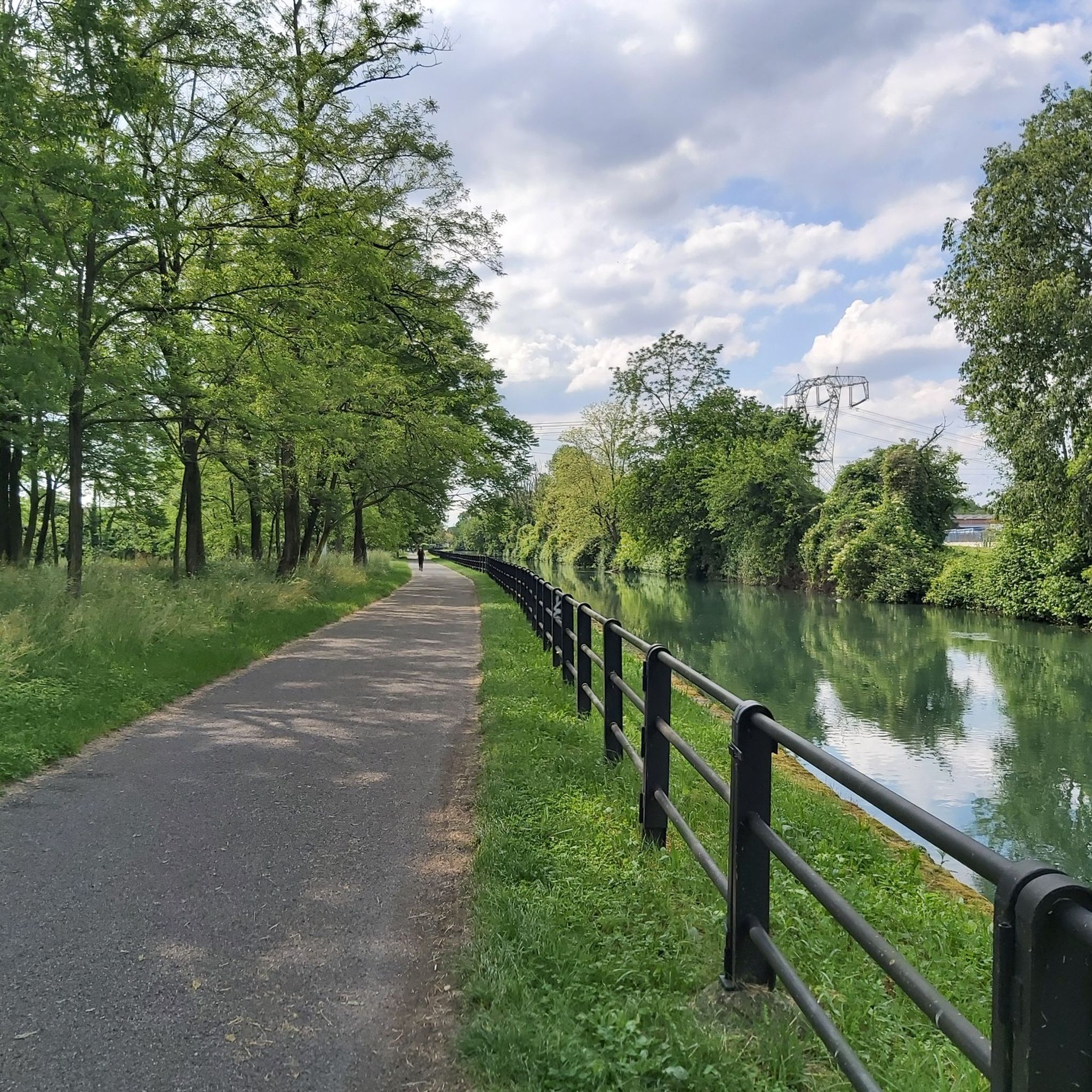
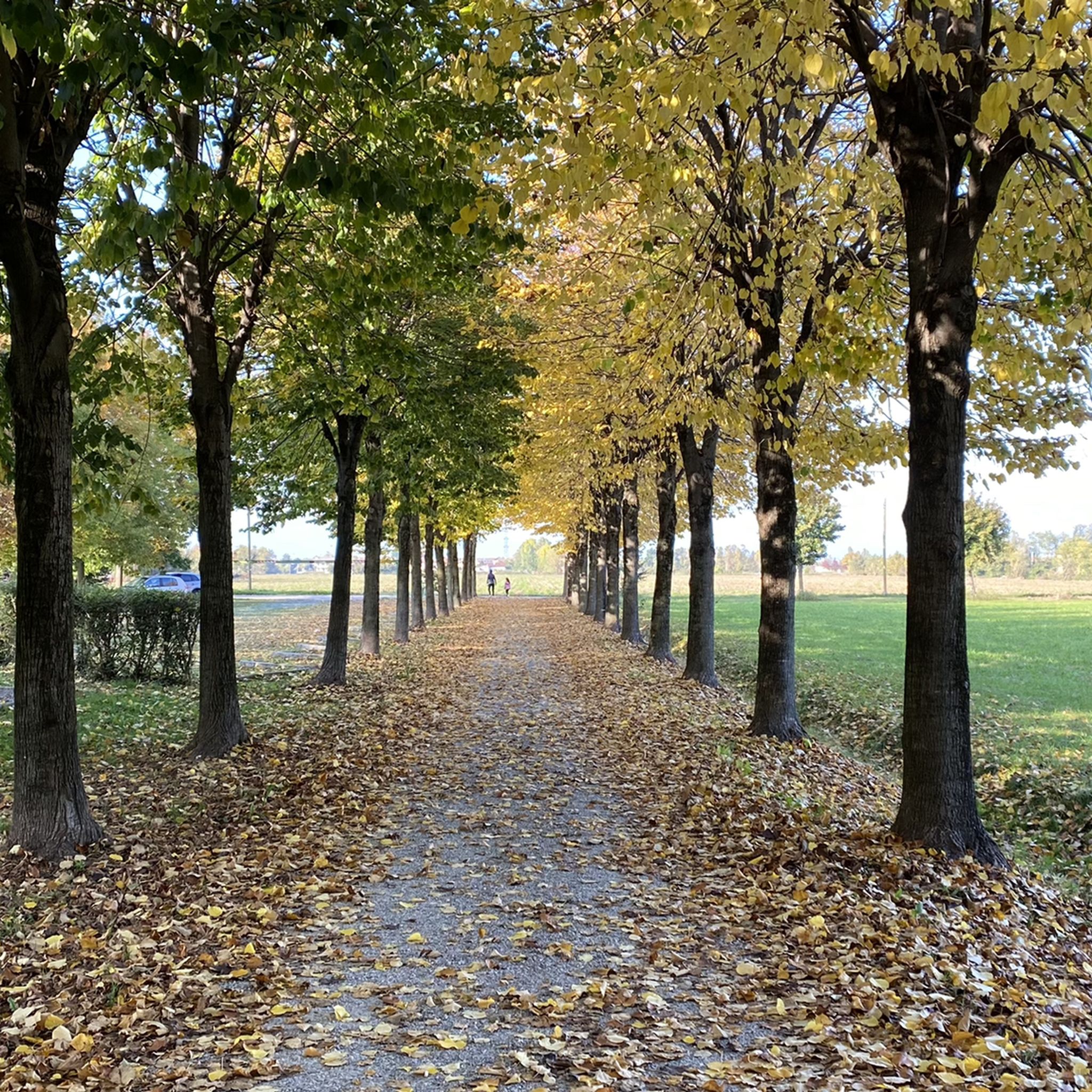
The Naviglio della Martesana, initially known as Naviglio Piccolo, is one of the Milanese canals that connects Milan with the course of the Adda river through the municipalities of Martesana. Commissioned in the 15th century by Francesco Sforza, it was used for irrigating the countryside but also represented the ambitious project of connecting Milan with Lake Como and thus with the Alps and Ticino. The Naviglio della Martesana is a place rich in history and beauty, a heritage for everyone that, however, today is still little known and protected. Along the Naviglio runs a rather busy cycle path, which allows you to admire the landscape and cultural beauties, such as the rich flora, fauna, or the numerous historic villas, including the Renaissance Villa Melzi d’Eril in Vaprio d’Adda.
1
0

It's nice, relaxing to pedal away from traffic for many kilometers. Thanks to whoever created it for all of us,
1
0

Nice gravel ride, from Gessate to Cremona. 95% on paved cycle paths and dirt road in the woods along the Adda. The first stretch from Cassano to Lodi is very nice, all in the woods, several single tracks with tall grass or "cycle path" but with a dirt surface. The river is almost always nearby. From Lodi to Cremona all on paved cycle path, elevated on cultivated fields and more exposed to the wind. Stops in Lodi, Pizzighettone and Cremona for visits. Return by train.
2
0

Always current engineering works
4
0

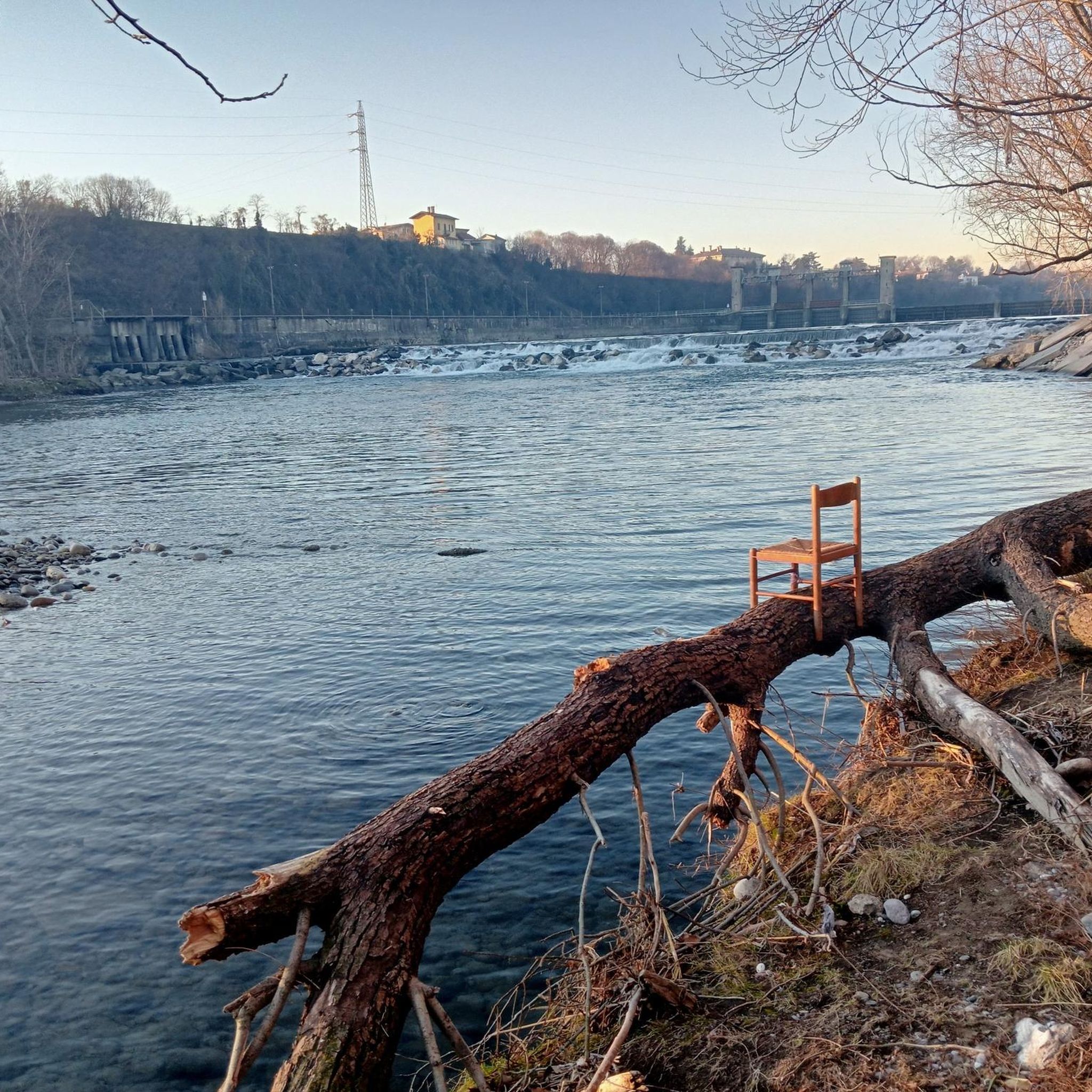
Large wheel on the bank of the Naviglio Martesana, popularly called "rudun", was built by Cardinal Federico Borromeo in 1618 to raise the water from the canal and bring it to the kitchens of the palace as well as irrigating the vegetable gardens and gardens of the villa.
4
0

beautiful stretch of cycle path along the Martesana
3
0
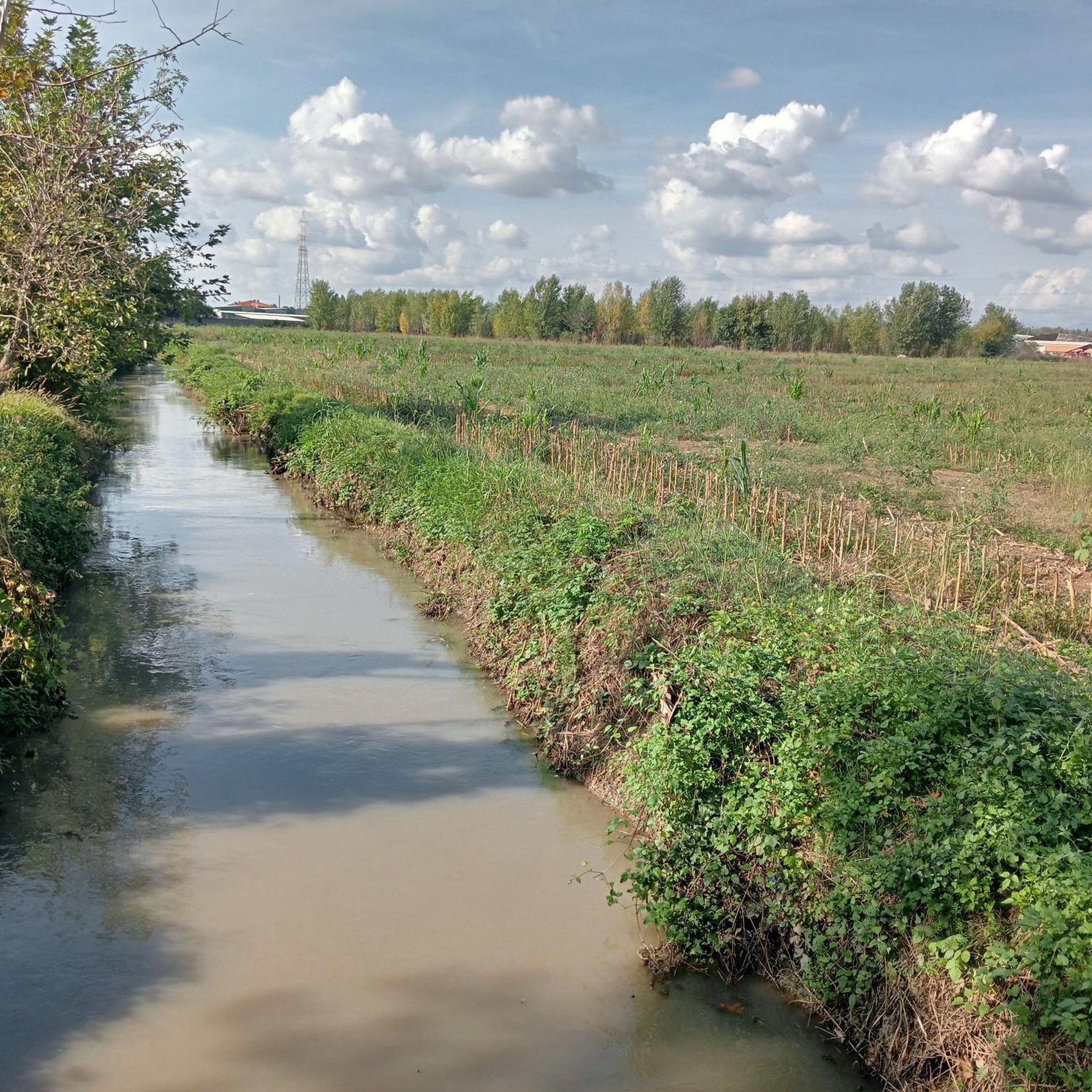
«[...] A canal was built from the castle of Trezzo to the city, and it was called della Martesana, the county that passes through. [...]» The Naviglio della Martesana, also known as Naviglio Piccolo, is one of the Milanese canals that connects Milan with the Adda river from which it receives its waters in Concesa just downstream of Trezzo sull'Adda.
3
0
«[...] A canal was built from the castle of Trezzo to the city, and it was called della Martesana, the county that passes through. [...]» The Naviglio della Martesana, also known as Naviglio Piccolo, is one of the Milanese canals that connects Milan with the Adda river from which it receives its waters in Concesa just downstream of Trezzo sull'Adda.
1
0
Frequently Asked Questions
What historical and cultural sites can I explore in Treviglio?
Treviglio offers a rich history. You can visit the impressive Basilica of San Martino and the medieval Torre Civica, both located in Piazza Luciano Manara. The Sanctuary of the Madonna delle Lacrime is another significant site, famous for a reported miracle. For a deeper dive into local heritage, explore the Historical Archive and Museum SDF or the Centro Civico Culturale, which houses a civic library and museums. A walk along the ring road also reveals remnants of the ancient city walls.
Are there any significant natural features or scenic spots around Treviglio?
Treviglio is nestled between the Adda and Serio rivers, offering beautiful natural landscapes. The Adda River itself is a prominent feature, and the area is known for its scenic canals. A notable man-made monument that offers scenic views is The Rudun Water Wheel, Groppello d'Adda, a historic water wheel on the Naviglio Martesana. You can also find picturesque views along the Old Bridge of Brembate on the Brembo River.
What outdoor activities can I do near Treviglio's attractions?
The area around Treviglio is excellent for outdoor activities, especially cycling and running. You can explore numerous routes along the canals and rivers. For cycling, consider routes like the 'Martesana Canal – Groppello Water Wheel loop' or the 'Adda River – Vacchelli Canal entrance loop'. Mountain biking enthusiasts can find trails such as the 'Canonica Bridge over the Adda River – Vaprio d'Adda Bridge loop'. Runners can enjoy routes like the 'Bosco del Castagno loop'. You can find more details on these and other routes in the Cycling around Treviglio, MTB Trails around Treviglio, and Running Trails around Treviglio guides.
Are there family-friendly attractions or activities in the Treviglio area?
Yes, many attractions around Treviglio are suitable for families. The Martesana Canal and the Naviglio Martesana Cycle Path offer easy and scenic rides or walks. The Rudun Water Wheel, Groppello d'Adda, with its historical significance and unique structure, is also a fascinating stop for all ages. Additionally, the Taccani Hydroelectric Power Plant and Trezzo Castle Tower provide an interesting historical and architectural experience that families can enjoy.
What is the best time of year to visit Treviglio for outdoor activities?
For outdoor activities like cycling and walking along the canals, spring and autumn are generally ideal. The weather is pleasant, and the scenery is beautiful. While summer can be an option, some areas, particularly along the Martesana, can become quite muggy due to the heat, as noted by visitors. Winter offers a different charm, but some routes might be less comfortable depending on the weather conditions.
Where can I find unique man-made monuments or historical engineering marvels?
Treviglio and its surroundings boast several unique man-made monuments. The most famous is The Rudun Water Wheel, Groppello d'Adda, a large water wheel built around 1600, possibly designed by Leonardo da Vinci, used for irrigation. Another impressive site is the Taccani Hydroelectric Power Plant and Trezzo Castle Tower, an architectural landmark that has been generating clean energy for over a century, with the medieval castle tower standing majestically behind it.
What are some popular cycling routes near Treviglio?
Cycling is a popular way to explore the area. The Martesana Canal offers a scenic cycle path connecting Milan with the Adda river, known for its gravel rides and historical significance. Another excellent option is the Naviglio Martesana Cycle Path Between Bellinzago Lombardo and Inzago, which is about 30 km long and considered one of Italy's most beautiful cycle paths. These routes provide a mix of paved and dirt surfaces, often alongside the canal or through wooded areas.
Are there any viewpoints to enjoy panoramic scenery around Treviglio?
Yes, several spots offer great views. The Rudun Water Wheel, Groppello d'Adda, is not only a historical monument but also a viewpoint along the Naviglio Martesana. The Taccani Hydroelectric Power Plant and Trezzo Castle Tower provides panoramic views of the Adda river and the surrounding landscape. Additionally, the Old Bridge of Brembate on the Brembo River offers excellent views of the Brembo river.
What is the significance of the Naviglio Martesana in the Treviglio area?
The Naviglio Martesana, also known as Naviglio Piccolo, is a historically significant canal that connects Milan with the Adda river. It plays a crucial role in the region's landscape and recreational activities. Originally built for transport and irrigation, it now serves as a popular destination for cyclists and walkers, offering a beautiful and relatively flat path. Highlights like the Martesana Canal and Naviglio Martesana Cycle Path Between Bellinzago Lombardo and Inzago are central to exploring this feature.
What kind of historical architecture can be found in Treviglio?
Treviglio showcases a range of historical architecture reflecting its long past. Beyond the medieval Torre Civica and the grand Basilica of San Martino, you can observe the 16th-century origins of the Sanctuary of the Madonna delle Lacrime. The town's central squares, like Piazza Luciano Manara, are surrounded by historical buildings. You can also find examples of early 20th-century serial architecture in the 'Case Operaie' (Workers' Houses) on Via Portaluppi and Liberty-style villas on Via Libertà, offering a glimpse into different eras of the town's development.
Are there any local markets or unique cultural experiences in Treviglio?
Yes, for an immersive cultural experience, you can visit Treviglio's Weekly Market. Held on Friday mornings in the town square and surrounding streets, it's a vibrant place to find local produce, cheeses, crafts, and vintage clothing. This market provides a lively atmosphere and a chance to experience local life and traditions.
Most popular routes around Treviglio
Most popular attractions around Treviglio

Get inspired with the komoot mobile app


Explore more
Still not found the Highlight you’re looking for? See guides of the top attractions in other regions:
