Top 17 Castles around Mezzocorona
Best castles around Mezzocorona are found in the Adige Valley, a region rich in history and dramatic landscapes. This area, characterized by impressive rock faces and vineyards, offers a glimpse into Trentino's past through its diverse fortifications. The castles here range from well-preserved aristocratic residences to evocative ruins, each contributing to the region's historical narrative. Mezzocorona serves as a central point for exploring these significant historical sites.
Best castles around Mezzocorona
- The most popular castles is Castello di Salorno (Haderburg)…
Last updated: July 7, 2026
Castello di Salorno (Haderburg)
Highlight • Castle
Translated by Google •
Tip by

Castel Belfort
Highlight • Castle
Translated by Google •
Tip by

Sign up now to discover places like this
Get recommendations on the best single tracks, peaks, & plenty of other exciting outdoor places.
Sign up for free
Winery Tiefenbrunner Schlosskellerei Turmhof
Highlight • Castle
Translated by Google •
Tip by

Climb toward Cavedago
Highlight (Segment) • Castle
Translated by Google •
Tip by

Monreale Castle
Highlight • Castle
Tip by

Sign up for free to discover even more castles around Mezzocorona.
Sign up for free
Already have an account?
Start today with a free account
Your next adventure awaits.
Login or Signup
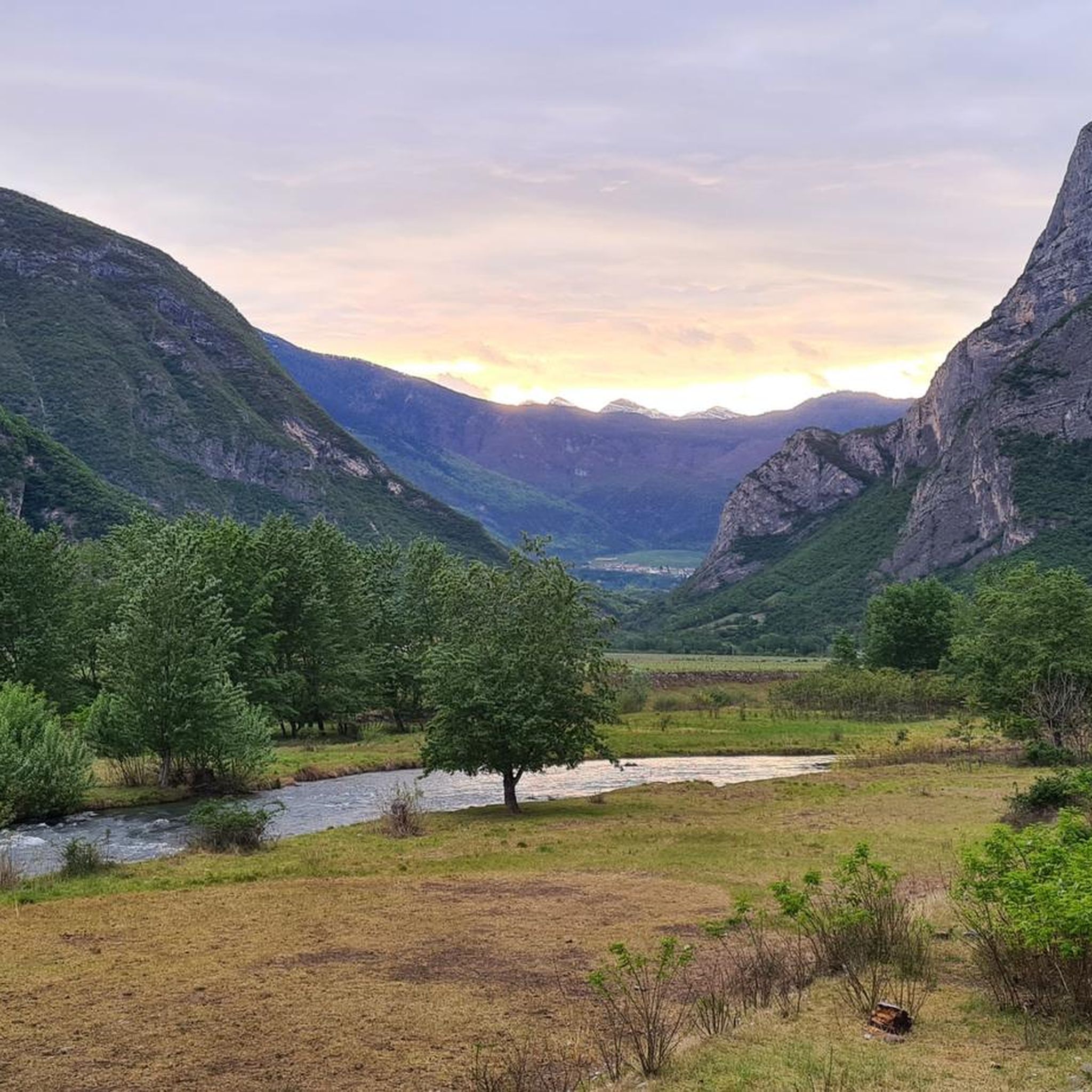
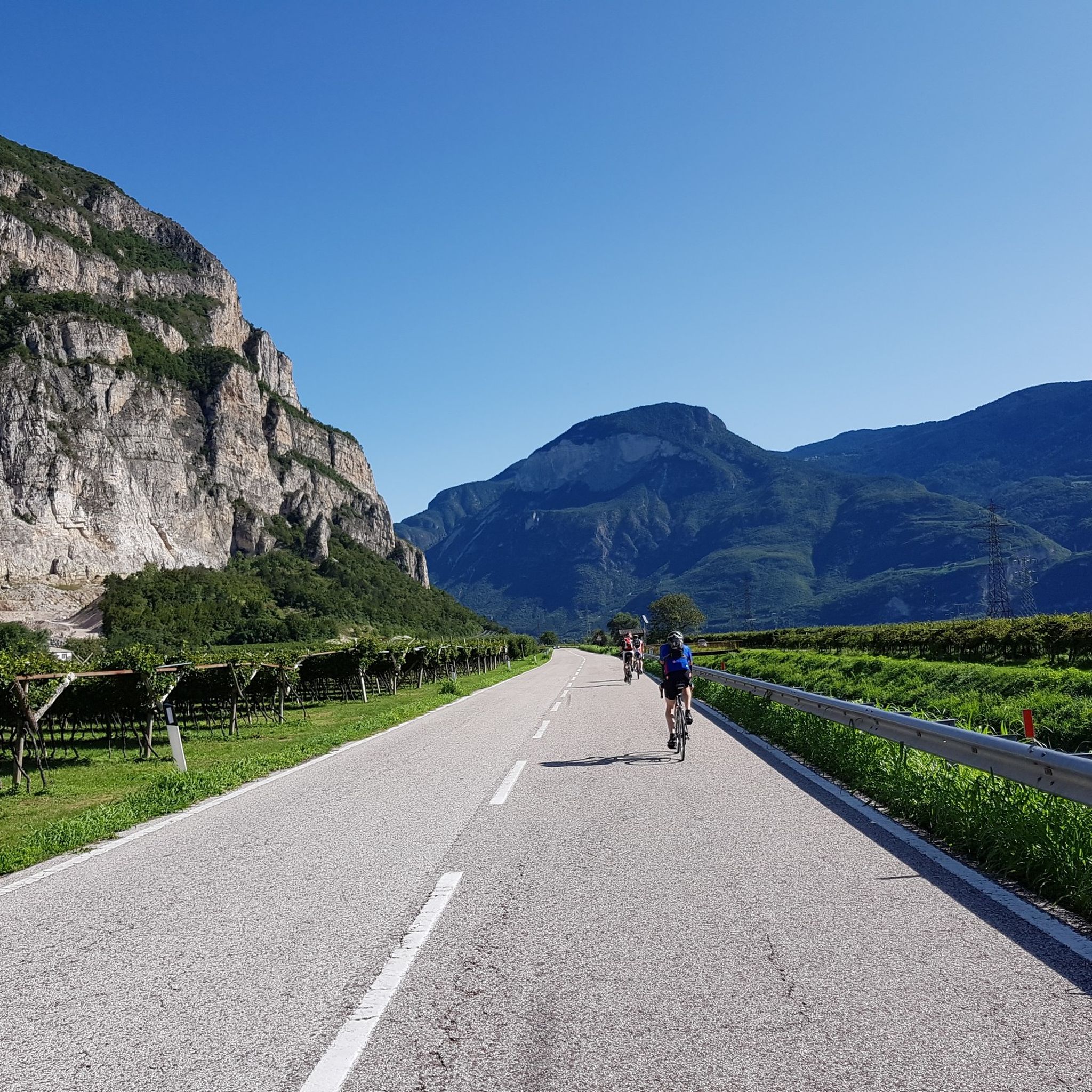
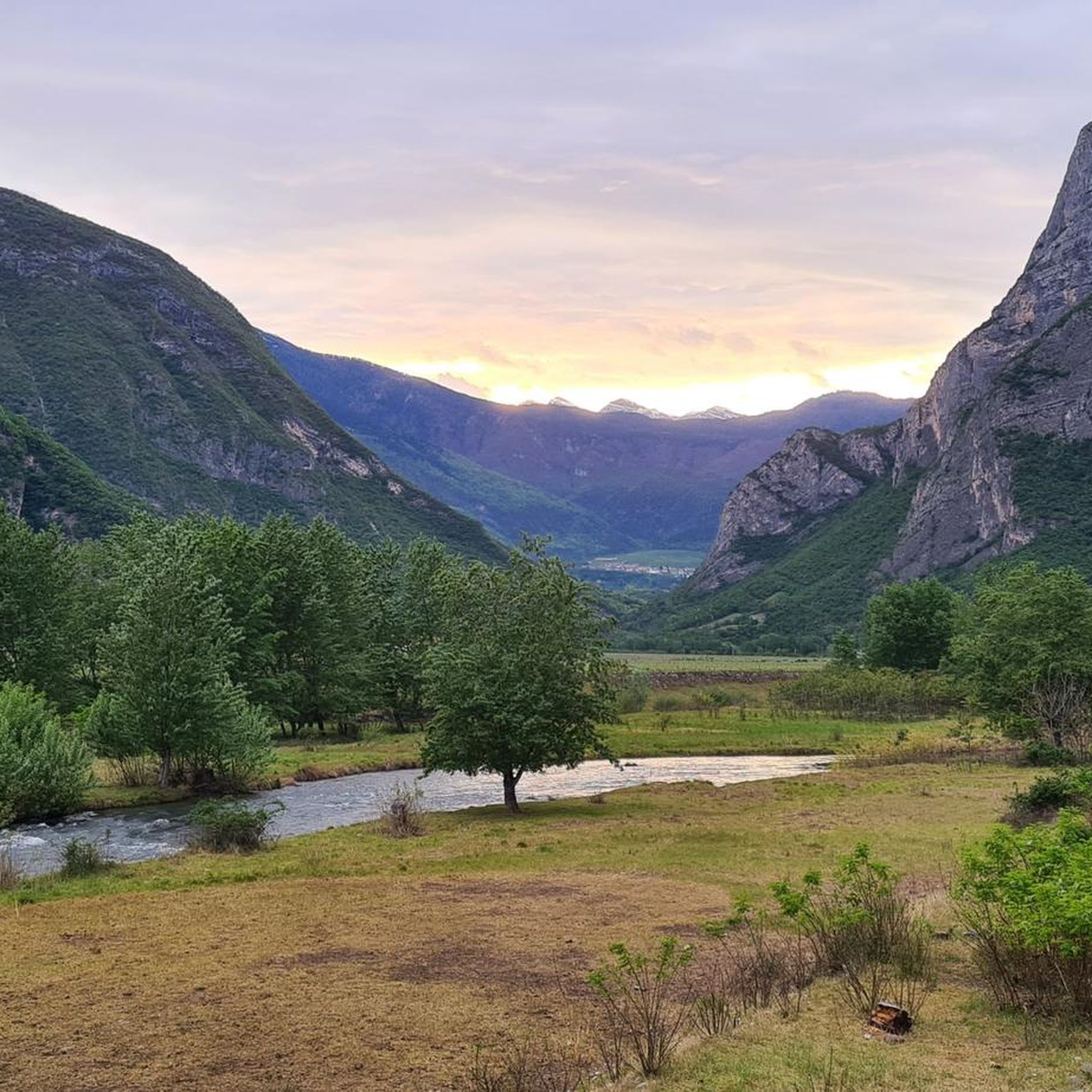
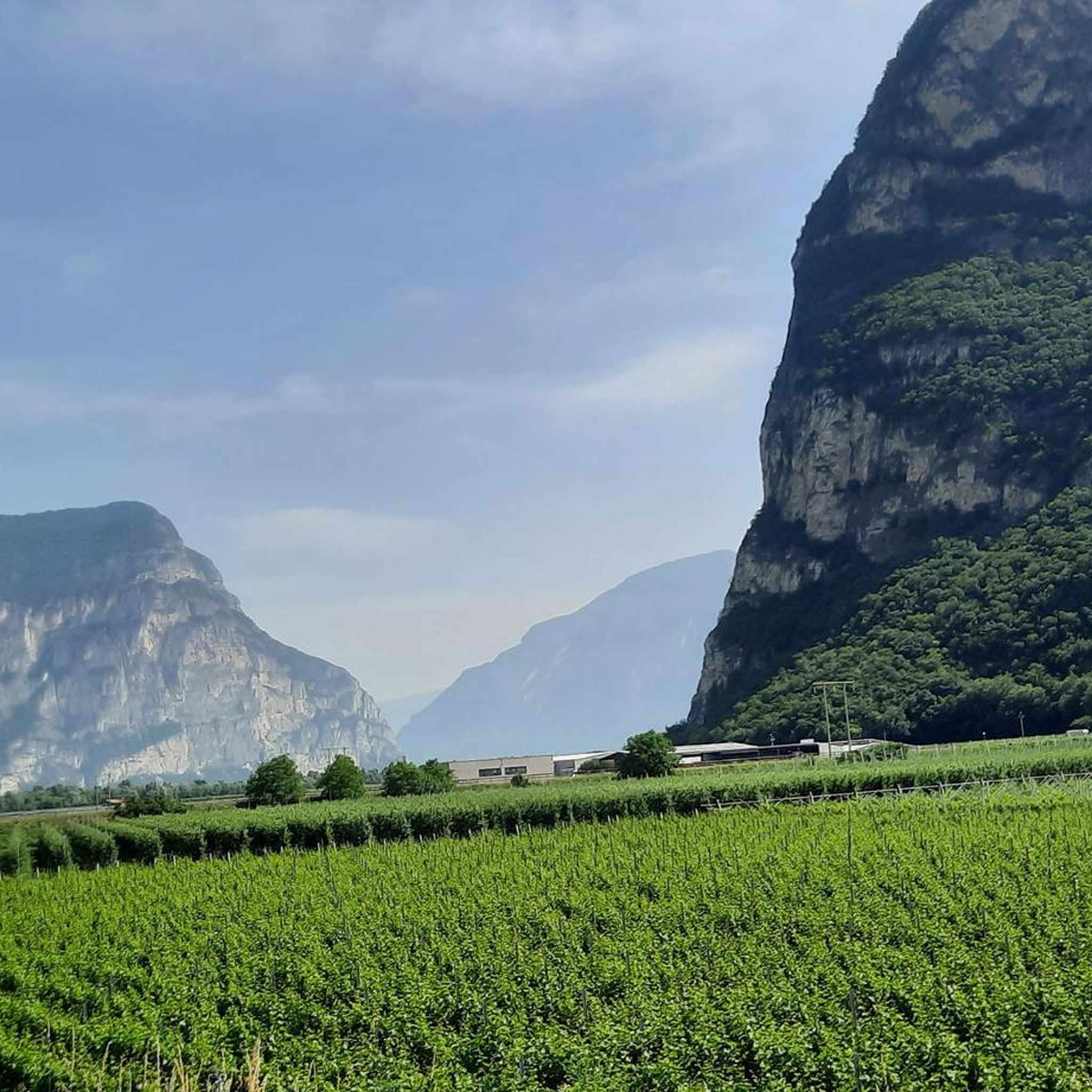

Tips from the Community

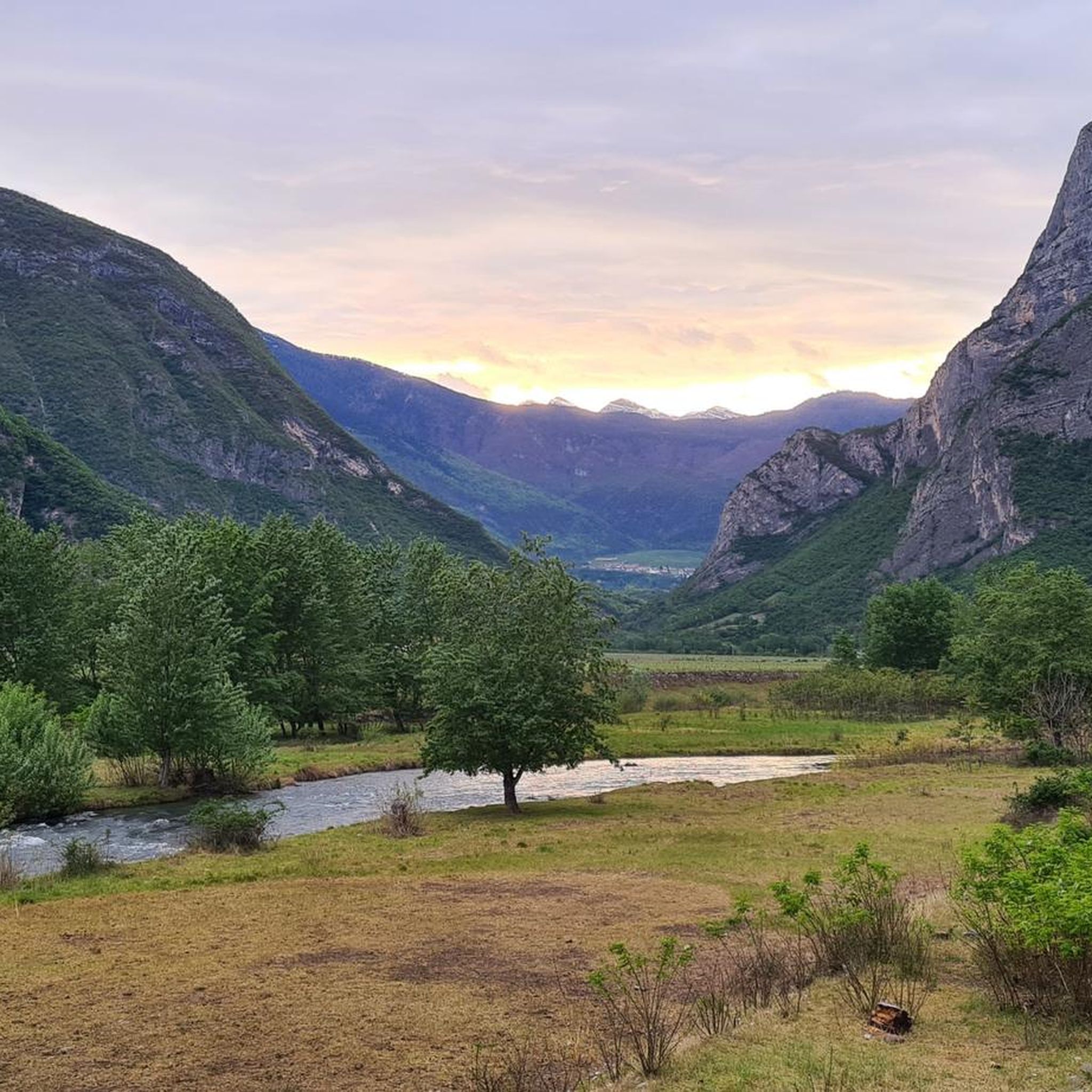
Very nice location
0
0

Before arriving in Cavedago you pass in front of Castel Belfort (it looks like the castle from Highlander)
0
0

The Tiefenbrunner winery in Entiklar is a true gem of the South Tyrolean wine landscape and boasts an impressive history. The winery has been family-owned since 1675 and has been run as a winery since 1848. Today, it bears the name Schlosskellerei Turmhof and is a landmark of the region, surrounded by a magnificent park. The vineyards extend not only around the winery in Entiklar, but also in the renowned sites of Kurtatsch and Magrè. Particularly valuable are the rare south-facing slopes, which, due to their ideal location, are perfectly suited to Bordeaux varieties. Christof Tiefenbrunner emphasizes that grapes from other prime sites such as Völser Aicha (Sauvignon Blanc and Pinot Noir), Bozen (Lagrein), and Montan/Pinzón (Pinot Noir) are also being added to the range. The winery's vineyards are located at impressive altitudes between 200 and 1,000 meters, creating a wide variety of soils and microcosms. From the estate's own grapes and those of contract winemakers, Schlossweingut Turmhof produces complex, aging-worthy wines that are given the necessary time to mature in the cellar. Sustainability and the careful use of nature are essential components of the winery's philosophy. The winery has been supplied with electricity from its own hydroelectric power plant since 1910. Opening hours: Monday to Friday, 8:30 a.m. to 6:30 p.m. Guided tours: upon request, registration required at least one day in advance at https://www.tiefenbrunner.com/fuehrungen Bistro Weinbar Castel Turmhof Tiefenbrunner Kurtatsch: https://www.tiefenbrunner.com/winebar All information at https://www.altoadigewines.com/en/winegrowers/winery-tiefenbrunner-schlosskellerei-turmhof/86-197549.html.
0
0

If you don't stop here, it's your own fault. There is a lot to discover and the wine is excellent
0
0

breathtaking view. The climb is very steep but it's worth it.
0
2


Interesting castle ruins with a beautiful view and a great castle tavern. The castle and tavern are closed on Thursdays and Fridays!
0
0

quiet walk in the countryside to do in company. area with bears!!!!
0
0
Frequently Asked Questions
What are the main historical castles directly in Mezzocorona?
The primary castles associated with Mezzocorona are Castel Firmian, the intriguing ruins of Castel San Gottardo, and the nearby Castel San Pietro. Each offers a unique glimpse into the region's past.
What is unique about Castel San Gottardo?
Castel San Gottardo, also known as Castello di Mezzocorona, is uniquely built into a cave within a cliff face. This medieval fortress, dating back to 1181, is known for its naturally defensible position and a local legend about a dragon slain by Count Firmian, whose blood supposedly gave rise to the Teroldego Rotaliano vine.
Can I visit Castel San Gottardo?
While the ruins of Castel San Gottardo are a fascinating sight, it is currently not safe for visitors due to ongoing small landslides. However, its dramatic ruins are clearly visible from below, contributing to the region's rich lore. You can find more information on the local tourism site: visitrotaliana.it.
Are there family-friendly castles to visit near Mezzocorona?
Yes, several castles in the broader region are considered family-friendly. For example, Castello di Salorno (Haderburg) and Castel Belfort are both listed as family-friendly highlights, offering historical exploration in an engaging setting.
What kind of views can I expect from the castles around Mezzocorona?
Many castles in the area offer spectacular panoramic views. From the ruins of Castel San Pietro, you can enjoy breathtaking vistas of the northern Brenta Group and the lower Val di Non. Similarly, Castello di Salorno (Haderburg) is known for its great views overlooking Salorno.
What outdoor activities can I do near these castles?
The area around Mezzocorona offers a variety of outdoor activities. You can find numerous hiking and cycling routes. For hiking, consider trails like the 'Forest trail to Monte di Mezzocorona with Adige Valley views' or the 'Skywalk over the Adige Valley – Villa Valley loop'. For cycling, options include the 'Adige Valley Cycle Path' or more challenging routes like the 'Sarca Gorge Cycle Path'. You can explore more options on the hiking guide and cycling guide for Mezzocorona.
Are there hiking trails that lead to or past castles?
Yes, several hiking trails incorporate castles or castle ruins. For instance, the path to Castello di Salorno (Haderburg) involves a steep but rewarding footpath. Additionally, the climb toward Cavedago passes in front of Castel Belfort, offering impressive views of the ruins. You can find more hiking routes in the hiking guide for Mezzocorona.
What is the best season to visit the castles around Mezzocorona?
The region's castles are enjoyable across different seasons. Spring and autumn offer pleasant temperatures for exploring and hiking, with vineyards showcasing vibrant colors. Summer is also popular, though it can be warmer. Some castles or their surrounding areas might have limited access or different opening hours in winter, so it's always best to check specific sites beforehand.
Are there any wineries associated with the castles in the area?
Yes, the region is known for its wine production. For example, the Winery Tiefenbrunner Schlosskellerei Turmhof is a historic winery located in a castle setting, offering a unique combination of history and viticulture. It's a great place to discover local wines and enjoy the beautiful surroundings.
What are some of the historical features of Castel Firmian?
Castel Firmian, built in 1480, served as an aristocratic residence. It features a square tower, living quarters, and a crenelated perimeter wall, with a moat on the valley side. The castle has undergone modifications in Gothic and Baroque styles and houses a chapel dedicated to San Giovanni Nepomuceno, along with important paintings.
What do visitors enjoy most about the castles around Mezzocorona?
Visitors frequently appreciate the historical significance and the stunning views offered by the castles. The imposing ruins, like those of Castel Belfort, evoke a sense of medieval splendor. The challenging climbs to sites like Monreale Castle are rewarded with panoramic vistas and serve as starting points for various paths.
Are there any castles that are particularly challenging to reach?
Yes, some castles require a more demanding effort to reach. Monreale Castle, for instance, involves a somewhat demanding climb. Similarly, reaching Castello di Salorno (Haderburg) involves a steep footpath, which is part of its adventurous appeal.
Most popular routes around Mezzocorona
Most popular attractions around Mezzocorona

Get inspired with the komoot mobile app


Explore more
Looking for the best castles somewhere else? Discover other guides around Mezzocorona:
