Top 20 Castles around Burgstall - Postal
Castles around Burgstall - Postal, also known as Postal, is a region in South Tyrol, Italy. While the original Burgstall Castle exists primarily as ruins, the broader South Tyrol area is home to around 800 castles and palaces. These historical sites offer insights into centuries of regional history and diverse architectural styles. The area provides opportunities to explore well-preserved medieval fortresses and cultural landmarks.
Best castles around Burgstall - Postal
- The most popular castles is View of Tirolo Castle,…
Last updated: August 16, 2026
View of Schloss Tirol, Brunnenburg and vineyards from Dorf Tirol
Highlight • Viewpoint
to the Brunnenburg.
Welcome to Tirol Castle, the residential castle of the Counts of Tyrol. The castle gave the state of …
Translated by Google •
Tip by

View of Tirolo Castle
Highlight • Viewpoint
Translated by Google •
Tip by

Sign up now to discover places like this
Get recommendations on the best single tracks, peaks, & plenty of other exciting outdoor places.
Sign up for free
Brunnenburg Castle
Highlight • Castle
Translated by Google •
Tip by
Schenna Village
Highlight • Settlement
Showing Translation
Tip by

View from the Pulverturm over Merano
Highlight • Viewpoint
Translated by Google •
Tip by

Sign up for free to discover even more castles around Burgstall - Postal.
Sign up for free
Already have an account?
Start today with a free account
Your next adventure awaits.
Login or Signup


Tips from the Community

In 1903 he sold the castle to the entrepreneur Karl Schwickert from Pforzheim, who had it rebuilt. After his death in 1927, the castle fell into disrepair again until the de Rachewiltz family took up residence there and over time turned the castle into a center for cultural encounters. The American poet Ezra Pound completed his life's work, the Cantos, here from 1958 to 1962. Source: https://www.brunnenburg.net/de/willkommen-auf-der-brunnenburg/sagengeschichte/
15
0
The Brunneburg was built in 1250 by Wilhelm Tarant on a glacial rubble cone below Tyrol Castle. In 1356 the princely administrator of the Bishopric of Trent, Heinrich von Bopfingen, acquired it; he was pastor of Tyrol, envoy of Ludwig of Brandenburg and until 1359 also governor of Tyrol. In 1421 it was acquired by Ulrich Putsch, chaplain of Duke Frederick with his empty pockets, who later became a patron of art and science as Bishop of Brixen. In 1457 the castle came into the possession of Hans Kripp. It belonged to this Hall family for three and a half centuries. In 1705, Gregor Hofer built a house with a barn and gate at the foot of the castle rock using the “high wall tips” that still existed from the ruins. In 1884 the Brunnenburggut came into the hands of the mayor of Dorf Tirol, Michael Sonnenburger. Source:https://www.brunnenburg.net/de/willkommen-auf-der-brunnenburg/sagengeschichte/
15
0
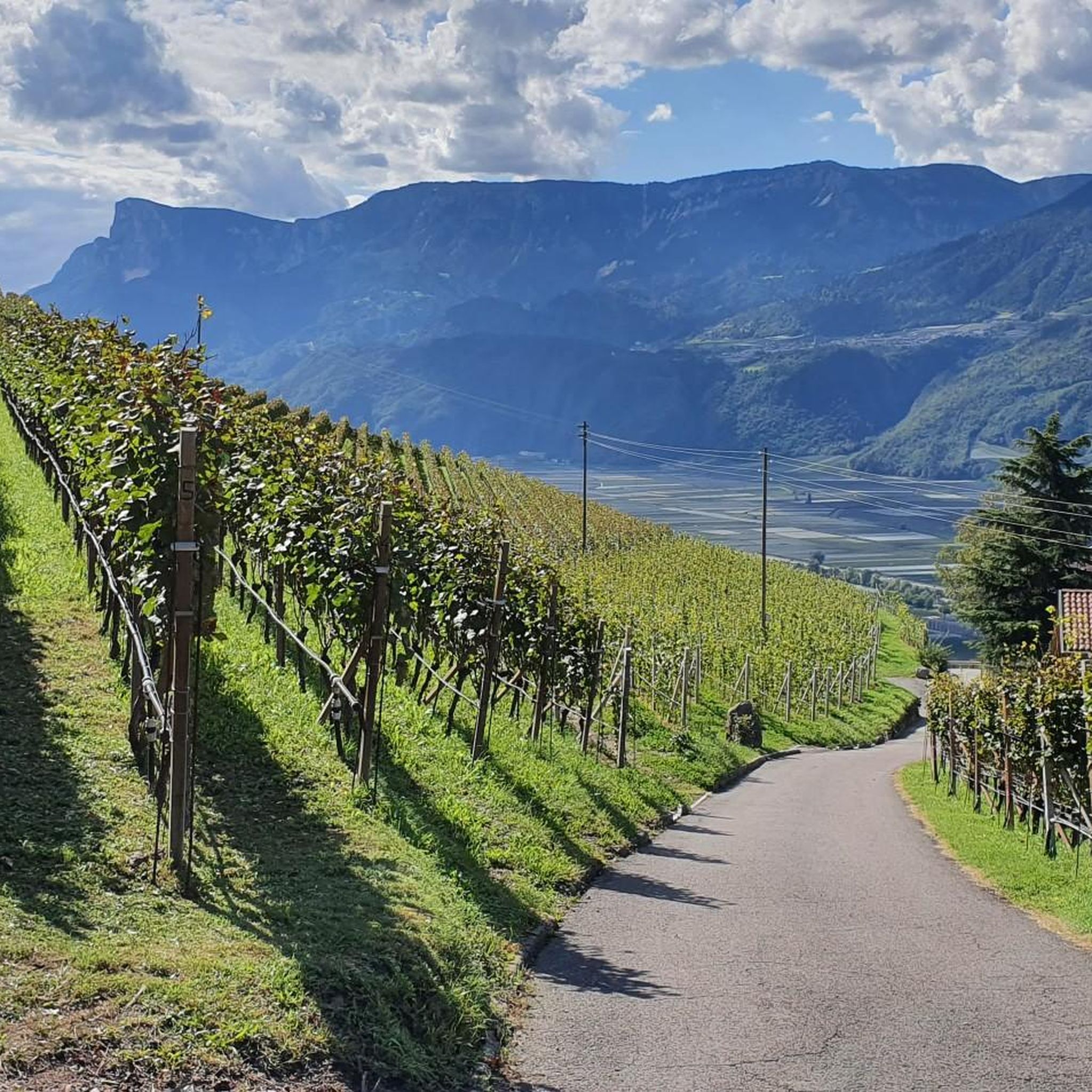
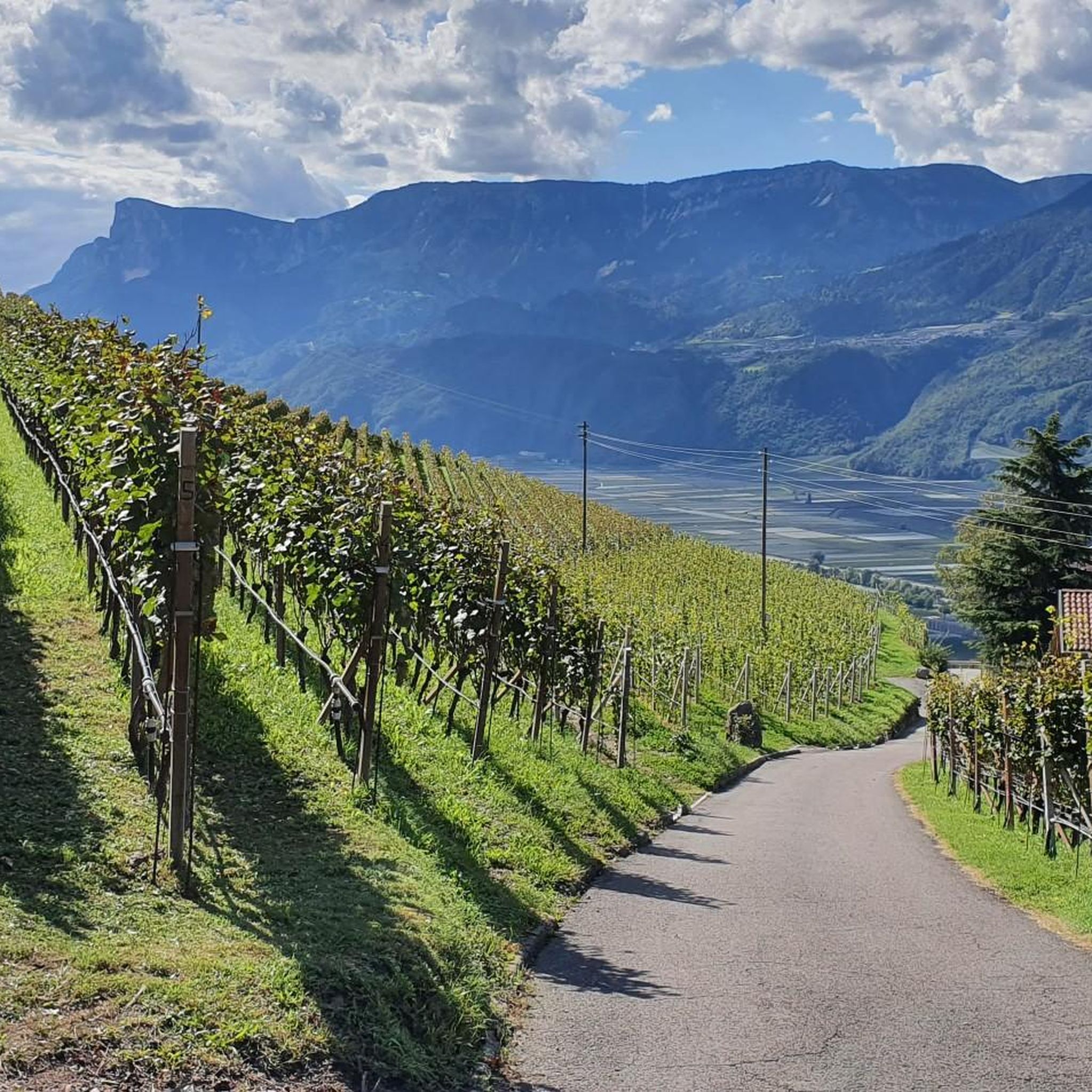
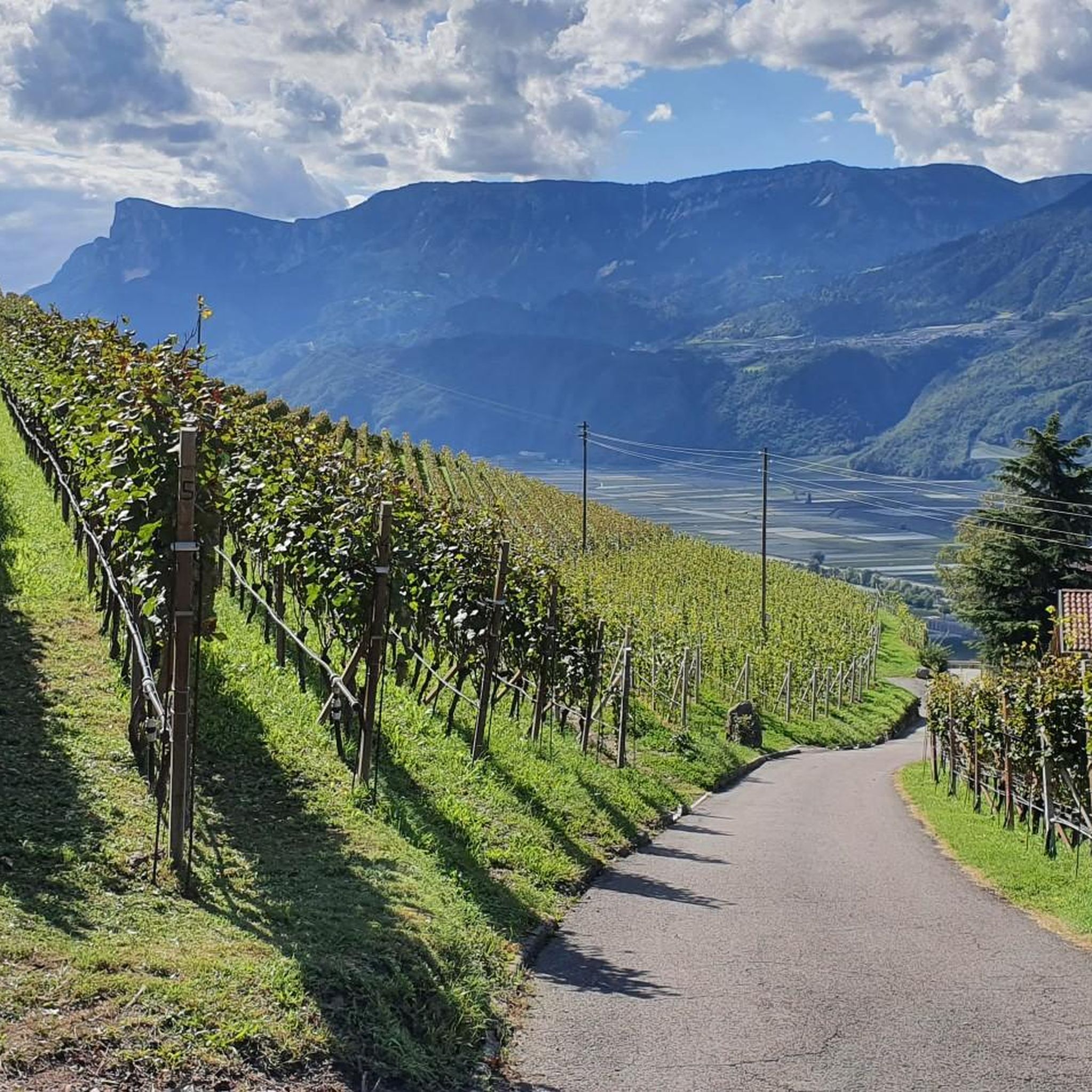
Here you can see the Tyrol Castle as well to the Brunnenburg. Welcome to Tirol Castle, the residential castle of the Counts of Tyrol. The castle gave the state of Tyrol its name. Aspects of the country's history and rulership are combined here in a clear way. From the outer bailey of Tyrol Castle you have an impressive view of the Etsch Valley and the Vinschgau. Here you will feel like you have been transported back to a distant time when the Counts of Tyrol were the masters of this area. Source: https://www.schlosstirol.it/
18
0
In 1903 he sold the castle to the entrepreneur Karl Schwickert from Pforzheim, who had it rebuilt. After his death in 1927, the castle fell into disrepair again until the de Rachewiltz family took up residence there and over time turned the castle into a center for cultural encounters. The American poet Ezra Pound completed his life's work, the Cantos, here from 1958 to 1962. Source: https://www.brunnenburg.net/de/willkommen-auf-der-brunnenburg/sagengeschichte/
8
0
The Brunneburg was built in 1250 by Wilhelm Tarant on a glacial rubble cone below Tyrol Castle. In 1356 the princely administrator of the Bishopric of Trent, Heinrich von Bopfingen, acquired it; he was pastor of Tyrol, envoy of Ludwig of Brandenburg and until 1359 also governor of Tyrol. In 1421 it was acquired by Ulrich Putsch, chaplain of Duke Frederick with his empty pockets, who later became a patron of art and science as Bishop of Brixen. In 1457 the castle came into the possession of Hans Kripp. It belonged to this Hall family for three and a half centuries. In 1705, Gregor Hofer built a house with a barn and gate at the foot of the castle rock using the “high wall tips” that still existed from the ruins. In 1884 the Brunnenburggut came into the hands of the mayor of Dorf Tirol, Michael Sonnenburger. Source: https://www.brunnenburg.net/de/willkommen-auf-der-brunnenburg/sagengeschichte/
11
0

The castle ruins of Ortenstein are located on the southern slope of the Küchelberg or Zenoberg above the spa town of Meran on the Tappeinerweg and today only consist of the keep of the castle, the powder tower. The tower is 12 meters high, inside there is a steel structure with stairs.
4
0

The Pulverturm is located directly on the Tappeinerweg and is easy to climb. From here you have a great view over the Adige Valley.
16
1

A bit out of the way, beautiful
4
0
Frequently Asked Questions
What is the historical significance of Burgstall - Postal's castles?
The region around Burgstall - Postal, part of South Tyrol, is rich in history, boasting around 800 castles and palaces. While the original Burgstall Castle itself is primarily ruins, the area's castles, like Tyrol Castle (Schloss Tirol), are deeply intertwined with the region's past, serving as ancestral seats, defensive structures, and cultural centers for centuries.
Beyond the immediate area, what other significant castles can I visit in South Tyrol?
South Tyrol offers many impressive castles. Notable options include Runkelstein Castle near Bolzano, famous for its extensive collection of secular medieval frescoes. Hocheppan Castle offers an authentic medieval flair with a romantic chapel and 3D archery. Churburg Castle in Schluderns is known for its well-preserved Renaissance architecture and the world's largest private armory. Lastly, Reifenstein Castle near Vipiteno provides an almost unaltered insight into medieval life with preserved knight's halls and chapels.
Which castles near Burgstall - Postal offer the best historical insights or unique collections?
For deep historical insights, Tyrol Castle (Schloss Tirol) is the namesake of the entire region and houses the South Tyrolean Provincial Museum for Cultural and Regional History, featuring 12th-century Romanesque frescoes. Runkelstein Castle is unparalleled for its secular medieval frescoes, depicting courtly life and legends. Churburg Castle stands out for its vast private armory, offering a unique glimpse into medieval weaponry.
Are there family-friendly castles to visit near Burgstall - Postal?
Yes, several castles in the area are considered family-friendly. Tyrol Castle (Schloss Tirol) and Brunnenburg Castle are both listed as family-friendly highlights. Tyrol Castle offers a museum experience, while Brunnenburg Castle includes an agricultural museum. Many castles also provide open spaces and interesting architecture that can engage children.
What kind of outdoor activities can I do near the castles around Burgstall - Postal?
The area around Burgstall - Postal is excellent for outdoor activities. You can find various cycling routes, such as the 'Adige River at Lana–Burgstall – Castle in Tisens loop' for road cycling or the 'View of Lake Caldaro – Mendel Pass loop' for touring bicycles. There are also running trails like the 'Burgstall–Vöran Cable Car – Sunny-Side Trail loop'. For more details on these routes, visit the Road Cycling Routes, Cycling, and Running Trails guides for Burgstall - Postal.
Are there hiking trails that lead to or past castles in the Burgstall - Postal area?
Yes, many castles in the region are popular hiking destinations. For instance, Hocheppan Castle is a worthwhile hiking spot, and the path to Tyrol Castle (Schloss Tirol) from Dorf Tirol offers scenic views. You can find various running and walking routes that incorporate castle views or lead directly to them. Check the Running Trails around Burgstall - Postal guide for options.
What is the best time of year to visit the castles around Burgstall - Postal?
The best time to visit the castles around Burgstall - Postal is generally during the spring (April-June) and autumn (September-October) months. During these periods, the weather is pleasant for exploring, and the landscapes are particularly beautiful with blooming flowers or vibrant fall foliage. Summer can also be enjoyable, but it tends to be warmer and more crowded. Winter visits are possible, but some attractions might have reduced hours or be less accessible due to snow.
Can I visit the original Burgstall Castle, or are there only ruins?
The original Burgstall Castle, also known as Postal, exists today primarily as ruins. Only remnants of its circular wall are still visible. While it offers a glimpse into the region's history, visitors seeking more substantial and well-preserved examples of castles should explore the many other impressive options in the broader South Tyrol region.
Which castles offer the best panoramic views of the surrounding landscape?
For breathtaking panoramic views, View of Tirolo Castle is a highly recommended viewpoint offering expansive vistas of the Merano valley. Tyrol Castle (Schloss Tirol) itself provides impressive outdoor facilities with great views of Meran and the surrounding area. Additionally, Runkelstein Castle, perched on a rocky spur, offers astounding views of its surroundings.
What do visitors particularly enjoy about the castles around Burgstall - Postal?
Visitors to the castles around Burgstall - Postal frequently praise the impressive historical insights, the well-preserved architecture, and the stunning panoramic views. The komoot community has shown significant appreciation, with over 3000 upvotes and more than 600 photos shared, highlighting the beauty of sites like Tyrol Castle (Schloss Tirol) and the scenic viewpoints like View of Tirolo Castle.
Are there cafes or restaurants available at or near the castles?
Yes, some castles and their immediate surroundings offer dining options. Tyrol Castle (Schloss Tirol) has a cafe and restaurant on-site. Hocheppan Castle features a castle tavern where visitors can enjoy traditional delicacies. Additionally, the village of Schenna, which includes a castle, has many restaurants. It's always a good idea to check specific castle websites for current offerings.
How can I get to the castles around Burgstall - Postal using public transport?
Public transport options are available to reach many castles in the South Tyrol region. For example, Tyrol Castle (Schloss Tirol) is located above Merano and can be accessed via local buses to Dorf Tirol, followed by a walk. For other castles like Runkelstein near Bolzano, local bus services often connect from major towns. It's recommended to check local bus schedules and routes for specific castle destinations.
Most popular routes around Burgstall - Postal
Most popular attractions around Burgstall - Postal

Get inspired with the komoot mobile app


Explore more
Looking for the best castles somewhere else? Discover other guides around Burgstall - Postal:
