Top 20 Castles around Kastelbell-Tschars - Castelbello-Ciardes
Best castles around Kastelbell-Tschars - Castelbello-Ciardes are nestled in Italy's Venosta Valley, offering a glimpse into history and culture. The region features medieval fortresses perched on rocky outcrops, providing historical sites and viewpoints over the Adige River. These landmarks include well-preserved castles and significant ruins, showcasing centuries of architectural development and regional events. Visitors can explore a variety of castle types, from cultural centers to mountain museums, set within picturesque landscapes.
Best castles around Kastelbell-Tschars - Castelbello-Ciardes
- The most popular…
Last updated: September 25, 2026
View of Kastelbell Castle
Highlight • Castle
Translated by Google •
Tip by

View of Juval Castle
Highlight • Viewpoint
Translated by Google •
Tip by

Sign up now to discover places like this
Get recommendations on the best single tracks, peaks, & plenty of other exciting outdoor places.
Schlanders / Silandro
Highlight • Settlement
Translated by Google •
Tip by

Kastelbell Castle – Castello di Castelbello
Highlight • Castle
Translated by Google •
Tip by

Trail past castle ruins and super views
Highlight (Segment) • Trail
Translated by Google •
Tip by

Sign up for free to discover even more castles around Kastelbell-Tschars - Castelbello-Ciardes.
Already have an account?
Start today with a free account
Your next adventure awaits.
Popular around Kastelbell-Tschars - Castelbello-Ciardes
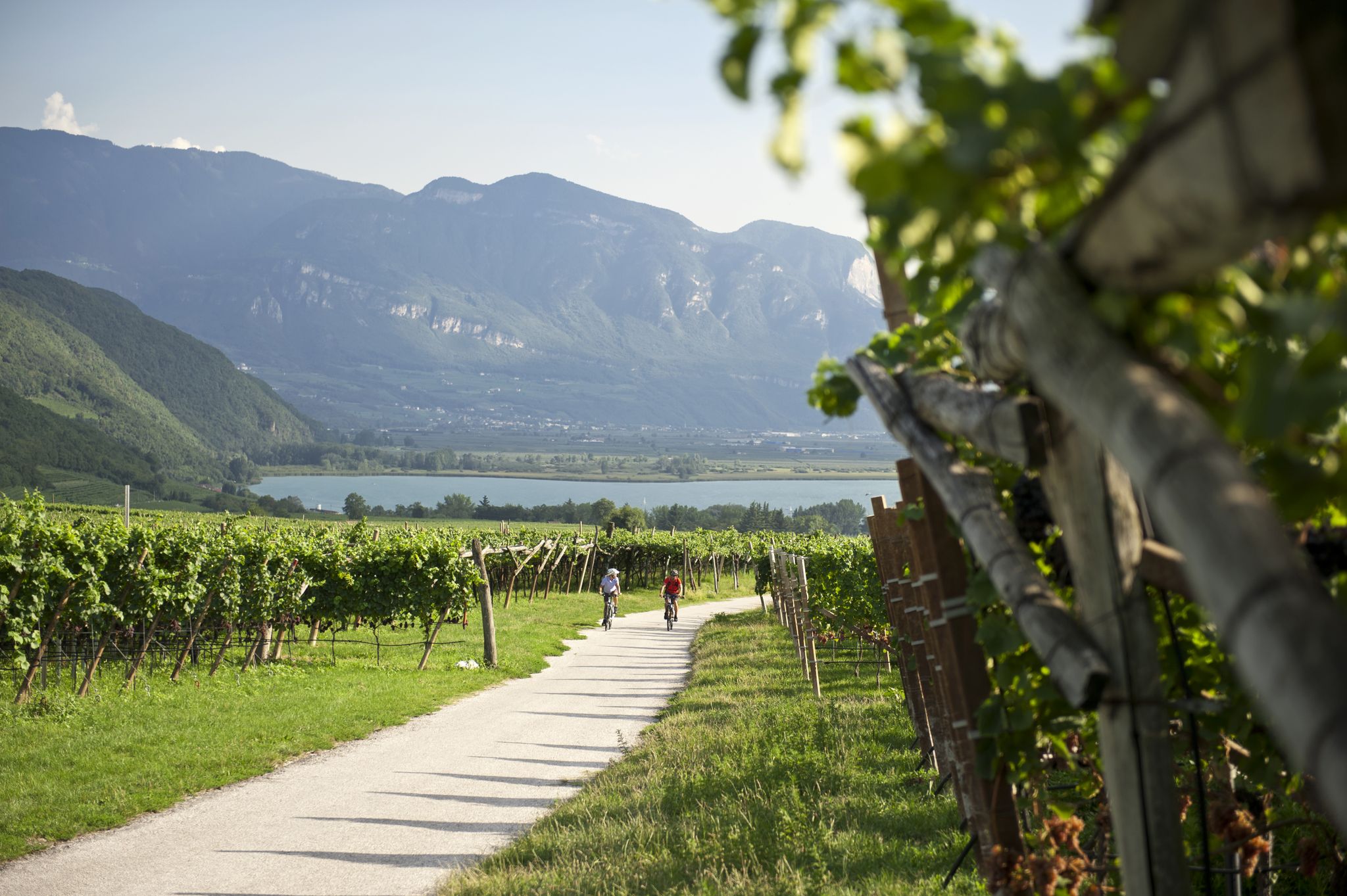
Road cycling through the vineyards of Alto Adige
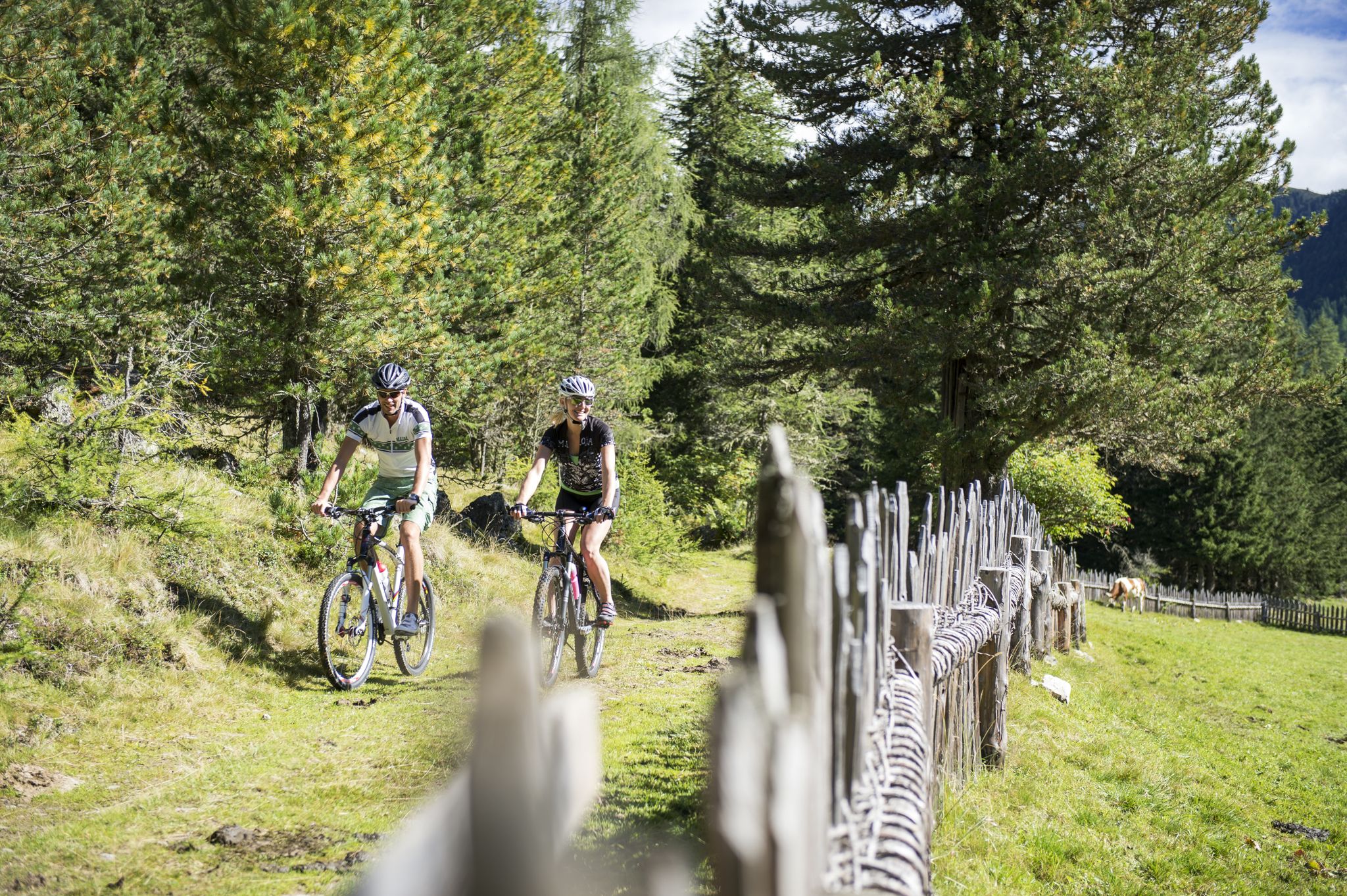
Sun, trails and dolce vita – mountain biking in Italy’s Naturno
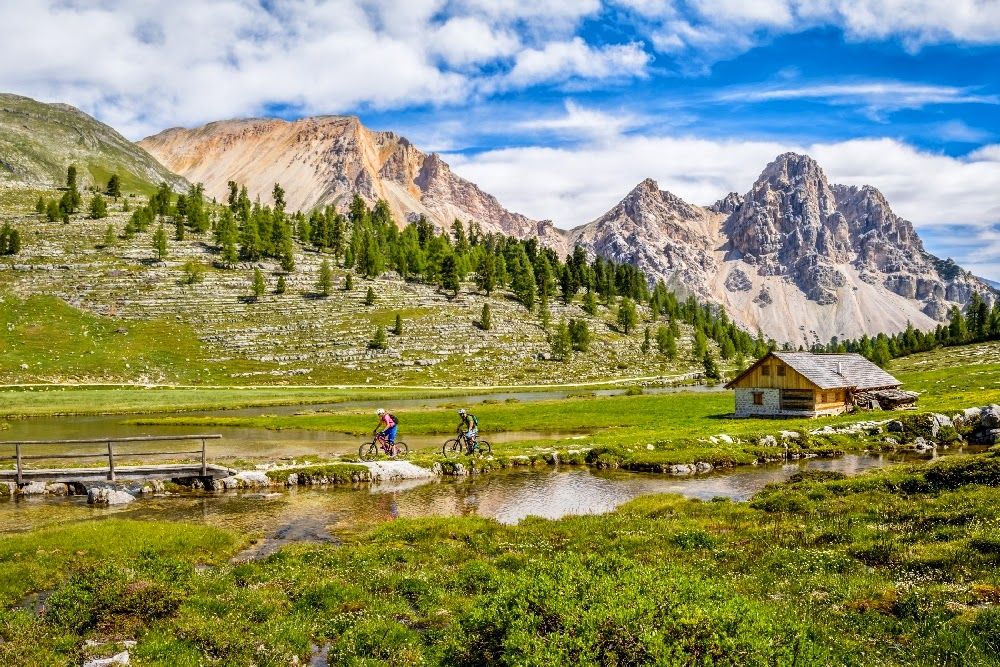
Biking South Tyrol in spring
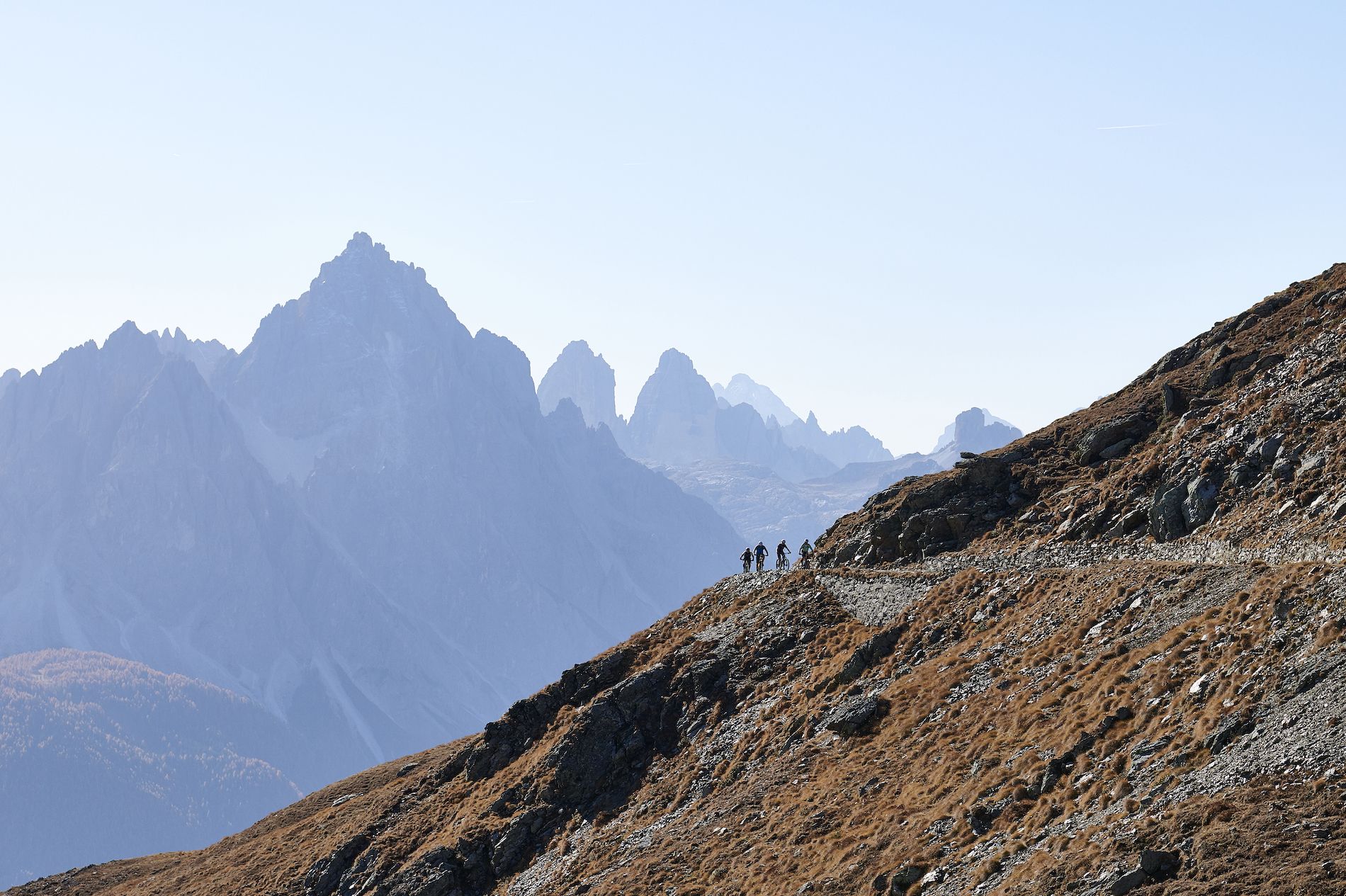
Die schönsten Touren für ein sonniges Herbstwochenende in Südtirol
Hiking around Kastelbell-Tschars - Castelbello-Ciardes
MTB Trails around Kastelbell-Tschars - Castelbello-Ciardes
Road Cycling Routes around Kastelbell-Tschars - Castelbello-Ciardes
Cycling around Kastelbell-Tschars - Castelbello-Ciardes
Gravel biking around Kastelbell-Tschars - Castelbello-Ciardes
Running Trails around Kastelbell-Tschars - Castelbello-Ciardes
Other adventures around Kastelbell-Tschars - Castelbello-Ciardes


Tips from the Community

The castle was built by the lords of Montalban, who, as a Welf noble family, belonged to the vassals of the Counts of Tyrol. After 1200 it came into their possession. The oldest documented mention dates from 1238. From 1531 it was a feudal pledge of the Counts Hendl, who had the castle expanded to its present form. After fires in the 19th century, the building fell into ruin. In 1956 it was acquired by the Italian state and extensively restored from 1987 to 1995. Since 1999 it has been managed by the Kuratorium Schloss Kastelbell. In 2008, the Italian state transferred ownership to the province of South Tyrol. The castle is used for cultural events such as exhibitions and concerts and is publicly accessible. Source: Wikipedia
1
0

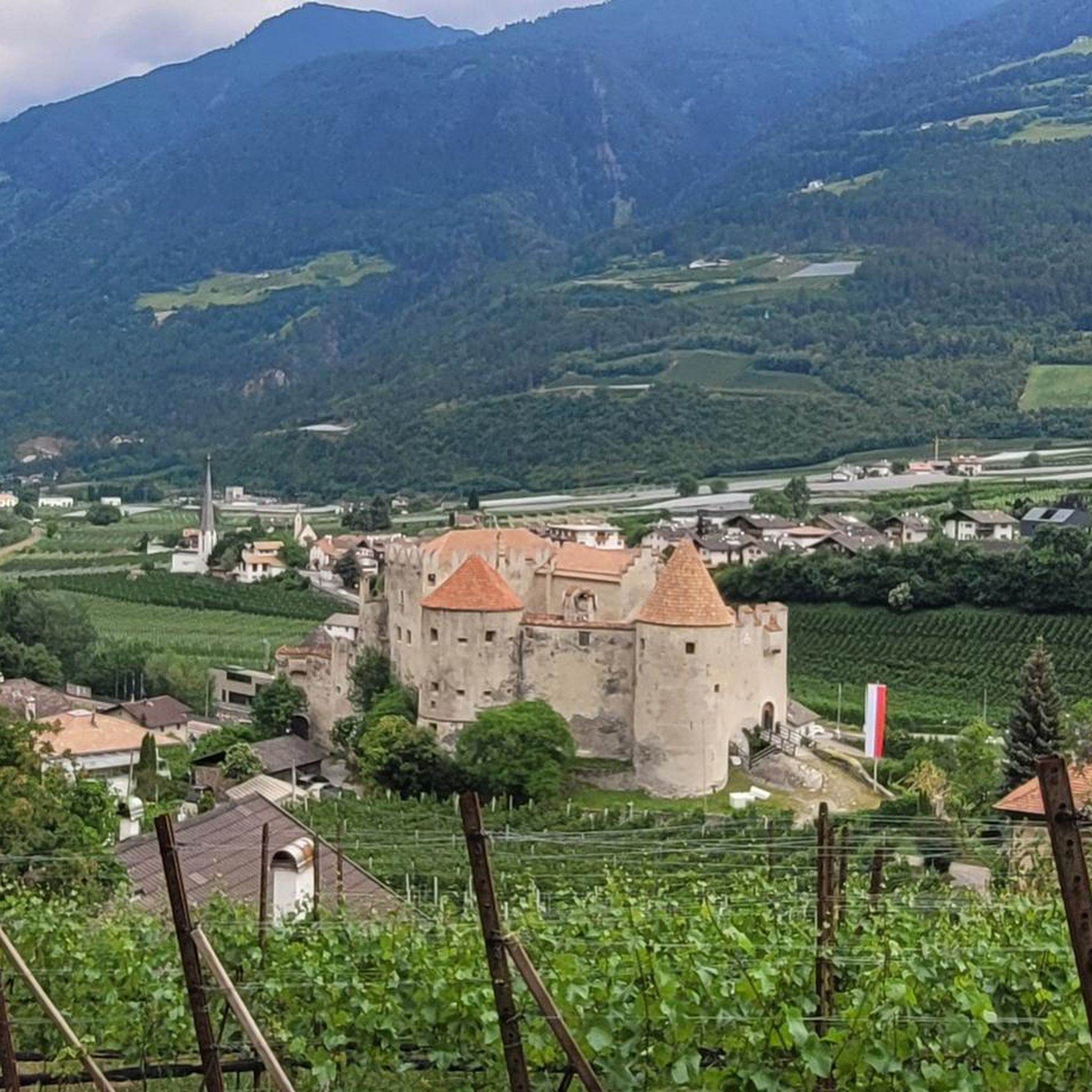
Castelbello Castle, first mentioned in 1238 but likely of earlier origin, was built by the Lords of Montalban. The picturesque castle sits majestically on a mighty rocky outcrop on the left bank of the Adige River. The elongated complex measures over 70 meters in length and barely 30 meters in width. Due to its exposed location, Castelbello Castle had to be repeatedly protected over the years by the construction of more modern and stronger fortifications. After changing hands several times, the castle was transferred to the Hendl family as a pledge in 1531. In 1813 and 1824, the castle was largely destroyed by fire. The Hendl counts rebuilt only a small part for residential purposes, and thus the castle was destined to fall into ruin. At the end of a legal process that dragged on for decades, in which Count Siegmund von Hendl and the Republic of Italy fought for ownership of the castle, a settlement was finally reached: this enabled the state to purchase the castle for 31,068 lire (16.04 €).
9
0

One of the many castles in the Vinschgau.
10
0

The view of the castle on the mountain makes the landscape even more beautiful.
1
0

Very well-preserved Romanesque frescoes in the castle from the early 14th century, restored in 2001
4
0

Castelbello Castle Kastelbell Castle, already mentioned in 1238, is picturesquely situated on a mighty boulder on the left bank of the Etsch, where it reaches the wide Lower Vinschgau from the “Latschander” gorge. Guided tours are offered in the beautifully restored castle and various cultural events take place within the old walls. Text / Source: Kastelbell Castle Board of Trustees, Schlossweg 1, 39020 Kastelbell-Tschars https://www.schloss-kastelbell.com/de/das-schloss.html
18
1

First documented in 1238, Castelbello Castle dominates the Venosta Valley from a rocky outcrop on the left bank of the Adige River. From the cycle path, it is clearly visible above several apple orchards.
5
0

There are very numerous - about 400 - castles in South Tyrol. These were either built in the middle of large, wide valleys or at valley entrances. They served as a customs and toll station. Merchants had to pay customs duty, and tolls were also levied on stagecoaches and pedestrians (as they are today). As a result, the local nobles and lords of the castle became richer and more powerful. In wide valleys, the castles also served as an early warning system for foreign armies passing through. So there were so-called "Chalk Towers", which were signal towers. In the event of danger, a beacon was lit as a warning, spreading the news throughout the region. If two towers could not see each other directly, then a horseman was sent to the nearest castle or signal tower. The Lords of Eppan were one of the most powerful noble families from the Adige Valley and South Tyrol.
4
1
Frequently Asked Questions
What is the historical significance of the castles in Kastelbell-Tschars - Castelbello-Ciardes?
The castles in this region offer a deep dive into medieval history. For example, Kastelbell Castle – Castello di Castelbello, first documented in 1238, showcases centuries of architectural development and regional events, including its partial destruction by fires and subsequent restoration. Juval Castle also dates back to the 13th century, reflecting periods of changing ownership and decline before its modern restoration.
What unique cultural experiences do the castles in this region offer?
The castles provide diverse cultural experiences. Kastelbell Castle – Castello di Castelbello serves as a vibrant cultural center, hosting art exhibitions, literary evenings, and concerts. It also features a permanent exhibition on the ancient Roman road, the "Via Claudia Augusta." Juval Castle houses one of the Messner Mountain Museums, focusing on the "Myth of the Mountains" with collections of Tibetan art and masks from five continents.
Are there castle ruins to explore in Kastelbell-Tschars - Castelbello-Ciardes?
Yes, the region offers historical ruins like Burgruine Hochgalsaun. Situated on a rocky spur above Galsaun, these 13th-century ruins provide a tangible connection to the region's medieval past and offer impressive panoramic views. You can reach them via a hike from Kastelbell, passing by Schloss Kasten.
What is the best time of year to visit the castles in Kastelbell-Tschars - Castelbello-Ciardes?
The main visiting season for castles like Kastelbell Castle – Castello di Castelbello is typically from April through October. Juval Castle and its museum are open annually from the end of March to early November, with Wednesdays being a rest day. It's best to check specific opening hours before your visit.
Are there family-friendly castles or activities for children?
Yes, Kastelbell Castle – Castello di Castelbello is considered family-friendly. Additionally, the area around Burgruine Hochgalsaun features a great educational 'Legend Trail' that focuses on local legends, making it an interesting and entertaining visit for all ages. Juval Castle also has a park with small animals on its grounds.
How can I reach the castles using public transport?
While specific public transport details for all castles vary, Juval Castle is accessible by a special bus service, or you can enjoy an hour-long walk to reach it. For other castles, local bus services often connect the villages, but direct access might require a short walk or taxi from the nearest stop.
Are there cafes or places to eat near the castles?
Yes, Juval Castle has a traditional South Tyrolean wine tavern (Buschenschank) on its grounds, along with an organic farm and winery. The nearby settlement of Schlanders / Silandro also offers a variety of cafes and inns.
Do any of the castles offer scenic views of the surrounding landscape?
Absolutely. Kastelbell Castle – Castello di Castelbello is dramatically positioned on a cliff above the Adige River, providing picturesque views. Juval Castle, located at 1000 meters above sea level, also offers stunning vistas. Even the ruins of Burgruine Hochgalsaun, due to their elevated position, provide impressive panoramic views of the Venosta Valley.
Are there hiking opportunities around the castles?
Yes, the region is excellent for hiking. Juval Castle is accessible via an hour-long walk, and informational signs along a public path around the castle detail the botanical features. It's also reachable via the Tscharser or Stabener Waalweg trails. The Burgruine Hochgalsaun can be reached via a hike from Kastelbell. You can find more hiking options in the Mountain Hikes around Kastelbell-Tschars - Castelbello-Ciardes guide.
What outdoor activities can I do near these castles?
Beyond exploring the castles, the area offers a range of outdoor activities. You can find numerous running trails, mountain hikes, and MTB trails. Popular routes include the Adige Cycle Path and the Legend Trail in the Vinschgau, offering diverse terrain and beautiful scenery.
What do visitors enjoy most about the castles in Kastelbell-Tschars - Castelbello-Ciardes?
Visitors particularly appreciate the historical depth and scenic beauty. The well-preserved Romanesque frescoes at Kastelbell Castle – Castello di Castelbello and the unique collections at Messner Mountain Museum Juval are highly rated. The dramatic positions of the castles on rocky outcrops, offering clear views of the Adige River and Venosta Valley, are also a major draw, as seen from viewpoints like View of Kastelbell Castle.
Are there circular walks or trails around the castles?
Yes, there are several options for circular walks. Around Juval Castle, you can find public paths with informational signs detailing the botanical features of the grounds. The Tscharser or Stabener Waalweg trails also offer scenic routes that can incorporate the castle. For a more extensive experience, consider routes like the 'View of Kastelbell Castle – View of the Adige River loop from Kastelbell - Castelbello' for running, which offers views of the castle.
Most popular routes around Kastelbell-Tschars - Castelbello-Ciardes
Most popular attractions around Kastelbell-Tschars - Castelbello-Ciardes

Get inspired with the komoot mobile app


Explore more
Looking for the best castles somewhere else? Discover other guides around Kastelbell-Tschars - Castelbello-Ciardes:
