Attractions and Places To See around Trani - Top 20
Best attractions and places to see around Trani, a port city in Puglia, Italy, offer a blend of historical landmarks and coastal features. The city is known for its Romanesque architecture and its picturesque harbor on the Adriatic Sea. Visitors can explore medieval streets, cultural sites, and natural points of interest. The area provides a variety of sites, from ancient buildings to natural monuments.
Best attractions and places to see around Trani
- The most popular attractions is Trani Cathedral (Cathedral of Saint Nicholas the Pilgrim), a religious building that is a significant example of Apulian Romanesque architecture. Its construction began in 1099 and it stands prominently by the sea.
- Another must-see spot is Casale di Zappino, a historical site that has stood for about a thousand years. This architectural complex includes a medieval church and a wall enclosure, still in good condition.
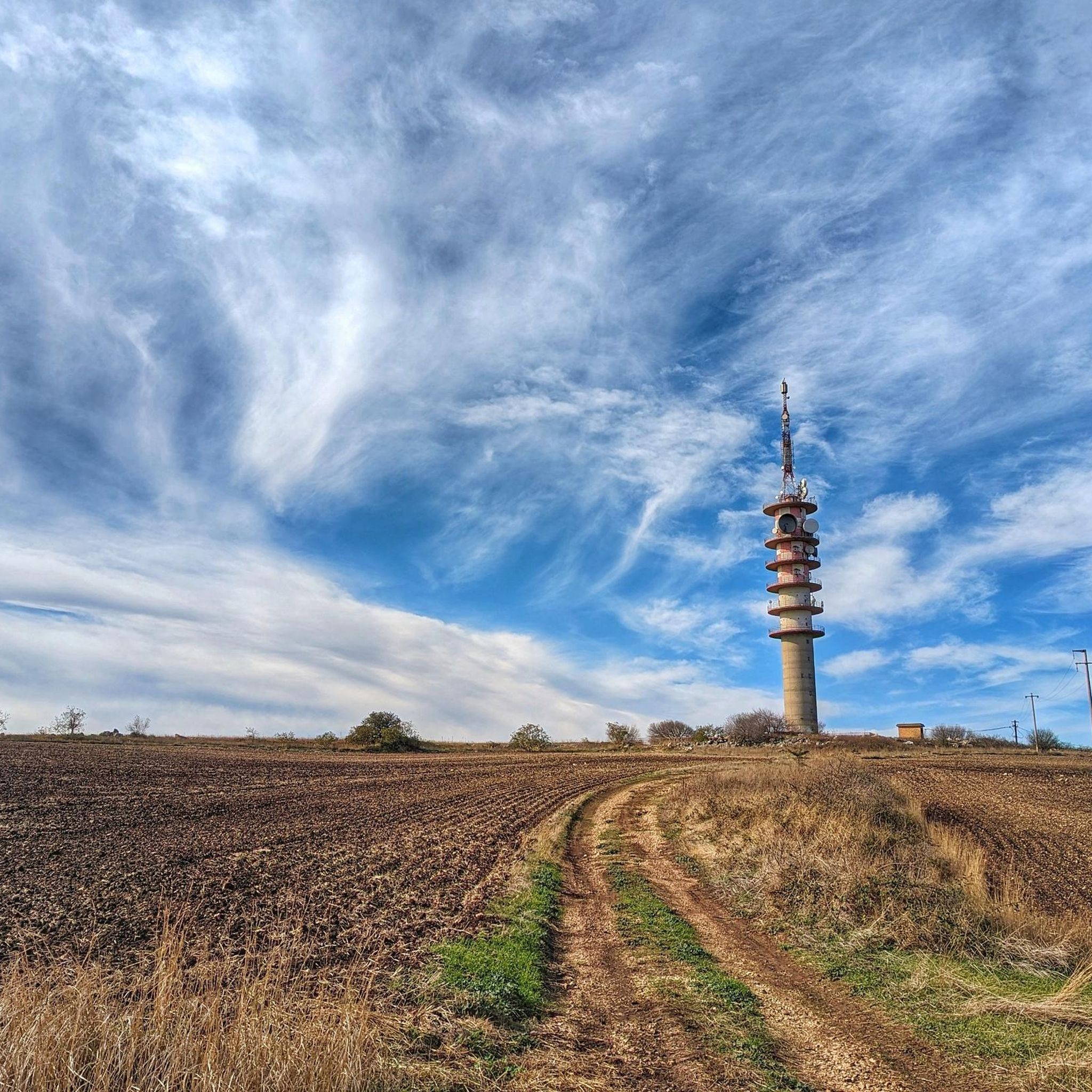
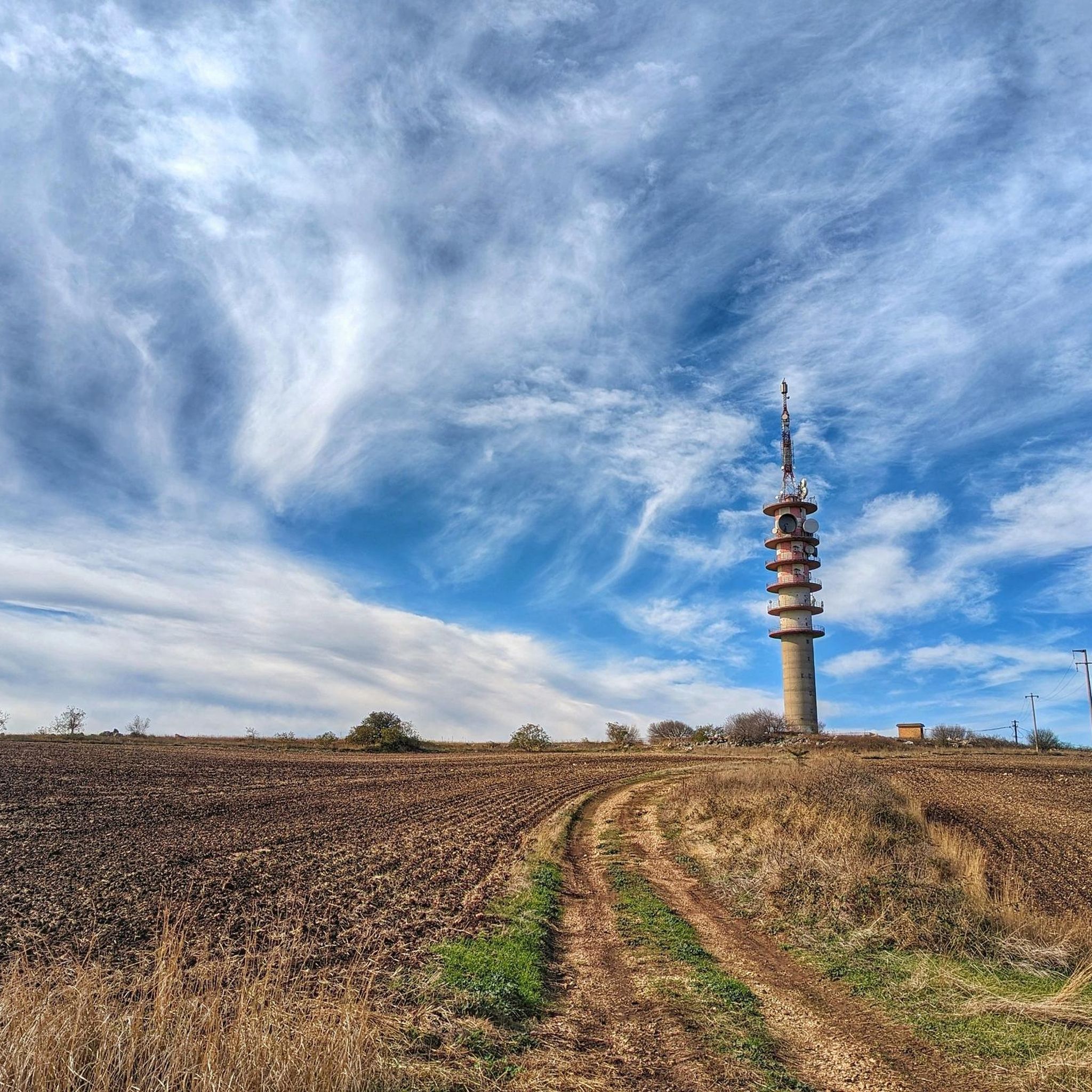
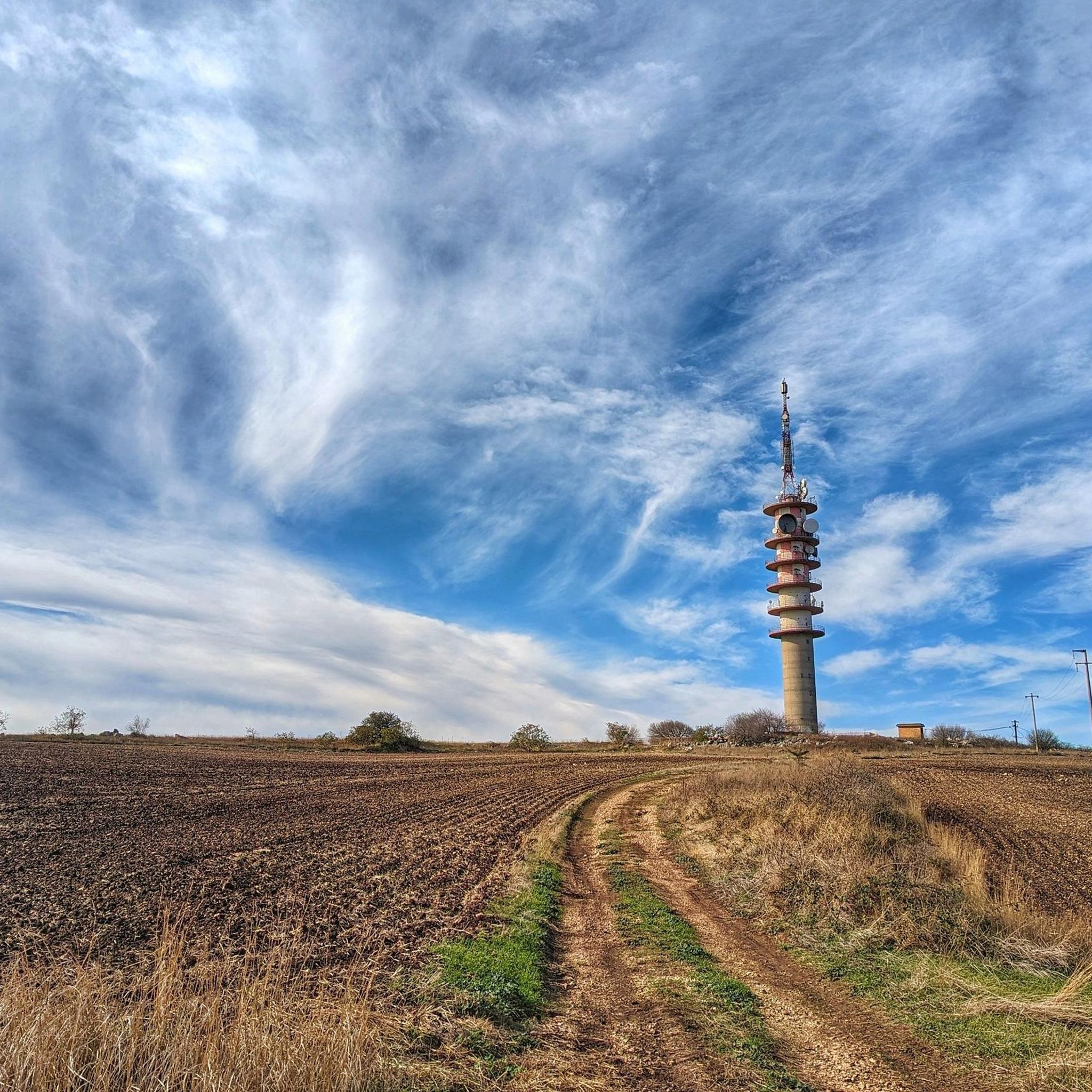
- Visitors also love Torre Calderina, a man-made monument that towers over the Adriatic Sea. Built in 1569, it was part of a defensive system to spot incoming threats from the sea.
- Trani is known for its religious buildings, historical sites, and natural monuments. The region offers a variety of attractions to see and explore, from ancient structures to unique natural features.
- The attractions around Trani are appreciated by the komoot community, with 78 upvotes and 74 photos shared.
Last updated: July 6, 2026
Casale di Zappino
Highlight • Historical Site
Translated by Google •
Tip by

Torre Calderina
Highlight • Monument
Translated by Google •
Tip by

Sign up now to discover places like this
Get recommendations on the best single tracks, peaks, & plenty of other exciting outdoor places.
Sign up for free
Dolmen of La Chianca
Highlight • Historical Site
Translated by Google •
Tip by
Antignano Olive Tree
Highlight • Natural Monument
The olive tree, whose presence has been attested since 1600, is 7 meters high, and has a diameter of about 600 cm. Recent pruning works have downsized it, but it's really impossible not to notice it.
There is a legend that revolves around our tree which narrates that its name derives from a district of Naples, in fact Antignano, in which centuries ago a pilgrimage took place in honor of the Risen Christ. Right here a priest took a small blessed olive tree, brought it to Molfetta and planted it on his property, where it still stands today.
Translated by Google •
Tip by
Monastero di Colonna
Highlight • Religious Site
Translated by Google •
Tip by

Sign up for free to discover even more attractions around Trani.
Sign up for free
Already have an account?
Start today with a free account
Your next adventure awaits.
Login or Signup

Tips from the Community

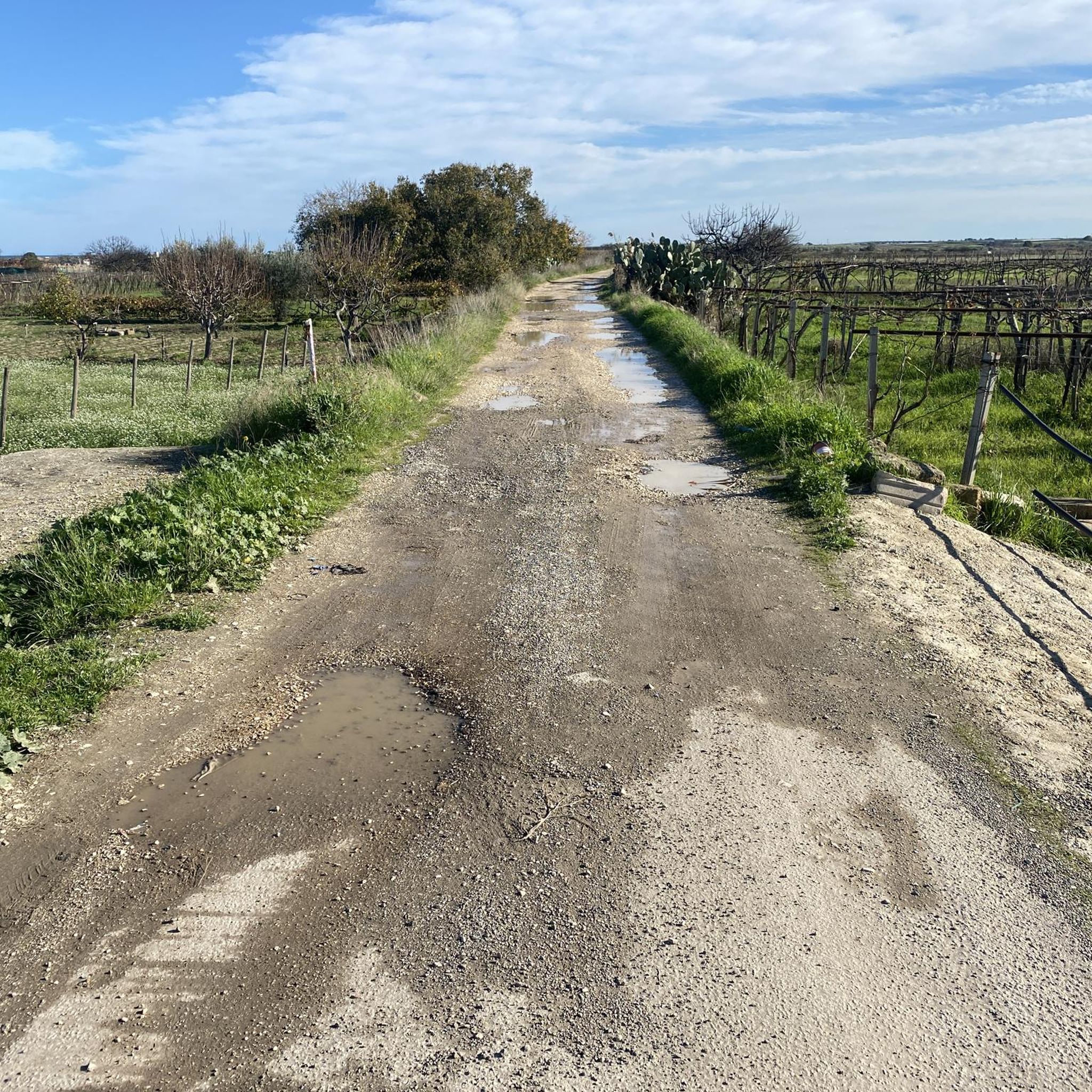
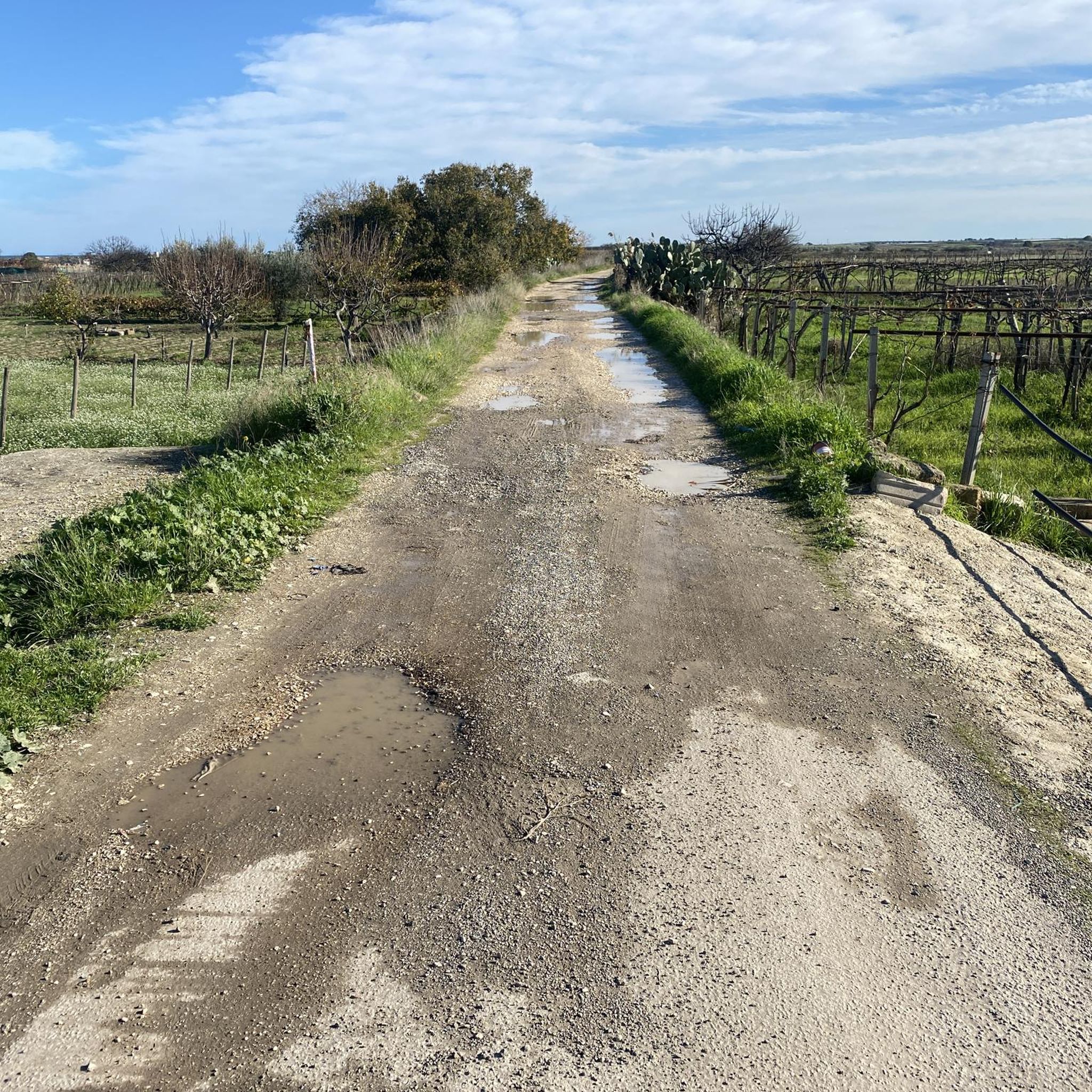
It is easier to get there from Molfetta but the walk from Ripalta to Torre Calderina is pleasant.
0
0

Small climb and visit to the overflow
0
0
Beautiful farmhouse from the year 1000 - hoping it's open more often!
0
0

The Dolmen la Chianca is a prehistoric megalithic monument, dating back to the Bronze Age and discovered in 1909 near Bisceglie. The dolmen consists of a quadrangular cell, formed by three vertical stone slabs and one horizontal roof, and an open-air corridor. It is always possible to visit it, with a racing bike it is better to walk the last stretch of the path up to the Dolmen.
1
0

According to tradition, the monastery dates back to the 11th century and was built by the Normans. Next to the monastery is a Romanesque church.
3
0

Tower overlooking the sea under renovation to bring it back to its former glory!
1
0
Majestic tree, known as the Antignano olive tree, which is located close to the road. Unfortunately not signposted and could be better maintained
1
1

There are also numerous species of birds with sedentary and migratory species, so much so that these coastal territories are characterized as an oasis of protection for migratory avifauna. In recent years there have been several attacks by wild building which had targeted the place identified as a possible site in which to build first a residential complex, then a boat storage and finally a motel. Only thanks to the intervention of environmentalists was it possible to avoid the danger of overbuilding.
3
0
Frequently Asked Questions
What historical and architectural landmarks should I visit in Trani?
Trani is rich in history and architecture. The most prominent landmark is the Trani Cathedral (Cathedral of Saint Nicholas the Pilgrim), a stunning example of Apulian Romanesque architecture located right by the sea. Another significant site is the 13th-century Swabian Castle, commissioned by Emperor Frederick II, which offers breathtaking views. You can also explore the ancient Casale di Zappino, a thousand-year-old architectural complex including a medieval church, or the 12th-century Church of Ognissanti, built by the Knights Templar.
Are there any natural attractions or scenic viewpoints in Trani?
Yes, Trani offers several natural features and scenic spots. The Torre Calderina, a historic defensive tower, provides excellent views over the Adriatic Sea and is located within a birdlife protected area. The Villa Comunale, a charming seaside garden, offers tranquil paths and sea vistas. You can also enjoy Trani's coastline, which features a mix of rocky coves and sandy beaches with crystal-clear waters, such as Baia delle Sirene Beach and Pretore Beach.
What cultural experiences can I have in Trani?
Trani's historic center is a maze of medieval streets, artisan boutiques, and traditional cafés, offering a glimpse into the city's timeless charm. The picturesque Trani Harbor is the city's vibrant heart, lined with seafood restaurants and bars. Don't miss the medieval Jewish Quarter, home to the Scolanova Synagogue, which symbolizes Trani's multicultural past. The Sant'Anna Synagogue has also been renovated into a museum documenting the city's Jewish history.
Are there family-friendly attractions in Trani?
Many of Trani's main attractions are suitable for families. The Trani Cathedral and the Swabian Castle are fascinating for all ages. The Villa Comunale provides a pleasant green space for children to play and families to stroll. Exploring the historic center and enjoying the vibrant harbor are also great family activities. Additionally, the Antignano Olive Tree, a majestic centuries-old tree, can be an interesting stop.
What outdoor activities can I do near Trani?
The area around Trani is excellent for outdoor enthusiasts. You can find various routes for cycling, mountain biking, and running. For cycling, explore routes like 'The coastal paths of Trani, Bisceglie and Barletta' or the 'Acquedotto Pugliese Cycle Path – Castel del Monte loop'. Running trails include 'Trani and the Monastery of Colonna – loop run'. For more details on these and other routes, visit the MTB Trails around Trani, Running Trails around Trani, and Cycling around Trani guides.
What is the best time of year to visit Trani?
Trani, with its coastal location, is pleasant for visiting during spring (April-May) and early autumn (September-October) when the weather is mild and comfortable for exploring historical sites and enjoying outdoor activities. Summers can be hot, but ideal for beach activities, while winters are generally mild.
Are there any unique natural monuments to see near Trani?
Yes, a notable natural monument is the Antignano Olive Tree, a large, centuries-old olive tree located in the countryside around Molfetta. This majestic tree, dating back to around 1600, stands at 7 meters high with a diameter of about 600 cm, making it a truly impressive sight.
What are some popular day trips from Trani?
Beyond Trani, you can explore the UNESCO World Heritage Site of Castel del Monte, famous for its unique octagonal shape. Another popular day trip is to the picturesque town of Alberobello, known for its distinctive *trulli* houses. These destinations offer a deeper dive into Puglia's rich history and unique architecture.
Where can I experience Trani's local cuisine, especially seafood?
Trani is renowned for its excellent seafood cuisine. The Trani Harbor is the ideal place to experience this, with numerous seafood restaurants and wine bars lining the waterfront. Here, you can enjoy fresh fish and local specialties in a picturesque setting, often with al fresco dining options.
What are some lesser-known historical gems in Trani?
Beyond the main cathedral and castle, Trani holds several fascinating historical gems. The 15th-century Palazzo Caccetta, with its distinctive diamond ashlar decoration, offers a glimpse into merchant life. The Typewriter Museum, housing 400 exhibits, provides a unique historical perspective. The Diocesan Museum also offers insights into the region's religious art and history.
Are there beaches suitable for swimming in Trani?
Trani's coastline features several beaches with clear waters. Popular city beaches include Baia delle Sirene Beach, San Marco Sud, Pretore Beach, and Il Braccio Beach. These beaches, characterized by pebbles and light sand, offer both equipped sections with facilities and free areas for a more natural experience.
Most popular attractions around Trani

Get inspired with the komoot mobile app


Explore more
Still not found the Highlight you’re looking for? See guides of the top attractions in other regions:
