Attractions and Places To See around Rosciano - Top 20
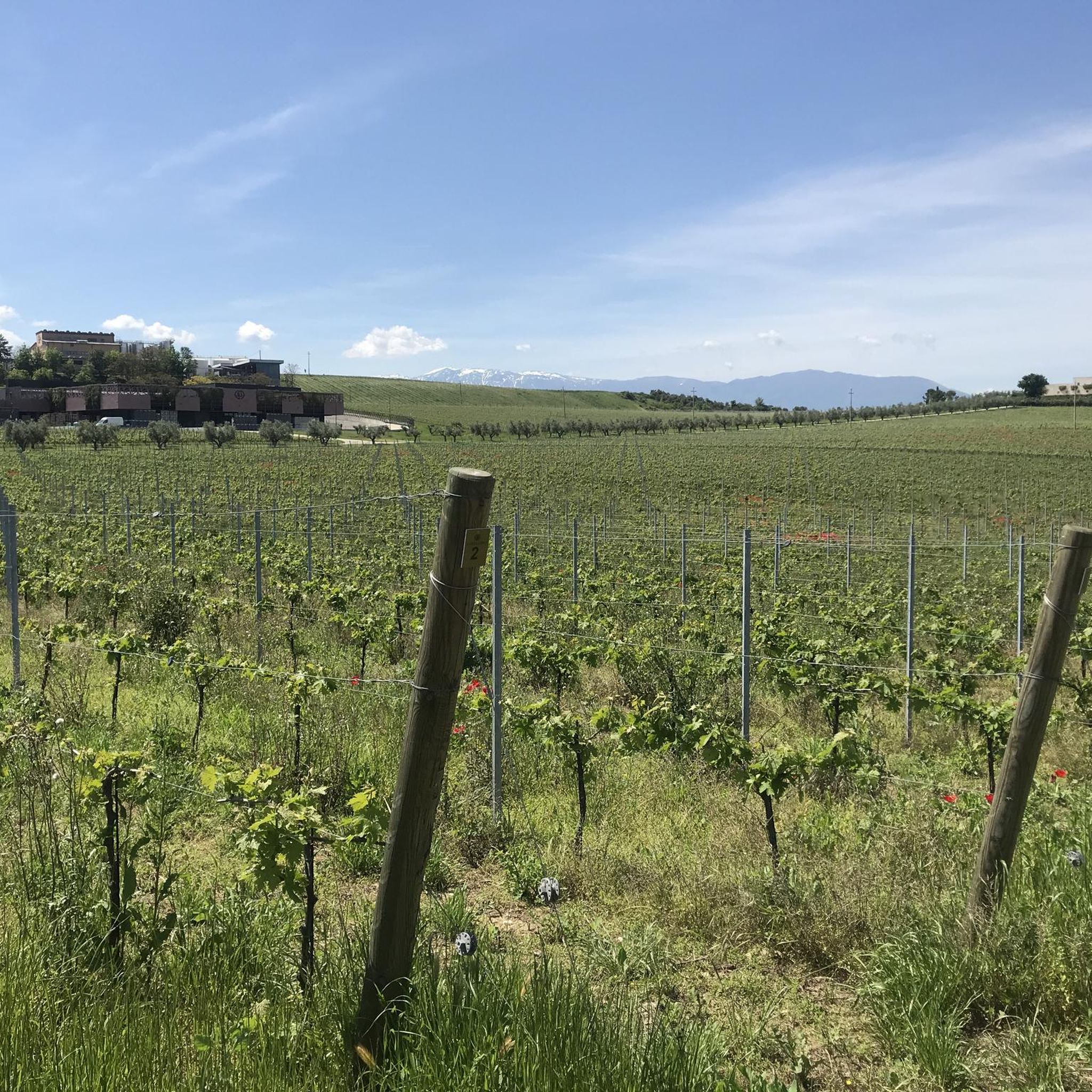
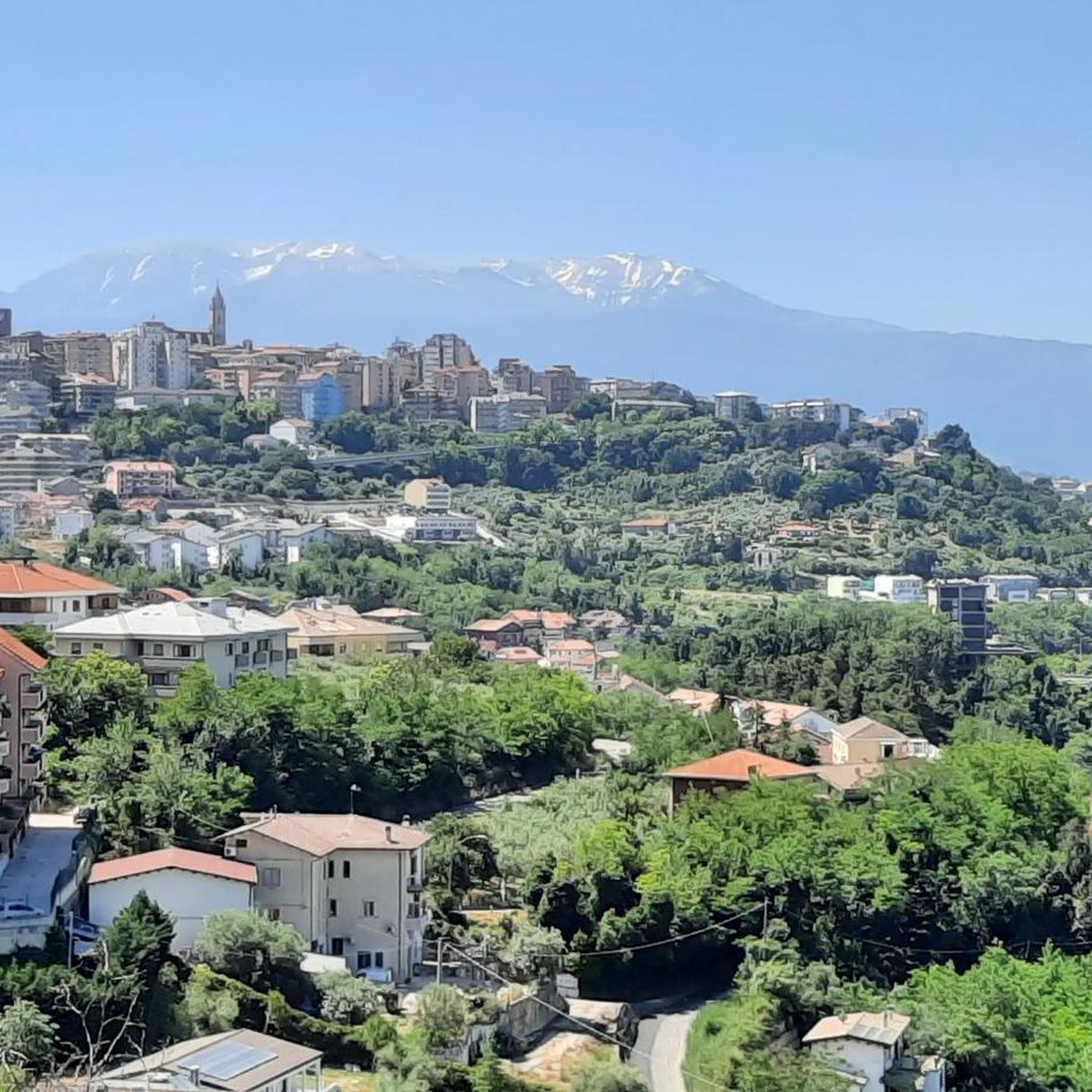
Attractions and places to see around Rosciano, a town located on a hill in Italy's Val Pescara, offer a mix of historical landmarks, cultural sites, and natural features. The area is known for its production of quality wine and extra virgin olive oil. Visitors can explore ancient structures, religious buildings, and natural landscapes within the Abruzzo region.
Best attractions and places to see around Rosciano
- The most popular attractions is Abbey of San Liberatore a Maiella, a religious building and historical site. It stands as an example of Romanesque architecture, nestled amidst the woods on the slopes of the Majella massif. It also serves as a starting point for exploring the surrounding woods.
- Another must-see spot is Alento River Waterfalls, a natural monument. This location provides an enchanting natural setting where the sounds of flowing water and rustling trees create a refreshing atmosphere. It is easily reached from the Abbey of San Liberatore.
- Visitors also love San Valentino Martire Church, a religious building. The interior is an example of 18th-century Baroque, featuring a richly decorated barrel vault and pilasters with Corinthian capitals. The exterior boasts a salient façade flanked by twin bell towers.
- Rosciano is known for its historical sites, religious buildings, and natural features. The area offers a variety of attractions to see and explore, including ancient castles, churches, and waterfalls.
- The attractions around Rosciano are appreciated by the komoot community, with more than 10 upvotes and 5 photos.
Last updated: May 3, 2026
San Valentino Martire Church
Highlight • Religious Site
Translated by Google •
Tip by

Serramonacesca
Highlight • Settlement
Translated by Google •
Tip by

Sign up now to discover places like this
Get recommendations on the best single tracks, peaks, & plenty of other exciting outdoor places.
Sign up for free
Abbey of San Liberatore a Maiella
Highlight • Religious Site
Translated by Google •
Tip by

Cathedral of Saint Justin (Cattedrale di San Giustino)
Highlight • Religious Site
Translated by Google •
Tip by

Alento River Waterfalls
Highlight • Waterfall
Translated by Google •
Tip by
Sign up for free to discover even more attractions around Rosciano.
Sign up for free
Already have an account?
Start today with a free account
Your next adventure awaits.
Login or Signup
Other adventures around Rosciano

Tips from the Community

The Cathedral of Saints Valentine and Damian (real name) in San Valentino in Abruzzo Citeriore (PE) is not only the spiritual center of the village, but also a tangible testimony to its millennia-old history. Its roots date back to around the year 1000, when the village, initially known as Castrum Petrae, became the burial place (and subsequent transfer of the bodies) of the Holy Martyrs Valentine and Damian, elevating the site to a pilgrimage destination and decreeing its name change. The current building is the result of a long process of destruction and rebirth, typical of Abruzzo towns. The most crucial moment was the great Maiella earthquake of 1706, which devastated much of the area and necessitated almost complete reconstruction. It was following this earthquake that the church took on its most distinctive character. The interior, in fact, is a magnificent example of sumptuous 18th-century Baroque, the result of restoration work carried out between 1777 and 1791. Here, the wide single nave unfolds beneath a richly decorated barrel vault, punctuated by pilasters with Corinthian capitals, creating an atmosphere of great elegance and sumptuousness. In stark contrast to this interior grace, the exterior boasts a powerful salient façade flanked by twin bell towers. This end block was added only more recently (between 1920 and 1931), designed by architect Antonio Liberi, giving the cathedral the monumental appearance we know today. Guardian of the remains of the patron saints and a symbol of the village's resilience after natural disasters, the cathedral perfectly embodies the faith and history of San Valentino in Abruzzo Citeriore.
0
0

The Cathedral Church of San Giustino, also dedicated to the apostle Thomas and the Virgin of the Assumption, stands on an ancient factory of a previous Church. A beautiful impact on the square of the same name.
0
0
It is one of the gates of the Maiella National Park
0
0

The abbey is located in an extremely suggestive place. It is immersed in the greenery of the woods on the slopes of the Majella massif. The structure is impressive and it is worth entering to admire the interior. In addition to being a beautiful example of Romanesque architecture, it is also a perfect starting point for exploring the surrounding woods. In fact, it has a large parking area.
3
0
The path here runs alongside the Alento river. The environment is enchanting: the sound of flowing water mixes with that of the tree branches moving in the wind. It's perfect for finding some cool air on hot summer days. It can be easily reached from the Abbey of San Liberatore.
6
0

From this beautiful and small town you can reach Passo Lanciano at around 1300 m above sea level. on a well-signposted route from the Majella national park for MTBs and hikers. The distance is approximately 13 km with extreme climbs that put a strain on the legs. Initially you travel about 4/5 km on asphalt, then a wide road rock trek begins. It will also happen that you get off the bike but that's no big deal. For lovers of hermitages, along the route, after about 3.5 km from Serramonacesca, in the Brecciarola district you reach a crossroads which after 1.2 km leads to the Eramo si Sant'Onofrio 8 (part not passable by bike). Once you reach Passo Lanciano you have two options: go back down to Pretoro with a 10 km descent on asphalt or continue climbing on asphalt for 9 km up to the Blockhaus passing through the Maielletta.
1
0

Why on a high hill? Churches played a dual role during this period. They served a defensive function and were cult centers. A high, hard-to-reach hill was ideal for defense and shelter during sieges, and on a symbolic level, building on the highest hills corresponded to a location "closer to God".
0
0
Chieti Cathedral (Cattedrale di San Giustino) is located in the oldest part of the city located on a hill (Chieti alta). It was built in this place at the end of the 9th century.
0
0
Frequently Asked Questions
What historical sites can I visit in and around Rosciano?
Rosciano and its surroundings are rich in history. You can explore the renovated Castello Rosciano, built on an ancient Etruscan site, or the medieval Longobard Tower. Nearby, Alanno features the 15th-century Torre Difensiva. For a deeper dive into religious history, visit the impressive Abbey of San Liberatore a Maiella, a prime example of Romanesque architecture, or the unique Arbëreshë community of Villa Badessa.
Are there any unique cultural experiences in the Rosciano area?
Yes, Rosciano offers unique cultural insights. A notable experience is visiting Villa Badessa, the sole Arbëreshë (Italo-Albanian) community in Abruzzo. Here, you can wander through narrow cobblestone streets and ancient churches, experiencing a preserved cultural heritage where the Arbëreshë language and Byzantine rite were maintained until the early 20th century.
What natural features can I explore around Rosciano?
The region boasts several beautiful natural features. You can visit the enchanting Alento River Waterfalls, which offer a refreshing atmosphere, especially on warmer days. The Riserva Regionale Lago di Penne is a vital conservation area, home to otters, amphibians, roe deer, and the Nitticora. Additionally, the area provides access to the expansive Majella National Park for immersive nature experiences.
Are there family-friendly attractions around Rosciano?
Yes, several attractions are suitable for families. The Abbey of San Liberatore a Maiella is considered family-friendly and offers a great starting point for exploring the surrounding woods. The San Valentino Martire Church is also listed as family-friendly, offering a cultural experience with its impressive Baroque interior.
What religious buildings are notable in the Rosciano area?
The area is home to several significant religious sites. The San Valentino Martire Church features an exquisite 18th-century Baroque interior. The Abbey of San Liberatore a Maiella is an important example of Romanesque architecture. Other notable churches include the 17th-century Church of San Cristoforo, the Church of Santa Maria del Colle with its Romanesque bell tower, and the Chiesa Madonna del Fuoco. You can also find the ancient Hermitage of San Bartolomeo in Legio and the Hermitage of Sant'Onofrio nearby.
What outdoor activities can I do near these attractions?
The region around Rosciano offers diverse outdoor activities. You can find numerous routes for hiking, running, and mountain biking. For hiking, explore trails like the 'Hiking loop from Scafa' or 'View of Gran Sasso – Caffè Vittoria loop from Chieti' which are part of the Hiking around Rosciano guide. Mountain biking enthusiasts can try routes such as 'Fiume Nora, Rosciano e Nocciano — giro ad anello' from the MTB Trails around Rosciano guide. There are also several running loops available in the Running Trails around Rosciano guide.
What is the best time to visit Rosciano for outdoor activities?
Rosciano is ideal for outdoor activities during warmer days, especially when visiting natural spots like the Alento River Waterfalls, where the flowing water provides a refreshing atmosphere. Spring and autumn generally offer pleasant temperatures for hiking and cycling in the Majella National Park and surrounding areas.
Can I see any wildlife in the Rosciano area?
Yes, the Riserva Regionale Lago di Penne is a key area for wildlife spotting. It's involved in conservation projects for various species, including otters, amphibians, roe deer, and earth tortoises. It's also a significant nesting ground for the Nitticora (night heron), offering opportunities for birdwatching.
Are there any museums in the vicinity of Rosciano?
Yes, you can visit the Museo delle Tradizioni ed Arti Contadine (Museum of Peasant Traditions and Arts), which showcases reconstructions of traditional environments related to oil, wheat, spinning, and artisan workshops. In the nearby town of Salle, the Museo Medievale Borbonico (Bourbon Medieval Museum) preserves historical textiles, sacred vestments, and paintings.
What do visitors particularly enjoy about the attractions near Rosciano?
Visitors appreciate the blend of history and nature. For instance, the Abbey of San Liberatore a Maiella is loved for its impressive Romanesque architecture and its setting amidst the green woods of the Majella massif, serving as a perfect starting point for exploration. The Alento River Waterfalls are cherished for their enchanting natural environment and the soothing sounds of flowing water and rustling trees.
What local products or experiences can I find in Rosciano?
Rosciano is renowned for its production of quality wine and extra virgin olive oil. Visitors can often find opportunities for local experiences such as olive oil and wine tasting tours, allowing them to savor the region's culinary heritage.
Are there easy walking trails near Rosciano?
Yes, there are easy walking trails available. For example, the Hiking around Rosciano guide includes routes like the 'View of Gran Sasso – Caffè Vittoria loop from Chieti' and 'Hiking loop from Turrivalignani', both rated as easy, perfect for a relaxed stroll.
Most popular attractions around Rosciano

Get inspired with the komoot mobile app


Explore more
Still not found the Highlight you’re looking for? See guides of the top attractions in other regions:
