Attractions and Places To See around Mereto Di Tomba - Top 20
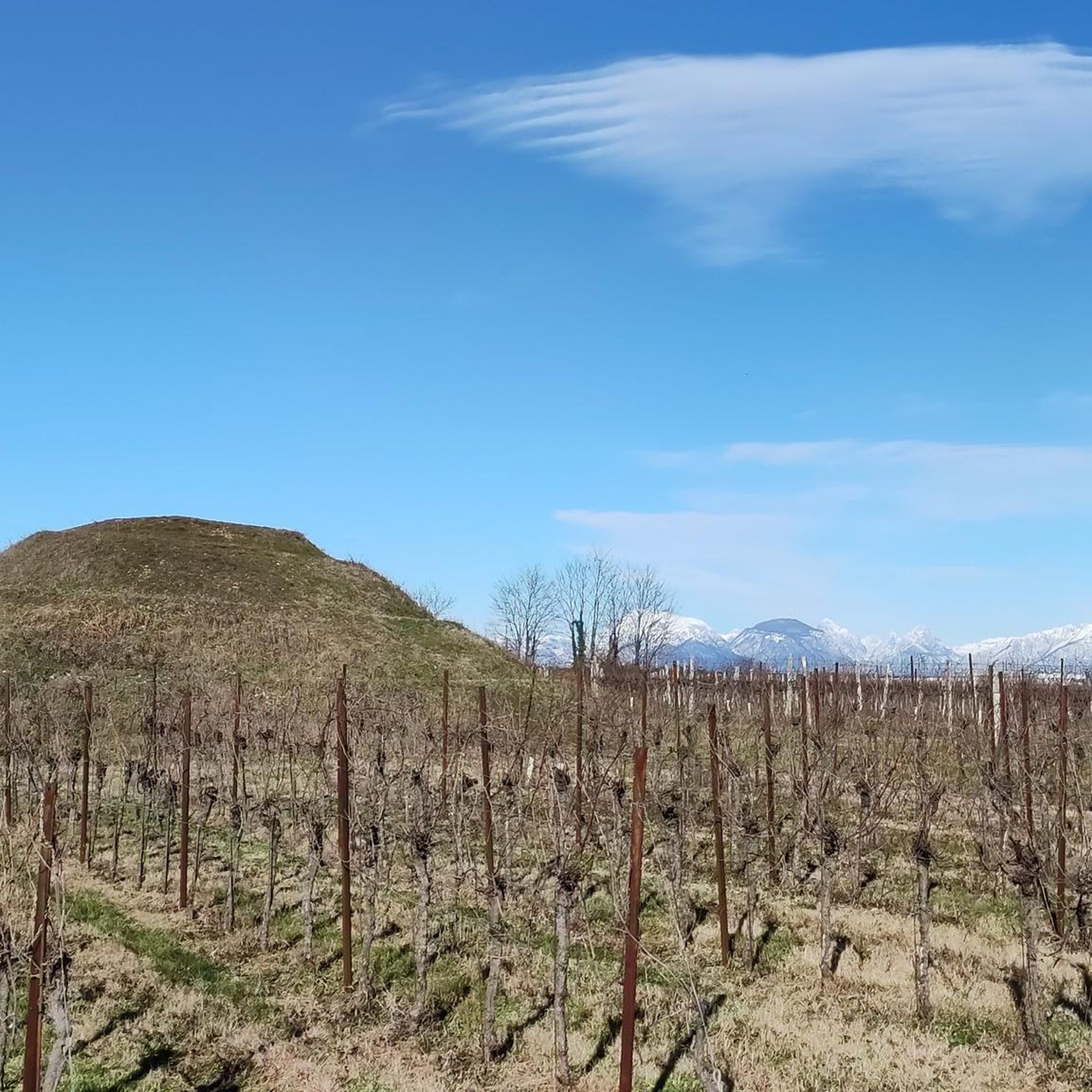
Best attractions and places to see around Mereto Di Tomba include a blend of historical, cultural, and natural sites within a tranquil, nature-immersed landscape. This municipality in Friuli-Venezia Giulia, Italy, offers scenic hilly views and a rich past. Visitors can explore prehistoric tumuli, Roman necropolises, and medieval fortifications. The area is characterized by an undulating landscape and numerous waterways, providing a pleasant natural environment.
Best attractions and places to see around Mereto Di Tomba
- The most popular attractions is Fagagna…
Last updated: August 30, 2026
Villa Manin
Highlight • Historical Site
Translated by Google •
Tip by

Fagagna Castle
Highlight • Castle
Translated by Google •
Tip by

Sign up now to discover places like this
Get recommendations on the best single tracks, peaks, & plenty of other exciting outdoor places.
Sign up for free
Villalta Castle
Highlight • Castle
Translated by Google •
Tip by
Caporiacco Castle
Highlight • Castle
Translated by Google •
Tip by

Forte Col Roncone
Highlight • Historical Site
Translated by Google •
Tip by
Sign up for free to discover even more attractions around Mereto Di Tomba.
Sign up for free
Already have an account?
Start today with a free account
Your next adventure awaits.
Login or Signup
Tips from the Community

The Col Roncone fort is a historic military fortification from the First World War located in Rive d'Arcano, in the province of Udine. Built between 1911 and 1912, it was part of the defensive line of the Middle Tagliamento along with the neighboring forts of Fagagna and Santa Margherita.
0
0

Military fort from the Great War, very well preserved and visitable. Check opening hours in advance on the local tourism company's website.
0
0

Caporiacco Castle, located in the village of the same name in the hills of Colloredo di Monte Albano, was built in the medieval period (1026-1045) as a residence-fortress for the nobles of Caporiacco. In its long history, the manor has suffered numerous damages: set on fire by enemies, looted by patriarchal troops, attacked by the population during the famous peasant revolt of Fat Thursday in 1511 and severely hit by the earthquake of the same year. But it was the 1976 earthquake that had devastating effects on the structure, leaving only the curtain wall of the facade standing. For decades it remained in a state of rubble, until the recovery work began in 1999 and concluded in 2013, with the reconstruction of the Torre Mastio, the oldest part of the site, the main body and the "casa del frate".
2
0

Among the hills of Colloredo di Monte Albano, the Caporiacco castle belonged to the family of the same name until 1278. It was then damaged and looted several times and also suffered damage from an earthquake in 1976. Restoration work was completed a few years ago.
1
0

Forte Col Roncon: The restored fortress is part of the Tagliamento defense line and was built in the early 1900s. However, it was never used and was disarmed in 1915. Today the complex is used for exhibitions and events. An ideal place to come to terms with the past.
1
0
The drive up is worth it because from the top you can enjoy a beautiful, wide view of Friuli. The "place up there" is also very well maintained and invites you to linger. A restaurant completes the pleasant experience.
0
0
An ideal place to come to terms with the past.
0
0

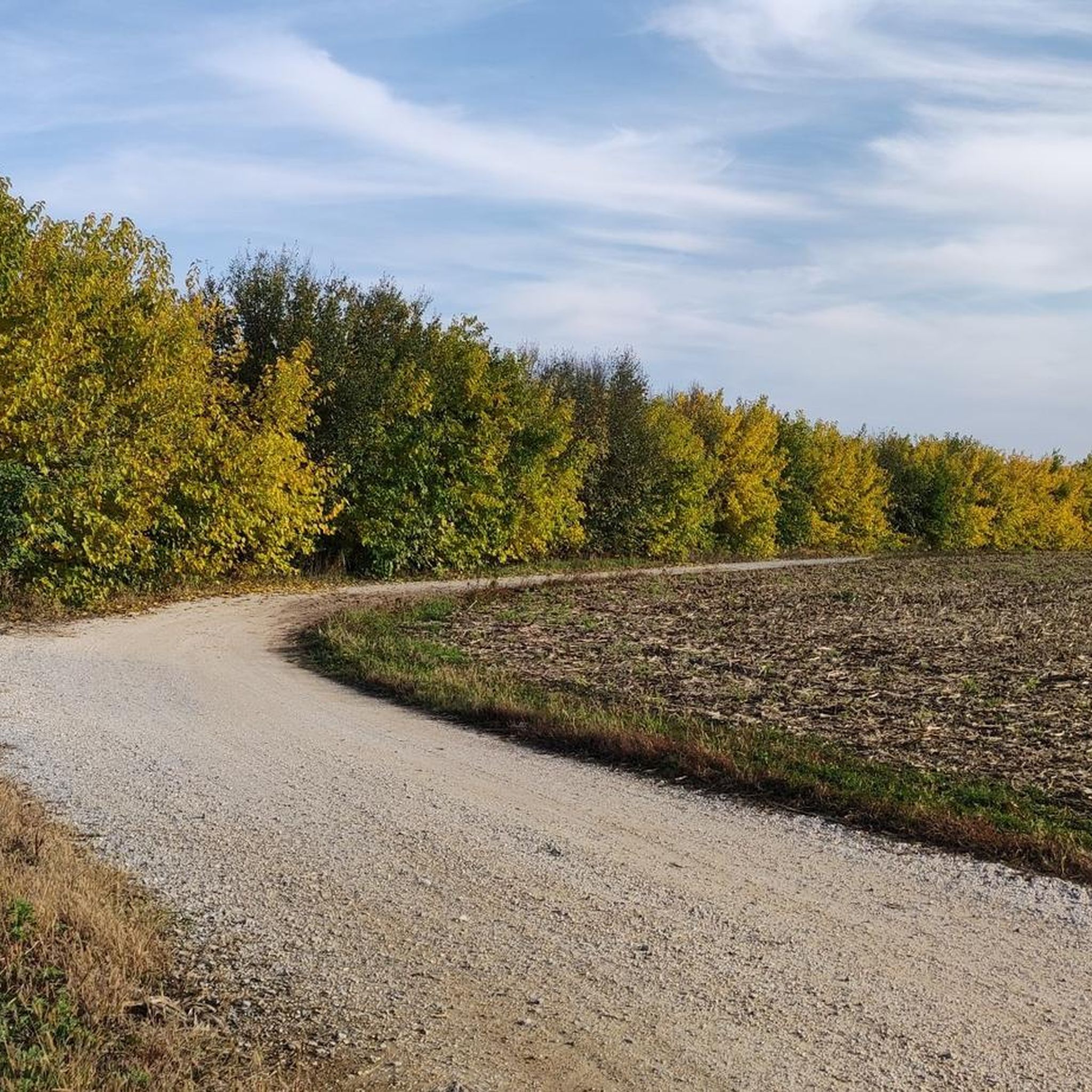
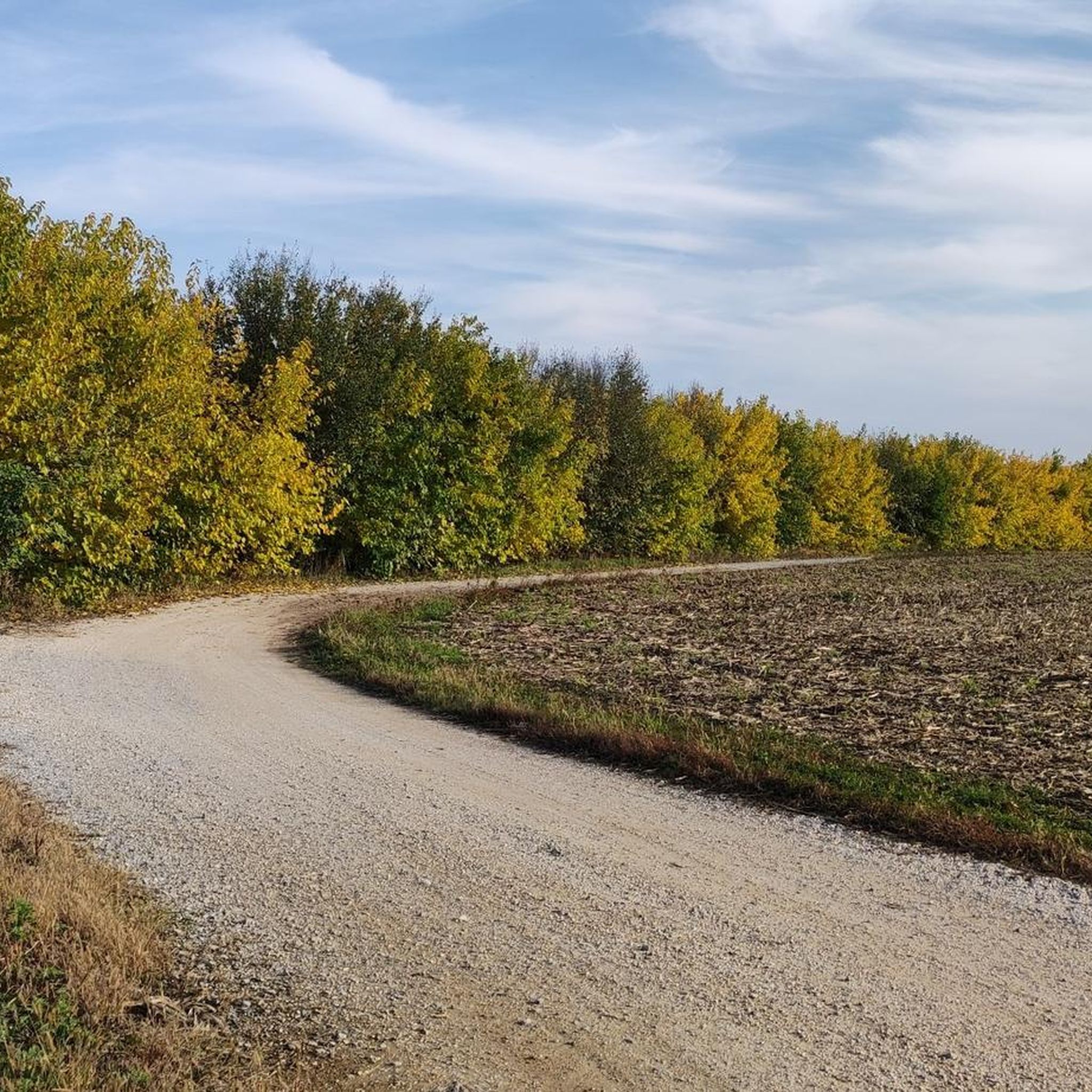
beautiful road surrounded by nature
0
1
Frequently Asked Questions
What historical sites can I explore in Mereto Di Tomba?
Mereto Di Tomba is rich in history. You can visit the prehistoric Tùmbare (Tumulo di Mereto di Tomba), an ancient burial mound with findings from the Bronze Age, or the well-preserved Castelliere of Savalons, a fortified settlement. Traces of an Ancient Roman Necropolis and road can also be found. For medieval history, explore castles like Fagagna Castle, Villalta Castle, and Caporiacco Castle.
Are there any significant cultural landmarks to visit?
Yes, the area offers several cultural points of interest. The Marchet Mill (Mulino di Marchet), built in 1881, is still operational and showcases the region's agricultural heritage. You can also admire the early 20th-century Friulian art at the Church of San Marco del Friuli in Savalons, or visit the 16th-century Cemetery Church of Saints Daniele and Agostino, built on the site of a medieval defensive enclosure.
Where can I find scenic views around Mereto Di Tomba?
The region is known for its picturesque, undulating landscape and hilly views. For excellent panoramic views, head to Fagagna Castle, which is situated on an esplanade at 233 meters, offering a dominant position over the plain below. The historical park of Villa Manin also provides beautiful, serene vistas.
What natural features characterize the Mereto Di Tomba area?
Mereto Di Tomba is immersed in nature, characterized by an undulating landscape rich in waterways. The tranquil environment and scenic hilly views make it an ideal place for those seeking quiet and natural beauty. While there are no specific natural 'highlights' listed, the overall region provides a pleasant natural backdrop for exploration.
Are there family-friendly attractions around Mereto Di Tomba?
Several attractions are suitable for families. The historical park of Villa Manin, with its eighteen hectares of green space, is perfect for a family stroll. Castles like Villalta Castle, Caporiacco Castle, and Forte Col Roncone are also categorized as family-friendly, offering historical exploration in engaging settings.
What outdoor activities can I do near these attractions?
The area around Mereto Di Tomba is excellent for outdoor activities. You can find numerous routes for cycling, mountain biking, and hiking. For cycling, explore routes like the 'Villalta Castle – Colugna Church loop' or the 'Stradone Manin – Biauzzo–Codroipo Cycle Path loop'. Mountain bikers can tackle routes such as 'Forte Col Roncone – Castello d'Arcano Superiore loop'. Hikers can enjoy trails like the 'Stringher-Tacoli Trail – Ford on the Lavia loop'. You can find more details on these activities in the dedicated guides for Cycling around Mereto Di Tomba, MTB Trails around Mereto Di Tomba, and Hiking around Mereto Di Tomba.
Are there hiking trails near the attractions?
Yes, there are several hiking trails available. An easy option is the 'Villalta Castle – Fagagna Castle loop' from Fagagna, which is about 6.8 km long. For more moderate challenges, consider the 'Stringher-Tacoli Trail – Ford on the Lavia loop' from Ciconicco or Martignacco. You can find more hiking options and details in the Hiking around Mereto Di Tomba guide.
What is the significance of Villa Manin?
Villa Manin is a grandiose 18th-century complex that served as the residence of Lodovico Manin, the last doge of the Republic of Venice. It is historically significant as the place where the Treaty of Campoformido was signed in 1797, marking the end of the Serenissima. Today, it hosts important international art exhibitions and features the largest historical park in the region, spanning eighteen hectares.
Can I visit the Marchet Mill?
The Marchet Mill (Mulino di Marchet), located on the bank of the Ledra stream, was built in 1881 and remains operational today. It serves as a testament to the area's agricultural past. While it is a notable point of interest, it's advisable to check local information for current visiting hours or tour availability.
What is the history behind Forte Col Roncone?
Forte Col Roncone dates back to the early 20th century. It was built as part of the Tagliamento defense line to protect the border between the Kingdom of Italy and the Austro-Hungarian Empire. Although it was never used in combat and was disarmed in 1915, the restored fortress now serves as a venue for exhibitions and events, offering a glimpse into the region's military history.
What do visitors enjoy most about the attractions around Mereto Di Tomba?
Visitors appreciate the blend of ancient history, medieval architecture, and cultural points of interest. The castles, such as Fagagna Castle, are praised for their excellent views. Villa Manin is admired for its grandeur, historical significance, and beautiful park. The overall tranquil, nature-immersed landscape also contributes to a pleasant and enriching experience.
Most popular routes around Mereto Di Tomba
Most popular attractions around Mereto Di Tomba

Get inspired with the komoot mobile app


Explore more
Still not found the Highlight you’re looking for? See guides of the top attractions in other regions:
