Attractions and Places To See around Moraro - Top 20
Attractions and places to see around Moraro are located in the Friulian region, featuring a hilly landscape with vineyards and historical significance. The area offers a blend of cultural sites and natural features, including parts of the Karst Plateau. Visitors can explore notable landmarks and discover various points of interest.
Best attractions and places to see around Moraro
- The most popular attraction is Summit 3 of Monte San Michele, a viewpoint that offers panoramic views of the Isonzo valley…
Last updated: October 9, 2026
Redipuglia Military Memorial
Highlight • Monument
Translated by Google •
Tip by

Summit 3 of Monte San Michele
Highlight • Viewpoint
Translated by Google •
Tip by

Sign up now to discover places like this
Get recommendations on the best single tracks, peaks, & plenty of other exciting outdoor places.
Rosazzo Abbey
Highlight • Religious Site
Translated by Google •
Tip by

Cerje Peace Monument
Highlight • Monument
Tip by

Šmartno
Highlight • Settlement
Translated by Google •
Tip by

Sign up for free to discover even more attractions around Moraro.
Already have an account?
Start today with a free account
Your next adventure awaits.
Tips from the Community

Memorial to the fallen of both world wars
3
0

The thousand-year-old Abbey, whose origins are still unclear, has represented in the past and continues to represent today, especially thanks to its geographical location, a point of connection between East and West, where different cultures can meet and dialogue. Built around the year 1000, the abbey church is in Romanesque style and is dedicated to St. Peter the Apostle. It bears the signs of renovations over time, and architectural elements dating back to different eras (early medieval, 16th-century, and 19th-century) can be found.
0
0

The medieval village of Šmartno is one of the most beautiful villages in the central Brda region. Built on Roman foundations, it is now considered an architectural gem and cultural monument. Behind its walls, it leads back to the rich and picturesque stories of the past and reveals the charm of Brda hospitality. The village of Šmartno is located in the geographical center of Brda, with views stretching from Nanos in the east to the Carnic Alps in the northwest, and from the vast Friuli region to the Adriatic Sea. The village, surrounded by walls and fortified with defensive towers, was first mentioned in 1317. In the first half of the 16th century, a medieval fortress was built on the remains of a Roman outpost around the church. The village served as a border fortress until the mid-18th century, when the Venetian threat was over. The houses in the center are grouped around the Church of St. Martin, the largest parish church in Brda, after which the village was named. The church's bell tower was originally a fortress tower. The bell, featuring the motif of the Three Kings, dates from 1857. The Baroque church features three marble altars, one of which is particularly rich. The presbytery and the Stations of the Cross were painted by Tone Kralj.
6
0

Recently renovated, there is a bar under the monument as well as very useful charging stations for e-bikes (you need to bring your own charger).
0
0

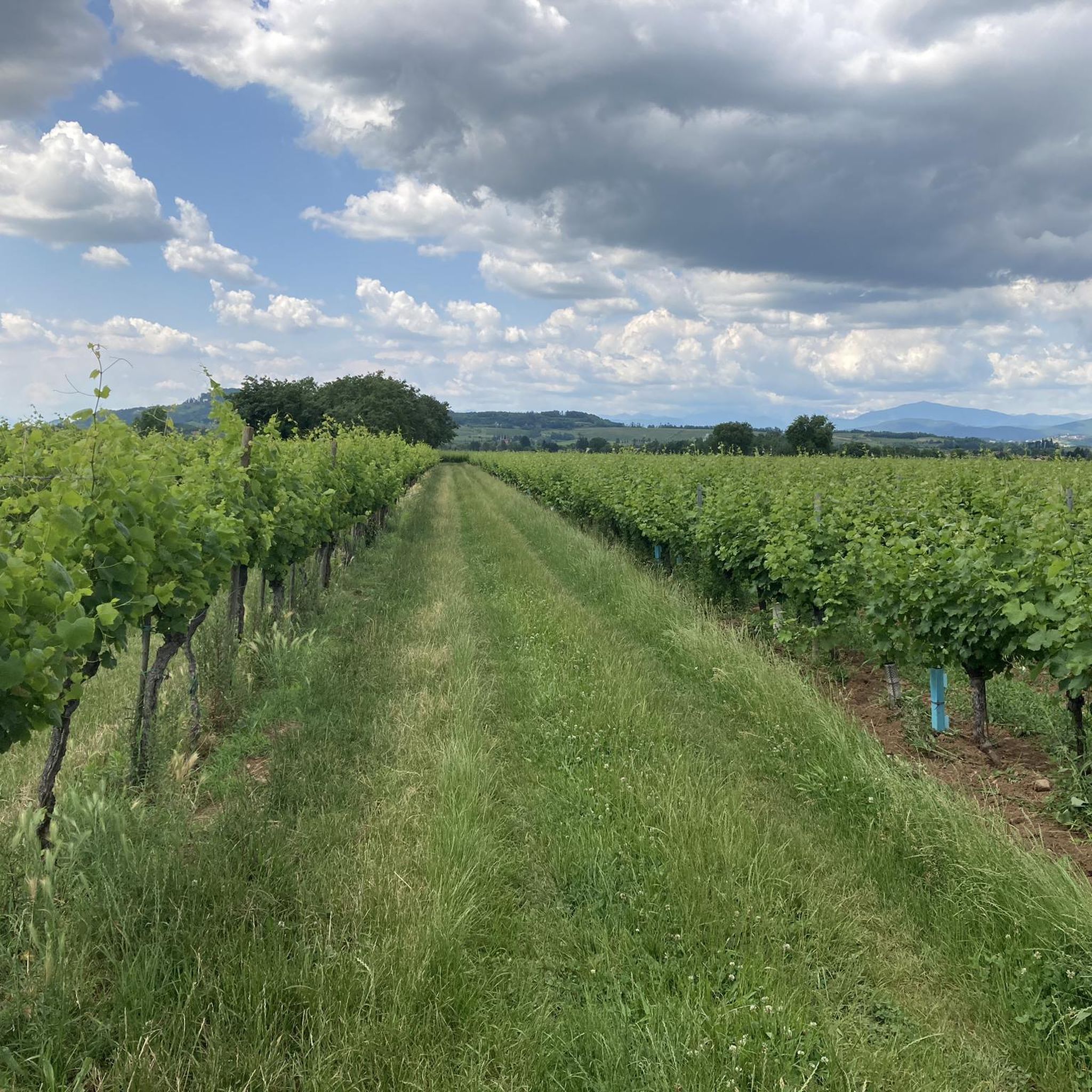
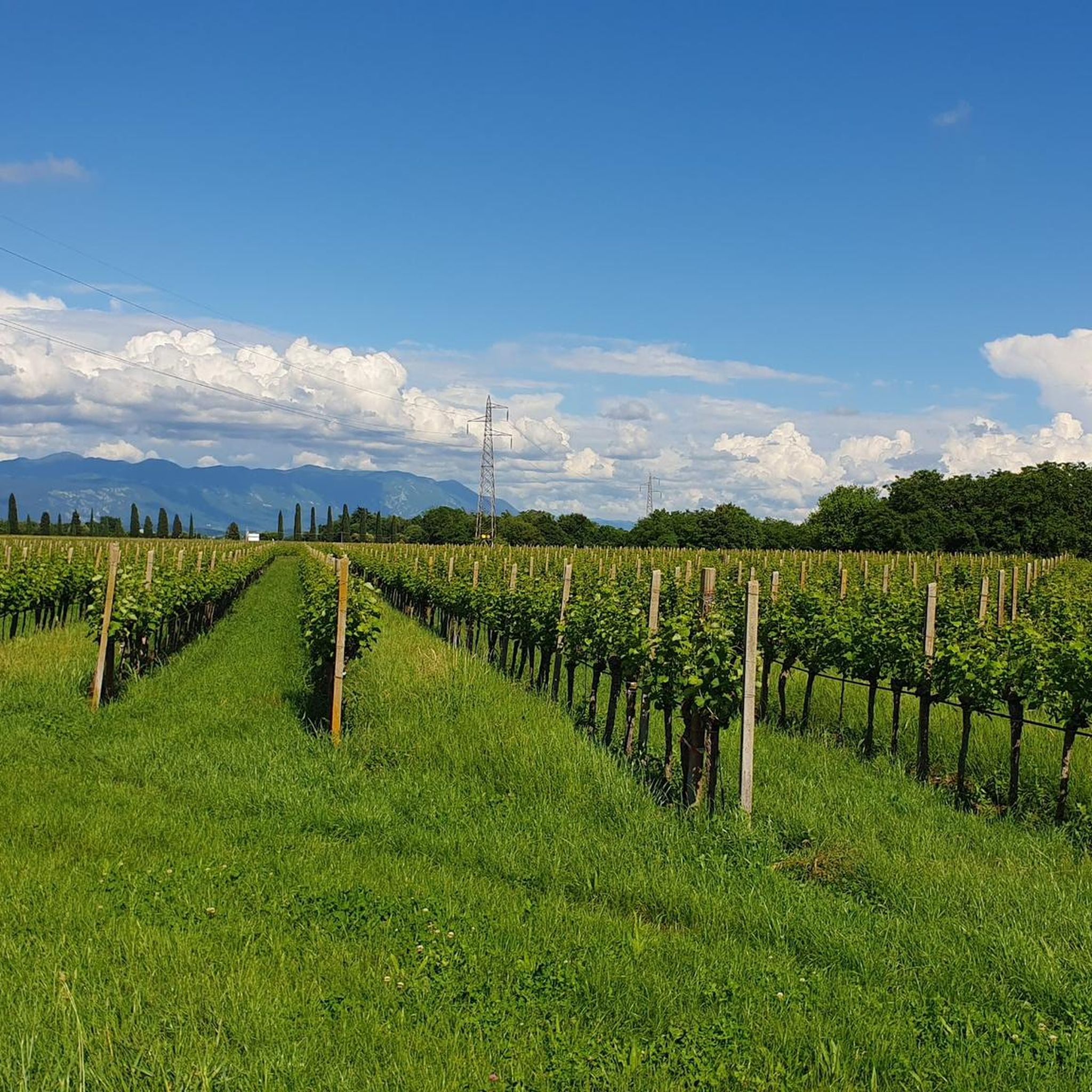
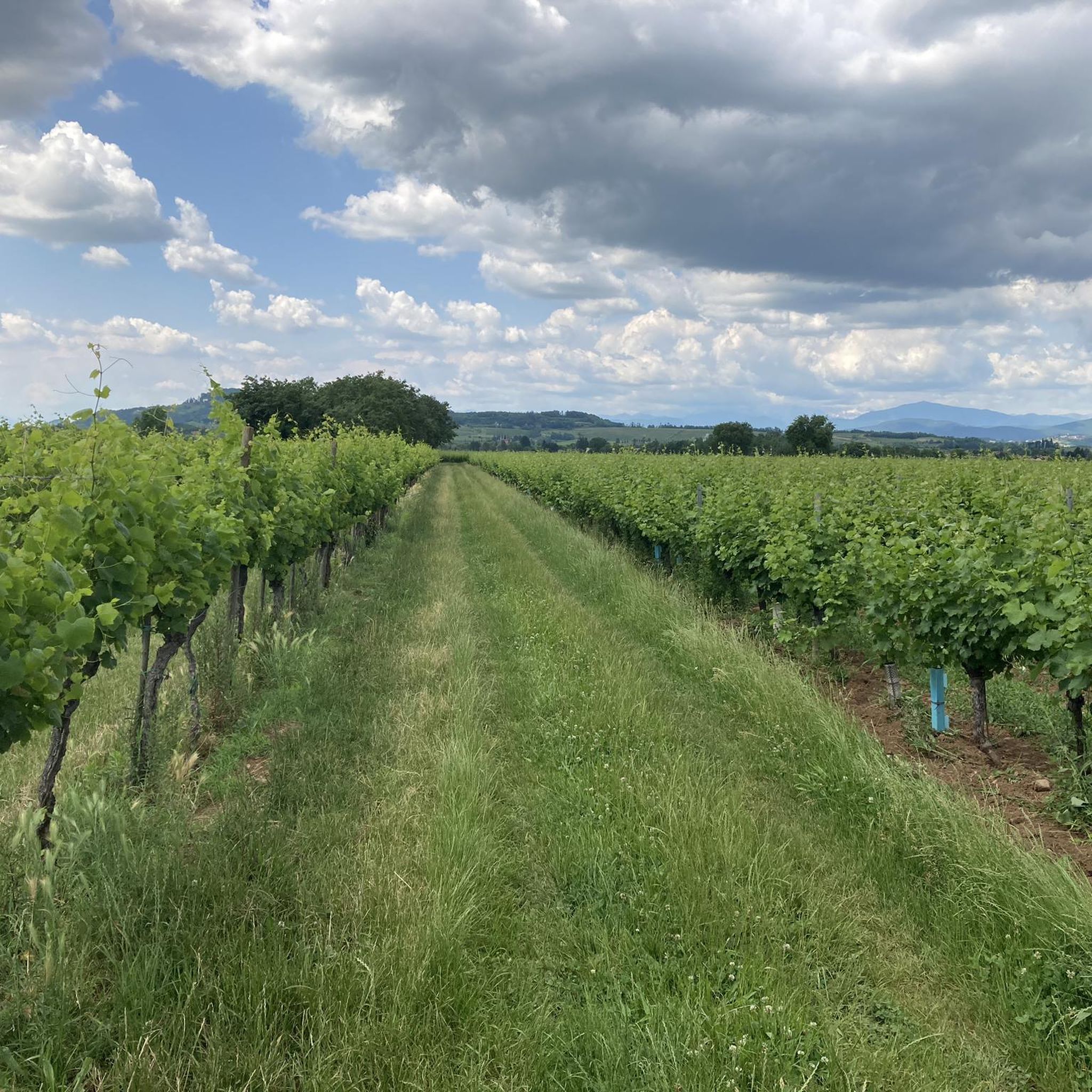
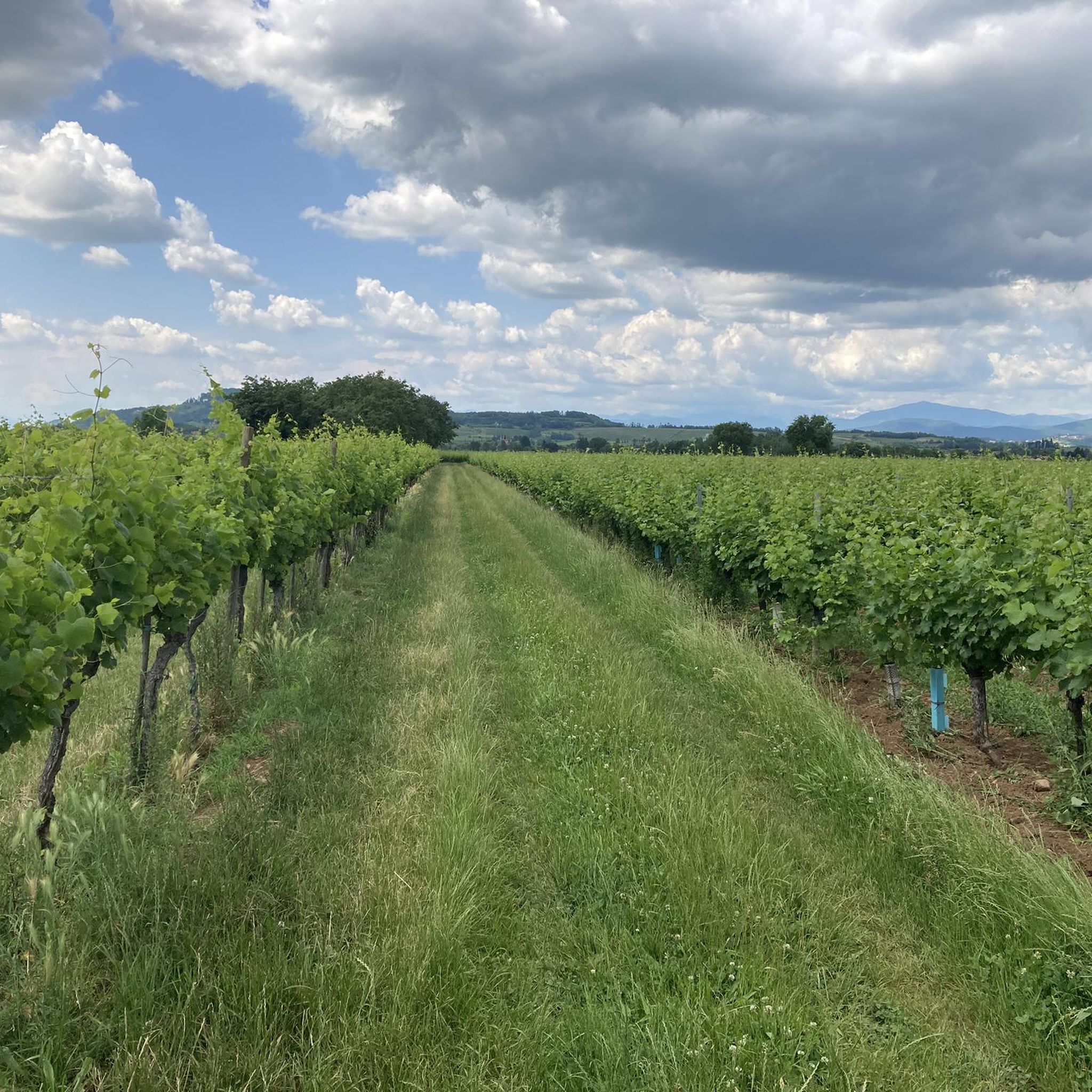
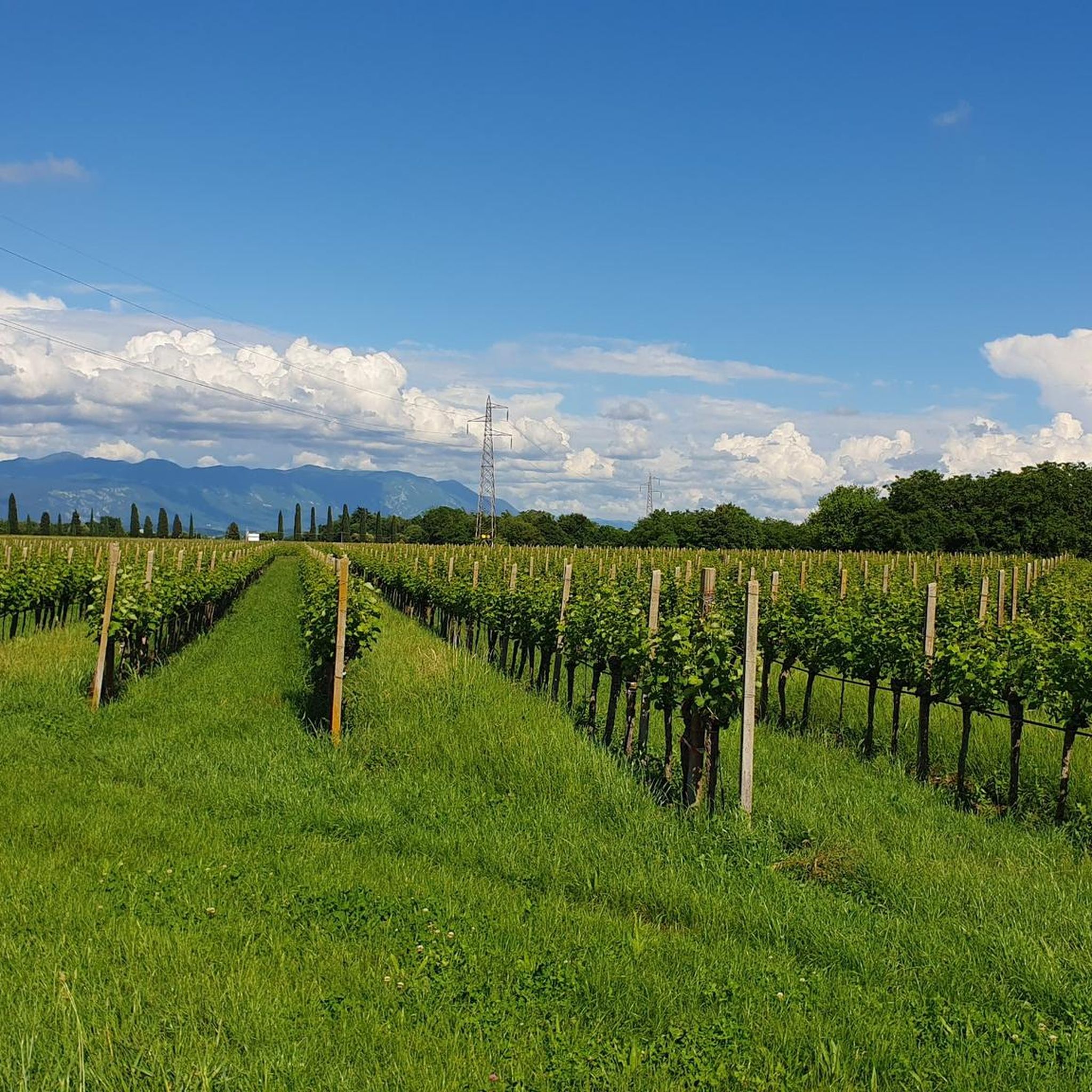
Nestled in an enchanting hilly landscape, it's well worth a visit. All around are many dirt roads and paths winding up and down through vineyards and hills. It frequently hosts cultural events and exhibitions.
0
0

A fairly well-kept panoramic area, although with a series of works in progress
1
0

In Manzano it is worth going to Osteria Friuli. You have to try it!
0
1

Frequently Asked Questions
What types of attractions can I find around Moraro?
Moraro and its surroundings offer a rich blend of historical sites, significant viewpoints, and religious buildings. You can explore places with deep historical roots, enjoy panoramic vistas, and visit culturally important structures. The area is characterized by a hilly landscape with vineyards, providing a scenic backdrop to these attractions.
Where can I find the best panoramic views near Moraro?
For breathtaking views, consider visiting Summit 3 of Monte San Michele, which offers panoramic views of the Isonzo valley and Gorizia. Another excellent spot is the Cerje Peace Monument, located on Cerje hill, providing expansive views of the northern Adriatic Sea, the Friulian lands, the Dolomites, the Julian Alps, and the Vipava Valley. Rosazzo Abbey also offers beautiful panoramas from its strategic hilltop location.
Are there any significant historical or cultural landmarks in the area?
Yes, the region is rich in history. The Redipuglia Military Memorial is Italy's largest war memorial, commemorating soldiers who died in World War I. Summit 3 of Monte San Michele is also a historical site, known for its role in the Isonzo battles. Additionally, the medieval village of Šmartno, built on Roman foundations, is an architectural gem with a rich past, including the Church of St. Martin whose bell tower was originally a fortress tower.
What kind of outdoor activities can I do around Moraro?
The hilly landscape and vineyards around Moraro are perfect for outdoor activities. You can explore numerous dirt roads and paths ideal for hiking and cycling. For specific routes, you can find various MTB trails, gravel biking routes, and running trails that cater to different difficulty levels.
Are there family-friendly attractions near Moraro?
Many attractions around Moraro are suitable for families. The Summit 3 of Monte San Michele, Redipuglia Military Memorial, Rosazzo Abbey, Šmartno, and Cerje Peace Monument are all categorized as family-friendly. These sites offer a mix of historical learning, scenic views, and opportunities for gentle exploration.
What do visitors enjoy most about the attractions around Moraro?
Visitors particularly appreciate the diverse experiences offered. Many enjoy the historical significance of sites like Monte San Michele and the Redipuglia Military Memorial. The panoramic views from viewpoints such as the Cerje Peace Monument and Rosazzo Abbey are also highly praised. The opportunity to explore the region's natural beauty through its numerous paths and trails is a significant draw.
Can I find trails for mountain biking near Moraro?
Yes, the area around Moraro is well-suited for mountain biking. There are many dirt roads and paths of varying difficulties. You can find detailed MTB trails around Moraro, including routes like the 'Vigne Alte Trail' and 'Preval Chapel – Šmartno loop', offering diverse terrain through vineyards and hills.
Are there opportunities for gravel biking in the Moraro region?
Absolutely. The region's network of dirt roads and scenic landscapes makes it ideal for gravel biking. Explore various gravel biking routes around Moraro, such as the 'G1 Isonzo Cycle Route' or routes exploring the areas around Cormons and Farra d'Isonzo, which offer challenging and scenic rides.
What natural features are prominent in the landscape around Moraro?
Moraro is nestled in an enchanting hilly landscape, characterized by extensive vineyards and rolling hills. The region is part of the Karst Plateau, offering unique geological features. Beyond the vineyards, you can also find opportunities to explore caves and lakes, adding to the natural diversity of the area.
Are there running trails available near Moraro?
Yes, there are several running trails for different fitness levels. You can find various running trails around Moraro, including moderate loops like 'Preval Chapel – Maneggio Via Blanchis' and more challenging routes such as the 'Ara Pacis Mundi Memorial loop' from Cormons.
What is the significance of the Church of St. Martin in the region?
The Church of St. Martin, located in the village of Šmartno, is a significant Baroque cultural site. Its bell tower originally served as a fortress tower, highlighting the area's historical importance as a border defense. The church features three marble altars and presbytery paintings by Tone Kralj, making it a notable example of local religious art and history.
Can I explore any medieval structures near Moraro?
Yes, the area has a rich medieval past. The village of Šmartno, for instance, had a medieval fortress constructed in the first half of the 16th century on the remnants of a Roman outpost. The village itself was a border fortress until the mid-18th century, with its houses grouped around the Church of St. Martin, whose bell tower was originally part of the fortifications.
Most popular attractions around Moraro

Get inspired with the komoot mobile app


Explore more
Still not found the Highlight you’re looking for? See guides of the top attractions in other regions:
