The best road cycling routes around Porcia
4.2
(342)
10,868
riders
499
rides
Road cycling routes around Porcia traverse a varied landscape in Italy's Friuli Venezia Giulia region. The terrain features a mix of flat plains, rolling hills, and river environments, with distant views of the Julian Alps and Carnic PreAlps. Cyclists can expect routes that follow riverbanks, pass through vineyards, and connect historic towns, offering diverse conditions for road biking.
Best road cycling routes around Porcia
- The most popular road cycling route is Spilimbergo and Maniago – ring tour from Pordenone,…
Last updated: May 17, 2026
4.0
(2)
14
riders
85.1km
03:24
360m
360m
Moderate road ride. Good fitness required. Mostly well-paved surfaces and easy to ride.
4.5
(4)
253
riders
61.9km
02:43
480m
480m
Moderate road ride. Good fitness required. Some segments of this route may be unpaved and difficult to ride.

Sign up for free
4.4
(15)
243
riders
66.7km
03:48
1,320m
1,310m
Hard road ride. Very good fitness required. Mostly well-paved surfaces and easy to ride.
4.8
(6)
208
riders
65.1km
02:54
420m
420m
Moderate road ride. Good fitness required. Some segments of this route may be unpaved and difficult to ride.
5.0
(19)
187
riders
86.7km
03:44
640m
640m
Moderate road ride. Good fitness required. Mostly well-paved surfaces and easy to ride.
Get access to more routes and recommendations from other explorers.
Sign up for free
Already have an account?
Our route recommendations are based on thousands of hikes, rides, and runs completed by other people on komoot.
Start today with a free account
Your next adventure awaits.
Login or Signup

Tips from the Community

The parish church of San Lorenzo in Montagna is located in the homonymous hilly hamlet of Vittorio Veneto. Known for being the center of the smallest parish in the entire diocese in terms of population, this reality tells a centuries-old story of rural devotion. It became a curated church in 1605, the original structure was rebuilt in 1637, but it long lacked fundamental elements such as the tabernacle and the baptistery, which were only introduced in the 18th century. The current building is due to the initiative of the parish priest Don Giovanni Mattana, who led its reconstruction in 1866. Immersed in a suggestive pre-Alpine panorama, the church represents an authentic symbol of community identity and resilience, preserving the sober and spiritual charm of small religious centers of the past.
1
0
Polcenigo, nestled between the springs of the Livenza river and the foothills of the Carnic Prealps, is one of the most beautiful villages in Italy. Its historic center is an elegant network of stately palaces in Venetian style, testifying to the prestige of the noble Polcenigo family. Walking through the alleys, you discover a timeless atmosphere, dominated by the remains of the medieval castle that watches over the village from the top of the hill. The beating heart is Piazza Plebiscito, but the greatest charm lies in the symbiotic relationship with water: canals, old mills, and small bridges create picturesque views. Not far away, the Gorgazzo and Santissima springs offer waters of an almost unreal turquoise blue, making the village a fundamental stop for those seeking historical beauty and nature.
0
0
The former hydroelectric power plant "Antonio Pitter" in Malnisio, located in Montereale Valcellina, represents one of the greatest examples of industrial archaeology in Italy. Inaugurated in 1905, this structure was a technological marvel that allowed St. Mark's Square in Venice to be illuminated for the first time, marking the North-East's transition to modernity. The building is striking for its monumental architecture that hides period machinery still perfectly preserved, resembling cinematic sets. Today the site is a museum and a scientific center where it is possible to retrace the journey of water descending from the mountains to be transformed into energy. Walking in the surroundings allows you to discover the old pipelines and enjoy a unique natural landscape, suspended between history and engineering.
0
0
The Church of San Valentino stands in the locality of Costa (or Cueste in Friulian), a privileged panoramic point between Aviano and Marsure that dominates the upper plain of Pordenone. This elevated position is not accidental: in ancient times, the site had a control and refuge function, being located along strategic foothill paths. The current building, although subject to various restorations, retains the imprint of an ancient place of worship, likely chosen for its visibility and its deep connection with the surrounding territory. Even today, the "little church of San Valentino alle Cueste" is an unmistakable reference point for those travelling the high road, standing out against the profile of the Carnic Prealps and offering one of the most authentic and silent views in the area, far from main traffic and immersed in still-intact nature.
0
0

Pordenone foothills itinerary: St. Christopher's Way
0
0


The origins of this sacred place are lost in the centuries; there is evidence of a chapel on Mount Costa existing as early as the first half of the 15th century. Then came the turning point, with the apparition of the Virgin to a local farmer, a certain Antonio Zampara, a pious 79-year-old, on September 8, 1510.
0
0

Directions near the Parish of Santa Maria Maggiore.
18
0
Frequently Asked Questions
What kind of terrain can I expect on road cycling routes around Porcia?
The Porcia region offers a diverse landscape for road cycling. You'll find a mix of flat plains, rolling hills, and scenic river environments. Routes often pass through vineyards and connect historic towns, providing varied conditions suitable for different preferences. For those seeking more challenging rides, some routes extend towards the Julian Alps and Carnic PreAlps, offering significant elevation gain and panoramic views.
How many road cycling routes are available around Porcia?
There are over 490 road cycling routes available around Porcia, catering to various skill levels. This includes more than 200 easy routes, over 230 moderate routes, and more than 50 difficult routes for experienced cyclists.
Are there challenging road cycling routes for experienced cyclists near Porcia?
Yes, experienced cyclists will find challenging routes with significant elevation gain. For example, the Pian di Cansiglio – Lake Morto loop from Fontanafredda is a difficult 93.1 km path that leads towards the pre-Alpine areas with demanding climbs. Another challenging option is the Ascent to Monte Cesen – Noncello River loop from Pordenone, which features over 1000 meters of elevation gain.
What natural features can I see while road cycling near Porcia?
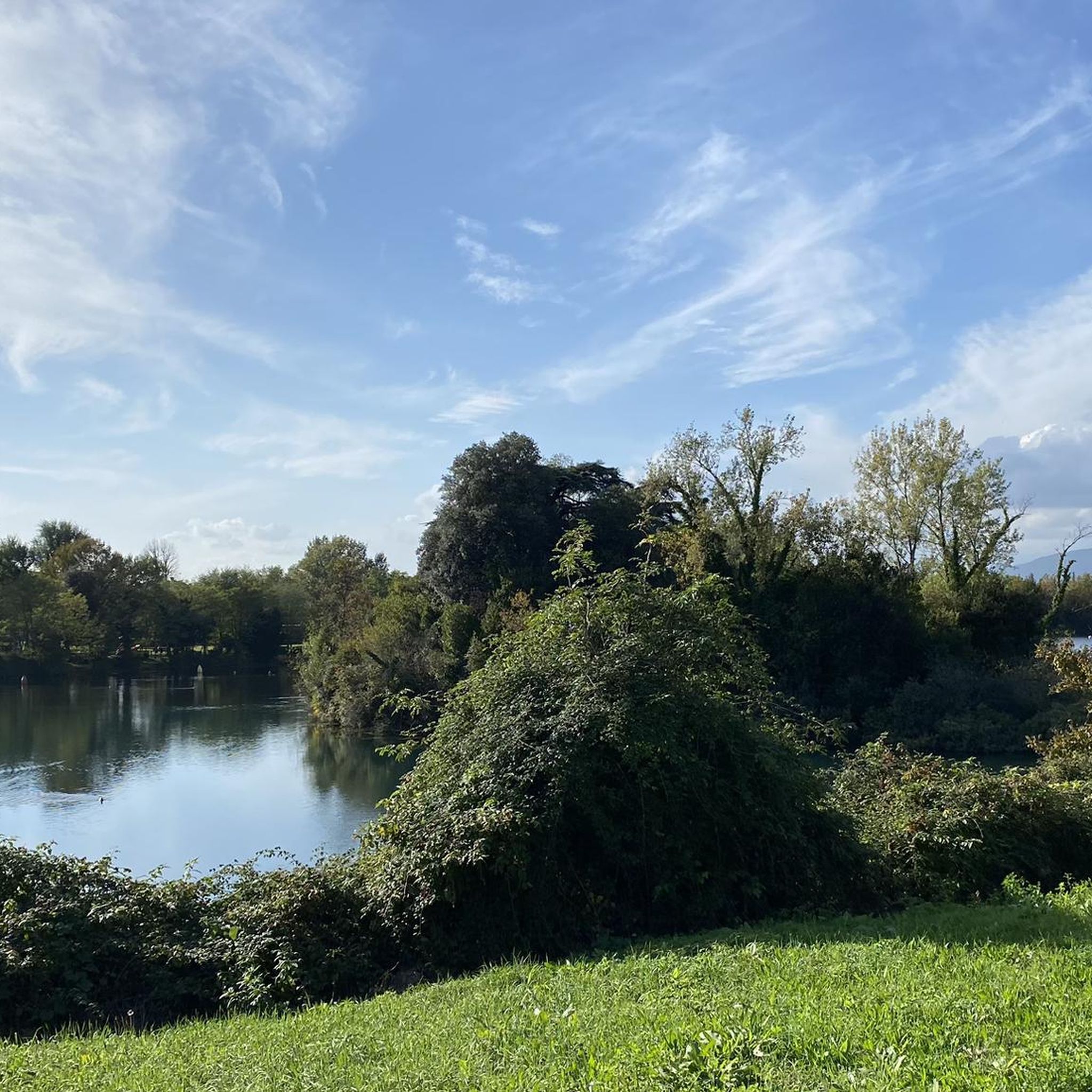
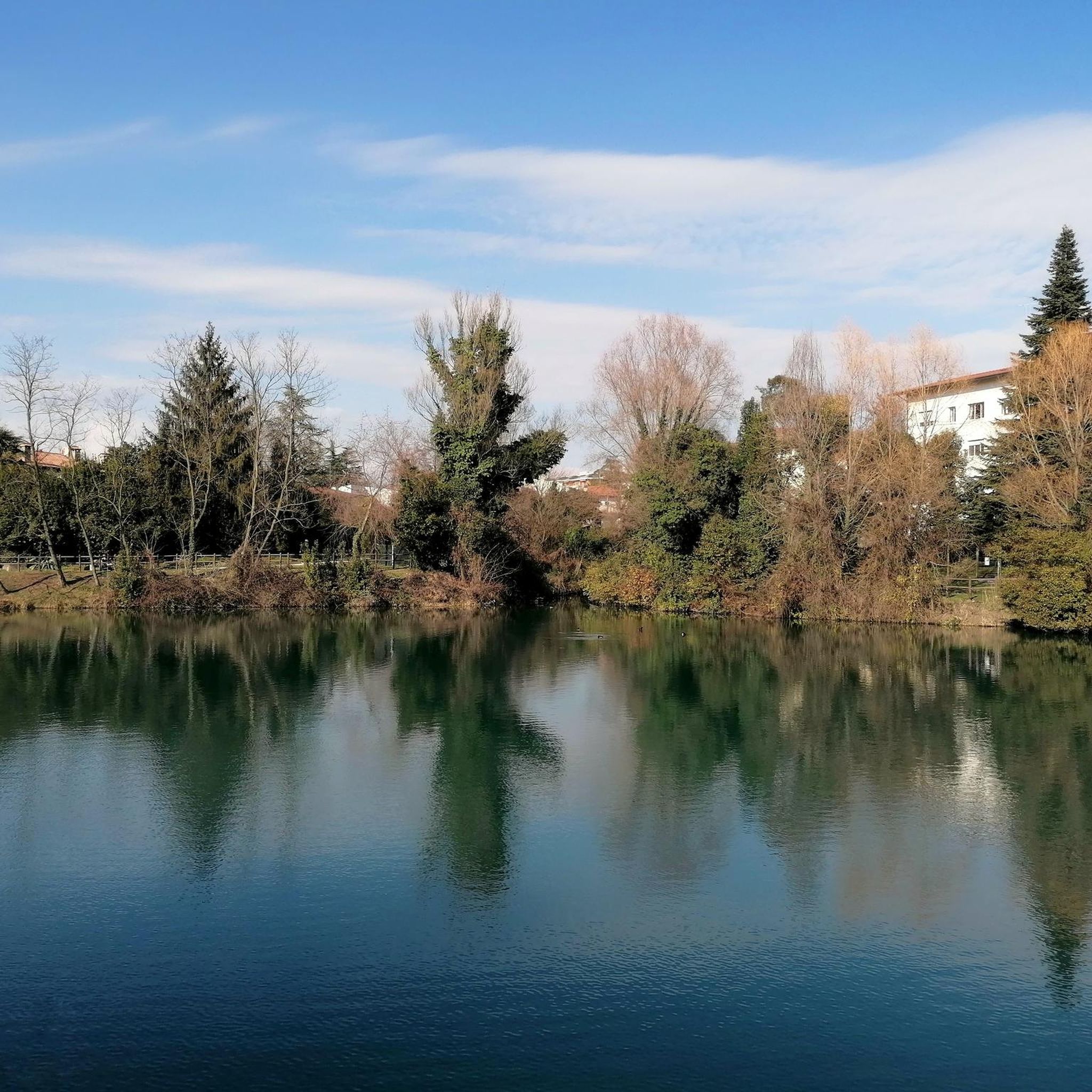
Road cycling routes in the Porcia area are rich in natural beauty. You can explore river parks along the Noncello River, ride along the banks of the Livenza and Meduna rivers, and discover the crystal-clear Gorgazzo springs near Polcenigo. The region also features picturesque vineyards and the tranquil Laghetto delle Risorgive di Porcia, a specific natural highlight accessible by bike.
Are there historical or cultural landmarks along road cycling routes in Porcia?
Many routes connect charming historic centers and pass by cultural landmarks. You can cycle through the Historic Center of Sacile, often called 'little Venice,' or visit the Polcenigo Historic Center, recognized as one of Italy's most beautiful villages. Routes also offer glimpses of ancient Venetian villas and views of castles, such as the ruins above Polcenigo.
What is the best season for road cycling in the Porcia region?
The Friuli Venezia Giulia region, where Porcia is located, generally offers pleasant conditions for road cycling from spring through autumn. Spring brings lush greenery and mild temperatures, while autumn provides comfortable riding weather and beautiful fall foliage. Summer can be warm, but routes along rivers or in higher elevations offer cooler options. Winter cycling is possible, but conditions may vary.
Are there circular road cycling routes available from Porcia?
Yes, many road cycling routes around Porcia are designed as loops, allowing you to start and end in the same location. An example is the popular Spilimbergo and Maniago – ring tour from Pordenone, which offers a scenic loop through varied regional landscapes.
What do other road cyclists say about the routes around Porcia?
The road cycling routes around Porcia are highly rated by the komoot community, with an average score of 4.3 stars from over 300 reviews. Cyclists often praise the varied terrain, from flat plains to rolling hills, and the scenic beauty of river environments and historic towns. Many appreciate the well-maintained paths and the opportunity to explore both natural and cultural highlights.
Are there family-friendly road cycling routes around Porcia?
While specific 'family-friendly' designations can vary, the region offers numerous easy and moderate routes with mostly paved surfaces and less elevation gain, which can be suitable for families. Routes along riverbanks or through flatter plains provide a gentler experience. It's always recommended to check the route details for distance and elevation to ensure it matches your family's ability.
Are there options for parking when starting a road cycling tour in Porcia?
Yes, when planning your road cycling tour, you can typically find parking options in and around Porcia, especially in larger towns like Pordenone or near popular starting points. It's advisable to check local parking regulations and availability for your chosen starting location.
Can I find cafes or places to stop along the road cycling routes?
Absolutely. Many road cycling routes in the Porcia region pass through or near charming historic centers and villages, such as Sacile and Polcenigo. These towns often have cafes, restaurants, and shops where you can stop for refreshments, a meal, or to explore. Planning your route with these stops in mind can enhance your cycling experience.
Can I use public transport with my bike in the Porcia area?
Public transport options for bikes can vary by region and service. For specific information on carrying bikes on trains or buses in the Friuli Venezia Giulia region, it's best to consult local transport providers directly. For general information about the region, you might find useful resources on sites like visitsacile.it.
Most popular attractions around Porcia

Get inspired with the komoot mobile app


Explore more
Browse the best Road cycling routes in other regions.
