The best walks and hikes around Spilimbergo
4.4
(348)
1,527
hikers
32
hikes
Hiking around Spilimbergo offers routes through the historic town center and along the Tagliamento river plains. The terrain is generally flat with minimal elevation changes, making it accessible for various activity levels. Many trails explore the cultural heritage of Spilimbergo, including its castle and mosaic school. The area provides opportunities for easy hikes near Spilimbergo, with several trailheads offering convenient parking.
Best hiking trails around Spilimbergo
- The most popular hiking route is Historic Center of Spilimbergo loop from Spilimbergo /…
Last updated: July 9, 2026
3.8
(5)
34
hikers
11.3km
02:54
40m
40m
Moderate hike. Good fitness required. Easily-accessible paths. Suitable for all skill levels.
5.0
(1)
6
hikers
Moderate hike. Good fitness required. Easily-accessible paths. Suitable for all skill levels.

Sign up for free
1
hikers
Moderate hike. Good fitness required. Easily-accessible paths. Suitable for all skill levels.
4.7
(7)
5
hikers
5.42km
01:24
30m
30m
Easy hike. Great for any fitness level. Easily-accessible paths. Suitable for all skill levels.
5
hikers
5.27km
01:23
50m
50m
Easy hike. Great for any fitness level. Easily-accessible paths. Suitable for all skill levels.
Get access to more routes and recommendations from other explorers.
Sign up for free
Already have an account?
Our route recommendations are based on thousands of hikes, rides, and runs completed by other people on komoot.
Start today with a free account
Your next adventure awaits.
Login or Signup
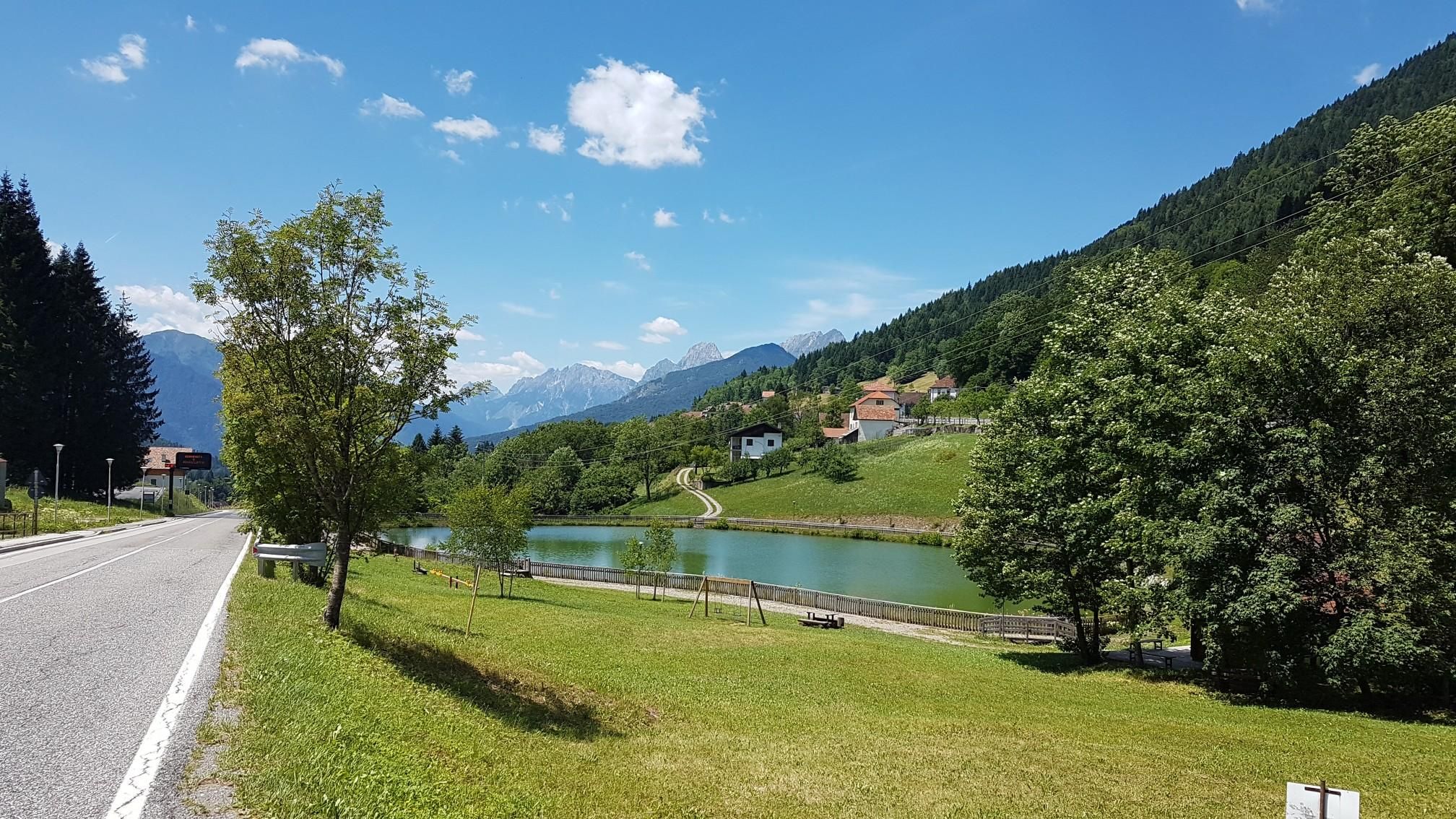
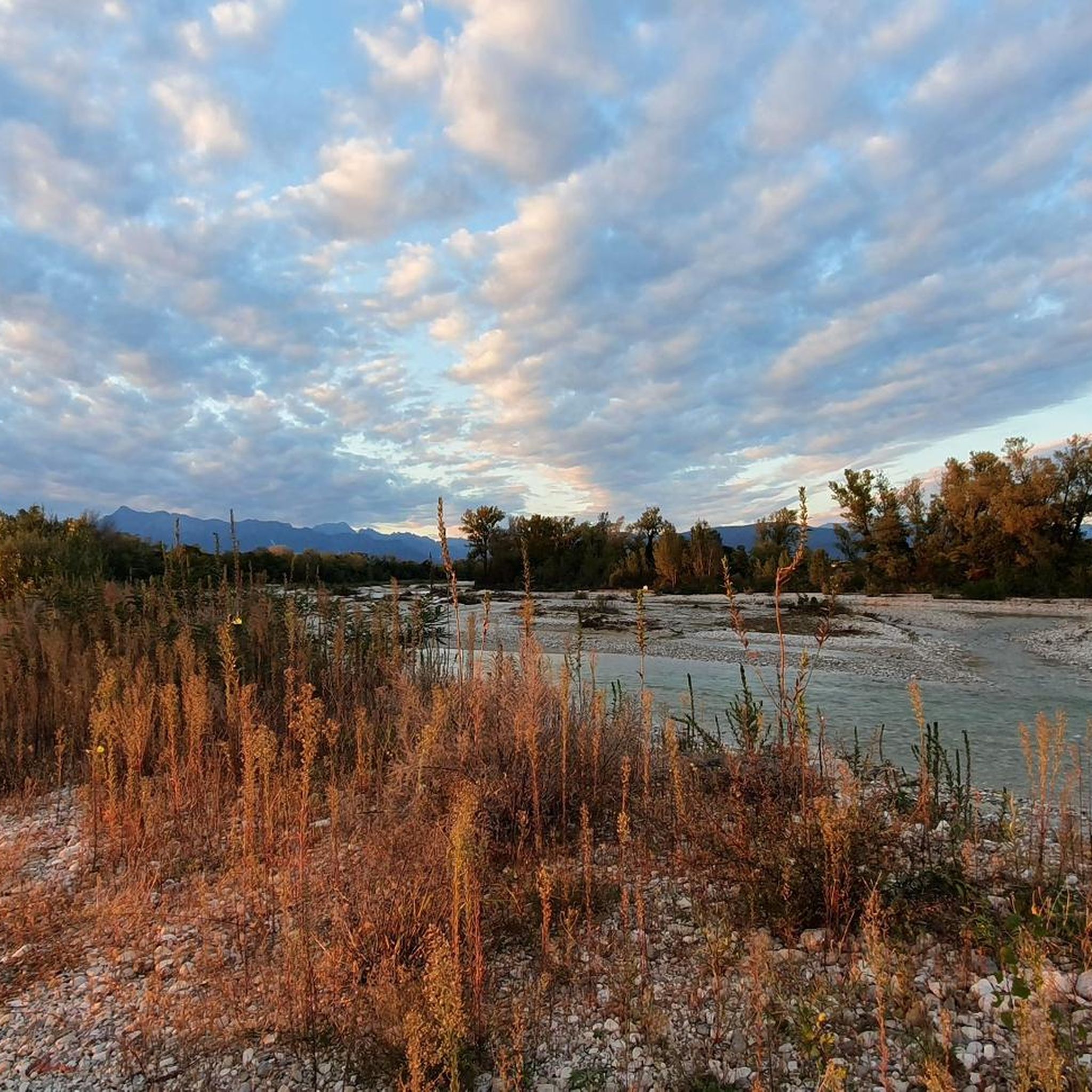
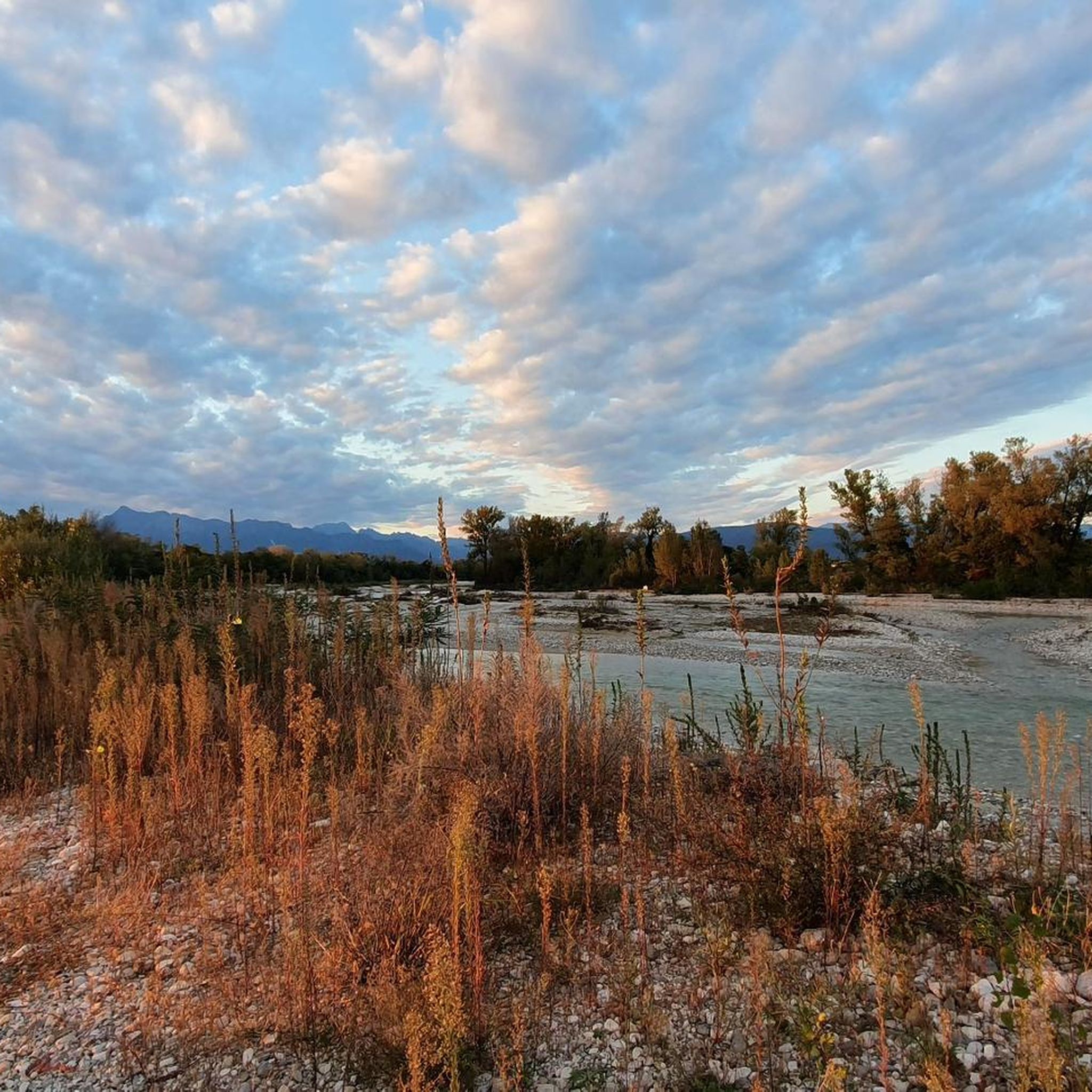
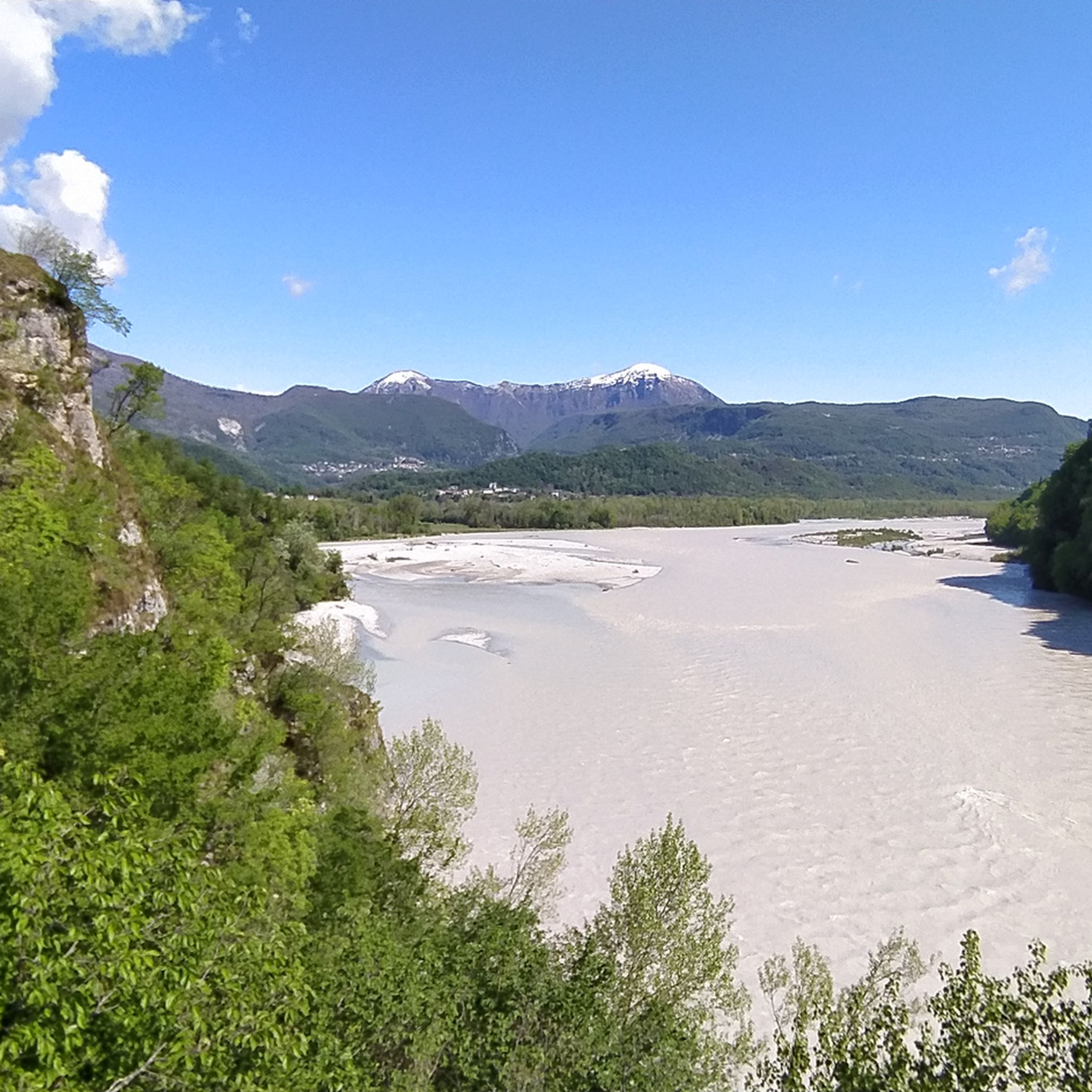


Other adventures around Spilimbergo

Tips from the Community

Spilimbergo is a charming medieval village nestled on the right bank of the Tagliamento river, in Friuli-Venezia Giulia. Internationally known as the "City of Mosaic", it preserves a prestigious artistic tradition that lives and is passed down in its famous Scuola Mosaicisti del Friuli, a world reference point founded in 1922. Strolling through the historic center, you breathe an atmosphere of yesteryear, amidst elegant frescoed palaces, ancient towers, and the suggestive Castle, embellished by the colorful Palazzo Dipinto. The Cathedral of Santa Maria Maggiore, a Gothic masterpiece, houses precious 14th-century fresco cycles. Spilimbergo wonderfully blends the solidity of Friulian culture with the refinement of art, offering a perfect combination of excellent craftsmanship, history, and a welcoming enogastronomic tradition.
0
0

A castle classic that unites many eras and owners. Today, the visit feels like a journey into the Middle Ages.
0
0

Directions near the Parish of Santa Maria Maggiore.
18
0

Spilimbergo Castle was built to guard one of the main fords on the Tagliamento River. It was likely built in the twelfth century by the German Spengemberg family.
0
0

Built in the twelfth century by the noble Spengemberg family to guard the ford over the Tagliamento River, it later passed to the lords of Spilimbergo, who then gave the town its name. It was rebuilt in 1511 after a disastrous fire.
0
0

The façade is adorned with seven oculi and is extremely sober. The symbolic number seven recalls several texts of the Bible, first and foremost the lamb with "seven horns and seven eyes" from the Apocalypse of John. Two of the seven oculi, walled up in 1858, were reopened in 2011. The north side of the Cathedral, on Piazza del Duomo The main entrance is not the one on the façade, but the portal built on the northern façade, which overlooks Piazza Duomo. This was built in 1376 by Zenone da Campione and was originally reserved for the entrance of lords. Interior The Pordenone - Conversion of Saul - Organ door. The large organ, in the central nave The interior consists of three naves. In the central nave, second span, there is the Renaissance organ relocated here in 1981 after the restoration work following the earthquake in Friuli. The original instrument, a 1515 work by Bernardino Vicentino from Venice, had been lost over the centuries and was restored by Francesco Zanin using period materials and methods. It is used for liturgy, concerts and numerous recordings. The chest, among the oldest in the world, is decorated with canvases and panels painted by Pordenone in 1525. The organ doors contain three depictions: Assumption of Mary (closed doors); Fall of Simon Magus (open door on the left); Conversion of Saul (open door on the right). In the parapet of the choir there are five panels with the Stories of the Virgin, while in the lateral spaces some Pages are depicted. Presbytery The presbytery is decorated with a cycle of fourteenth-century frescoes, clearly derived from the lesson that Vitale da Bologna had left in the cathedral of Udine. The unknown author is cited as the Master of the Pavilions and his works date back to the period 1350-1380. The right wall is decorated with stories from the Old Testament: Master of the Pavilions - Susanna bathing. Creation of Adam and Eve Expulsion from Paradise Adam's Work Killing of Abel Lameus kills Cain Noah's Ark Sacrifice of Isaac Jews in the desert Capture of Jericho David and Goliath Death of Absalom Return of Tobias and Sarah Susanna bathing King Solomon Still life On the left wall, instead, there are stories from the life of Christ, derived from the New Testament: Master of the Pavilions - Stories of Christ. Nativity Adoration of the Shepherds Presentation at the Temple Flight into Egypt Massacre of the Innocents Christ among the Doctors Wedding at Cana Expulsion of the Merchants from the Temple Transfiguration Entry into Jerusalem Prayer in Gethsemane Capture of Christ Flagellation Ascent to Calvary The back wall is dominated by the dramatic scene of the Crucifixion. Crypt The burial ark of Walterpertoldo. The lower church consists of five rooms, one of which has recently been closed. The northern chapel contains the burial ark of Walterpertoldo, who died in 1382, lord of Spilimbergo and podestà of Treviso. Until 1964 the ark was on display in the square next to the church, and was then placed in the crypt. Chapel of the Rosary Chapel of the Rosary - the painting Presentation at the Temple with inserts by Gasparo Narvesa. Chapel of the Rosary - Giovanni Martini - Presentation at the Temple. The chapel is dominated by the altarpiece Presentation at the Temple by Giovanni Martini (1503), with a frame between the vegetal intrigues the Mysteries of the Rosary and the Madonna of the Rosary with the Child Jesus and Saint Dominic, work of Gasparo Narvesa (1626-1627).
0
0
The church was commissioned by the lord of Spilimbergo Walterpertoldo in 1284 and the first stone was laid on October 4 of the same year. Construction continued until about 1359, although the cathedral was consecrated only in 1453. The irregularity of the building plan is due, more than to rethinking or remaking, to the exploitation of existing structures and the conformation of the territory. In fact, the building was built leaning against a wall, and the bell tower was built on a portal of the same.
0
0
Frequently Asked Questions
How many hiking trails are available around Spilimbergo?
There are over 30 hiking trails around Spilimbergo, offering a variety of experiences from easy strolls to more challenging routes. You'll find paths exploring the historic town center, riverside areas along the Tagliamento, and the surrounding plains.
Are there easy hiking trails suitable for beginners in Spilimbergo?
Yes, Spilimbergo offers a good selection of easy trails. About half of the routes are classified as easy, featuring generally flat terrain with minimal elevation changes. An example is the White Road in the Tagliamento loop from Spilimbergo / Spilimberc, which is an easy 3.4-mile (5.4 km) path.
What kind of terrain can I expect on hikes around Spilimbergo?
Hiking around Spilimbergo is characterized by historic town paths, riverside routes along the Tagliamento, and gentle, flat terrain. The elevation changes are generally minimal, making most routes accessible and enjoyable for various fitness levels.
Are there any circular walks or loop trails in Spilimbergo?
Yes, many of the trails around Spilimbergo are designed as loops, allowing you to start and end in the same location. For instance, the Historic Center of Spilimbergo – Spilimbergo Castle loop from Spilimbergo / Spilimberc is a moderate 9.9-mile (16 km) loop that explores the town's heritage.
What do other hikers enjoy most about hiking in Spilimbergo?
The area is highly rated by the komoot community, with an average score of 4.5 stars from over 300 reviews. Hikers often praise the well-maintained paths, the historical and cultural points of interest, and the scenic views along the Tagliamento river.
What are some interesting landmarks or attractions I can see along the hiking trails?
Many trails in Spilimbergo lead through or past significant cultural sites. You can explore the historic town center, including Spilimbergo Castle, and visit the renowned Scuola Mosaicisti del Friuli. For natural attractions, you might find trails leading to nearby waterfalls such as the Sflunc Waterfall or the Acqua Caduta Waterfall.
How long do hikes around Spilimbergo typically take?
Hike durations vary depending on the route's length and your pace. Many popular trails range from 2 to 3 hours. For example, the Scuola Mosaicisti del Friuli loop from Spilimbergo / Spilimberc is a moderate 5.6-mile (9.1 km) path that takes approximately 2 hours 20 minutes.
Is Spilimbergo suitable for family-friendly hiking?
Yes, Spilimbergo is well-suited for family-friendly hiking due to its generally flat and accessible terrain. Many of the easy and moderate routes are suitable for children and offer opportunities to explore the town's history and natural surroundings without strenuous climbs.
Are there specific parking areas for hiking trailheads in Spilimbergo?
Yes, many trailheads in and around Spilimbergo offer convenient parking. As the routes often start from the town center or its immediate vicinity, you'll find various public parking options available to access the trails.
What is the best season for hiking in Spilimbergo?
Spring and autumn are generally the best seasons for hiking in Spilimbergo, offering pleasant temperatures and beautiful scenery. Summer can also be enjoyable, especially for riverside walks, though it can be warmer. Winter hiking is possible, but some paths might be less maintained, and conditions can be cooler.
Can I find trails that combine historical exploration with nature walks?
Absolutely. Spilimbergo's hiking network is unique in its blend of cultural heritage and natural beauty. Many routes, such as the Spilimbergo – Historic Center of Spilimbergo loop from Spilimbergo / Spilimberc, will take you through the historic center, past the castle, and then out into the surrounding plains or along the Tagliamento river.
Most popular routes around Spilimbergo
Most popular attractions around Spilimbergo

Get inspired with the komoot mobile app


Explore more
Browse the best Hikes in other regions.
