The best cycling routes around Roveredo (GR)
4.5
(610)
7,160
riders
71
rides
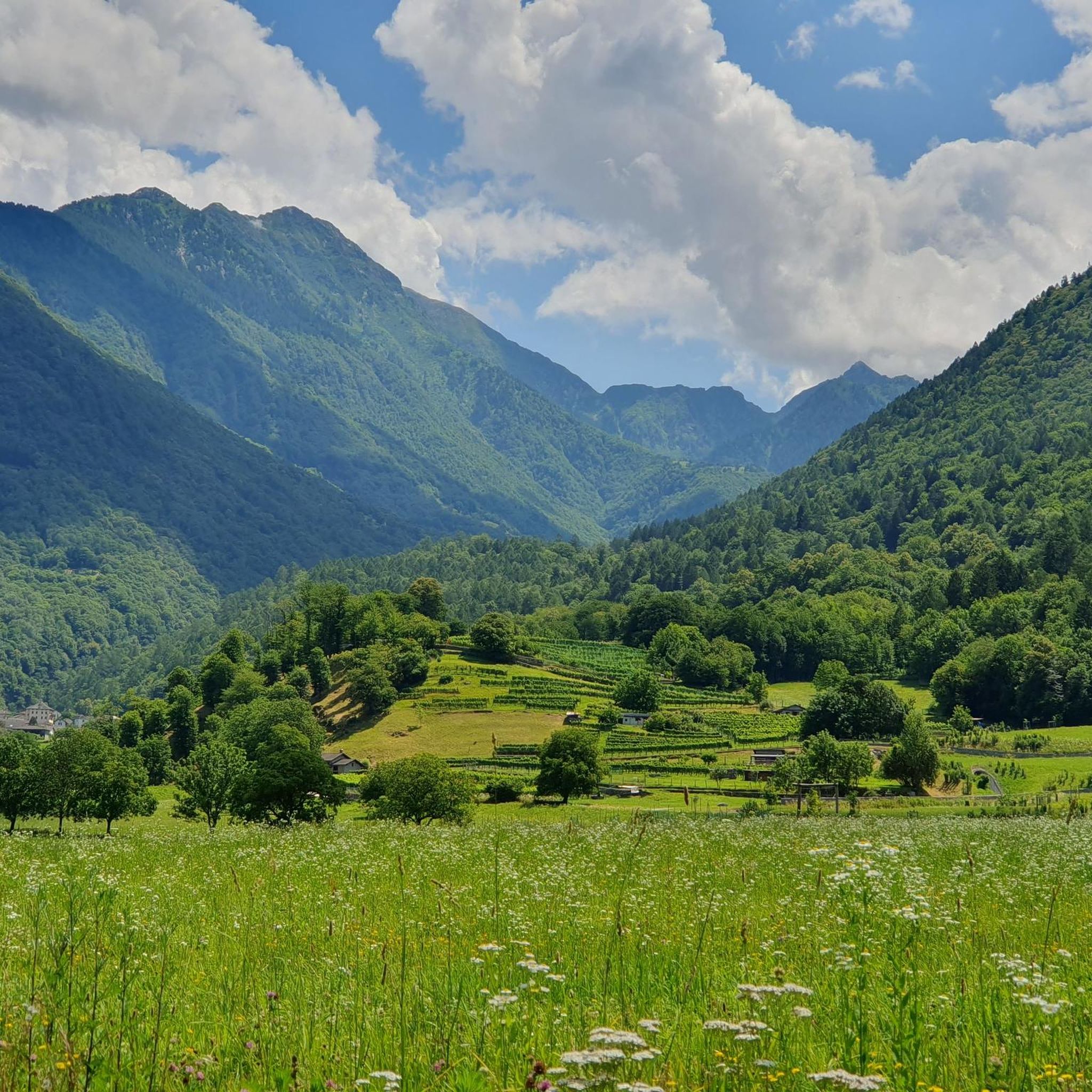
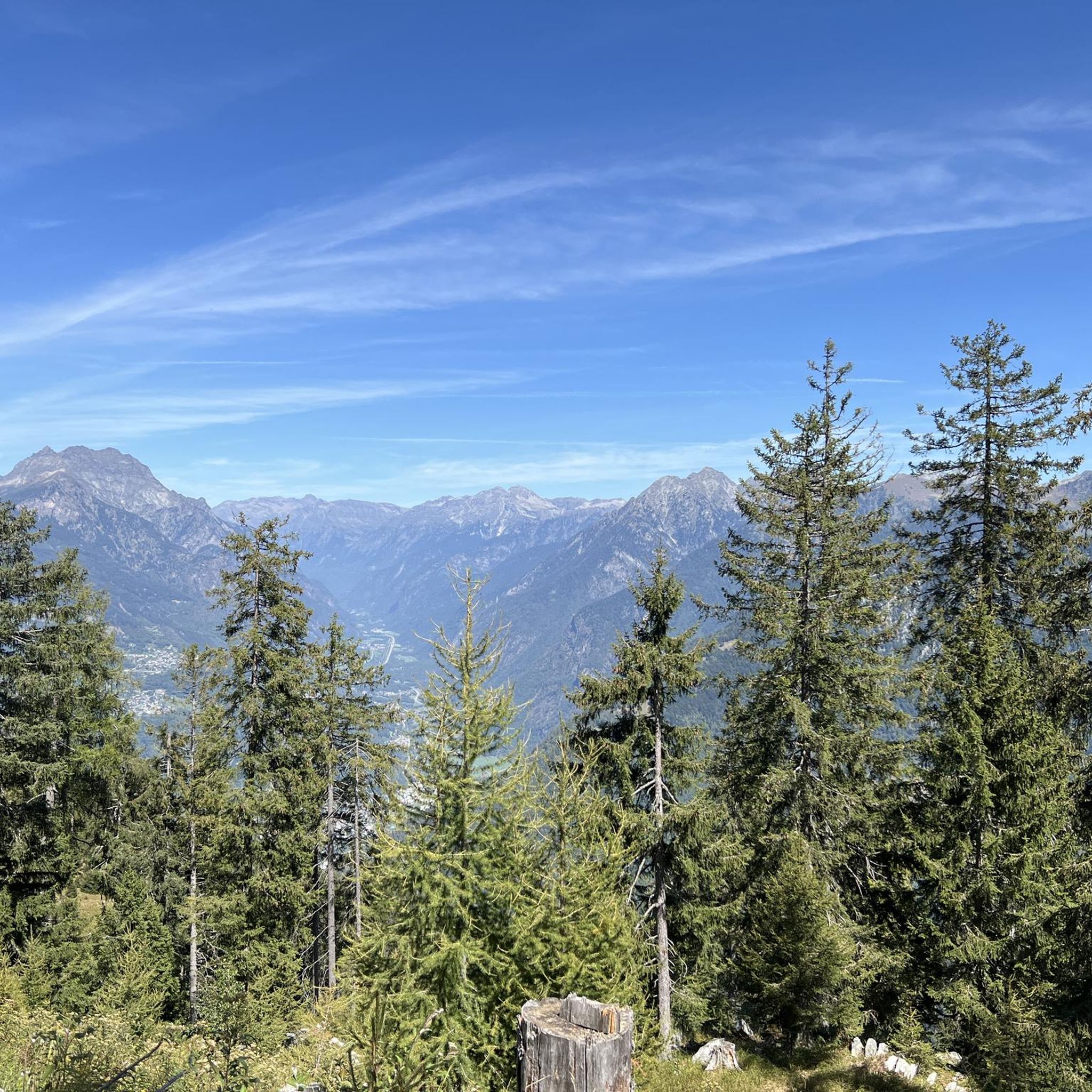
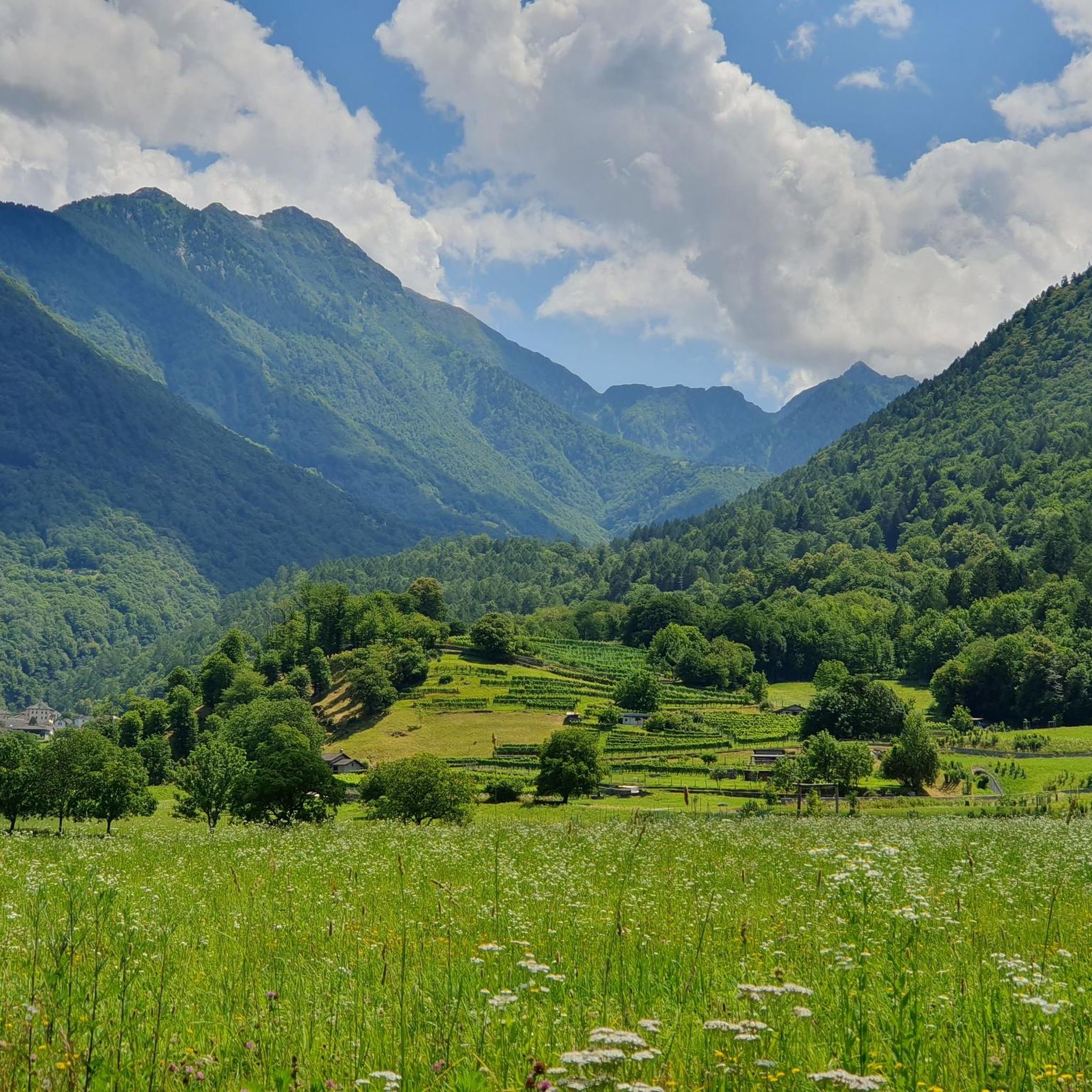
Touring cycling routes around Roveredo (GR) navigate a landscape characterized by significant elevation changes, deep valleys, and mountain passes. The region is situated in Graubünden, offering routes that traverse the Mesolcina Valley and ascend towards high alpine crossings. This area provides a diverse terrain for touring cyclists, ranging from valley floors alongside rivers to challenging climbs.
Best touring cycling routes around Roveredo (GR)
- The most popular touring cycling route is Ascent to Passo San Bernardino from Grono, a 52.2 miles (84.1 km) trail that takes 6 hours 22 minutes to complete, featuring a substantial climb to a high mountain pass.
- Another top favourite among local touring cyclists is On the heights of Val Arbedo − loop tour, a difficult 25.6 miles (41.2 km) path. This route offers a challenging loop through elevated valley terrain with significant ascents.
- Local touring cyclists also love the From Grona to Rossa with visit to Buseno, a 25.4 miles (40.9 km) trail leading through the Mesolcina Valley, often completed in about 3 hours 5 minutes.
- Touring cycling around Roveredo (GR) is defined by deep valleys, challenging mountain passes, and varied elevation profiles. The network offers options for easy, moderate, and difficult routes, catering to different ability levels.
- The routes in Roveredo (GR) are highly rated by the komoot community with an average score of 4.5 stars from over 600 reviews. More than 7000 touring cyclists have used komoot to explore Roveredo (GR)'s varied terrain.
Last updated: May 8, 2026
4.6
(8)
171
riders
84.1km
06:23
2,120m
2,120m
Hard bike ride. Very good fitness required. Mostly paved surfaces. Suitable for all skill levels.
5.0
(6)
87
riders
41.2km
03:55
1,740m
1,740m
Hard bike ride. Very good fitness required. Mostly paved surfaces. Suitable for all skill levels.

Sign up for free
4.5
(2)
35
riders
24.1km
01:30
250m
250m
This moderate 15.0-mile touring cycling loop in Graubünden's Mesolcina Valley features waterfalls, charming villages, and alpine views.
4.8
(10)
138
riders
Moderate bike ride. Good fitness required. Mostly paved surfaces. Suitable for all skill levels.
16
riders
Easy bike ride. Great for any fitness level. Mostly paved surfaces. Suitable for all skill levels.
Get access to more routes and recommendations from other explorers.
Sign up for free
Already have an account?
Our route recommendations are based on thousands of hikes, rides, and runs completed by other people on komoot.
Start today with a free account
Your next adventure awaits.
Login or Signup

Tips from the Community

The San Bernardino Pass connects the Misox with the Rheinwald and is located at 2,066 meters. At the pass summit, there is a restaurant and a bus stop, making the location easily accessible. The open high mountain landscape with small lakes and wide open spaces is well suited for a break.
0
0
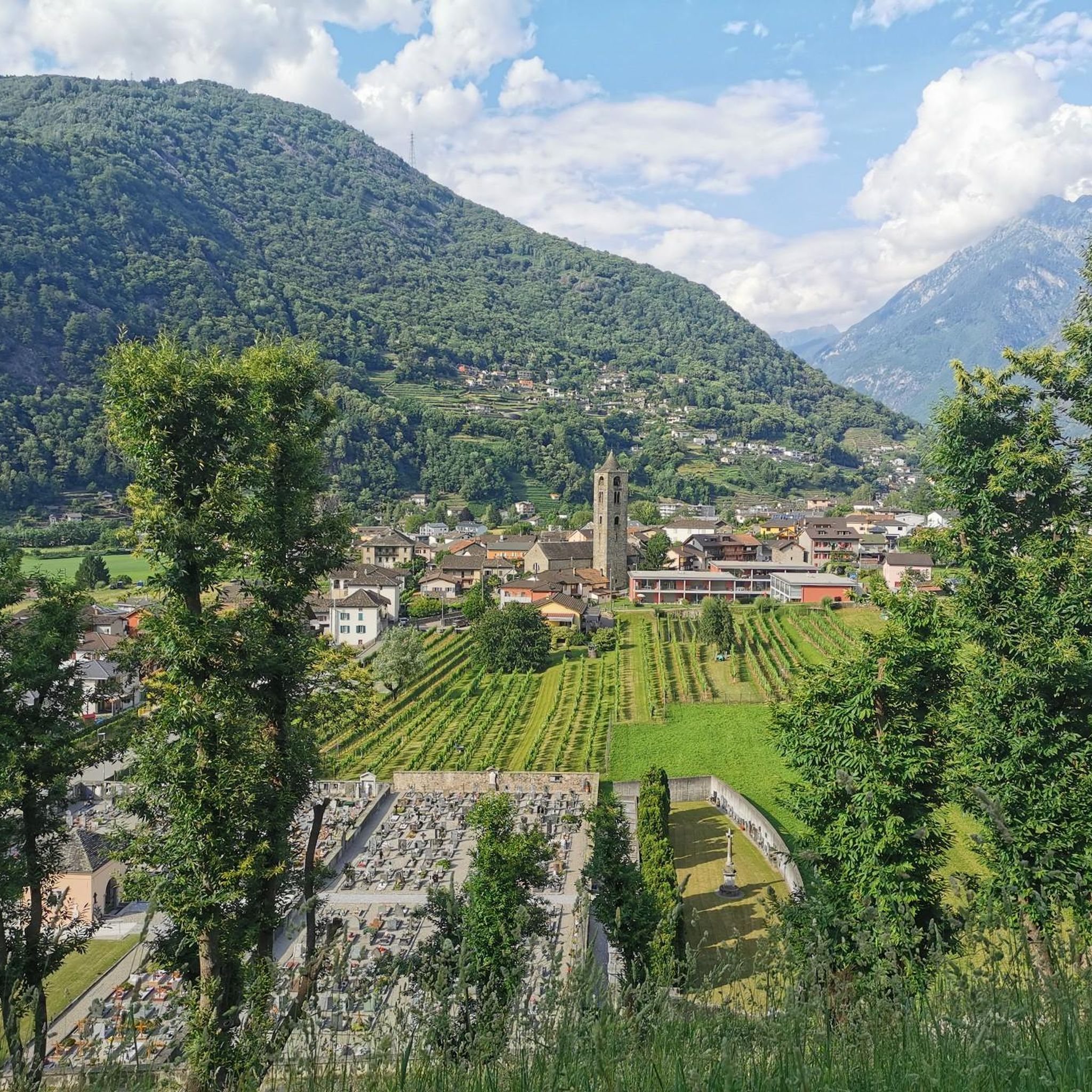
At the bridge in Roveredo you have a beautiful view of the Moesa, which flows calmly through the valley here. All around, historical buildings, churches and towers shape the townscape. Everything framed by the mountains.
0
0

a beautiful bike ride immersed in nature between woods along the Ticino
0
0

San Vittore Station - (1907-2013) History of the BM Bellinzona–Mesocco Railway The Bellinzona–Mesocco railway, also known as the Misox Railway, Misox Line, Misox Route, or in Italian as the Ferrovia Bellinzona–Mesocco or Ferrovia Mesolcinese, is a former meter-gauge narrow-gauge railway in the Swiss cantons of Ticino and Graubünden. The 31.3-kilometer-long line ran from the Ticino cantonal capital of Bellinzona through the Graubünden valley of Misox to Mesocco. The line was opened in 1907 by the Società Ferrovia elettrica Bellinzona-Mesocco (BM), which became part of the Rhaetian Railway (RhB) in 1942. Passenger service was discontinued in 1972, and freight service in 2003. Until 2013, the Società Esercizio Ferroviario Turistico (SEFT) operated a heritage railway, the Ferrovia Mesolcinese (FM), on a 12.7-kilometer-long remaining section. A project to improve the residential area of Roveredo and an expansion project by the Canton of Ticino at the Castione-Arbedo public transport hub led to a further shortening of the line to 3.9 kilometers between the Grono level crossing and Cama in 2014. The concession for this remaining section was returned by SEFT in 2016. Text / Source: Wikipedia https://de.wikipedia.org/wiki/Bahnstrecke_Bellinzona%E2%80%93Mesocco#Literatur
15
0
Station, Grono - (1907-2013) History of the BM With the inauguration of the new San Bernardino motorway (1970), the small, narrow-gauge Mesolcina railway, with no direct connection to the nearby Gotthard railway, appeared obsolete. Starting in 1972—amidst lively protests from the Moesa population—passenger service was discontinued and replaced by P.T.T. buses. After the loss of three out of five electric locomotives due to serious accidents (1969) and the damage to the Soazza-Mesocco section in the 1978 flood, the length of the railway line was significantly reduced on the Castione-Cama stretch. The Rhaetian Railway (which had absorbed the BM between 1942 and 1943 during the severe economic crisis) decided to store its rolling stock in a disused factory in the Grono industrial area, which became a large depot and workshop for overhauling the bogies. This space will be the starting point for the redevelopment of what remains of the Bellinzona-Mesocco electric railway for tourism. In 1985, the Friends of the Mesolcinese Railway Association (AAFM) was founded, and in the summer of 1995 the first Sunday passenger service was inaugurated, a service that continued every summer for the next 18 years. In 2000, the Association transformed into the Tourist Railway Operations Company (SEFT) and recovered an original BM electric locomotive (purchased by the Gotthard Railway Club in 1980), built in Prague in 1909 before being sold to France. In 2003, the Rhaetian Railway also discontinued its freight service, and SEFT was granted another decade of passenger transport. On October 27, 2013, the last tourist run between Castione and Cama took place, definitively ending railway operations in Mesolcina. Since 2020, a Swiss electric locomotive with first and second class seats (1933) and a Belgian freight car (1889) used by the BM have been on public display in the Al Pascolet industrial area on the site of Fratelli Censi SA Tecnica Ferroviaria, not far from the former SEFT depot-workshop. Text / Source: visit-moesano.ch https://www.visit-moesano.ch/sites/moesano/files/2024-04/Storia%20BM.pdf
15
0
Stage 7: San Bernardino – Bellinzona An exhilarating descent through the Mesolcina Valley. Eagerly absorbing the mild southern climate. In Mesocco, cyclists enjoy the largest ruin in Switzerland and, at the end of the tour, in Bellinzona, the defiant towers and walls of the tre castelli. Refreshed, they follow the rushing Moësa River out of the lively resort town of San Bernardino. The 46-kilometer-long tributary of the Ticino rises at the San Bernardino Pass and gives its name to the Mesolcina Valley (Misox). Although Italian is spoken in the valley, as in the Poschiavo and Bregaglia valleys, it has always maintained close ties to Graubünden. In the smaller villages, where many of the houses are covered with stone slabs, time seems to have stood still. You hardly stop on your bike during the rapid descent towards the south. Surrounded by rocky cliffs, you roar along a well-maintained road with countless skid marks. The highway, which practically hangs from the mountain, seems a bit surreal. Later, a varied side road leads down to Mesocco. Magnificent views of the valley are revealed. Below the village, perched on a rocky outcrop, are the ruins of the Castello di Mesocco, the 11th-century ancestral castle of the Count of Misox. It is considered one of the most important in Graubünden and the largest in Switzerland. Roveredo is the main town in the lower Misox Valley. And what could be nicer here than a break in a cool grotto, enjoying a typical lunch menu and a glass of local wine? The village also boasts several beautiful 17th-century houses, such as the one designed by local architect and builder Enrico Zuccalli. A secluded stretch follows near Lumino, just after crossing the highway and the river. A forest path leads along the Moësa River over hill and dale. Passing an inviting forest garden grotto and some secluded swimming spots, you reach Arbedo-Castione. Here, the Moësa flows into the Ticino River. Text / Source: Schweizmobil.ch https://schweizmobil.ch/de/veloland/route-6/etappe-7
14
0
Mesocco Castle San Bernardino Castle Mesolcina Calanca The ruins of Mesocco Castle stand on top of an imposing rocky hill that rises steeply from the valley floor. This imposing fortress stands in the center of the valley, forcing the Moesa River into a wide bend in a narrow, impassable gorge, leaving only a narrow passage to the west. Mesocco Castle is protected on three sides by steep cliffs. Only to the northeast, on the upstream side of the valley, does the slope slope more gently. Climbing up the old access road to the castle from the north side, you first reach the Church of St. Maria del Castello and are already on the castle grounds, which were once surrounded by a defensive wall. The impressive ruins consist mainly of the remains of defensive works built in the last decades of the 15th century, i.e., during the final phase of the castle's life. Among them are numerous ruins from earlier eras, so that the castle's current appearance reveals its eventful history, which has its roots in the early Middle Ages. Graubünden Ferien, Alexanderstrasse 24, 7001 Chur https://www.graubuenden.ch/de/ausflugsziele/castello-di-mesocco
13
0
Mesocco Castle San Bernardino Castle Mesolcina Calanca The ruins of Mesocco Castle stand on top of an imposing rocky hill that rises steeply from the valley floor. This imposing fortress stands in the center of the valley, forcing the Moesa River into a wide bend in a narrow, impassable gorge, leaving only a narrow passage to the west. Mesocco Castle is protected on three sides by steep cliffs. Only to the northeast, on the upstream side of the valley, does the slope slope more gently. Climbing up the old access road to the castle from the north side, you first reach the Church of St. Maria del Castello and are already on the castle grounds, which were once surrounded by a defensive wall. The impressive ruins consist mainly of the remains of defensive works built in the last decades of the 15th century, i.e., during the final phase of the castle's life. Among them are numerous ruins from earlier eras, so that the castle's current appearance reveals its eventful history, which has its roots in the early Middle Ages. Graubünden Ferien, Alexanderstrasse 24, 7001 Chur https://www.graubuenden.ch/de/ausflugsziele/castello-di-mesocco
13
0
Frequently Asked Questions
How many touring cycling routes are available around Roveredo (GR)?
There are over 70 touring cycling routes available around Roveredo (GR) on komoot, offering a wide range of options for different skill levels and preferences.
What is the best season for touring cycling in Roveredo (GR)?
The best season for touring cycling in Roveredo (GR) is generally from late spring to early autumn (May to October). During these months, the weather is more stable, and mountain passes are typically clear of snow, offering optimal conditions for exploring the deep valleys and ascending towards alpine crossings.
Are there easy touring cycling routes suitable for beginners in Roveredo (GR)?
Yes, Roveredo (GR) offers a selection of easier routes. There are 20 easy touring cycling routes available, often following valley floors. For a moderate option that is less demanding than some of the high-alpine routes, consider the Graubünden Route: Mesolcina Valley Loop, which offers a pleasant ride through the valley.
Are there challenging routes for experienced touring cyclists in the region?
Absolutely. Roveredo (GR) is known for its challenging terrain, with 34 difficult touring cycling routes. Routes like the Ascent to Passo San Bernardino from Grono provide substantial climbs to high mountain passes, testing endurance and offering rewarding views. Another demanding option is the On the heights of Val Arbedo − loop tour, which features significant ascents through elevated valley terrain.
Are there any loop cycling routes in the Roveredo (GR) area?
Yes, there are several loop cycling routes available. The On the heights of Val Arbedo − loop tour is a challenging loop through elevated valley terrain. For a moderate option, the Graubünden Route: Mesolcina Valley Loop offers a scenic circular tour through the Mesolcina Valley.
What natural attractions can I see along the touring cycling routes?
The region around Roveredo (GR) is rich in natural beauty. Many routes pass by stunning waterfalls, such as the Lostallo Village and Waterfall or the Ria di Val Grona Waterfall. The deep valleys and mountain landscapes themselves offer spectacular viewpoints throughout your ride.
Are there any mountain huts or shelters along the routes?
Yes, the mountainous terrain around Roveredo (GR) features several huts and shelters that can be found along or near touring cycling routes. Notable options include the Brogoldone Hut and the San Jorio Hut, which can provide a resting point or a place to refuel during longer rides.
What do other touring cyclists enjoy the most about touring cycling in Roveredo (GR)?
The area is highly rated by the komoot community, with an average score of 4.5 stars from over 600 reviews. Reviewers often praise the diverse terrain, from challenging mountain passes to scenic valley rides, and the stunning natural beauty of the Mesolcina Valley and surrounding Graubünden region.
Are there routes that pass through villages or offer opportunities for refreshments?
Many routes in the Mesolcina Valley, such as the From Grona to Rossa with visit to Buseno, pass through charming villages like Grono, Rossa, and Buseno. These villages often have local cafes, restaurants, or shops where you can stop for refreshments and experience local culture.
What are the typical distances for touring cycling routes in Roveredo (GR)?
The distances for touring cycling routes in Roveredo (GR) vary significantly due to the region's diverse terrain. You can find shorter routes, such as the Santa Maria in Calanca via Route 26 at around 18 km, to much longer and more demanding journeys like the Ascent to Passo San Bernardino from Grono, which spans over 84 km.
Is public transport accessible for reaching touring cycling routes in Roveredo (GR)?
Roveredo (GR) is located in the Mesolcina Valley, which has some public transport connections, primarily bus services. These can often be used to reach starting points of routes or to return from an endpoint. It's advisable to check local bus schedules and bike transport policies in advance, especially for routes in more remote areas.
Where can I find parking for touring cycling routes in Roveredo (GR)?
Parking is generally available in the main villages and towns within the Mesolcina Valley, including Roveredo itself, Grono, and other starting points for popular routes. Look for designated parking areas in these settlements, often near train stations or village centers, which can serve as convenient access points for your cycling adventure.
Most popular routes around Roveredo (GR)
Most popular attractions around Roveredo (GR)

Get inspired with the komoot mobile app


Explore more
Browse the best Cycling routes in other regions.
