Attractions and Places To See around Cividale Del Friuli - Top 20
Attractions and places to see around Cividale Del Friuli, a UNESCO World Heritage site in Italy's Friuli-Venezia Giulia region, offer a rich historical and natural experience. The town is situated along the Natisone River, known for its emerald green waters, and is surrounded by hilly landscapes. Its well-preserved medieval center and significant Lombard heritage make it a notable destination for exploring cultural landmarks and natural features.
Best attractions and places to see around Cividale Del Friuli
- The most popular attractions is Kanal on the Soča, a settlement that is a picturesque medieval village standing on the left bank of the Isonzo River. It features a Gothic house, Neptune fountain, and Pečno Park.
- Another must-see spot is Devil's Bridge (Ponte del Diavolo), Cividale del Friuli, an iconic stone bridge spanning the Natisone River. It dates back to the 16th century and offers views of the river and the medieval town.
- Visitors also love Šmartno, a medieval village built on Roman foundations in the central Brda region. It is considered an architectural gem with views stretching from Nanos to the Adriatic Sea.
- Cividale Del Friuli is known for its historical sites, religious buildings, and natural features. The area offers a mix of historical landmarks, cultural sites, and natural points of interest to explore.
- The attractions around Cividale Del Friuli are appreciated by the komoot community, with over 370 upvotes and 160 photos shared by visitors.
Last updated: October 9, 2026
Kanal on the Soča
Highlight • Settlement
Translated by Google •
Tip by

Devil's Bridge (Ponte del Diavolo), Cividale del Friuli
Highlight • Bridge
The Devil's Bridge is one of the symbols of Cividale del Friuli. It stretches boldly over the Natisone River and is the subject of an incredible legend. The two sides of the bank were, at least from the XIII. Century, connected by a wooden bridge. This was replaced, after several other unsuccessful attempts, by the stone bridge designed by Lacopo Dugaro of Bissone, whose construction began in 1442. The work was subject to various obstacles and progressed only slowly. So five years later they were under the leadership of Erardo (or Everardo) da Villaco, a former employee of Darugo.
The latter may have died of the plague in the meantime, or, according to other traditions, he might have fled without fully fulfilling his contractual obligations. The builder Erardo died, and so Bartolomeo delle Cisterne completed the construction of the long-awaited bridge. Based on a notarial deed, we know that it was paved in 1501 and later again in 1558. The end points were secured by towers that were later demolished (mid-19th century). Later, restoration work was necessary several times in order to keep the indispensable crossing, which had to withstand the violent floods of the river, fully functional. In 1843, during reinforcement work on the middle pillar, two important pillar stumps from Roman times were discovered, which can now be viewed in the museum. On October 27, 1917, the work of the century suffered a severe blow of fate when, due to Caporetto's defeat, it was blown up in order to stop the approaching enemy. However, the destruction proved to be completely useless, because despite everything, the imperial troops crossed the river that same evening. The bridge was then rebuilt in record time by the Germans with the help of local specialists. Thanks to the precise surveying work carried out by the local engineer Ernesto de Paciani a few years earlier, the original structure could be fully taken into account. The roadway was widened by a few meters during this reconstruction.
Source: cividale.com/de/il_ponte_del_diavolo#
The view of the bridge and the cathedral is very picturesque.
Translated by Google •
Tip by

Sign up now to discover places like this
Get recommendations on the best single tracks, peaks, & plenty of other exciting outdoor places.
Rosazzo Abbey
Highlight • Religious Site
Translated by Google •
Tip by

Šmartno
Highlight • Settlement
In the first half of the 16th century, a medieval fortress was built on the remains of a Roman outpost around the church. The village served as a border fortress until the mid-18th century, when the Venetian threat was over. The houses in the center are grouped around the Church of St. Martin, the largest parish church in Brda, after which the village was named. The church's bell tower was originally a fortress tower. The bell, featuring the motif of the Three Kings, dates from 1857. The Baroque church features three marble altars, one of which is particularly rich. The presbytery and the Stations of the Cross were painted by Tone Kralj.
Translated by Google •
Tip by

Castelmonte Sanctuary
Highlight • Religious Site
Translated by Google •
Tip by

Sign up for free to discover even more attractions around Cividale Del Friuli.
Already have an account?
Start today with a free account
Your next adventure awaits.
Popular around Cividale Del Friuli
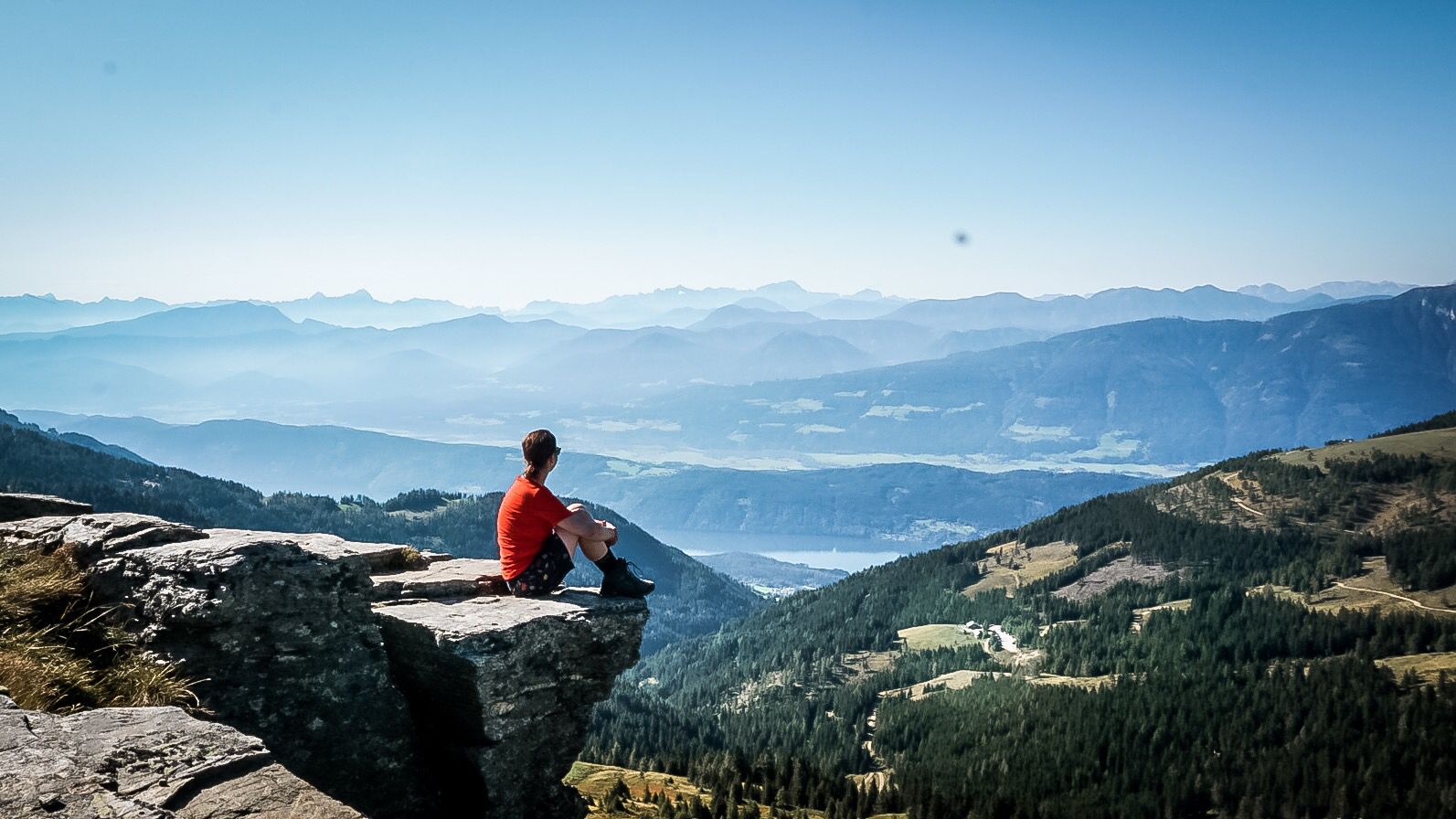
Alpe-Adria-Trail: My long-distance hike from the glacier to the sea
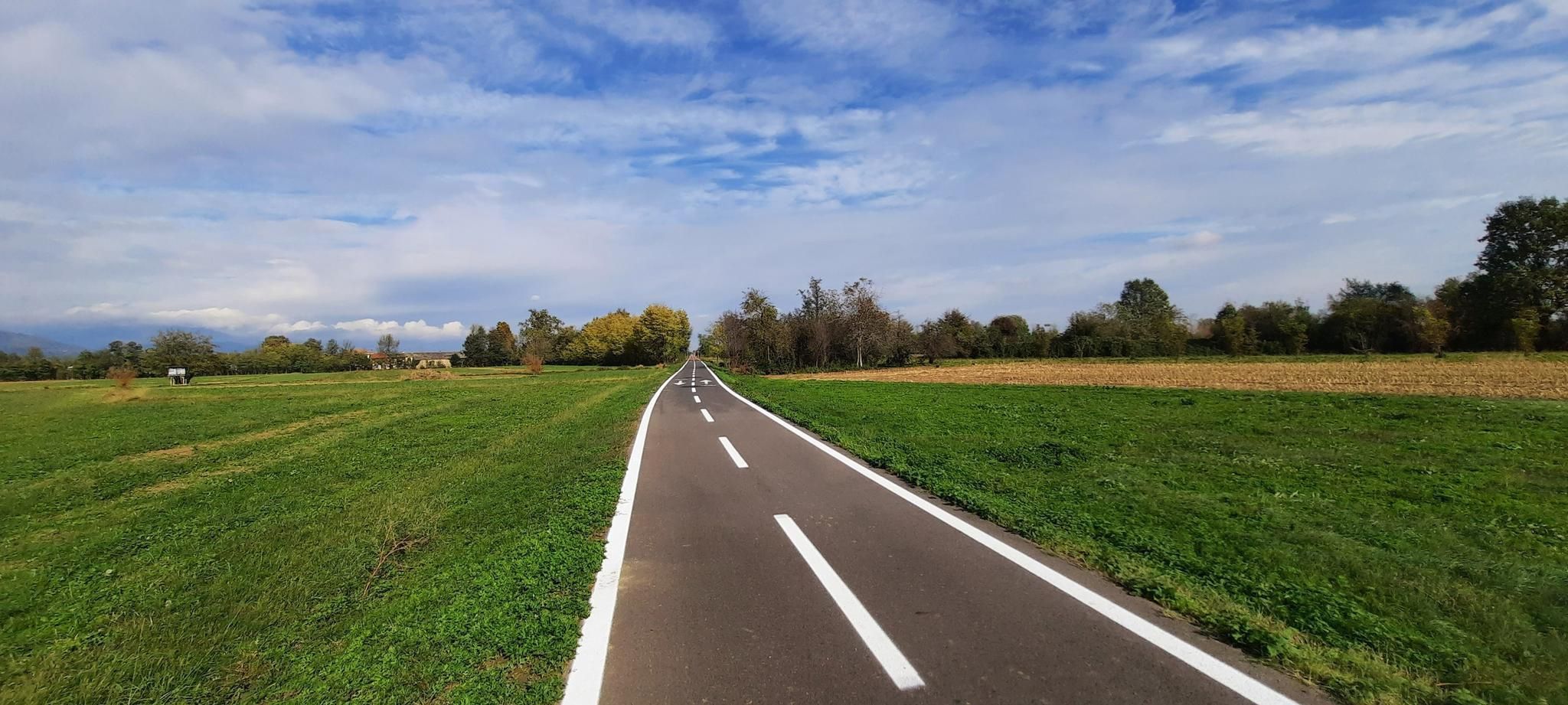
Ride across the Italian Alps – Pedemontana cycle route
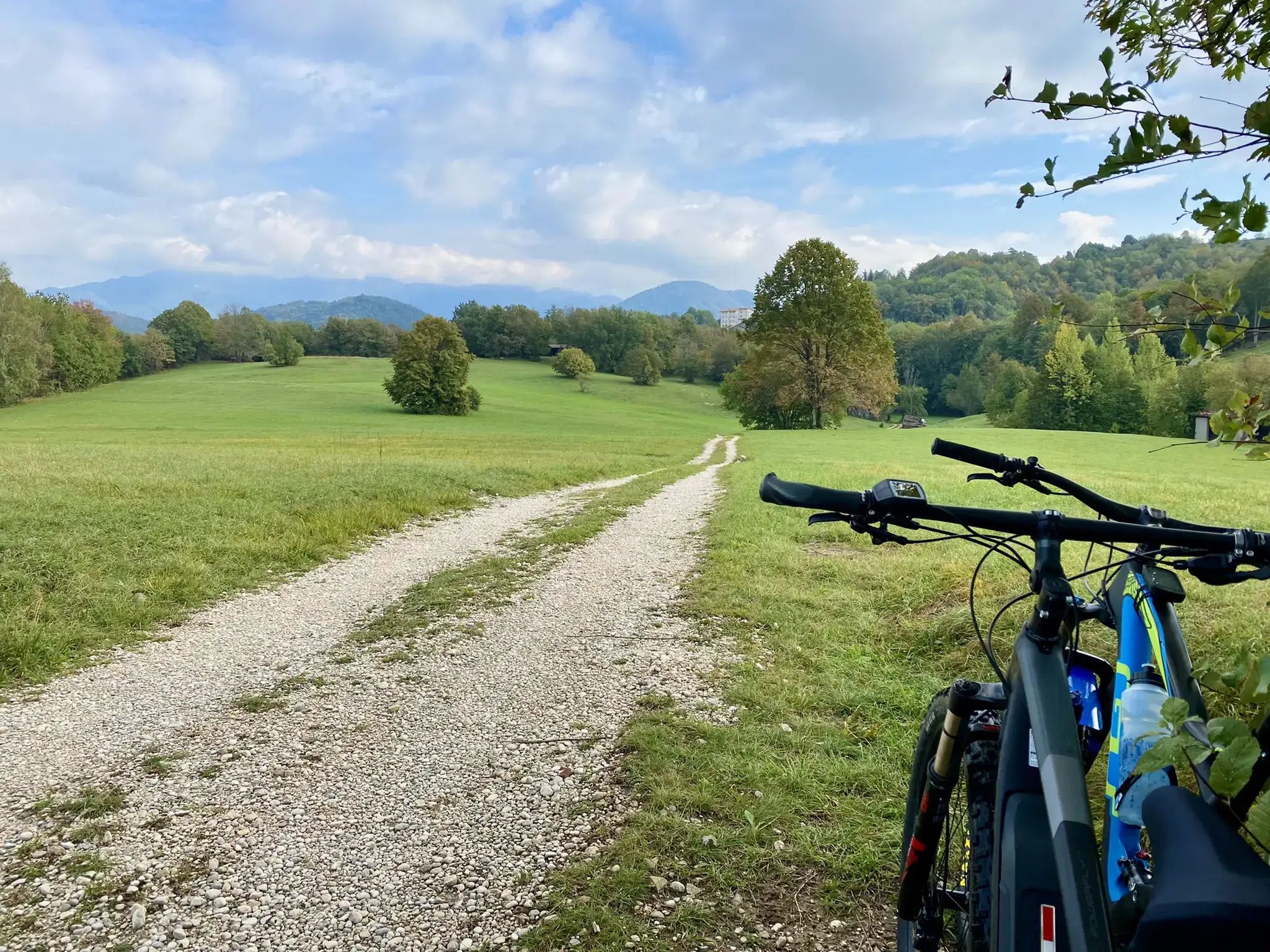
MTB trails in Friuli and the Julian Alps
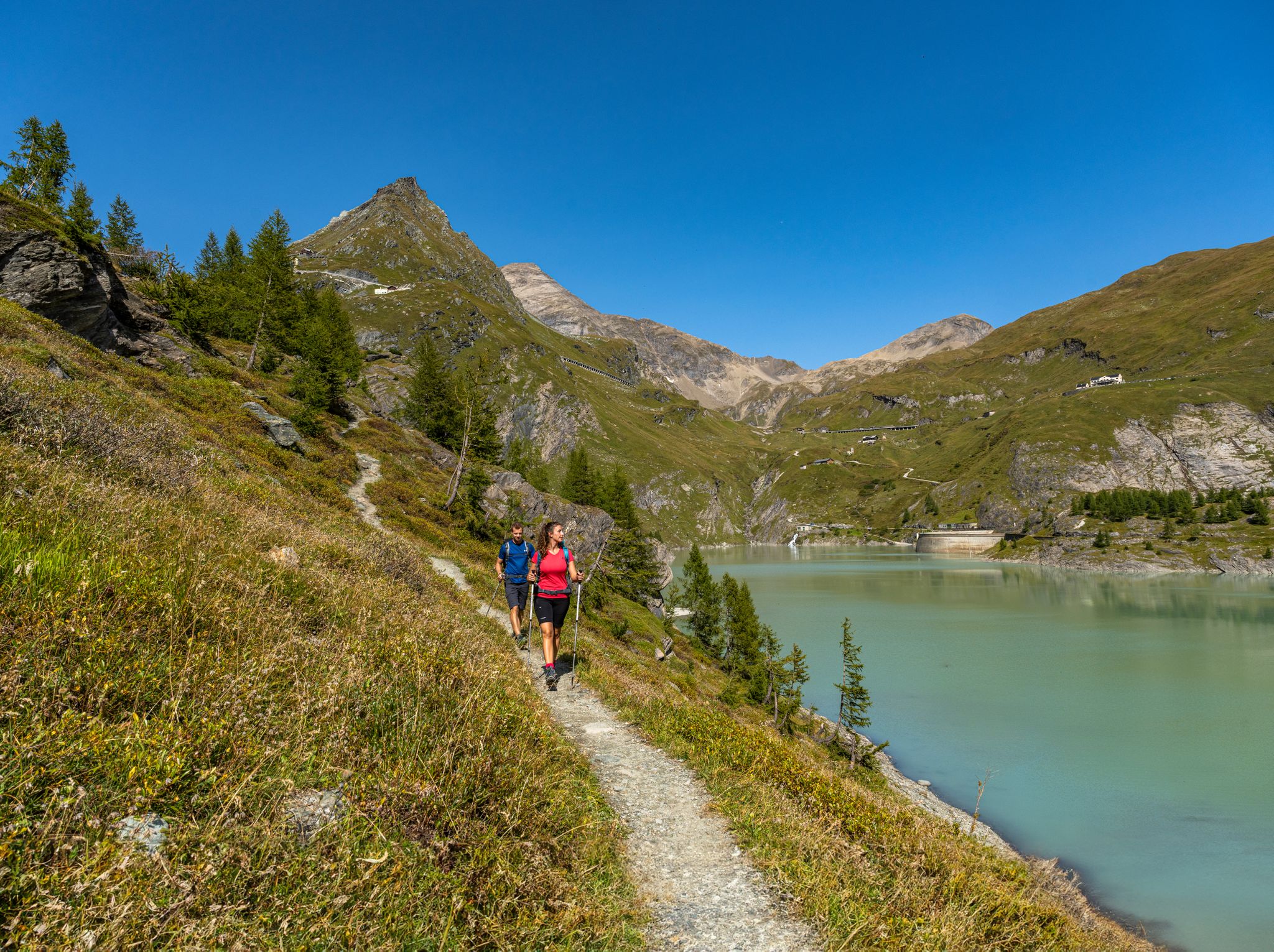
From the Grossglockner to the sea on the Alpe Adria Trail
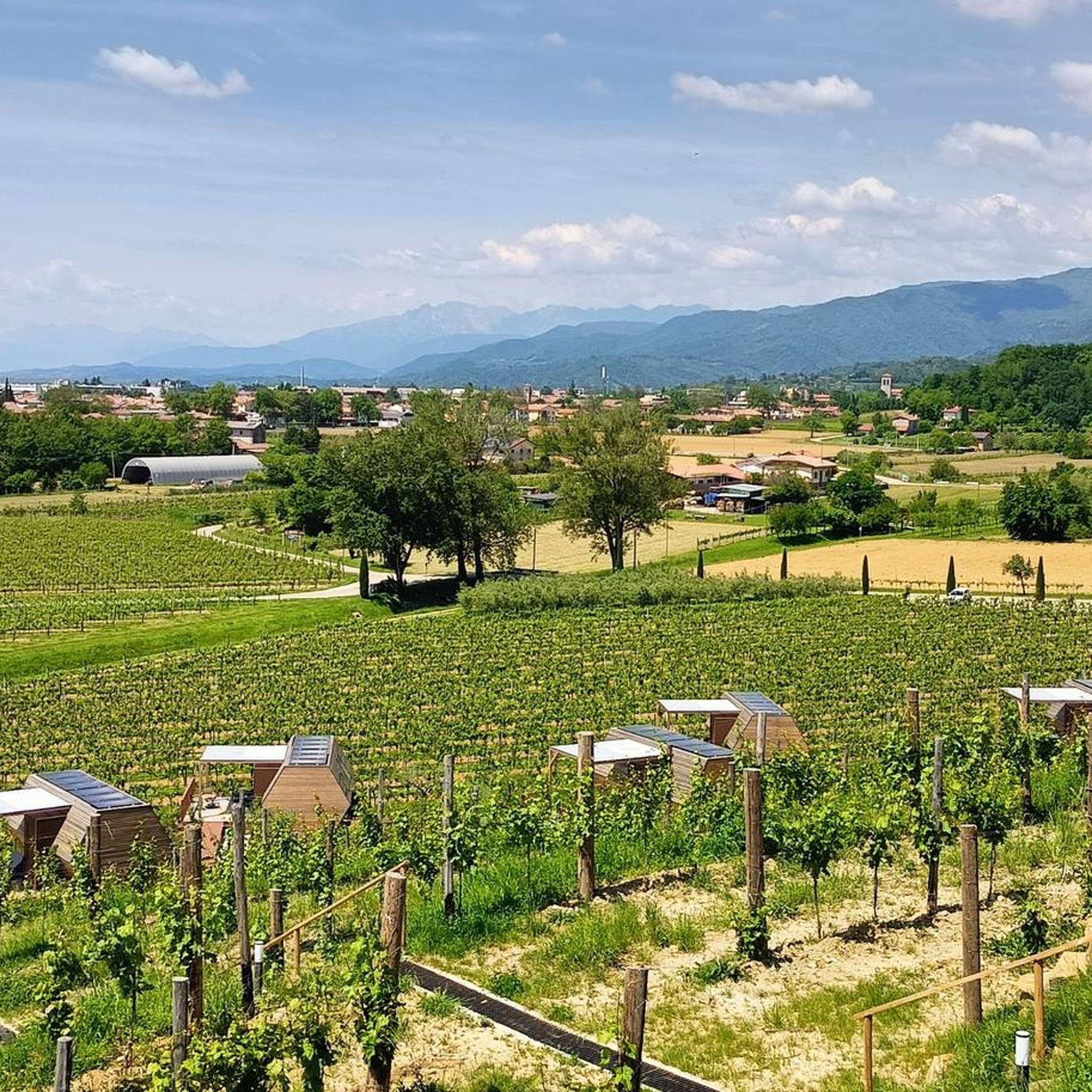
MTB Trails around Cividale Del Friuli
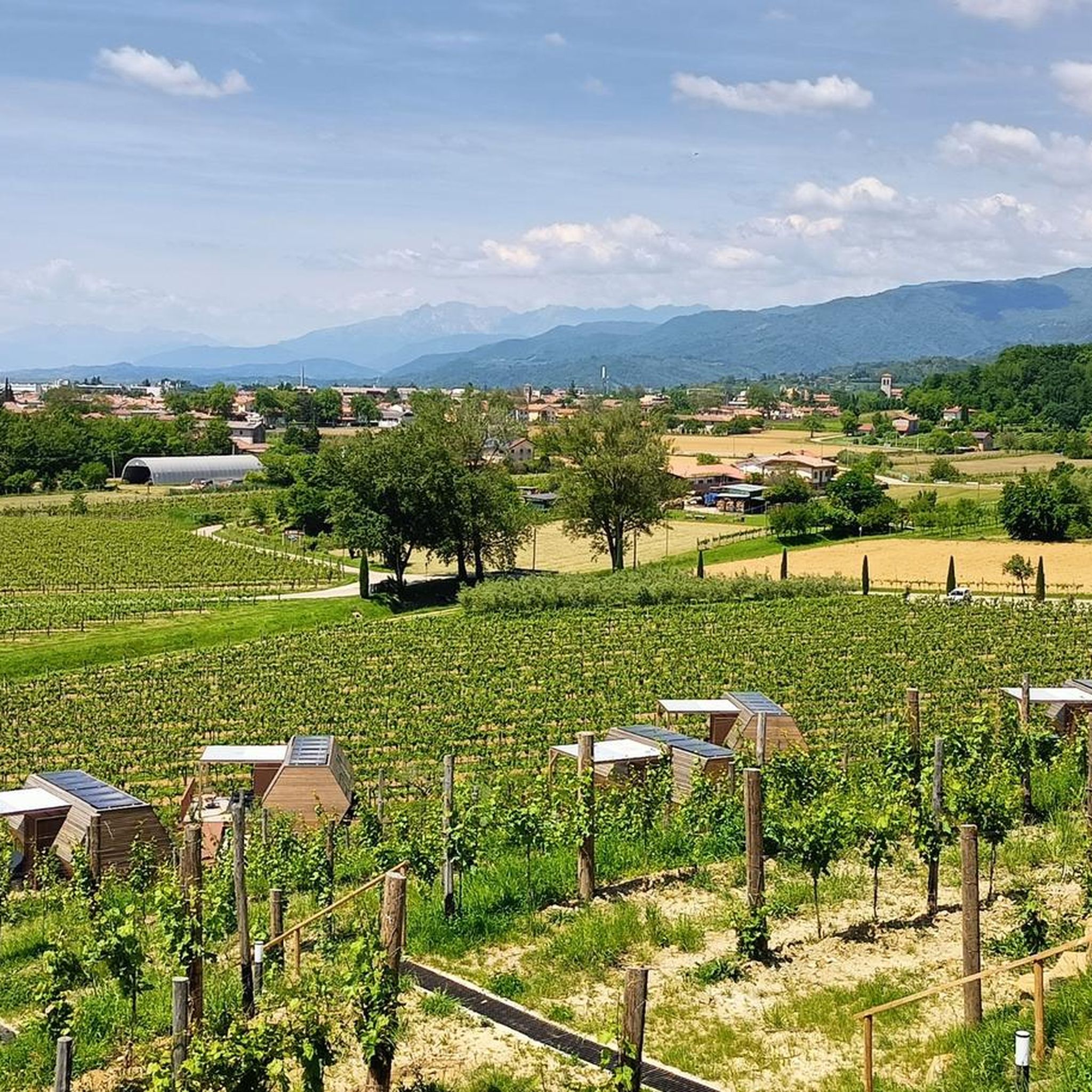
Road Cycling Routes around Cividale Del Friuli
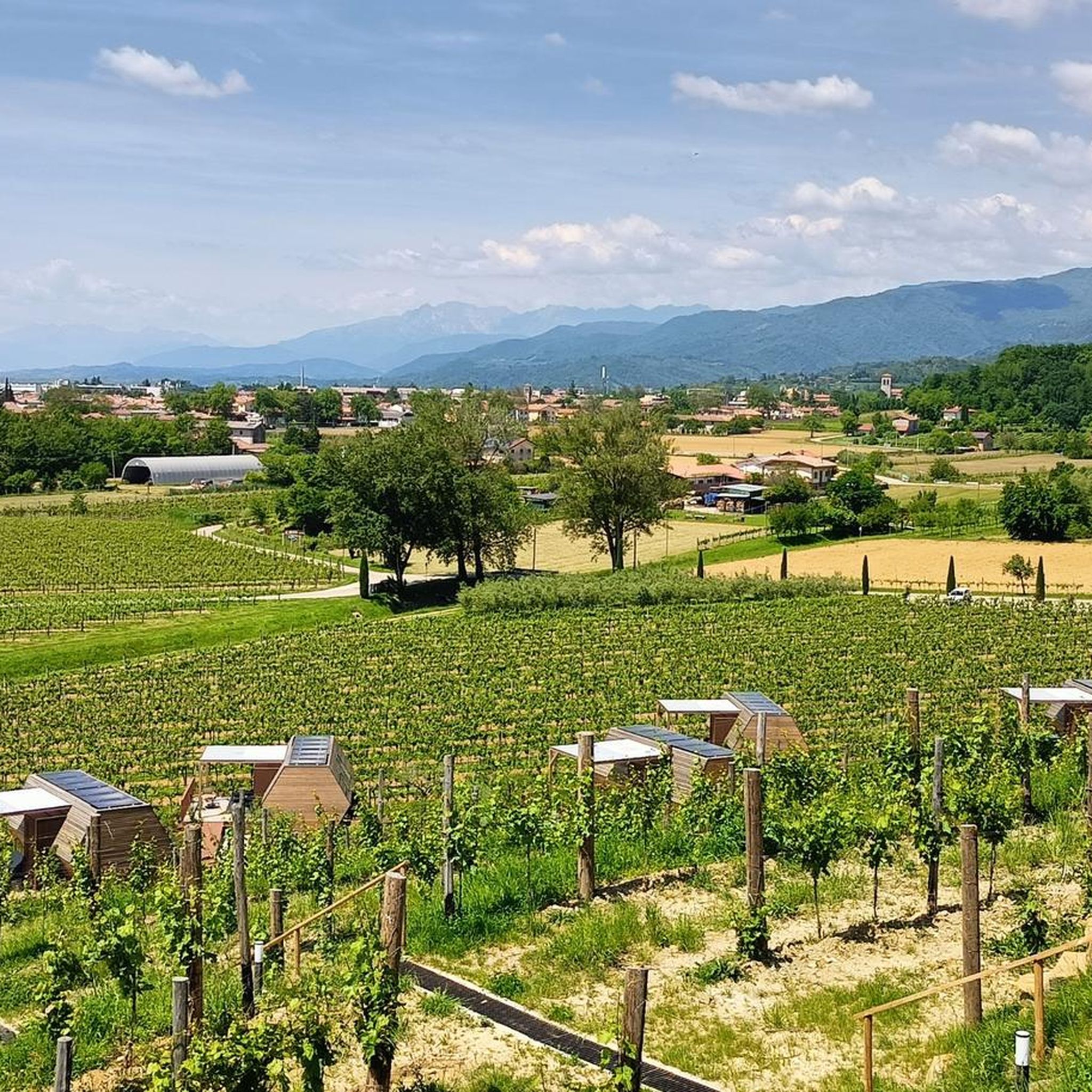
Hiking around Cividale Del Friuli
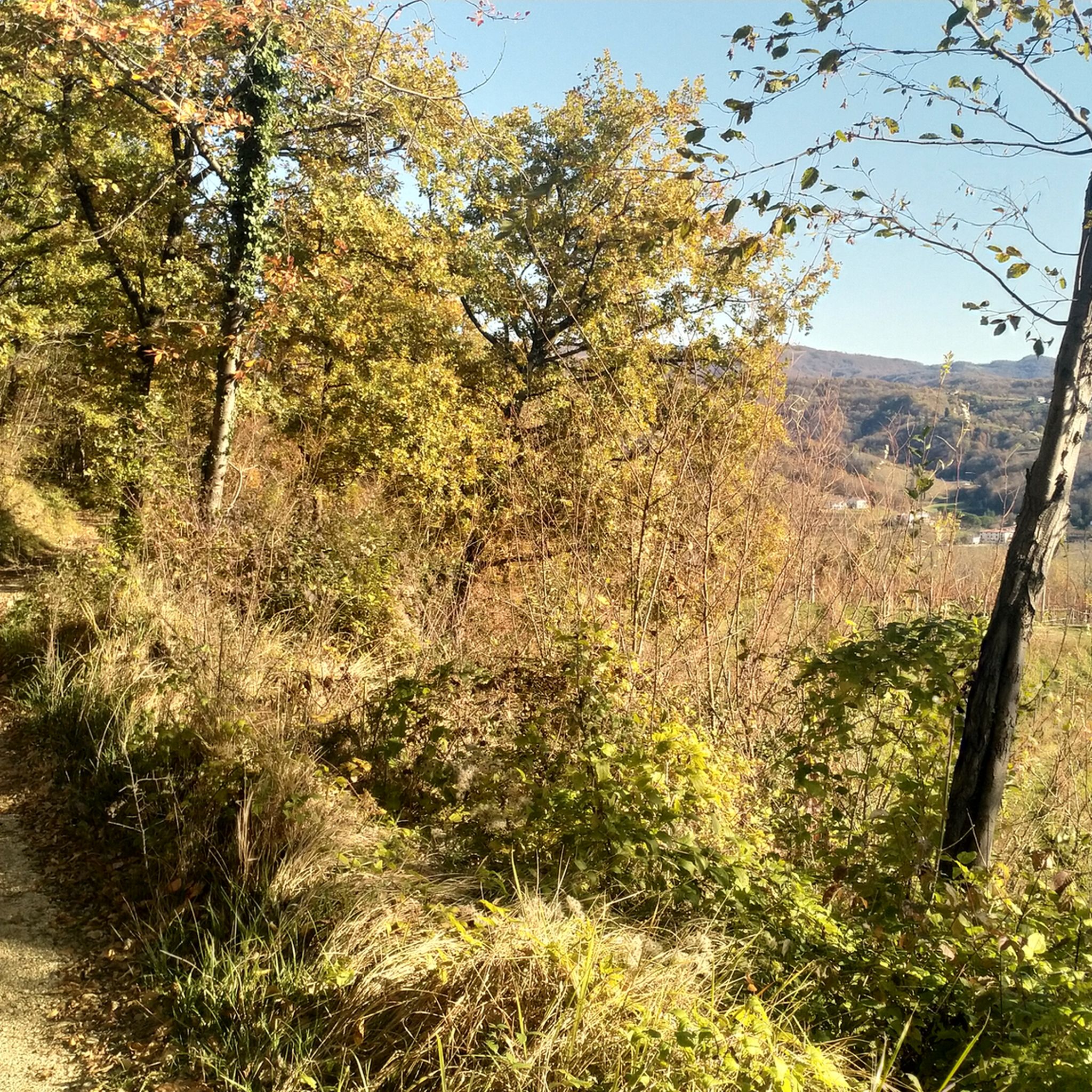
Cycling around Cividale Del Friuli
Running Trails around Cividale Del Friuli

Gravel biking around Cividale Del Friuli
Other adventures around Cividale Del Friuli


Tips from the Community

The thousand-year-old Abbey, whose origins are still unclear, has represented in the past and continues to represent today, especially thanks to its geographical location, a point of connection between East and West, where different cultures can meet and dialogue. Built around the year 1000, the abbey church is in Romanesque style and is dedicated to St. Peter the Apostle. It bears the signs of renovations over time, and architectural elements dating back to different eras (early medieval, 16th-century, and 19th-century) can be found.
0
0

The medieval village of Šmartno is one of the most beautiful villages in the central Brda region. Built on Roman foundations, it is now considered an architectural gem and cultural monument. Behind its walls, it leads back to the rich and picturesque stories of the past and reveals the charm of Brda hospitality. The village of Šmartno is located in the geographical center of Brda, with views stretching from Nanos in the east to the Carnic Alps in the northwest, and from the vast Friuli region to the Adriatic Sea. The village, surrounded by walls and fortified with defensive towers, was first mentioned in 1317. In the first half of the 16th century, a medieval fortress was built on the remains of a Roman outpost around the church. The village served as a border fortress until the mid-18th century, when the Venetian threat was over. The houses in the center are grouped around the Church of St. Martin, the largest parish church in Brda, after which the village was named. The church's bell tower was originally a fortress tower. The bell, featuring the motif of the Three Kings, dates from 1857. The Baroque church features three marble altars, one of which is particularly rich. The presbytery and the Stations of the Cross were painted by Tone Kralj.
6
0

Nestled in an enchanting hilly landscape, it's well worth a visit. All around are many dirt roads and paths winding up and down through vineyards and hills. It frequently hosts cultural events and exhibitions.
0
0

In Manzano it is worth going to Osteria Friuli. You have to try it!
0
1


The pure, unspoiled nature of the Soča River attracts the interest of renowned magazines and critics. Read what the English sports fishing magazine Trout & Salmon reported about fishing in the Soča
3
1
The Soča Valley was the first to earn the title of European Destination of Excellence (EDEN) for its sustainable tourism development. Among other things, it impressed with the "Stories of the Soča" project. Get to know all of Slovenia's EDEN destinations!
3
1
Frequently Asked Questions
What historical sites should I visit in Cividale del Friuli?
Cividale del Friuli is a UNESCO World Heritage site rich in history. Key historical sites include the 8th-century Lombard Temple, a masterpiece of Lombard architecture and art. You can also explore the Devil's Bridge (Ponte del Diavolo), which dates back to the 16th century, and the Cathedral of Santa Maria Assunta, showcasing Gothic-Venetian and Renaissance styles. For a deeper dive into the past, visit the National Archaeological Museum and the Christian Museum, which houses significant early Christian artworks like the Altar of Ratchis.
Are there any unique natural features or viewpoints to explore?
Yes, the region offers several natural highlights and stunning viewpoints. The Devil's Bridge (Ponte del Diavolo) itself offers breathtaking panoramic views of the emerald green Natisone River. The medieval village of Šmartno provides views stretching from Nanos to the Adriatic Sea. Additionally, Rosazzo Abbey and Castelmonte Sanctuary are strategically located on hills, offering beautiful panoramas of the surrounding Friuli landscape.
What are some family-friendly attractions in the area?
Several attractions around Cividale del Friuli are suitable for families. The picturesque medieval village of Kanal on the Soča is family-friendly, offering a charming setting and opportunities for a refreshing dip in the river during summer. The iconic Devil's Bridge (Ponte del Diavolo) is also a great spot for all ages, with its fascinating legend. The medieval village of Šmartno, Rosazzo Abbey, and Castelmonte Sanctuary are also considered family-friendly, offering historical exploration and scenic beauty.
Can I go hiking near Cividale del Friuli?
Yes, the area around Cividale del Friuli offers various hiking opportunities. You can find routes like the "Anello Nord del Natisone loop from Cividale del Friuli" (easy, 5.2 km) or the "Castelmonte to Cividale pilgrimage trail" (moderate, 13.3 km). For more options, explore the Hiking around Cividale Del Friuli guide, which includes routes like the "View of the Collio Vineyards loop" and trails leading to Castelmonte Sanctuary.
What cycling routes are available around Cividale del Friuli?
Cividale del Friuli is a great starting point for cycling adventures. You can find routes such as the "Soča Gorge – Soča Gorge Bridge loop from Cividale del Friuli" (difficult, 83.5 km) or the "Ronco Severo Vineyards – Dobrovo Castle loop from Cividale del Friuli" (difficult, 62.4 km). For a comprehensive list of routes, check out the Cycling around Cividale Del Friuli guide.
Are there any gravel biking trails in the area?
Absolutely! Gravel biking is popular around Cividale del Friuli. Routes include the "Salt Cycle Bridge – Torre Park loop from Cividale del Friuli" (moderate, 41.4 km) and the "Cividale del Friuli – Castelmonte Sanctuary loop from Cividale del Friuli" (difficult, 46 km). Discover more options in the Gravel biking around Cividale Del Friuli guide.
What is the best time of year to visit Cividale del Friuli for outdoor activities?
The warmer months, particularly summer, are ideal for enjoying outdoor activities around Cividale del Friuli. During this time, you can take a refreshing dip in the emerald waters of the Natisone River near Kanal on the Soča. The region also hosts cultural events like the Mittelfest in summer, adding to the vibrant atmosphere. Spring and autumn also offer pleasant weather for hiking and cycling, with beautiful scenery.
What is the Alpe Adria Trail and does it pass through Cividale del Friuli?
The Alpe Adria Trail is a long-distance hiking trail that indeed passes through the Cividale area. It offers pleasant walks through streams and vineyards across the high plain, connecting the Alps to the Adriatic Sea. It's a great option for those looking for multi-day trekking or shorter sections of scenic walks.
What is the significance of the Lombard Temple?
The Lombard Temple (Tempietto Longobardo) is an 8th-century architectural gem and one of the most important and best-preserved examples of Lombard art and architecture in Italy. Located within the Monastery of Santa Maria in Valle, it features intricate stucco work and frescoes, offering a unique glimpse into early medieval culture and the rich Lombard heritage of Cividale del Friuli.
Where can I learn more about the history of Cividale del Friuli?
To delve into the history of Cividale del Friuli, visit the National Archaeological Museum, housed in the Palazzo dei Provveditori Veneti. This museum displays artifacts from the town's pre-Roman, Roman, and Lombard periods, providing a comprehensive overview of its rich past. Additionally, the Christian Museum next to the Cathedral features significant early Christian artworks that highlight the region's religious history.
Are there any cultural events or festivals in Cividale del Friuli?
Cividale del Friuli is known for its vibrant cultural events. Notably, it hosts the internationally renowned Mittelfest, a summer festival dedicated to theater, dance, and music. This festival brings a lively atmosphere to the town, celebrating arts and culture in its historic setting.
What is the medieval village of Šmartno known for?
Šmartno is a medieval village built on Roman foundations in the central Brda region. It is considered an architectural gem and a cultural monument, known for its well-preserved walls and defensive towers. Visitors appreciate its rich history, picturesque streets, and the stunning views it offers, stretching from Nanos to the Adriatic Sea. The village also features the Church of St. Martin, with its bell tower originally serving as a fortress tower.
Most popular routes around Cividale Del Friuli
Most popular attractions around Cividale Del Friuli

Get inspired with the komoot mobile app


Explore more
Still not found the Highlight you’re looking for? See guides of the top attractions in other regions:
