Attractions and Places To See around Bertiolo - Top 20
Best attractions and places to see around Bertiolo include a mix of historical sites, cultural landmarks, and natural features. This charming village in the province of Udine, Italy, offers insights into rich history and local traditions, including its strong viticulture. Visitors can explore significant Venetian villas, ancient mills, and areas shaped by the Stella River, providing a diverse landscape for exploration.
Best attractions and places to see around Bertiolo
- The most popular attractions is Villa Manin, a historical site…
Last updated: July 19, 2026
Villa Manin
Highlight • Historical Site
Translated by Google •
Tip by

Ariis
Highlight • River
Translated by Google •
Tip by
Sign up now to discover places like this
Get recommendations on the best single tracks, peaks, & plenty of other exciting outdoor places.
Sign up for free
Villa Kechler
Highlight • Historical Site
Translated by Google •
Tip by
Old mill on the Roggia Brodiz
Highlight • Monument
Translated by Google •
Tip by

Castello di Flambruzzo
Highlight • Castle
Translated by Google •
Tip by
Sign up for free to discover even more attractions around Bertiolo.
Sign up for free
Already have an account?
Start today with a free account
Your next adventure awaits.
Login or Signup
Tips from the Community

Villa Kechler was probably built at the end of the 16th century by the powerful Manin family. It was sold in the middle of the following century to complete the far more ambitious project of Villa di Passariano. The village of San Martino slowly grew around the villa. In the 19th century, the villa was acquired by the Kechler family, who then decided to open a silk mill in the western barchessa. The villa consists of a central section with a large Venetian-style manor house featuring a central hall, four side rooms, a double staircase, and three central windows in the center of the façade. Two lower buildings are located on either side. Two long, completely independent red barns (barchesse) line the large garden decorated with neoclassical statues, while the extensive park extends behind the house to the north. In 1975, the villa was remodeled and restored by the architect Edgardo Pinto Guerra, allowing it to be divided into two independent living units for two small families of the same extended family.
1
0
The Castello di Flambruzzo estate is a formerly magnificent building, remodeled several times over the centuries, whose current layout dates back to the 16th century. It is surrounded by an extensive English-style park covering an area of almost four hectares. The ground floor of the building is designed in the style of Venetian villas, with a main hall featuring two French doors and four doors leading to adjoining rooms, including two libraries and the Sala Badoglio. The south-facing halls open onto the large terrace overlooking the park and swimming pool. The villa also has a private chapel where religious weddings can be held. Source: https://www.turismofvg.it/de/wedding/unsere-einrichtungen/castello-di-flambruzzo?LangSetCMS=de
0
0
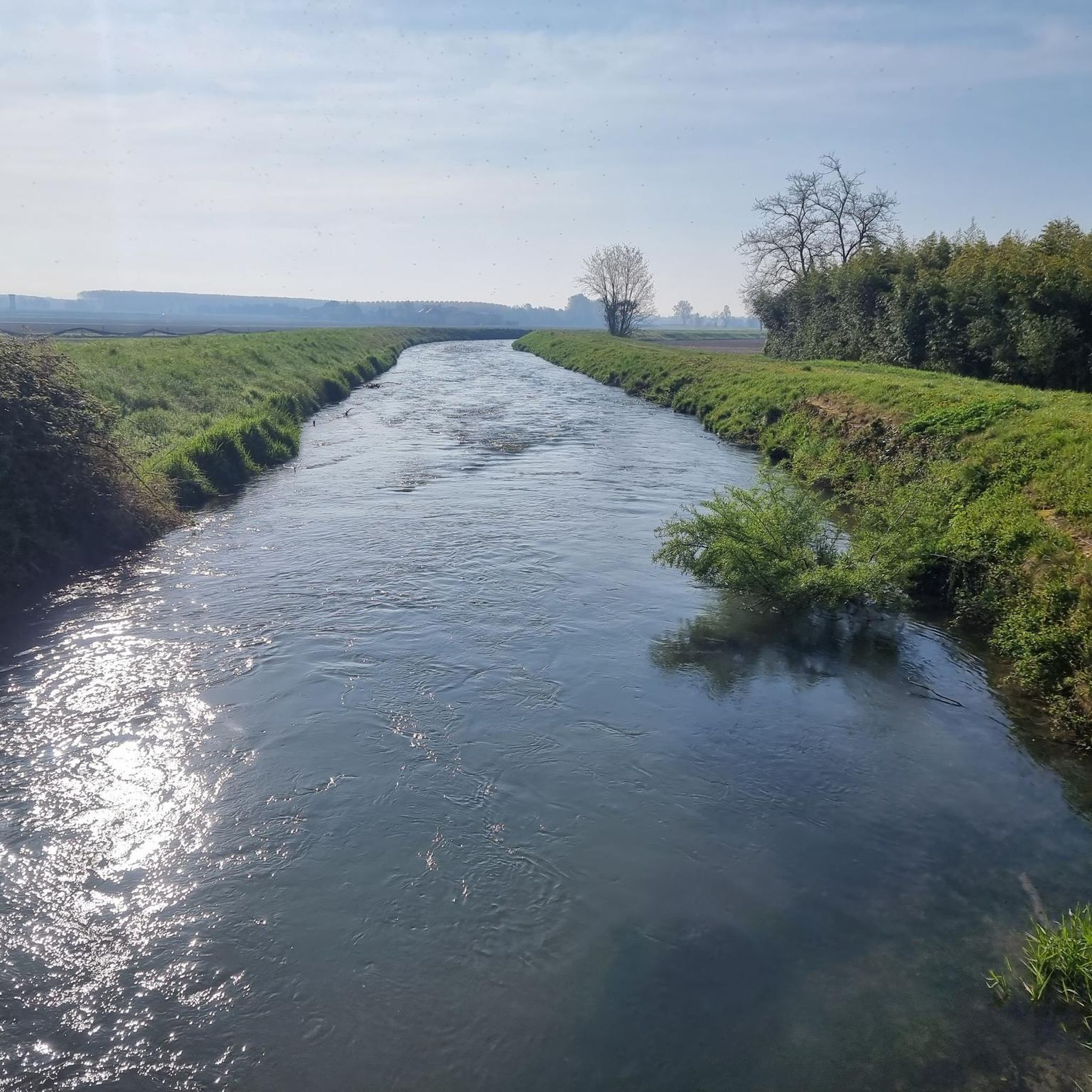
Ariis was first mentioned in documents in 1267. The core of the village consisted of a castle, traces of which can still be seen today. In the 14th century, Ariis, located on the Stella River, was an important regional economic center. A major source of income was taxes collected from passing villagers. With the construction of Palmanova, Ariis lost its strategic importance. Today, Ariis is a pleasant stopover town.
2
0
A worth seeing old mill that is easy to reach and can be visited directly on the roadside.
0
0

Beautiful and evocative, the mill is visible from the main road that crosses the village
0
0


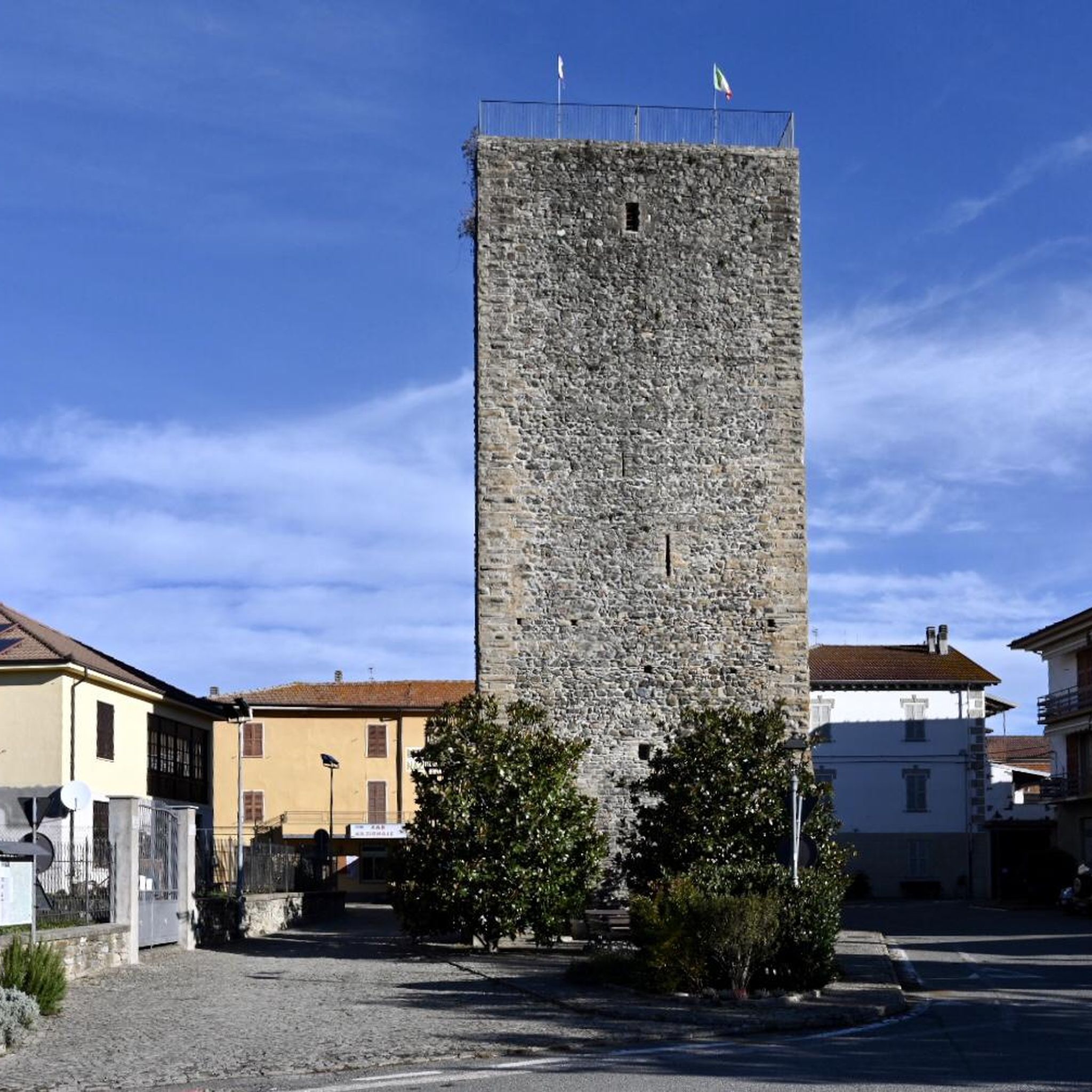
The villa was purchased in 1910 by Count Francesco Rota of San Vito al Tagliamento who resold it a few years later. Finally, after the Second World War, it was purchased by Pietro Badoglio and is still owned by his heirs. As the General Catalogue of Cultural Heritage states, the Villa was built in neoclassical style, using the most classic Palladian schemes. The park is ‘English style’; instead, in the interior we can still admire splendid tempera paintings dating back to the end of the eighteenth century. Near the Villa, it is also worth mentioning the presence of the farmhouse Le Catocchie, also dating back to the eighteenth century, with a courtyard that features a beautiful sacred fresco. In short, a remarkable collection of pieces of art in a handkerchief of land otherwise ignored by most. https://www.friulioggi.it/cultura/curiosita-friuli/villa-codroipo-rota-badoglio-flambruzzo/ The complex originated from a castle that was returned, in 1258, by the Savorgnan family to the patriarch Gregorio da Montelongo. In 1466 it became the property of the Codroipo family who transformed the manor into a villa, keeping only the gate tower with the access bridge, at that time a drawbridge. In 1910 the villa became the property of the Rota family and subsequently, through the female line, of the Badoglio family. Today, only the three-story gate tower with a carriage passage remains of the ancient castle, while the ancient wooden bridge has been replaced by a stone structure. https://patrimonioculturale.regione.fvg.it/architettura/?s_id=448179&s_tab=oa
0
0

In the village of Ariis, one of the most beautiful in the Friulian plain, this old mill seems to have come from another century. It is immersed in nature and would be powered by the Roggia Brodiz, if it were still active.
0
0
Frequently Asked Questions
What historical sites can I visit near Bertiolo?
Bertiolo and its surroundings are rich in history. You can explore the magnificent 18th-century Villa Manin, known for its architecture and historical significance as the site of the Treaty of Campoformido. The village of Ariis also holds historical importance with traces of a 14th-century fortified castle. Additionally, the Villa Kechler, a late 16th-century residence, offers a glimpse into the past, having once belonged to the Venetian Manin family.
Are there any significant villas or architectural landmarks to explore?
Absolutely. The most prominent is Villa Manin in Passariano di Codroipo, an impressive 18th-century Venetian villa with elegant architecture, frescoes, and extensive gardens. Another notable landmark is Villa Kechler in San Martino, a late 16th-century residence with a beautiful park and historical ties to the Manin family.
What ancient mills can be found in the area?
The region features several historic mills. The Old mill on the Roggia Brodiz in Ariis dates back to the 18th century and is set in a picturesque natural environment. Another significant site is the Braida Mill and Flambro Springs, an ancient water mill whose construction dates back to before the 12th century, located within a natural biotope.
What natural features or landscapes can I explore around Bertiolo?
Bertiolo is surrounded by diverse natural landscapes. You can visit the Ariis river area, known for its excellent landscapes along the Stella River and the adjacent park of Villa Ottelio. The area also features the 'Life Friuli Fens' Biotopes, dedicated to conserving unique alkaline peat bogs and resurgence areas. Don't miss the monumental 'La Farnia di Sterpo', one of Italy's largest and oldest oak trees, located in Sterpo.
Are there any unique natural biotopes or protected areas?
Yes, Bertiolo is part of a project focused on conserving and reconstructing alkaline peat bogs, known as the 'Life Friuli Fens' Biotopes. These unique wetlands are crucial for safeguarding rare plant species. The Braida Mill and Flambro Springs is also located within a natural biotope of high naturalistic value.
What outdoor activities or trails are available near Bertiolo's attractions?
The area around Bertiolo offers various outdoor activities. You can find numerous trails for running, mountain biking, and hiking. For example, there are moderate running routes like the Stella River – Forest of Ariis loop. Mountain bikers can explore routes such as the Forest of Ariis – Barrier-Free Footbridge loop. Hikers can enjoy easy trails like the Biotopo Risorgive di Flambro – Mulino Braida loop. You can find more details on these activities and routes in the respective guides: Running Trails around Bertiolo, MTB Trails around Bertiolo, and Hiking around Bertiolo.
Are there easy hiking trails suitable for families?
Yes, there are easy hiking options suitable for families. For instance, the 'Biotopo Risorgive di Flambro – Mulino Braida loop' is an easy 7.89 km hike, and the 'Villa Manin loop' is an easy 6.76 km hike. These trails offer pleasant walks through natural settings. More easy hiking routes can be found in the Hiking around Bertiolo guide.
Are there family-friendly attractions around Bertiolo?
Many attractions around Bertiolo are suitable for families. Villa Manin, with its vast historical park, offers space for children to explore. The natural settings around Ariis and the Braida Mill and Flambro Springs provide opportunities for outdoor activities and picnics. The historic mills and natural biotopes also offer educational experiences for all ages.
Are there any unique or lesser-known attractions worth discovering?
Beyond the main highlights, consider visiting the Church of San Girolamo in Sterpo, which has a history spanning over half a millennium and is situated within the park of Villa Venier. The Santuario della Beata Vergine di Screncis, built with contributions from neighboring towns, also offers a unique cultural experience, especially during its annual festival in September.
When is the best time to visit Bertiolo's attractions?
The region is enjoyable throughout much of the year. Spring and autumn offer pleasant weather for exploring historical sites and natural landscapes, with comfortable temperatures for outdoor activities. The 'Festa del Vino' (Wine Festival) typically held in March, provides a cultural highlight for those interested in local traditions and viticulture.
Are there any UNESCO World Heritage sites accessible from Bertiolo?
Yes, several significant UNESCO World Heritage sites are within reasonable proximity to Bertiolo. These include Cividale del Friuli, known for its Lombard artifacts; Palmanova, a unique star-shaped fortress-city; and Aquileia, an important Roman Empire seat renowned for its archaeological areas and stunning floor mosaics.
What do visitors particularly enjoy about the attractions around Bertiolo?
Visitors appreciate the rich blend of history, culture, and nature. The grandeur of Villa Manin and the picturesque settings of places like Ariis along the Stella River are highly rated. The ancient mills, such as the Braida Mill, are also popular for their historical charm and integration into natural biotopes. The komoot community has shared over 190 photos and given more than 360 upvotes, highlighting the area's appeal.
Most popular routes around Bertiolo
Most popular attractions around Bertiolo

Get inspired with the komoot mobile app


Explore more
Still not found the Highlight you’re looking for? See guides of the top attractions in other regions:
