The best walks and hikes around Palmanova
4.1
(167)
1,220
hikers
27
hikes
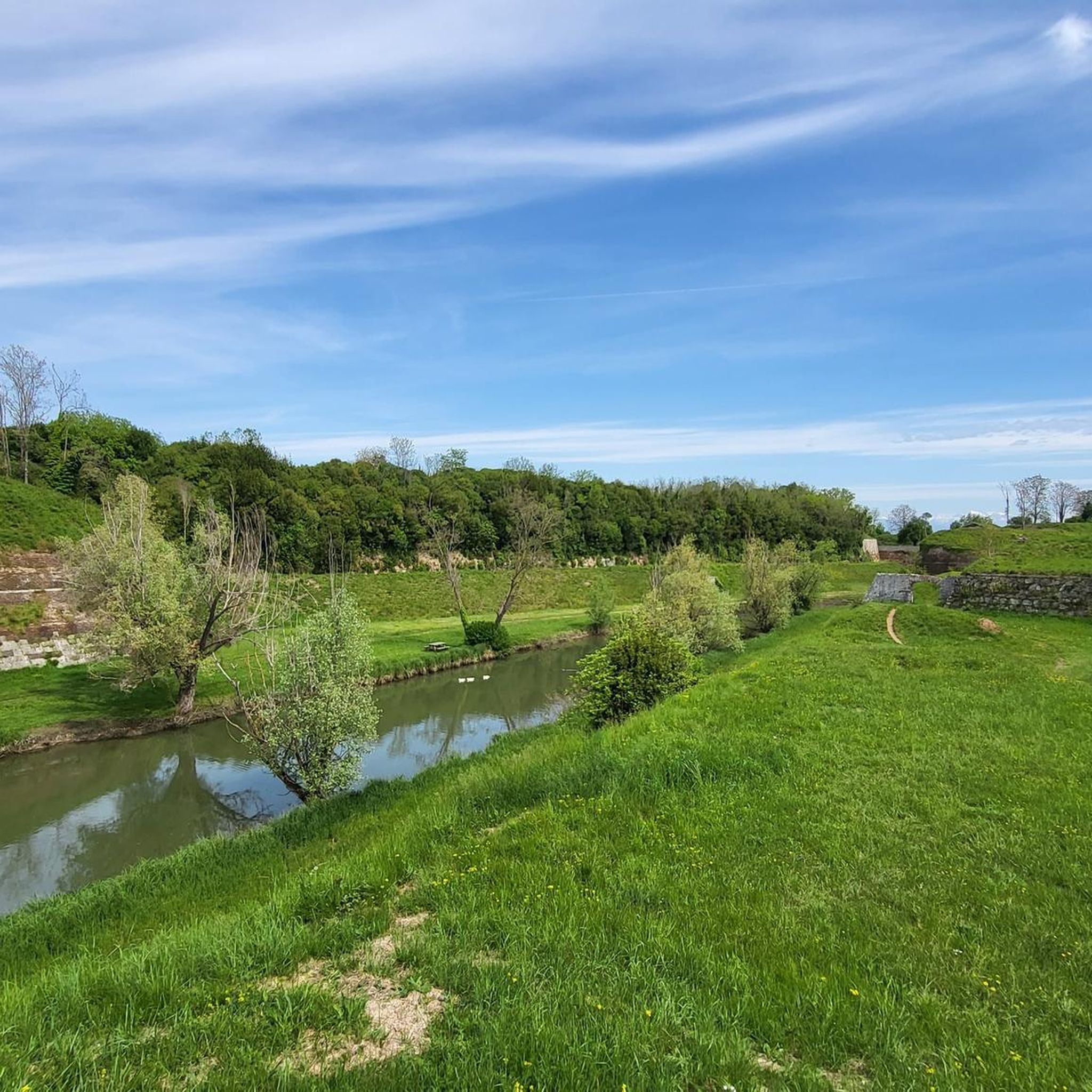
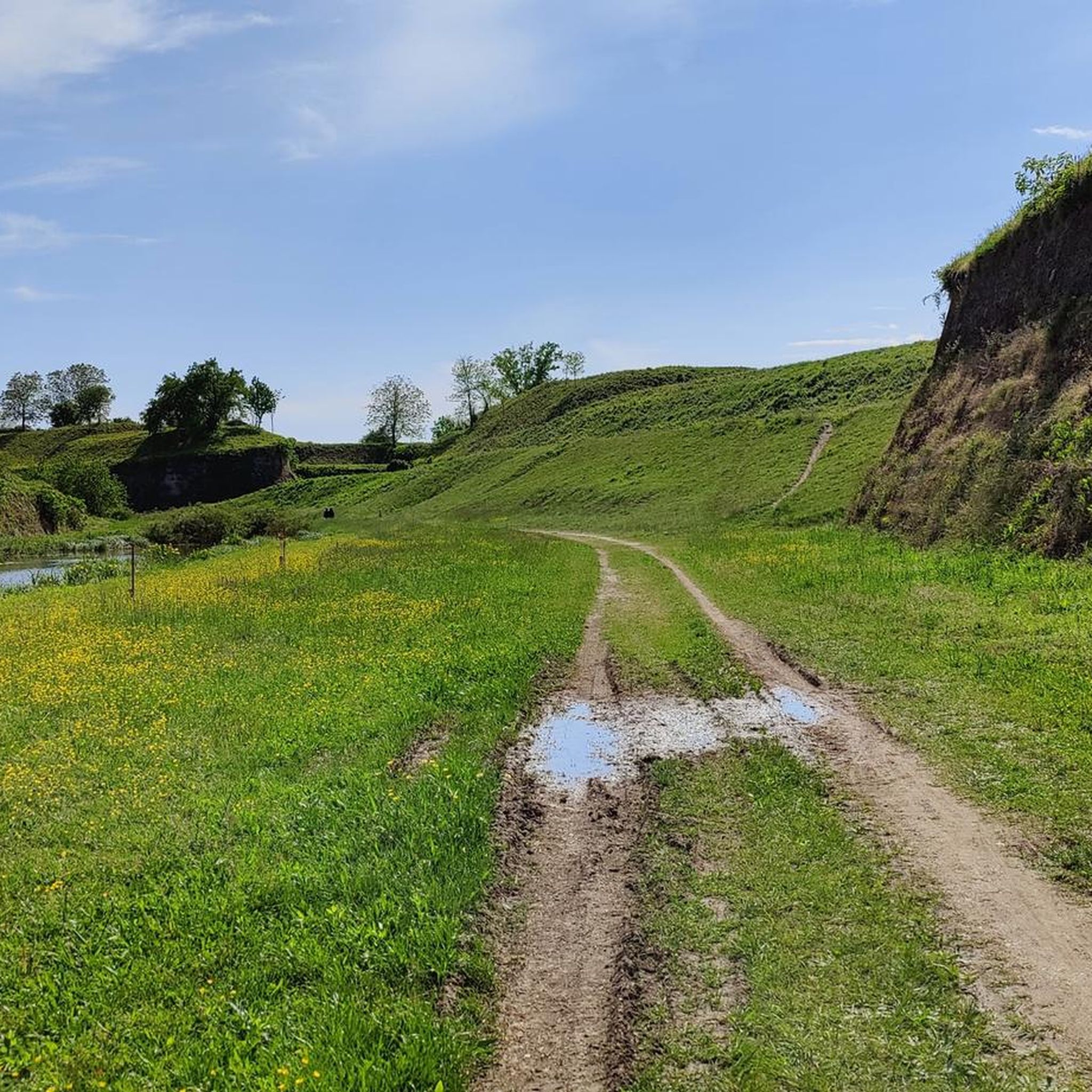
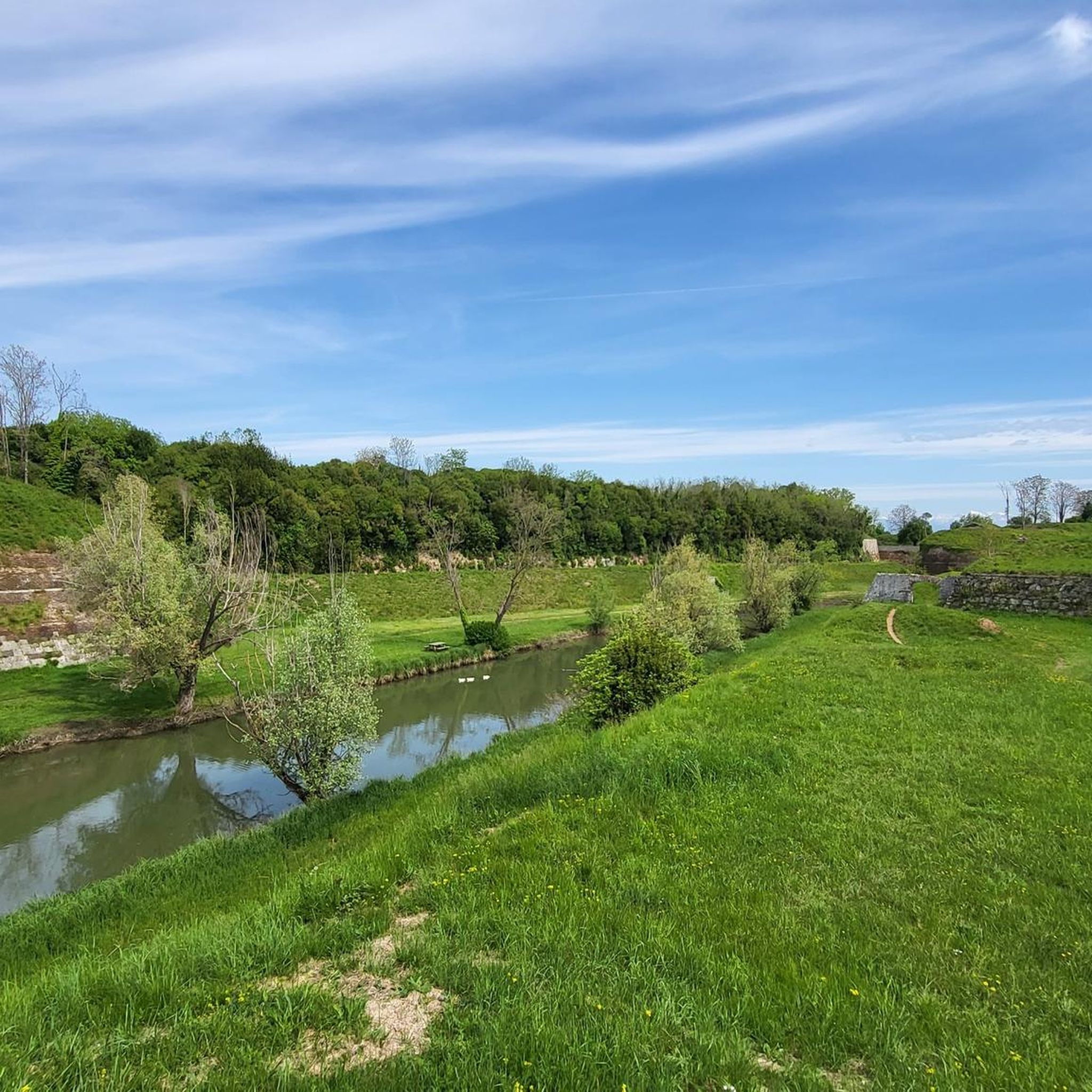
Hiking around Palmanova offers exploration within a unique historical landscape, characterized by its star-shaped Renaissance fortifications and surrounding flat plains. The region, part of Friuli-Venezia Giulia, features agricultural areas and ancient ramparts, providing accessible walking paths. These routes often follow the town's defensive structures and extend into the surrounding countryside. The terrain is generally flat, with minimal elevation changes.
Best hiking trails around Palmanova
- The most popular hiking route is Porta Udine – Porta Aquileia loop from Palmanova, a…
Last updated: August 28, 2026
4.6
(44)
370
hikers
8.47km
02:11
40m
40m
Moderate hike. Good fitness required. Easily-accessible paths. Suitable for all skill levels.
22
hikers
3.66km
00:57
20m
20m
Easy hike. Great for any fitness level. Easily-accessible paths. Suitable for all skill levels.

Sign up for free
5.0
(2)
17
hikers
8.50km
02:10
20m
20m
Moderate hike. Good fitness required. Easily-accessible paths. Suitable for all skill levels.
12
hikers
2.79km
00:43
10m
10m
Easy hike. Great for any fitness level. Easily-accessible paths. Suitable for all skill levels.
8
hikers
7.52km
01:55
20m
20m
Easy hike. Great for any fitness level. Easily-accessible paths. Suitable for all skill levels.
Get access to more routes and recommendations from other explorers.
Sign up for free
Already have an account?
Our route recommendations are based on thousands of hikes, rides, and runs completed by other people on komoot.
Start today with a free account
Your next adventure awaits.
Login or Signup
Tips from the Community

A fortress town worth seeing
0
0

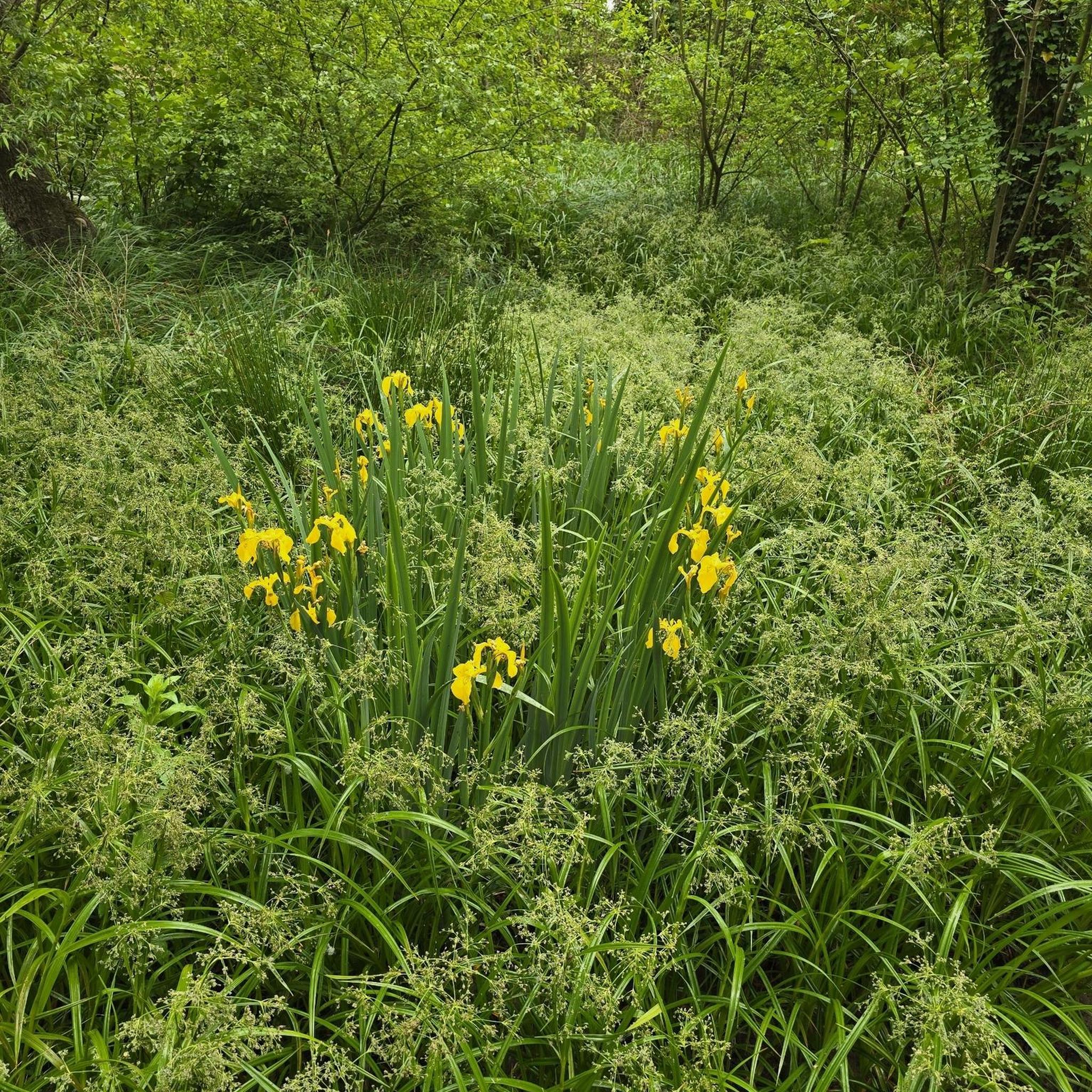
Pedaling along the Bastions of Palmanova is always a thrill. The waterway offers a wealth of biodiversity.
0
0
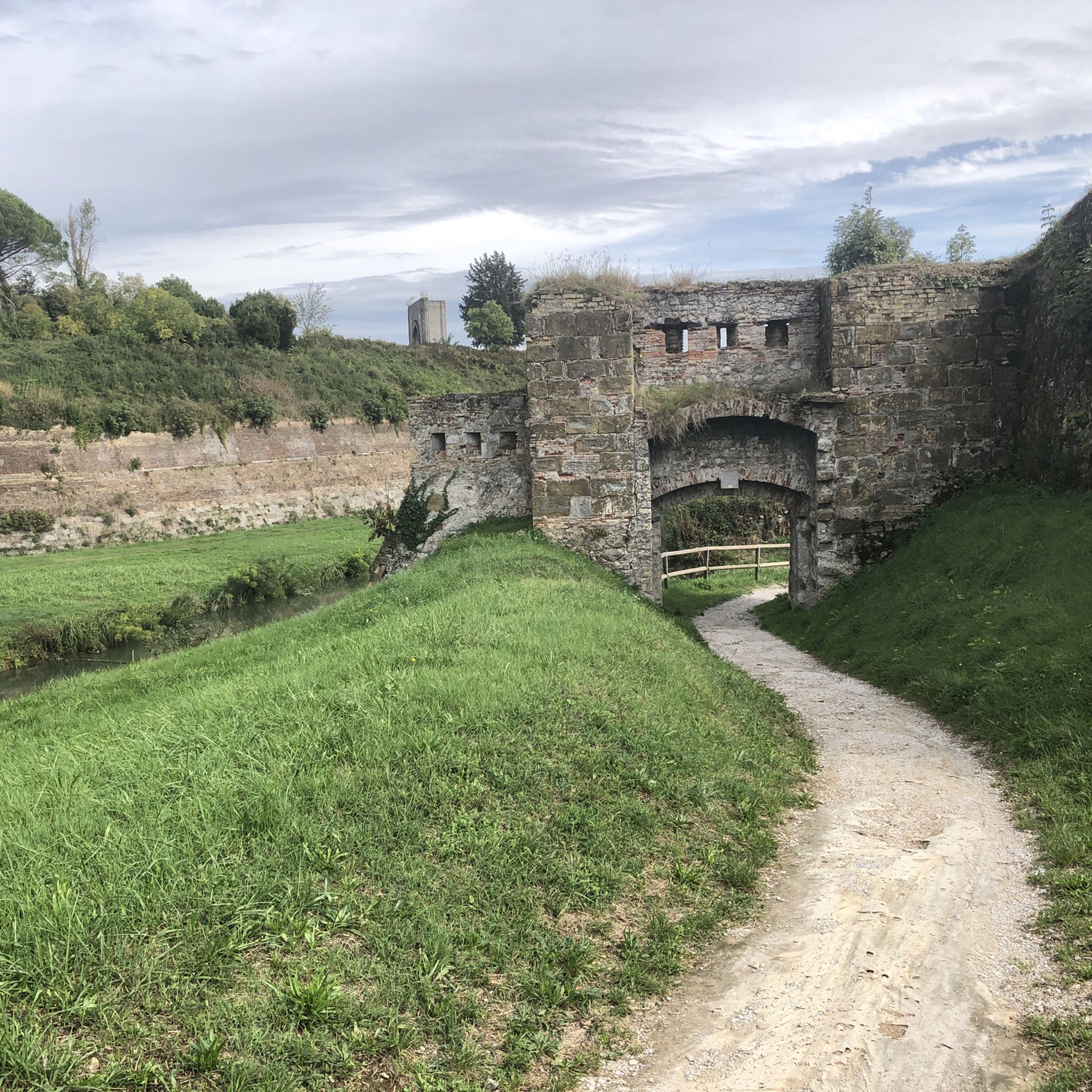
One of the three entrance gates of Palmanova, with Porta Aquileia and Porta Udine.
0
0

The Palmanova fortress is located on a site where spring water could have been an excellent defensive element, along with the moats. This machine was useful for moving the water.
0
0
The ingenuity of the Venetians in designing and building machines for various construction activities.
0
0

Porta Cividale in Palmanova - along with Porta Aquileia and Porta Udine, each with their early Baroque outworks, is one of three city gates that provide access to the city through the fortified belt with three rings of fortresses. Palmanova itself was founded on October 7, 1593, as a planned city/fortress with a central square and radial street network in the shape of a nine-pointed star. It was the most important land base and served to protect the Republic of Venice from the Turks. Today it is a UNESCO World Heritage Site.
0
0

The imposing building of the "Deposito delle Monizioni" or "Fontego Pubblico" (Food Warehouse), also called the Arsenal, was built starting in 1596 under Superintendent Zuanne Bembo and expanded between 1616 and 1617. To the left of the entrance stands the dedication plaque with the coat of arms, honoring the virtues of Superintendent Giovanni Nani, who had the building expanded in 1625. Ammunition, provisions, tools, and reserve artillery mounts were stored inside. In the 19th century, the building was used as a barracks known as Montezemolo and remained in use until the mid-1990s, most recently housing the Pozzuolo Brigade. It is currently being restored.
6
0
The city lies like a fortress, partially enclosed by a wall. The barracks behind this wall were supposed to be abandoned. A construction site has now been set up for the restoration of the barracks complex.
6
0
Frequently Asked Questions
How many hiking trails are available around Palmanova?
There are over 20 hiking trails around Palmanova, offering a variety of experiences. The majority, 16 routes, are rated as easy, with 5 moderate options for those seeking a bit more challenge.
What is the typical terrain like for hiking around Palmanova?
Hiking around Palmanova primarily features flat plains and agricultural areas, with minimal elevation changes. The most distinctive terrain involves walking along the ancient star-shaped fortress walls and moats, offering unique historical paths. The surrounding Friuli-Venezia Giulia region also provides access to initial foothills for slightly more varied landscapes.
What makes hiking around Palmanova unique?
Hiking in Palmanova is unique due to its perfectly symmetrical, nine-pointed star-shaped fortifications, a UNESCO World Heritage site. Trails often follow these historic ramparts, providing a blend of natural beauty and Renaissance military architecture. Additionally, segments of the ancient Roman Via Postumia pass through the region, offering historical long-distance hiking experiences.
What do other hikers say about the trails in Palmanova?
The hiking trails in Palmanova are highly rated by the komoot community, with an average score of 4.2 stars from around 150 reviews. Hikers often praise the well-maintained paths along the historic fortress walls and the unique architectural experience.
Are there easy hiking options suitable for beginners in Palmanova?
Yes, Palmanova is excellent for beginners and casual walkers. Many routes are easy, such as the Udine Gate – Palmanova loop from Palmanova, which is 2.0 miles (3.2 km) and takes about 49 minutes. These trails often circle the fortress, providing accessible and scenic walks.
Are there any longer or more challenging hikes available?
While most trails are easy, there are moderate options for longer excursions. For example, the Porta Aquileia (Palmanova) – Udine Gate loop from Palmanova is an 8.6 miles (13.8 km) moderate path that offers an extended exploration of the fortress perimeter and surrounding areas. The broader Friuli-Venezia Giulia region also offers access to more diverse and challenging environments like Natura 2000 sites.
Are there any circular hiking routes around Palmanova?
Yes, many of the popular routes around Palmanova are circular, allowing you to start and end in the same location. Examples include the Porta Udine – Porta Aquileia loop from Palmanova and the Palmanova – Porta Aquileia (Palmanova) loop from Palmanova, both offering convenient ways to explore the fortress and its surroundings.
What natural features or landmarks can I see while hiking near Palmanova?
While hiking around Palmanova, you'll primarily encounter the impressive Renaissance fortifications, including the Udine Gate and Porta Aquileia (Palmanova), which are part of the UNESCO-listed Palmanova Star Fortified Town. Beyond the town, the region features biotopes like Palude di Fraghis, offering nature walks and birdwatching opportunities.
Are the hiking trails around Palmanova family-friendly?
Yes, many trails around Palmanova are very family-friendly, especially the easy loops along the fortress walls. The flat terrain and well-maintained paths make them suitable for all ages and fitness levels, allowing families to enjoy the historical scenery together.
Can I hike with my dog around Palmanova?
Generally, dogs are welcome on trails around Palmanova, especially on the open paths along the fortress walls and in the surrounding agricultural areas. It's always advisable to keep your dog on a leash and ensure you clean up after them to respect other hikers and the local environment.
What is the best time of year to go hiking in Palmanova?
The best time to hike in Palmanova is typically during the spring (April to June) and autumn (September to October) months. During these periods, the weather is mild and pleasant, ideal for exploring the fortress and surrounding countryside. Summers can be warm, and winters can be chilly, though hiking is possible year-round.
Is public transport available to access hiking trails in Palmanova?
Palmanova is well-connected by local public transport, making it accessible. Buses often serve the town, and from the town center, you can easily reach the starting points of many hiking trails, particularly those around the fortress walls.
Where can I find parking for hiking trails in Palmanova?
Parking is generally available in and around Palmanova, especially near the town center and the main gates of the fortress. These areas provide convenient access to the various hiking loops that explore the fortifications and lead into the surrounding countryside.
Are there places to eat or stay near the hiking trails in Palmanova?
Palmanova, being a historic town, offers various amenities. You'll find cafes, restaurants, and accommodation options within the town itself, many of which are conveniently located near the starting points of the hiking trails. This allows for easy access to refreshments and lodging after your hike.
Most popular routes around Palmanova
Most popular attractions around Palmanova

Get inspired with the komoot mobile app


Explore more
Browse the best Hikes in other regions.
