Attractions and Places To See around Basiliano - Top 20
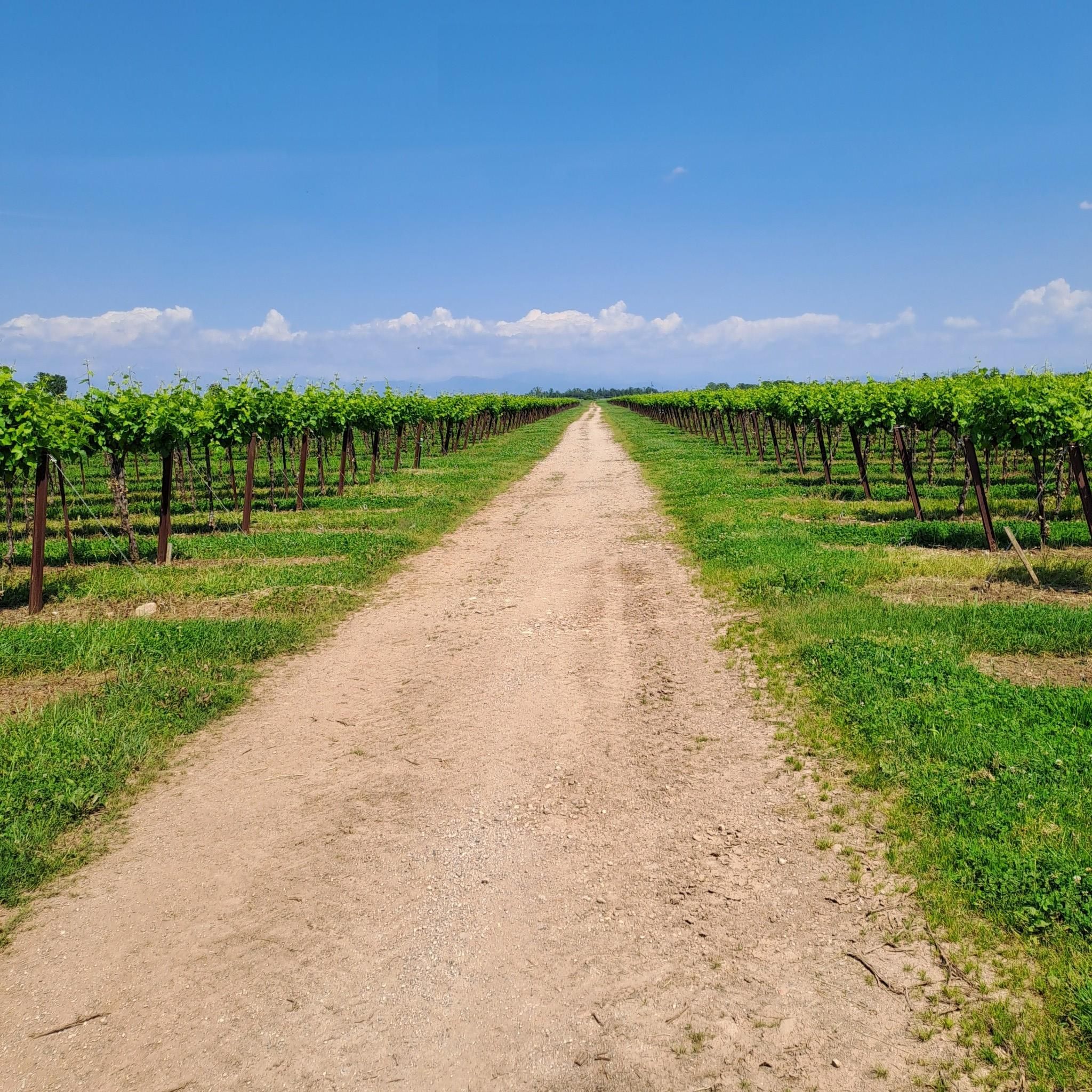
Best attractions and places to see around Basiliano offer a glimpse into rural Italian life within the Friulian plain. This municipality is characterized by its quiet countryside, cultivated fields, and distinctive white votive churches. Visitors can explore historical churches, local monuments, and ancient sites that reflect the region's rich past. The area provides a tranquil setting for discovering landmarks near Basiliano Italy.
Best attractions and places to see around Basiliano
- The most popular attractions is Liberty Square, Udine, a…
Last updated: August 30, 2026
Liberty Square, Udine
Highlight • Historical Site
Translated by Google •
Tip by

Villa Manin
Highlight • Historical Site
Translated by Google •
Tip by
Sign up now to discover places like this
Get recommendations on the best single tracks, peaks, & plenty of other exciting outdoor places.
Sign up for free
Loggia of Lionello
Highlight • Historical Site
After various changes over the centuries, it …
Translated by Google •
Tip by

Fagagna Castle
Highlight • Castle
Translated by Google •
Tip by

Udine Castle
Highlight • Castle
Translated by Google •
Tip by
Sign up for free to discover even more attractions around Basiliano.
Sign up for free
Already have an account?
Start today with a free account
Your next adventure awaits.
Login or Signup

Tips from the Community

The castle grounds with the many viewpoints are free, the museums in the castle cost admission. Those who cannot manage the short but steep climb can use the free panoramic elevator.
3
0
One of the oldest and most significant historical buildings in the center. The history of this loggia dates back to 1441, when the decision was made to build a new town hall. Over the years, the building was repeatedly expanded and restored and rebuilt after several destructions. Fortunately, the beautiful Venetian style has always been preserved.
4
0

Udine Castle sits majestically atop a hill in the heart of the city and is a true symbol of Friuli's history and identity – perfect for your kind of cultural and historical exploration, Kai 🏰📚. 🏗️ Architecture & Origin Location: On an artificial mound dating back to the Bronze Age – the largest prehistoric mound in Europe. Constructed: After the 1511 earthquake that destroyed the old fortress of the Patriarch of Aquileia, reconstruction began in 1517 and lasted approximately 50 years. Architects: Giovanni da Udine, a student of Raphael, designed the facades and the magnificent Salone del Parlamento (Parliament Hall). 🖼️ Museum Use Today, the castle houses the Civic Museums of Udine, including: Gallery of Ancient Art: Works by Carpaccio, Tiepolo, and Caravaggio. Museum of the Risorgimento: History of Italian unification. Archaeological & Numismatic Museum: Finds from the region. Museum of Photography: With over 150,000 historical images. Library & Photo Archive: Over 30,000 books and 180,000 photographs. 🕰️ Historical Significance 983: First documented mention as a castrum under Emperor Otto II. Patriarchal Seat: Until Venetian rule in 1420. Parliament Hall: Center of political decision-making until the Napoleonic conquest in 1797. 🌄 Experience & View The hill offers a breathtaking view over Udine and the surrounding countryside – ideal for a panoramic break. Events such as concerts and theatrical performances are regularly held in the plaza.
2
0
The Loggia del Lionello is one of the most striking buildings in Udine – a Venetian-Gothic gem that combines history, architecture, and urban symbolism. Architecture & Origin Built: From 1448, based on a proposal by Nicolò Savorgnan to create a representative seat for the city council. Namesake: Nicolò Lionello, a goldsmith and city councilor who oversaw construction. Style: Venetian Gothic – with characteristic pointed arches, trifora, and a façade pattern of pink and white stone. Location: Directly on Piazza Libertà, opposite the Clock Tower and the Tempietto di San Giovanni – an ensemble that forms the centerpiece of Udine. Special Features Facade: Ten pointed arches on the ground floor, above which is a central loggia with a balcony and flanking trifora. Decoration: Coat of arms of the city of Udine and reliefs depicting religious scenes such as the Annunciation. Pentafora: On the north side – with finely crafted stone medallions and figures of the Evangelists. 🔥 Destruction & Reconstruction 1511 & 1876: Two devastating fires destroyed large parts of the loggia. Reconstruction: Reconstructed in the 19th century, closely adhering to the original Gothic form. 🕰️ Function & Significance Historically: Seat of the city council and symbol of local self-government.
1
0


The 16th-century castle now houses a museum and is easily accessible via a free elevator.
2
0

The drive up is worth it because from the top you can enjoy a beautiful, wide view of Friuli. The "place up there" is also very well maintained and invites you to linger. A restaurant completes the pleasant experience.
0
0

Frequently Asked Questions
What historical and cultural sites can I explore in Basiliano and its immediate surroundings?
Basiliano and its hamlets are rich in history. You can visit several significant churches, such as the Parish Church of Sant'Andrea Apostolo and the country church of San Marco Evangelista in Basiliano. In Orgnano, there's the Church of San Bartolomeo Apostolo, while Villaorba features the country church of Sant'Orsola (erected in 1338) and the Parish Church of San Tommaso Apostolo. Variano hosts the country church of San Leonardo, dating back to the 16th century with frescoes from 1529, and the Parish Church of San Giovanni Battista (Duomo di Variano), established around 1190. Additionally, the "Castelliere di Variano/Colle di San Leonardo" offers a glimpse into ancient Bronze Age settlements.
Are there any notable castles or grand villas to visit near Basiliano?
Yes, several impressive historical structures are within easy reach. You can explore Fagagna Castle, which stands on an esplanade offering views of the plain and has existed since the tenth century. Another must-see is Udine Castle, a 16th-century castle housing the city museum and providing panoramic views of Udine's historic old town. For a grand experience, visit Villa Manin in Passariano, a grandiose 18th-century complex known for its art exhibitions and extensive historical park.
What kind of natural landscapes and parks can I find in the Basiliano area?
The Basiliano municipality is nestled in the tranquil Friulian plain, characterized by quiet countryside and cultivated fields. You can enjoy the natural beauty of oak and beech woods (Boschi di Quercia e Faggio), which are ideal for excursions and outdoor walks. For relaxation and recreation, there's also the public
Parco Salvo D'Acquisto
.What are some family-friendly attractions around Basiliano?
Many of the historical sites and parks are suitable for families. Liberty Square, Udine, with its beautiful architecture and open space, is considered family-friendly. Villa Manin, with its vast historical park, offers plenty of space for children to explore. The public
Parco Salvo D'Acquisto
in Basiliano is also a great spot for family recreation.Are there opportunities for hiking or cycling near Basiliano?
Absolutely! The rural landscape around Basiliano is perfect for outdoor activities. You can find numerous routes for hiking, mountain biking, and cycling. For detailed routes and guides, explore the Hiking around Basiliano, MTB Trails around Basiliano, and Cycling around Basiliano guides. These guides feature routes like the 'The Great Oak of Bonavilla' for hiking and 'Villa Manin – Udine Ossuary Temple' for cycling.
What is the Loggia del Lionello and where can I find it?
The Loggia of Lionello is a stunning public loggia located in Udine's Liberty Square. Built in Venetian-Gothic style between 1448 and 1457, it's considered one of the most beautiful Venetian-style squares outside of Venice itself. It's a significant historical landmark and a wonderful meeting point.
Are there any monuments commemorating local history in Basiliano?
Yes, Basiliano honors its past with monuments to the Fallen of the First and Second World Wars. These significant memorials, crafted by local sculptor Aurelio Mistruzzi, are located in Piazza del Municipio in Basiliano, serving as a poignant reminder of the community's history.
What do visitors particularly enjoy about the attractions around Basiliano?
Visitors appreciate the blend of historical richness and tranquil rural beauty. Many enjoy the Venetian-style architecture of places like Liberty Square, Udine, and the panoramic views from Fagagna Castle and Udine Castle. The extensive grounds of Villa Manin are also highly praised for their beauty and historical significance. The overall peaceful atmosphere and the opportunity to explore charming villages and cultivated fields are frequently highlighted.
Are there any unique cultural symbols or initiatives in Basiliano?
Yes, Basiliano, along with Villaorba, features the "Panchina Rossa" (Red Bench). This symbol is part of an initiative to remember and raise awareness for women victims of violence, reflecting a commitment to social causes within the community.
What is the best way to experience the rural charm of Basiliano?
To truly experience Basiliano's rural charm, consider exploring its network of cultivated fields connected by pebbly red earth streets. Walking or cycling through these areas allows you to discover the small rural villages and distinctive white votive churches at a leisurely pace, immersing yourself in the quiet countryside life. The oak and beech woods also offer excellent opportunities for peaceful excursions.
Can I find any ancient Roman history in the Basiliano area?
Yes, the region has ties to ancient Roman history. Roman castles were built in areas like Variano and Villaorba, serving to defend Aquileia against invasions. These sites offer a historical connection to the broader Roman presence in the Friuli-Venezia Giulia region.
Most popular routes around Basiliano
Most popular attractions around Basiliano

Get inspired with the komoot mobile app


Explore more
Still not found the Highlight you’re looking for? See guides of the top attractions in other regions:
