The best road cycling routes around Artegna
4.6
(423)
11,080
riders
33
rides
Road cycling around Artegna offers diverse terrain at the foot of the pre-Alpine hills in Italy's Friuli Venezia Giulia region. The area features a mix of challenging ascents into the hills and more relaxed routes across the Palûts plain. This landscape is characterized by traditional agricultural fields, waterways, and wooded sections, providing varied scenery for cyclists. The region's strategic location allows for routes that explore both the mountainous backdrop and the flat, biodiverse plains.
Best road cycling routes around Artegna
…Last updated: October 7, 2026
5.0
(10)
210
riders
86.2km
04:13
490m
490m
Moderate road ride. Good fitness required. Some segments of this route may be unpaved and difficult to ride.
4.5
(10)
195
riders
58.9km
02:33
430m
430m
Moderate road ride. Good fitness required. Some segments of this route may be unpaved and difficult to ride.

5.0
(8)
178
riders
66.4km
02:45
390m
390m
Moderate road ride. Good fitness required. Mostly well-paved surfaces and easy to ride.
4.8
(5)
114
riders
Moderate road ride. Good fitness required. Mostly well-paved surfaces and easy to ride.
3.9
(8)
96
riders
33.7km
01:28
250m
250m
Easy road ride. Great for any fitness level. Mostly well-paved surfaces and easy to ride.
Get access to more routes and recommendations from other explorers.
Already have an account?
Our route recommendations are based on thousands of hikes, rides, and runs completed by other people on komoot.
Start today with a free account
Your next adventure awaits.

Tips from the Community

In the 13th century, the lords of Artegna began the construction of a building on the Colle di San Martino, expanding and transforming existing structures. This new complex, of which the central load-bearing wall and the tower, improperly called "Lombard", are the oldest parts, became the residential seat of the lords of Artegna probably in the second half of the 13th century, after the destruction of the ancient manor by the Gemonese troops. It remained the property of this family until 1384, the year in which the last male descendant of the main branch of the family died. The so-called "castelletto" then passed by female inheritance to the Savorgnano family. https://www.ecomuseodelleacque.it/collezione-ecomuseale/siti-storico-archeologici/artegna-castello-savorgnan/
0
0

It's always beautiful to see the Tagliamento and observe such a large riverbed to understand what it once was and to think about the state of nature today!
0
0

The bicycle may only be pushed here, cycling prohibited on the bridge
3
0
Super view of the bridge
3
0
Beautiful old town wall, with a pretty village inside the walls
3
0

Very scenic place, cycling and walking through it is like entering the Middle Ages. The Ponte Diavolo and the "Caesar statue" are great photo motifs.
0
0

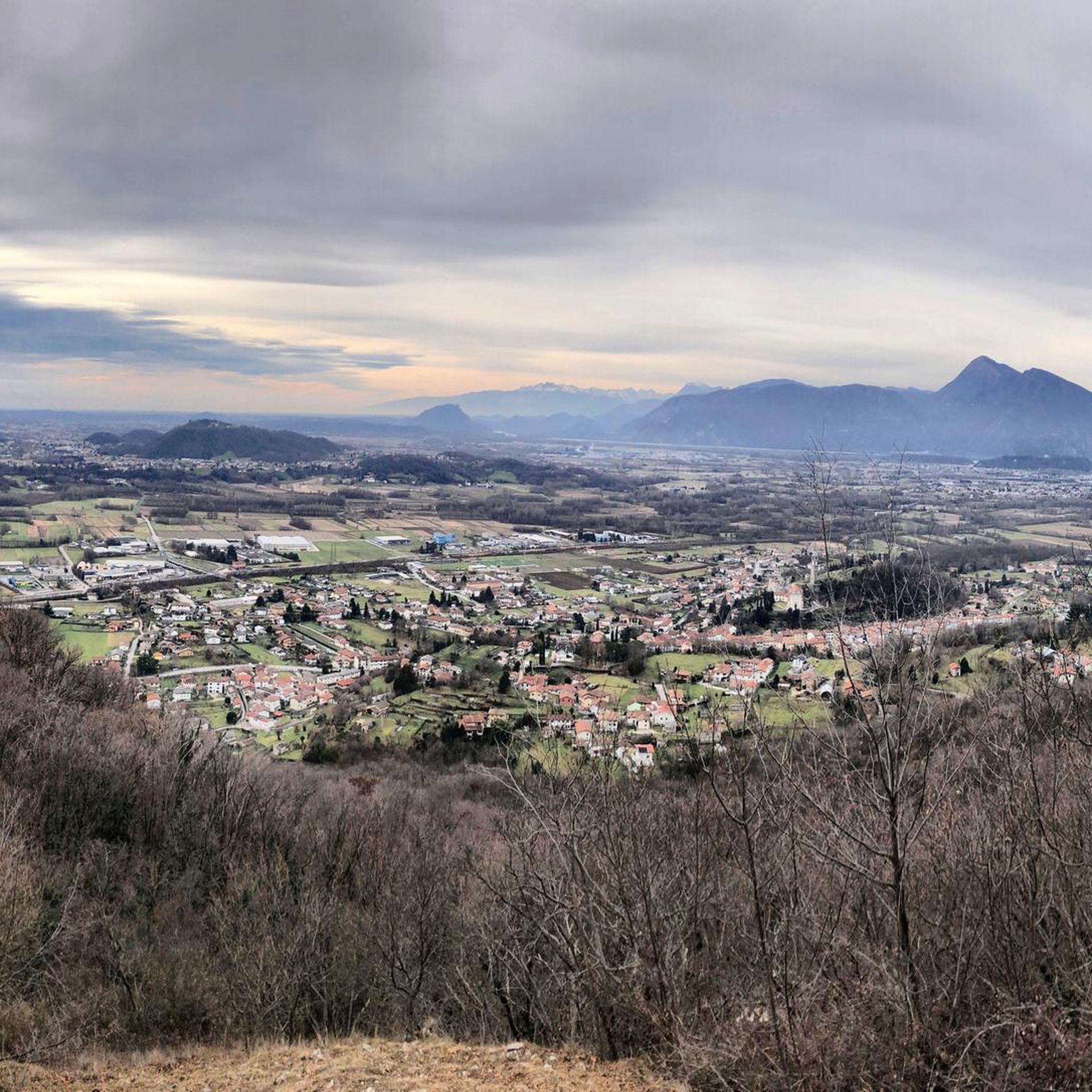
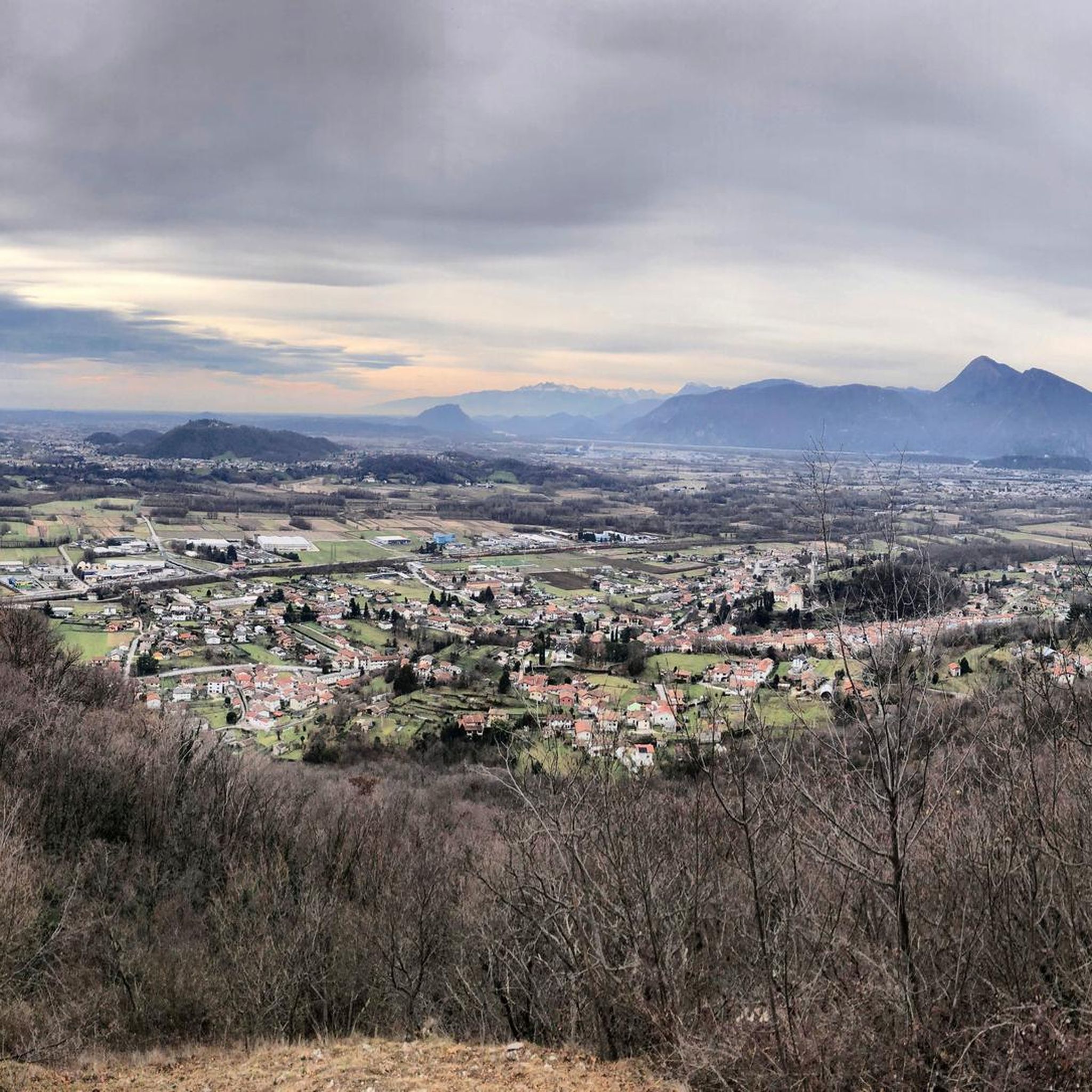
A magnificent position to cast a wide gaze north and south over the Tagliamento.
0
0
Frequently Asked Questions
What kind of terrain can I expect on road cycling routes around Artegna?
Road cycling around Artegna offers a diverse landscape. You'll find routes that traverse the flat Palûts plain, characterized by traditional agricultural fields, waterways, and wooded sections. Other routes venture into the pre-Alpine hills, providing more challenging ascents and descents with scenic views.
How many road cycling routes are available in the Artegna area?
There are over 30 road cycling routes around Artegna documented on komoot, offering a wide range of options for different skill levels and preferences.
Are there routes suitable for beginners or those looking for an easier ride?
Yes, Artegna offers routes suitable for various abilities. While many are moderate, there are at least 3 easier routes available. These typically explore the flatter agricultural landscapes of the Palûts plain, providing a more relaxed cycling experience.
What are some notable natural features or landmarks I can see along the routes?
Many routes offer stunning natural beauty and historical landmarks. You can cycle past the picturesque Lake Cornino, known for its clear waters, or the larger Lake Cavazzo. Some routes also pass by historical sites like the Savorgnan Castle or offer panoramic views from the Hill of San Martino.
Are there any challenging routes for experienced road cyclists?
Absolutely. For experienced cyclists seeking a challenge, Artegna offers several difficult routes with substantial elevation gain. For instance, the Tagliamento Bridge – View of the Tagliamento River loop from Artegna features over 1,400 meters of ascent, providing a demanding ride through varied terrain.
What do other road cyclists say about the routes in Artegna?
The road cycling routes in Artegna are highly regarded by the komoot community, boasting an average rating of 4.7 stars from over 50 reviews. Cyclists often praise the varied scenery, from the tranquil plains to the challenging pre-Alpine hills, and the well-maintained paths.
Can I find circular road cycling routes around Artegna?
Yes, many of the road cycling routes around Artegna are designed as loops, allowing you to start and end your ride in the same location. Examples include the Tagliamento Bridge – Lake Cornino loop and the Sunflower Field of Nimis – Ronchis loop.
Are there routes that pass by castles or historical sites?
Yes, the region is rich in history. Routes like the Castello Savorgnan – Colloredo di Montalbano loop will take you past historical castles and through charming villages, offering a cultural dimension to your ride.
What is the best time of year for road cycling in Artegna?
The Friuli Venezia Giulia region, including Artegna, is known for being bike-friendly year-round. However, spring and autumn generally offer the most pleasant temperatures for road cycling, avoiding the peak heat of summer and potential winter chill in the higher elevations.
Are there options for longer road cycling tours from Artegna?
Absolutely. For those looking for longer distances, routes like the Castello Savorgnan – Lake Cavazzo loop extend over 110 kilometers, providing an extensive day out on the bike and connecting multiple points of interest.
Is Artegna well-connected for cyclists using public transport?
The broader Friuli Venezia Giulia region is known for its bike-friendly infrastructure, including dedicated services for cyclists and bike-friendly public transport. This integration makes it easier to access different starting points or return from longer rides.
Can I find routes that offer panoramic viewpoints?
Yes, climbing into the pre-Alpine hills or to specific vantage points like the Hill of San Martino offers impressive panoramic views of the surrounding area, including the Savorgnan Castle and the expansive plains below. The Viewpoint over Lake Cavazzo is another excellent spot.
Most popular attractions around Artegna

Get inspired with the komoot mobile app


Explore more
Browse the best Road cycling routes in other regions.
