The 13 Most Amazing Peaks around Osoppo
Mountain peaks around Osoppo are characterized by a mix of historical hills within the municipality and access to the broader Julian and Carnic Alps. Osoppo itself features prominent elevated hills, such as Forte di Osoppo, which hosts a historical military fortress. The region is situated in the mountainous Friuli-Venezia Giulia, providing diverse landscapes from pre-alpine hills to higher alpine ranges. This area offers opportunities for exploring historical sites and experiencing varied mountain terrain.
Best mountain peaks around Osoppo
- The most…
Last updated: October 4, 2026
Monte Festa Fortress
Highlight • Historical Site
Bring food and drinks with you as there are none at the top.
Translated by Google •
Tip by

Monte San Simeone
Highlight • Summit
Translated by Google •
Tip by

Sign up now to discover places like this
Get recommendations on the best single tracks, peaks, & plenty of other exciting outdoor places.
Monte di Buia
Highlight • Settlement
Translated by Google •
Tip by

Mount Campeon
Highlight • Summit
Translated by Google •
Tip by

Mount Brancot
Highlight • Summit
Translated by Google •
Tip by

Sign up for free to discover even more peaks around Osoppo.
Already have an account?
Start today with a free account
Your next adventure awaits.

Tips from the Community

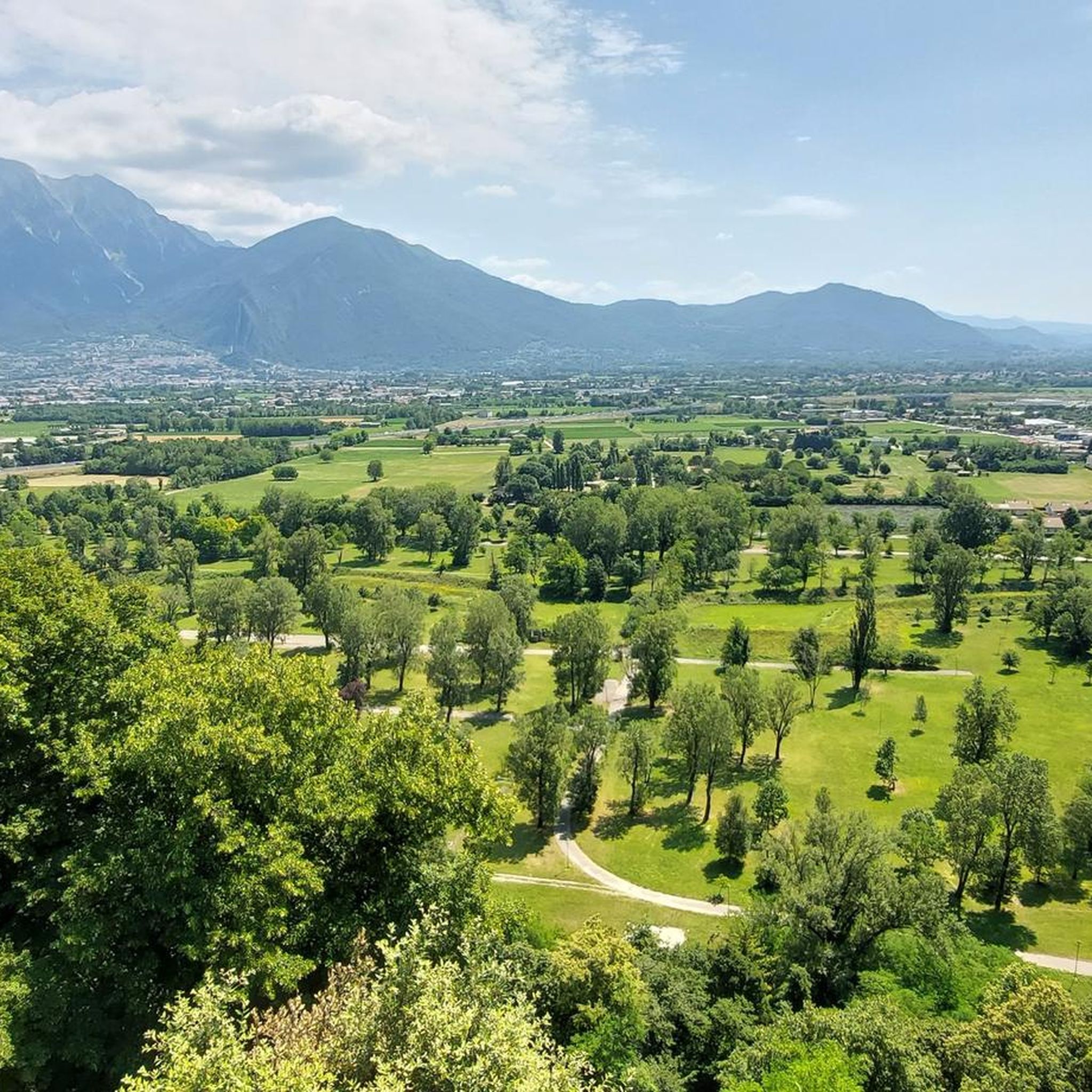
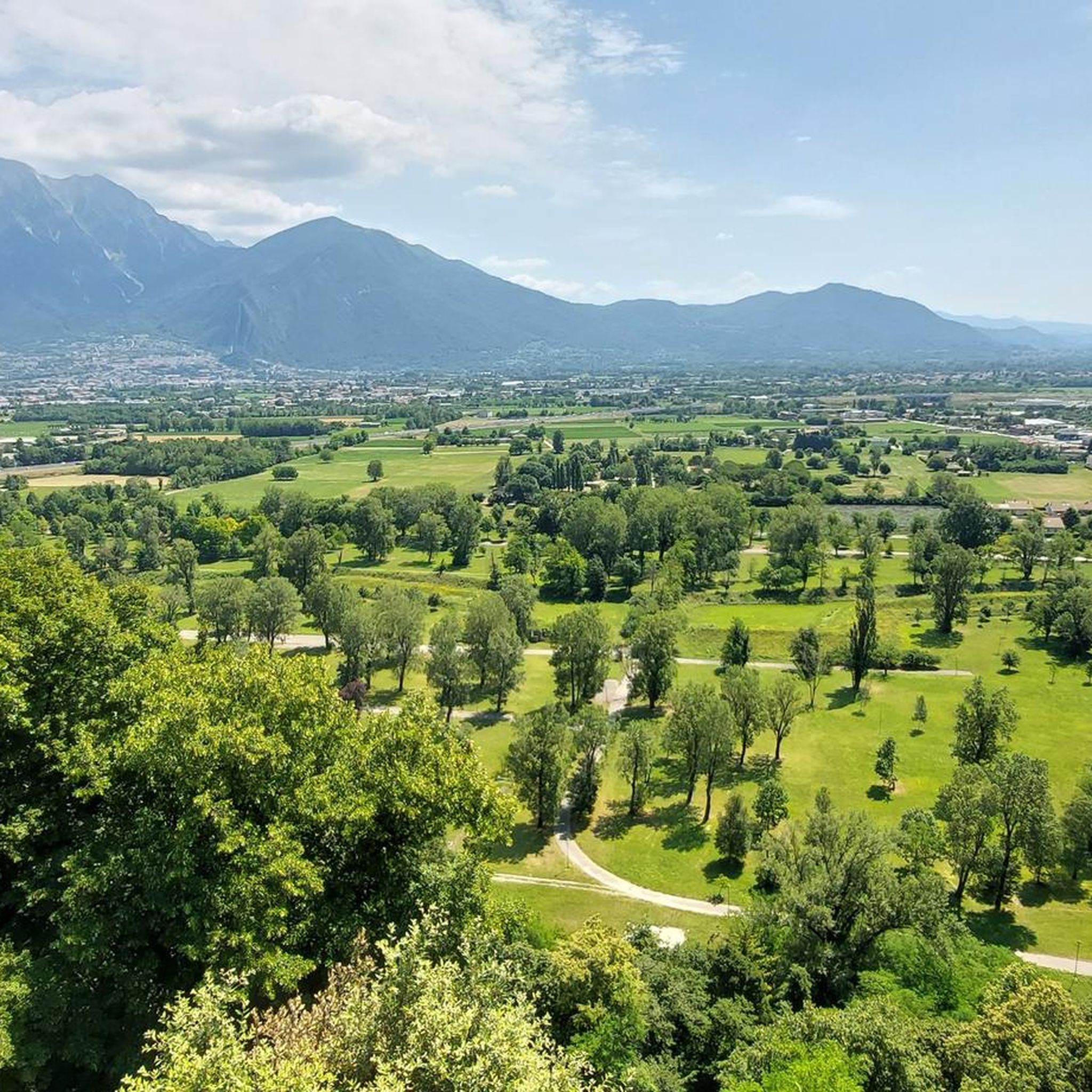
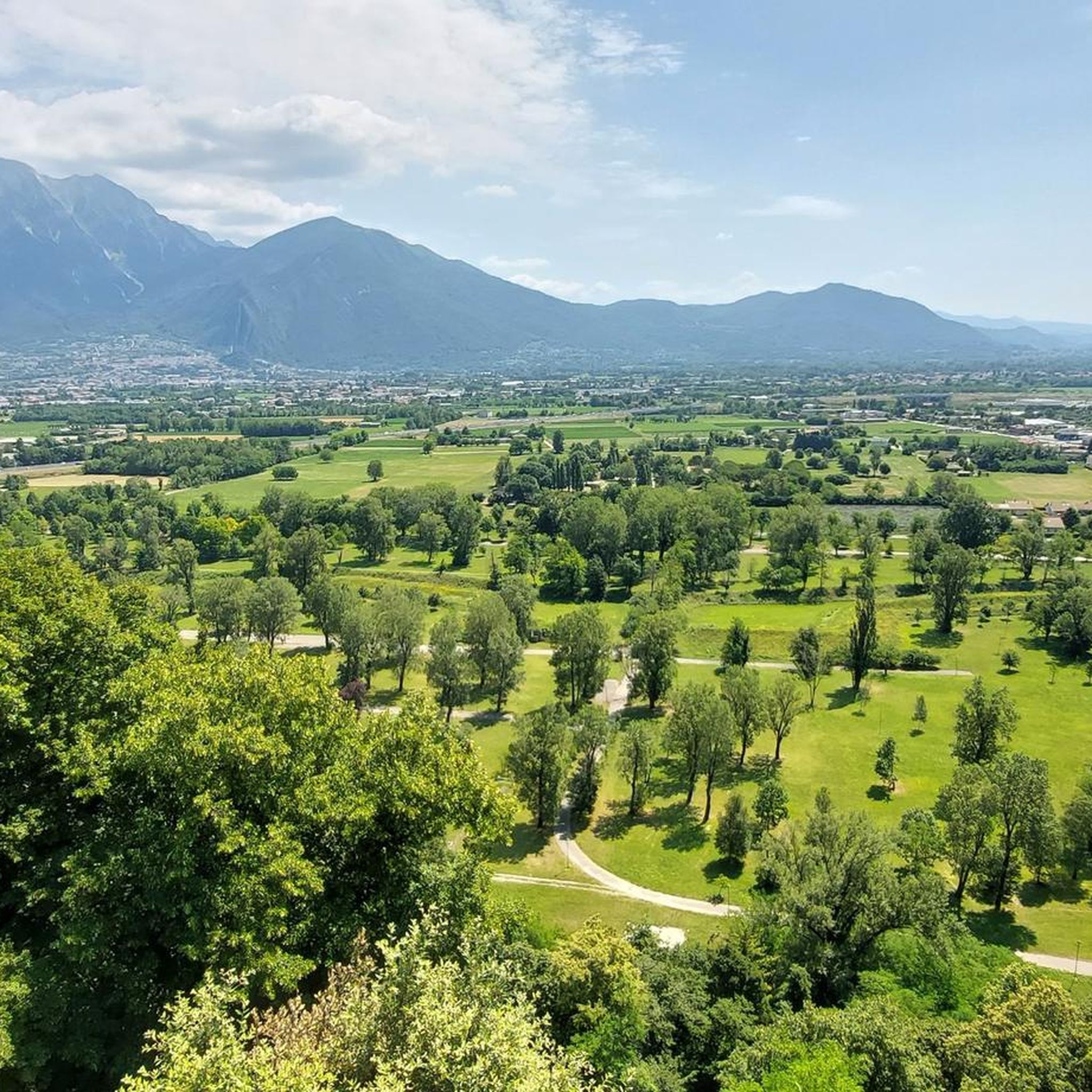
Beautiful view from Monte Campeon; well-deserved reward after the climb
1
0

The church sits enthroned on the summit of Monte Buja. The buildings on Monte Buja resemble a small medieval fortress and have evidently been lovingly preserved and restored. Those who enjoy typical Italian mountain villages will find what they're looking for up here. The functioning water station is particularly valuable for cyclists.
0
0

Throughout the area there are remains of artifacts from the Great War.
0
0

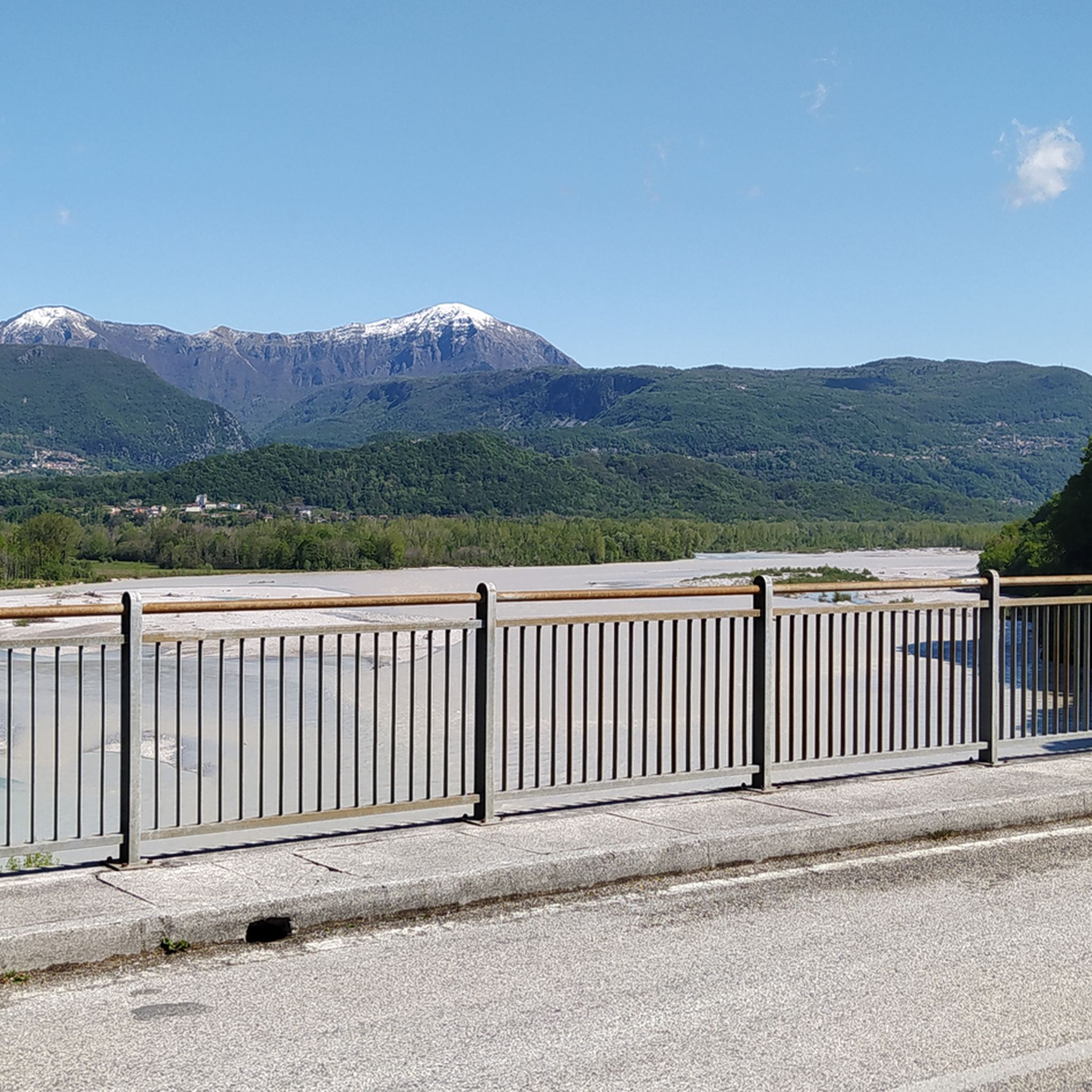
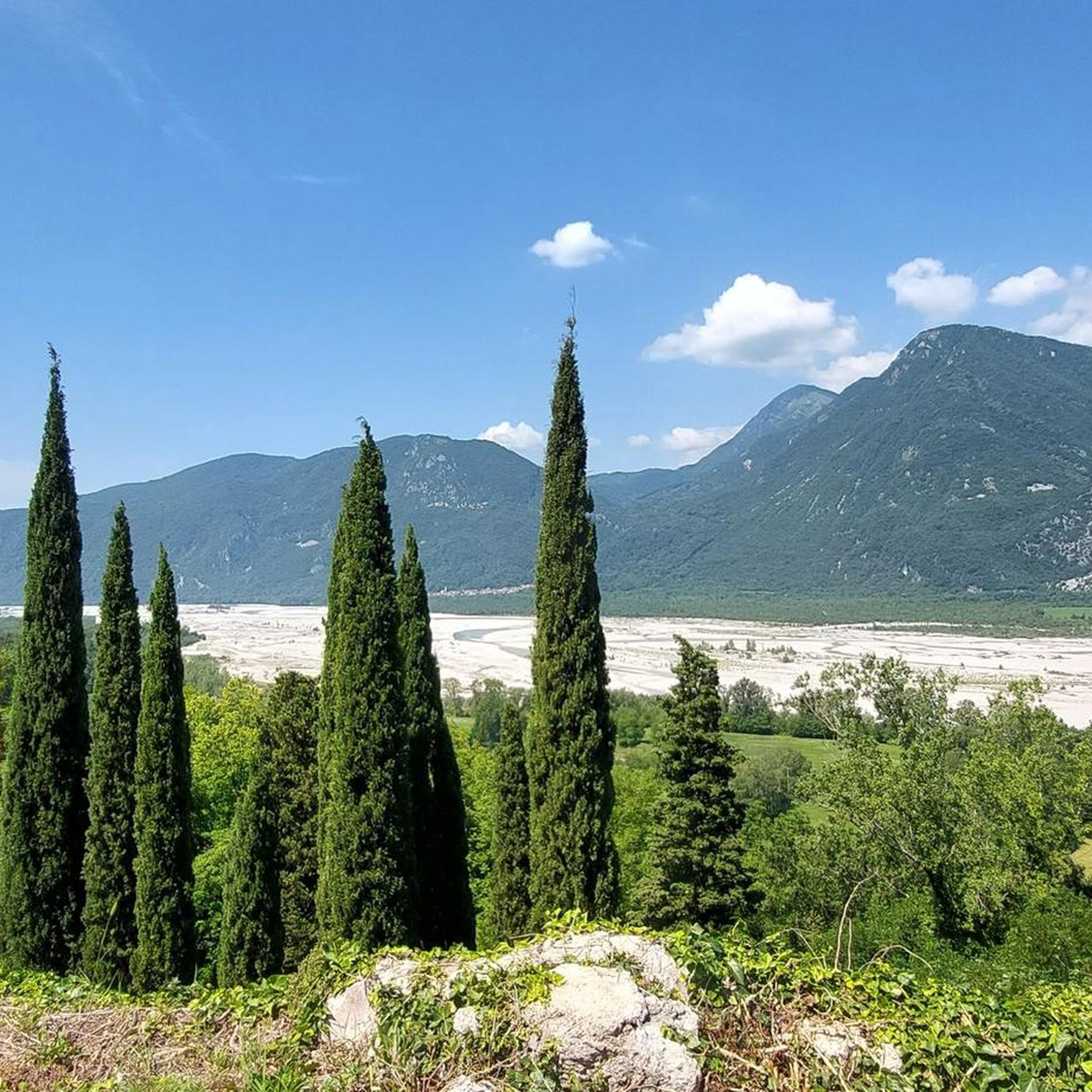
Top of Mount Brancot with view of the Tagliamento and Gemona
1
0

A place that deserves a small detour to enjoy the splendid panorama
0
0

The climb to the summit of Monte Brancot offers an experience rich in history and nature, with the ruins of the castle and the small church of San Michele along the way. The vegetation changes with the altitude, and the final stretch offers breathtaking views. A non-technical but challenging excursion, best enjoyed in cooler seasons.
2
1

Monte San Simeone, or Mont Sant Simeon in Friulian, is the highest point (1505 m) of a double rock massif at the northernmost foothills of the Friulian plain near Gemona del Friuli. It rises an impressive 1300 m above the plain. This peripheral location means that the ascent offers beautiful views of the plain around Udine, as well as wonderful panoramas over the Tagliamento and the Julian Alps. The mountain massif is surrounded by the Tagliamento to the north and east, and to the west it drops steeply to Lago di Cavazzo. The two halves of the mountain massif are separated by a deep cut. The SP 36 runs over this from Bordano in the east to Interneppo in the west. At the highest point of this road - called Sella di Interneppo - an old, reasonably asphalted or concrete military road branches off to Monte San Simeone. However, it ends at an altitude of 1215 m near the small Chiesa San Simeone. Anyone who wants to go further up towards the summit will probably have to use a mountain bike. For fans of winding routes, this ascent is an absolute must, as there are 24 neatly stacked bends on the east side of the mountain. In some places there is so little space for the road in the steeply sloping walls that the bends had to be led through a total of nine short tunnels. In the area of the forepeak near the small chapel there are another three bends before the concrete track ends in a clearing. In total there are 27 bends to be negotiated. If you add the two bends on the SP 36 - regardless of whether you are coming from Bordano or Interneppo - there are 29 bends for an ascent of around 1000 m, a density that not even the Stelvio Pass can offer. The section of bends runs largely through sparse forest, so there is at least some shade even when the temperature is high.
6
0

Anyone should climb Mount Festa at least once both for its historical value and for the beautiful panorama of the lake of the three municipalities.
3
0
Frequently Asked Questions
What are some prominent elevated features directly within or very close to Osoppo?
Within the municipality of Osoppo, the most prominent elevated features are the hills that host historical sites and offer scenic views. The highest point is Forte di Osoppo, reaching approximately 330 meters. This historical military fortress provides expansive panoramic views of the surrounding plains, the Tagliamento River, and the distant Julian and Carnic Prealps. Another significant hill is Colle di San Rocco, which features a charming church at its summit and is part of a beautiful historical and naturalistic trail loop.
Which mountain peaks near Osoppo offer historical sites or cultural interest?
Several peaks in the area are rich in history. Monte Festa Fortress features wonderful fortifications from the First World War and offers panoramic views. Mount Brancot has castle ruins and a small church, providing a historical journey alongside scenic vistas. Additionally, Monte di Buia is home to the Pieve di San Lorenzo and remains of a medieval fort.
Where can I find the best panoramic viewpoints near Osoppo?
For breathtaking views, consider Monte San Simeone, which offers extensive panoramas over the Udine plain, the Tagliamento, and the Julian Alps. Cuc de Cros provides a spectacular vantage point on the slopes of Monte Cuarnan. The Forte di Osoppo also offers expansive views of the surrounding plains and distant mountains.
Are there family-friendly mountain walks or dog-friendly hikes near Osoppo?
Yes, the Forte di Osoppo is considered a family-friendly and dog-friendly destination, with hiking and cycling routes available. The historical and naturalistic trail loop encompassing Colle di San Rocco is also suitable for a pleasant walk. For more options, explore the Hiking around Osoppo guide, which includes routes like the 'Osoppo Fortress – Osoppo Fortress loop' that are easy to moderate.
What kind of outdoor activities can I do near the mountain peaks around Osoppo?
The region around Osoppo is excellent for various outdoor activities. You can find numerous hiking trails, from easy loops to more challenging ascents, as detailed in the Hiking around Osoppo guide. For runners, there are dedicated Running Trails around Osoppo. Mountain biking enthusiasts can explore challenging routes, including those around Monte San Simeone, as highlighted in the MTB Trails around Osoppo guide.
What is the best time to hike the mountains near Osoppo?
The region offers diverse experiences throughout the year. For challenging excursions like Mount Brancot, cooler seasons are often recommended for a more enjoyable experience. Generally, spring and autumn provide pleasant temperatures for hiking and exploring the historical sites without the intense summer heat. Winter can offer opportunities for winter hiking, especially in the higher Julian and Carnic Alps, but requires appropriate gear and conditions.
What are the Julian and Carnic Alps, and how accessible are they from Osoppo?
While Osoppo itself is in a hilly area, it serves as a gateway to the broader mountainous terrain of the Friuli-Venezia Giulia region, including parts of the Julian and Carnic Alps. The Julian Alps, located north of Udine, feature towering peaks and deep valleys, with Sella Nevea being a good starting point for exploration. The Carnic Alps, along the Italian-Austrian border, offer stunning views and a network of trails. These ranges provide more challenging and diverse mountain experiences, typically requiring a short drive from Osoppo.
Are there any circular mountain walks available near Osoppo?
Yes, there are several circular routes. For example, the 'Osoppo Fortress – Osoppo Fortress loop' is an easy 3.7 km walk. More moderate options include the 'Church of San Rocco – Path to Forte dei Cappitelli loop' (4.9 km) and the 'Osoppo Fortress – Church of San Rocco loop' (8.8 km). You can find more details and routes in the Hiking around Osoppo guide.
What do visitors enjoy most about the mountain peaks and elevated areas around Osoppo?
Visitors frequently appreciate the blend of history and nature. The wonderful fortifications and panoramic views from places like Monte Festa Fortress are highly praised. The breathtaking views of the Tagliamento River and surrounding plains from summits like Mount Brancot and Monte San Simeone are also a major draw. The komoot community has shared over 260 photos and given more than 190 upvotes for routes exploring these areas, highlighting their appeal.
Are there any specific tips for visiting Monte San Simeone?
Monte San Simeone is the highest point of a double rock massif, offering impressive views. The ascent features a winding military road with 27 bends, making it a unique experience for cyclists. While the road ends near the small Chiesa San Simeone at 1215m, further ascent towards the summit might require a mountain bike. The section of bends runs largely through sparse forest, providing some shade even on warm days.
What makes Monte di Buia a unique place to visit?
Monte di Buia is unique for its 'three-pointed' natural relief, consisting of three peaks: Mont di Zoc, San Laurinz, and San Bastian. It features the historic Pieve di San Lorenzo on its central hill, along with remains of a medieval fort. The area also holds ancient traces of human settlement, with hundreds of prehistoric flint tools found, making it a site of significant archaeological interest.
Can I find cafes or refreshments near the mountain trails around Osoppo?
Yes, near the summit of Forte di Osoppo, there is a bar and restrooms available, providing a convenient spot for refreshments after your hike. For other trails, it's always a good idea to bring your own food and drinks, especially for longer or more remote routes, as facilities might not be readily available directly on every mountain trail.
Most popular attractions around Osoppo

Get inspired with the komoot mobile app


Explore more
See even more amazing summits around Osoppo with these guides:
