Attractions and Places To See around Lestizza - Top 20
Best attractions and places to see around Lestizza offer a journey into ancient history and traditional Friulan life. This municipality, located in the Friulian plain southwest of Udine, Italy, features significant archaeological sites and historical remnants. The area is characterized by rural landscapes and agricultural scenery, providing a tranquil experience.
Best attractions and places to see around Lestizza
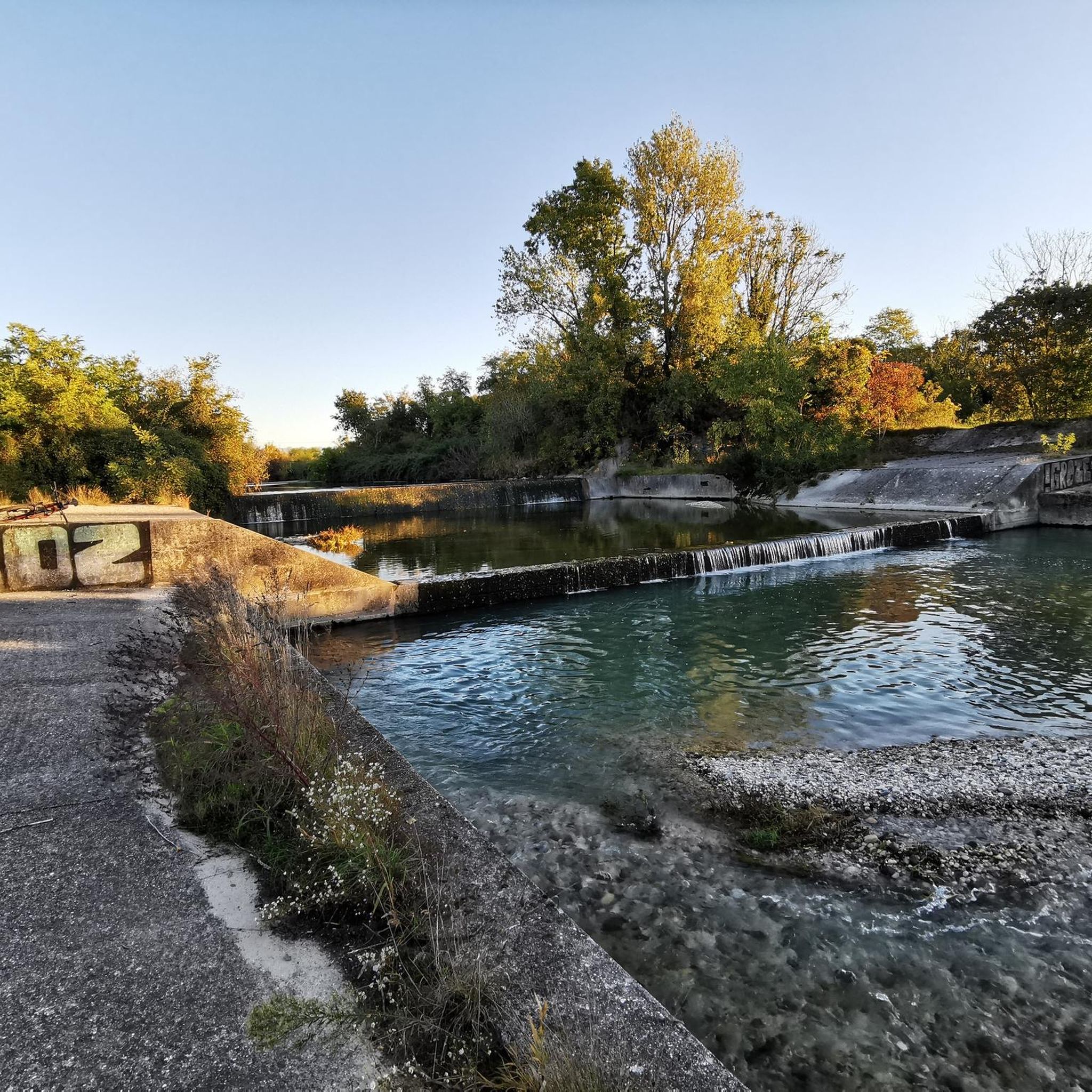
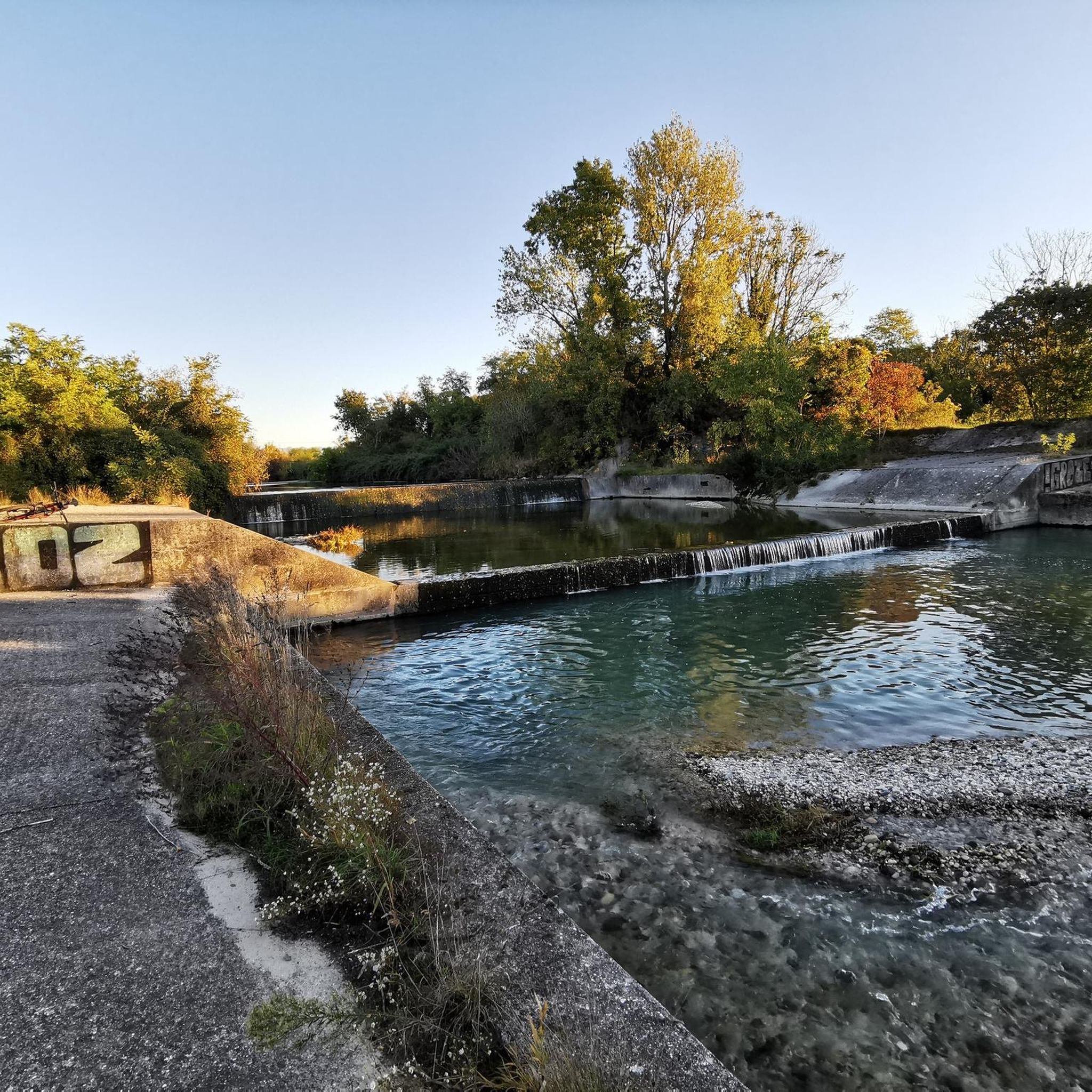
- The most popular attractions is Ariis, a river area that features a historical settlement. Traces of a 14th-century fortress are still…
Last updated: August 30, 2026
Villa Manin
Highlight • Historical Site
Translated by Google •
Tip by

Ariis
Highlight • River
Translated by Google •
Tip by
Sign up now to discover places like this
Get recommendations on the best single tracks, peaks, & plenty of other exciting outdoor places.
Sign up for free
Old mill on the Roggia Brodiz
Highlight • Monument
Translated by Google •
Tip by

Castello di Flambruzzo
Highlight • Castle
Translated by Google •
Tip by
Braida Mill and Flambro Springs
Highlight • Monument
Ancient water mill, inserted in the area of high naturalistic value of the natural biotope of the springs of Flambro. Its construction dates back to …
Translated by Google •
Tip by

Sign up for free to discover even more attractions around Lestizza.
Sign up for free
Already have an account?
Start today with a free account
Your next adventure awaits.
Login or Signup

Tips from the Community

The Castello di Flambruzzo estate is a formerly magnificent building, remodeled several times over the centuries, whose current layout dates back to the 16th century. It is surrounded by an extensive English-style park covering an area of almost four hectares. The ground floor of the building is designed in the style of Venetian villas, with a main hall featuring two French doors and four doors leading to adjoining rooms, including two libraries and the Sala Badoglio. The south-facing halls open onto the large terrace overlooking the park and swimming pool. The villa also has a private chapel where religious weddings can be held. Source: https://www.turismofvg.it/de/wedding/unsere-einrichtungen/castello-di-flambruzzo?LangSetCMS=de
0
0
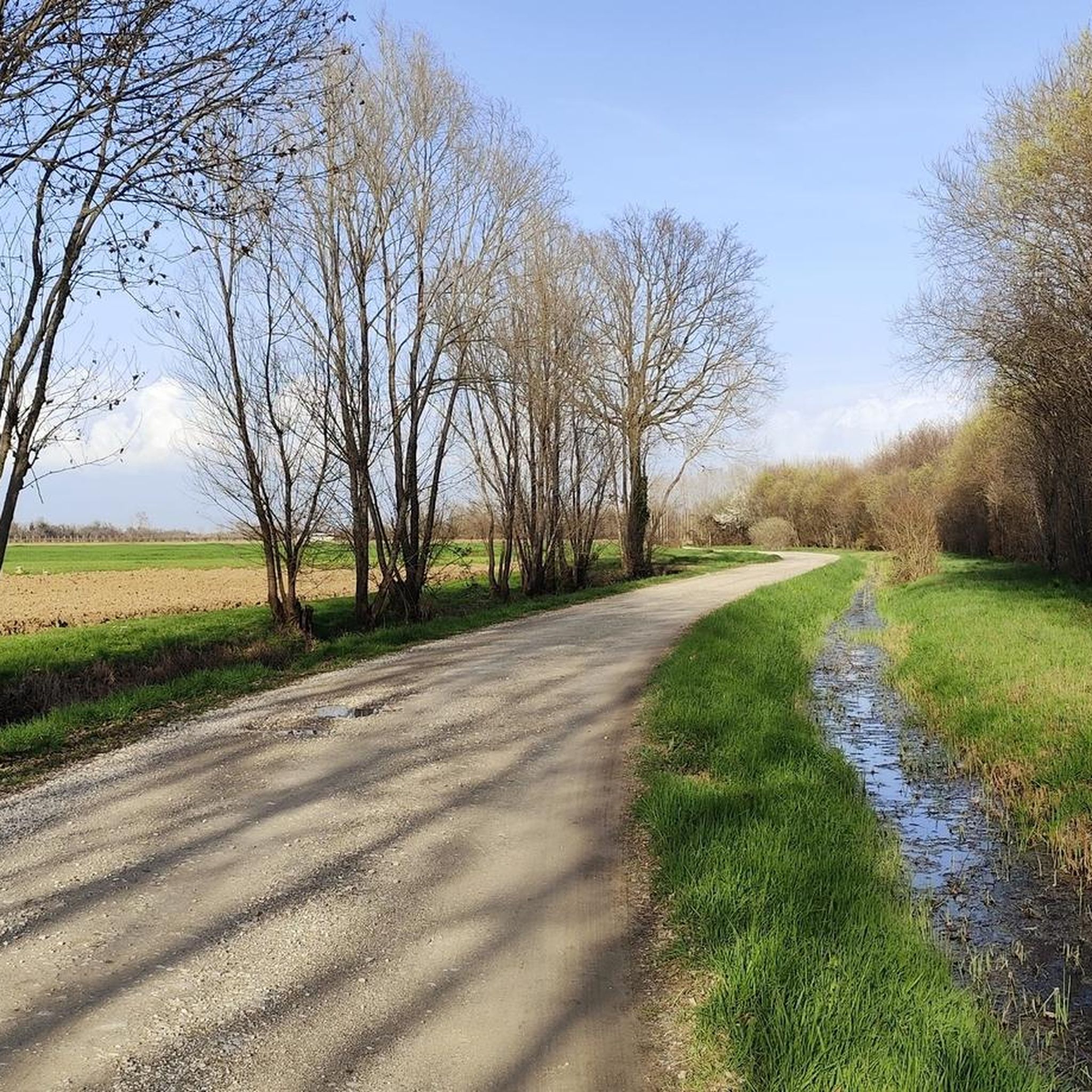
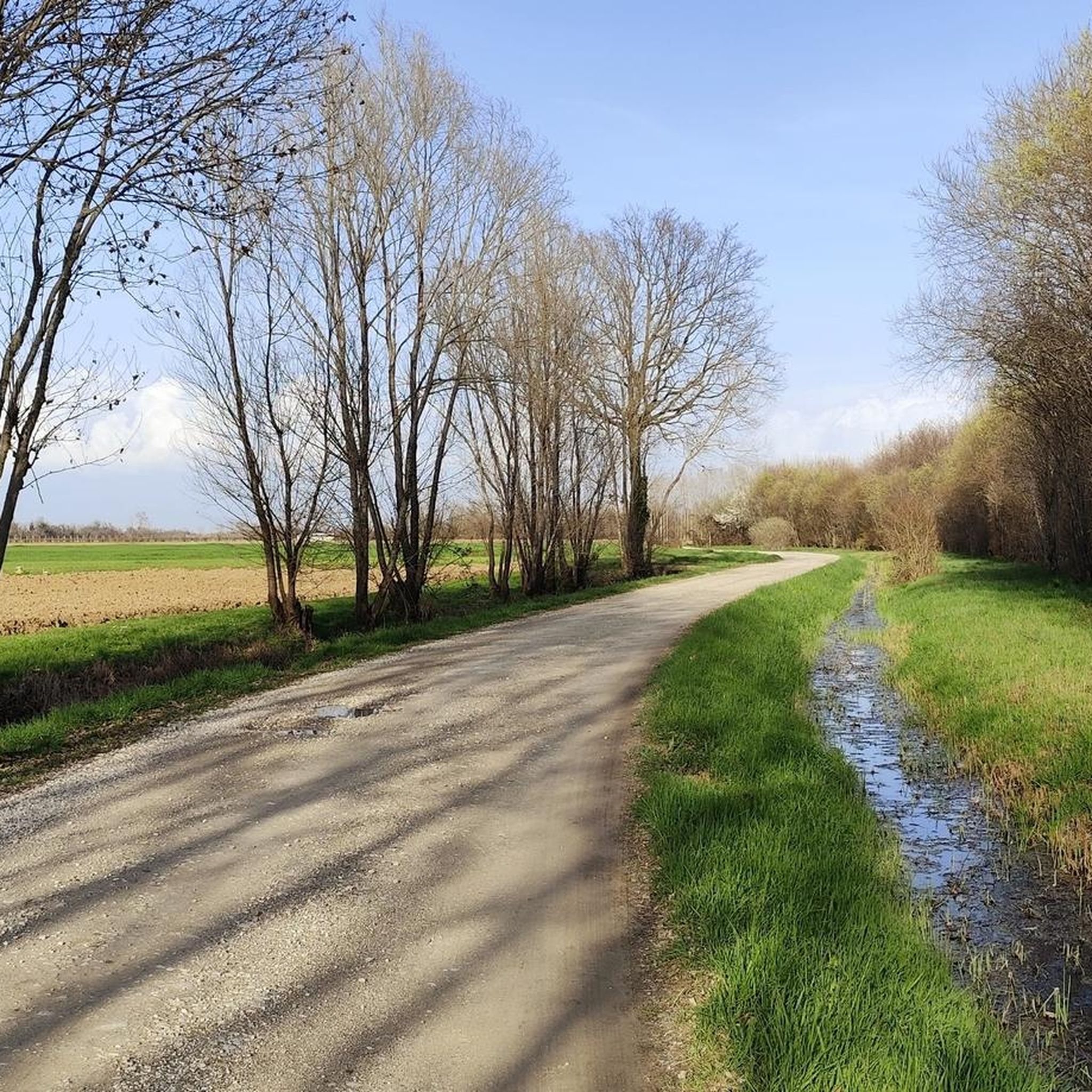
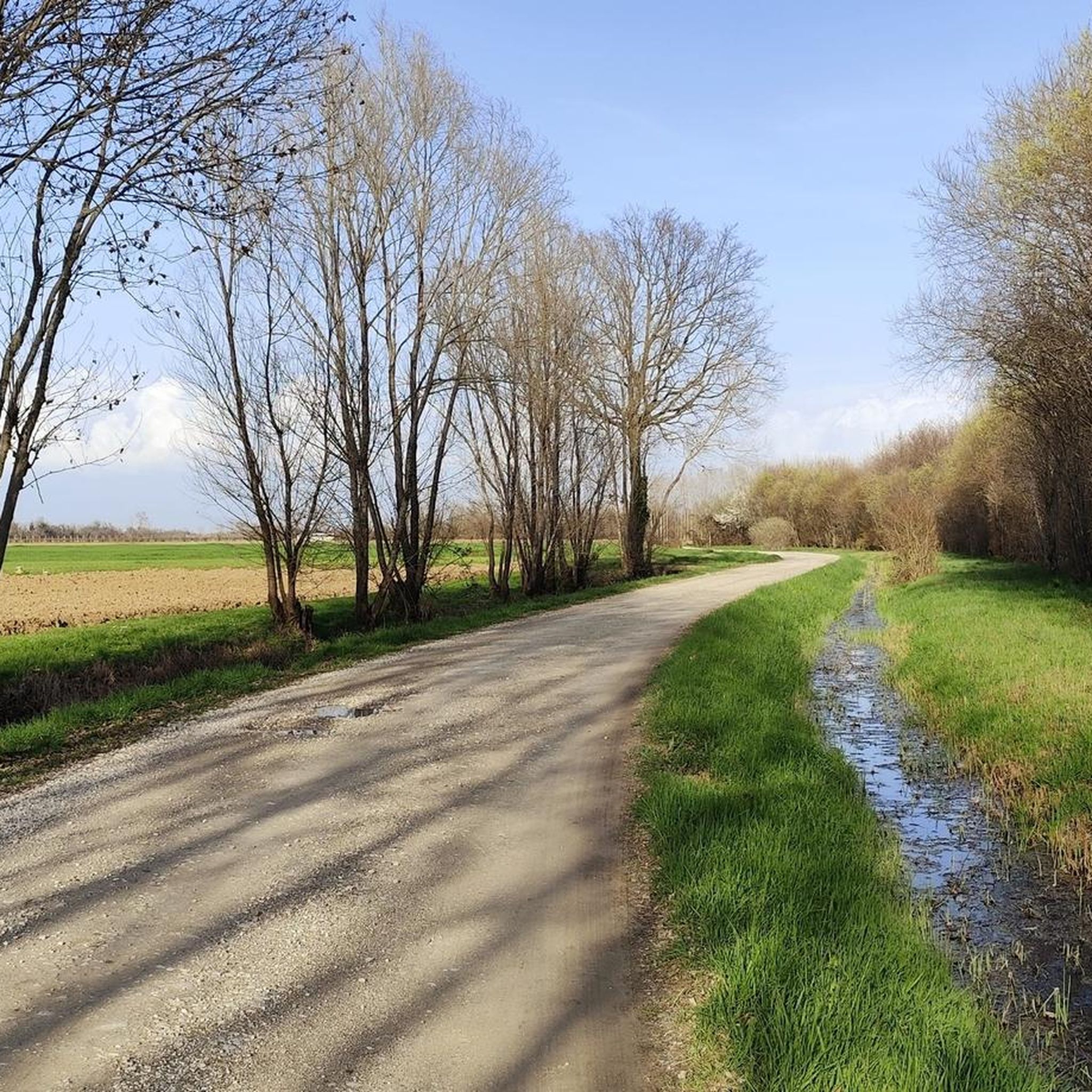
The mill is located in a biotope and is a real eye-catcher. It can be reached via two cycle paths (gravel or through the forest). Next to the mill are outbuildings that are used as an event location.
0
0
Ariis was first mentioned in documents in 1267. The core of the village consisted of a castle, traces of which can still be seen today. In the 14th century, Ariis, located on the Stella River, was an important regional economic center. A major source of income was taxes collected from passing villagers. With the construction of Palmanova, Ariis lost its strategic importance. Today, Ariis is a pleasant stopover town.
2
0
A worth seeing old mill that is easy to reach and can be visited directly on the roadside.
0
0

Beautiful and evocative, the mill is visible from the main road that crosses the village
0
0


The villa was purchased in 1910 by Count Francesco Rota of San Vito al Tagliamento who resold it a few years later. Finally, after the Second World War, it was purchased by Pietro Badoglio and is still owned by his heirs. As the General Catalogue of Cultural Heritage states, the Villa was built in neoclassical style, using the most classic Palladian schemes. The park is ‘English style’; instead, in the interior we can still admire splendid tempera paintings dating back to the end of the eighteenth century. Near the Villa, it is also worth mentioning the presence of the farmhouse Le Catocchie, also dating back to the eighteenth century, with a courtyard that features a beautiful sacred fresco. In short, a remarkable collection of pieces of art in a handkerchief of land otherwise ignored by most. https://www.friulioggi.it/cultura/curiosita-friuli/villa-codroipo-rota-badoglio-flambruzzo/ The complex originated from a castle that was returned, in 1258, by the Savorgnan family to the patriarch Gregorio da Montelongo. In 1466 it became the property of the Codroipo family who transformed the manor into a villa, keeping only the gate tower with the access bridge, at that time a drawbridge. In 1910 the villa became the property of the Rota family and subsequently, through the female line, of the Badoglio family. Today, only the three-story gate tower with a carriage passage remains of the ancient castle, while the ancient wooden bridge has been replaced by a stone structure. https://patrimonioculturale.regione.fvg.it/architettura/?s_id=448179&s_tab=oa
0
0

The Braida mill is located near the Flambro springs.
0
0
Frequently Asked Questions
What historical and archaeological sites can I explore in Lestizza?
Lestizza is rich in history, offering several significant sites. You can visit the Castelliere of Galleriano, a unique prehistoric fortified settlement with remnants from the Bronze Age and early Roman era. Another key historical area is La Centa, a former fortified enclosure in the center of Lestizza, which protected against Turkish incursions in the 15th century. Additionally, explore the Archaeological Site of Lis Paluzzanis and La Malisana, both revealing extensive Roman-era materials, including building remains, mosaic fragments, and ancient artifacts.
Are there any notable historical villas or mills to visit near Lestizza?
Yes, the area features several historical villas and mills. Don't miss Villa Manin, a grandiose 18th-century complex that was once the residence of the last Doge of Venice and now hosts art exhibitions. Another beautiful residence is Villa Kechler, a late 16th-century villa where Ernest Hemingway was once a guest. For historical mills, visit the Old mill on the Roggia Brodiz in Ariis, an 18th-century mill immersed in nature, or the ancient Braida Mill and Flambro Springs, dating back to before the 12th century and now a site for cultural events.
What natural features or landscapes characterize the Lestizza region?
Lestizza is situated in the tranquil Friulian plain, characterized by its rural landscapes and agricultural scenery. The area offers a quiet countryside experience. You can find natural beauty around the Ariis river area, which features the Stella river and nearby forests. The Flambro Springs, located near Braida Mill, are part of a natural biotope, offering a serene environment with clear waters.
What kind of outdoor activities can I do around Lestizza?
The flat terrain around Lestizza is ideal for various outdoor activities. You can explore numerous routes for running, mountain biking, and gravel biking. For running, consider routes like the 'Running loop from Lestizza / Listize'. Mountain biking enthusiasts can try the 'Junction between Cormor and Canale – Villabruna Road loop from Talmassons'. Gravel biking offers options such as the 'Stella River – Ariis loop from Basiliano'. You can find more details and routes in the dedicated guides for Running Trails around Lestizza, MTB Trails around Lestizza, and Gravel biking around Lestizza.
Are there family-friendly attractions in the Lestizza area?
Yes, several attractions around Lestizza are suitable for families. Villa Manin, with its expansive historical park, is a great place for a family outing. The Ariis river area and the Old mill on the Roggia Brodiz offer pleasant natural settings for walks. The Braida Mill and Flambro Springs also provide a lovely environment with pedestrian and cycle paths, perfect for a family day out.
What is the best time to visit Lestizza for outdoor activities?
Given its location in the Friulian plain, Lestizza is generally pleasant for outdoor activities during spring, early summer, and autumn. These seasons offer milder temperatures, making it comfortable for exploring historical sites, walking, running, and cycling through the rural landscapes. Summer can be warm, but the natural areas near rivers and springs provide cooler spots.
What do visitors enjoy most about the attractions around Lestizza?
Visitors particularly appreciate the journey into ancient history and traditional Friulan life that Lestizza offers. The historical sites like Villa Manin and the charming village of Ariis with its river views are highly rated. Many enjoy the tranquility of the rural landscapes and the authentic glimpse into the region's past, often noting the well-preserved historical elements and the serene natural settings.
Are there any specific religious sites of historical importance in Lestizza?
Yes, the Parish Church of San Biagio (S. Biagio Vescovo e Martire) is a significant religious site located within the historical area of the former 'Centa' in Lestizza. It was solemnly consecrated in 1652 and represents an important part of the local heritage.
Can I find traditional Friulan architecture in Lestizza?
Absolutely. Lestizza is known for its traditional Friulan architecture, which contributes to its authentic charm. As you explore the municipality, particularly in its rural landscapes and historical areas like La Centa, you will encounter examples of typical Friulan buildings that reflect the region's heritage.
Are there opportunities for cycling or mountain biking near Lestizza's attractions?
Yes, the flat terrain around Lestizza is excellent for cycling. You can find dedicated routes for both mountain biking and gravel biking. For instance, the area around Braida Mill and Flambro Springs features a nice pedestrian/cycle path. Many routes connect various villages and natural spots, offering scenic rides. Check the MTB Trails around Lestizza and Gravel biking around Lestizza guides for detailed routes.
How long should I plan for visiting the main attractions in Lestizza?
To fully appreciate the historical and archaeological sites, as well as the villas and mills, you could easily spend a full day or two exploring Lestizza and its immediate surroundings. Individual sites like Villa Manin might take a few hours, especially if you visit exhibitions or stroll through its extensive park. The archaeological sites and historical villages can be explored at a more leisurely pace, allowing time to soak in the atmosphere.
Is there parking available at the main attractions?
For larger attractions like Villa Manin, parking facilities are typically available. For smaller historical sites or rural areas, street parking might be an option, or you may need to park in nearby village centers and walk a short distance. It's advisable to check specific parking information for each site if you are driving.
Most popular routes around Lestizza
Most popular attractions around Lestizza

Get inspired with the komoot mobile app


Explore more
Still not found the Highlight you’re looking for? See guides of the top attractions in other regions:
