The 20 Most Amazing Peaks around Forni Di Sopra
Best mountain peaks around Forni Di Sopra are found within the Friulian Dolomites, a UNESCO World Heritage Site known for its wild, unspoiled beauty. This region offers a diverse array of mountain peaks, characterized by majestic formations and a dense network of trails. Forni Di Sopra serves as a gateway to the Friulian Dolomites Natural Park, a protected area rich in biodiversity and geological features. The area provides varied activities, from walks to challenging climbs, amidst an untouched mountain environment.
Best mountain peaks around Forni Di Sopra
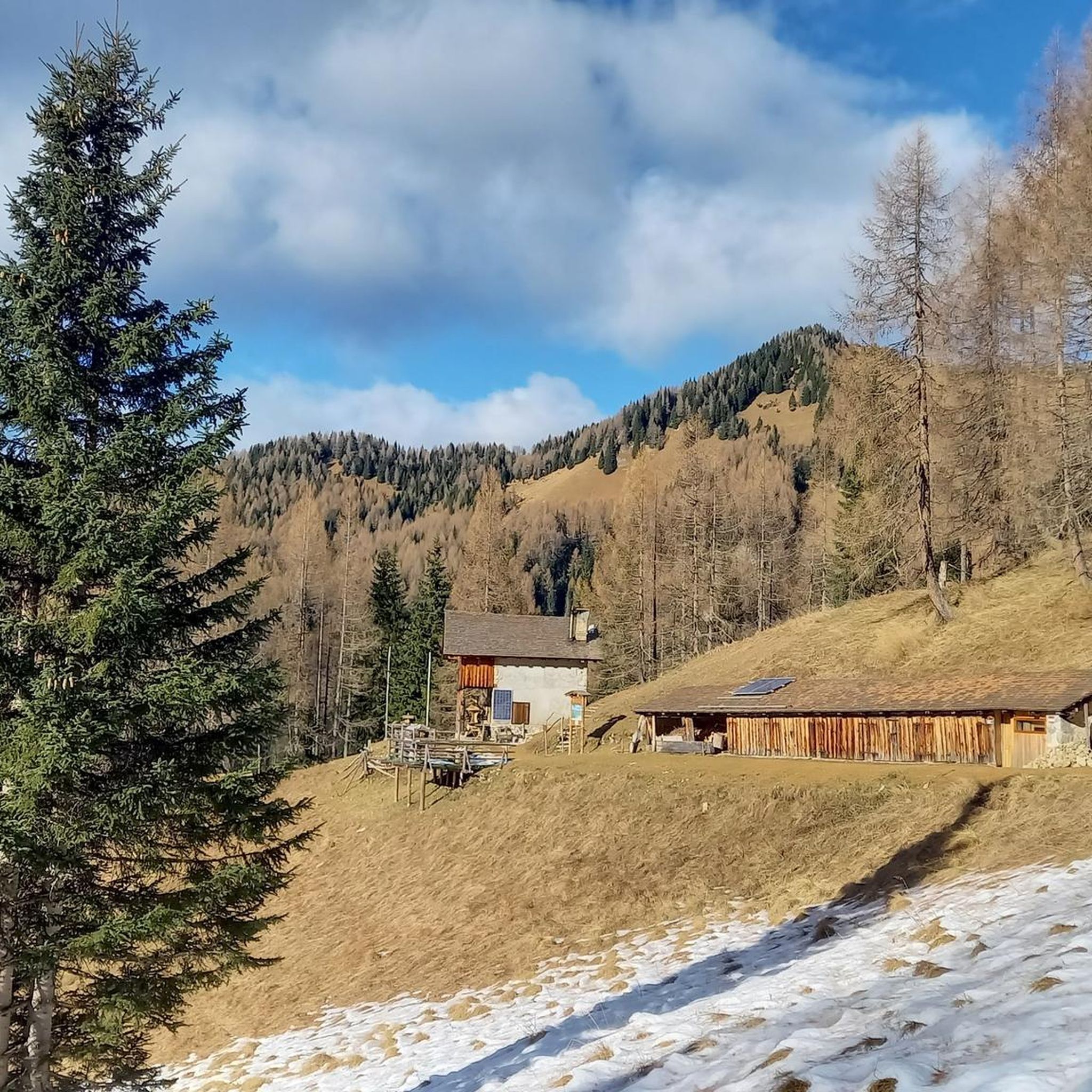
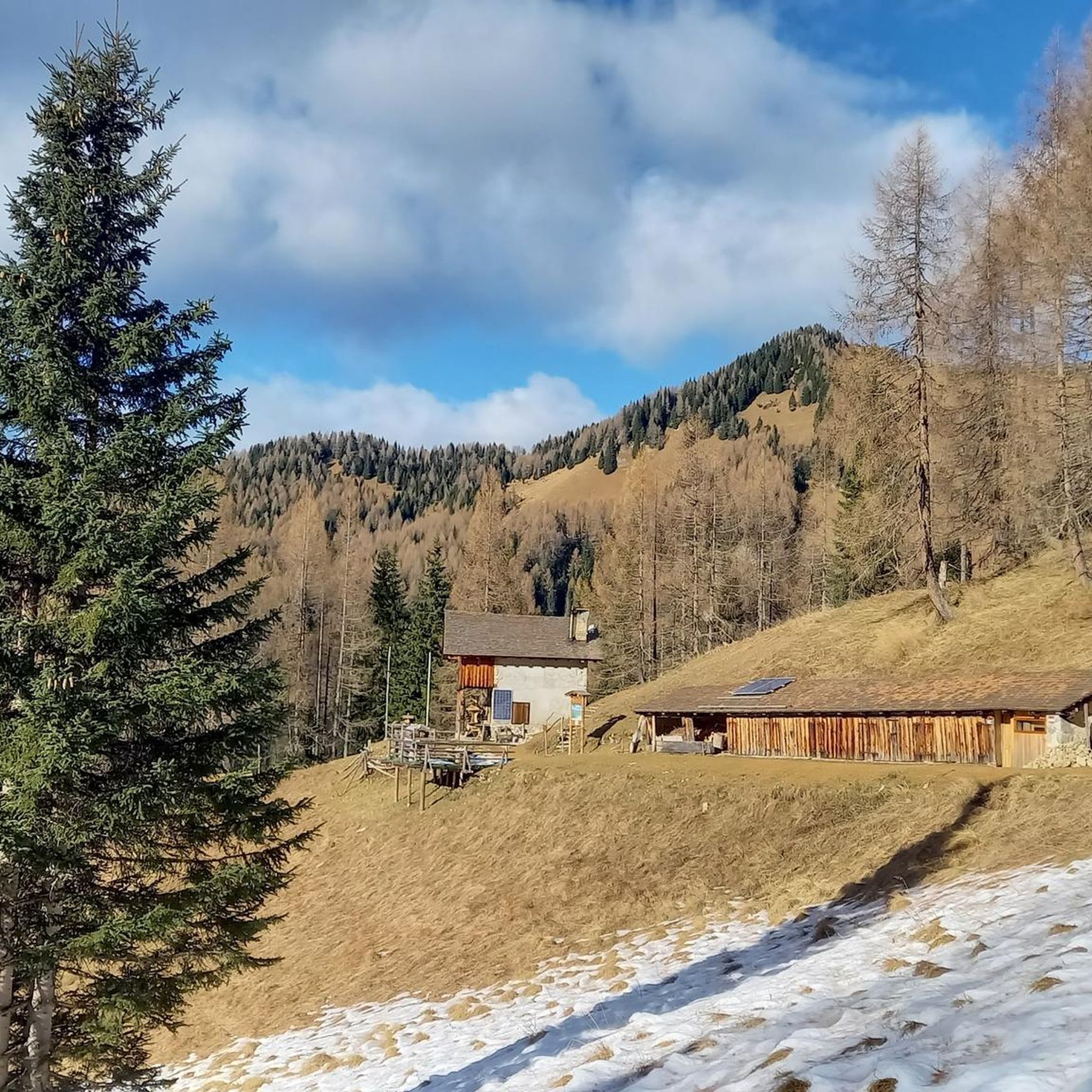
- The most popular mountain peaks is Romiti Hermitage, a religious building that offers panoramic views from Mount Froppa. This historical site, once a convent, is now a hiking refuge and cultural reference point.
- Another must-see spot is Rifugio Pordenone, a hut located in the upper Val Cimoliana. It serves as an excellent base for numerous treks, including those leading to the iconic Campanile di Val Montanaia.
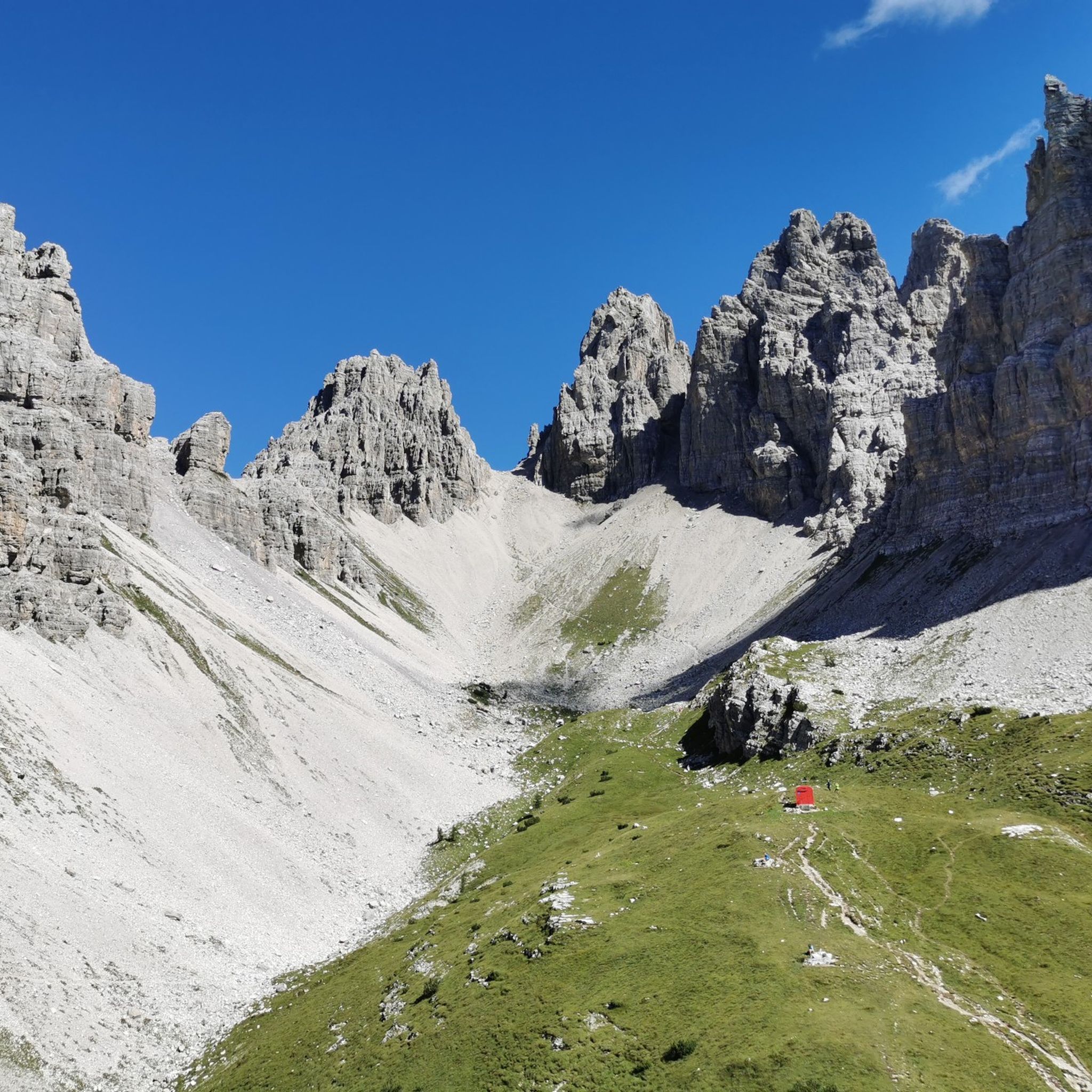
- Visitors also love Giuliano Perugini Bivouac and the Campanile of Val Montanaia, a bivouac situated at 2,060 m in the upper Val Montanaia. This location provides access to the symbolic Campanile, a unique spire within the Friulian Dolomites Park.
- Forni Di Sopra is known for imposing Dolomites, accessible alpine peaks, and iconic spires. The region offers a variety of mountain peaks to see and explore, from high-altitude landscapes to challenging climbing routes.
- The mountain peaks around Forni Di Sopra are appreciated by the komoot community, with 9 highlights, 63 photos, and 104 upvotes.
Last updated: July 21, 2026
Romiti Hermitage
Highlight • Religious Site
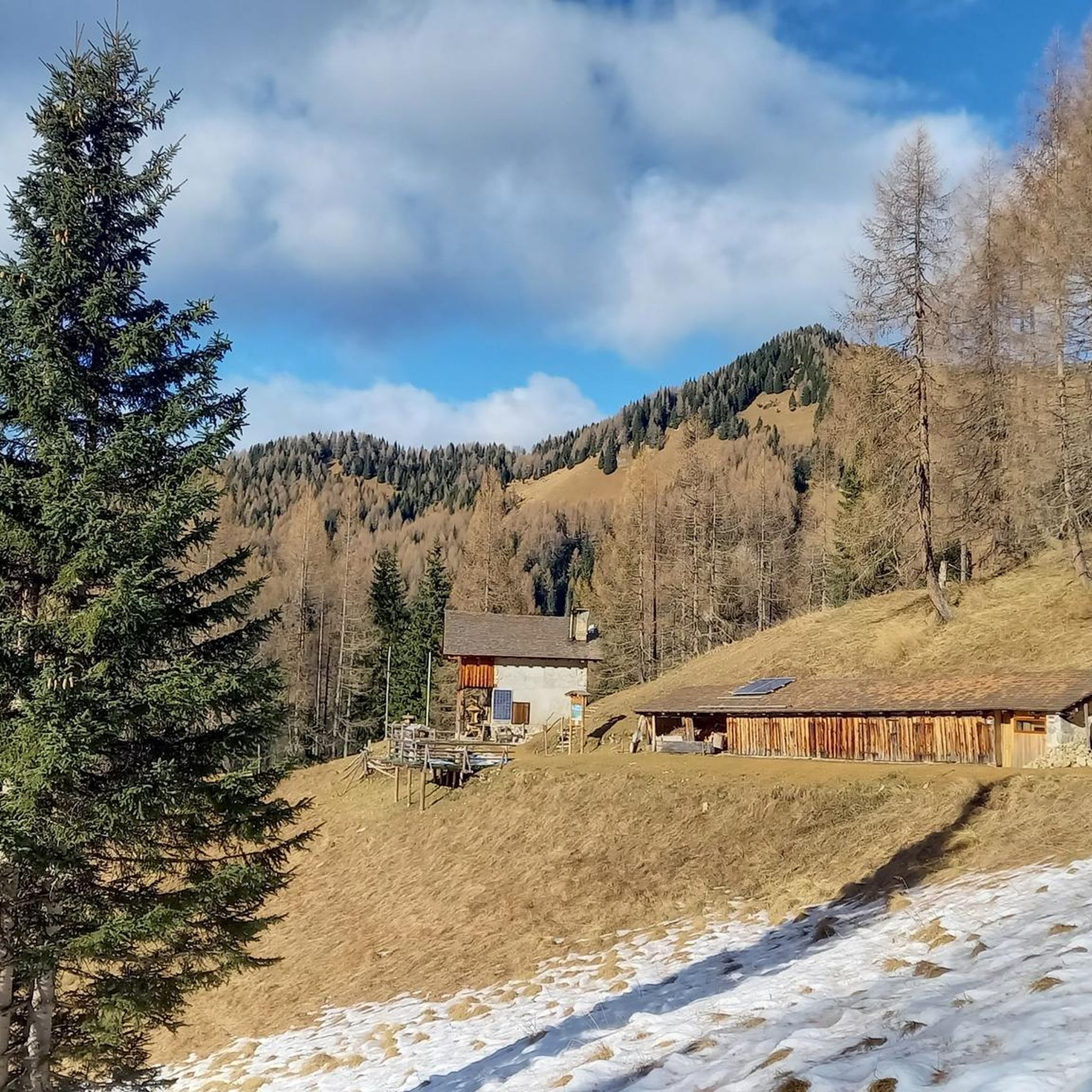
A soul given to it by the two managers, wife and husband, who took it over, where authenticity and real love for the territory are the founding values.
Inside, around the fireplace, there are benches and many books that you can read while contemplating the view you can see from the window.
Translated by Google •
Tip by

Giuliano Perugini Bivouac and the Campanile of Val Montanaia
Highlight • Mountain Hut
Translated by Google •
Tip by

Sign up now to discover places like this
Get recommendations on the best single tracks, peaks, & plenty of other exciting outdoor places.
Sign up for free
Rifugio Pordenone
Highlight • Mountain Hut
Translated by Google •
Tip by
Campanile of Val Montanaia
Highlight • Natural Monument
Translated by Google •
Tip by
Forte Monte Ricco
Highlight • Cave
The Fort was built in the pre-Roman era with a defensive function, maintained also in Roman and medieval times. Before the year 1000, it was the seat of an important castle represented in the coat of arms of Cadore. From 1420 it became the seat of the Captain of Venice, but declined in the 17th century. During the Kingdom of Italy, two fortifications were built as part of the defensive system against Austria-Hungary. During the First World War, the Fort was relegated to a warehouse and logistics. Abandoned after 1918, restoration began in 2007 on the initiative of the Municipality of Pieve di Cadore, concluding in 2017.
Showing Translation
Tip by

Sign up for free to discover even more peaks around Forni Di Sopra.
Sign up for free
Already have an account?
Start today with a free account
Your next adventure awaits.
Login or Signup


Tips from the Community


Built in the last two decades of the 19th century, under the Kingdom of Italy, the Forte di Monte Ricco constituted the heart of the entrenched camp of Pieve di Cadore. It was conceived and built to interdict enemy approaches from the Tre Ponti narrows towards Pieve and Tai along the Piave valley and to act in close synergy with the nearby Batteria Castello, about 200 meters away, as well as with the various artillery positions on the overlying heights, on Monte Tranego, Monte Zucco, Col Vidà. Monte Ricco was probably the site of a prehistoric settlement, then of the castle of Cadore. Abandoned until 2007, it has undergone demanding restoration, consolidation, and enhancement works. Reopened to the public in 2017, it hosts exhibitions or classical music concerts. https://www.tizianovecellio.it/luoghi/il-forte-di-monte-ricco/
1
0

A beautiful refuge, you can truly feel the refuge atmosphere. Well-managed, excellent food. Thanks to the two managers, Marika and Ivan: extraordinary!
0
0

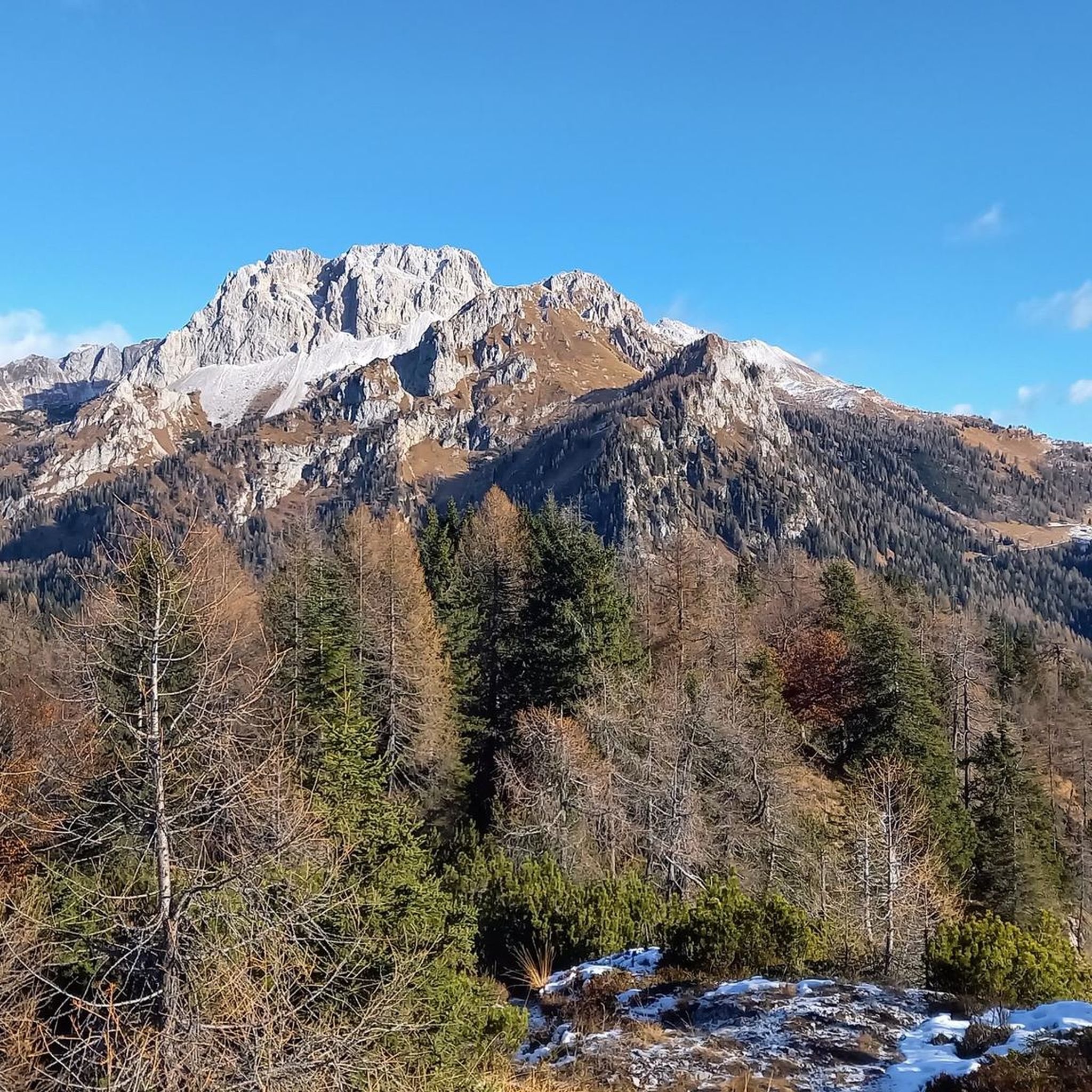
ideal route in winter even when there is no snow
0
0

The bivouac and adjacent meadow are often crowded. Useful as a base for early climbing excursions.
1
0

Getting to the Campanil is not an easy task, but it is worth it.
0
0

The Forte di Monte Ricco, restored and reopened to the public in 2017, often hosts exhibitions and classical music concerts. However, it is advisable to call before visiting to check the opening of the main part. During a summer visit, in fact, it was found that access was allowed only by reservation. An entrance ticket is required but inexpensive. The Fort offers the possibility to walk around the front and internal perimeter, allowing appreciation of the pre-Roman structure. Protected by a moat and a drawbridge, the site also offers a panoramic view of Monte Cristallo. The Fort was built in the pre-Roman era with a defensive function, maintained also in Roman and medieval times. Before the year 1000, it was the seat of an important castle represented in the coat of arms of Cadore. From 1420 it became the seat of the Captain of Venice, but declined in the 17th century. During the Kingdom of Italy, two fortifications were built as part of the defensive system against Austria-Hungary. During the First World War, the Fort was relegated to a warehouse and logistics. Abandoned after 1918, restoration began in 2007 on the initiative of the Municipality of Pieve di Cadore, concluding in 2017.
1
0

I found the Eremo dei Romiti to be a place with a soul. A soul given to it by the two managers, wife and husband, who took it over, where authenticity and real love for the territory are the founding values. Inside, around the fireplace, there are benches and many books that you can read while contemplating the view you can see from the window.
1
0
Frequently Asked Questions
What are some of the most iconic mountain peaks and natural features to explore around Forni di Sopra?
The region boasts several iconic peaks and features. The Monfalconi Group, including the unique Campanile di Val Montanaia, is a must-see natural wonder. Other prominent peaks include Monte Crìdola and Pramaggiore, which contribute to the dramatic Dolomite scenery. You can also visit the Giuliano Perugini Bivouac and the Campanile of Val Montanaia for access to the symbolic spire.
Are there accessible mountain peaks or family-friendly options around Forni di Sopra?
Yes, peaks like Clap Varmost, Monte Crusicalas, and Mount Simon are particularly accessible, especially with the Varmost chairlifts that transport visitors up to 1750 meters to Malga Varmost. From there, various trails branch out, making high-altitude landscapes reachable for a wider range of visitors, including families.
Which peaks offer the best panoramic views of the Friulian Dolomites?
Mount Simon, at 2123 meters, offers undoubtedly the best observation point of the Friulian Dolomites, providing total visibility in all directions due to the absence of vegetation at its summit. The panoramic summit of Clap Varmost also offers exceptional views. Additionally, the Romiti Hermitage on Mount Froppa provides panoramic views.
Where can I find challenging mountain trails or climbs in the Forni di Sopra area?
The Monfalconi Group and Monte Crìdola offer challenging terrain for experienced hikers and climbers. The area around the Campanile di Val Montanaia also features demanding routes. For specific challenging hikes, consider routes like the Monfalconi and Bivacco Marchi-Granzotto Loop or the Friulian Dolomites hut-to-hut trek via Forcella Las Busas, which you can find more about in the Hiking around Forni Di Sopra guide.
Are there any historical or cultural sites among the mountain peaks?
Yes, the Romiti Hermitage is a significant historical site. Located on Mount Froppa, this former convent, built in 1720, has been restored and now serves as a hiking refuge and cultural reference point, offering a glimpse into the region's past.
Are there mountain huts or bivouacs available for trekkers in the region?
Absolutely. The Rifugio Pordenone is an excellent base for numerous treks, including those to the Campanile di Val Montanaia. The Giuliano Perugini Bivouac is situated at 2,060 m in the upper Val Montanaia. Additionally, the Rifugio Tenente Giuseppe Fabbro, located on the Razzo plateau, offers accommodation and is a base for relaxing walks and excursions.
When is the best time of year to visit the mountain peaks around Forni di Sopra?
The region is a popular tourist resort year-round, but for hiking and climbing, the warmer months from late spring through early autumn (May to October) are generally ideal. This period offers more stable weather conditions and full access to trails and huts. Autumn is particularly beautiful with vibrant foliage.
What other outdoor activities can I do near the mountain peaks around Forni di Sopra?
Beyond hiking and climbing, the Varmost area, near peaks like Clap Varmost and Mount Simon, offers opportunities for paragliding and mountain biking. The region also has extensive cycling routes. You can explore various options in the Cycling around Forni Di Sopra guide and the Road Cycling Routes around Forni Di Sopra guide.
What makes the Friulian Dolomites Natural Park special for mountain enthusiasts?
The Friulian Dolomites Natural Park, where Forni di Sopra is located, is a UNESCO World Heritage site known for its wild, unspoiled beauty, rich biodiversity, and stunning geological formations. It offers a serene escape and deep immersion in an untouched mountain world, with a dense network of trails amidst majestic peaks, lush meadows, and deep forests.
Are there any specific routes recommended for experiencing the Monfalconi Group and Campanile di Val Montanaia?
The Rifugio Pordenone serves as an excellent base for treks leading to the iconic Campanile di Val Montanaia. The area around Monfalconi also provides a constant backdrop for tours, such as the Tour of the Huts of Forni, which offers views of the La Suita Lakes. For a challenging experience, consider the Monfalconi and Bivacco Marchi-Granzotto Loop, detailed in the Hiking around Forni Di Sopra guide.
What kind of dining and accommodation options are available near the mountain peaks?
Mountain huts like Rifugio Pordenone and Rifugio Tenente Giuseppe Fabbro offer both accommodation and dining, often serving traditional local dishes. Forni di Sopra itself is a popular tourist resort with various cafes, restaurants, and accommodation options.
Most popular routes around Forni Di Sopra
Most popular attractions around Forni Di Sopra

Get inspired with the komoot mobile app


Explore more
See even more amazing summits around Forni Di Sopra with these guides:
