Attractions and Places To See around Forte Dei Marmi - Top 20
Best attractions and places to see around Forte Dei Marmi include a blend of coastal beauty, historical landmarks, and natural features. This upscale coastal resort town in Tuscany, Italy, is situated between the Ligurian Sea and the Apuan Alps. It offers fine sandy beaches, a vibrant cultural scene, and a rich history, making it a notable destination for visitors. The area is known for its artistic heritage, luxury shopping, and access to mountain views.
Best attractions and places to see around Forte Dei Marmi
- The most popular attractions is Pietrasanta, a settlement known as the capital of artistic marble-working in Versilia. This city of medieval origin features a historical center with fortifications, a cathedral, and numerous palaces, and is an open-air museum with works by famous modern artists.
- Another must-see spot is Monte Folgorito Summit, a summit offering views of the coast and the Apuan Alps. This modest peak (912 meters) is located on the border between Montignoso and Seravezza, and features remnants of fortifications from the Gothic line.
- Visitors also love Antona Village, a settlement perched among olive and chestnut trees in the Frigido valley. This village provides splendid views of Versilia and is characterized by an intricate labyrinth of alleys and historical buildings, including the Church of San Geminiano.
- Forte Dei Marmi is known for its historical landmarks like Il Fortino, natural features such as its beaches and the Apuan Alps, and cultural sites including museums and art galleries. The area offers a variety of attractions to see and explore, from historical architecture to scenic viewpoints.
- The attractions around Forte Dei Marmi are appreciated by the komoot community, with more than 80 upvotes and over 30 photos shared by visitors.
Last updated: October 9, 2026
Pietrasanta
Highlight • Settlement
City of medieval origin, important also from the religious point of view, being located on the Via Francigena, inherited from the Middle Ages the urban layout, the fortifications with the Fortress and, above all, the Cathedral of S. Martino, the former convent of S. Agostino, the Palazzo Pretorio and numerous palaces, enclosed in the historical center.
Since ancient times Pietrasanta has been linked to the working of bronze and marble (which is extracted from the nearby Apuan Alps and was also used by Michelangelo for its masterpieces) and is now an open-air museum: in addition to the many art workshops or art galleries, you can visit and admire too in its streets and squares the works that famous modern authors such as Mitoraj and Botero, Mirò and Pomodoro have donated to the city.
There are also many Italian and foreign artists who have chosen Pietrasanta as a permanent place of residence, while thousands of tourists pour out every summer into the wide territory of the town, attracted by art, the Apuan mountains and the sea.
Tip by

Seravezza (Lucca)
Highlight • Settlement
Seravezza is famous both for a beautiful 16th century Medici villa, declared World Heritage Site by Unesco and because, in different times of the year, it houses folklore events, reviews of local products, festivities and sacred events.
From 2014 onwards, in April, a non-competitive charity cycle tour starts from Seravezza in honor of Marco Talini: he was a courageous insulin-dependent person engaged in various transcontinental bike tours to support the fight against diabetes and poverty; but in 2013, during the his cycling tour Ushuaia-Alaska, he was killed by a truck in Mexico.
Tip by
Sign up now to discover places like this
Get recommendations on the best single tracks, peaks, & plenty of other exciting outdoor places.
Antona Village
Highlight • Settlement
Translated by Google •
Tip by

Monte Folgorito Summit
Highlight • Summit
Translated by Google •
Tip by
Bellavista Vittoria Pier
Highlight • Bridge
Translated by Google •
Tip by

Sign up for free to discover even more attractions around Forte Dei Marmi.
Already have an account?
Start today with a free account
Your next adventure awaits.

Tips from the Community

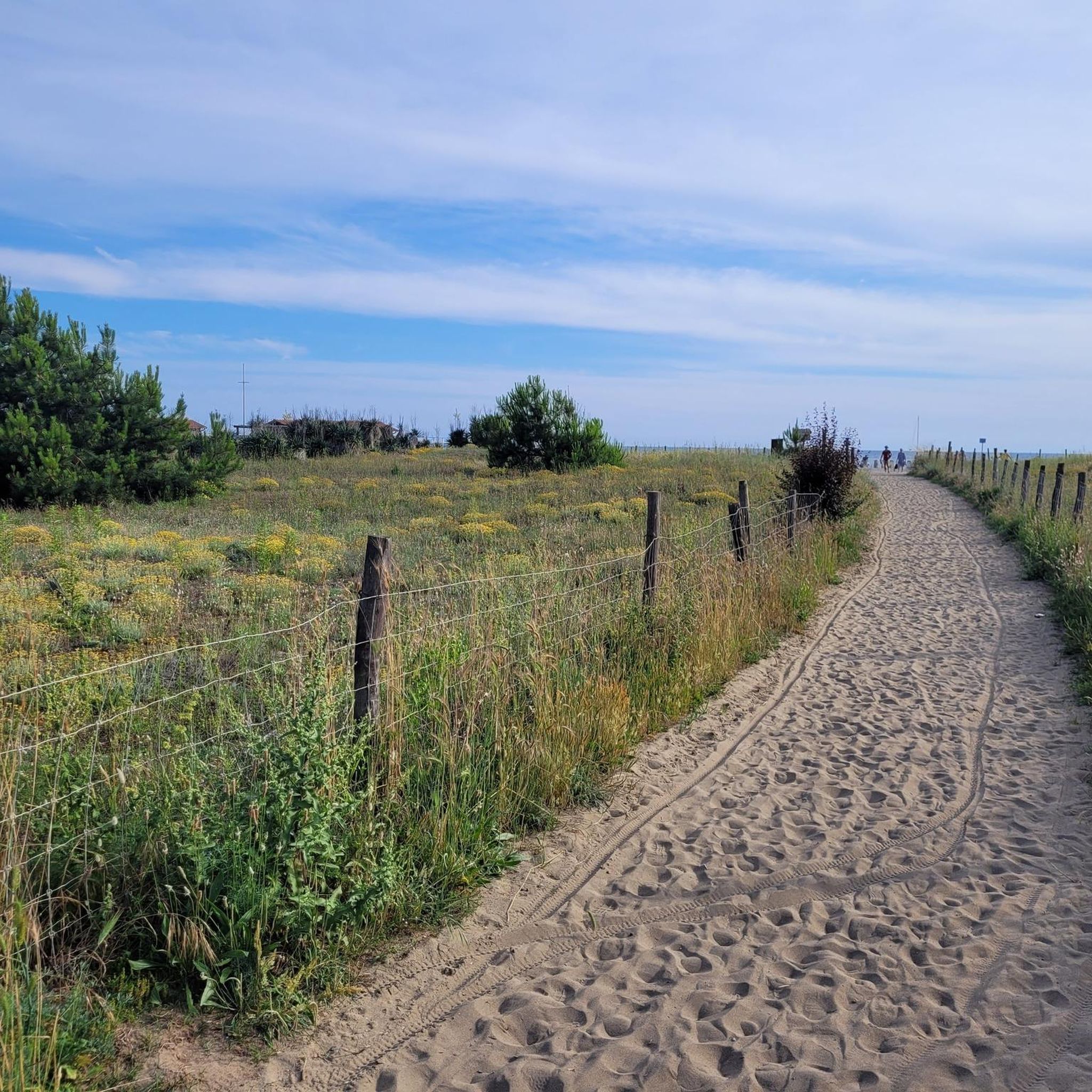
Located in the province of Lucca, directly on the coast of the Ligurian Sea, this seaside resort is not only captivating for its fine sandy beach, but also for the spectacular backdrop of the Apuan Alps towering majestically in the background. Beach vacationers, hikers, and cyclists alike will find plenty to enjoy here!
2
0

Concrete pier for nice and short walks on the sea. In the center there is a compass rose and a few benches, under the panoramic terrace a bar.
1
0

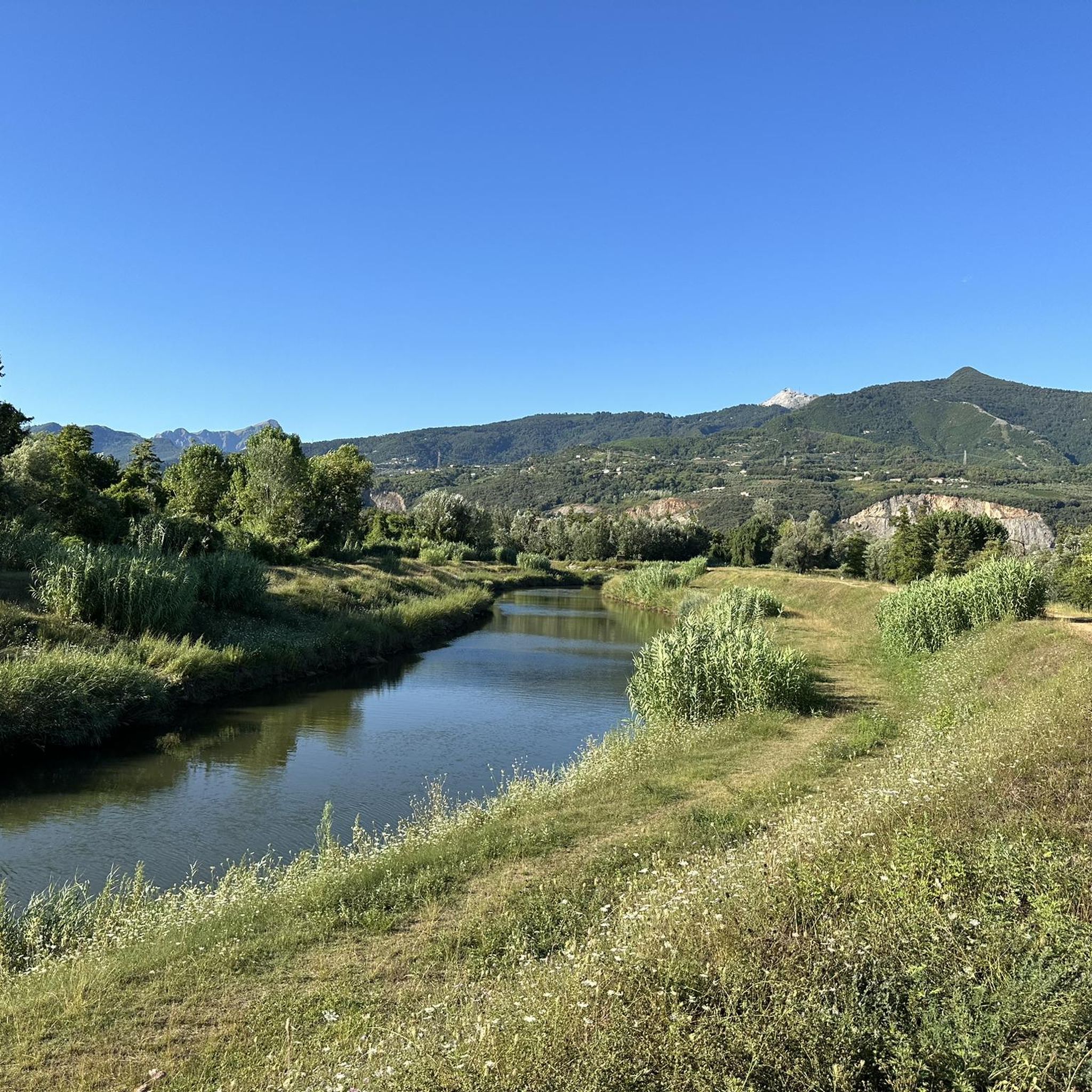
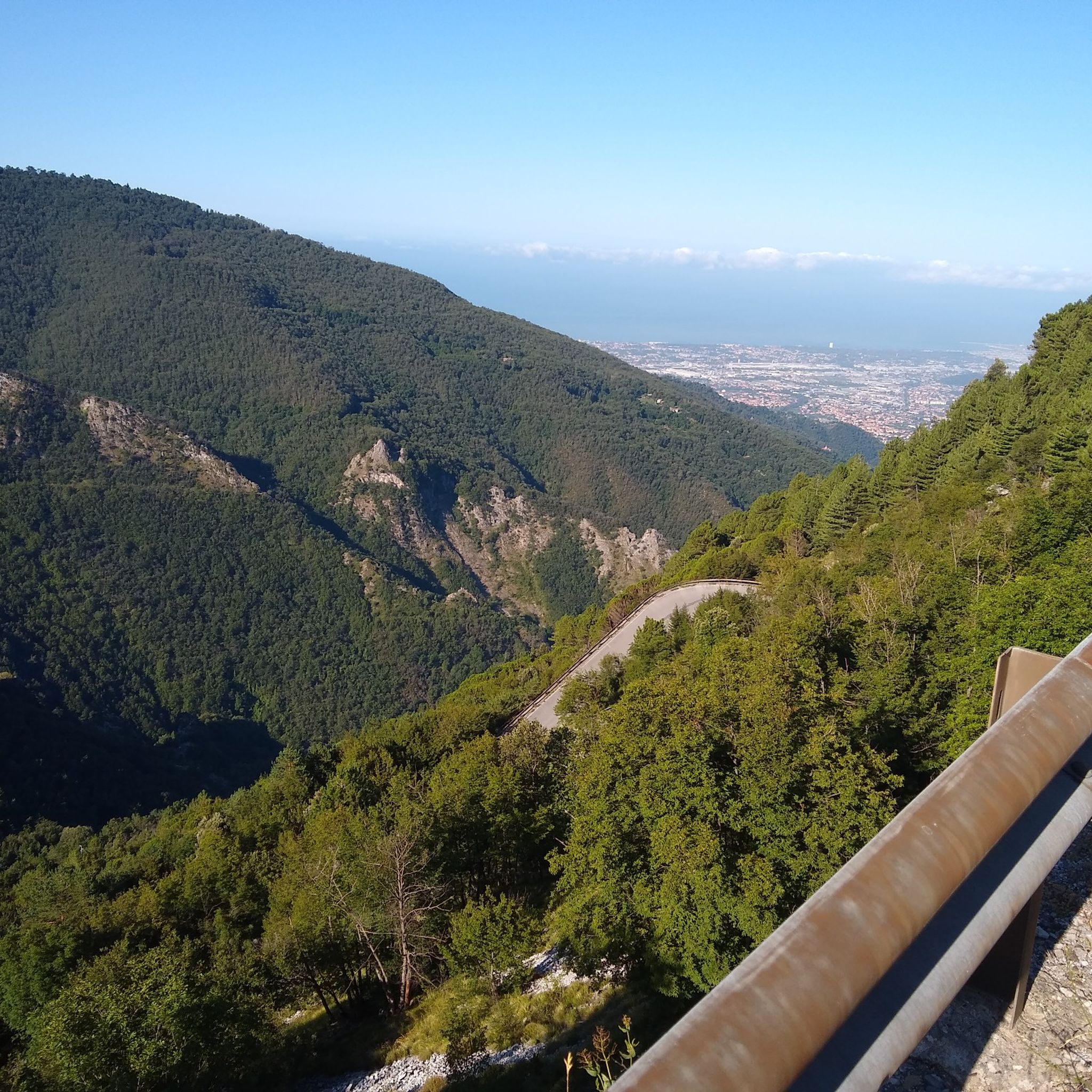
On the road that leads from the center of Massa to the Vestito pass, along the Frigido valley, the hamlet of Antona is a splendid village from which you can enjoy a splendid view of Versilia. It currently has about 400 inhabitants.
0
0
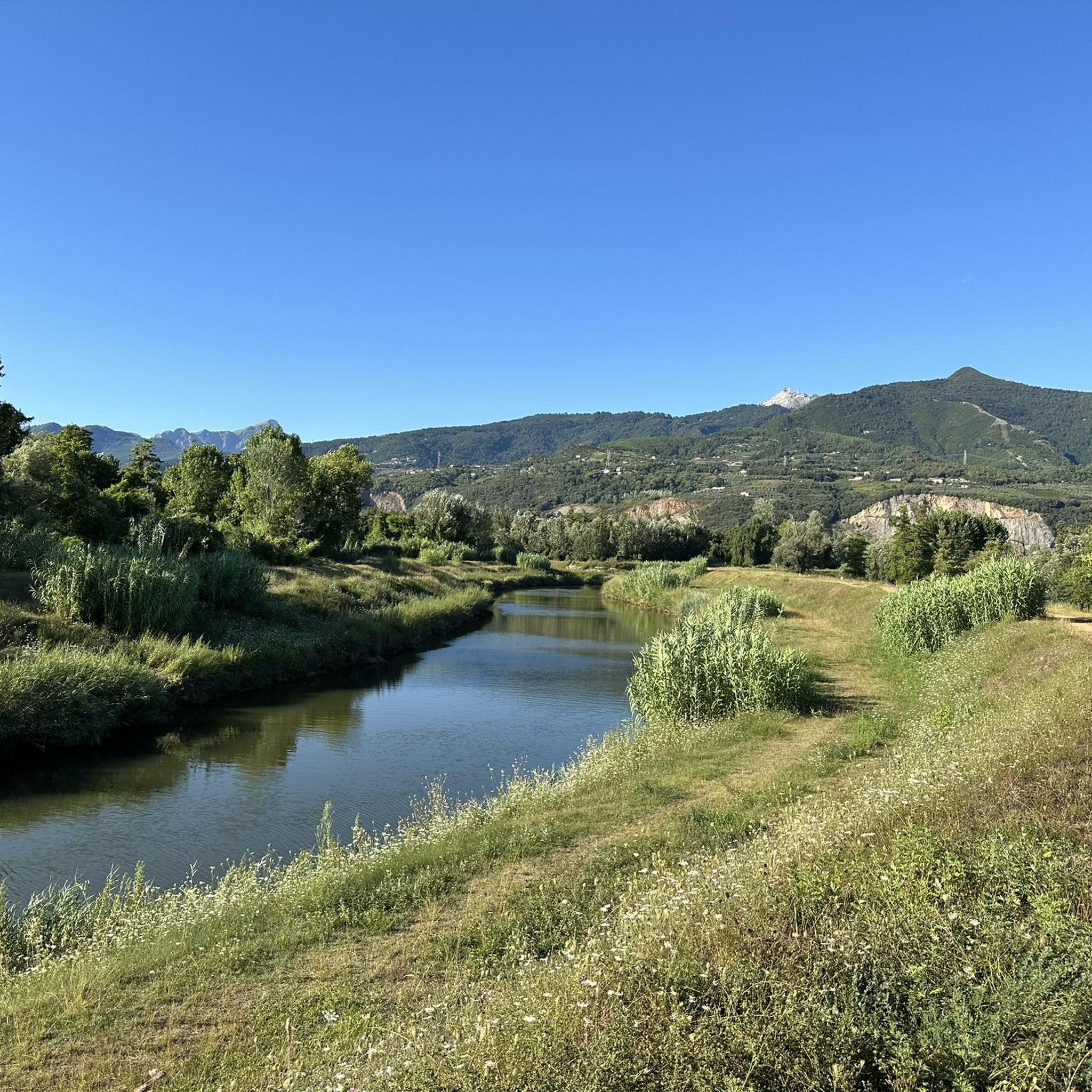
A modest peak (912 meters) of the Altissimo chain, Monte Folgorito is located on the border between the municipalities of Montignoso (Massa-Carrara) and Seravezza (Lucca). It seems that the name derives from the fact that its peak is a constant target of lightning and thunder during summer storms.
0
0

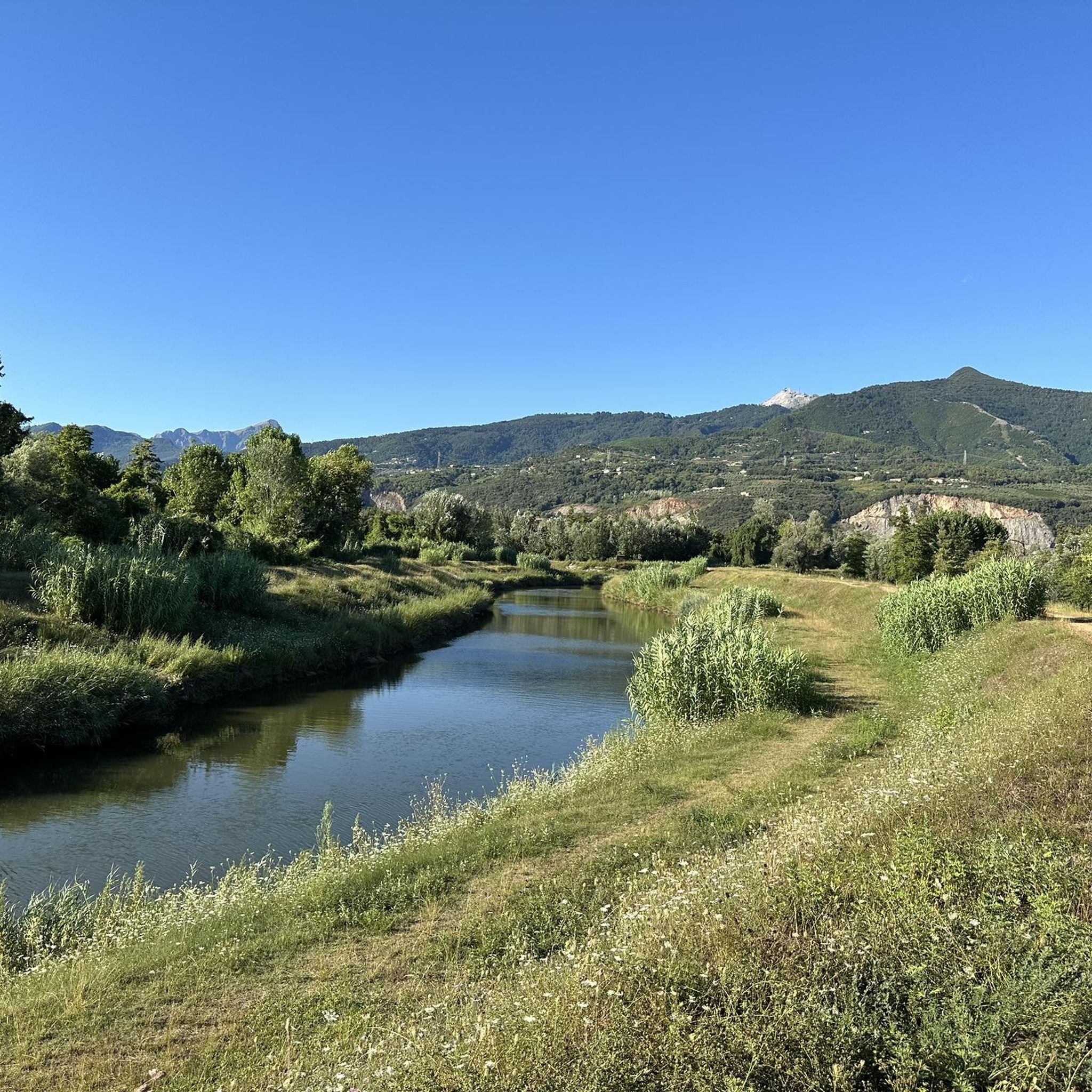
FacebookTwitterWhatsApp The Bellavista Vittoria jetty is located in Lido di Camaiore, and is known for its characteristic position on the sea which allows you to enjoy a splendid romantic walk in contact with nature. The Bridge ends with an indoor space, where you can stop to enjoy the view rather than eat and drink something in the refreshment point.
0
0

a beautiful bridge. Beautiful views over the sea and back to Lido di Camaaiore
1
1


Antona is perched among olive and chestnut trees in the Frigido valley, nestled in the Apuan Alps. The village is formed by an intricate labyrinth of alleys and alleys, with houses adorned with beautiful friezes, marble bas-reliefs, majesty and aedicules enriched with sacred images. The church of San Geminiano stands out in the town, documented with certainty since 1297. Despite the transformations it has undergone over the centuries, the building partly retains its Romanesque structure. In the 16th century the two side naves were added. Inside there are valuable artistic and architectural works, such as a marble altar dedicated to the Virgin of the Rosary dated 1711, the balustrade and the marble capitals of the sixteenth century, two marble statues and the glazed terracotta altarpiece by Benedetto Buglioni, from 1622, representing the Madonna with Child and four Saints. From Antona it is possible to follow various paths up to Canevara, Pian della Fioba and San Marcora.
1
0
Frequently Asked Questions
What are some must-see historical landmarks in and around Forte Dei Marmi?
Forte Dei Marmi itself is home to Il Fortino, an 18th-century fortress that gave the town its name, and The Pier (Pontile), originally built for marble loading and now a popular spot for scenic views. Nearby, you can explore Pietrasanta, a city of medieval origin with fortifications, a cathedral, and numerous palaces. The Seravezza (Lucca) area features a beautiful 16th-century Medici villa, a UNESCO World Heritage Site. Don't miss Antona Village, perched in the Apuan Alps with its intricate alleys and historical buildings, including the Church of San Geminiano.
Are there any natural attractions or scenic viewpoints near Forte Dei Marmi?
Yes, Forte Dei Marmi is uniquely situated between the Ligurian Sea and the Apuan Alps. The town boasts long stretches of fine sandy beaches. For stunning panoramic views, consider a hike to Monte Folgorito Summit, a modest peak offering vistas of the coast and the Apuan Alps. The entire region provides a beautiful combination of mountain scenery and coastal landscapes.
What kind of shopping opportunities are available in Forte Dei Marmi?
Forte Dei Marmi is a renowned destination for luxury shopping. You'll find elegant boutiques from designer brands along Via Roma, as well as unique local shops. The famous Forte dei Marmi Open-Air Market in Piazza Marconi, held weekly, is known for high-quality offerings including luxury fashion, cashmere, leather goods, homeware, and local ceramics.
What cultural sites or museums can I visit in Forte Dei Marmi?
The town offers several cultural points of interest. Villa Bertelli serves as the Municipality seat and hosts various shows and cultural events. You can also visit the Ugo Guidi Museum, dedicated to the famous Italian sculptor, and the unique Museum of Satire and Caricature for an uncommon cultural experience.
Are there family-friendly activities or places for children in Forte Dei Marmi?
Absolutely. Piazza Marconi is a lively hub for families, featuring rides like carousels, go-karts, and pony carts. During summer, it transforms into an open-air theater with puppet shows and storytellers. Many of the private beach clubs (bagni) also offer children's play areas, making the beaches a great family option.
What outdoor activities, like cycling or hiking, can I do near Forte Dei Marmi?
The area around Forte Dei Marmi is excellent for outdoor activities. Cycling is very popular, with dedicated paths and many hotels offering bike rentals. You can find various routes for gravel biking, mountain biking, and road cycling. For detailed routes and guides, explore options like Gravel biking around Forte Dei Marmi, MTB Trails around Forte Dei Marmi, and Road Cycling Routes around Forte Dei Marmi. Hiking is also possible, especially in the nearby Apuan Alps, with trails leading to viewpoints like Monte Folgorito Summit.
What are some popular day trips from Forte Dei Marmi?
Forte Dei Marmi serves as an excellent base for exploring charming Tuscan towns. Easily accessible day trips include Pisa (for its iconic Leaning Tower), the historic walled city of Lucca, and the artistic town of Pietrasanta, known for marble working and art. You could also visit Seravezza, home to a UNESCO-listed Medici villa, or the vibrant coastal town of Viareggio. The famous Carrara marble quarries are another popular excursion.
What is the nightlife like in Forte Dei Marmi?
Forte Dei Marmi offers a sophisticated nightlife scene. One of the most iconic venues is La Capannina di Franceschi, a luxury disco that has hosted celebrities and features live performances and DJ sets, providing an elegant evening experience.
Are there any notable churches or religious buildings to visit?
Yes, the town and surrounding area have several churches worth visiting. In Pietrasanta, the Collegiate Church of St. Martin (Pietrasanta Cathedral) is a significant historical and architectural site. Within Forte Dei Marmi, you can find the Church of Sant'Ermete, the Church of San Francesco d'Assisi, the Church of the Resurrection, and the Church of Santa Teresa in Vaiana.
What do visitors enjoy most about the attractions around Forte Dei Marmi?
Visitors particularly appreciate the blend of historical charm and natural beauty. Highlights like Pietrasanta are praised for their beauty and artistic atmosphere. The scenic views from spots like Monte Folgorito Summit are also highly rated. The overall appeal lies in the combination of upscale coastal living with rich cultural heritage and access to the stunning Apuan Alps.
What is the Roma Imperiale District known for?
The Roma Imperiale District is renowned for its elegant and historic villas, often surrounded by lush gardens. These include notable residences like Casa Mann Borghese, Villa Agnelli, and Villa Antonietta, offering a glimpse into the town's affluent history and architectural beauty.
Most popular routes around Forte Dei Marmi
Most popular attractions around Forte Dei Marmi

Get inspired with the komoot mobile app


Explore more
Still not found the Highlight you’re looking for? See guides of the top attractions in other regions:
