Top 20 Natural Monuments around Gianico
Best natural monuments around Gianico offer a diverse landscape for exploration, situated in the Lombardy region of Italy. The area is characterized by mountainous terrain, including peaks and valleys, providing a rich environment for various natural formations. These natural landmarks are often intertwined with historical routes and cultural sites, reflecting the region's geological evolution and human interaction with the environment. Visitors can discover a range of natural attractions, from high mountain passes to expansive forests.
Best natural monuments around Gianico
…Last updated: June 26, 2026
Pass of the Seven Crosses
Highlight • Mountain Pass
Translated by Google •
Tip by

Val Grigna Regional Forest
Highlight • Forest
Translated by Google •
Tip by

Sign up now to discover places like this
Get recommendations on the best single tracks, peaks, & plenty of other exciting outdoor places.
Sign up for free
Monte Muffetto summit
Highlight • Summit
On the grassy, rounded summit, a simple cross with two howitzers fixed at its base. …
Translated by Google •
Tip by

Monte Ario
Highlight • Summit
Translated by Google •
Tip by

San Glisente Niche
Highlight • Religious Site
Translated by Google •
Tip by

Sign up for free to discover even more natural monuments around Gianico.
Sign up for free
Already have an account?
Start today with a free account
Your next adventure awaits.
Login or Signup
Tips from the Community

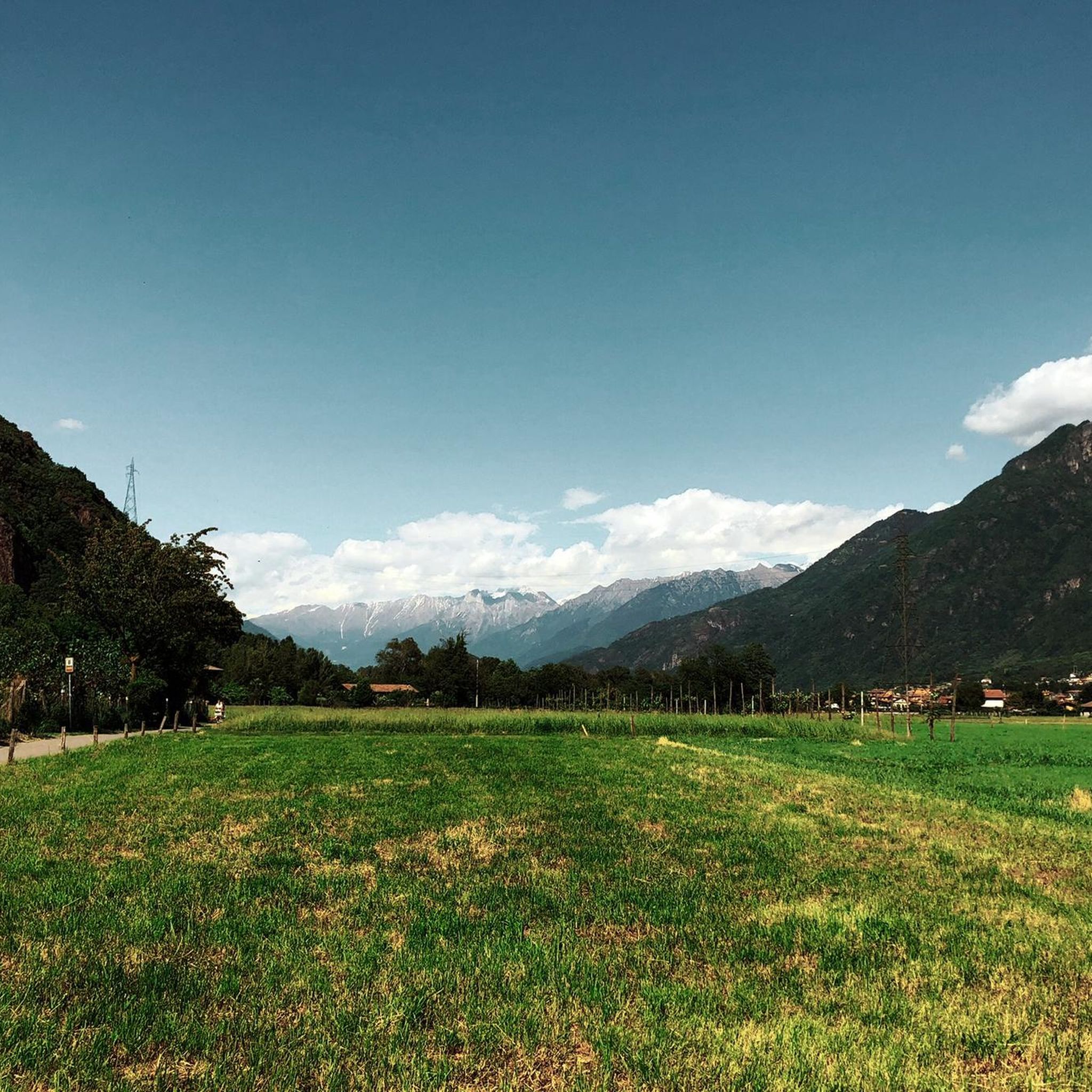
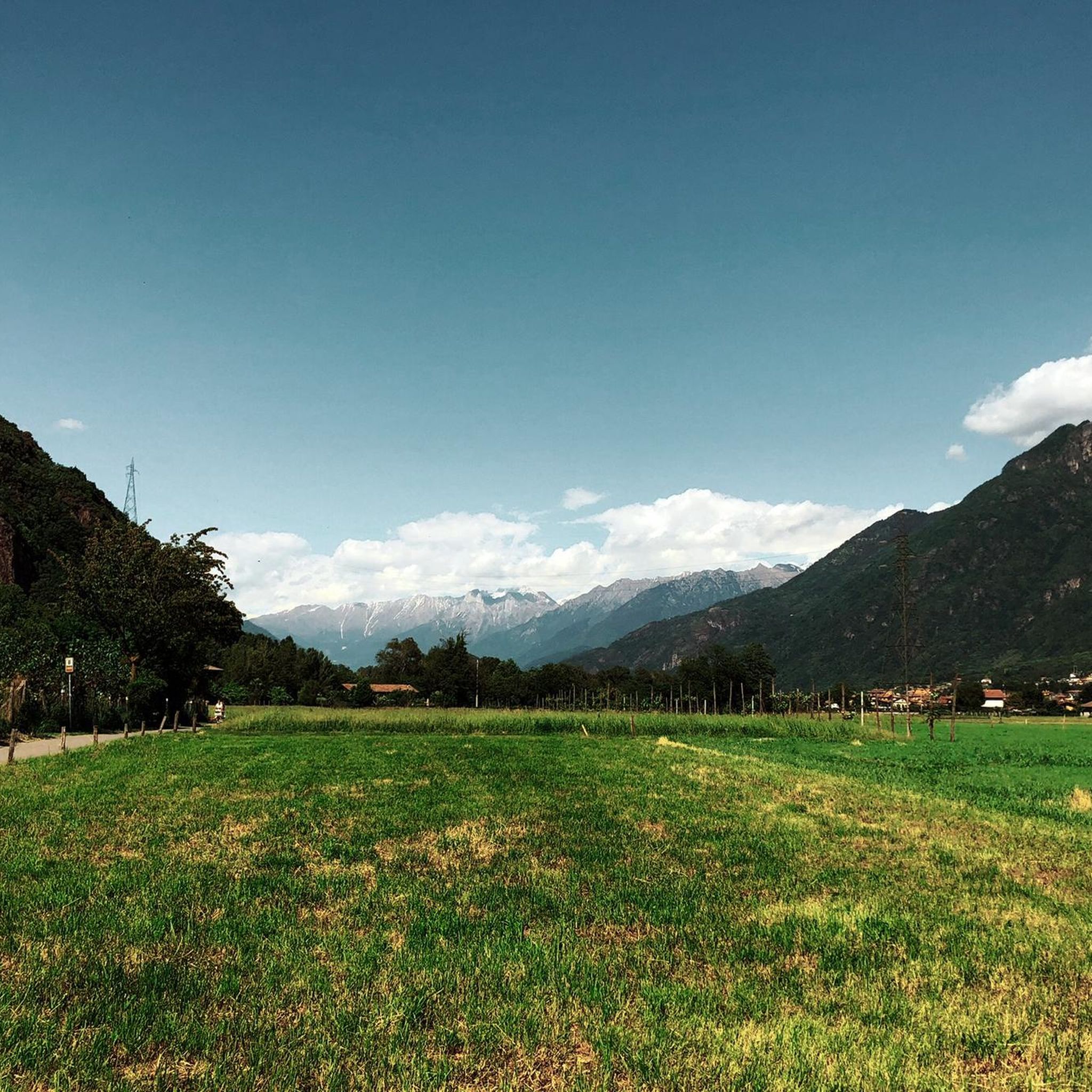
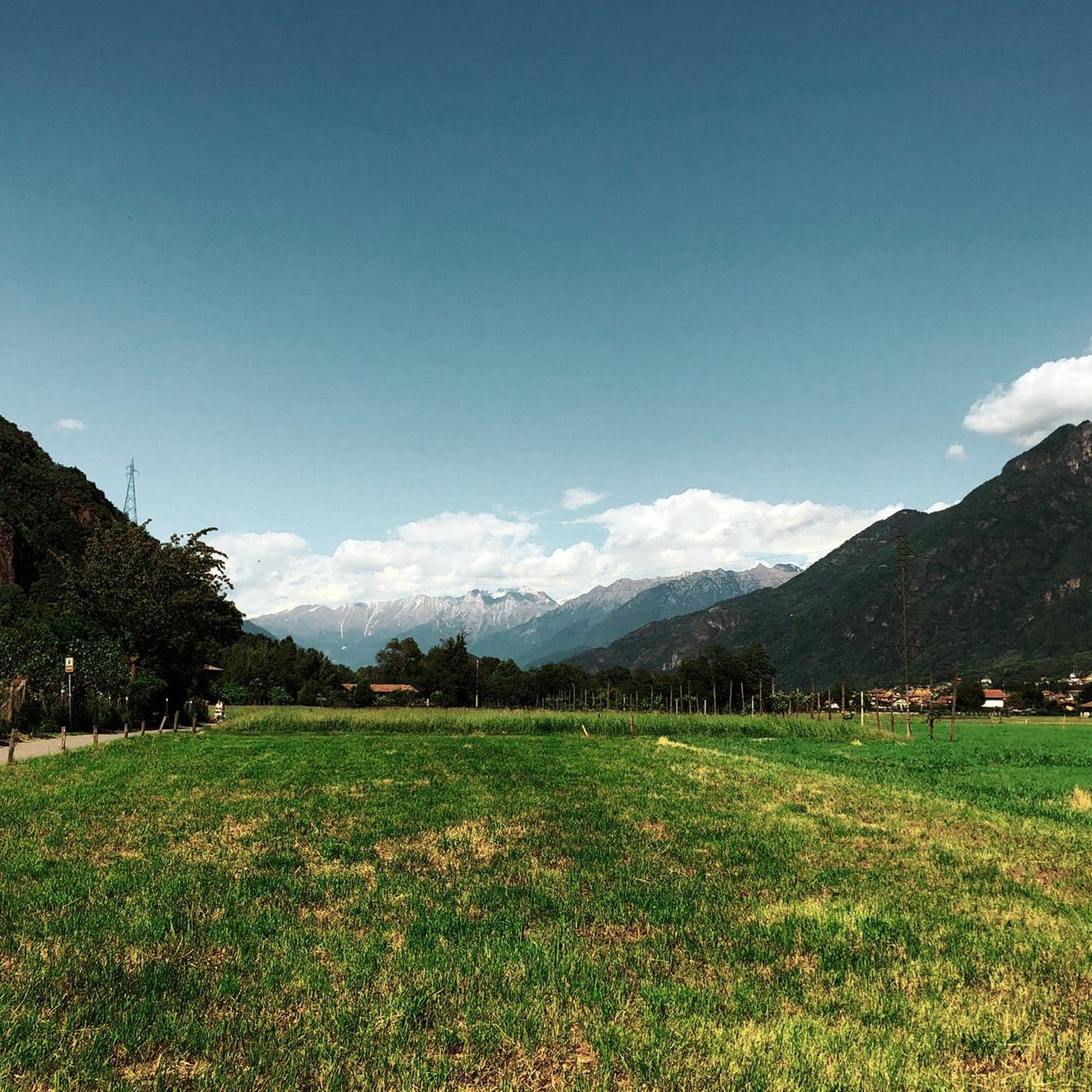
wonderful view of the valley below
0
0

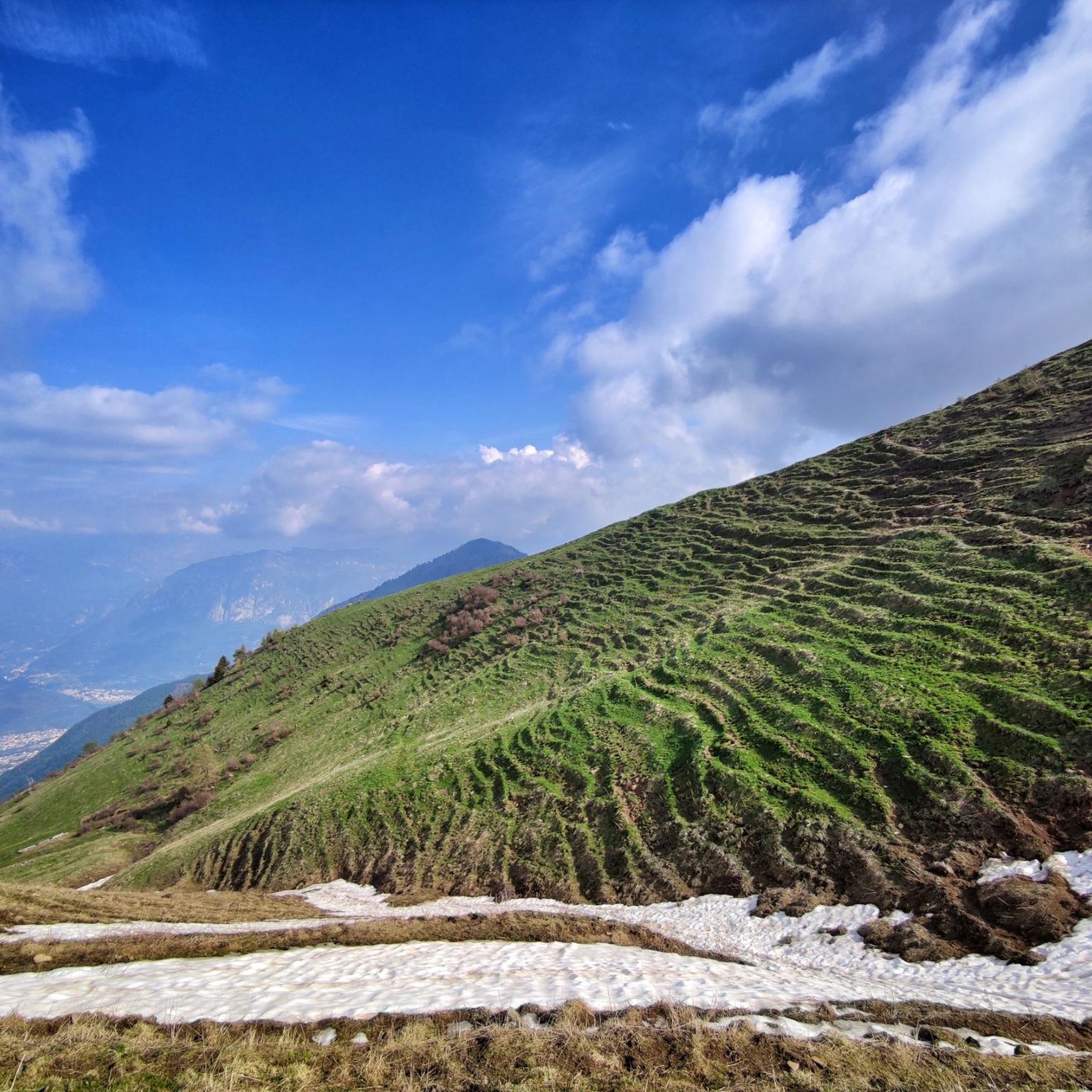
A peak over two thousand meters high, overlooking the Montecampione plain and the Bassinale valley. On the grassy, rounded summit, a simple cross with two howitzers fixed at its base. It can be reached via various trails, or by following the two main ridges: the southeast (EE) and the northwest (EE+, which also features a small equipped cliff mid-ridge). From the summit, you can enjoy a splendid panorama wherever you turn, surrounded by imposing mountain ranges at the four cardinal points, as well as the upper part of Lake Sebino, the Camonica Valley, and the Trompia Valley. With a particularly trained eye, you can see: to the north the Orobie mountain range and at first sight the Presolana (you can also glimpse the snow-capped Bernina), to the east the Adamello massif and the Brenta Dolomites, to the south the mountains of the Maniva mountain range, to the west the Monte Guglielmo group.
3
0


The Nicchia di San Glisente, located at around 2,000 meters above sea level in Val Camonica, is more than a sanctuary: it is an ancient testimony of worship. Originally dedicated to a pastoral deity, the word "San Glisente" reflects the local tradition of naming sacred places, not just saints. This place, overlooking Berzo and Esine, stands on an artificial cave, a sign of a previous pagan cult site. A bridge between hell, earth and sky.
3
0

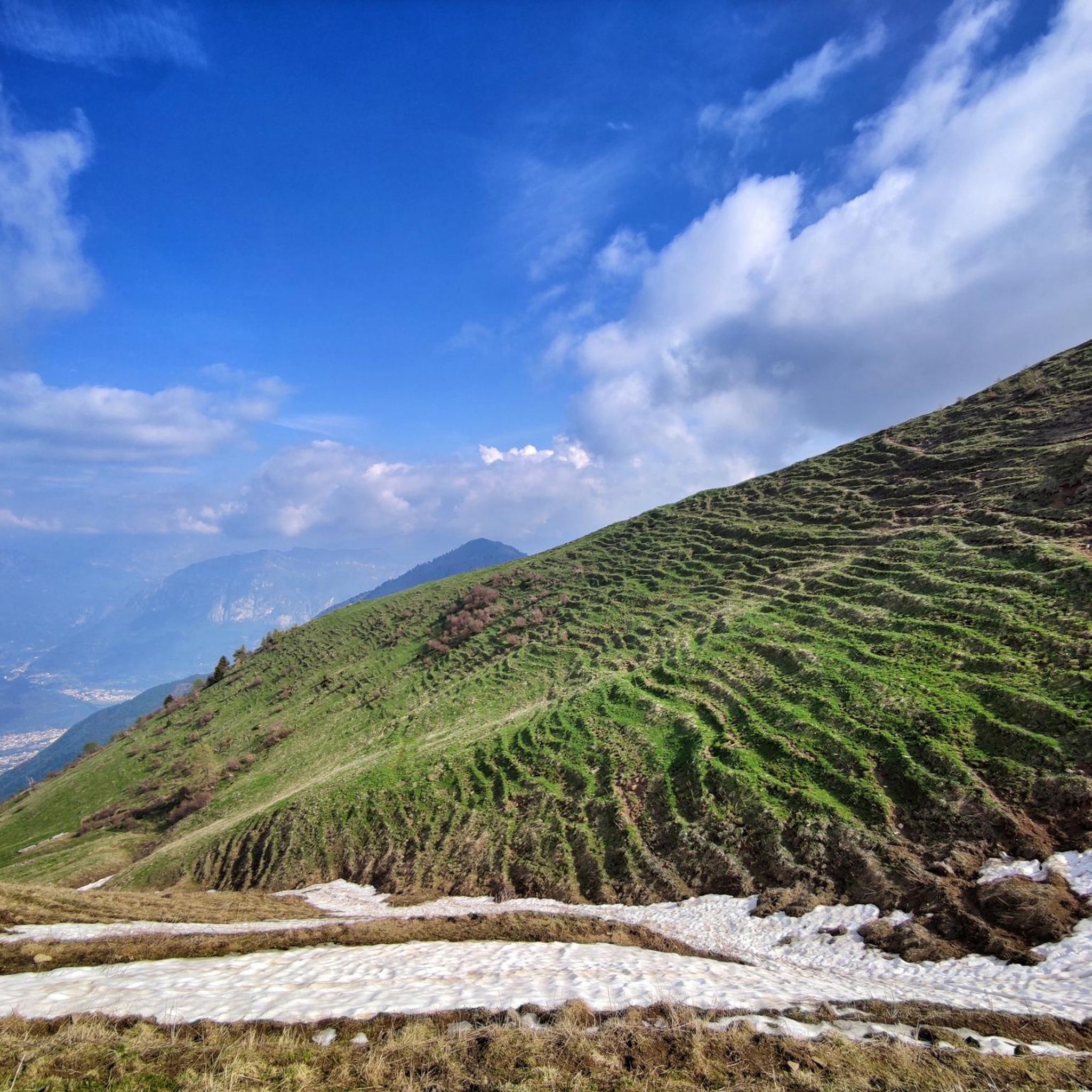
This is the Passo delle Sette Crocette! An ancient road between the upper Val Trompia and Val Grigna, with a dry stone wall and seven iron crosses. A 1688 cippus adds to the historic charm. Legends tell of witchcraft and mountain piety linked to tragic events. A fascinating place steeped in history and mystery.
3
1
The legend of San Glisente tells of a valiant count of Charlemagne's army who retired as a hermit on a mountain near Berzo, where he died in 796. With his brothers, San Fermo and San Cristina, he dedicated himself to hermitage in various mountains in the area. Legend describes him as a defender of peoples, a man of faith, hope and love. The sanctuary of San Glisente, on the top of the mountain, is a magical place of profound spirituality, as is the Nicchia.
1
0

Monte Muffetto is a mountain located in the province of Brescia, Lombardy. With its suggestive landscapes and unspoiled nature, it is an ideal destination for hiking and nature lovers. The top of Monte Muffetto offers spectacular views of the surrounding area and allows visitors to immerse themselves in the tranquility and beauty of the Lombardy mountains. It is a popular destination for those looking for a pleasant outdoor adventure and a way to get away from the daily grind.
1
0
The Val Grigna Regional Forest covers an area of 2,847.50 hectares, located in the municipalities of Berzo Inferiore, Bienno, Bovegno, Esine and Gianico. It extends from an altitude of 1,000 meters to the summit of Monte Crestoso, which reaches 2,207 metres. The landscape of the area is characterized by spruce fir and larch woods, interspersed with large clearings used as pastures. Much of the forest is in Valle Camonica, but a significant portion of the south-facing pastures extend beyond the watershed, into Valle Trompia. Inside the Forest there are numerous structures, originally linked to alpine farming and cattle grazing. Over time, many of these structures have been restructured to continue to perform their function, while others have been transformed into bivouacs, refuges, agritourisms, environmental education centers and ethnographic museums. Access to the Forest and to the alpine pastures is through some forest roads, but the internal connections are mainly pedestrian, through ancient paths which today also offer considerable excursion interest. Furthermore, the area is crossed by long-distance paths, such as the Tre Valli Bresciane path and the Via dei Silter, which connect the pastures of the Vasta Valgrigna area in a fascinating trek. Hunting is prohibited in the regional forests, but it is possible to spot deer, chamois and black grouse for those with good eyesight or a bit of luck.
1
0
Frequently Asked Questions
What are some of the most unique natural monuments to visit near Gianico?
One of the most unique geological spectacles in the vicinity is the Piramidi di Zone (Erosion Pyramids of Zone), located on the eastern shore of Lake Iseo. These earth pyramids, topped with large rock 'hats,' are a result of continuous erosion on glacial deposits. You can explore them via a well-marked circular hiking trail. Another notable site is the Pass of the Seven Crosses, a mountain pass with historic charm and a pleasant mountainous environment.
Are there any natural monuments with significant historical or cultural importance?
Yes, the Pass of the Seven Crosses is an ancient road between the upper Val Trompia and Val Grigna, featuring a dry stone wall and seven iron crosses, steeped in history and local legends. Another site is the San Glisente Niche, an ancient testimony of worship located at around 2,000 meters above sea level, built on an artificial cave and considered a bridge between different realms.
What kind of views can I expect from the natural monuments around Gianico?
Many natural monuments offer spectacular panoramic views. For instance, Monte Ario, despite its 1,775 meters altitude, provides a magnificent 360-degree vista of Valle Trompia, Lake Garda, and Monte Guglielmo. Similarly, Monte Muffetto summit offers a splendid panorama of the surrounding mountain ranges, the upper part of Lake Sebino, and the Camonica and Trompia Valleys.
Are there family-friendly natural monuments or trails suitable for children?
The Piramidi di Zone (Erosion Pyramids of Zone) offer a well-marked circular hiking trail that takes approximately one hour to complete, making it a relaxing and educational experience suitable for families. The path winds through a forest with educational signs explaining the geological formations. The entrance to the reserve is free.
When is the best time to visit the natural monuments around Gianico?
The autumn season is particularly recommended for visiting the Piramidi di Zone, as the vibrant autumn colors of the vegetation enhance the already captivating scenery. Generally, spring and early autumn offer pleasant temperatures for hiking and exploring the mountainous natural monuments, avoiding the heat of summer and heavy snows of winter at higher altitudes.
What outdoor activities can I do near these natural monuments?
The area around Gianico offers a variety of outdoor activities. You can find numerous hiking trails, such as the 'Dosso Bassinaletto from Piazze Trail' or the 'Roselli Wildlife Trail Loop'. For cycling enthusiasts, there are routes like the 'Ciclovia dell'Oglio' or loops around Lake Iseo. Mountain biking is also popular, with trails like 'Lago Moro da Darfo Boario'. You can explore more options on the Hiking around Gianico, Cycling around Gianico, and MTB Trails around Gianico guide pages.
How can I reach the Piramidi di Zone, and is parking available?
To reach the Piramidi di Zone, you can drive from Marone on the eastern shore of Lake Iseo, following the deviation for Zone and then to Cislano. Parking is available at Cislano, which is also the starting point of the trail. The reserve is easily accessible and offers a convenient starting point for your exploration.
Can I expect to see wildlife in the natural monuments around Gianico?
Yes, especially in areas like the Val Grigna Regional Forest. This extensive forest, covering nearly 3,000 hectares, is a protected area where hunting is prohibited. With a bit of luck and a keen eye, visitors might spot deer, chamois, and black grouse. The forest also features large clearings used as pastures, adding to the diverse habitat.
What are the typical trail conditions and difficulty levels for exploring these natural monuments?
The trails vary in difficulty. Many routes to summits like Monte Ario and Monte Muffetto summit are generally considered intermediate. The Pass of the Seven Crosses offers a pleasant mountainous environment with green meadows and red rocks. Always check specific route details for elevation, terrain, and recommended gear, especially during changing weather conditions.
Are there any long-distance paths that cross through the natural monuments?
Yes, the Val Grigna Regional Forest is crossed by long-distance paths such as the Tre Valli Bresciane path and the Via dei Silter. These paths connect the pastures of the Vasta Valgrigna area, offering fascinating treks for those looking for longer excursions through the natural landscape.
What do visitors enjoy most about the natural monuments around Gianico?
Visitors frequently appreciate the magnificent panoramic views from summits like Monte Ario and Monte Muffetto summit. The historical charm and unique atmosphere of places like the Pass of the Seven Crosses are also highly valued. The geological wonder of the Piramidi di Zone and the tranquility of the Val Grigna Regional Forest are also popular highlights, offering diverse experiences for nature lovers and hikers.
Most popular routes around Gianico
Most popular attractions around Gianico

Get inspired with the komoot mobile app


Explore more
Extend your search for the best caves by checking out these guides of the top ones around Gianico:
