Top 20 Natural Monuments around Collio
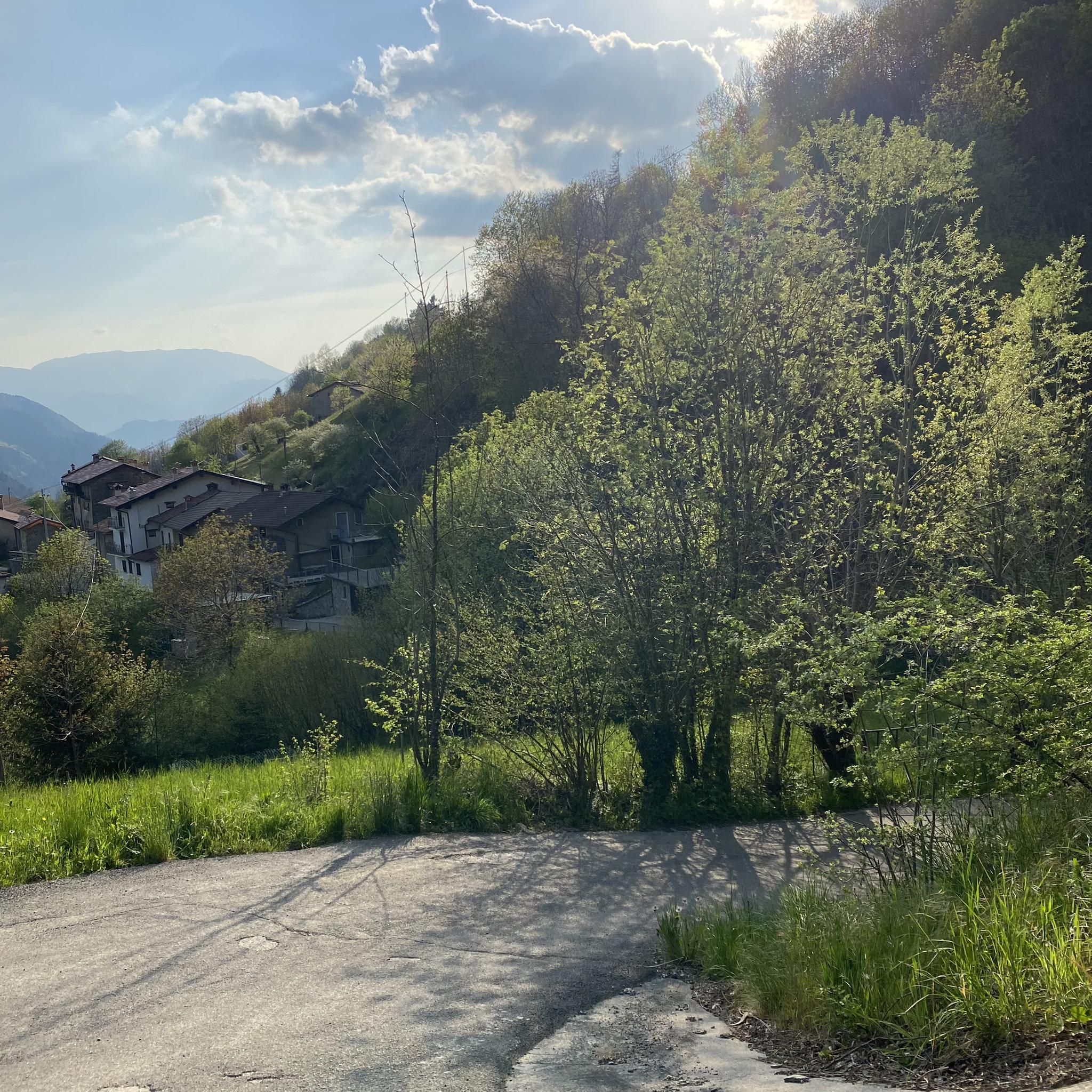
Best natural monuments around Collio are found in a region characterized by mountainous landscapes and diverse terrain. The area, particularly in Lombardy, Italy, includes parts of the Adamello Natural Park, offering mountains, peaks, and ridges. Collio's natural features range from high alpine passes to regional forests and lakes, providing varied opportunities for exploration. The landscape is shaped by its geology and influenced by both mountain and sea winds.
Best natural monuments around Collio
- The most popular natural monuments is Passo…
Last updated: May 13, 2026
Passo Crocedomini
Highlight • Mountain Pass
Translated by Google •
Tip by

Pass of the Seven Crosses
Highlight • Mountain Pass
Translated by Google •
Tip by

Sign up now to discover places like this
Get recommendations on the best single tracks, peaks, & plenty of other exciting outdoor places.
Sign up for free
Val Grigna Regional Forest
Highlight • Forest
Translated by Google •
Tip by

Monte Muffetto summit
Highlight • Summit
On the grassy, rounded summit, a simple cross with two howitzers fixed at its base. …
Translated by Google •
Tip by

Lake Bongi
Highlight • Lake
Translated by Google •
Tip by
Sign up for free to discover even more natural monuments around Collio.
Sign up for free
Already have an account?
Start today with a free account
Your next adventure awaits.
Login or Signup
Popular around Collio
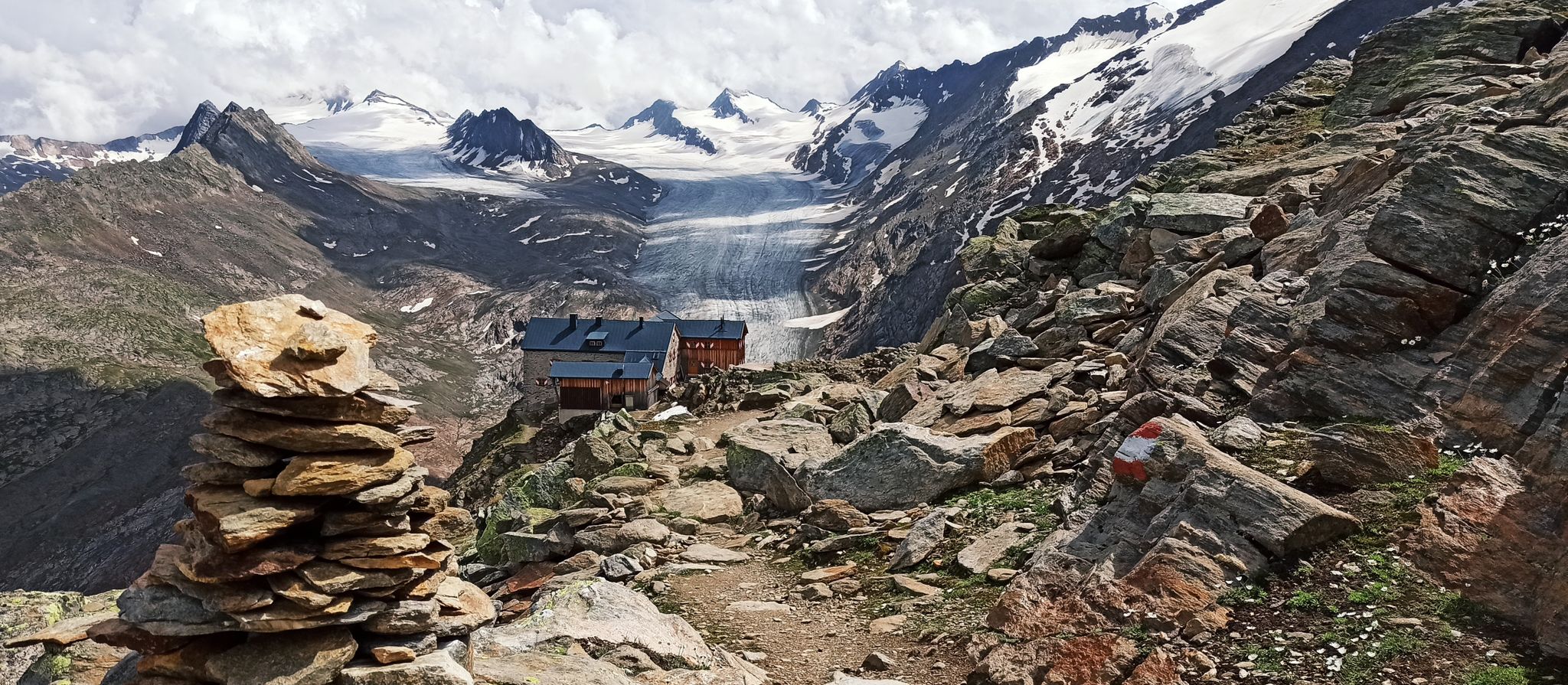
L1 from Garmisch to Brescia – Far from the classic Alpine crossings
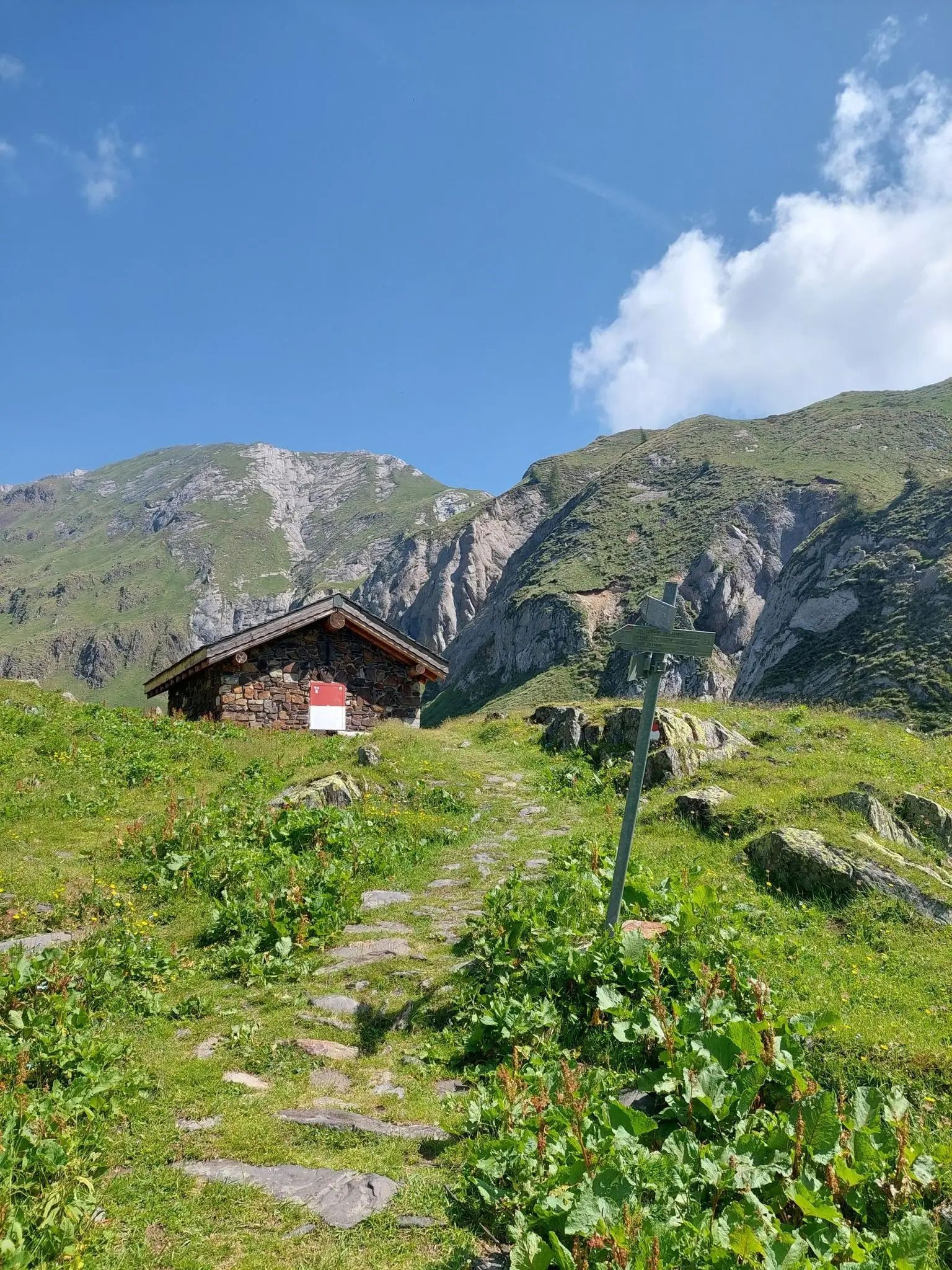
Along the ancient Italian-Austrian border – Alta Via del Caffaro
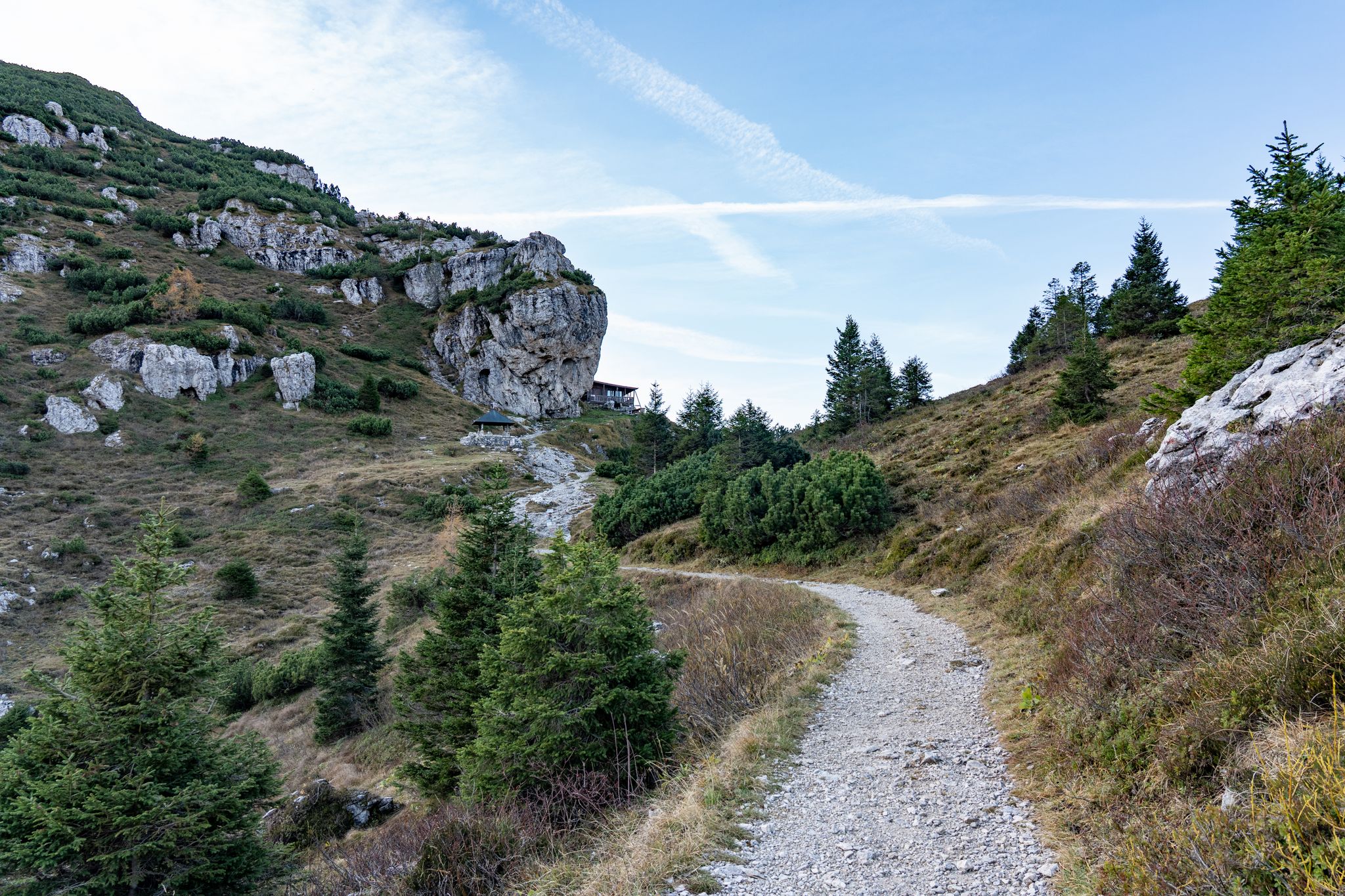
A MTB ring in the Brescia Prealps - the Crinale Path
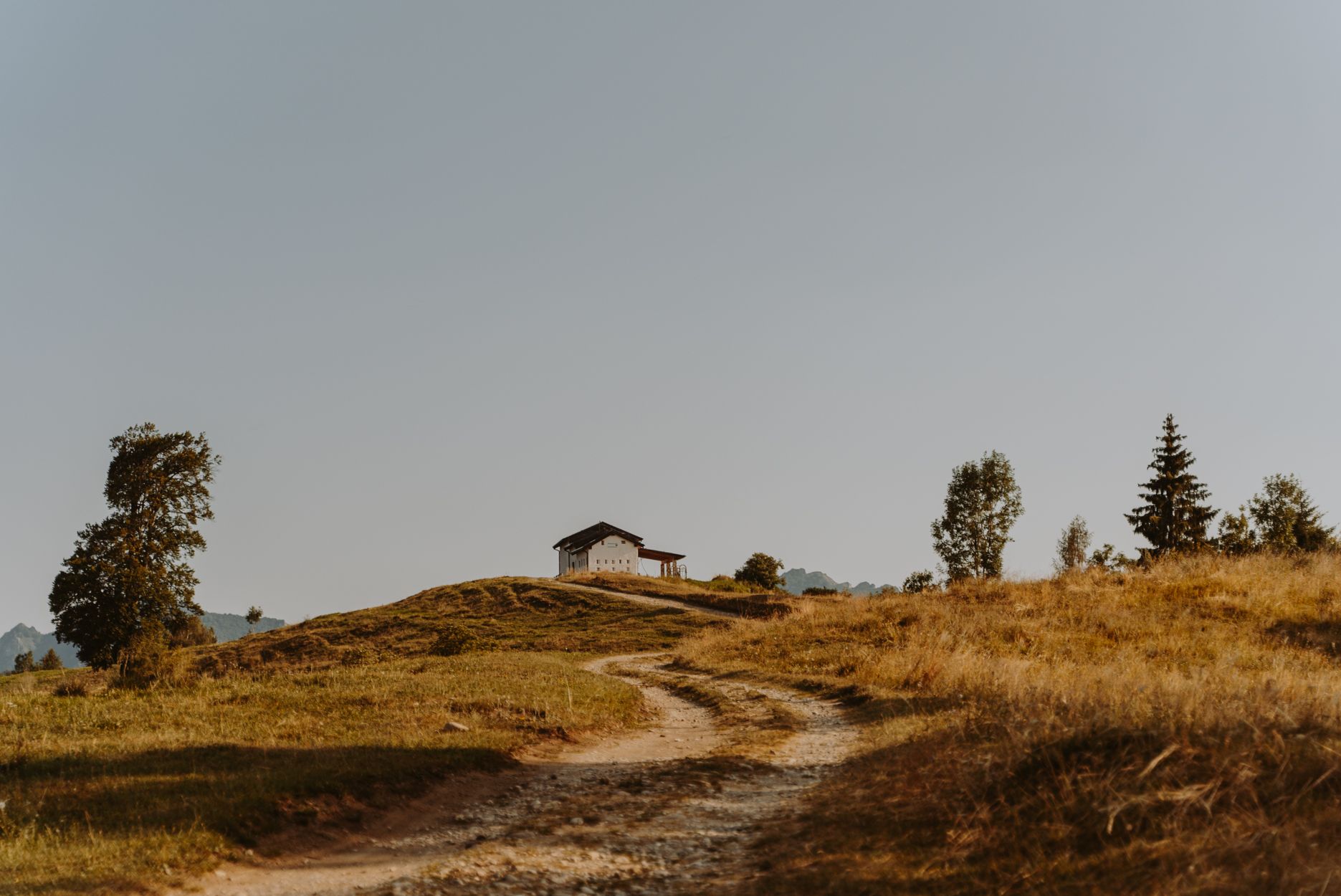
Superb descents and old huts – Italy’s upper Trompia Valley by MTB
Hiking around Collio
MTB Trails around Collio
Road Cycling Routes around Collio
Cycling around Collio

Gravel biking around Collio
Running Trails around Collio
Other adventures around Collio


Tips from the Community

wonderful view of the valley below
0
0

A peak over two thousand meters high, overlooking the Montecampione plain and the Bassinale valley. On the grassy, rounded summit, a simple cross with two howitzers fixed at its base. It can be reached via various trails, or by following the two main ridges: the southeast (EE) and the northwest (EE+, which also features a small equipped cliff mid-ridge). From the summit, you can enjoy a splendid panorama wherever you turn, surrounded by imposing mountain ranges at the four cardinal points, as well as the upper part of Lake Sebino, the Camonica Valley, and the Trompia Valley. With a particularly trained eye, you can see: to the north the Orobie mountain range and at first sight the Presolana (you can also glimpse the snow-capped Bernina), to the east the Adamello massif and the Brenta Dolomites, to the south the mountains of the Maniva mountain range, to the west the Monte Guglielmo group.
3
0

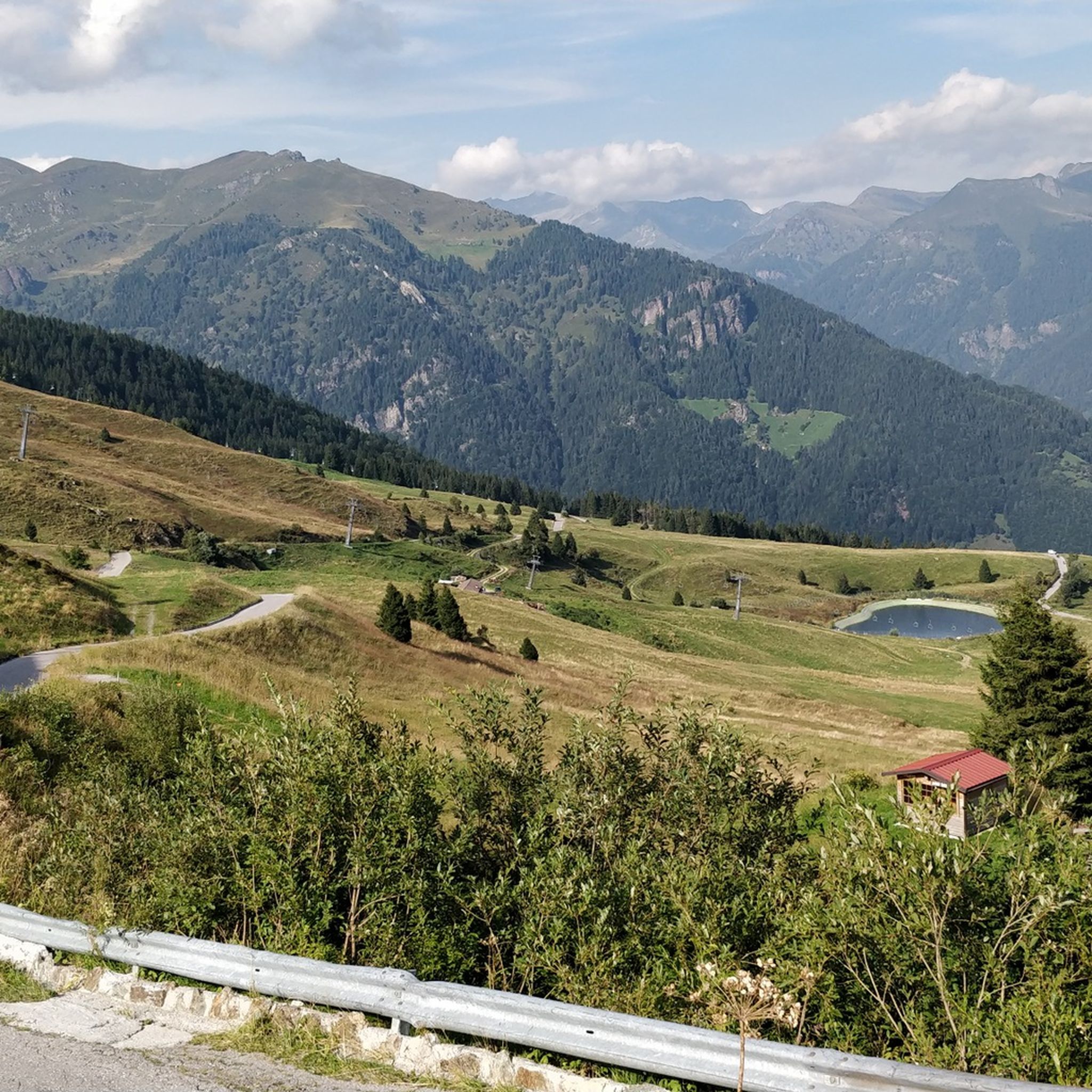
Beautiful view of the lake halfway up the hill after a "spicy" climb 🤩
0
0

very suggestive and equipped picnic area
0
0

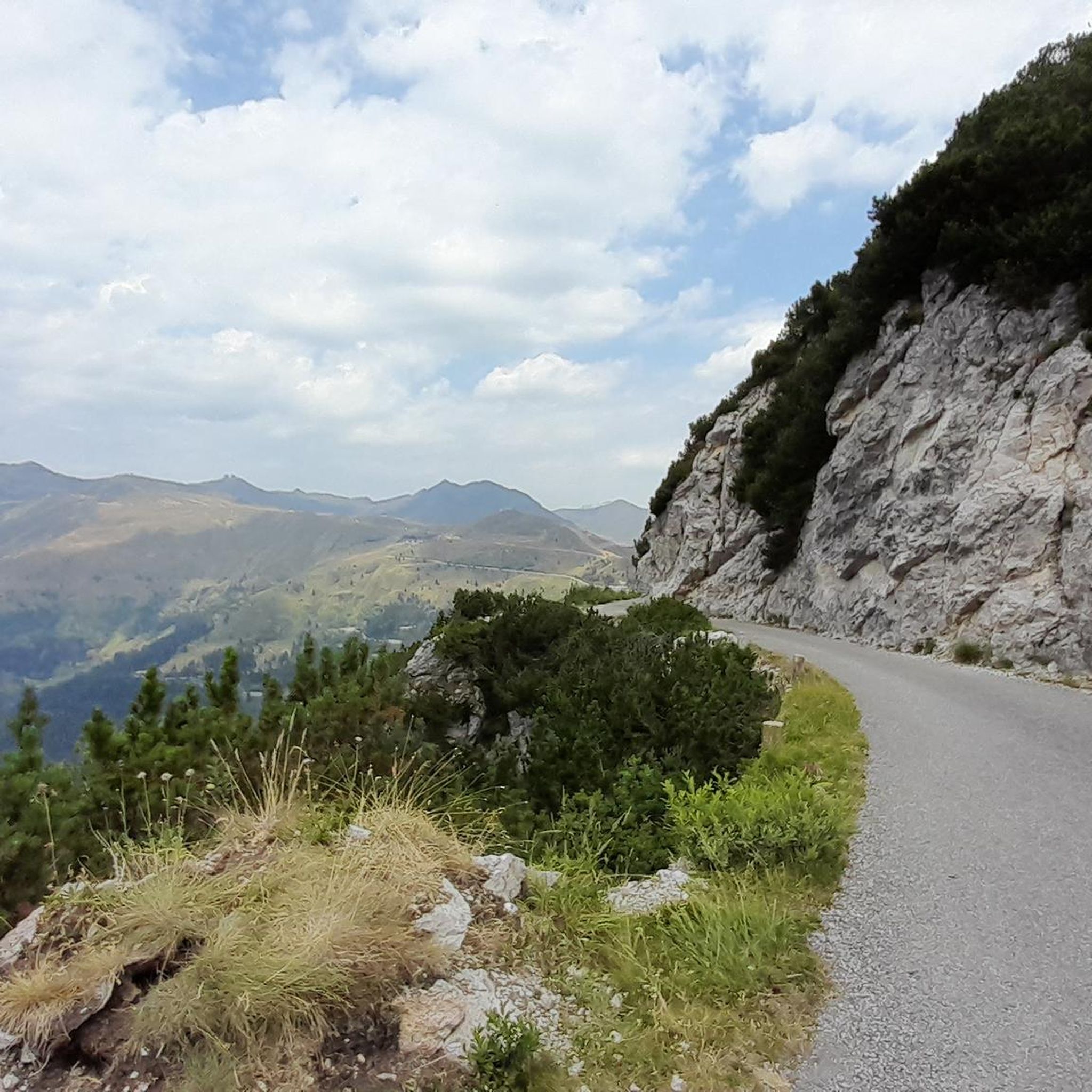
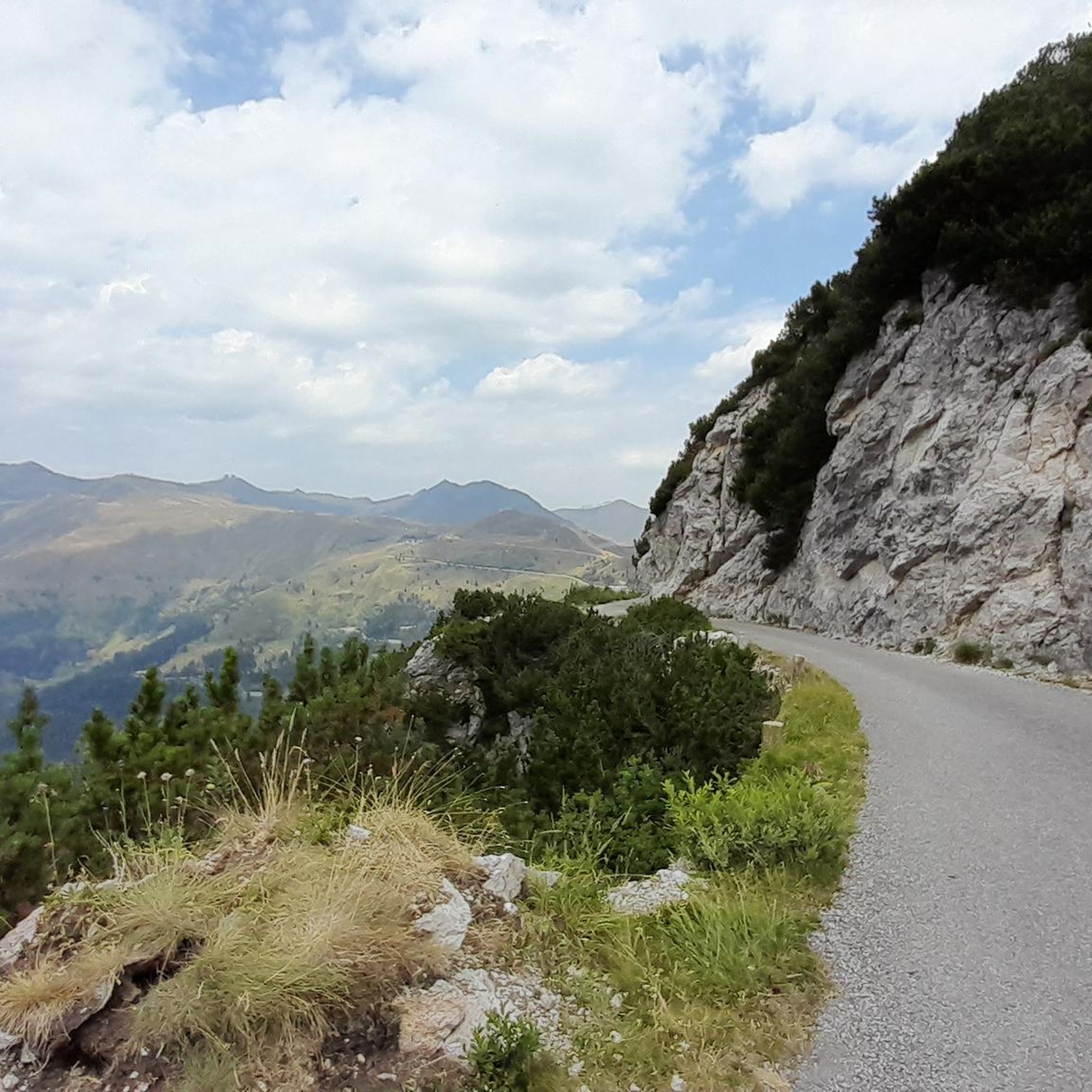
A famous pass in the Brescian Pre-Alps, the Crocedomini has a very long history (it is said that Emperor Frederick Barbarossa passed through here in the 12th century) and is almost 1,900 meters above sea level. It represents a real challenge for those who decide to tackle it by bicycle: from Bagolino it is a 22 kilometer climb at an average 5%, while the Breno side is even harder, around 20 kilometers at an average 7.5%. You can also get to Crocedomini in a third way, that is, through the splendid partly dirt road (very simple gravel) that comes from the south, from the Maniva pass.
4
0


This is the Passo delle Sette Crocette! An ancient road between the upper Val Trompia and Val Grigna, with a dry stone wall and seven iron crosses. A 1688 cippus adds to the historic charm. Legends tell of witchcraft and mountain piety linked to tragic events. A fascinating place steeped in history and mystery.
3
1

Monte Muffetto is a mountain located in the province of Brescia, Lombardy. With its suggestive landscapes and unspoiled nature, it is an ideal destination for hiking and nature lovers. The top of Monte Muffetto offers spectacular views of the surrounding area and allows visitors to immerse themselves in the tranquility and beauty of the Lombardy mountains. It is a popular destination for those looking for a pleasant outdoor adventure and a way to get away from the daily grind.
1
0
Frequently Asked Questions
What are the most popular natural monuments around Collio?
Among the most appreciated natural monuments, visitors frequently highlight Passo Crocedomini, a historic mountain pass in the Brescia Prealps. Another favorite is the Pass of the Seven Crosses, known for its ancient road and historical significance. The Val Grigna Regional Forest is also very popular for its diverse landscapes and extensive trail network.
What kind of natural features can I expect to see in the Collio region?
The Collio region, particularly in Lombardy, offers a diverse range of natural features. You can explore high alpine mountain passes like Passo Crocedomini, vast regional forests such as the Val Grigna Regional Forest, and impressive summits like Monte Muffetto. There are also lakes, including the artificial Lake Bongi, and the broader landscapes of the Adamello Natural Park.
Are there any historical natural monuments in the area?
Yes, the region features natural monuments with significant historical context. The Pass of the Seven Crosses is an ancient mountain pass with a dry stone wall, iron crosses, and a 1688 cippus, steeped in local legends. Passo Crocedomini also has a long history, with tales of Emperor Frederick Barbarossa passing through in the 12th century.
What outdoor activities can I do near these natural monuments?
The mountainous terrain around Collio is ideal for various outdoor activities. You can find numerous routes for cycling, mountain biking, and running. For cycling, explore routes like the 'View of the Adamello – Ravenola Lakes loop' or the 'Bistrot Curtense of Bovegno – Church of San Lorenzo loop'. Mountain biking enthusiasts can tackle the 'Passo Crocedomini - Bagolino Loop'. Runners can enjoy trails such as the 'Maniva Pass – Dosso Alto Hotel & Restaurant loop'. You can find more details on these activities in the cycling, MTB, and running guides for Collio.
Are there family-friendly natural monuments or activities?
Yes, Lake Bongi is considered family-friendly, offering a pleasant setting. The Val Grigna Regional Forest also has pedestrian paths and structures that have been transformed into agritourisms and environmental education centers, making it suitable for families to explore.
What is the best time to visit the natural monuments around Collio?
The Adamello Natural Park, which borders the Collio region, is particularly recommended for visits in late spring and early autumn. During these periods, the weather is mild, making it ideal for hiking, mountain biking, and exploring the diverse landscapes without the extreme heat of summer or the challenges of winter snow.
Are there hiking trails near these natural monuments?
Absolutely. The region is crisscrossed with hiking trails. For example, the Val Grigna Regional Forest is home to long-distance paths like the Tre Valli Bresciane path and the Via dei Silter. The Pass of the Seven Crosses also follows part of the Path of the Three Brescian Valleys, offering a pleasant mountainous environment with green meadows and huts. Monte Muffetto summit can be reached via various trails, including two main ridges.
Can I find cafes or accommodation near the natural monuments?
Within the Adamello Natural Park, near the Collio region, the Dosso Rotondo Refuge offers traditional mountain dishes and serves as a starting point for itineraries. The Val Grigna Regional Forest has structures originally linked to alpine farming that have been transformed into bivouacs, refuges, and agritourisms. While Lake Bongi has a small bar, it may not always be open.
What kind of views can I expect from the summits and passes?
From high points like the Monte Muffetto summit, you can enjoy splendid panoramas, including the upper part of Lake Sebino, the Camonica Valley, and the Trompia Valley. On clear days, you might even spot the Orobie mountain range, the Adamello massif, and the Brenta Dolomites. Mountain passes like Passo Crocedomini and Pass of the Seven Crosses also offer scenic vistas of the surrounding alpine environment.
Are there any specific geological features worth noting?
The Collio region's landscape is shaped by its geology. The Adamello mountain range features glacial basins, such as the one where Lago della Vacca (Cow's Lake) is found, named for a distinctive rock formation resembling a cow. The Collio Goriziano region, though distinct, is known for its unique Eocene substrate of marl and sandstone, which contributes to its distinct terroir.
What is unique about the Val Grigna Regional Forest?
The Val Grigna Regional Forest is unique for its extensive area of over 2,800 hectares, characterized by spruce fir and larch woods interspersed with large clearings. It's special for its diverse landscape, numerous structures linked to alpine farming that have been repurposed, and long-distance paths like the Tre Valli Bresciane path, offering both natural beauty and cultural insights.
Can I bring my dog on trails near the natural monuments?
While specific regulations for dogs on every trail are not detailed, many natural areas in Italy, especially on hiking paths, generally allow dogs on a leash. It's always advisable to check local park rules or specific trail guidelines before visiting, particularly within protected areas like the Adamello Natural Park, to ensure a pleasant and compliant experience for you and your pet.
Most popular routes around Collio
Most popular attractions around Collio

Get inspired with the komoot mobile app


Explore more
Extend your search for the best caves by checking out these guides of the top ones around Collio:
