Attractions and Places To See around Spessa - Top 20
Best attractions and places to see around Spessa are centered in the picturesque Collio region of Friuli Venezia Giulia, Italy. This area is known for its blend of history, culture, and natural beauty, particularly around the historic Castello di Spessa and its vineyards. The landscape features rolling hills and offers a unique setting for exploration. Visitors can discover a rich heritage alongside scenic natural features.
Best attractions and places to see around Spessa
- The most popular attractions is Cicognola Castle…
Last updated: July 6, 2026
Cicognola Castle and Viewpoint
Highlight • Castle
Translated by Google •
Tip by

Little Church of Our Lady of Loreto
Highlight • Religious Site
The rural aedicule from the 15th century with an image of the Virgin of Loreto.
The ancient oratory …
Translated by Google •
Tip by

Sign up now to discover places like this
Get recommendations on the best single tracks, peaks, & plenty of other exciting outdoor places.
Sign up for free
Church of San Giacomo della Cerreta
Highlight • Religious Site
Translated by Google •
Tip by
Via Francigena in Linarolo
Highlight • Trail
The passage of pilgrims is confirmed by the existence, in the past, …
Translated by Google •
Tip by
Church of San Michele Arcangelo, Belgioioso
Highlight • Religious Site
The castle was originally built in the 14th century by the Belgioioso family. It served as a fortified residence to …
Translated by Google •
Tip by
Sign up for free to discover even more attractions around Spessa.
Sign up for free
Already have an account?
Start today with a free account
Your next adventure awaits.
Login or Signup
Tips from the Community

The patronage of this shrine, dedicated to the Madonna, refers to the town of Loreto. This is one of the great and important Marian pilgrimage sites in Europe, along with Lourdes in the French Pyrenees and Fatima in Portugal. Unlike the other two places mentioned, however, Loreto is not known for apparitions of the Mother of God. Here, pilgrims can find something very tangible: Mary's childhood home in Nazareth (Israel). Her parents—not mentioned by name in the biblical writings of the New Testament—are mentioned in apocryphal traditions: Saint Anne and Saint Joachim are thus the grandparents of Jesus Christ (their common feast day in the calendar of saints is July 26). Crusaders likely dismantled the venerated building in Nazareth and brought it to Europe when the era of the Christian kingdoms in the Holy Land came to an end towards the end of the 13th century. But this very sober assumption is countered by a much more interesting legend: According to this, four angels carried out the translation and flew the house over the Mediterranean.
0
0

Unfortunately, this church of St. James on the Via Francigena was closed.
1
0

The Chiesuolo della Madonna di Loreto was built in three successive phases: The rural aedicule from the 15th century with an image of the Virgin of Loreto. The ancient oratory in brick from the 17th century, also dedicated to the Madonna di Loreto. The current church, dating from 1781. Architecture: The church has a single nave with a protiro (covered entrance) and is built of exposed brickwork. Inside there are frescoes and an altarpiece with the Madonna di Loreto. Significance: The Chiesuolo is also called ‘Il Chiesuolo’ and is dedicated to the Madonna of Loreto. It is an important historical testimony and a place of devotion. https://www.lombardiabeniculturali.it/architetture/schede/PV240-01108/
6
0
The church of San Michele Arcangelo is in an excellent state of conservation thanks to recent restorations. The façade shows a typical style of the 17th century and is divided into two parts by a horizontal brick frame. At the bottom, there are three portals flanked by slender pilasters. Above the central portal is a fresco dedicated to the saint. The upper half is framed by two curly volutes and two hollow niches that enclose a central window. The façade is crowned by a slightly projecting tympanum with a cross and three columns. The colours of the façade, a delicate balance between white and brown, give a foretaste of the opulence and wealth inside.
6
0
The Castello di Belgioioso, has a rich and fascinating history. The castle was originally built in the 14th century by the Belgioioso family. It served as a fortified residence to protect the surrounding area and as a symbol of power and prestige. In the 16th century, the castle underwent important renovations and extensions. The architecture was influenced by the Renaissance style, with elegant loggias, arcades and beautiful frescoes. In the 18th century, Antonio Barbiano obtained the elevation of Belgioioso to a principality in 1796 and expanded and rebuilt the medieval castle, enriched with extensive gardens and greenhouses in neoclassical style by the architect Leopold Pollack. In the 19th century, the castle became a meeting place for artists, writers and philosophers. It was a breeding ground for creativity and intellectual exchange. Today, the Castle of Belgioioso is managed by the Ente Fiera dei Castelli di Belgioioso e Sartirana. It organizes exhibitions and events that highlight the history, art and culture of the region.
6
0
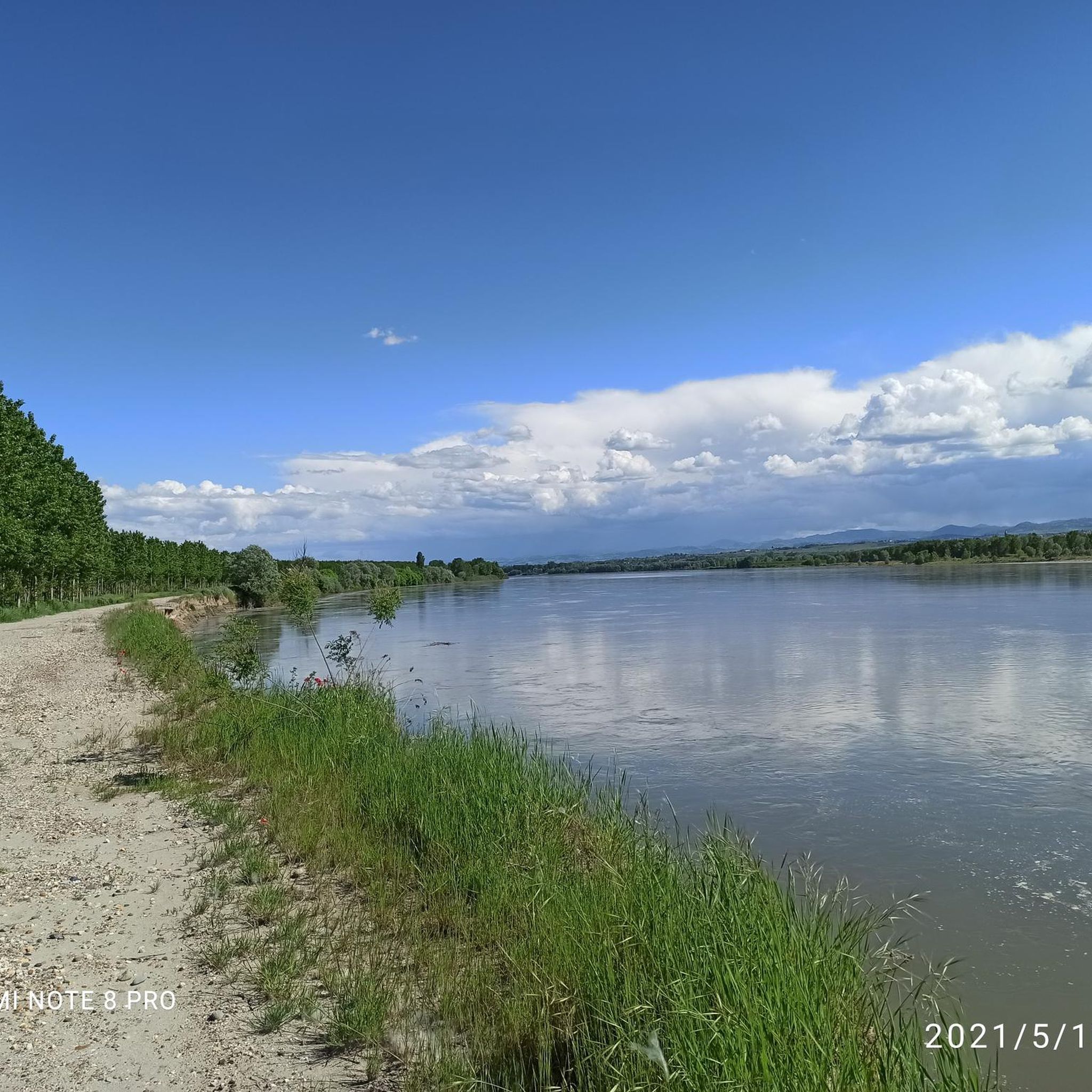
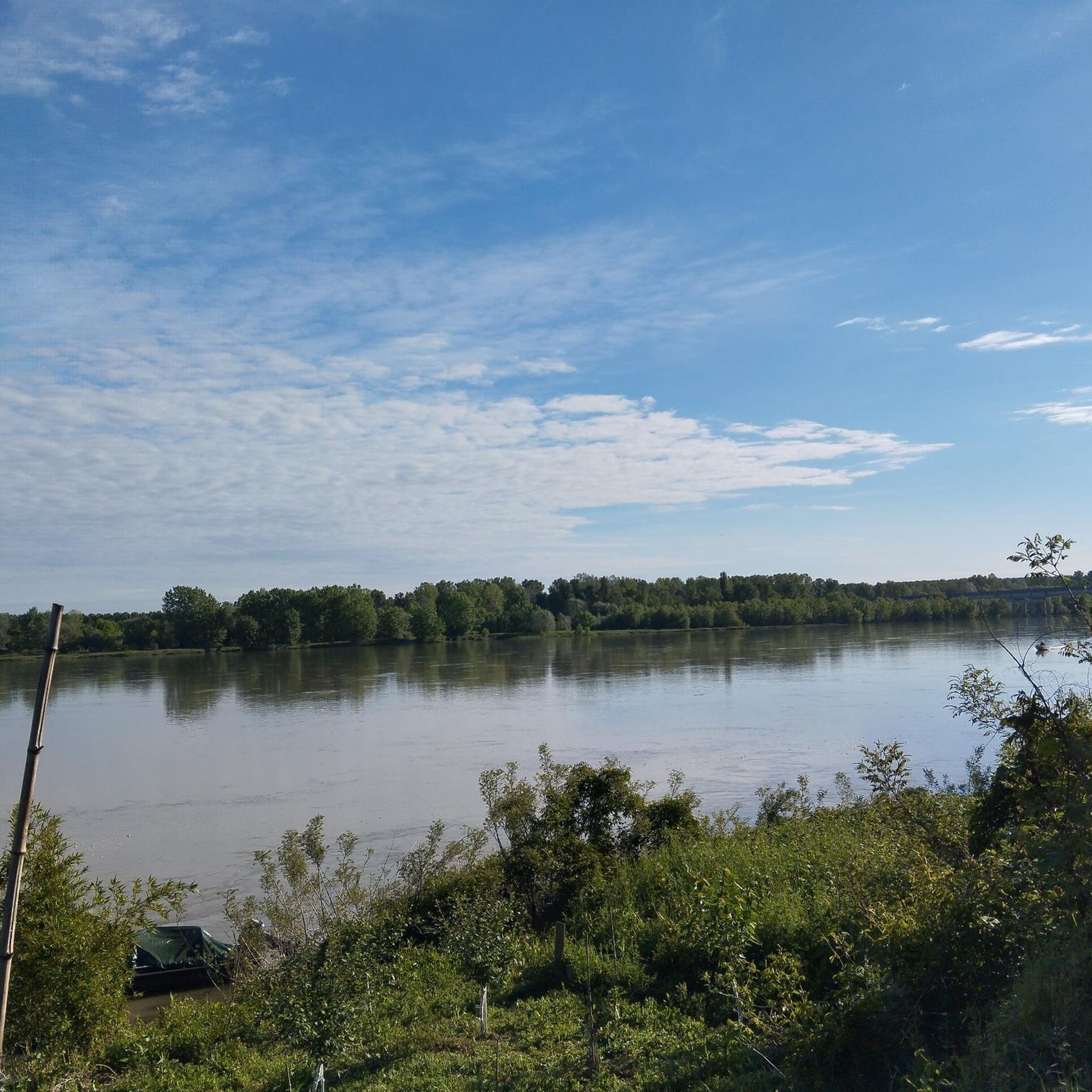
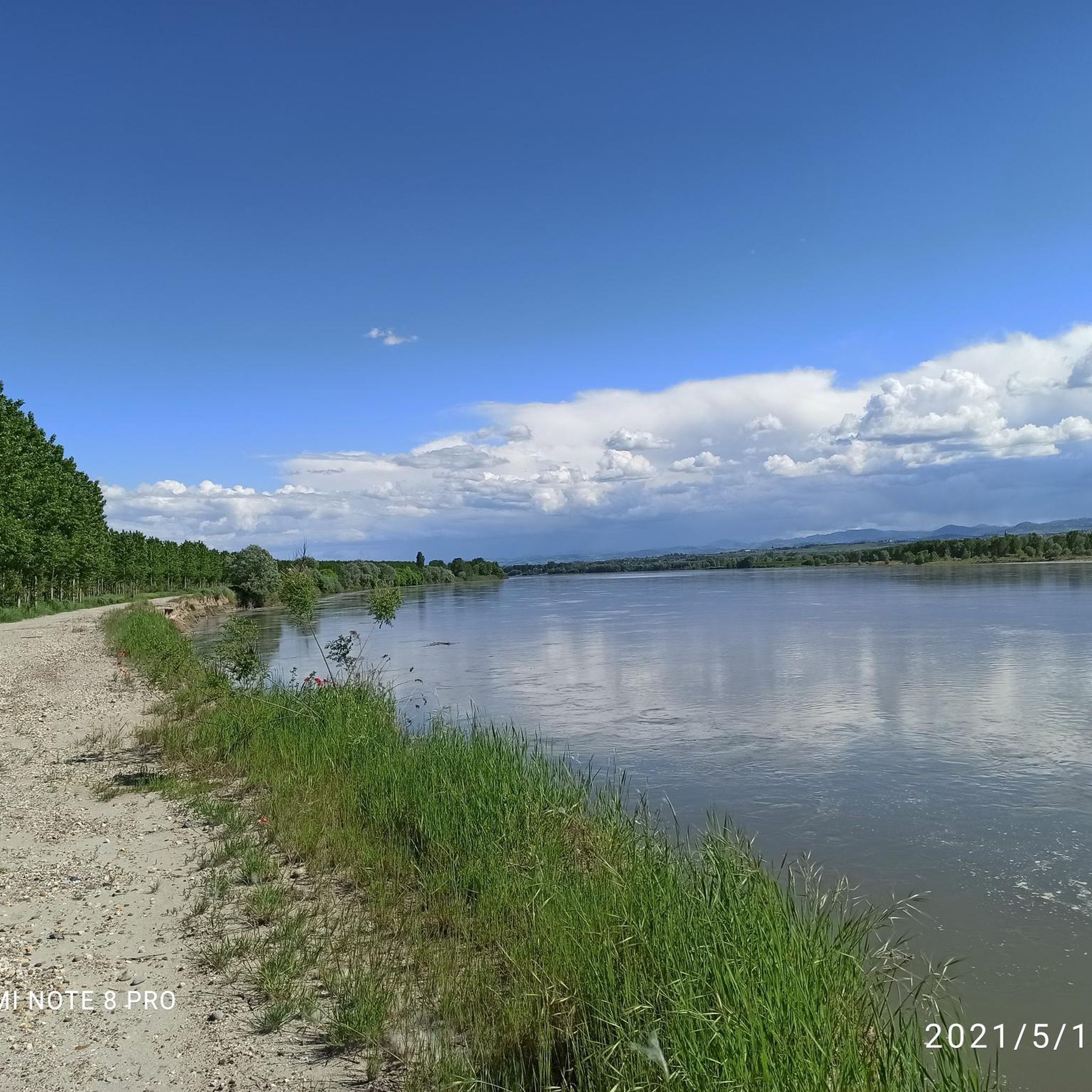
The Via Francigena passes through the municipality of Linarolo, which belonged to the Order of the Knights Templar. The passage of pilgrims is confirmed by the existence, in the past, of a hospital for the Romans, mentioned by the Duke of Milan Gian Galeazzo Visconti in his Itinerary for pilgrims on the way to Rome, dated 1400. The woods and the proximity of the river were the ideal setting for nature walks and the re-enactment of an evocative history. The city is located in an area that was very popular in the Middle Ages, where the Strada Regina passed, via San Leonardo and Ospedaletto. The road connected Piacenza with Pavia along the Po and was the continuation of the Via Emilia (Rimini-Piacenza).
3
0

Place of cultural, artistic, historical and tourist interest Via Dante Alighieri, 1, 27011 Belgioioso PV https://www.belgioioso.it/ 0382970525
2
0
In the countryside between Belgioioso and the river Po, near the hamlet of San Giacomo della Cerreta stands the small church of San Giacomo, a destination for pilgrims because it is located on the ancient route of the Via Francigena, to which its name refers to another of the destinations of medieval pilgrims: Santiago de Compostella in Spain. In the past, near San Giacomo della Cerreta, there was the small settlement of Porcaria, whose name refers to the breeding of pigs, documented from the twelfth century and disappeared in the fourteenth century. The church is of Lombard art from the first half of the fifteenth century, it has a single room, entirely painted with votive paintings related to pilgrimages. In addition to the Madonna, Saint Roch and Saint James are repeatedly depicted, both in the guise of pilgrims, carrying a stick and a saddlebag. In the images of St. James, the characteristic shell that pilgrims collected at Cape Finisterre, on the beaches of the Atlantic Ocean, has been added as a sign and reminder of the journey made.
6
0
Frequently Asked Questions
What historical sites can I explore around Spessa?
The area around Spessa is rich in history. You can visit the impressive Cicognola Castle and Viewpoint, a medieval fortress that once controlled traffic towards Emilia. Another significant historical site is the Church of San Giacomo della Cerreta, located on the ancient Via Francigena pilgrim route, featuring Lombard art from the 15th century. The Little Church of Our Lady of Loreto, also known as ‘Il Chiesuolo’, offers a glimpse into centuries of devotion and architecture.
Are there any religious buildings worth visiting near Spessa?
Yes, several religious buildings offer historical and architectural interest. The Church of San Giacomo della Cerreta is a notable stop for pilgrims on the Via Francigena, known for its 15th-century Lombard art and votive paintings. The Little Church of Our Lady of Loreto, with parts dating back to the 15th century, is an important local devotional site. Additionally, the Church of San Michele Arcangelo in Belgioioso showcases a beautiful 17th-century façade and opulent interiors.
Can I find family-friendly attractions in the Spessa area?
Many of the historical and religious sites around Spessa are suitable for families. The Little Church of Our Lady of Loreto and the Church of San Michele Arcangelo in Belgioioso are marked as family-friendly. Exploring the Via Francigena in Linarolo also offers a chance for pleasant walks through historical landscapes that can be enjoyed by families.
What kind of outdoor activities can I do near Spessa?
The region around Spessa is excellent for various outdoor activities, especially cycling. You can find numerous routes for touring bicycles, gravel biking, and mountain biking. For cycling, explore options like the 'Scenic View of Vineyards' loop or the 'Via Francigena Near Pavia' route. You can find more details on these and other routes in the Cycling around Spessa guide, the Gravel biking around Spessa guide, and the MTB Trails around Spessa guide.
Are there cycling routes that explore historical areas?
Yes, the Via Francigena in Linarolo is a historical trail that also functions as a cycle path. You can find a 'Via Francigena Near Pavia – Via Francigena in Linarolo loop from Stradella' in the Cycling around Spessa guide, offering a moderate difficulty ride through an area once frequented by pilgrims and Templar knights.
What natural features or viewpoints can I discover?
The area offers scenic views, particularly from the Cicognola Castle and Viewpoint, which is strategically positioned on the Scuropasso Valley. While the immediate guide focuses on historical sites, the surrounding region, including the Oltrepò Pavese, is known for its rolling hills and vineyards, providing picturesque landscapes for exploration.
What do visitors appreciate most about the attractions near Spessa?
Visitors frequently highlight the historical significance and architectural beauty of the sites. For instance, the Cicognola Castle is praised as 'one of the most beautiful castles in the Oltrepo'. The Church of San Giacomo della Cerreta is valued for its Lombard art and its connection to the ancient Via Francigena. The overall experience is enriched by the blend of history, culture, and the natural setting.
Are there any specific tips for visiting Cicognola Castle?
The Cicognola Castle and Viewpoint is situated in a high-altitude, strategic position. Visitors note its defensive function during the Middle Ages. A practical tip for visitors is that there is a drinking fountain located where the highlight is marked, which can be useful during your visit.
What is the historical significance of the Via Francigena in this region?
The Via Francigena in Linarolo is a historically significant route that passes through the municipality of Linarolo, which once belonged to the Order of the Knights Templar. Its importance is underscored by the past existence of a hospital for pilgrims, mentioned in a 1400 itinerary. The route connected Piacenza with Pavia along the Po, serving as a continuation of the Via Emilia.
Can I find places to eat or stay near the attractions?
While specific cafes, pubs, or accommodations are not detailed for each highlight, the broader region around Spessa, particularly in the Collio area (Friuli Venezia Giulia), is known for its gastronomic experiences, including various dining options and wine resorts. For the Pavia area attractions, nearby towns like Belgioioso and Stradella would offer local amenities.
What is the best time to visit Spessa for outdoor activities?
The Collio region, where Spessa is located, benefits from a unique climate influenced by the Julian Prealps and the Adriatic Sea. This generally means pleasant conditions for outdoor activities during spring and autumn. Summers can be warm, ideal for enjoying the vineyards, while winters are cooler. For specific trail conditions, it's always best to check local weather forecasts.
Are there any unique cultural experiences related to wine in the broader region?
The Collio region, where Spessa is situated, is renowned for its vineyards and wine production. While the specific highlights in the guide are historical, the broader area offers opportunities for winery tours and wine tasting, featuring local varieties like Friulano and Ribolla Gialla. Some estates even offer wine therapy spas and culinary courses, celebrating the region's rich viticultural heritage.

Get inspired with the komoot mobile app


Explore more
Still not found the Highlight you’re looking for? See guides of the top attractions in other regions:
